
Diving at Panagia (Greece)
Preparing for a dive at Panagia offers an authentic experience, catering to all certification levels. Divers can anticipate a relaxed underwater exploration, often less crowded than other destinations. Depending on local weather conditions, this site provides various diving opportunities. It's an inviting destination for those seeking diverse subaquatic landscapes.
Tonight's objective overview for Panagia shows an air temperature of 21.5°C. The measured surface conditions include wave heights around 0.7 m. This environmental data is logged for the close of the day.
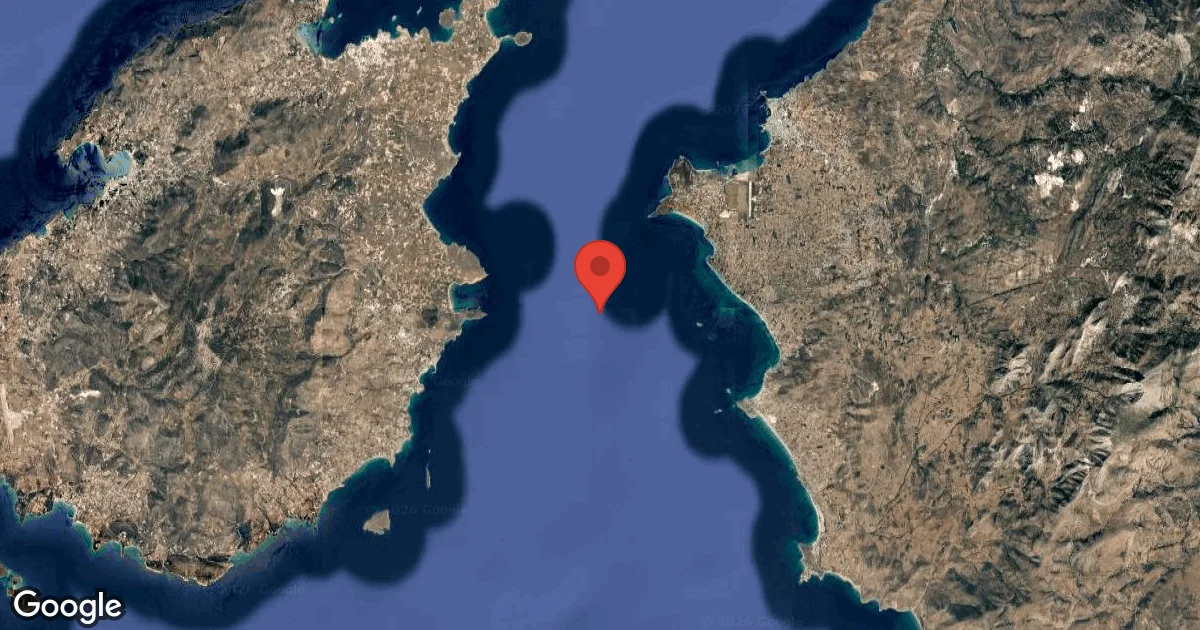
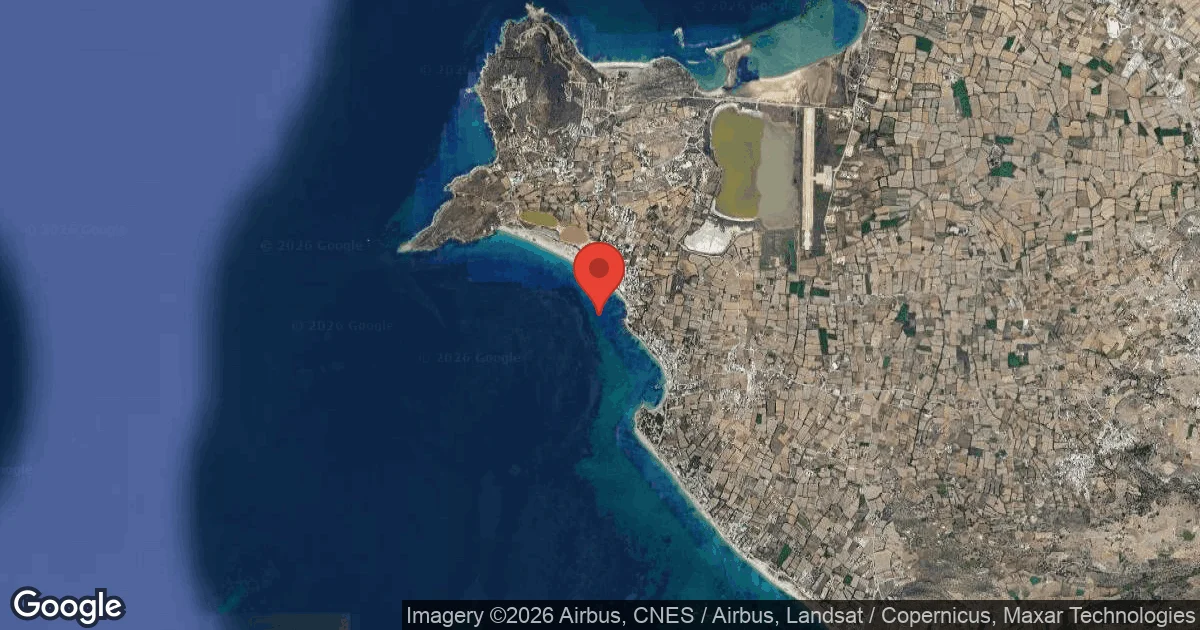
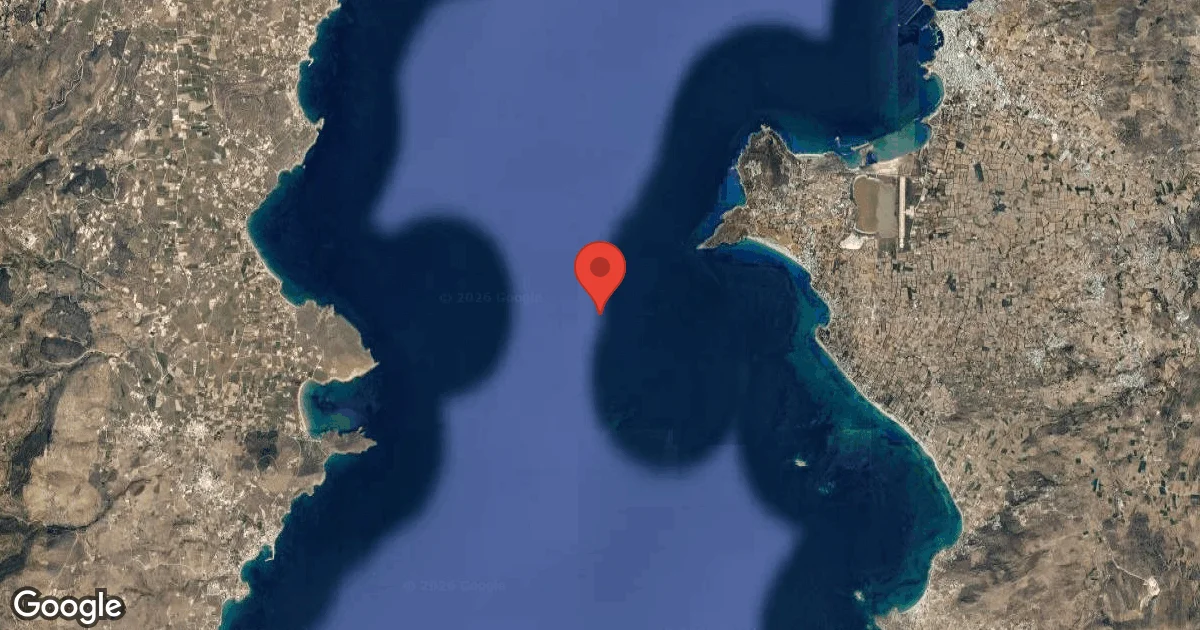
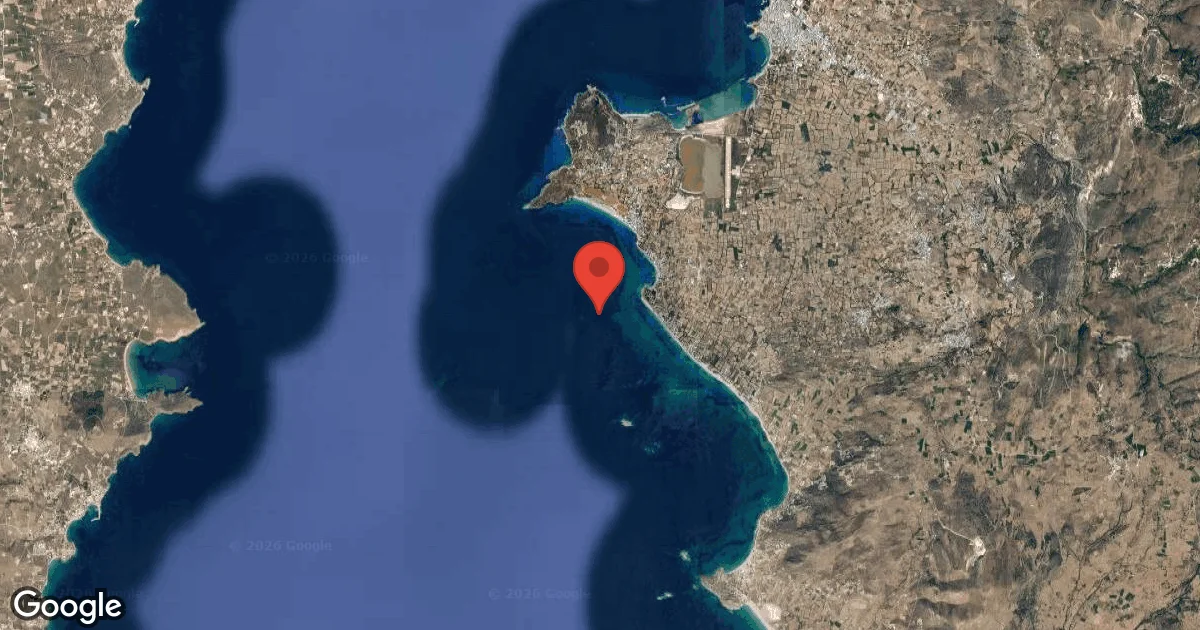
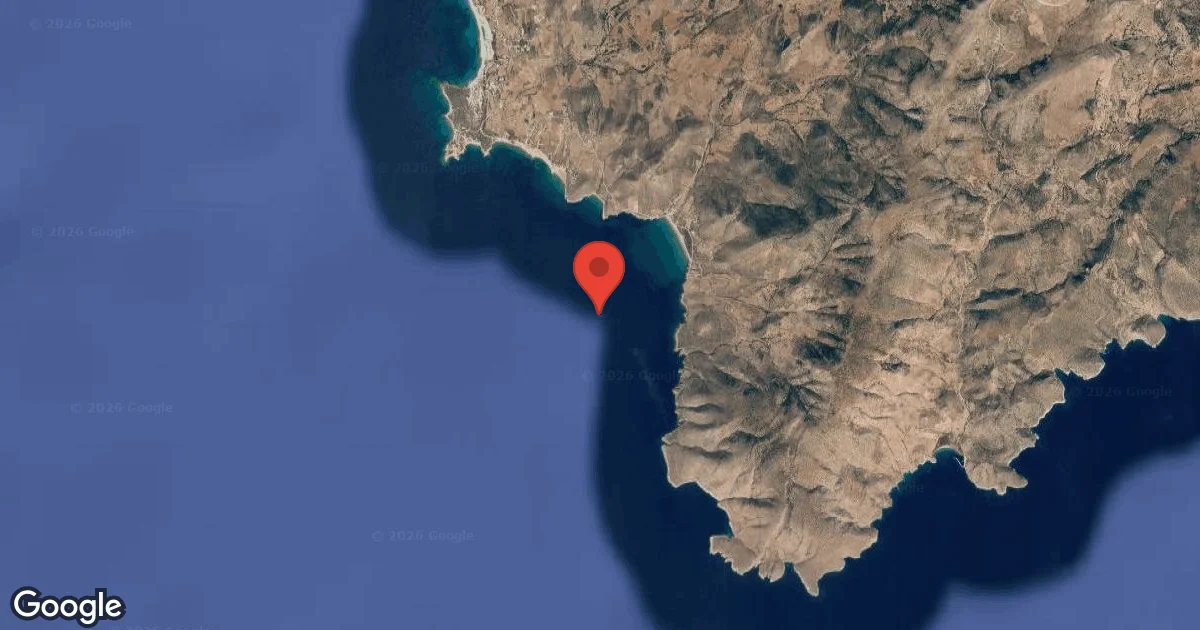
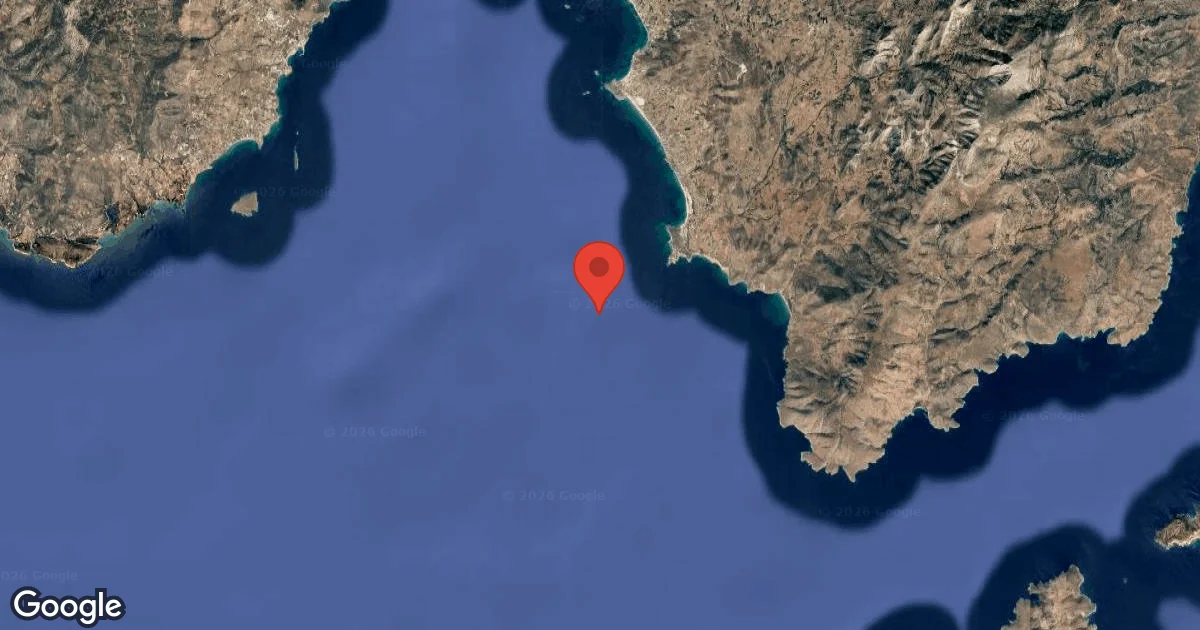
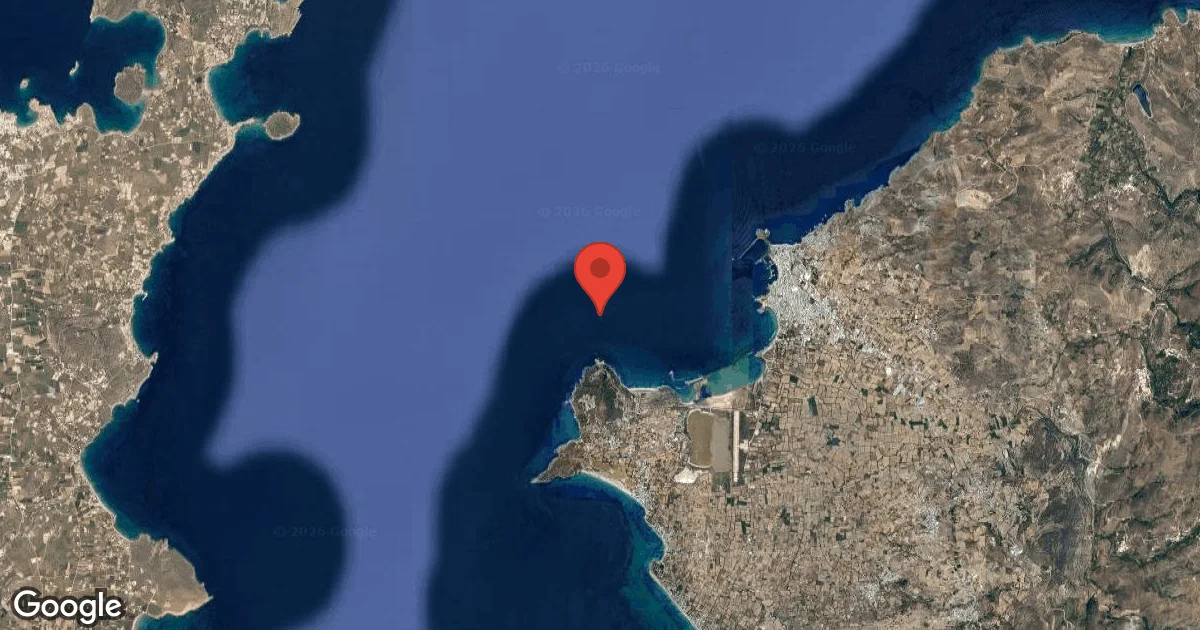
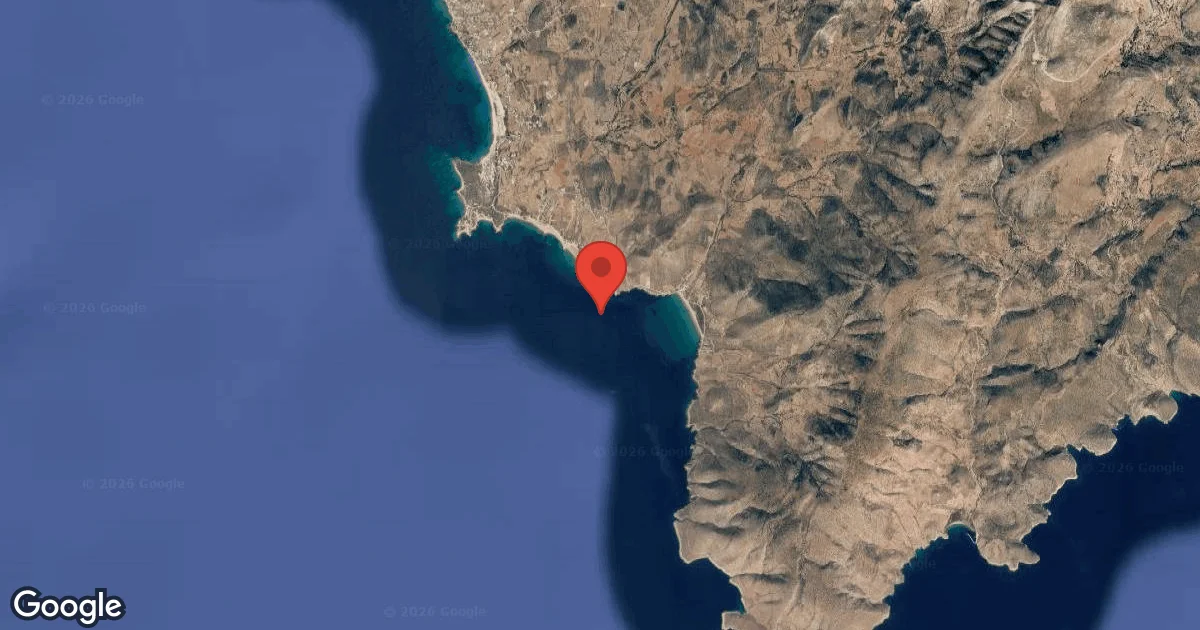
Dive Site Location & Key Facts
Dive Site Overview
Panagia's underwater topography presents a compelling mix of rocky seabed, scattered reefs, and substantial rock formations. Dives here typically commence at approximately 6 meters (20 ft), descending through varied underwater terrain.
While some areas are suitable for all levels, certain sections challenge advanced divers, reaching maximum depths of around 40 meters (130 ft). Exploring the site, you might encounter a narrow underwater canyon, leading into an impressive rocky seascape that divers can navigate. Further exploration in the broader area unveils specific features, including an open cavern with its entrance situated at approximately 25 meters, accessible by swimming along a steep wall.
This particular cavern offers a fascinating natural structure. Other challenging sites begin in the mid-twenties of meters and extend to deeper reaches, with one noted descent pushing well beyond typical recreational limits.
Such structural diversity supports a rich array of marine life, ensuring each descent offers unique observations and multiple pathways for exploration.
Conditions are Good
Optimal conditions expected
Current conditions near Panagia show 21° air, 24° sea temperature, 0.8 m waves, and 32 km/h wind. Forecast data is refreshed regularly to ensure accuracy.
Best Time to Dive
Optimizing your dive trip to Panagia involves considering seasonal climate patterns, with the summer and early autumn months generally presenting the most favorable conditions. From June through September, air temperatures peak, ranging from 24.5°C to 28.5°C (76-83°F), accompanied by minimal rainfall, often less than 0.4 mm (0.01 in). During this period, the dive score consistently remains high at 'Good' (8). Conversely, winter months, particularly January and February, see cooler air temperatures, averaging around 12.5°C to 13.5°C (54-56°F), and higher rainfall totals, up to 2.6 mm (0.1 in). Despite cooler air, dive scores remain generally good year-round, suggesting decent underwater conditions even in the off-season. Wave heights are typically lower during summer, contributing to calmer seas and better visibility.
PEAK SEASON SCORE
Scores combine air & water temps, waves, wind & rainfall for overall conditions.
BEST MONTHS TO DIVE
Monthly records compiled from satellite and marine observation nodes over the last 3 years. Data provided by Open-Meteo and MET Norway.
Dive Experience & Conditions
Navigating the waters around Panagia provides a varied sensory experience, often characterized by excellent visibility, reported to reach impressive distances, sometimes exceeding 40 meters in favorable conditions. While generally accessible for all experience levels, mild underwater currents occasionally prevail. These currents can add a dynamic element to the dive, creating conditions often ideal for observing impressive fish species as they navigate the flow. Water temperatures vary depending on the season, with warmer conditions expected during the peak summer months. Throughout the year, the dive site maintains its appeal for its uncrowded nature, allowing for a more serene and immersive underwater journey. Divers will find themselves moving through diverse environments from shallow reefs to deeper, current-swept areas, each offering distinct observations.
Dive Difficulty & Safety Guidelines
Diving around Panagia, especially in its deeper sections or where currents are present, requires careful planning and adherence to safety protocols. Mild underwater currents can occur, demanding competent buoyancy control and good finning technique from divers. This site is situated within a protected marine area, meaning specific regulations for interaction with marine life and the environment are in place; understanding these before your dive is essential.
While many dives begin at manageable depths, some locations descend to significant depths, well beyond typical recreational limits, requiring advanced or deep diver certification. Always dive within your certified limits and consider local conditions.
Consulting with a local dive center is advisable for current site specifics and any necessary permits to ensure a safe and compliant dive.
Recommended Equipment
- Dive Computer
This gear list is based on verified equipment signals for Panagia, Greece. Always confirm final gear choices with your dive operator, guide, or liveaboard.
Recommended Dive Suit
Temperatures look set to gradually increase over the next several days. A warming trend is expected over the next few days.
Many experienced divers would consider 3mm wetsuit an appropriate choice here. Consider warmer surface protection (like a boat coat) due to brisk winds. Surface intervals may feel cooler.
Current dive conditions indicate that water temperatures around Panagia are sitting at roughly 24°C (76°F). Surface air temperatures are resting at 21°C (71°F).
Emergency & Medical Support
Essential information to help you plan your dive trip to Panagia.

Hyperbaric chambers are a critical part of dive safety infrastructure. Availability varies significantly by region, and not all dive areas have immediate access.
Before diving, it's recommended to:
- confirm nearest medical facilities
- check emergency procedures with local dive operators
- ensure dive insurance covers evacuation if required
Divers Alert Network
Diving emergency assistance available through DAN Europe.
+39 0642115685- 24/7 emergency hotline
- Diving medical assistance
- Evacuation coordination
Emergency contacts are provided for reference. Always verify local emergency services before diving.
Closest Listed Hyperbaric Chambers
Showing listed hyperbaric chamber facilities within 200 km of this dive site.
Distances are approximate straight-line distances and may not reflect emergency travel time.
MYO
24/7 ListedKalymnos Island, Greece•Approx. 144 km straight-line
MYO
24/7 ListedInformation is provided for reference and planning purposes only. Dive Navigator does not verify operational status, staffing, availability, or quality of care at listed facilities. In an emergency, contact local emergency services, DAN, your dive operator, or the chamber directly. Do not travel to a facility without calling ahead.
MKYI/NNA (DHDM/ANH)
24/7 ListedICU CapableAthens, Greece•Approx. 177 km straight-line
MKYI/NNA (DHDM/ANH)
24/7 ListedICU CapableInformation is provided for reference and planning purposes only. Dive Navigator does not verify operational status, staffing, availability, or quality of care at listed facilities. In an emergency, contact local emergency services, DAN, your dive operator, or the chamber directly. Do not travel to a facility without calling ahead.
Information is provided for reference and planning purposes only. Dive Navigator does not verify operational status, staffing, availability, or quality of care at listed facilities. In an emergency, contact local emergency services, DAN, your dive operator, or the chamber directly. Do not travel to a facility without calling ahead.
Marine Life at Panagia
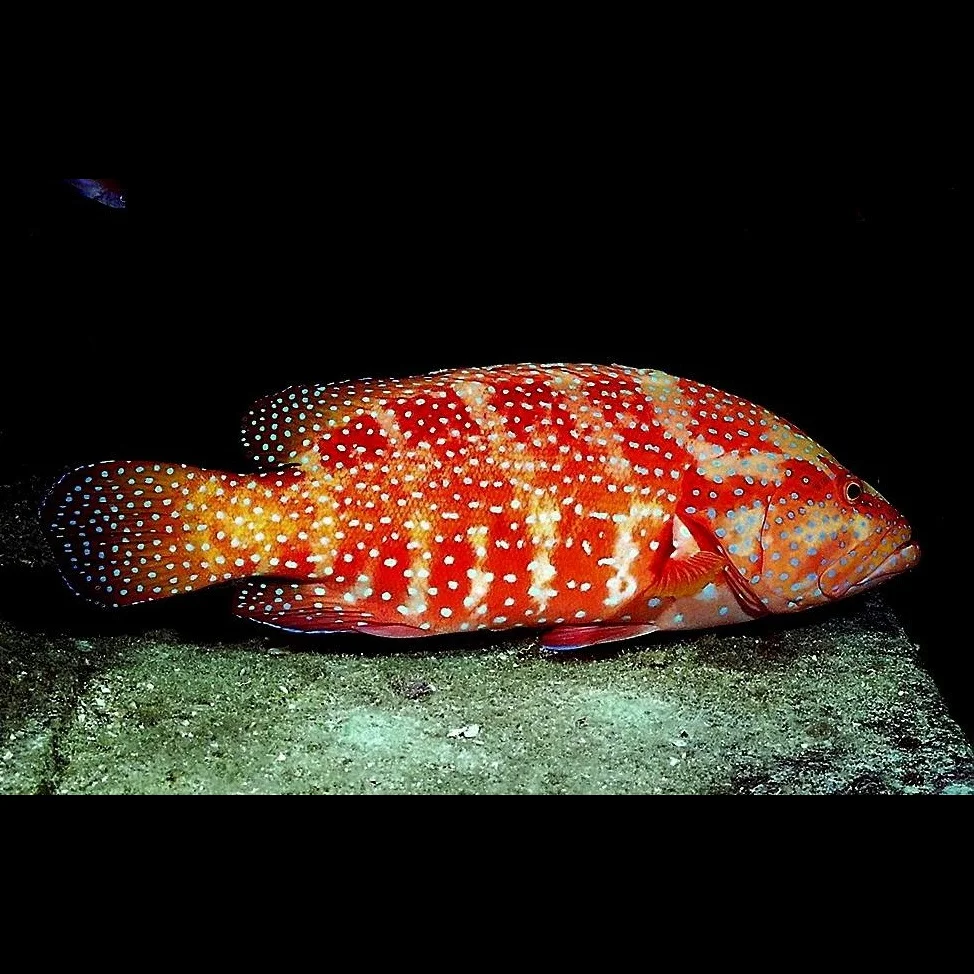
The rocky seabed and vibrant reefs surrounding Panagia provide a rich habitat for a diverse array of Mediterranean species. As you explore the underwater landscape, you might spot groupers, mullets, jackfishes, and scorpio fishes patrolling the formations.
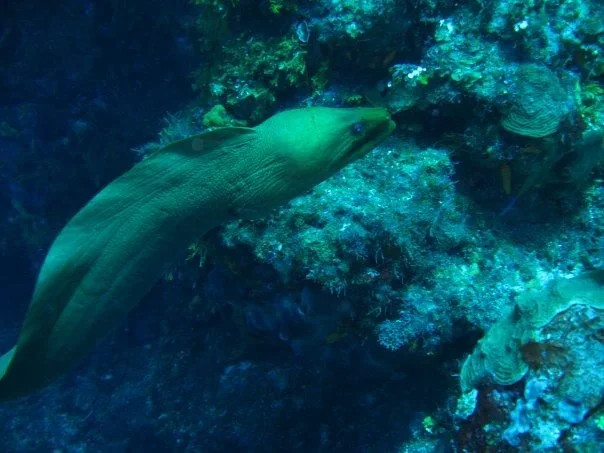
Moray eels often conceal themselves within the crevices of the rocks. Look closely at the walls and within caverns for small fish and shrimps, thriving in the sheltered spots.
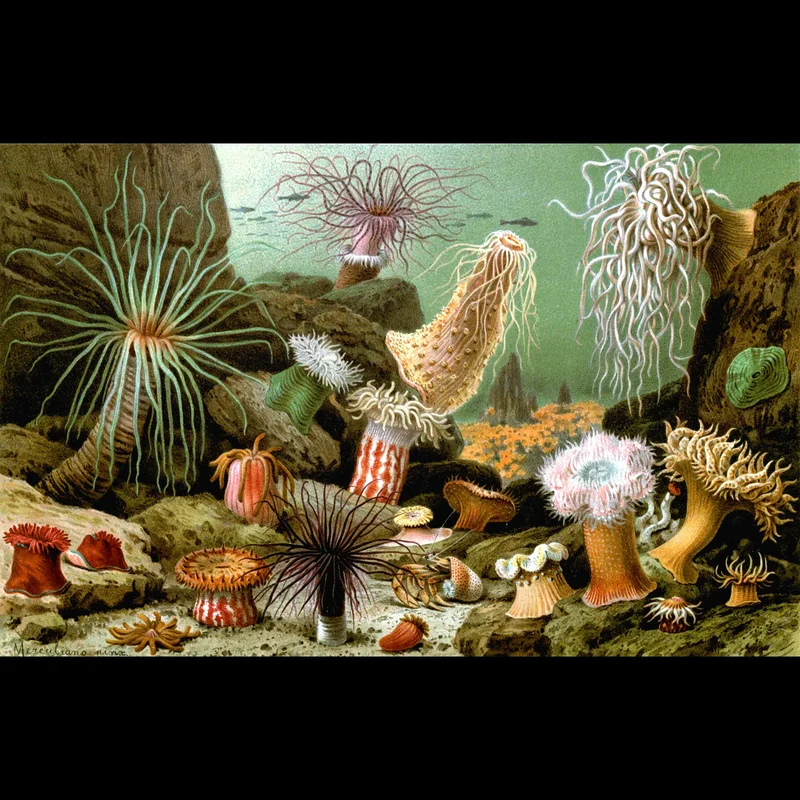
Deeper sections of the site showcase spectacular gorgonians, adding a striking visual element to the dive. The ecosystem also includes various anemones, soft corals, sponges, tritons, and shells, enriching the visual complexity of the dive.

Dive Sites Near Panagia
View all dive sites in GreeceDiscover more underwater gems in this area.
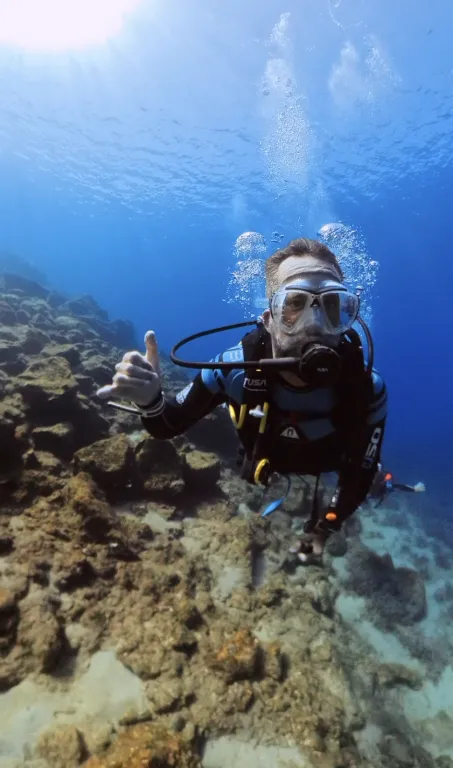
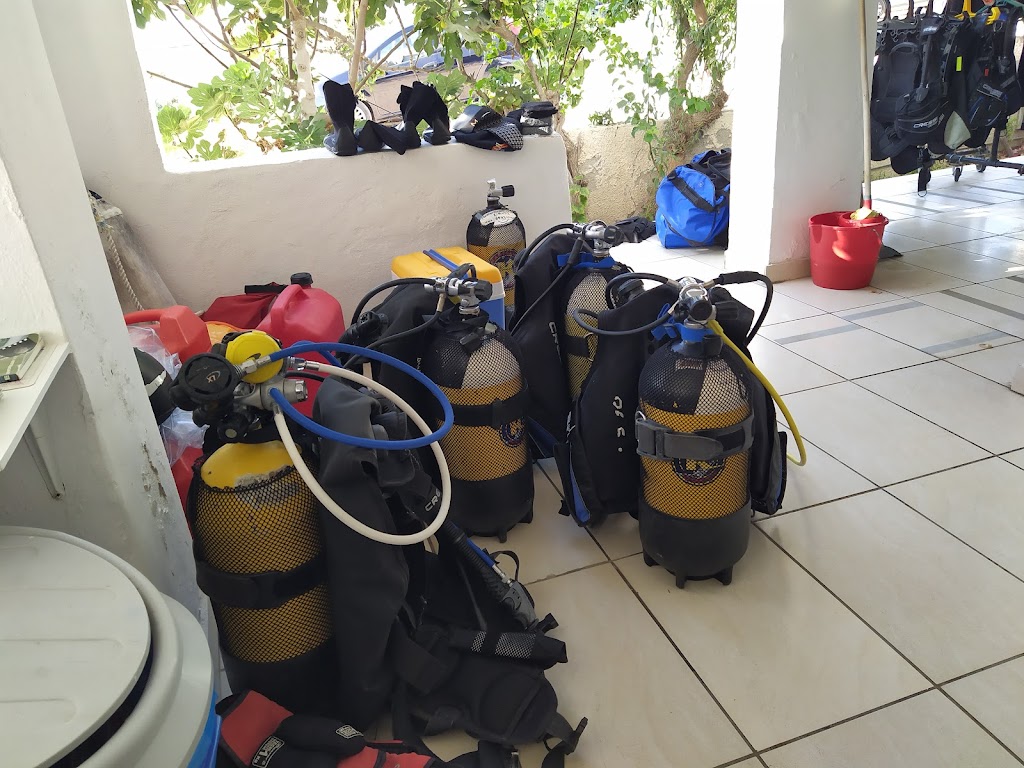
Dive Centers Near Panagia
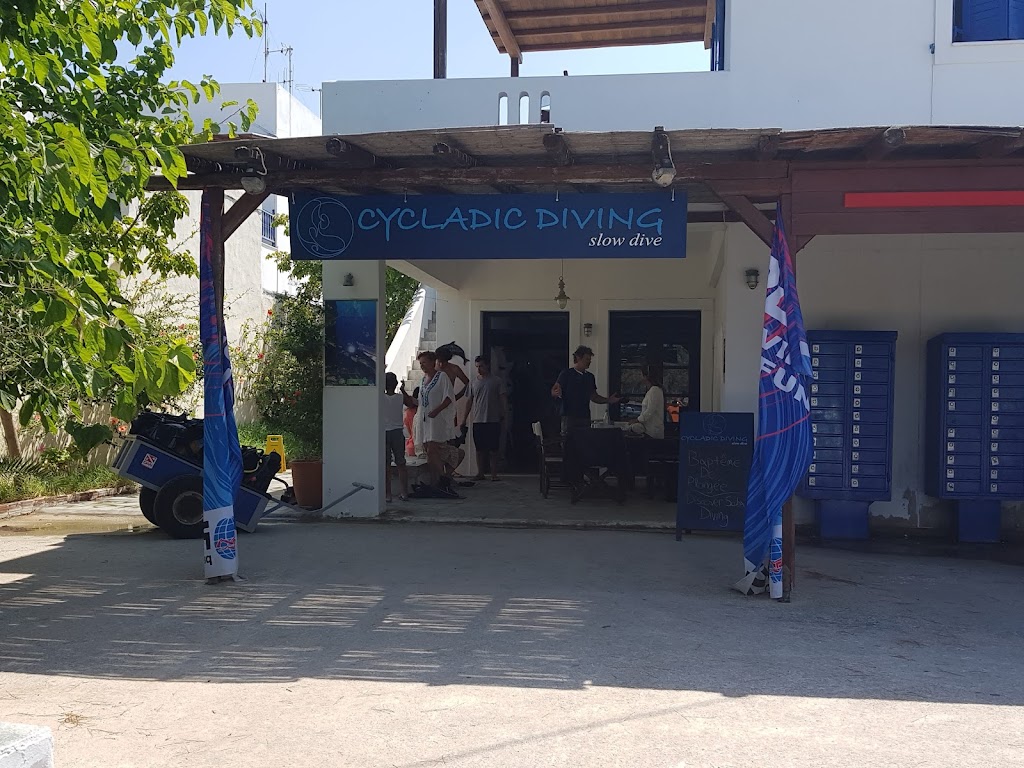
Today: 08:00 - 19:00
Nearest Airports
Nearest airports to help plan travel to this dive area.
Search Flights
Check available flights and routes on Expedia, using the nearby airports listed in this section.
Search Flights on ExpediaFrequently Asked Questions
What is the typical depth range for dives at Panagia?
Dives at Panagia Island generally range from shallow reef sections to deeper walls. Many recreational dives stay within 30 meters. Certain advanced dives can extend down to 40 meters (130 ft), with some technical exploration reaching even greater depths.
Is Panagia suitable for beginner divers?
Yes, Panagia is suitable for all levels of experience. Many dive opportunities are available for less experienced divers, with some sites starting as shallow as 6 meters (20 ft).
What kind of underwater topography can I expect?
The site features a diverse topography including rocky seabeds, reefs, large rock formations, and sometimes a narrow underwater canyon. There's also an open cavern with an entrance around 25 meters.
Are there strong currents at Panagia?
Mild underwater currents may occasionally prevail at Panagia. These currents can make the dive a bit more demanding but also create excellent conditions for spotting a greater variety of marine life.
What marine life might I encounter?
Divers commonly see groupers, mullets, jackfishes, scorpio fishes, and moray eels. The site is also home to anemones, soft corals, sponges, tritons, and various shells. Deeper areas host spectacular gorgonians.
What is the best visibility I can expect?
Visibility at Panagia can be excellent, with reports sometimes reaching beyond 40 meters under ideal conditions, providing clear views of the diverse marine environment and underwater structures.
Planning to dive Panagia?
Send one inquiry and receive offers directly from the best verified local dive operators.
Conditions are Good
Optimal conditions expected
Current conditions near Panagia show 21° air, 24° sea temperature, 0.8 m waves, and 32 km/h wind. Forecast data is refreshed regularly to ensure accuracy.