
Diving at St Nickolas (Greece)
St Nicholas reef on Zakynthos, part of Greece's Ionian Islands, is readily accessible for divers exploring its diverse underwater landscape. This site offers recreational depths, making it suitable for a range of certified divers. Located near the shore, it presents an inviting entry point to discover its distinctive features, including a small car wreck, a captivating reef, and a modest cave structure.
Tonight's objective overview for St Nickolas shows an air temperature of 24°C. The measured surface conditions include wave heights around 1 m. This environmental data is logged for the close of the day.
Dive Site Location & Key Facts
Dive Site Overview
Exploring St Nicholas reef begins with a convenient shore entry, leading directly into a vibrant underwater environment. This dive site, with a maximum depth of 12-15 meters (49 ft), caters well to a range of experience levels, from beginners to more experienced divers seeking accessible features.
Divers will navigate a varied terrain that transitions from an active reef, often displaying typical Mediterranean fish and invertebrate life, to intriguing geological formations. A notable feature is a small cave, presenting an accessible overhead environment for those with appropriate training and experience; its relatively shallow position allows for comfortable exploration. Further along the descent, a small car wreck rests on the sandy bottom, offering a distinct point of interest and a habitat for various local marine species.
The site provides a compelling combination of natural reef exploration and an introduction to both cave and wreck diving elements, all within a comfortable recreational depth range. Expect a visually engaging dive as you transition between these different underwater landscapes, making it a rewarding experience for those seeking varied topography.
Conditions are Good
Optimal conditions expected
Current conditions near St Nickolas show 24° air, 25° sea temperature, 0.7 m waves, and 32 km/h wind. Forecast data is refreshed regularly to ensure accuracy.
Best Time to Dive
Diving at St Nicholas reef is generally favorable throughout much of the year, with good dive scores reported across all seasons. The summer months, particularly July and August, present the warmest air temperatures, averaging around 28.5°C (83°F) and 27.5°C (82°F) respectively, coupled with minimal rainfall and calmer wave conditions. Conversely, winter sees air temperatures drop to an average of 13.5°C (56°F) in January, with higher wave heights and increased precipitation, notably 2.61mm in December. While diving remains an option, the contrast in surface conditions makes the warmer, drier periods from late spring through early autumn more comfortable for many divers seeking pleasant weather.
PEAK SEASON SCORE
Scores combine air & water temps, waves, wind & rainfall for overall conditions.
BEST MONTHS TO DIVE
Monthly records compiled from satellite and marine observation nodes over the last 3 years. Data provided by Open-Meteo and MET Norway.
Dive Experience & Conditions
A direct shore entry at St Nicholas reef provides divers with a straightforward and relaxed start. Maximum depth, typically around 12-15 meters (49 ft), keeps it well within recreational limits for Open Water certified divers. Descend into salt water; visibility tends to vary with local currents and recent weather, but is generally good. A gradual slope leads through the reef system, revealing an intriguing small cave and the car wreck. Here, underwater terrain offers a mix of sandy patches and rocky formations, creating diverse microhabitats. Divers generally encounter mild currents, making it a manageable dive for focused exploration and observation. These conditions usually permit a comfortable, unhurried experience, allowing ample time for surveying the site's various features and observing marine life interactions. Surface conditions are generally calm, further enhancing the ease of entry and exit.
Dive Difficulty & Safety Guidelines
Approaching any new dive site, especially one featuring both a cave and a wreck, requires adherence to standard safe diving practices. While the cave at St Nicholas is described as small, and the wreck accessible, divers considering entering overhead environments should possess appropriate training and experience. It's always advisable to consult with local dive professionals regarding current conditions and specific entry/exit procedures for the shore.
Maintaining excellent buoyancy control is crucial to protect the delicate reef structure and to safely explore the site's features. Always dive within your certification limits and never solo dive the site's more confined areas.
Recommended Equipment
- Dive Computer
This gear list is based on verified equipment signals for St Nickolas, Greece. Always confirm final gear choices with your dive operator, guide, or liveaboard.
Recommended Dive Suit
Thermal protection such as 3mm wetsuit is commonly used for water temperatures in this range. Consider warmer surface protection (like a boat coat) due to brisk winds.
Current readings at St Nickolas show water temperatures near 25°C (76°F). Surface air temperatures are resting at 24°C (75°F).
The next few days appear likely to bring similar environmental conditions.
Due to technical issues with our weather providers, live updates are temporarily delayed. The data above reflects the conditions at the time of the last successful fetch.
Emergency & Medical Support
Essential information to help you plan your dive trip to St Nickolas.

Hyperbaric chambers are a critical part of dive safety infrastructure. Availability varies significantly by region, and not all dive areas have immediate access.
Before diving, it's recommended to:
- confirm nearest medical facilities
- check emergency procedures with local dive operators
- ensure dive insurance covers evacuation if required
Divers Alert Network
Diving emergency assistance available through DAN Europe.
+39 0642115685- 24/7 emergency hotline
- Diving medical assistance
- Evacuation coordination
Emergency contacts are provided for reference. Always verify local emergency services before diving.
Closest Listed Hyperbaric Chambers
Showing listed hyperbaric chamber facilities within 200 km of this dive site.
Distances are approximate straight-line distances and may not reflect emergency travel time.
MYO
24/7 ListedKalymnos Island, Greece•Approx. 146 km straight-line
MYO
24/7 ListedInformation is provided for reference and planning purposes only. Dive Navigator does not verify operational status, staffing, availability, or quality of care at listed facilities. In an emergency, contact local emergency services, DAN, your dive operator, or the chamber directly. Do not travel to a facility without calling ahead.
MKYI/NNA (DHDM/ANH)
24/7 ListedICU CapableAthens, Greece•Approx. 174 km straight-line
MKYI/NNA (DHDM/ANH)
24/7 ListedICU CapableInformation is provided for reference and planning purposes only. Dive Navigator does not verify operational status, staffing, availability, or quality of care at listed facilities. In an emergency, contact local emergency services, DAN, your dive operator, or the chamber directly. Do not travel to a facility without calling ahead.
Information is provided for reference and planning purposes only. Dive Navigator does not verify operational status, staffing, availability, or quality of care at listed facilities. In an emergency, contact local emergency services, DAN, your dive operator, or the chamber directly. Do not travel to a facility without calling ahead.
Marine Life at St Nickolas
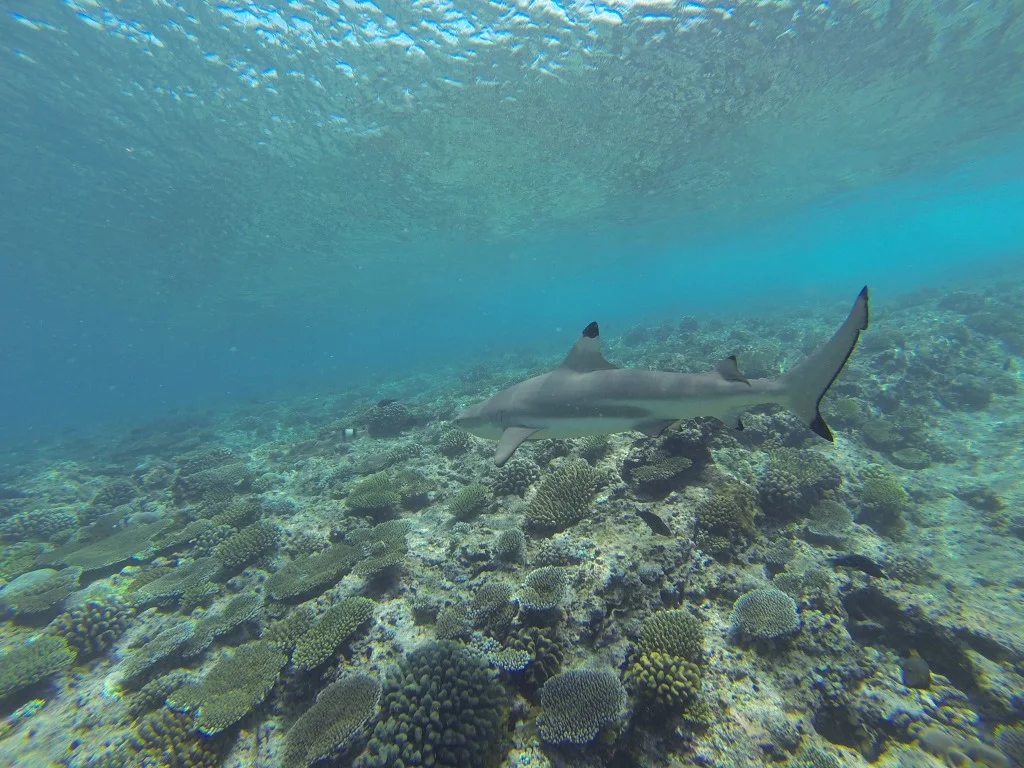
The St Nicholas reef system supports a generally full range of marine life, offering numerous observation opportunities for divers. While specific local sightings vary, reports indicate divers might encounter turtles, a prevalent species in the Ionian Sea.
Less frequently, but notably, there are occasional sightings of larger pelagic species such as dolphins or sharks, though these encounters are not consistently reported. The reef structure itself hosts various smaller fish species and invertebrates, providing a dynamic ecosystem for exploration.
Dive Sites Near St Nickolas
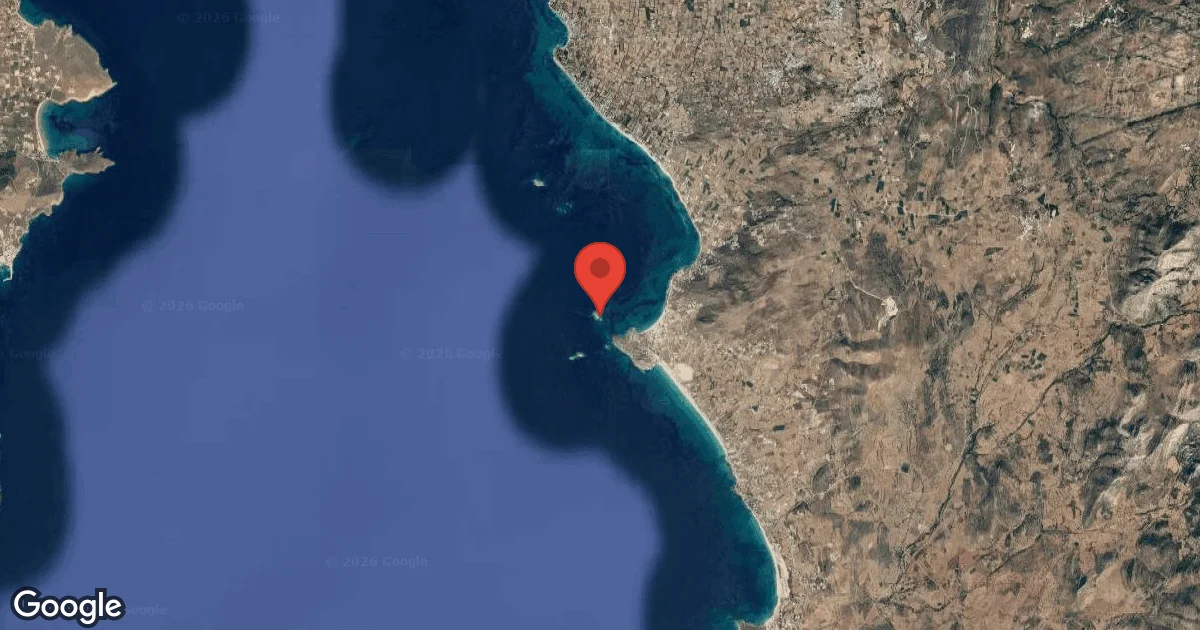
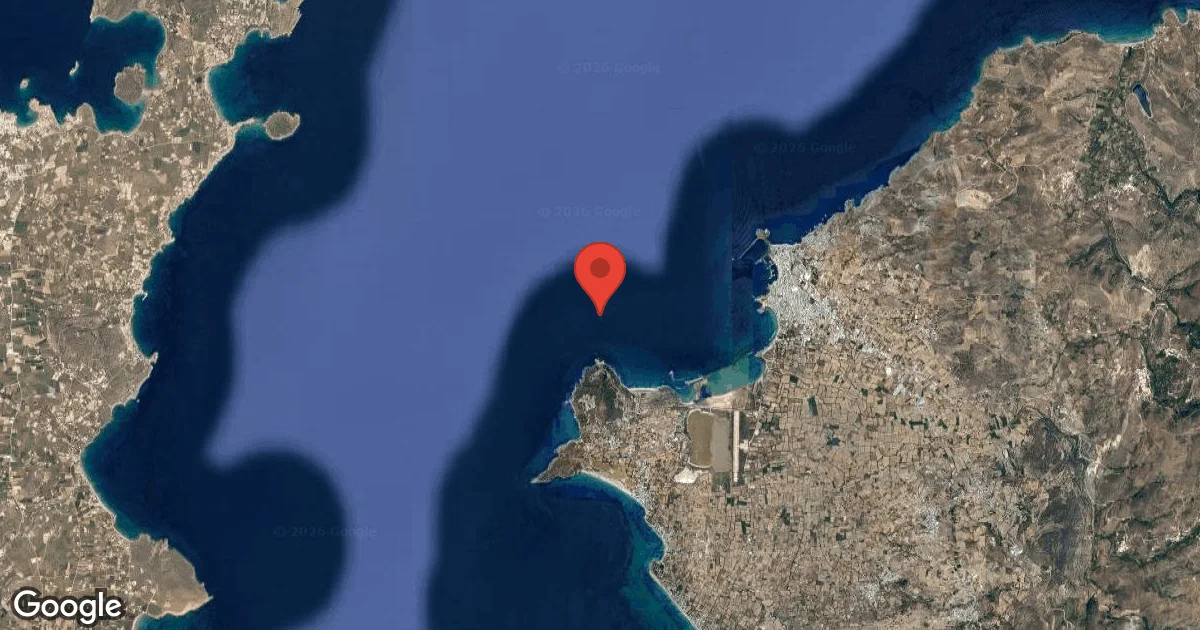
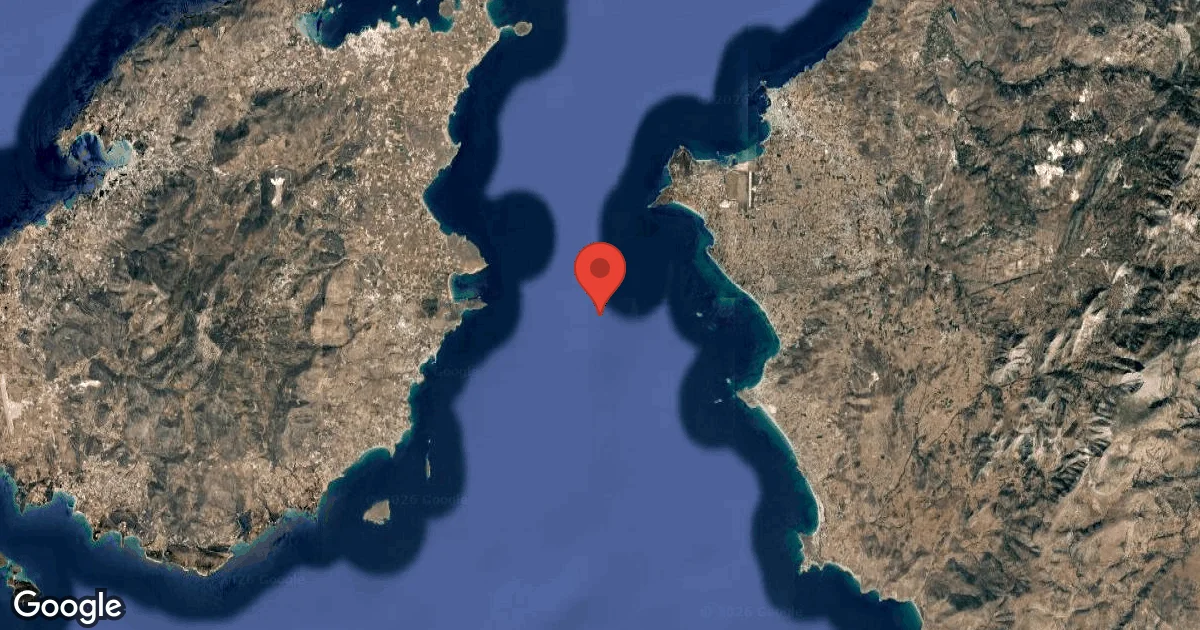
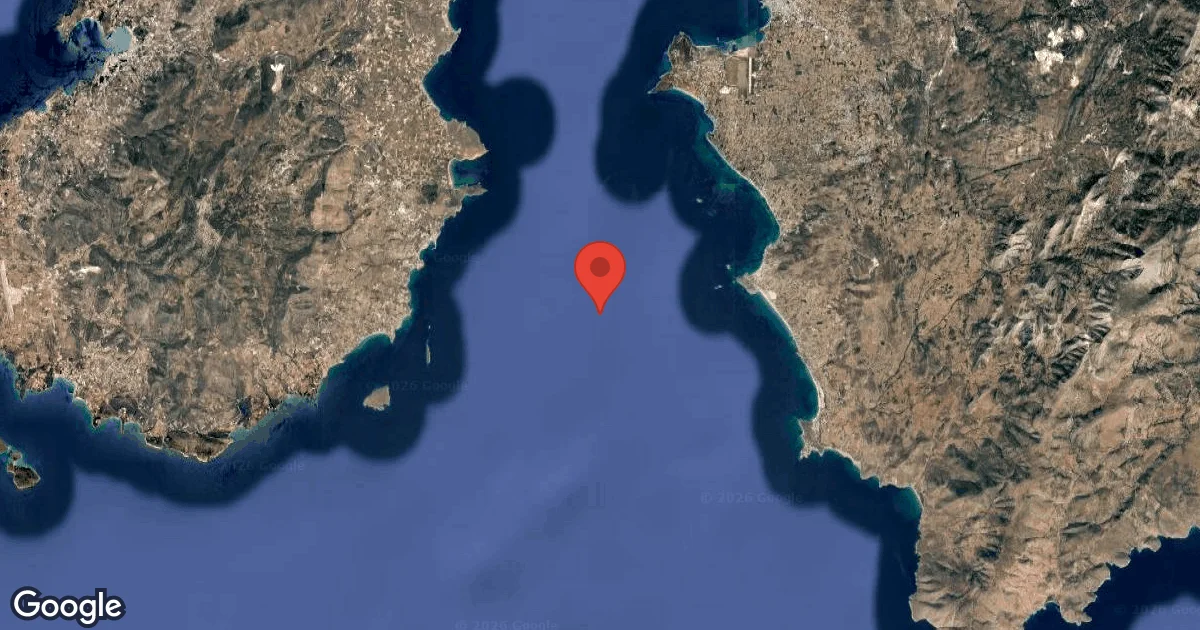
View all dive sites in GreeceDiscover more underwater gems in this area.
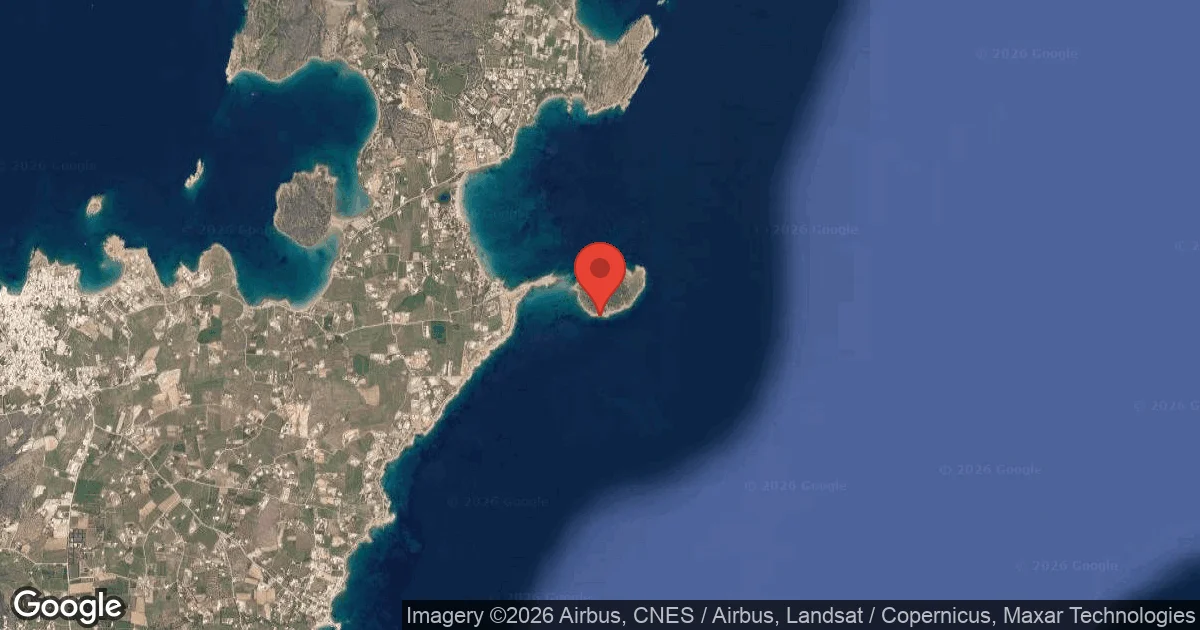
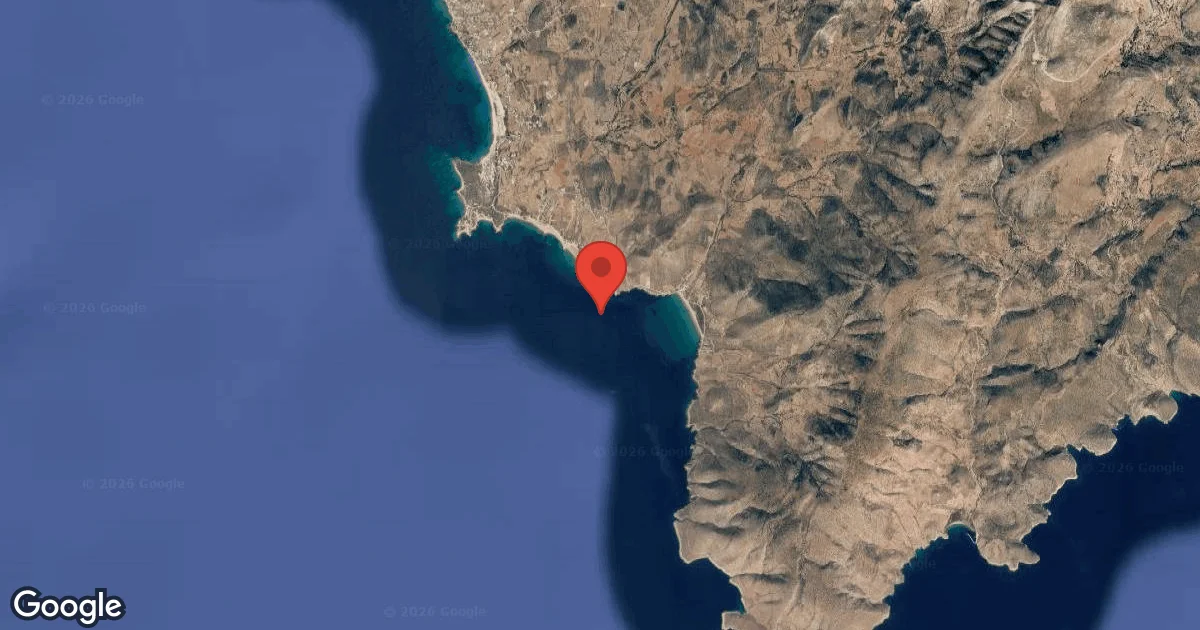
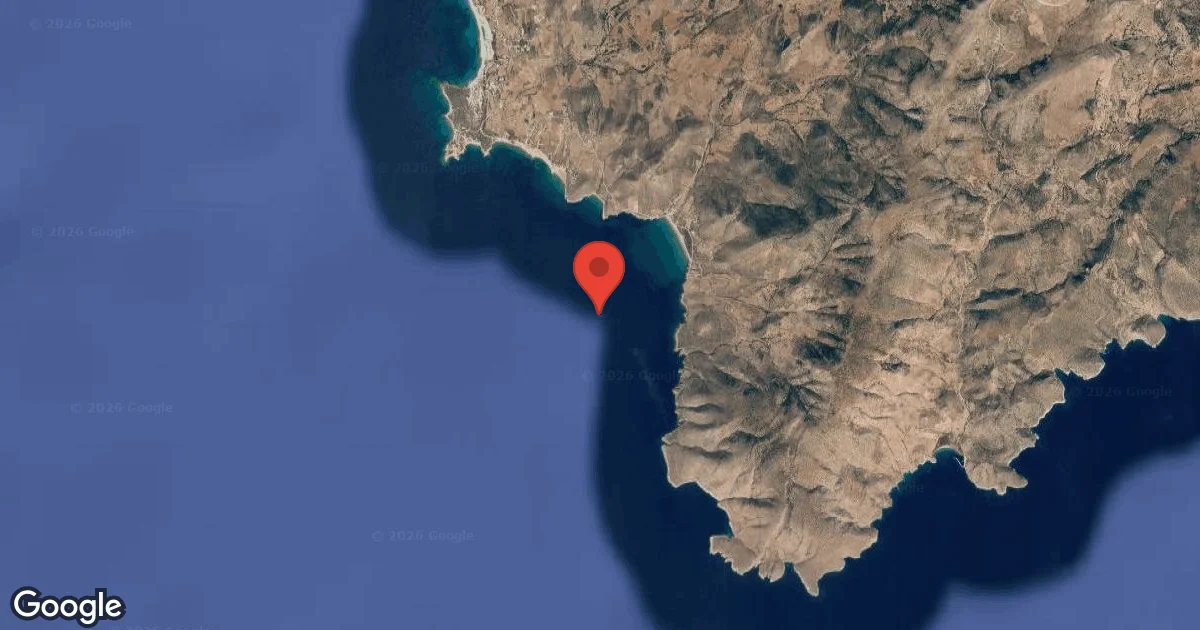
Dive Centers Near St Nickolas
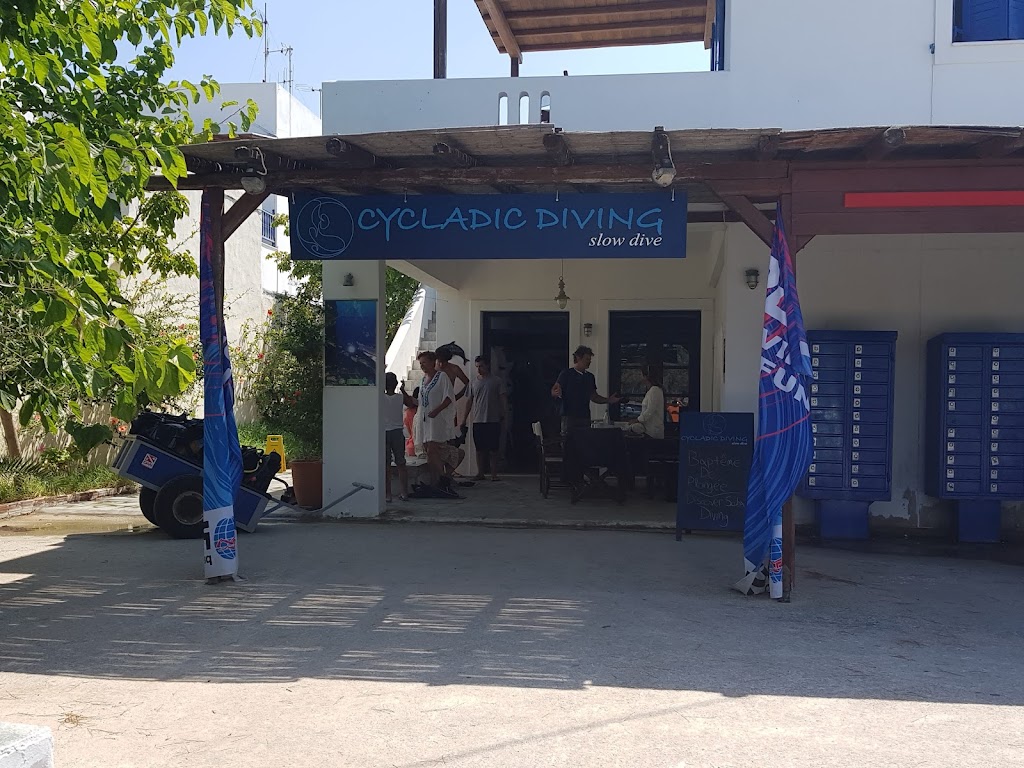
Today: 08:00 - 19:00
Nearest Airports
Nearest airports to help plan travel to this dive area.
Search Flights
Check available flights and routes on Expedia, using the nearby airports listed in this section.
Search Flights on ExpediaFrequently Asked Questions
What is the maximum depth at St Nicholas reef?
Maximum depth at St Nicholas reef is approximately 12-15 meters (49 ft). A shallow profile makes it an ideal site for Open Water certified divers and those new to the area.
What types of dive features can I expect to see?
Divers can explore a natural reef system, a small, accessible cave, and a car wreck. These varied features offer multiple points of interest during a single dive.
Is St Nicholas reef suitable for beginner divers?
Yes, with its shallow depths and shore entry, St Nicholas reef is well-suited for beginners. However, exploring the cave or wreck components requires appropriate training and guidance.
What is the best way to access the dive site?
The site is primarily accessed via a convenient shore entry. Local dive centers provide guidance and logistics for reaching the entry point.
What marine life might I encounter?
The reef supports a diverse range of Mediterranean marine life. Divers frequently report sightings of various fish and invertebrates, with occasional observations of sea turtles.
Do I need special equipment for this dive?
A basic recreational setup is usually sufficient. A dive light is recommended for enhancing visibility inside the small cave and around the wreck, while a shorty wetsuit is often adequate in warmer months.
Are there any strong currents at the site?
Currents at St Nicholas reef are generally mild. Conditions can vary, so consulting local dive centers for the day's specific current information is always a good practice.
Can I dive the cave and wreck without special training?
While the cave and wreck are relatively small and shallow, specific training for overhead environments is always recommended. Diving with a local guide who knows the site intimately is also advisable for safety.
Planning to dive St Nickolas?
Send one inquiry and receive offers directly from the best verified local dive operators.
Conditions are Good
Optimal conditions expected
Current conditions near St Nickolas show 24° air, 25° sea temperature, 0.7 m waves, and 32 km/h wind. Forecast data is refreshed regularly to ensure accuracy.