
Diving at Calypso (Greece)
Feeling the gentle surge of the Aegean currents, Calypso in Greece envelops divers in a sense of discovery. Sunlight filters through the water, illuminating remnants of previous voyages alongside vibrant marine habitats. It's a place where the past converges with the present ecosystem, creating a palpable history beneath the surface.
Evening condition tracking at Calypso features an air temperature of 23°C. We have recorded wave heights measuring 0.6 m during this period. These figures outline the environmental parameters currently present.
Dive Site Location & Key Facts
Dive Site Overview
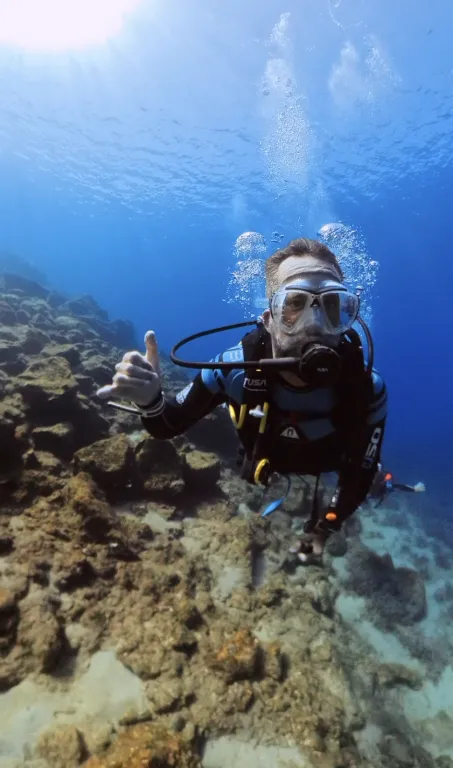
What makes Calypso a compelling dive destination is its unique blend of natural reef and historical wreck elements, often found near Naxos and in the protected Kalypso Marine Park area in Crete. Divers explore a reef where parts of two or three sunken boats have settled, covering the bottom in sections.
This environment attracts a diverse array of marine life, thriving amidst the artificial structures and the natural contours of the reef. Strong currents from the Libyan Sea in the Kalypso Marine Park area contribute to a rich food supply, supporting a unique local fish population and drawing in larger pelagic species. While the Naxos site offers a maximum depth of 20 m (65 ft) with an average 45-minute bottom time, other Calypso-named locations, like those within the Kalypso Marine Park, boast visibility often exceeding 30 m (100 ft), indicating diverse underwater topography and excellent conditions for observation.
The site is a dynamic environment, protected from severe weather, which enhances its appeal for consistent dive experiences.
Conditions are Good
07:00 - 14:00
Optimal conditions expected
Current conditions near Calypso show 23° air, 25° sea temperature, 0.7 m waves, and 30 km/h wind. Forecast data is refreshed regularly to ensure accuracy.
Best Time to Dive
Planning a dive at Calypso aligns well with the warmer months, offering divers the most comfortable experience. From May through October, average air temperatures range from 19.5°C (67°F) to 27.5°C (82°F), creating ideal surface conditions before and after dives. During this period, rainfall is minimal, often below 1 mm, which typically contributes to better visibility and calmer seas. Water temperatures average around 22°C (72°F) from available data, ensuring a pleasant dive without overly thick thermal protection. Even in spring and autumn, like March or November, air temperatures remain mild, between 15°C (59°F) and 18.5°C (65°F), and dive scores remain consistently high, making the shoulder seasons viable for those preferring fewer crowds.
PEAK SEASON SCORE
Scores combine air & water temps, waves, wind & rainfall for overall conditions.
BEST MONTHS TO DIVE
Monthly records compiled from satellite and marine observation nodes over the last 3 years. Data provided by Open-Meteo and MET Norway.
Dive Experience & Conditions
Descending into the waters around Calypso, divers can anticipate varied experiences depending on the specific site. Near Naxos, the maximum depth reaches 20 m (65 ft), suitable for Open Water certified divers. Here, the bottom is composed of natural reef interspersed with parts from previous boat mishaps, creating interesting structures to explore. Visibility generally averages around 25 meters, allowing for clear views of the marine activity. Often, divers encounter noticeable currents, particularly in locations like the Kalypso Marine Park in Crete, which can be quite strong due to the influx of food-rich waters. These currents, however, contribute significantly to the vibrant ecosystem. The dive profiles typically involve exploring the reef's contours and the scattered wreck debris, offering a dynamic and engaging dive within recreational depth limits.
Dive Difficulty & Safety Guidelines
Approaching Calypso requires divers to be mindful of the currents, which can vary from moderate to strong, particularly in the Kalypso Marine Park area. Open Water certification is typically sufficient for the shallower sections, such as the max depth of 20 meters found near Naxos. Prior experience with drift diving can be beneficial, especially if planning to explore areas known for stronger flows.
Divers should always plan their dive with a local guide who understands the specific conditions and potential shifts in current intensity. Regular equipment checks are essential, as are staying within no-decompression limits for the planned bottom time of approximately 45 minutes.
Maintaining good buoyancy control helps protect the delicate reef and wreck components from accidental contact.
Recommended Equipment
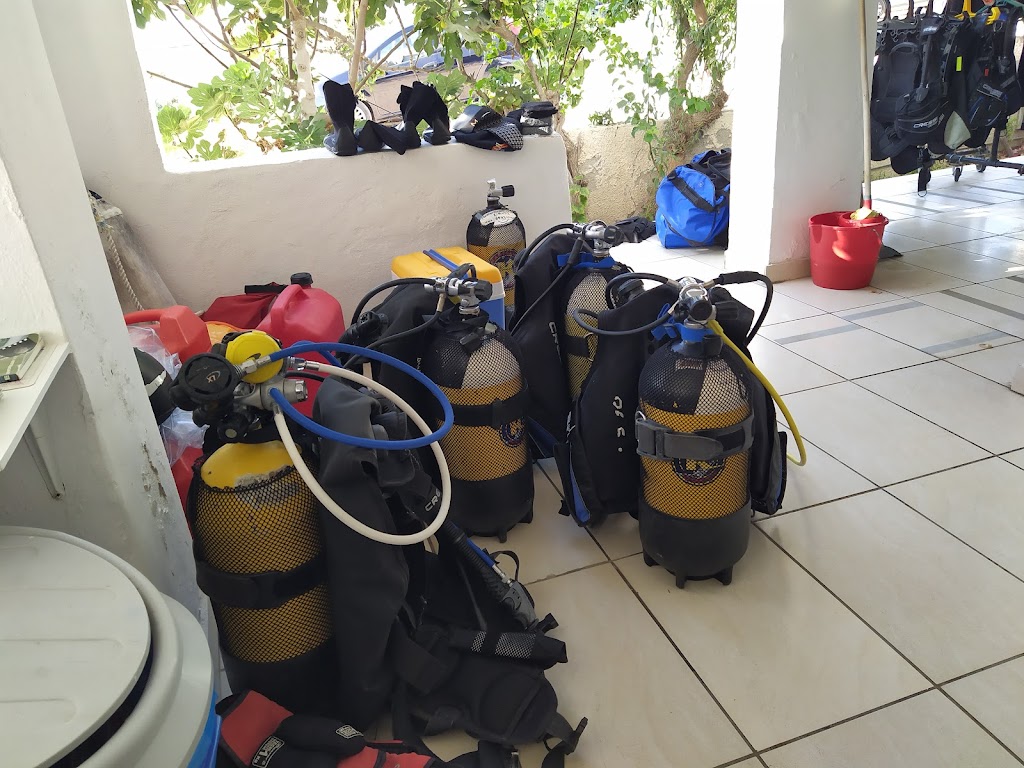
- Dive Computer
This gear list is based on verified equipment signals for Calypso, Greece. Always confirm final gear choices with your dive operator, guide, or liveaboard.
Recommended Dive Suit
3mm wetsuit is frequently recommended by dive operators for conditions like these. A hood or vest is suggested for sensitive divers due to surface winds. Surface intervals may feel cooler. For divers entering the water at Calypso, temperatures are currently hovering around 25°C (76°F). Surface air temperatures are resting at 23°C (73°F).
Forecast conditions over the next few days suggest temperatures will remain relatively stable.
Even small thermoclines can occasionally cause noticeable changes in water temperature.
Emergency & Medical Support
Essential information to help you plan your dive trip to Calypso.

Hyperbaric chambers are a critical part of dive safety infrastructure. Availability varies significantly by region, and not all dive areas have immediate access.
Before diving, it's recommended to:
- confirm nearest medical facilities
- check emergency procedures with local dive operators
- ensure dive insurance covers evacuation if required
Divers Alert Network
Diving emergency assistance available through DAN Europe.
+39 0642115685- 24/7 emergency hotline
- Diving medical assistance
- Evacuation coordination
Emergency contacts are provided for reference. Always verify local emergency services before diving.
Closest Listed Hyperbaric Chambers
Showing listed hyperbaric chamber facilities within 200 km of this dive site.
Distances are approximate straight-line distances and may not reflect emergency travel time.
MYO
24/7 ListedKalymnos Island, Greece•Approx. 149 km straight-line
MYO
24/7 ListedInformation is provided for reference and planning purposes only. Dive Navigator does not verify operational status, staffing, availability, or quality of care at listed facilities. In an emergency, contact local emergency services, DAN, your dive operator, or the chamber directly. Do not travel to a facility without calling ahead.
MKYI/NNA (DHDM/ANH)
24/7 ListedICU CapableAthens, Greece•Approx. 172 km straight-line
MKYI/NNA (DHDM/ANH)
24/7 ListedICU CapableInformation is provided for reference and planning purposes only. Dive Navigator does not verify operational status, staffing, availability, or quality of care at listed facilities. In an emergency, contact local emergency services, DAN, your dive operator, or the chamber directly. Do not travel to a facility without calling ahead.
Information is provided for reference and planning purposes only. Dive Navigator does not verify operational status, staffing, availability, or quality of care at listed facilities. In an emergency, contact local emergency services, DAN, your dive operator, or the chamber directly. Do not travel to a facility without calling ahead.
Marine Life at Calypso
Around the Calypso dive sites, a vibrant array of marine creatures thrives. Schools of various fish species are a common sight, navigating the reef structures and wreck parts.
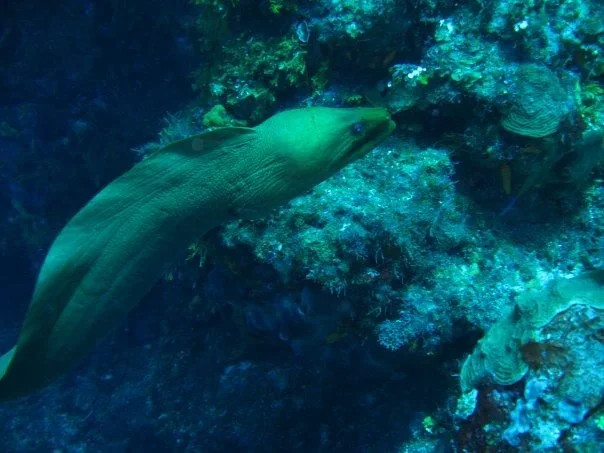
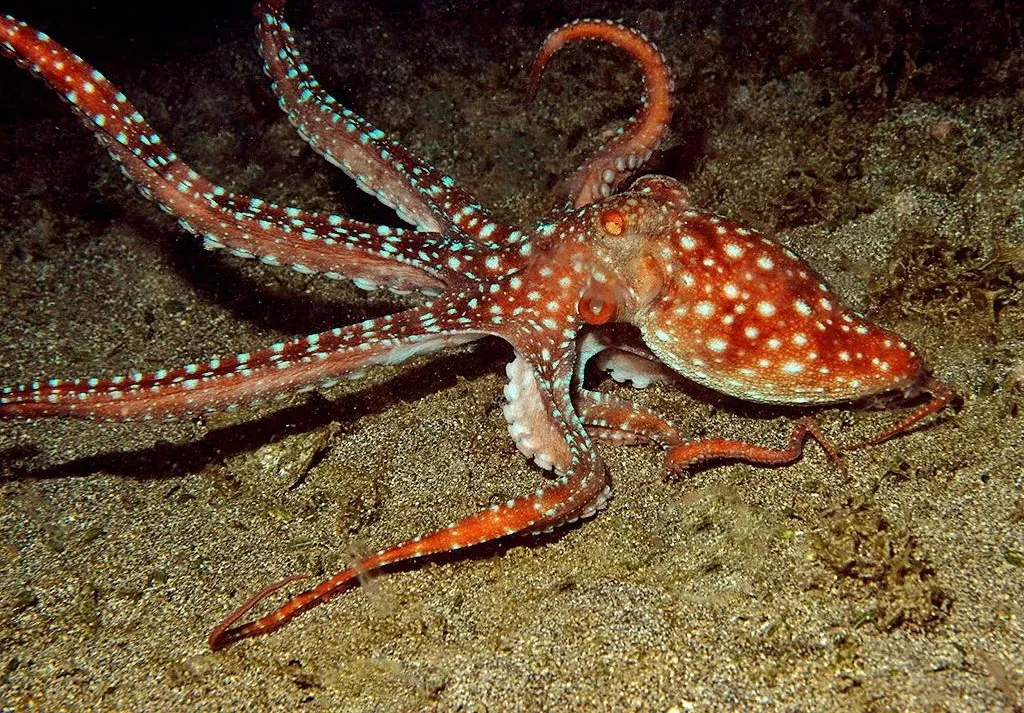
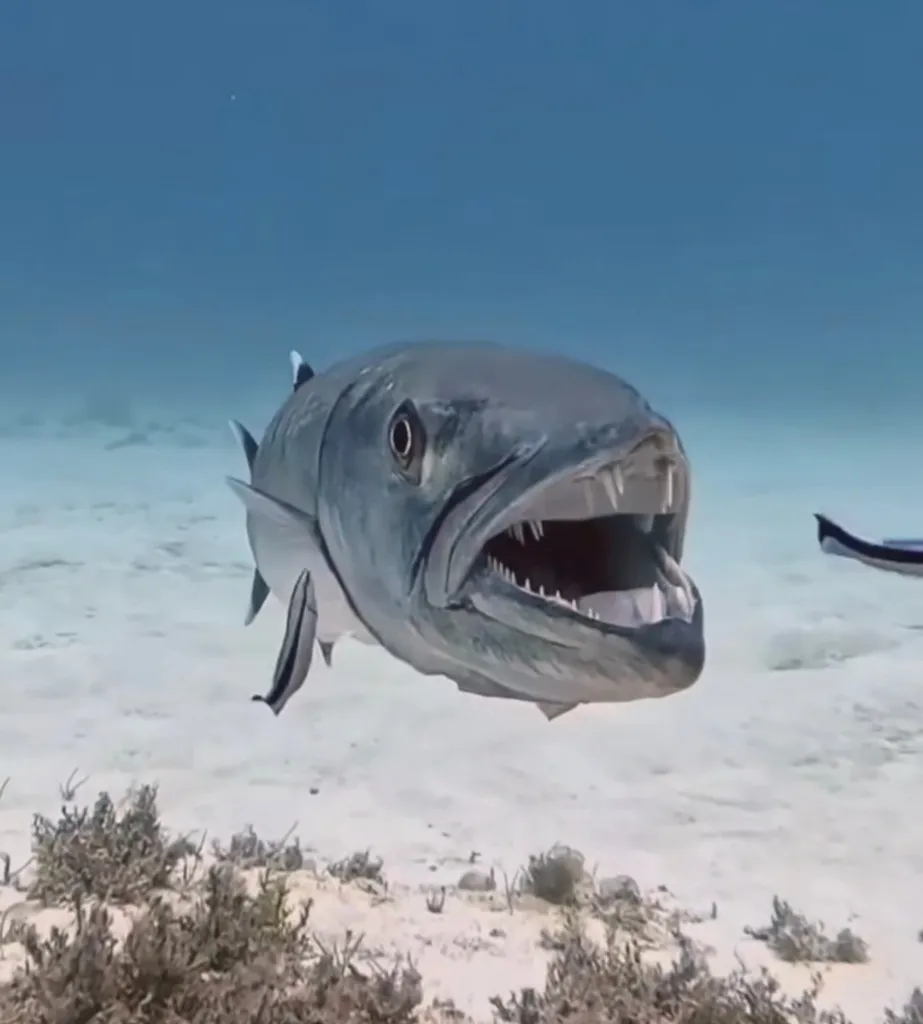
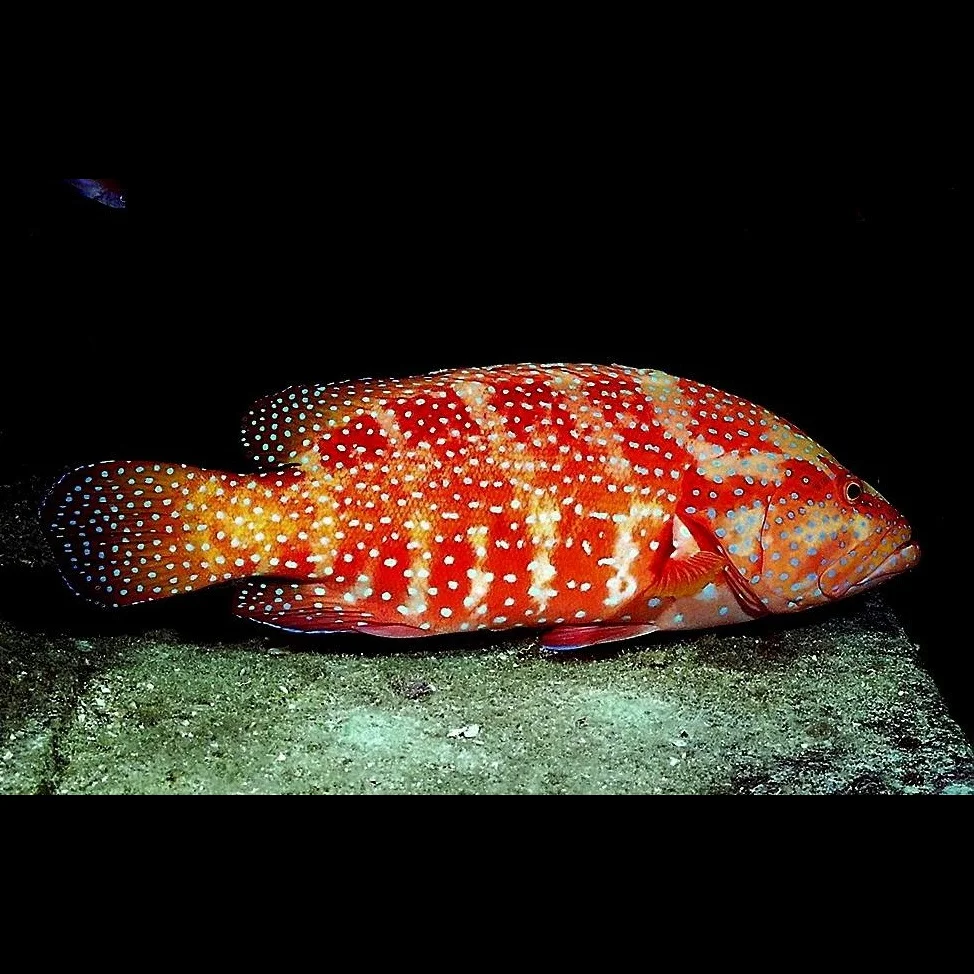
Keep an eye out for resident groupers, barracudas, and octopuses, often found camouflaged among the rocks. Moray eels peek from their crevices, while small nudibranchs add splashes of color to the underwater landscape.
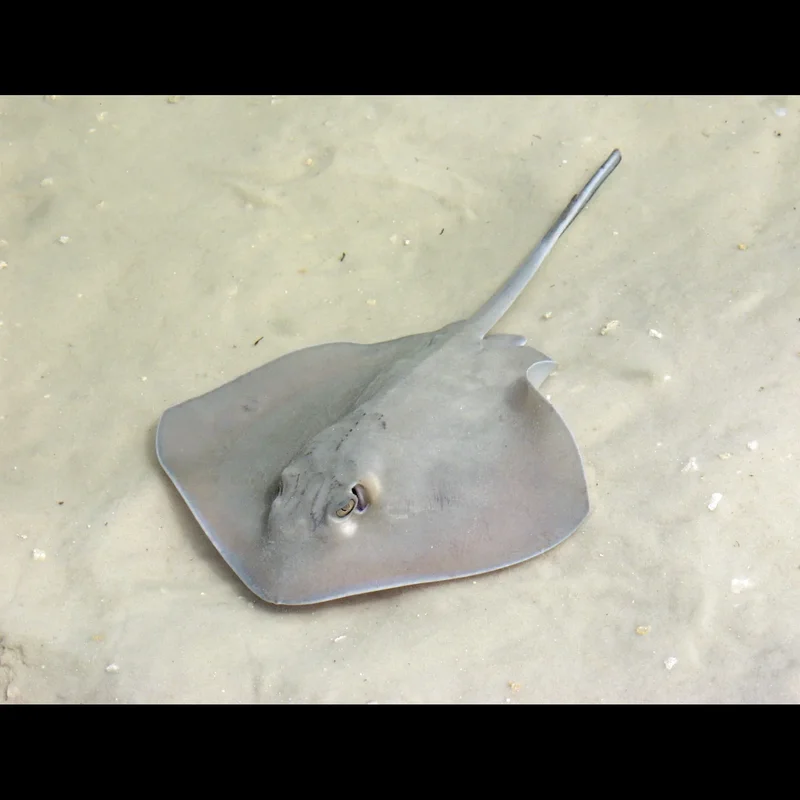
In the Kalypso Marine Park, the strong currents attract larger pelagic fishes, and there are reports of encountering large turtles and loggerheads. Occasionally, lucky divers might even spot Mediterranean seals or an elusive sting ray, making each dive a potential encounter with a diverse ecosystem.
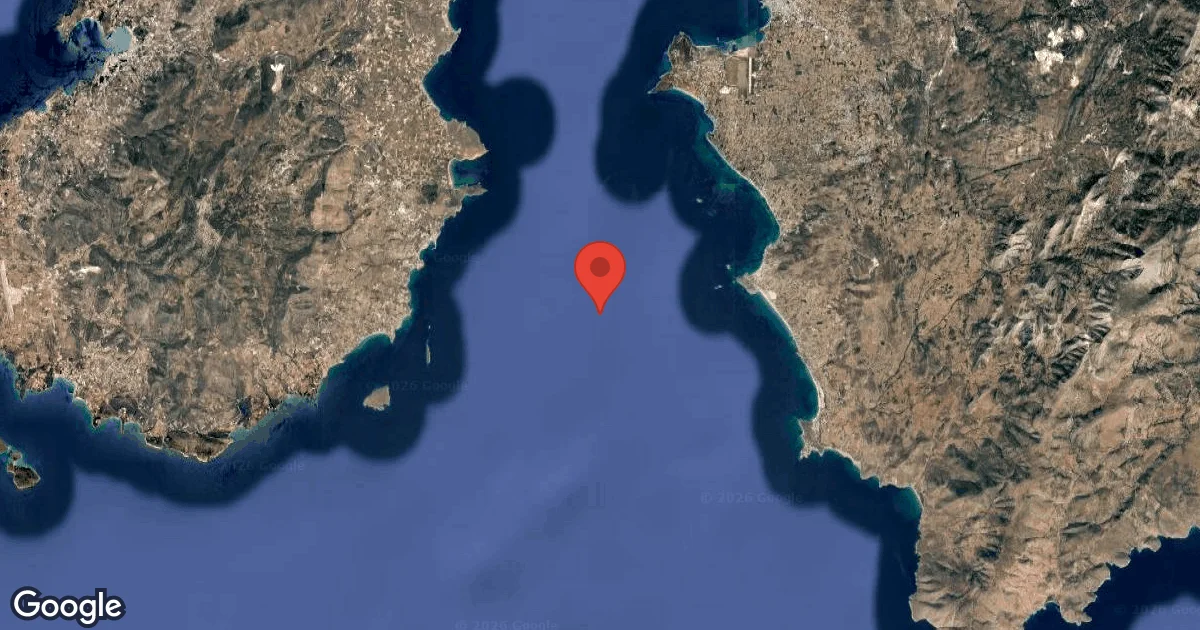
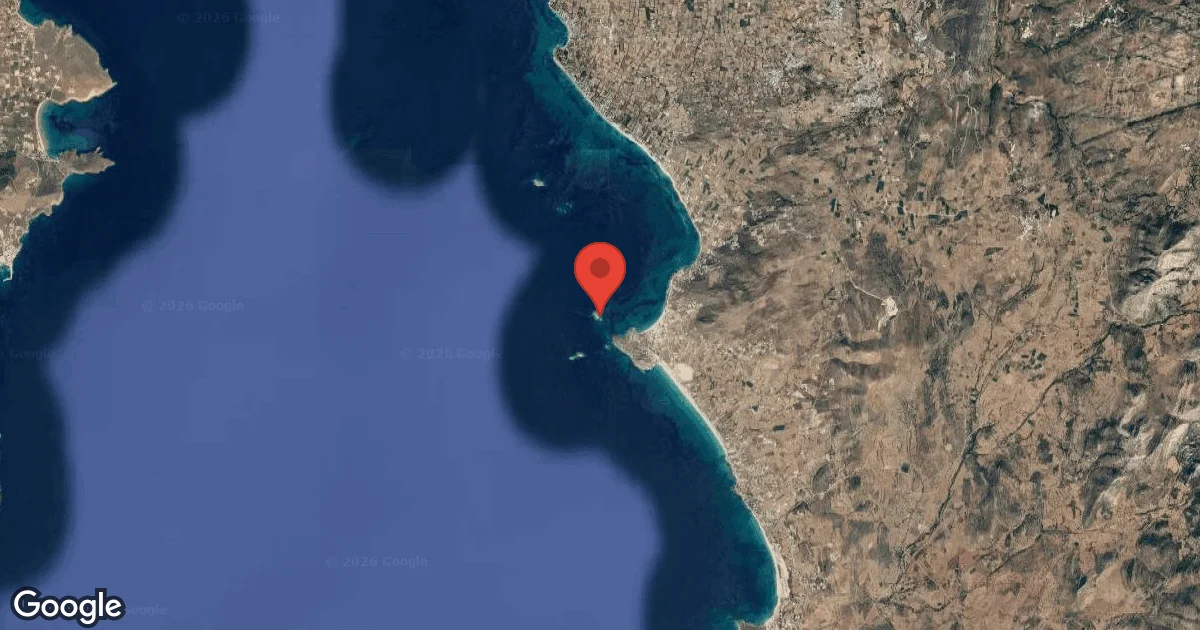
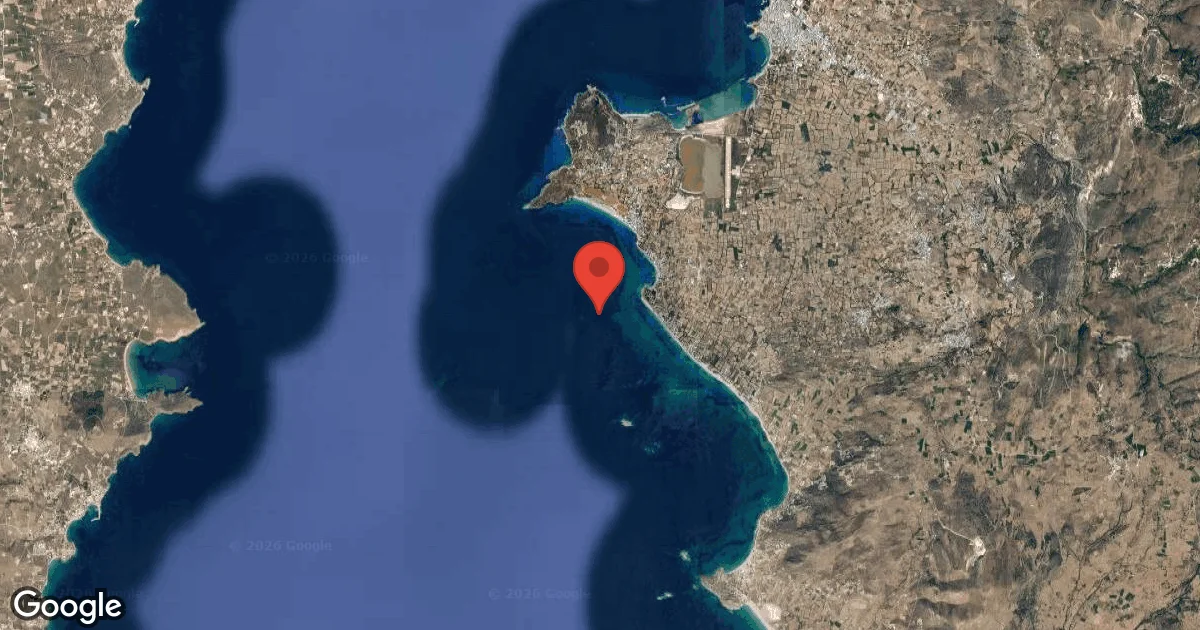
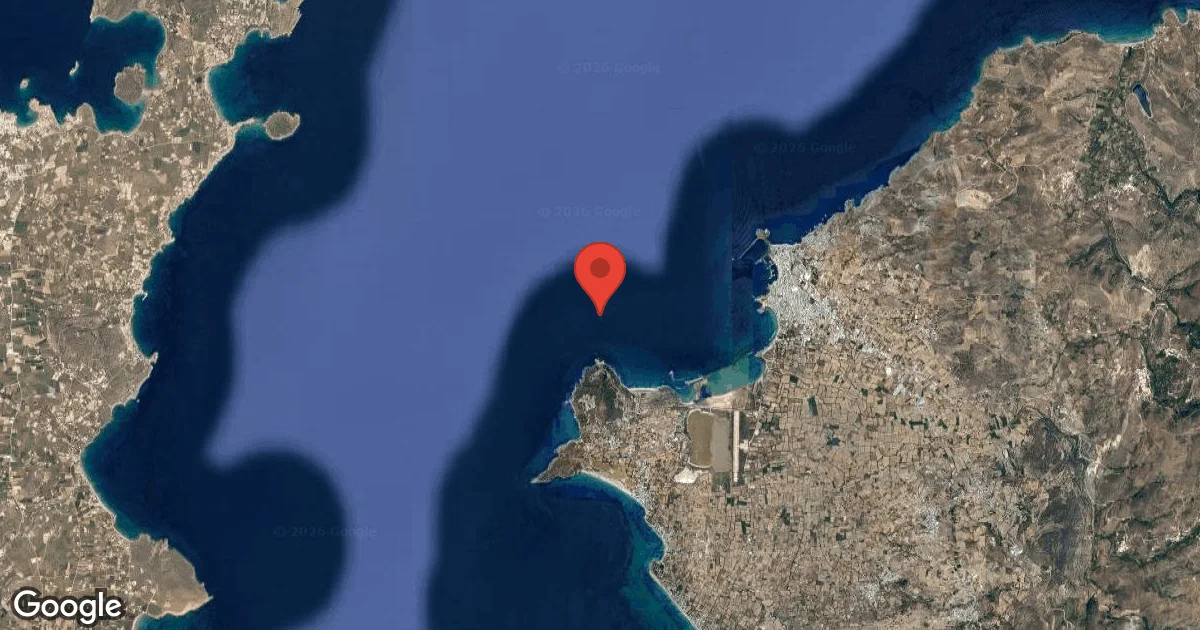
Dive Sites Near Calypso
View all dive sites in GreeceDiscover more underwater gems in this area.
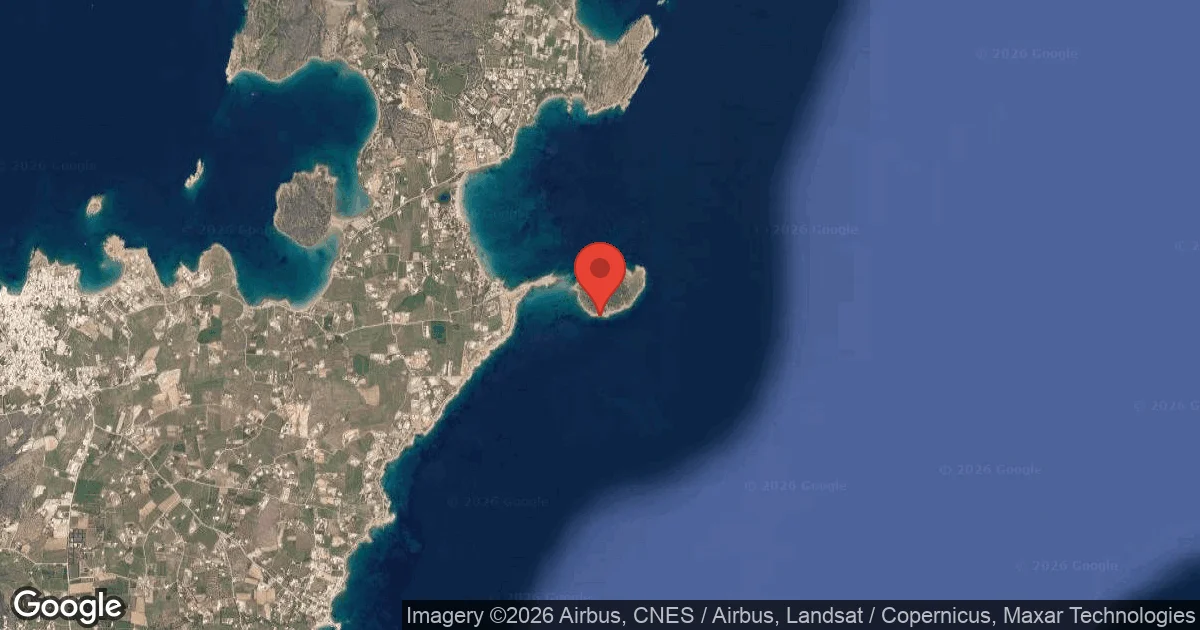
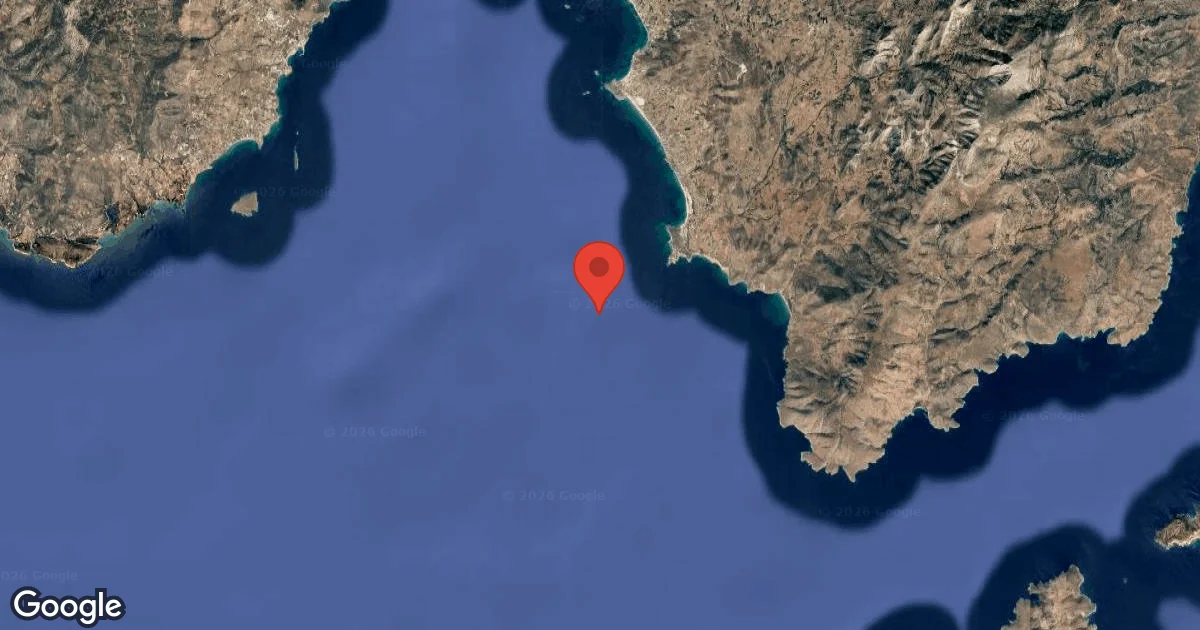
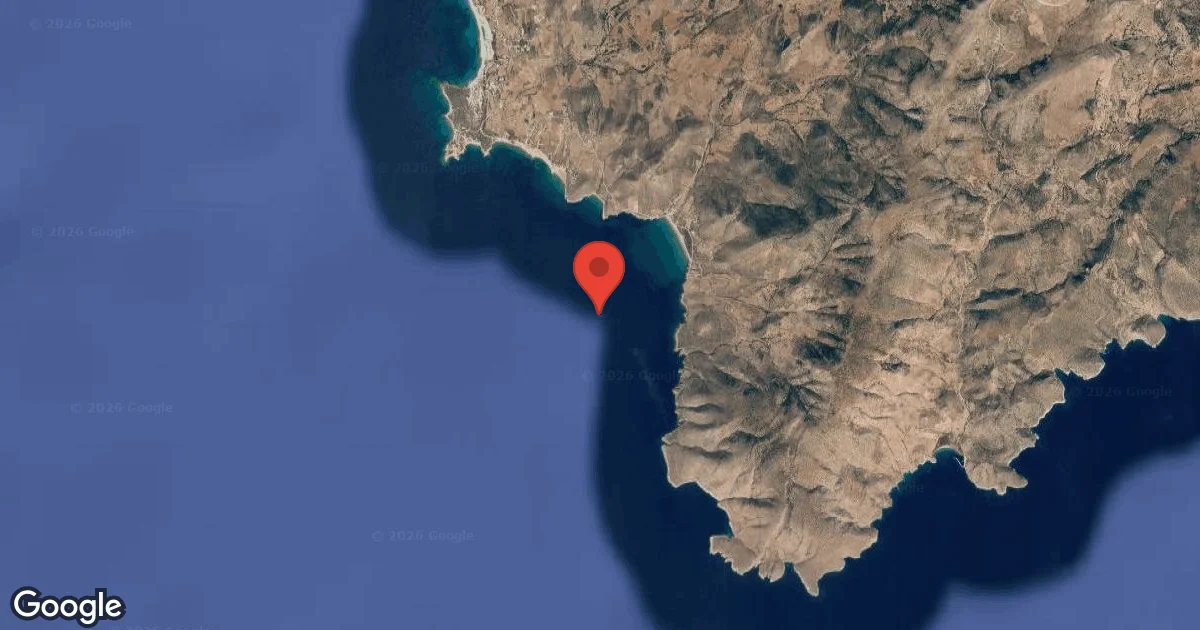
Dive Centers Near Calypso
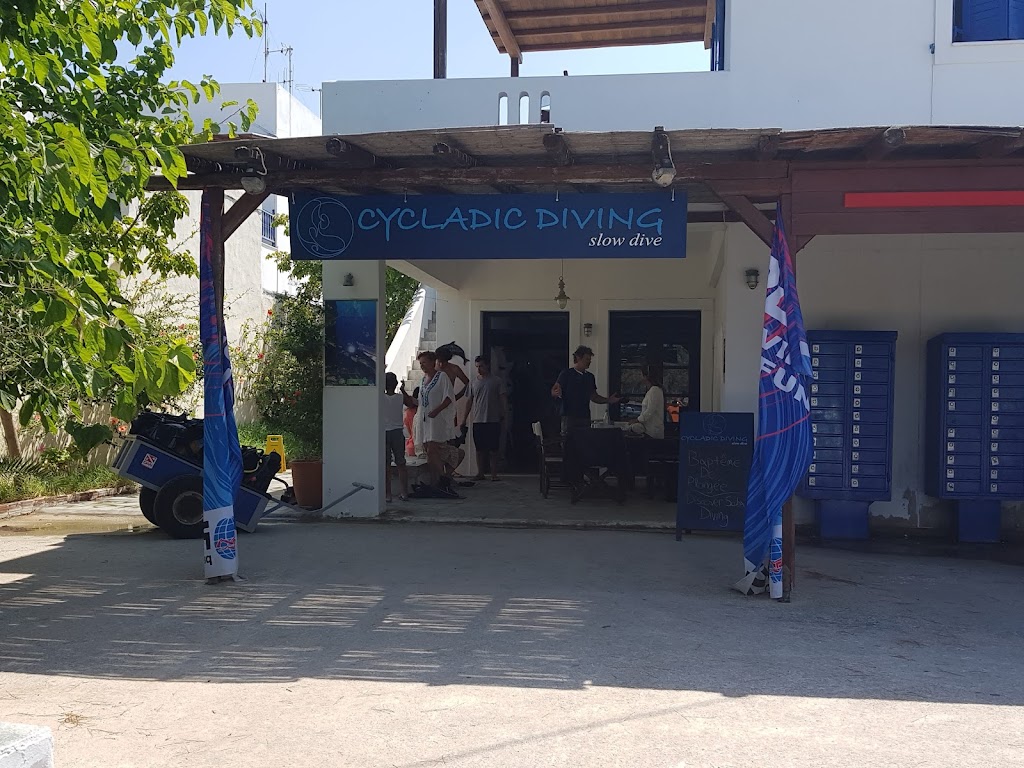
Today: 08:00 - 19:00
Nearest Airports
Nearest airports to help plan travel to this dive area.
Search Flights
Check available flights and routes on Expedia, using the nearby airports listed in this section.
Search Flights on ExpediaFrequently Asked Questions
What is the typical depth at Calypso?
At the Calypso reef near Naxos, the maximum depth is around 20 m (65 ft). Other sites in the broader Calypso Marine Park area also operate within recreational dive limits, though specific depths may vary.
Are there wrecks at Calypso?
Yes, specifically near Naxos, the Calypso reef incorporates parts of two or three smaller boats that have previously crashed, scattering debris across the shallow sections of the reef.
What kind of marine life can I expect to see?
Divers often encounter schools of fish, groupers, barracudas, octopuses, moray eels, and nudibranchs. In the Kalypso Marine Park, there are also sightings of large pelagic fish, turtles, loggerheads, and occasionally Mediterranean seals.
How strong are the currents?
Currents can vary; at some Calypso sites, particularly within the Kalypso Marine Park, they are frequently strong. These currents are beneficial for marine life, but divers should be prepared for potential drift.
What is the average water temperature?
Average water temperatures hover around 22°C (72°F). This temperature generally supports comfortable diving with a wetsuit suited for temperate waters.
Is Calypso suitable for beginner divers?
Sites like the Naxos Calypso reef, with its max depth of 20 meters, are suitable for Open Water certified divers. However, due to potentially strong currents, some prior experience or guidance from a local dive professional is recommended.
Planning to dive Calypso?
Send one inquiry and receive offers directly from the best verified local dive operators.
Conditions are Good
07:00 - 14:00
Optimal conditions expected
Current conditions near Calypso show 23° air, 25° sea temperature, 0.7 m waves, and 30 km/h wind. Forecast data is refreshed regularly to ensure accuracy.