
Diving at Trapezaki (Greece)
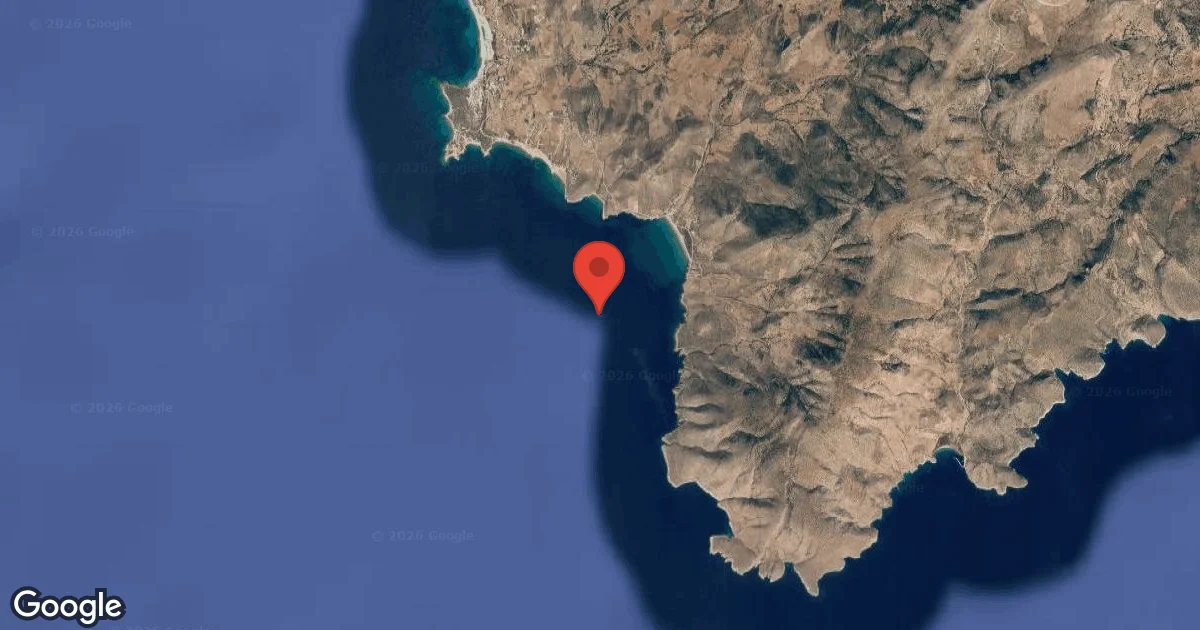
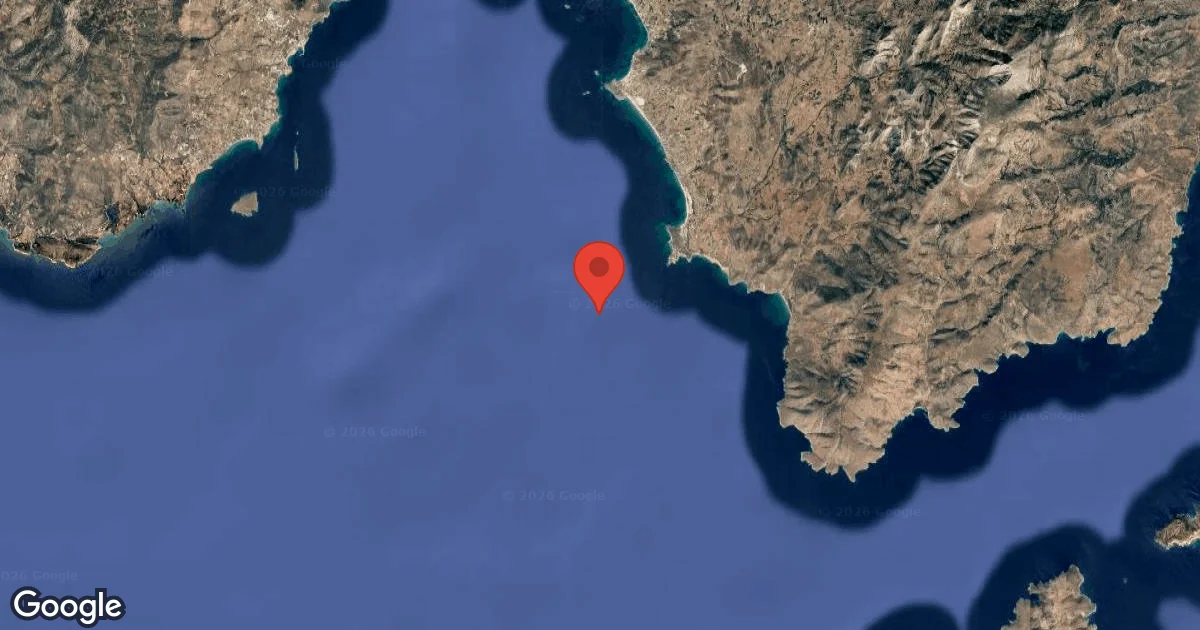
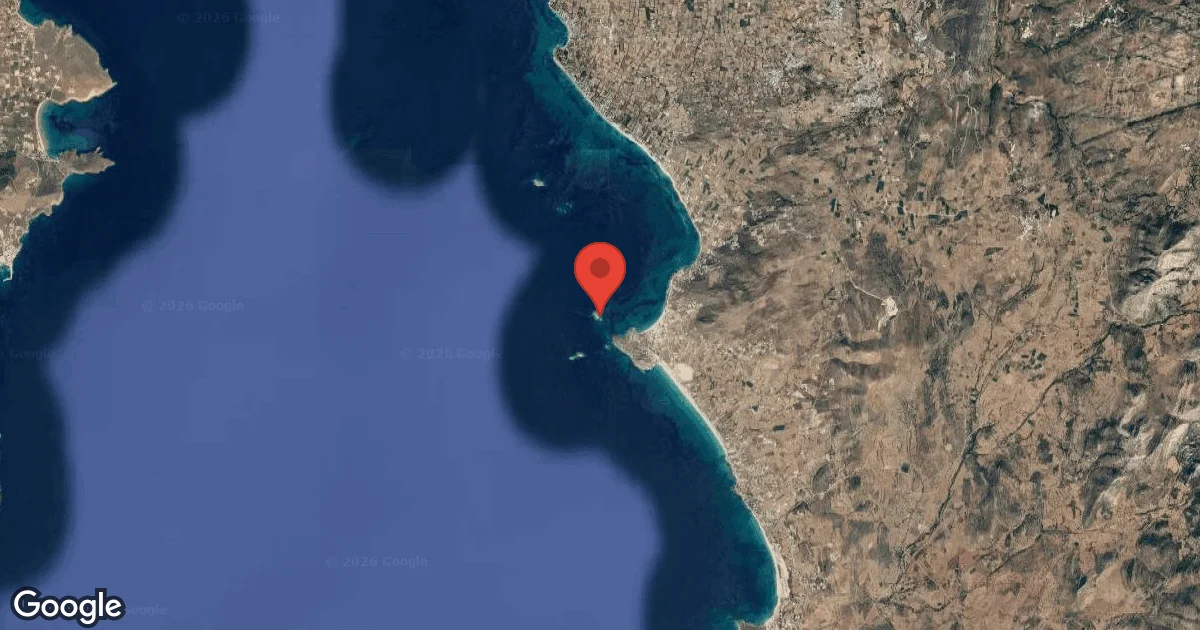
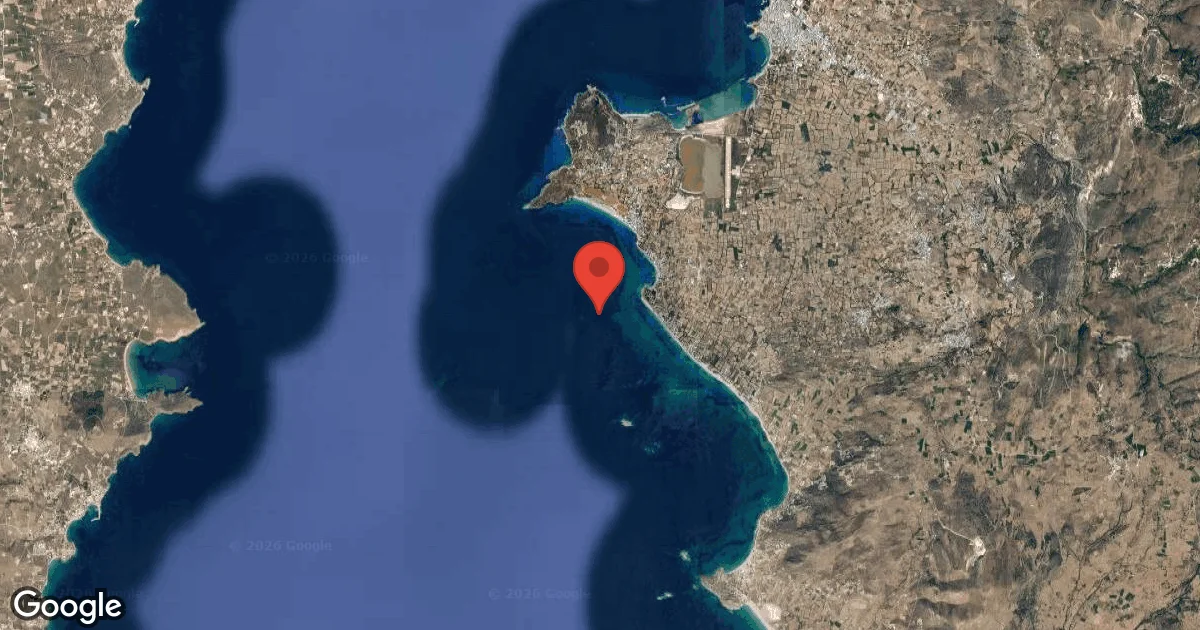
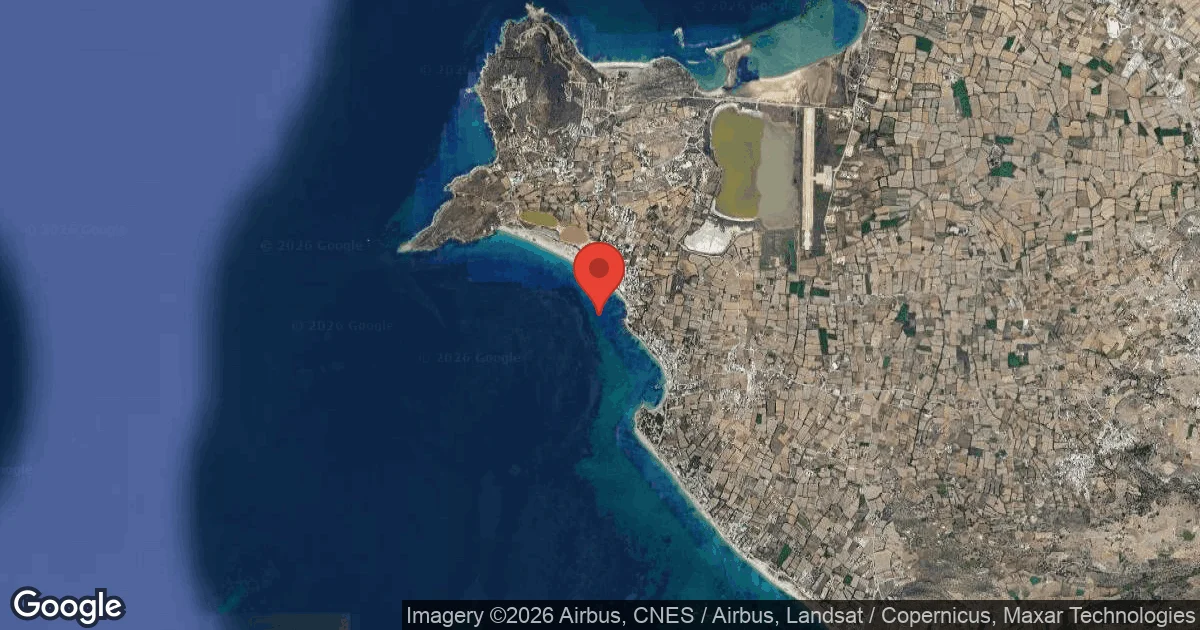
Navigating the Trapezaki Reef offers a compelling underwater journey along the south side of Naxos, easily accessible from Alyco beach. This reef system begins in relatively shallow waters, gradually deepening to approximately 22 meters / 72 feet. Its structure guides divers through an environment rich with rock formations and specific marine encounters, making it a distinctive site in the region. The dive typically lasts around 45 minutes.
As evening covers Trapezaki, the local air temperature is measured at 23°C. The current wave height at the surface is recorded at 1.2 m. These late-day readings characterize the surface conditions for the night.
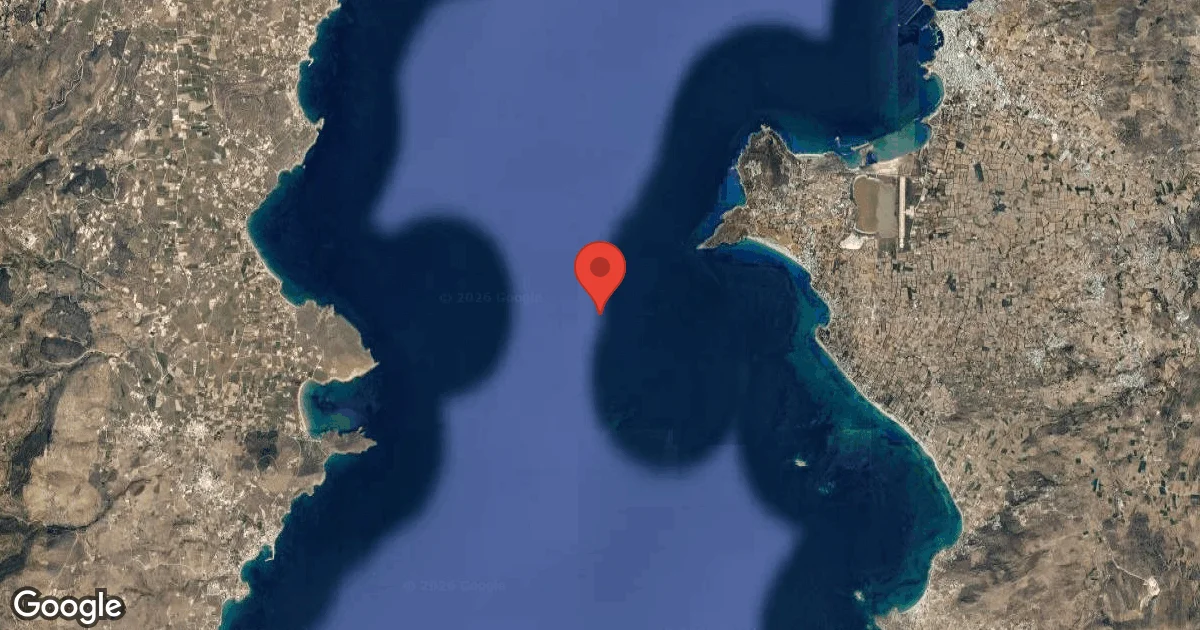
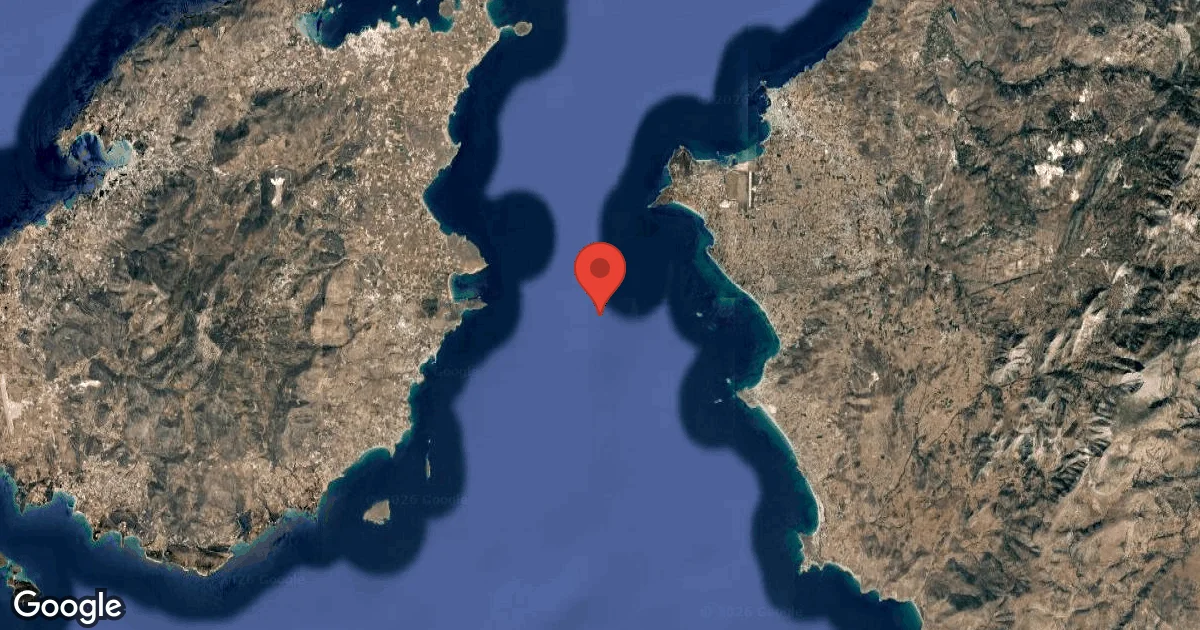
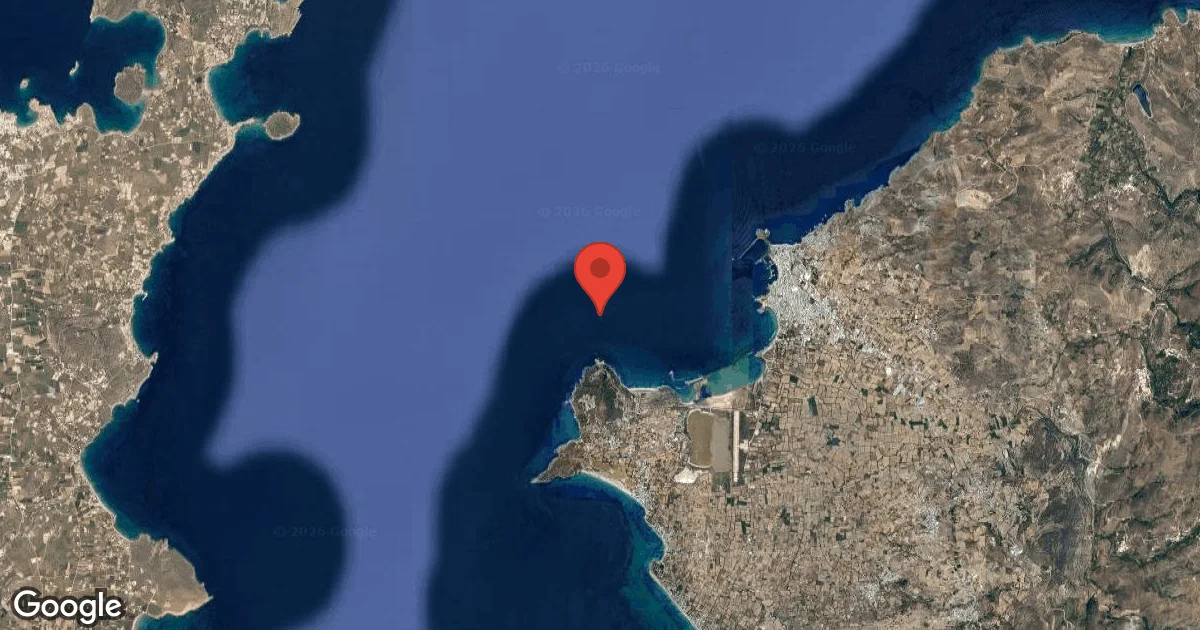
Dive Site Location & Key Facts
Dive Site Overview
Trapezaki presents an engaging reef exploration, distinctive for its vibrant nudibranch population and unique geological features. The site provides more than just marine encounters; its structure guides divers through a dynamic underwater landscape.
Exploring the reef begins generally around 9 to 12 meters / 30 to 39 feet. From there, the reef gradually descends, allowing for extended bottom times at varying depths, reaching a maximum of 22 to 24 meters / 72 to 79 feet.
A truly unique aspect of Trapezaki is a subtle hot spring presence, detectable by temperature changes in the rock at certain points. Its localized thermal anomaly provides a curious sensory experience.
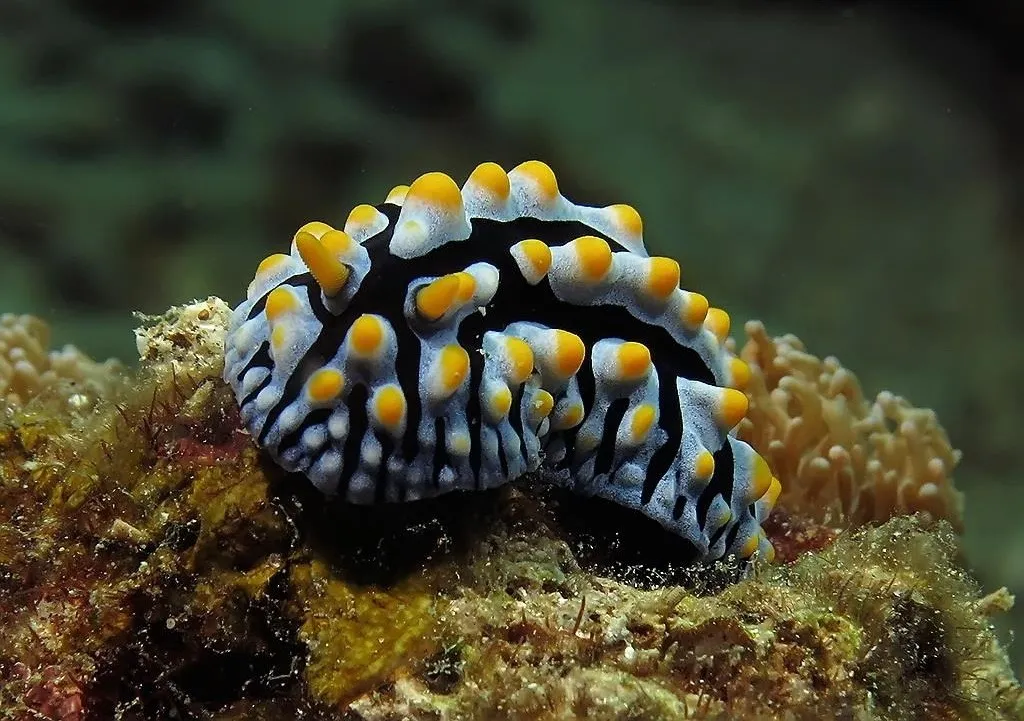
Throughout a dive, observers can expect to see a diverse array of Mediterranean species. Particular emphasis falls on the celebrated nudibranch variety present here, notably the strikingly patterned Peltodoris atromaculata, often referred to as a sea cow.
Varied topography and specific microclimates support a rich ecosystem, making each dive a discovery of both geological interest and a thriving invertebrate community.
Conditions are Good
Optimal conditions expected
Current conditions near Trapezaki show 23° air, 25° sea temperature, 0.8 m waves, and 30 km/h wind. Forecast data is refreshed regularly to ensure accuracy.
Best Time to Dive
Planning your dive experience at Trapezaki is most comfortable and rewarding from April through October. During these months, optimal conditions prevail for underwater exploration. Air temperatures are pleasantly warm, ranging from 16.5°C / 62°F in April to peaks around 28.5°C / 83°F in July. Rainfall is minimal, with June through September experiencing almost no precipitation, which ensures clearer visibility and more stable conditions. Wave heights generally remain lower, averaging 0.7 to 0.8 meters / 2.3 to 2.6 feet, contributing to calmer sea surfaces. Water temperature reported for the site averages 22°C / 72°F, making for an enjoyable dive experience. Later in the season, from late summer into early autumn, the water often retains its warmth, extending comfortable dive opportunities. Conditions support leisurely dives, allowing divers to fully appreciate the reef's features without battling challenging elements.
PEAK SEASON SCORE
Scores combine air & water temps, waves, wind & rainfall for overall conditions.
BEST MONTHS TO DIVE
Monthly records compiled from satellite and marine observation nodes over the last 3 years. Data provided by Open-Meteo and MET Norway.
Dive Experience & Conditions
Accessing Trapezaki requires an Open Water Diver certification, ensuring participants possess the foundational skills for this reef environment. Its structure transitions from shallower sections, around 9 to 12 meters, descending to its deepest points. Divers exploring here can expect to navigate varied rock formations and observe typical Mediterranean marine life. While conditions are generally calm, currents can occasionally be present, requiring attentive navigation. A typical dive duration is planned for 45 minutes, allowing ample time for exploration within recreational limits. Visibility often varies with local conditions and recent weather patterns. Surface conditions generally support easy entry and exit, particularly during the peak dive season. This site rewards careful observation rather than rapid transit, with many smaller creatures tucked into crevices.
Dive Difficulty & Safety Guidelines
Diving Trapezaki demands adherence to personal limits, a fundamental principle for all certified divers. The site is suitable for Open Water Divers, provided they dive within their certification and comfort levels. During planning, divers should consider that an average bottom time of 45 minutes is common for this location.
Maintaining situational awareness is important, especially given the potential for occasional currents, though conditions are typically calm. Local dive centers implement specific health measures, particularly concerning rental equipment.
They recommend divers bring personal masks, snorkels, and regulator mouthpieces if possible, enhancing personal hygiene. Rental gear undergoes disinfection after each use, reflecting a commitment to diver well-being and safety protocols. Always conduct thorough buddy checks and review emergency procedures before entering the water.
Recommended Equipment
- Dive Computer
This gear list is based on verified equipment signals for Trapezaki, Greece. Always confirm final gear choices with your dive operator, guide, or liveaboard.
Recommended Dive Suit
Current diving conditions indicate water temperatures around 25°C (76°F) at Trapezaki. Surface air temperatures are resting at 23°C (74°F).
Forecasts suggest rising temperatures later this week. A warming trend is expected over the next few days.
Most divers exploring waters at this temperature rely on 3mm wetsuit for effective insulation. Consider warmer surface protection (like a boat coat) due to brisk winds. Water temperature is only one factor influencing overall comfort during a dive. Stronger winds may also make surface intervals feel cooler than usual.
Due to technical issues with our weather providers, live updates are temporarily delayed. The data above reflects the conditions at the time of the last successful fetch.
Emergency & Medical Support
Essential information to help you plan your dive trip to Trapezaki.

Hyperbaric chambers are a critical part of dive safety infrastructure. Availability varies significantly by region, and not all dive areas have immediate access.
Before diving, it's recommended to:
- confirm nearest medical facilities
- check emergency procedures with local dive operators
- ensure dive insurance covers evacuation if required
Divers Alert Network
Diving emergency assistance available through DAN Europe.
+39 0642115685- 24/7 emergency hotline
- Diving medical assistance
- Evacuation coordination
Emergency contacts are provided for reference. Always verify local emergency services before diving.
Closest Listed Hyperbaric Chambers
Showing listed hyperbaric chamber facilities within 200 km of this dive site.
Distances are approximate straight-line distances and may not reflect emergency travel time.
MYO
24/7 ListedKalymnos Island, Greece•Approx. 140 km straight-line
MYO
24/7 ListedInformation is provided for reference and planning purposes only. Dive Navigator does not verify operational status, staffing, availability, or quality of care at listed facilities. In an emergency, contact local emergency services, DAN, your dive operator, or the chamber directly. Do not travel to a facility without calling ahead.
MKYI/NNA (DHDM/ANH)
24/7 ListedICU CapableAthens, Greece•Approx. 185 km straight-line
MKYI/NNA (DHDM/ANH)
24/7 ListedICU CapableInformation is provided for reference and planning purposes only. Dive Navigator does not verify operational status, staffing, availability, or quality of care at listed facilities. In an emergency, contact local emergency services, DAN, your dive operator, or the chamber directly. Do not travel to a facility without calling ahead.
Information is provided for reference and planning purposes only. Dive Navigator does not verify operational status, staffing, availability, or quality of care at listed facilities. In an emergency, contact local emergency services, DAN, your dive operator, or the chamber directly. Do not travel to a facility without calling ahead.
Marine Life at Trapezaki
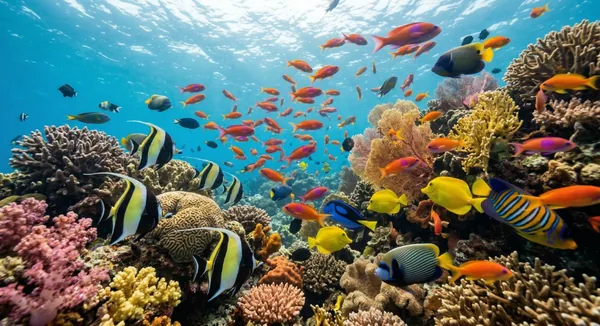
The rugged underwater topography of Trapezaki provides an ideal habitat for a concentrated array of Mediterranean species. Its most celebrated residents are the nudibranch, with a remarkable variety, including the distinctively patterned Peltodoris atromaculata, known as the sea cow. While exploring the reef's crevices and formations, divers also have the opportunity to encounter other indigenous fish and invertebrates, blending a rich biodiversity with the interesting reef structure.
Dive Sites Near Trapezaki
View all dive sites in GreeceDiscover more underwater gems in this area.
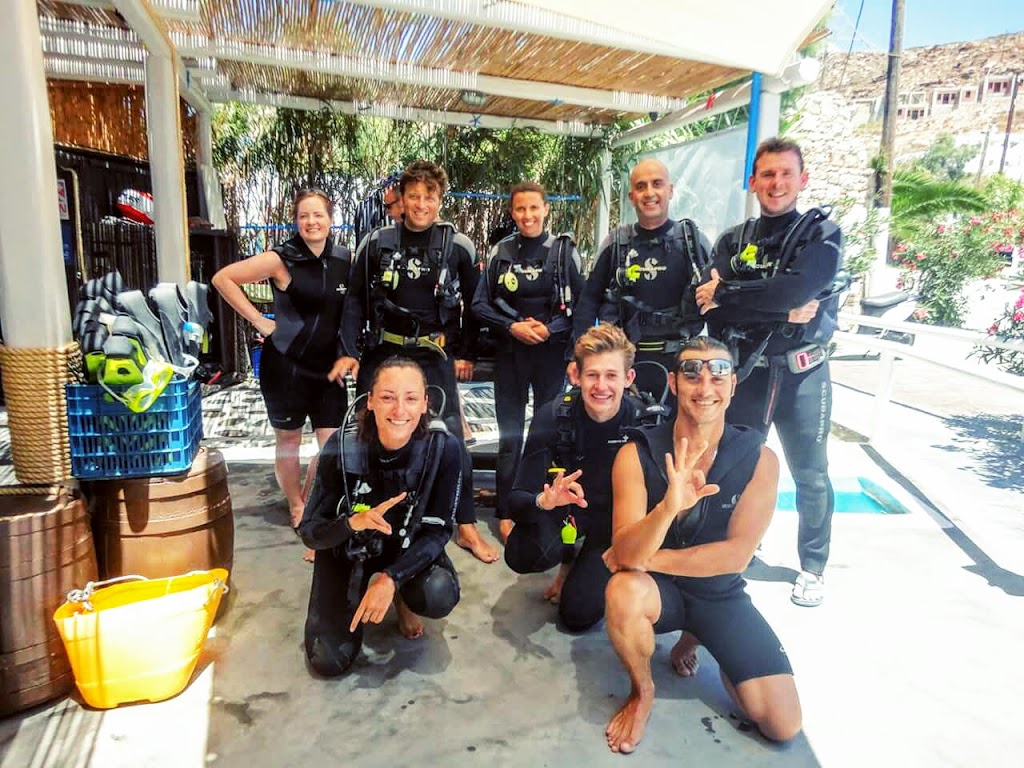
Dive Centers Near Trapezaki
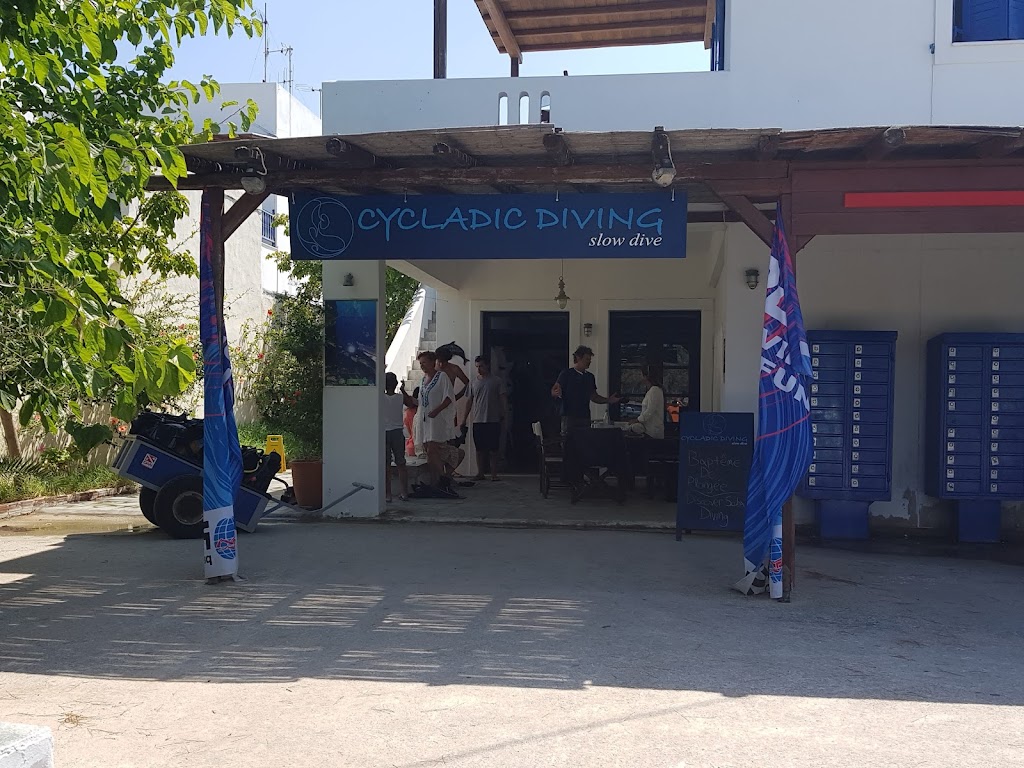
Today: 08:00 - 19:00
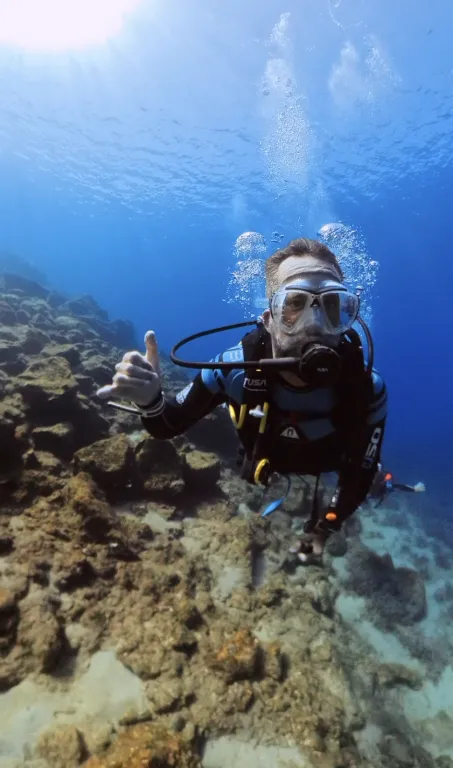
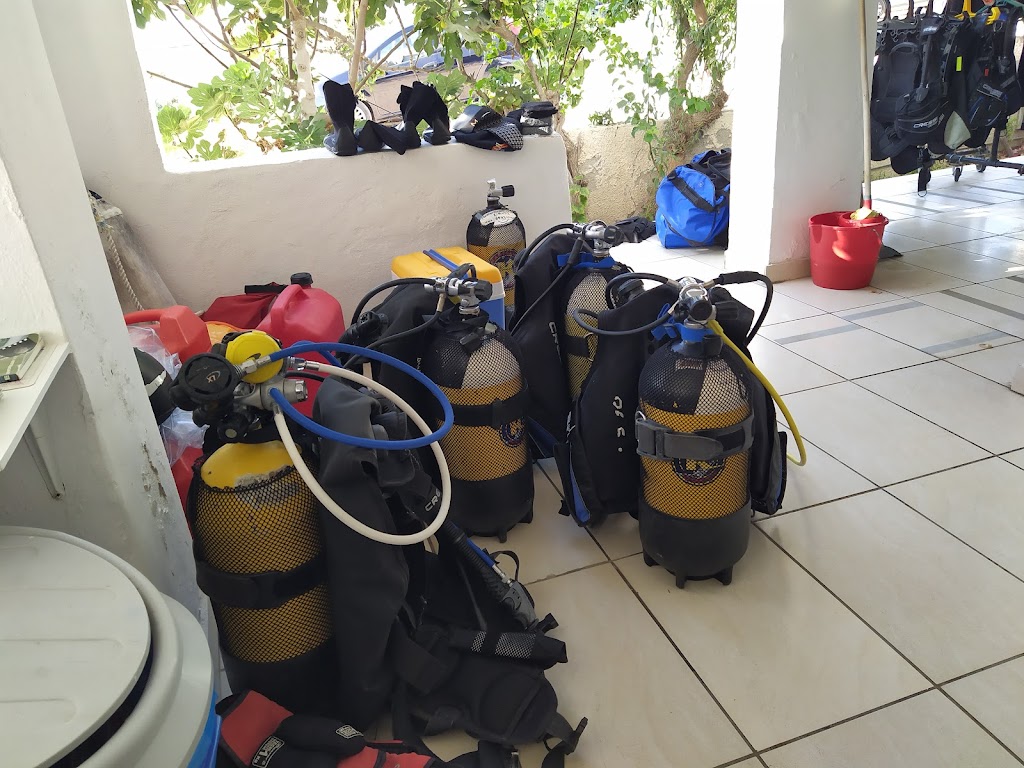
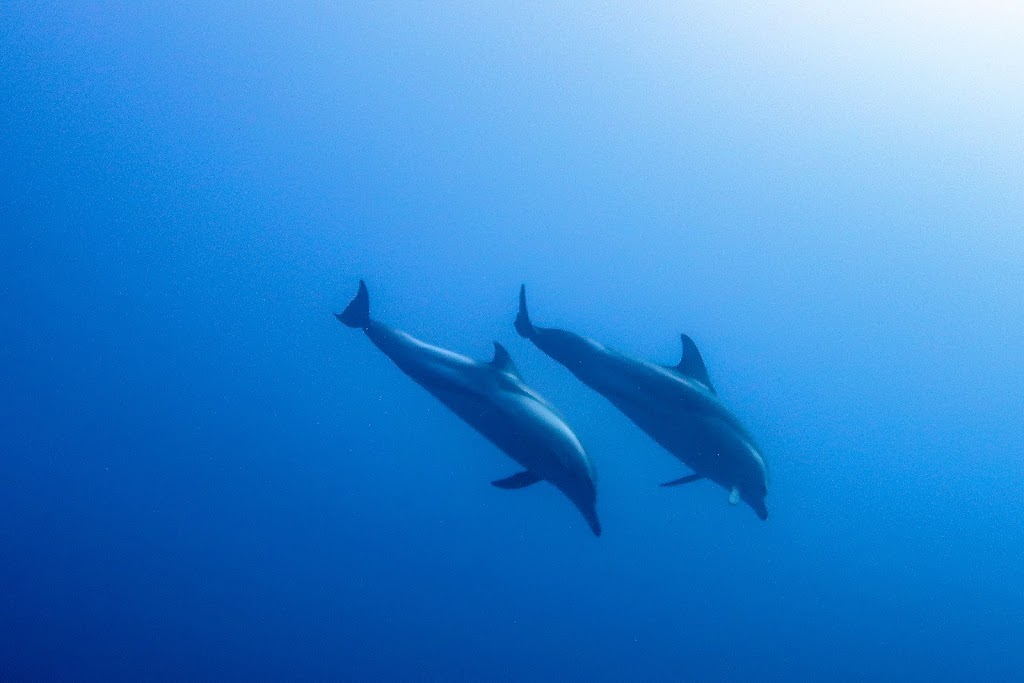
Nearest Airports
Nearest airports to help plan travel to this dive area.
Search Flights
Check available flights and routes on Expedia, using the nearby airports listed in this section.
Search Flights on ExpediaFrequently Asked Questions
What certification is needed for Trapezaki Reef?
Open Water Diver certification is required. This ensures divers have the foundational skills to safely navigate the reef environment and its varying depths.
What is the maximum depth at Trapezaki Reef?
The reef gradually descends, with divers typically exploring its deeper sections. While shallower parts of the reef begin around 9 to 12 meters, the maximum depth often reached by recreational divers extends to the low twenties of meters, or roughly 70 to 80 feet.
What marine life can I expect to see?
Trapezaki is known for its diverse Mediterranean species, with a particular highlight being its nudibranch population, including the distinctive Peltodoris atromaculata. Other indigenous fish and invertebrates are commonly observed.
Are there any unique features at Trapezaki?
Yes, a subtle hot spring is present within the rock formations. Divers may feel localized temperature changes, providing a unique sensory experience.
What are the typical water temperatures?
Average water temperature for the site is reported around 22°C / 72°F. During peak season (April-October), temperatures can be quite comfortable, supporting enjoyable dives.
When is the best time to dive Trapezaki Reef?
The optimal period for diving Trapezaki is from April through October. These months offer pleasant air temperatures, minimal rainfall, and generally calmer sea conditions, ensuring good visibility and comfort.
What are the general conditions like?
Conditions are typically calm, but divers should be aware that occasional currents can be present. Visibility varies depending on local weather and sea state.
What equipment is recommended?
Local dive centers recommend bringing personal masks, snorkels, and regulator mouthpieces for enhanced hygiene. Rental gear is disinfected between uses.
Planning to dive Trapezaki?
Send one inquiry and receive offers directly from the best verified local dive operators.
Conditions are Good
Optimal conditions expected
Current conditions near Trapezaki show 23° air, 25° sea temperature, 0.8 m waves, and 30 km/h wind. Forecast data is refreshed regularly to ensure accuracy.