
Diving at Amaras Reef (Greece)
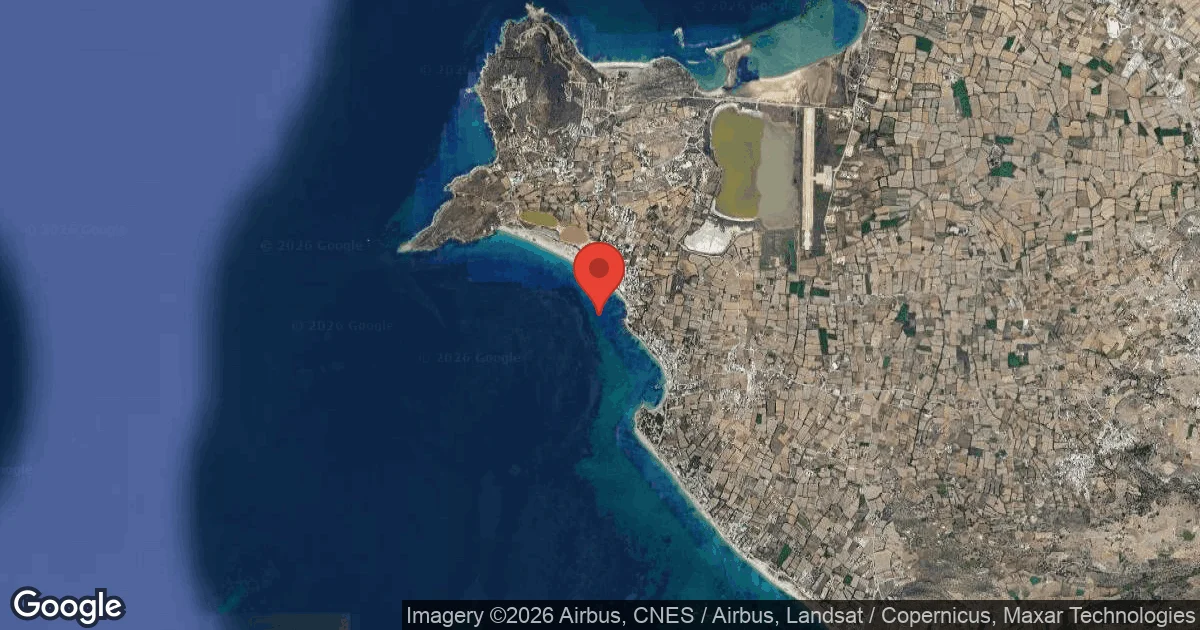
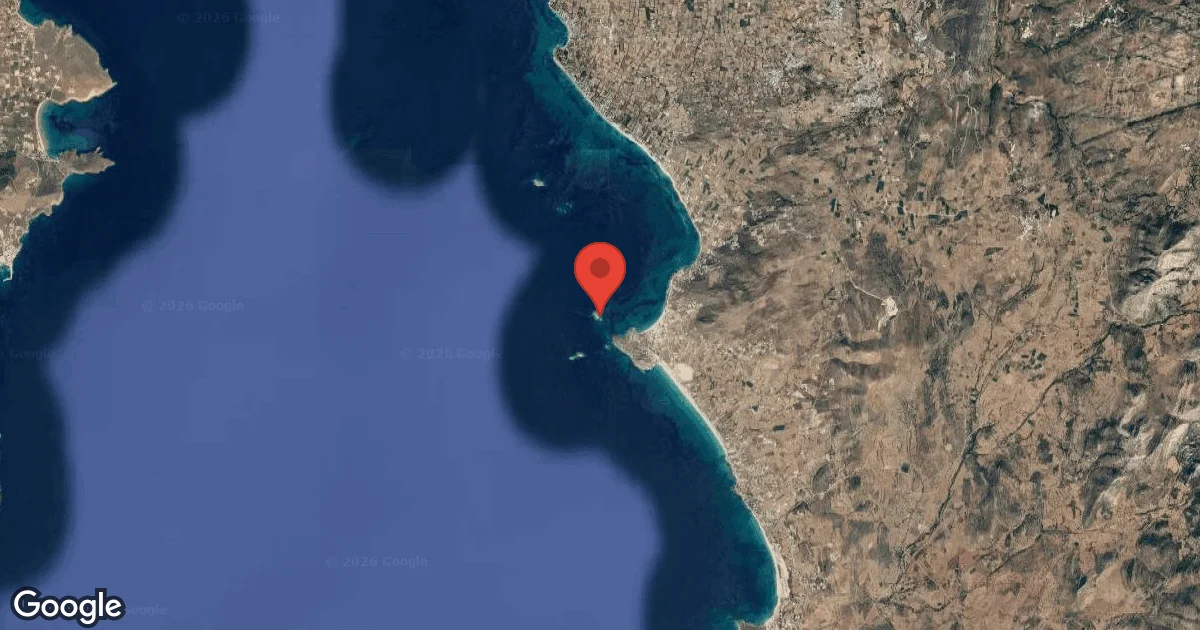
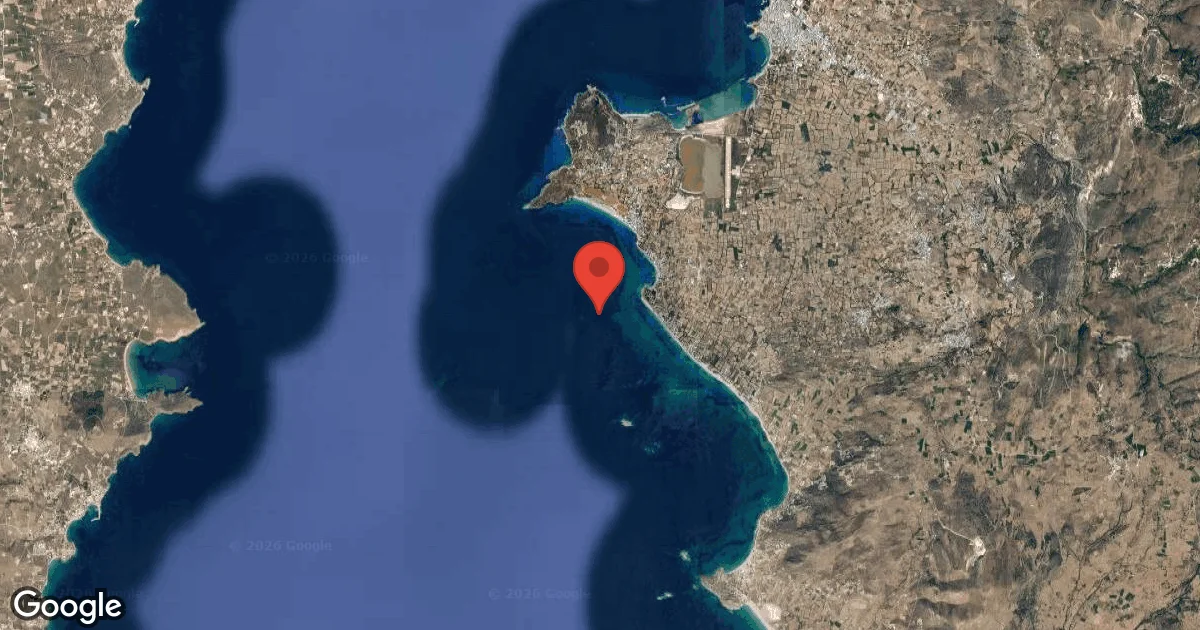
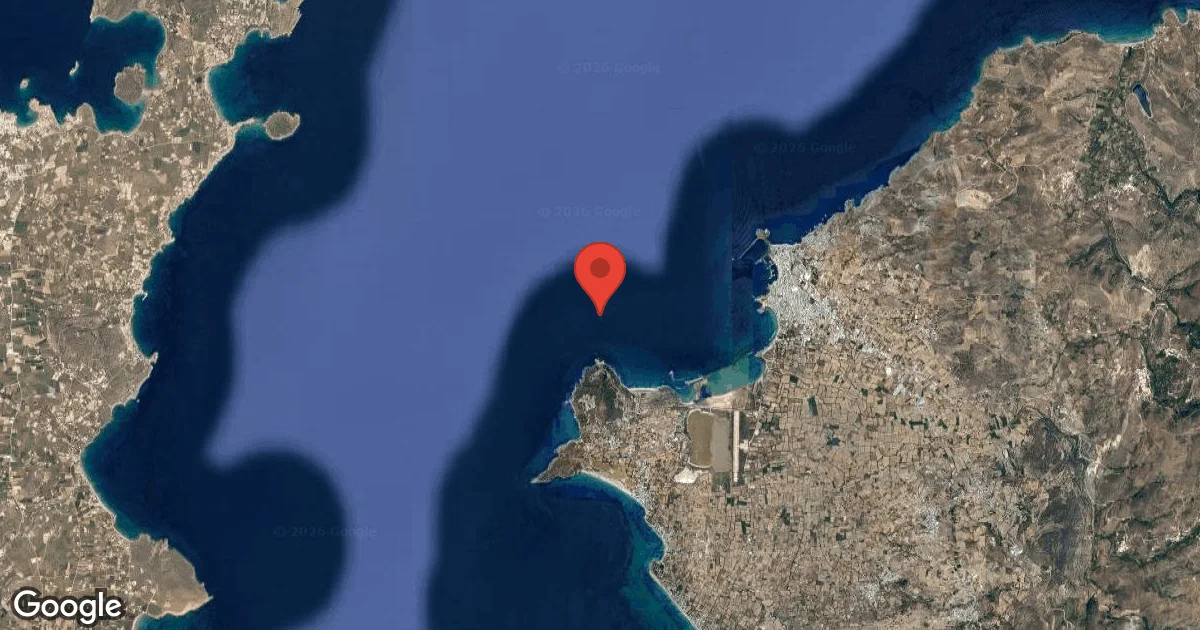
Despite its gentle profile, Amaras Reef provides divers with both natural reef exploration and historical intrigue. Situated adjacent to the Mariana shipwreck, this site blends the vibrant ecosystem of a Greek reef with accessible fragments of maritime history. With a maximum depth of 18 m (60 ft), it's suitable for Open Water certified divers, requiring adherence to safe diving practices to fully appreciate its features.
As evening covers Amaras Reef, the local air temperature is measured at 22.5°C. The current wave height at the surface is recorded at 0.4 m. These late-day readings characterize the surface conditions for the night.
Dive Site Location & Key Facts
Dive Site Overview
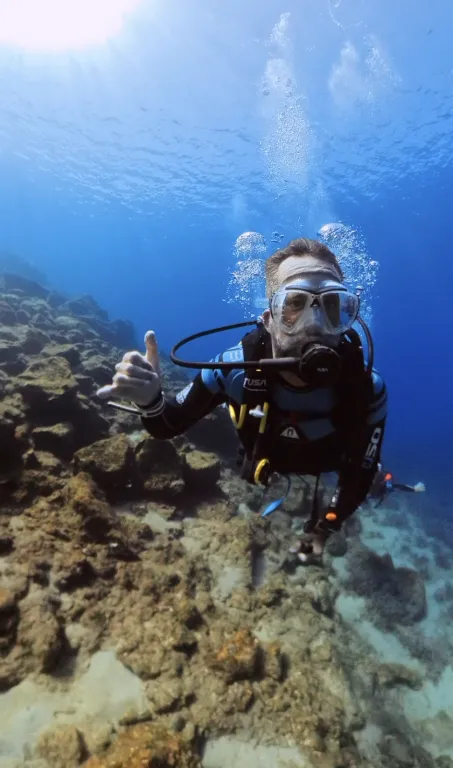
Exploring Amaras Reef reveals a compelling blend of natural topography and a tangible link to a significant local shipwreck. Beginning almost at the water's surface, the reef gradually slopes downwards, reaching a maximum depth of approximately 18 meters (60 feet).
Its gentle profile makes the site accessible for a wide range of diver certifications. Along the southern edge, divers encounter scattered sections of the Mariana shipwreck's bow, which have broken off from the main wreck itself. These substantial fragments intersperse among the living reef, creating a fascinating contrast between vibrant marine growth and historical artifacts.
Rocky formations interspersed with occasional sandy patches define the site's structure, providing diverse habitats for smaller marine life. Investigating the contours of the reef reveals numerous crevices and small overhangs, inviting closer inspection.
This allows for a combined dive where participants appreciate the dynamic reef ecosystem alongside tangible pieces of the past. A typical dive duration extends to around 45 minutes, giving adequate time to thoroughly investigate both the natural features and the historical remnants.
The seamless transition from an active marine environment to metallic remnants is often quite striking, making for a memorable underwater exploration within recreational depth limits.
Weather Error: fetch failed
Best Time to Dive
Optimal diving conditions at Amaras Reef are influenced by the regional Mediterranean climate, which favors the warmer, drier months. Air temperatures consistently rise from May, averaging 19.5°C (67°F), to a peak of 27.5°C (82°F) in July, before gradually cooling through autumn. Rain activity is notably minimal from June through September, often less than 0.3 mm (0.01 in) per month, reducing freshwater runoff and improving clarity. While specific water temperatures aren't consistently reported, they generally follow seasonal air patterns, remaining comfortable throughout the primary dive season. Lower average wave heights, around 0.6-0.7 m (2.0-2.3 ft), are observed from May to October, indicating calmer surface conditions for boat access and entry.
PEAK SEASON SCORE
Scores combine air & water temps, waves, wind & rainfall for overall conditions.
BEST MONTHS TO DIVE
Monthly records compiled from satellite and marine observation nodes over the last 3 years. Data provided by Open-Meteo and MET Norway.
Dive Experience & Conditions
Diving at Amaras Reef provides a generally relaxed experience due to its inviting, gradual descent. Starting near the surface, the reef steadily slopes towards its maximum depth. Excellent light penetration characterizes most areas, enhancing visibility and the vibrancy of underwater colors. Divers can expect typical Mediterranean reef topography, defined by rocky formations and smaller crevices where marine life seeks refuge. Current conditions are not consistently reported as strong; however, they can vary depending on local weather patterns, so vigilance is advised. The overall environment supports a calm exploration within recreational depth limits, making it suitable for less experienced divers or those preferring a leisurely pace. Navigating its contours offers ample opportunity for discovery without demanding strenuous effort.
Dive Difficulty & Safety Guidelines
To ensure a safe and enjoyable exploration of Amaras Reef, divers must be certified to at least Scuba Diver level. Always plan your dive within your certification limits and those of your buddy. Adhering to no-decompression limits is critical for this site, particularly when exploring the deeper sections where shipwreck fragments rest.
Given the potential for varying currents, it's advisable to carry a surface marker buoy (SMB) for visibility. Divers should also remain aware of their buoyancy to protect the delicate reef ecosystem and avoid disturbing any shipwreck artifacts.
Recommended Equipment
- Dive Computer
This gear list is based on verified equipment signals for Amaras Reef, Greece. Always confirm final gear choices with your dive operator, guide, or liveaboard.
Recommended Dive Suit
Forecast conditions over the next few days suggest temperatures will remain relatively stable.
Two divers in the same water temperature may experience very different comfort levels.
Many divers find that 3mm wetsuit offers the right level of insulation for conditions like these. A hood or vest is suggested for sensitive divers due to surface winds. Surface intervals may feel cooler. The surrounding waters at Amaras Reef are currently registering temperatures of roughly 25°C (76°F). Surface air temperatures are resting at 23°C (73°F).
Due to technical issues with our weather providers, data hasn't been fetched for over 48 hours. The data above reflects the conditions at the time of the last successful fetch.
Emergency & Medical Support
Essential information to help you plan your dive trip to Amaras Reef.

Hyperbaric chambers are a critical part of dive safety infrastructure. Availability varies significantly by region, and not all dive areas have immediate access.
Before diving, it's recommended to:
- confirm nearest medical facilities
- check emergency procedures with local dive operators
- ensure dive insurance covers evacuation if required
Divers Alert Network
Diving emergency assistance available through DAN Europe.
+39 0642115685- 24/7 emergency hotline
- Diving medical assistance
- Evacuation coordination
Emergency contacts are provided for reference. Always verify local emergency services before diving.
Closest Listed Hyperbaric Chambers
Showing listed hyperbaric chamber facilities within 200 km of this dive site.
Distances are approximate straight-line distances and may not reflect emergency travel time.
MYO
24/7 ListedKalymnos Island, Greece•Approx. 148 km straight-line
MYO
24/7 ListedInformation is provided for reference and planning purposes only. Dive Navigator does not verify operational status, staffing, availability, or quality of care at listed facilities. In an emergency, contact local emergency services, DAN, your dive operator, or the chamber directly. Do not travel to a facility without calling ahead.
MKYI/NNA (DHDM/ANH)
24/7 ListedICU CapableAthens, Greece•Approx. 173 km straight-line
MKYI/NNA (DHDM/ANH)
24/7 ListedICU CapableInformation is provided for reference and planning purposes only. Dive Navigator does not verify operational status, staffing, availability, or quality of care at listed facilities. In an emergency, contact local emergency services, DAN, your dive operator, or the chamber directly. Do not travel to a facility without calling ahead.
Information is provided for reference and planning purposes only. Dive Navigator does not verify operational status, staffing, availability, or quality of care at listed facilities. In an emergency, contact local emergency services, DAN, your dive operator, or the chamber directly. Do not travel to a facility without calling ahead.
Marine Life at Amaras Reef
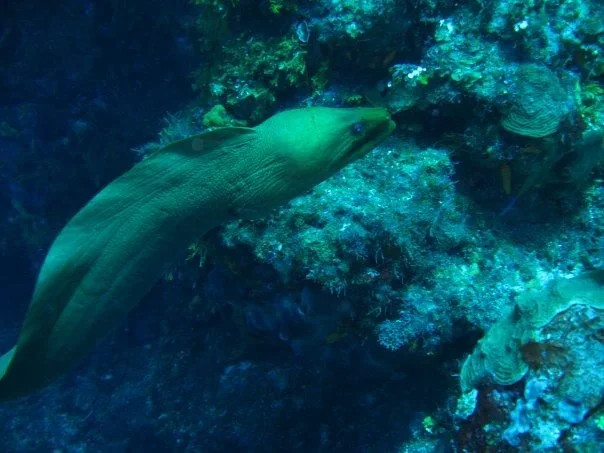
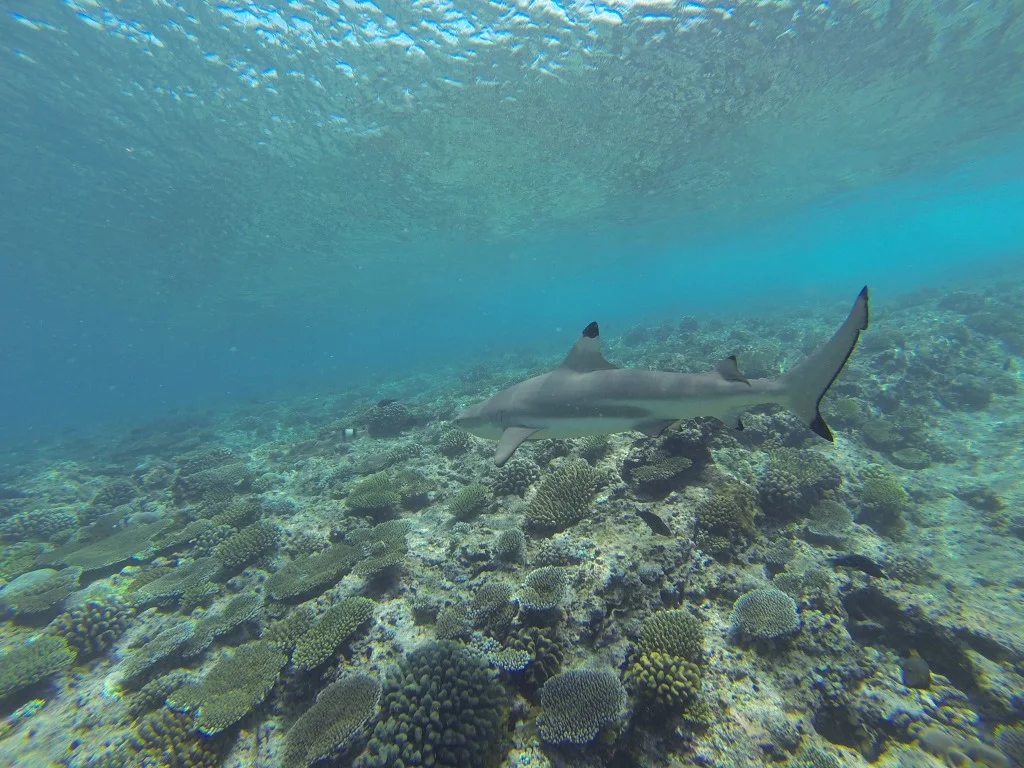
Marine life encounters at Amaras Reef reflect the diverse ecosystems typical of Naxos's underwater landscape. While the broader Naxos waters are noted for occasional sightings of larger species like turtles, dolphins, and even sharks or whales, the reef itself supports a vibrant community of smaller inhabitants.
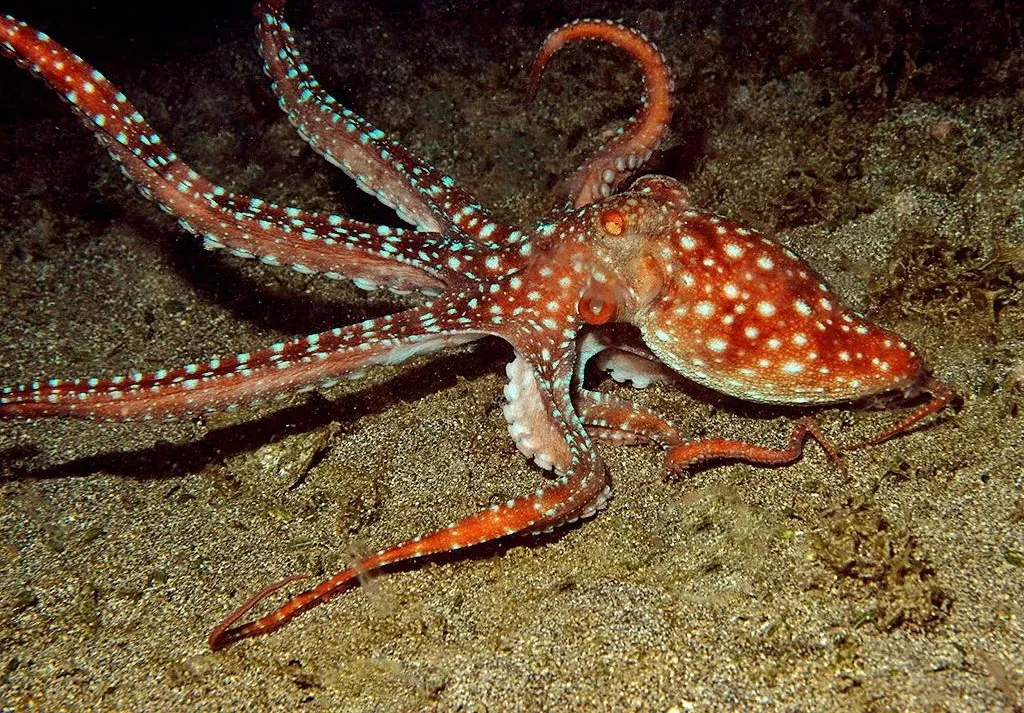
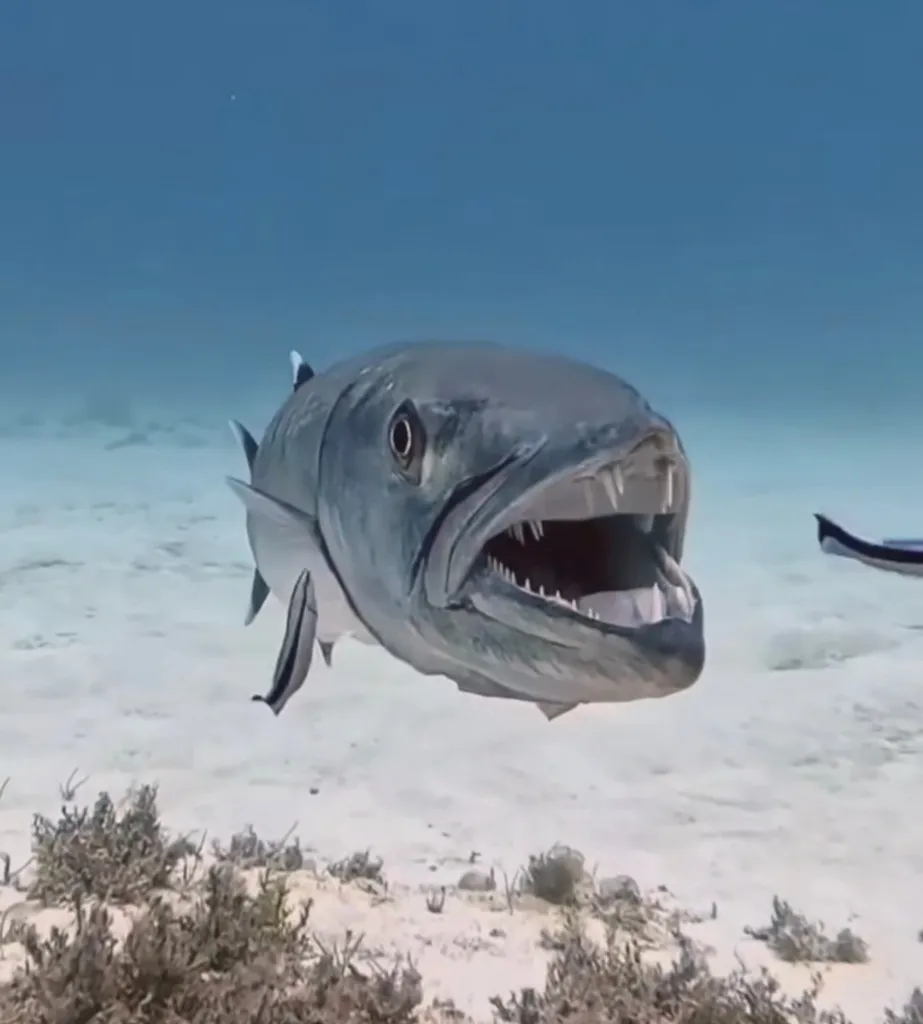
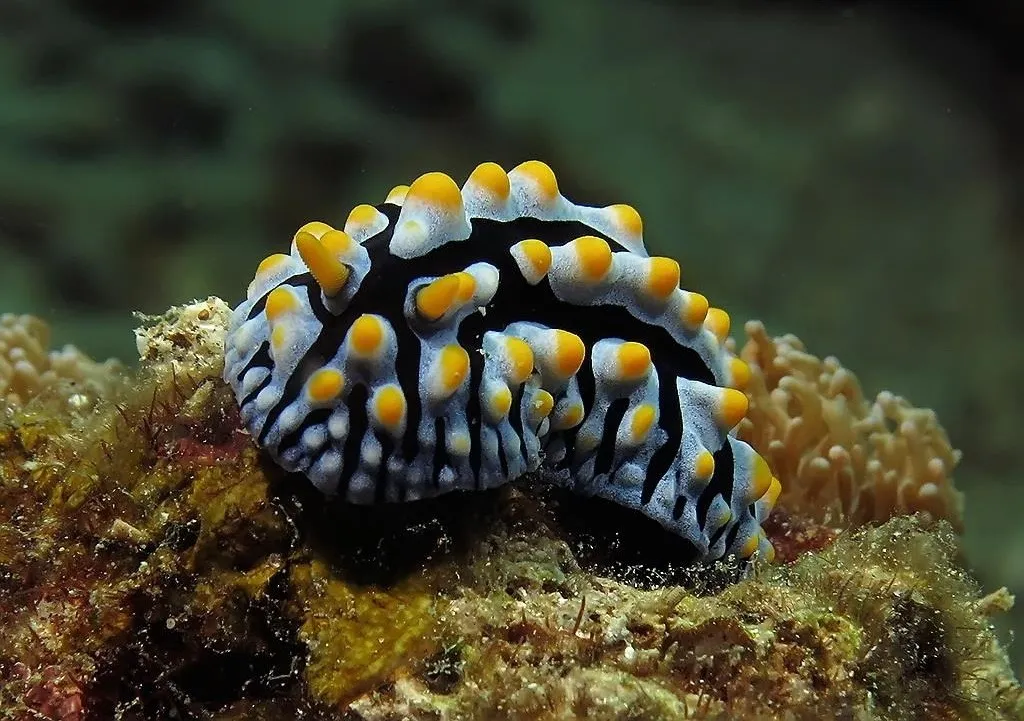
Divers often observe various nudibranchs, octopuses, and moray eels navigating the rocky structures. Schools of barracuda may also be seen patrolling the reef, adding dynamic movement to the scene.
Dive Sites Near Amaras Reef
View all dive sites in GreeceDiscover more underwater gems in this area.
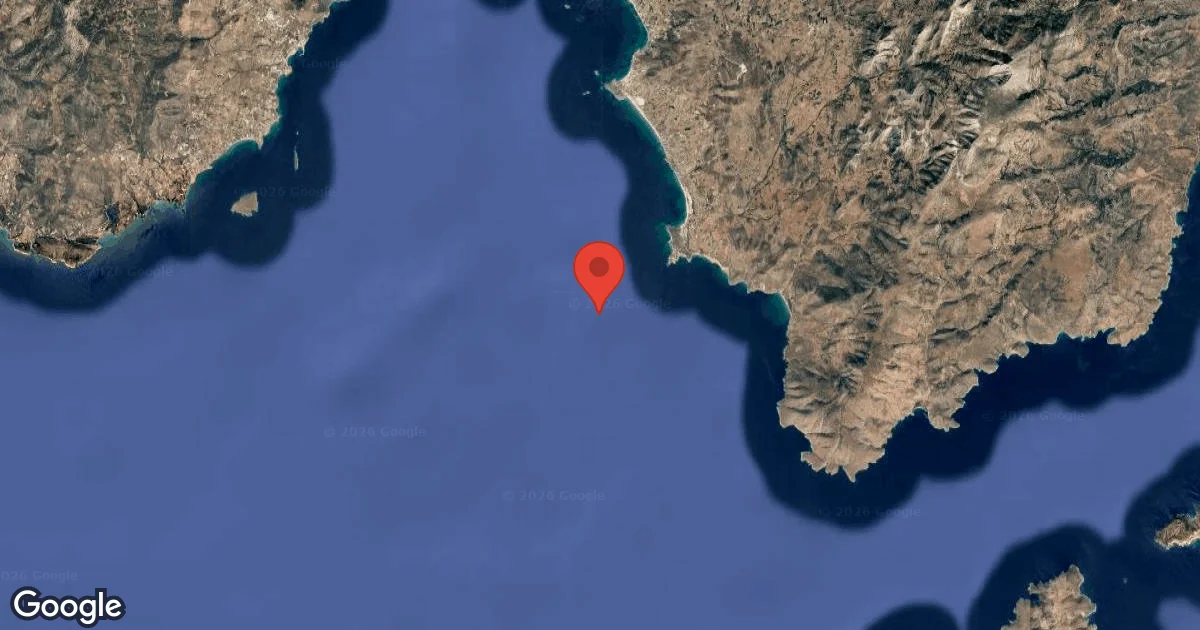
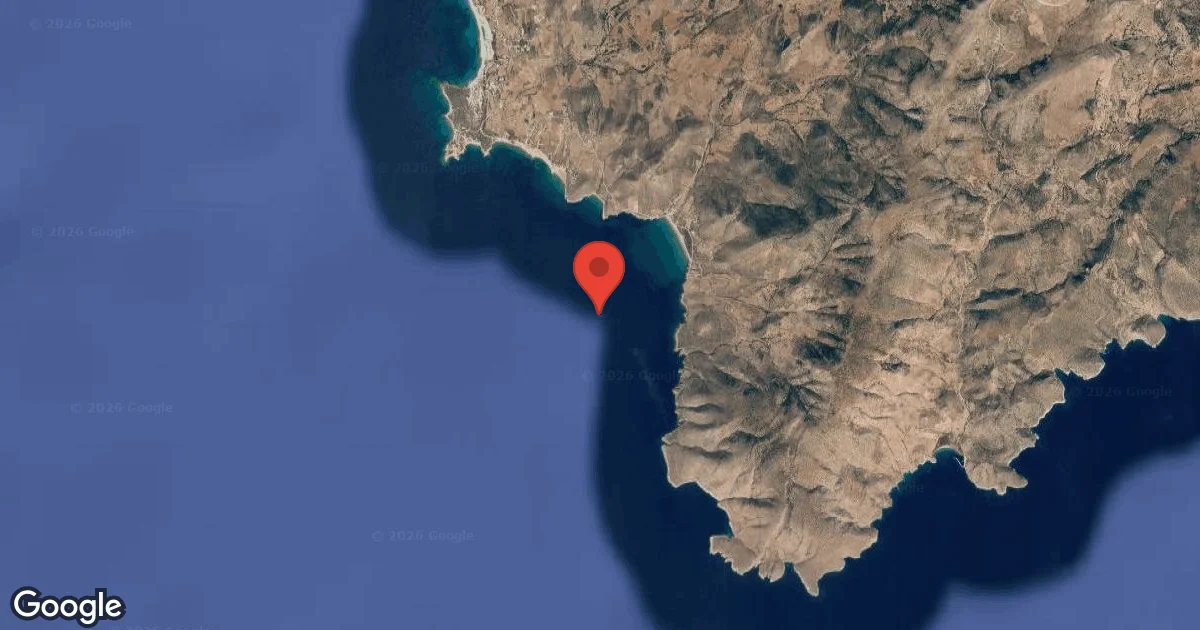
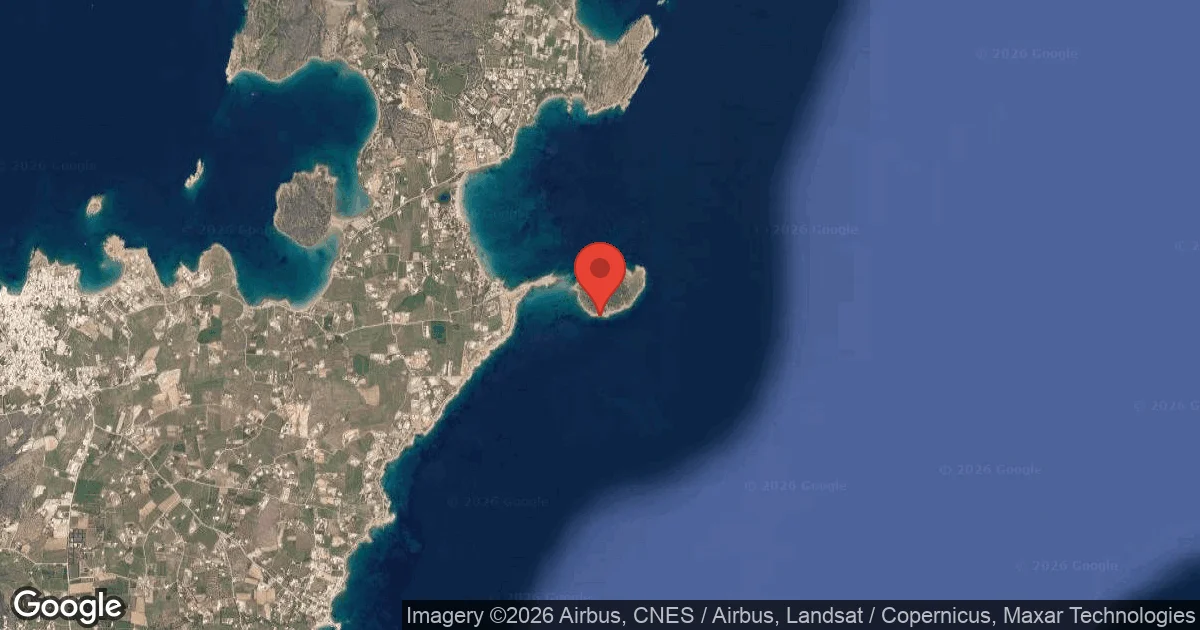
Dive Centers Near Amaras Reef
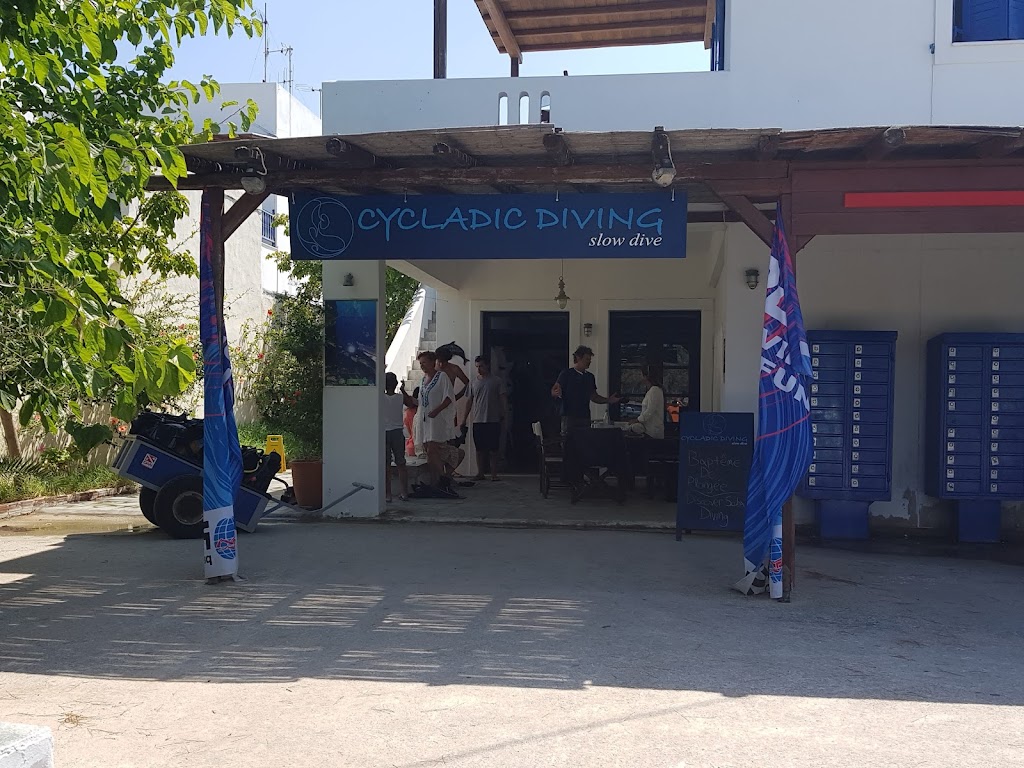
Today: 08:00 - 19:00
Nearest Airports
Nearest airports to help plan travel to this dive area.
Search Flights
Check available flights and routes on Expedia, using the nearby airports listed in this section.
Search Flights on ExpediaFrequently Asked Questions
What is the maximum depth at Amaras Reef?
Amaras Reef reaches a maximum depth of 18 m (60 ft). Portions of the nearby Mariana shipwreck's bow can be found in the shallower parts of this depth range.
What diving certification is required for Amaras Reef?
Divers need at least a Scuba Diver certification to explore Amaras Reef. This ensures you have the foundational skills for this depth and environment.
How long does a typical dive at Amaras Reef last?
A typical dive at Amaras Reef lasts approximately 45 minutes. This duration allows for thorough exploration of both the reef and the accessible shipwreck fragments.
Are there any shipwrecks at Amaras Reef?
Amaras Reef is adjacent to the Mariana shipwreck. Divers can find parts of the Mariana's bow broken off and resting on the south side of the reef, providing an interesting historical element to the dive.
What kind of marine life can I expect to see?
Divers often encounter nudibranchs, octopuses, moray eels, and barracuda on the reef. The broader Naxos area is also known for potential sightings of larger species such as turtles and dolphins.
What are the best months for diving Amaras Reef?
The months from May through October generally offer the best diving conditions, with warmer air temperatures, minimal rainfall, and calmer seas. Water conditions typically align with these favorable surface trends.