
Diving at Bristol Beaufighter (Greece)
Descending towards the Bristol Beaufighter, divers feel a profound connection to history resting beneath the Aegean. This site off Naxos tells a story of wartime bravery, its metallic structure now a silent testament to a bygone era. A haunting beauty defines the dive, as light filters through the water, revealing the aircraft's form against the sandy bottom.
As evening covers Bristol Beaufighter, the local air temperature is measured at 21.5°C. The current wave height at the surface is recorded at 0.7 m. These late-day readings characterize the surface conditions for the night.
Dive Site Location & Key Facts
Dive Site Overview
Exploring the Bristol Beaufighter wreck off Naxos offers a poignant journey into World War II history. This Royal Air Force aircraft, a Type 156 Beaufighter, was downed in 1943; its crew was rescued, but the plane remained lost until its discovery in 2007.
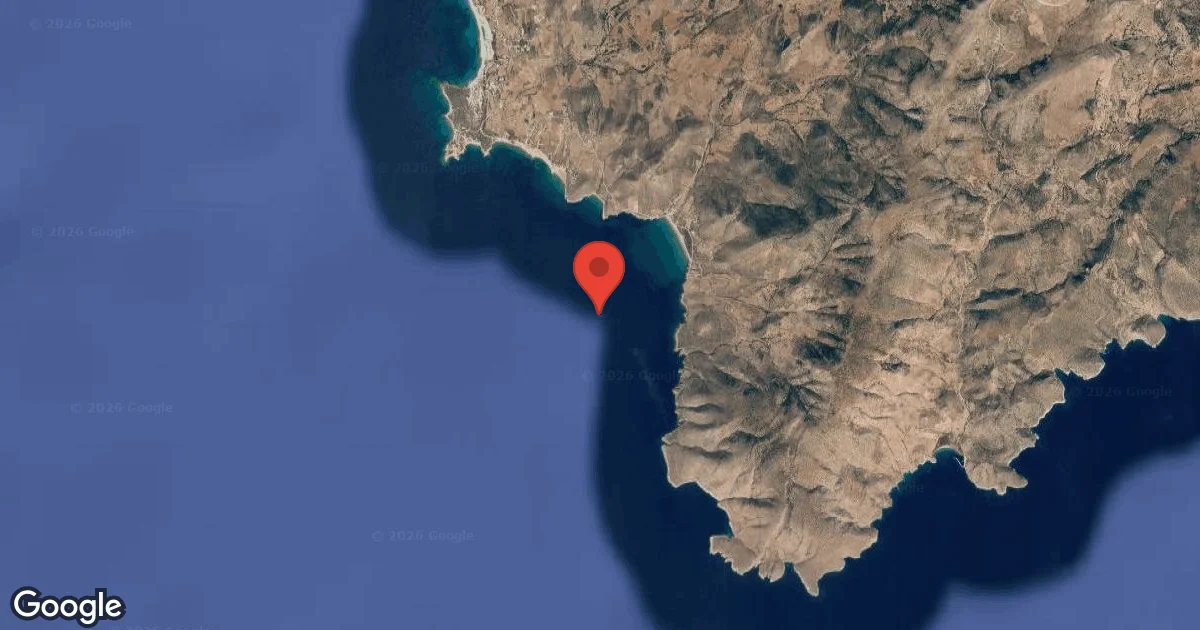
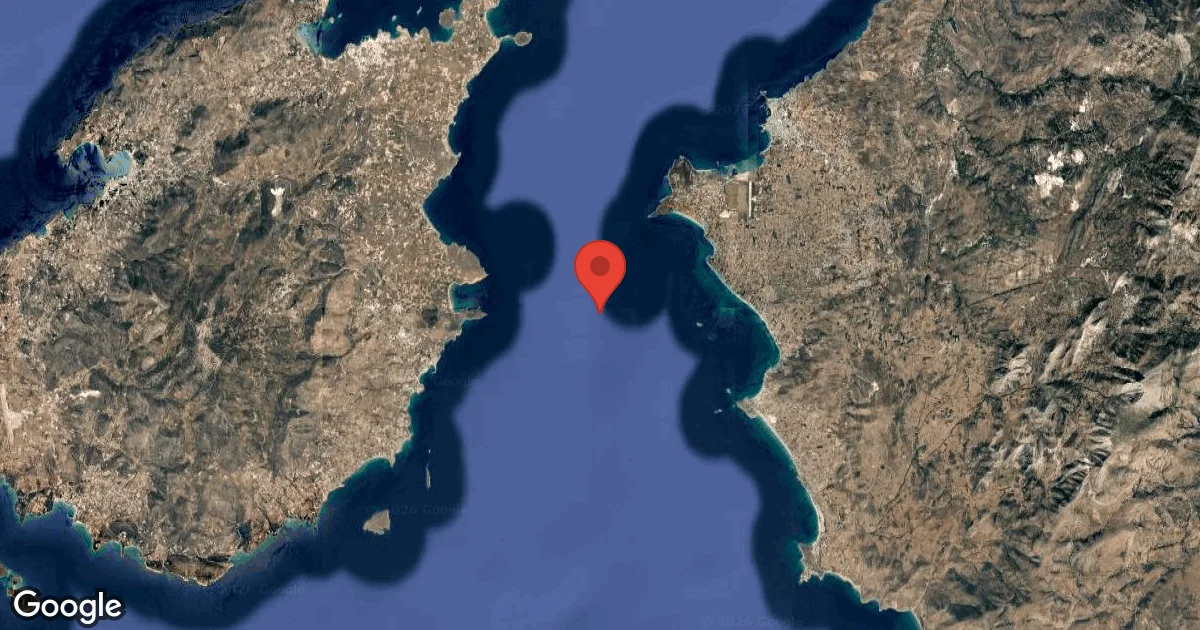
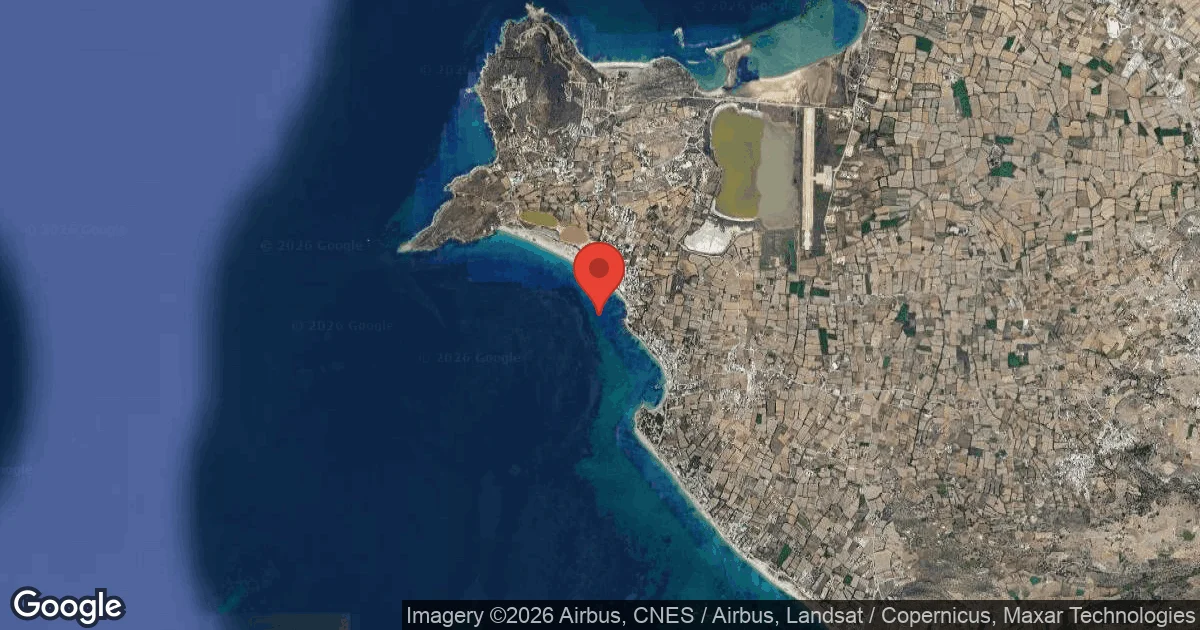
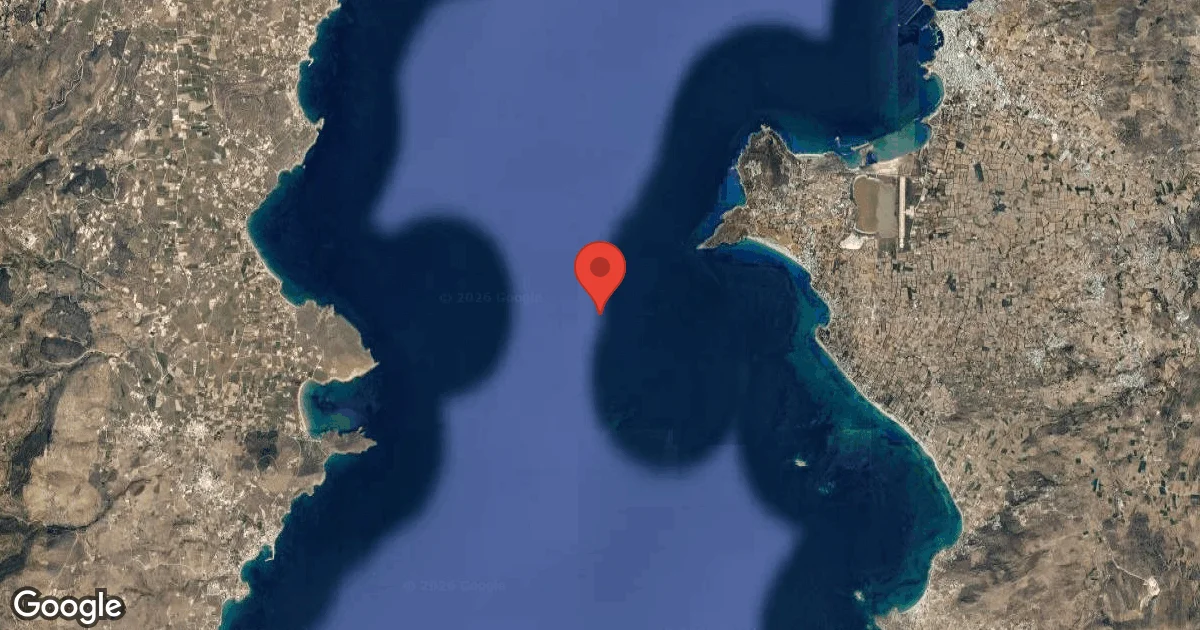
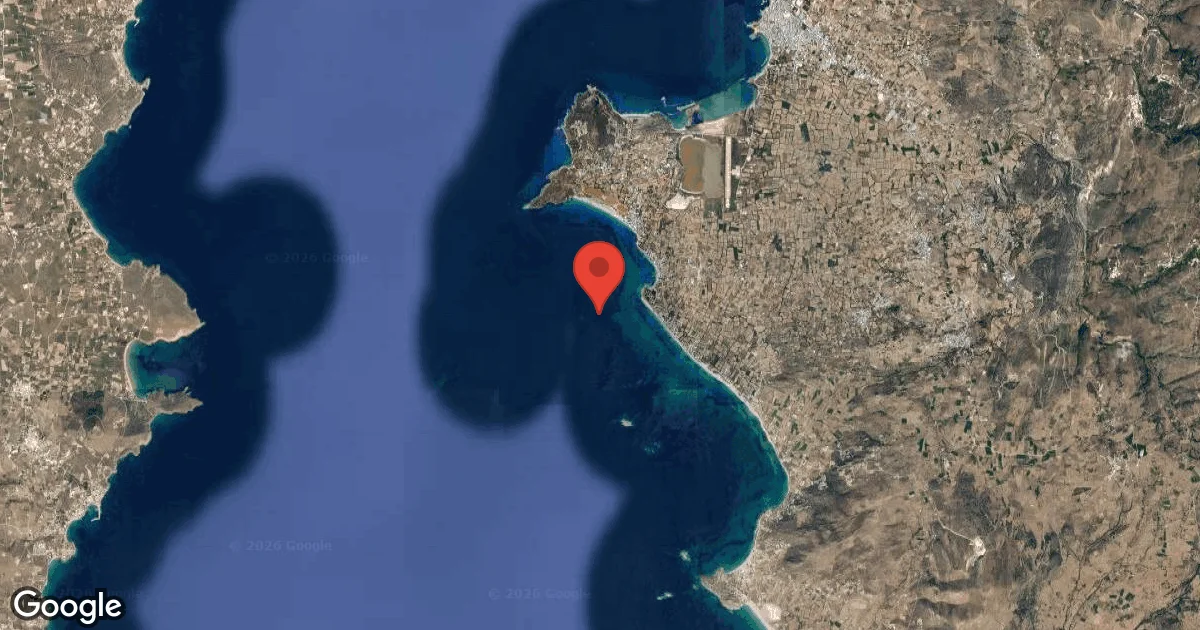
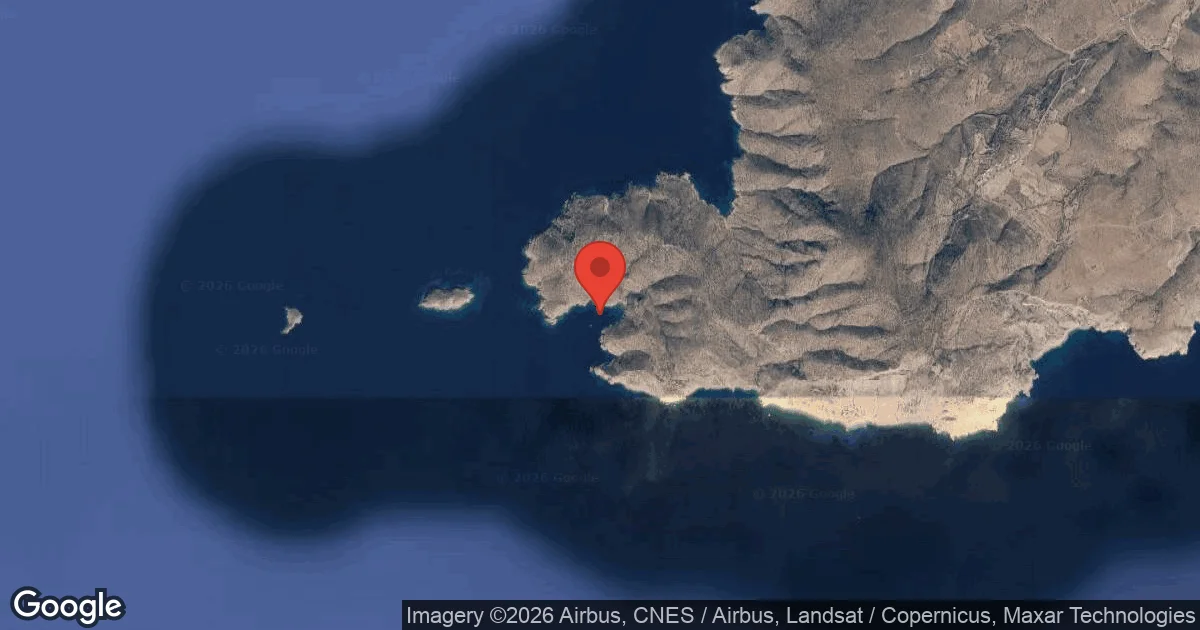
Lying approximately a quarter-mile off the Naxos coast, the wreck settles peacefully on a sandy bottom. Reaching the site involves a descent to a maximum depth of 33 meters. Divers will trace the fuselage and wing sections, imagining its operational past as a night fighter, fighter-bomber, and torpedo bomber.
Observing the well-preserved remnants of a significant historical artifact is a key draw. Locally, it's often referred to as the 'Silent Beau,' a respectful moniker acknowledging its stillness after a history of powerful flight.
Much of the airframe remains intact, allowing for clear identification of various components. Surrounding seabed's flat terrain enhances the aircraft's silhouette.
Divers often spend time examining the cockpit area and engine details, finding a tangible connection to the past. The dive primarily appeals to those with an interest in aviation history and underwater exploration.
Conditions are Good
07:00 - 14:00
Optimal conditions expected
Current conditions near Bristol Beaufighter show 22° air, 25° sea temperature, 0.7 m waves, and 30 km/h wind. Forecast data is refreshed regularly to ensure accuracy.
Best Time to Dive
Optimal conditions for diving the Bristol Beaufighter generally align with Greece's warmer, calmer months. From May through October, the air temperatures are most favorable, ranging from an average of 20°C (68°F) in May to highs of 28°C (82°F) in July and August. During these months, rainfall is minimal, often less than 1 mm, significantly reducing run-off and improving visibility. Importantly, calm sea conditions are crucial for accessing this particular dive site. While water temperatures are not consistently reported in our system data for this specific location, regional trends suggest comfortable diving from late spring into autumn. Expect excellent visibility during this period, often reaching 20 m (65 ft).
PEAK SEASON SCORE
Scores combine air & water temps, waves, wind & rainfall for overall conditions.
BEST MONTHS TO DIVE
Monthly records compiled from satellite and marine observation nodes over the last 3 years. Data provided by Open-Meteo and MET Norway.
Dive Experience & Conditions
Approaching the Bristol Beaufighter, you're greeted by a visibility that can extend up to 20 m (65 ft), allowing for a clear appreciation of the wreck's structure. Diving here demands calm sea states; surge is typically light, but external factors like strong winds can make access challenging. Reaching the wreck involves a descent to its maximum depth of 33 m (108 ft), requiring careful buoyancy control. This site is specifically recommended for advanced divers with a minimum of 20 logged dives, due to its depth and the potential for variable conditions. Exploring the Beaufighter's form, one can discern the intact fuselage and scattered components, lying silently on the seabed.
Dive Difficulty & Safety Guidelines
Diving the Bristol Beaufighter mandates adherence to advanced diving protocols. Given its maximum depth of 33 m (108 ft), divers must possess an advanced certification and sufficient prior experience, with over 20 logged dives recommended. Always prioritize calm weather conditions; rough seas can make boat access and the dive itself considerably more difficult and less safe.
Plan your bottom time carefully, as typical visits allow for approximately 15 minutes at maximum depth, factoring in decompression limits. Maintain excellent buoyancy control to avoid disturbing the historical site and minimize any silt stirred from the sandy bottom, which could reduce visibility.
Recommended Equipment
Overhead / entanglement risk. Wreck penetration requires proper training.
- Dive Computer
- Primary & Backup Lights
- Wreck Reel
- Cutting Tool
This gear list is based on verified equipment signals for Bristol Beaufighter, Greece. Always confirm final gear choices with your dive operator, guide, or liveaboard.
Recommended Dive Suit
Divers planning deeper dives may feel cooler than those staying in shallower areas.
Many divers find that 3mm wetsuit offers a comfortable balance between warmth and mobility. Consider warmer surface protection (like a boat coat) due to brisk winds. Surface intervals may feel cooler. Environmental models indicate a modest warming trend ahead. A warming trend is expected over the next few days.
Divers heading to Bristol Beaufighter today should expect water temperatures around 25°C (76°F). Surface air temperatures are resting at 22°C (71°F).
Due to technical issues with our weather providers, live updates are temporarily delayed. The data above reflects the conditions at the time of the last successful fetch.
Emergency & Medical Support
Essential information to help you plan your dive trip to Bristol Beaufighter.

Hyperbaric chambers are a critical part of dive safety infrastructure. Availability varies significantly by region, and not all dive areas have immediate access.
Before diving, it's recommended to:
- confirm nearest medical facilities
- check emergency procedures with local dive operators
- ensure dive insurance covers evacuation if required
Divers Alert Network
Diving emergency assistance available through DAN Europe.
+39 0642115685- 24/7 emergency hotline
- Diving medical assistance
- Evacuation coordination
Emergency contacts are provided for reference. Always verify local emergency services before diving.
Closest Listed Hyperbaric Chambers
Showing listed hyperbaric chamber facilities within 200 km of this dive site.
Distances are approximate straight-line distances and may not reflect emergency travel time.
MYO
24/7 ListedKalymnos Island, Greece•Approx. 144 km straight-line
MYO
24/7 ListedInformation is provided for reference and planning purposes only. Dive Navigator does not verify operational status, staffing, availability, or quality of care at listed facilities. In an emergency, contact local emergency services, DAN, your dive operator, or the chamber directly. Do not travel to a facility without calling ahead.
MKYI/NNA (DHDM/ANH)
24/7 ListedICU CapableAthens, Greece•Approx. 182 km straight-line
MKYI/NNA (DHDM/ANH)
24/7 ListedICU CapableInformation is provided for reference and planning purposes only. Dive Navigator does not verify operational status, staffing, availability, or quality of care at listed facilities. In an emergency, contact local emergency services, DAN, your dive operator, or the chamber directly. Do not travel to a facility without calling ahead.
Information is provided for reference and planning purposes only. Dive Navigator does not verify operational status, staffing, availability, or quality of care at listed facilities. In an emergency, contact local emergency services, DAN, your dive operator, or the chamber directly. Do not travel to a facility without calling ahead.
Marine Life at Bristol Beaufighter
The Bristol Beaufighter wreck acts as a unique artificial reef, drawing marine life into its structure. Exploring the fuselage and debris field, divers frequently observe various species inhabiting the aircraft's remnants.
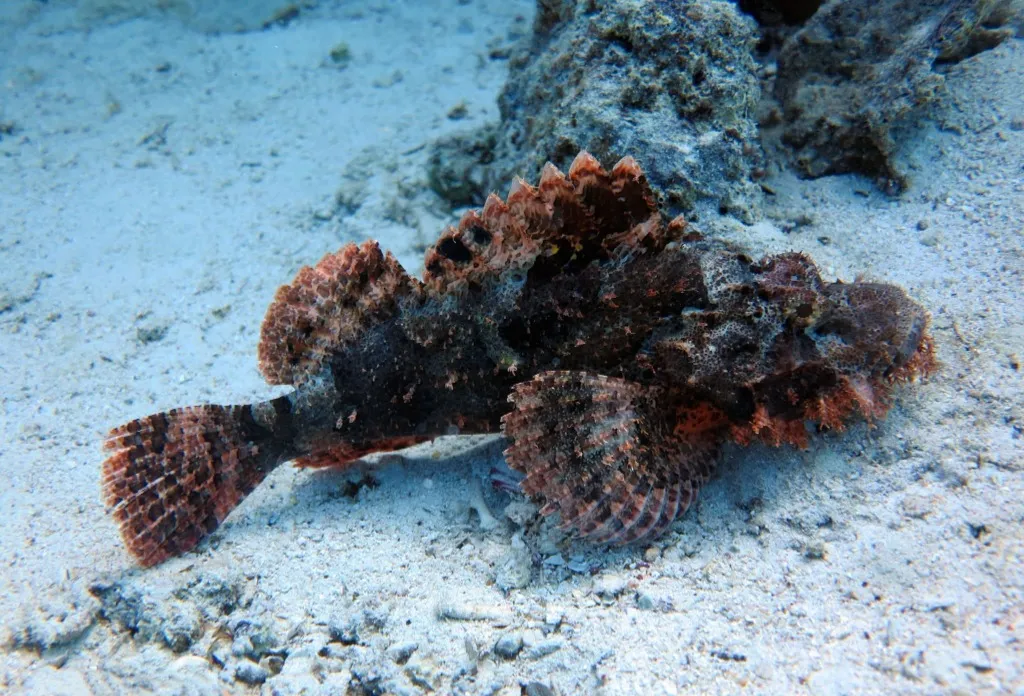
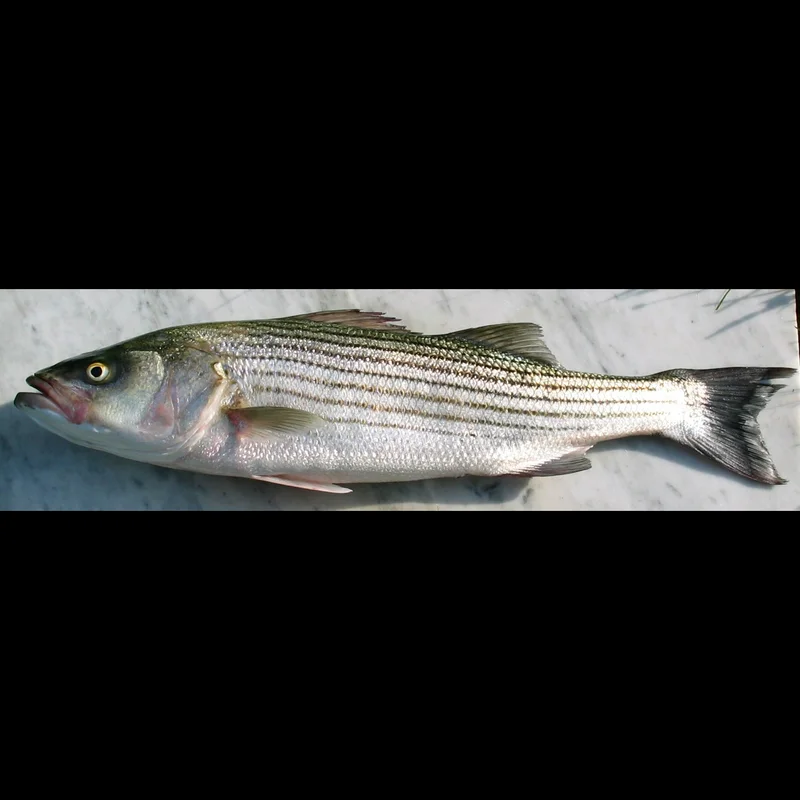
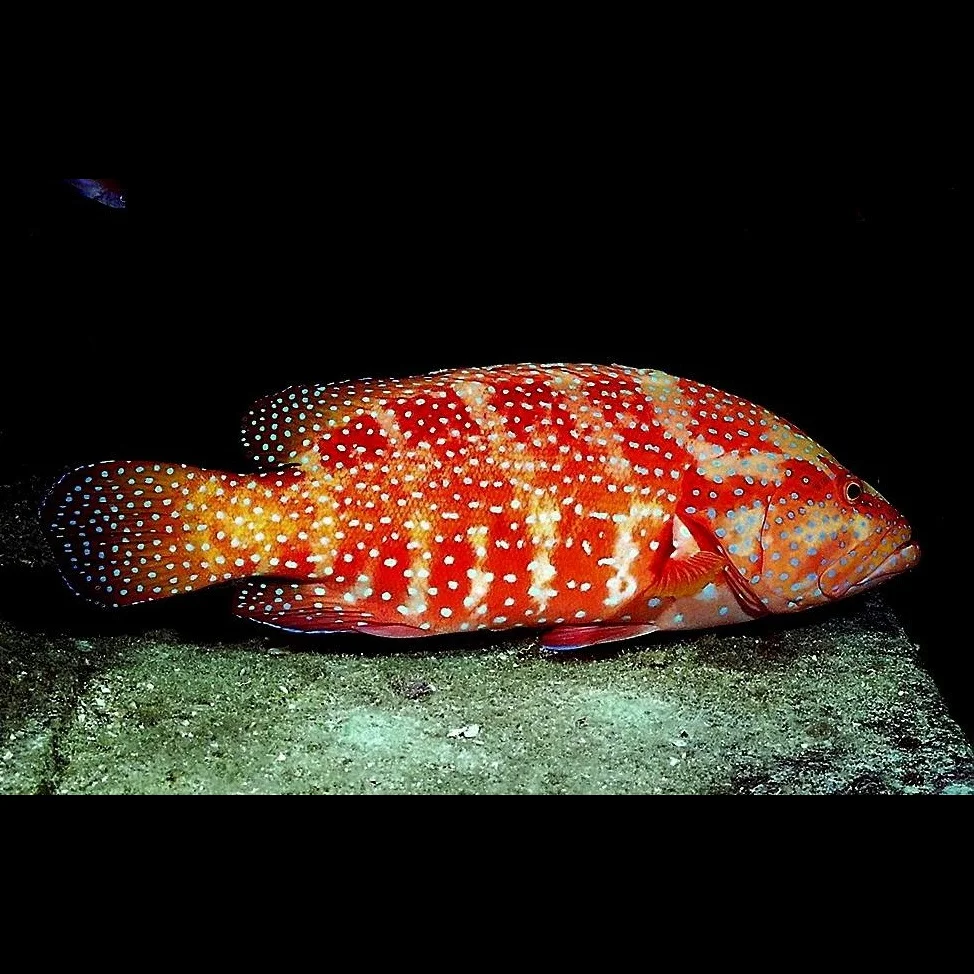
Large scorpionfish are commonly sighted, camouflaged against the metal. Look for sea bass and grouper patrolling the immediate vicinity, often found hovering around the more intact sections.
These species utilize the wreck for shelter and hunting grounds, creating an active ecosystem around the historical structure.
Dive Sites Near Bristol Beaufighter
View all dive sites in GreeceDiscover more underwater gems in this area.
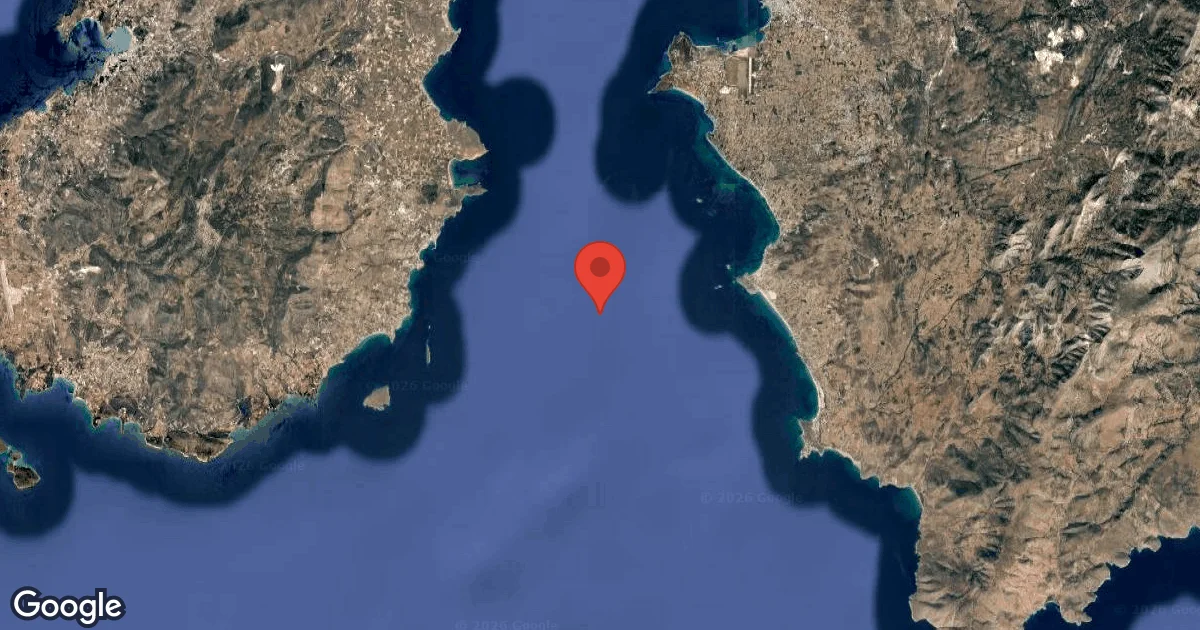
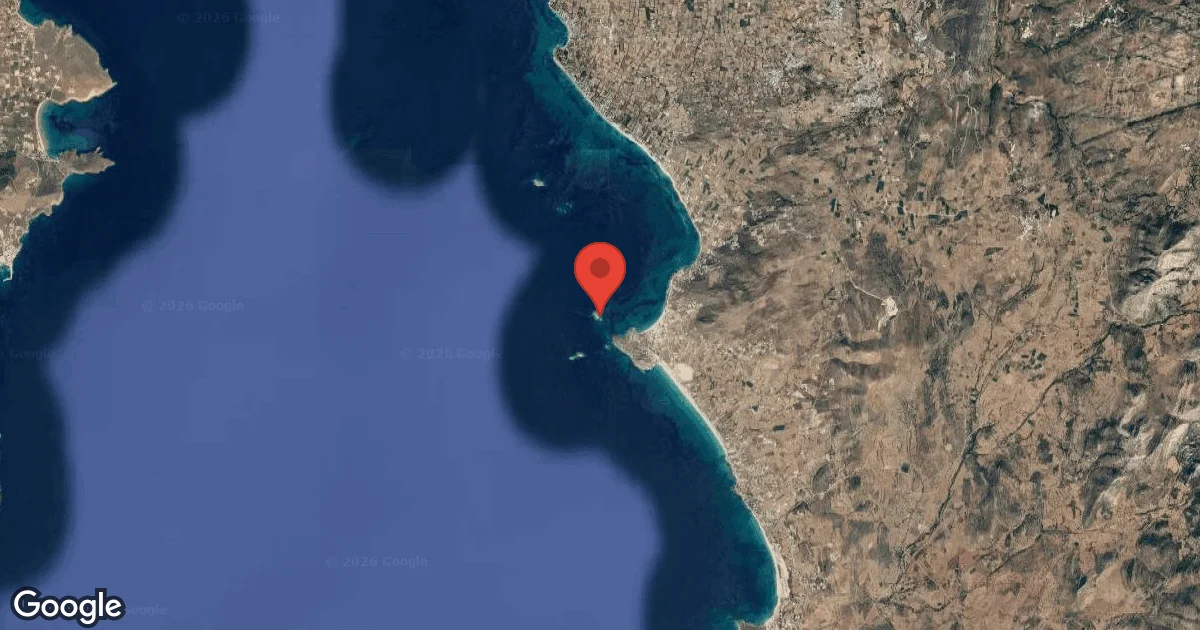
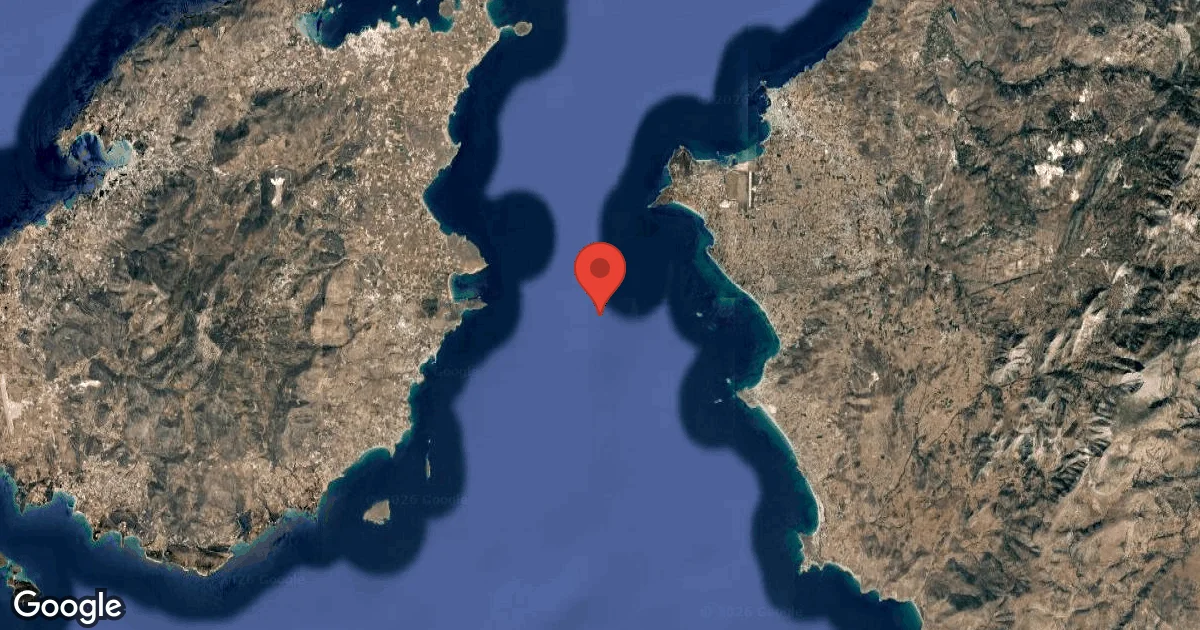
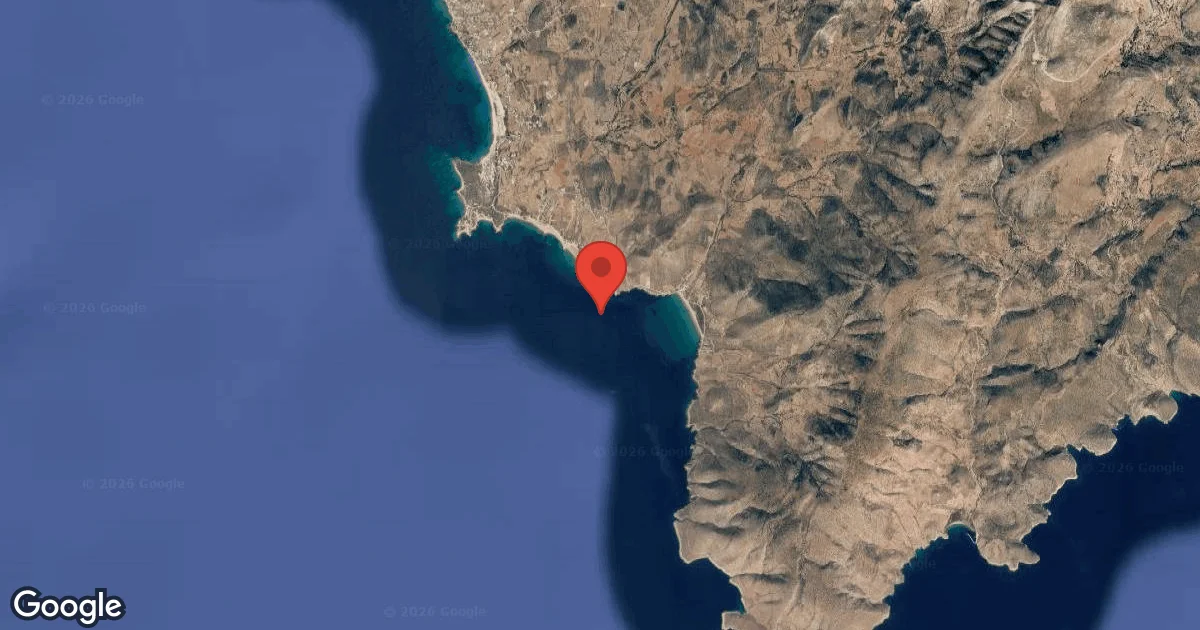
Dive Centers Near Bristol Beaufighter
Today: 08:00 - 19:00

Nearest Airports
Nearest airports to help plan travel to this dive area.
Search Flights
Check available flights and routes on Expedia, using the nearby airports listed in this section.
Search Flights on ExpediaFrequently Asked Questions
What type of aircraft is the Bristol Beaufighter wreck?
It is a Bristol Type 156 Beaufighter, a British long-range heavy fighter. This particular aircraft was part of the Royal Air Force during World War II.
How deep is the Bristol Beaufighter wreck?
The wreck rests at a maximum depth of 33 meters. It is considered a dive suitable for advanced certified divers.
When was the Beaufighter wreck discovered?
The wreck was discovered in June 2007 by divers, after a dedicated search based on local historical accounts.
What visibility can I expect at the dive site?
Divers typically report visibility up to 20 meters at the Bristol Beaufighter. Optimal conditions depend on calm seas and favorable weather.
What marine life might I see around the wreck?
Around the Bristol Beaufighter, common sightings include large scorpionfish, sea bass, and grouper. These species use the wreck as a habitat and hunting ground.
What diving experience is required for this site?
This is an advanced dive, recommended for divers with an Advanced Open Water certification and a minimum of 20 logged dives, due to the depth and conditions.
Planning to dive Bristol Beaufighter?
Send one inquiry and receive offers directly from the best verified local dive operators.
Conditions are Good
07:00 - 14:00
Optimal conditions expected
Current conditions near Bristol Beaufighter show 22° air, 25° sea temperature, 0.7 m waves, and 30 km/h wind. Forecast data is refreshed regularly to ensure accuracy.