
Diving at "Kamini" (Greece)
Kamini provides a unique blend of historical artifacts and diverse underwater landscapes, distinguishing itself as a site for exploration beyond typical reef dives. Its accessibility to varying skill levels, coupled with the intriguing presence of ancient remains, offers a compelling draw for divers. Kamini welcomes both beginners and more experienced individuals to discover its multifaceted environment near the southern coast of Crete.
Evening condition tracking at "Kamini" features an air temperature of 21°C. We have recorded wave heights measuring 0.2 m during this period. These figures outline the environmental parameters currently present.
Dive Site Location & Key Facts
Dive Site Overview
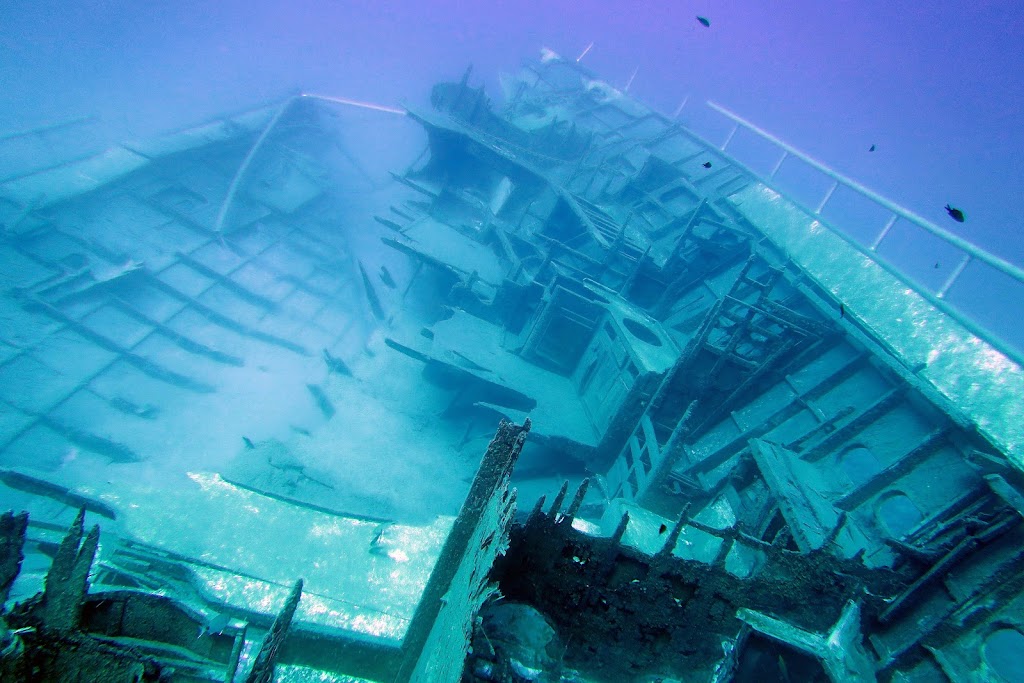
Ancient secrets lie scattered across Kamini's seabed, most notably a large, 2-meter (6.5 ft) anchor resting at approximately 14 m (46 ft). Divers will also encounter some expired bomb shells, adding another historical layer to the exploration.
Kamini, situated on Crete's southern coast, skillfully blends compelling human history with a rich natural topography, producing a truly dynamic underwater environment. Divers navigating the area can expect to explore intricate rocky formations, discover secluded small caverns, and trace the lines of deep gorges that define the coastline. Depth varies significantly here, from just 5 m (16 ft) in the sunlit, shallower sections to a challenging maximum depth of 30 m (100 ft).
Such depth variability accommodates both novice and more experienced divers within their respective recreational limits. Accessing Kamini typically involves a brief 15-minute boat trip from nearby dive bases, highlighting its convenient positioning for daily dive excursions. Such an easy approach allows more time for extensive underwater exploration.
Conditions are Good
Optimal conditions expected
Current conditions near "Kamini" show 21° air, 27° sea temperature, 0.9 m waves, and 29 km/h wind. Forecast data is refreshed regularly to ensure accuracy.
Best Time to Dive
Diving conditions are often most favorable at Kamini from May to October, aligning with the warmer months. Air temperatures during this period are quite comfortable, ranging from 21°C (70°F) in May to a peak of 30°C (86°F) in July, gradually cooling to 21°C (70°F) by October. Rainfall is minimal in summer, with July experiencing an average of only 0.07 mm, contributing to clear skies. Water temperatures typically range from 22–26°C (72-79°F) in summer, offering pleasant conditions for extended dives. During winter, from November to April, water temperatures drop to 16–20°C (61-68°F), still allowing for diving but often requiring thicker exposure protection.
PEAK SEASON SCORE
Scores combine air & water temps, waves, wind & rainfall for overall conditions.
BEST MONTHS TO DIVE
Monthly records compiled from satellite and marine observation nodes over the last 3 years. Data provided by Open-Meteo and MET Norway.
Dive Experience & Conditions
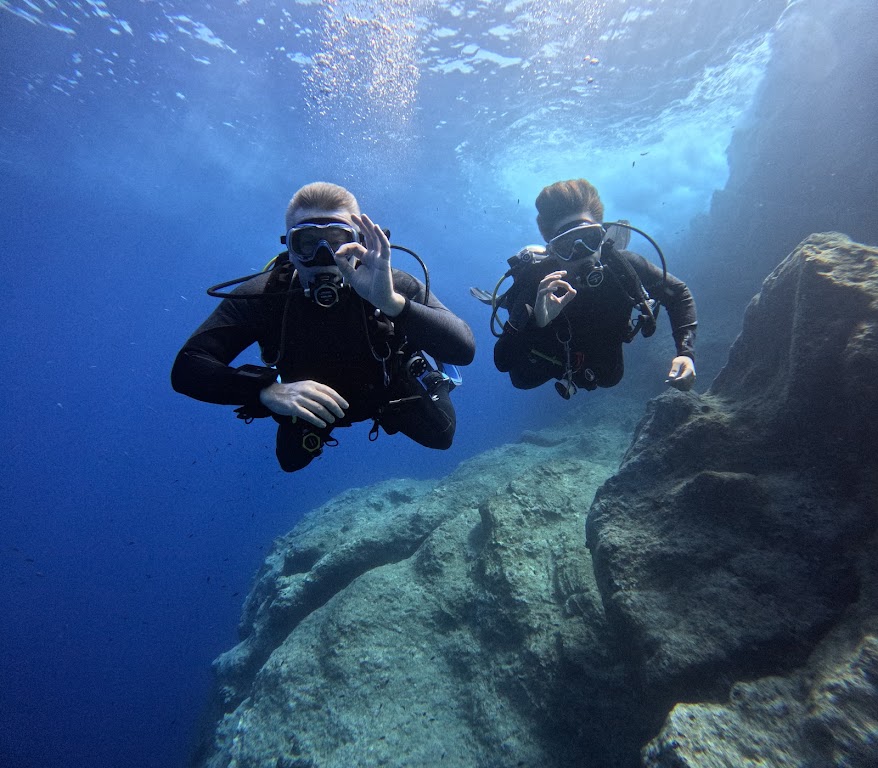
Descending into Kamini, divers consistently encounter a sheltered environment, largely protected from strong winds, waves, and significant currents. Visibility is a notable feature here, generally ranging from 15 m to 30 m (50-100 ft), which allows for expansive views of the underwater landscape and its diverse inhabitants. Varied bottom terrain features stretches of sand alternating with vibrant reef systems, some of which even break the surface, creating interesting transitions during a dive. Exploring the small caverns and rocky outcrops provides a dynamic experience, often revealing hidden marine life. Depths can range from shallow sunlit areas suitable for extended bottom times to deeper sections requiring more advanced planning, all within recreational limits. Divers can expect a relatively calm and visually rewarding exploration, making it suitable for multiple dives.
Dive Difficulty & Safety Guidelines
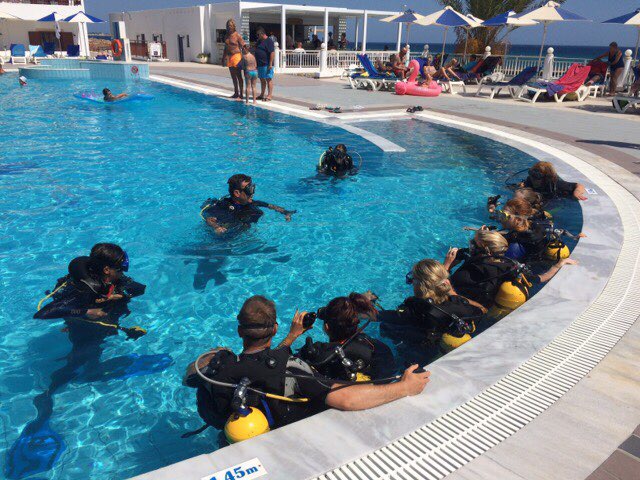
Approaching Kamini, divers should note the site is generally considered intermediate in difficulty, yet it readily accommodates Open Water certified divers due to its typically calm conditions. Kamini's sheltered bay experiences little to no surge and mild currents, presenting a relatively predictable and safe environment for exploration. Proper buoyancy control is essential, particularly when navigating around the delicate reef structures and exploring the small caverns to avoid accidental contact and preserve the ecosystem.
Divers should always plan their dive, dive their plan, and operate within their training limits. Consider the specific conditions of the day for optimal safety, especially regarding any potential minor surface chop.
Permits are not consistently reported as required for this site, but checking local regulations is always prudent.
Recommended Equipment
- Dive Computer
This gear list is based on verified equipment signals for "Kamini", Greece. Always confirm final gear choices with your dive operator, guide, or liveaboard.
Recommended Dive Suit
For dives of average duration, 2-3mm shorty or light wetsuit usually provides sufficient protection from heat loss. A hood or vest is suggested for sensitive divers due to surface winds. Surface intervals may feel cooler.
Divers planning a dive at "Kamini" today will likely encounter water temperatures close to 27°C (80°F). Surface air temperatures are resting at 21°C (69°F).
Environmental models indicate a modest warming trend ahead. A warming trend is expected over the next few days.
Due to technical issues with our weather providers, data hasn't been fetched for over 48 hours. The data above reflects the conditions at the time of the last successful fetch.
Emergency & Medical Support
Essential information to help you plan your dive trip to "Kamini".

Hyperbaric chambers are a critical part of dive safety infrastructure. Availability varies significantly by region, and not all dive areas have immediate access.
Before diving, it's recommended to:
- confirm nearest medical facilities
- check emergency procedures with local dive operators
- ensure dive insurance covers evacuation if required
Divers Alert Network
Diving emergency assistance available through DAN Europe.
+39 0642115685- 24/7 emergency hotline
- Diving medical assistance
- Evacuation coordination
Emergency contacts are provided for reference. Always verify local emergency services before diving.
Closest Listed Hyperbaric Chambers
Showing listed hyperbaric chamber facilities within 200 km of this dive site.
Distances are approximate straight-line distances and may not reflect emergency travel time.
TKYI/NNK
24/7 ListedChania, Greece•Approx. 149 km straight-line
TKYI/NNK
24/7 ListedInformation is provided for reference and planning purposes only. Dive Navigator does not verify operational status, staffing, availability, or quality of care at listed facilities. In an emergency, contact local emergency services, DAN, your dive operator, or the chamber directly. Do not travel to a facility without calling ahead.
Marine Life at "Kamini"
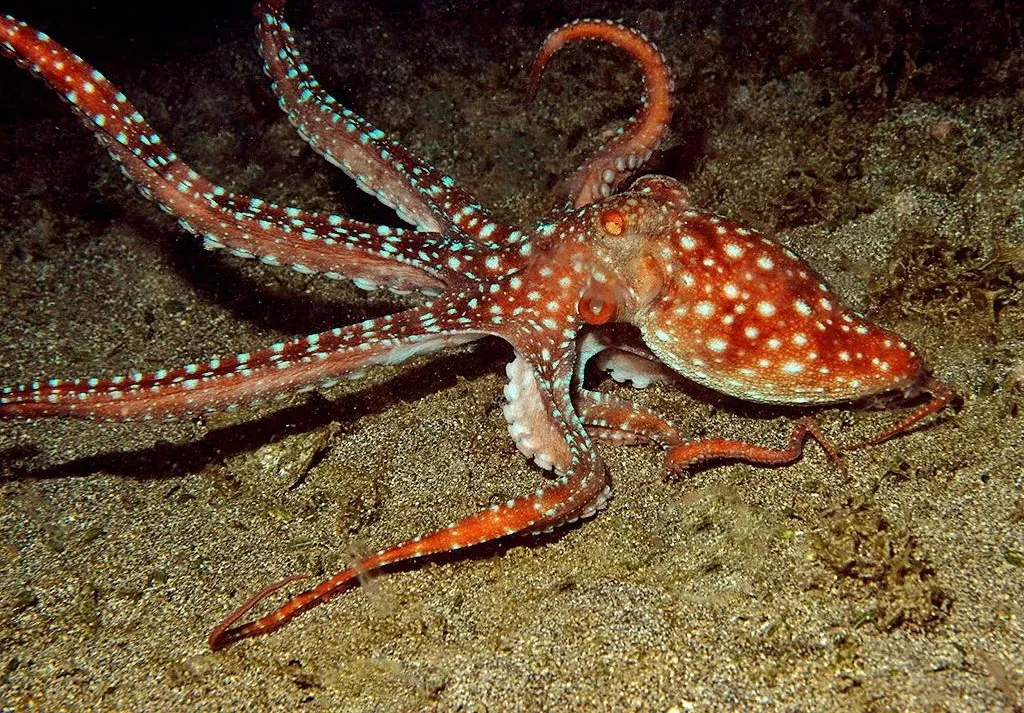
Kamini's varied habitats, from sandy patches to rocky reefs and small caves, support a diverse range of marine species. Small fish populate the reef extensively, often alongside octopuses that masterfully blend into their surroundings.
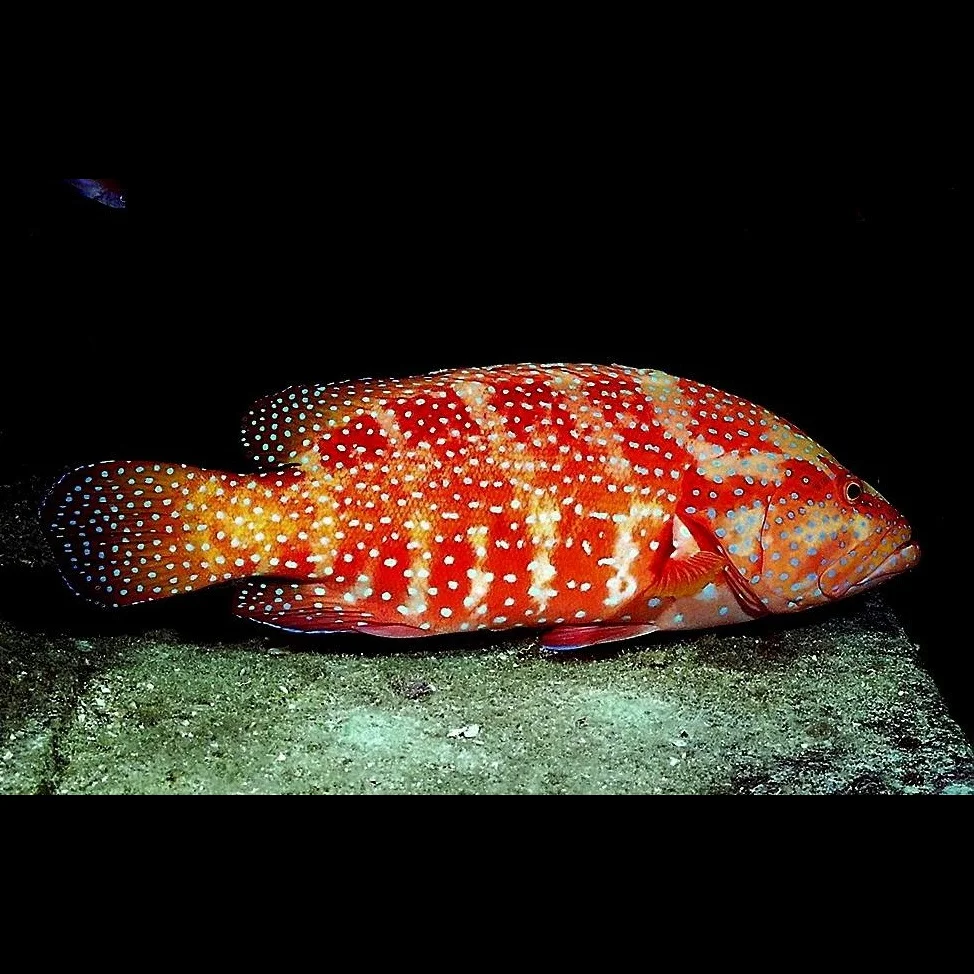
Grouper fish are also commonly spotted navigating the rocky formations. During the warmer summer months, some larger fish species are known to visit and establish temporary residence within the reef areas, adding to the site's biodiversity, providing interesting encounters for divers.
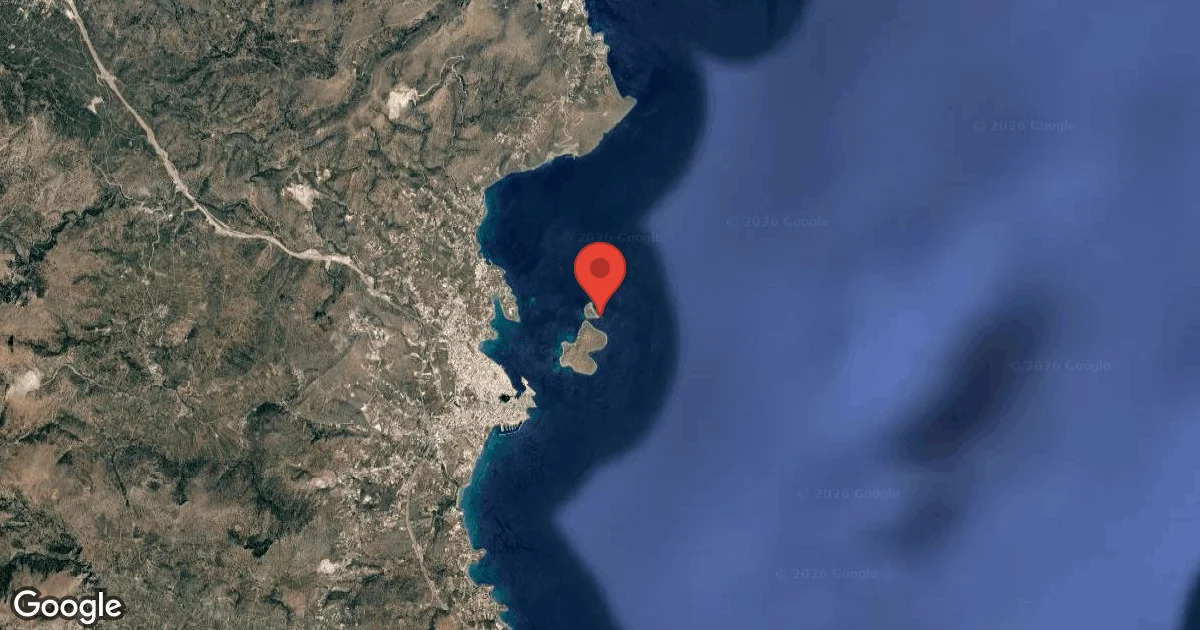
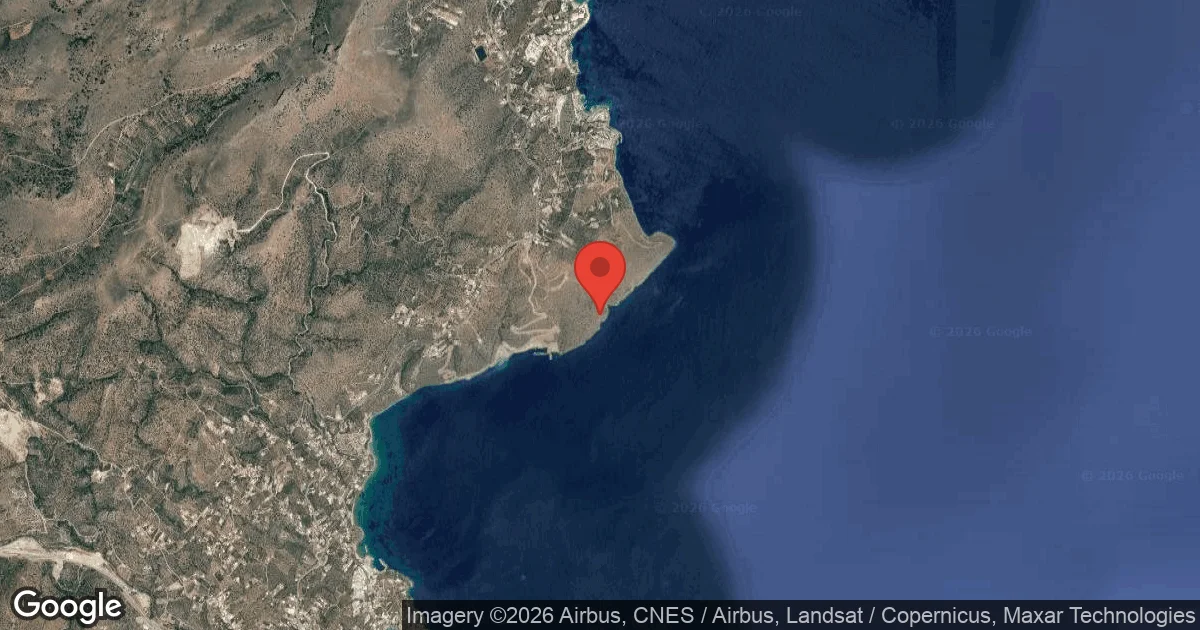
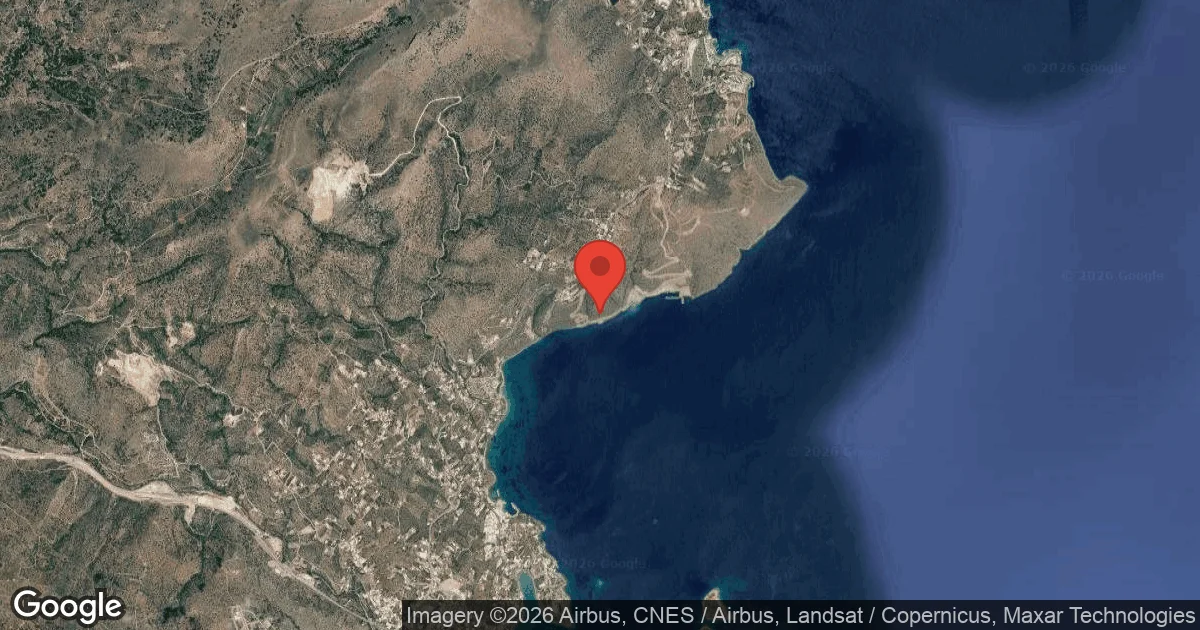
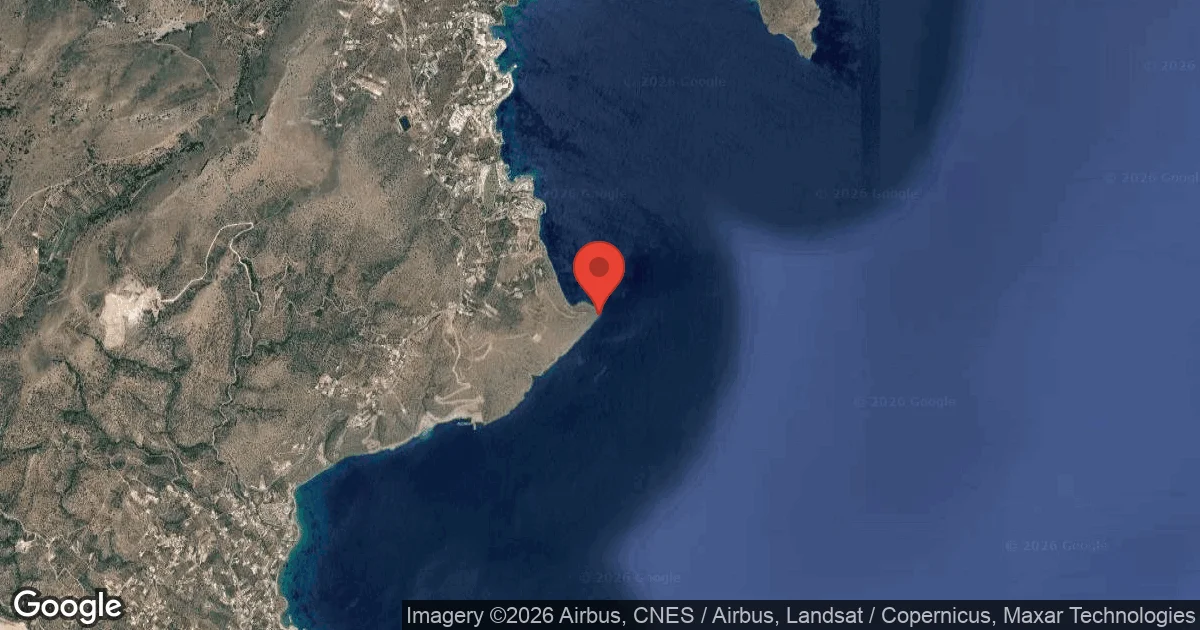
Dive Sites Near "Kamini"
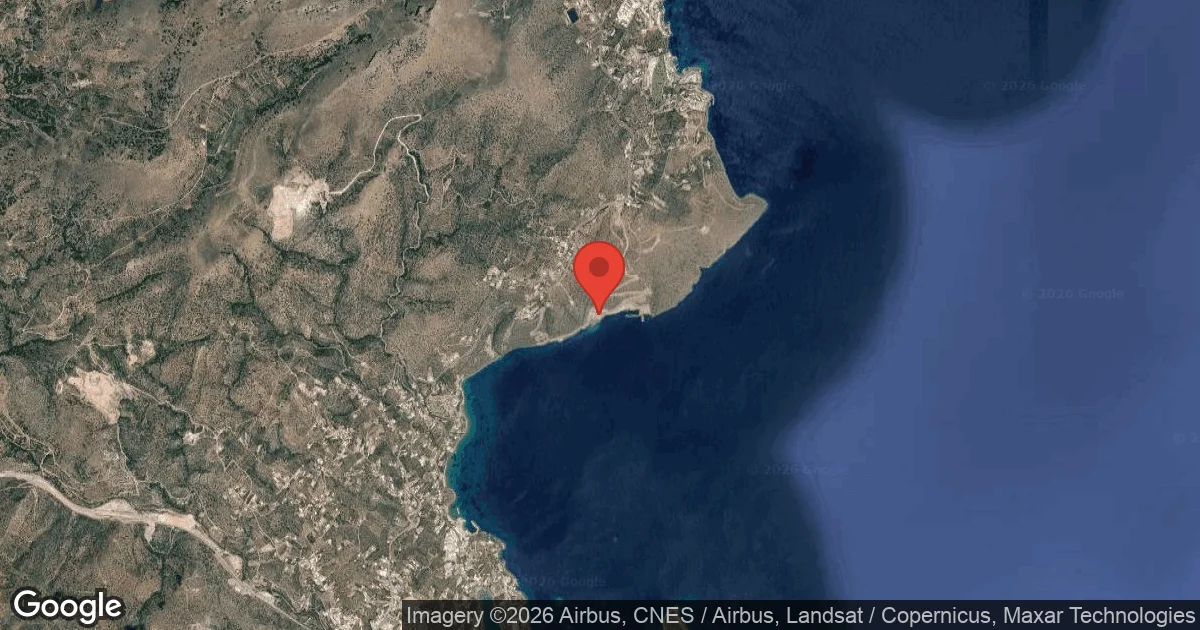
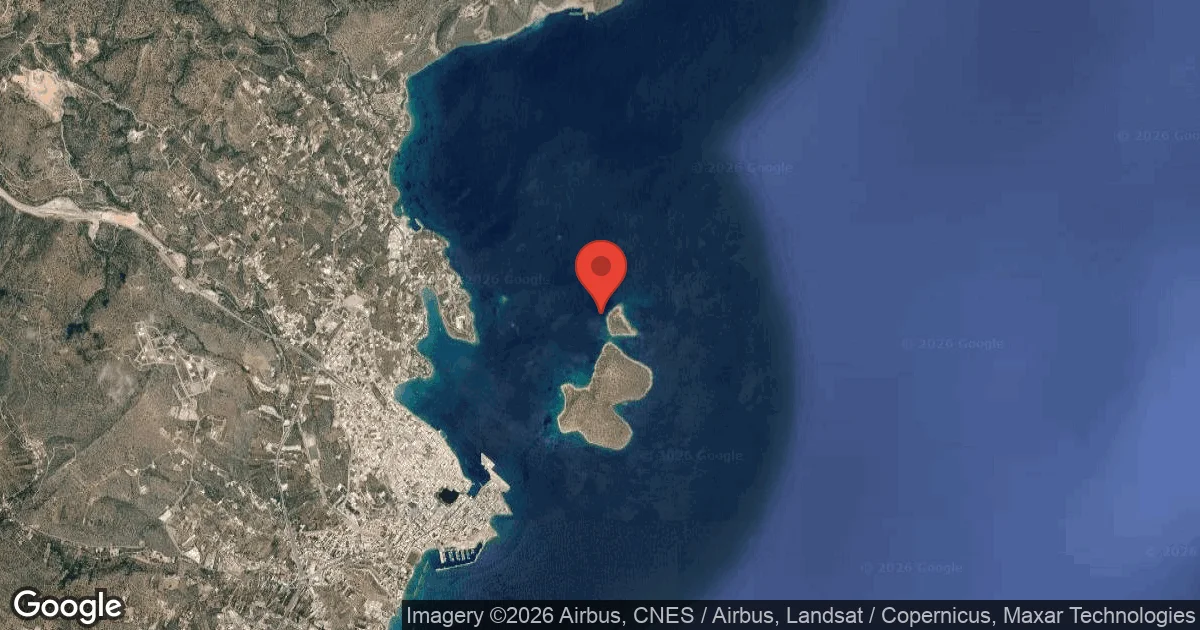
View all dive sites in GreeceDiscover more underwater gems in this area.
Dive Centers Near "Kamini"
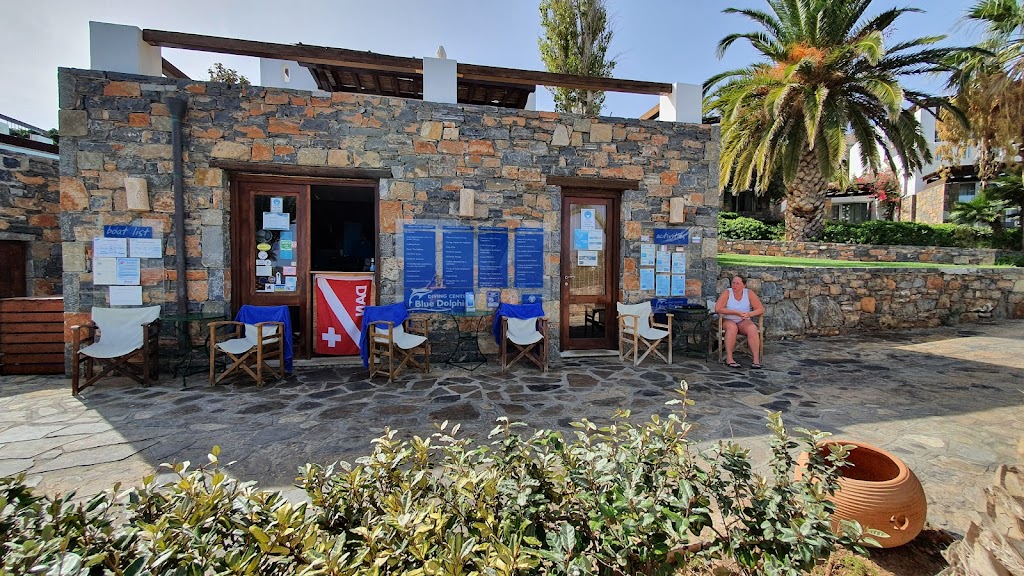
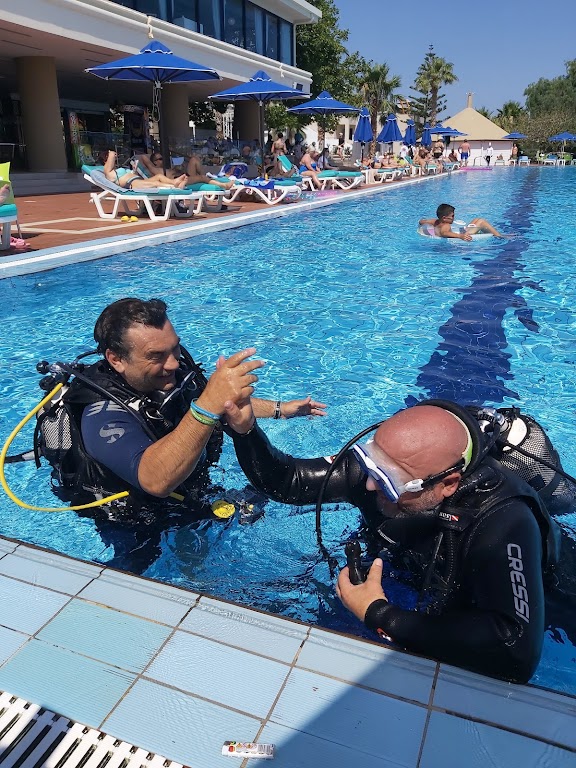
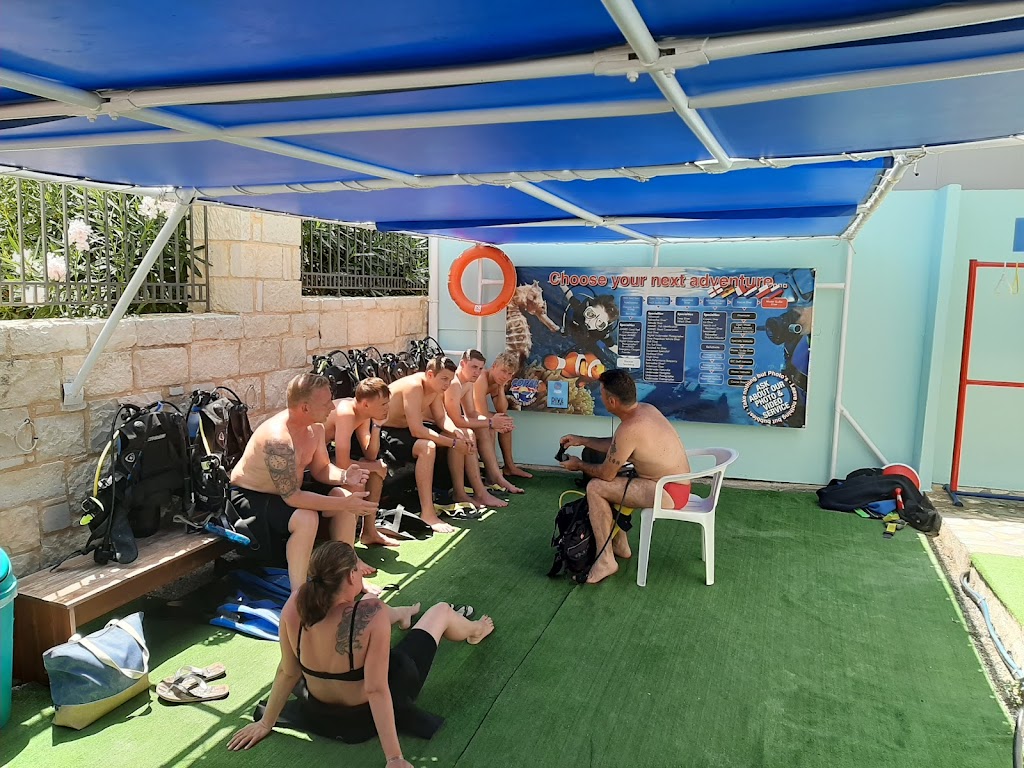
Today: 09:00 - 18:00
Nearest Airports
Nearest airports to help plan travel to this dive area.
Search Flights
Check available flights and routes on Expedia, using the nearby airports listed in this section.
Search Flights on ExpediaFrequently Asked Questions
What is the typical depth range at Kamini?
Kamini offers a broad depth range, with shallower sections and deeper areas reaching a maximum depth of 30 m (100 ft). Diverse depths accommodate dives suitable for different certification levels.
What kind of underwater topography can be found at Kamini?
Kamini's underwater topography includes rocky formations, small caverns, and gorges along the coastline. Divers also encounter areas where sand alternates with colorful reef systems.
Are there any historical artifacts at Kamini?
Yes, Kamini is notable for its ancient remains. Divers can find a large, 2-meter (6.5 ft) old anchor at about 14 m (46 ft), along with some expired bomb shells from an earlier period.
What are the visibility conditions like at Kamini?
Visibility at Kamini is generally high, typically ranging from 15 m to 30 m (50-100 ft), allowing for clear views of the underwater landscape and marine life.
Is Kamini suitable for beginner divers?
Kamini is considered an intermediate difficulty site, but it is well-suited for beginners and Open Water certified divers. It's often recommended as a first dive of the day due to its sheltered bay and lack of strong currents or waves.
What marine life might I encounter at Kamini?
Divers can expect to see various marine life, including numerous small fish and octopuses inhabiting the reef and sandy areas. Grouper fish are also commonly spotted, and during the summer, larger fish may visit the reef.
What are the water temperatures throughout the year at Kamini?
Water temperatures range from 22–26°C (72-79°F) in the summer months (May to October). During the winter, temperatures are cooler, typically between 16–20°C (61-68°F).
Planning to dive "Kamini"?
Send one inquiry and receive offers directly from the best verified local dive operators.
Conditions are Good
Optimal conditions expected
Current conditions near "Kamini" show 21° air, 27° sea temperature, 0.9 m waves, and 29 km/h wind. Forecast data is refreshed regularly to ensure accuracy.