
Diving at Krikri (Greece)
Krikri combines natural marine beauty with compelling historical intrigue, inviting divers to explore remnants from the past. Divers encounter World War II artifacts, notably a significant broken anchor which gives its name to one specific reef area. This underwater environment provides both an ecological experience and a distinct glimpse into history, layering a unique profile onto dives in the waters off Crete.
Evening condition tracking at Krikri features an air temperature of 21.5°C. We have recorded wave heights measuring 1.1 m during this period. These figures outline the environmental parameters currently present.
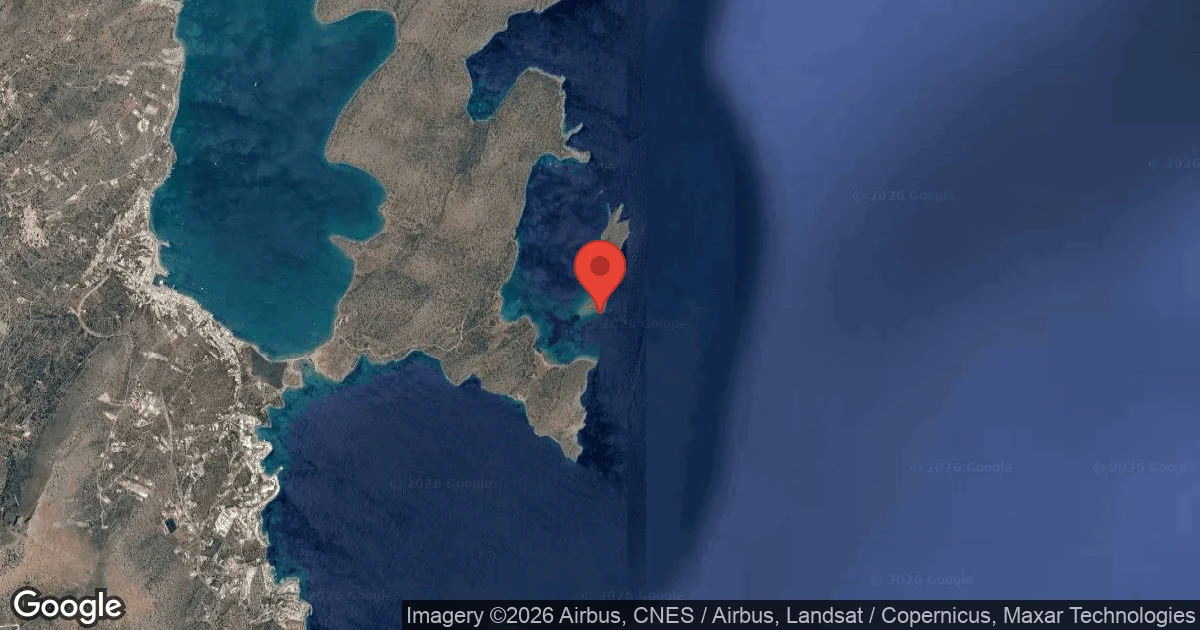
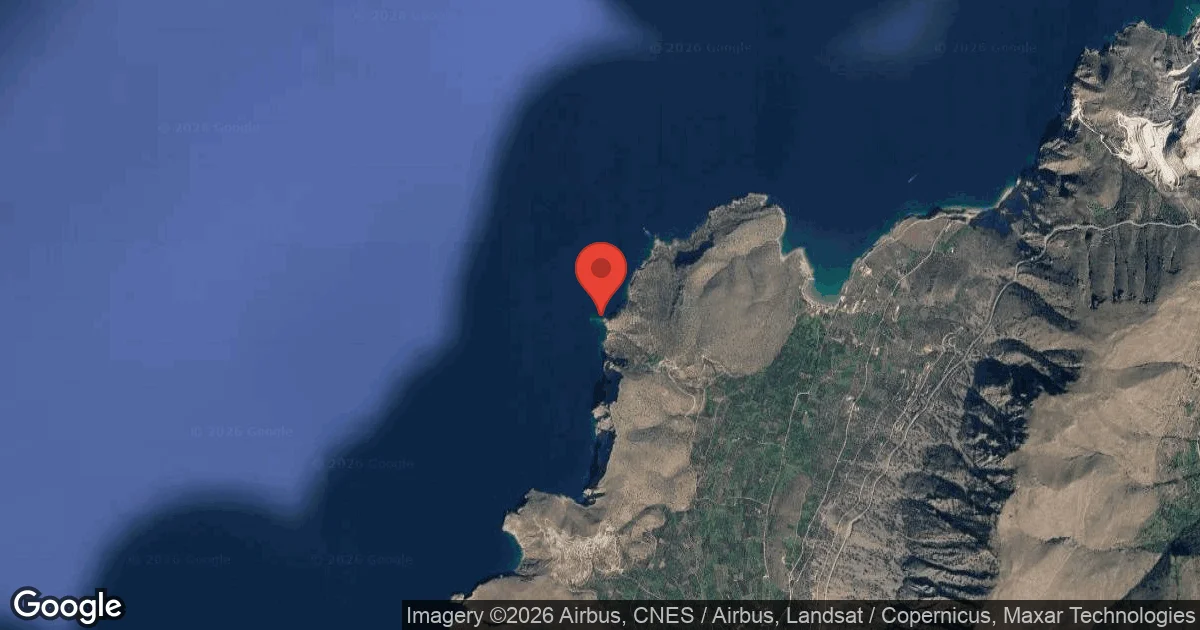
Dive Site Location & Key Facts
Dive Site Overview
Exploring Krikri reveals a richly varied underwater landscape, shaped by diverse reef structures and captivating topography. Small drop-offs and intriguing canyons punctuate the main reef formations, inviting closer inspection from divers.
Conditions here are generally easy, providing a welcoming environment for various skill levels. Recreational dives typically navigate depths from 20-25 m / 66-82 ft, perfectly showcasing the vibrant Mediterranean marine environment. For those with advanced certifications, exploration extends further, reaching a maximum depth of 30 m / 100 ft to discover deeper reef sections and the site’s unique features.
Visibility often ranges between 10-30 m / 33-100 ft, with the clearest conditions prevalent during the drier summer months. While currents are usually mild to moderate, they are generally gentle, rarely posing significant challenges.
Water temperatures vary seasonally, typically ranging from 22-27°C / 72-81°F, making for comfortable diving during much of the year. Beyond natural beauty, Krikri holds historical intrigue with World War II artifacts, including a prominent broken anchor which draws attention to one of the specific reef areas.
This combination of accessible depths, clear waters, and historical remnants ensures a compelling experience for both novice and experienced divers.
Conditions are Good
Optimal conditions expected
Current conditions near Krikri show 22° air, 26° sea temperature, 0.9 m waves, and 31 km/h wind. Forecast data is refreshed regularly to ensure accuracy.
Best Time to Dive
Planning a dive at Krikri with visibility in mind often means considering the calmer periods of the year. The summer months, particularly July and August, present the least amount of rain, with averages as low as 0.07-0.21 mm, contributing to optimal water clarity. Air temperatures during this peak season are comfortably warm, averaging 28.5-30°C / 83-86°F. While water temperature data isn't consistently reported, these conditions suggest pleasant diving. Spring and autumn also offer good conditions, with air temperatures ranging from 15.5-25.5°C / 60-78°F and generally lower rainfall than winter, although wave heights can vary. Winter sees higher wave activity and cooler air, making it less ideal for visibility-focused dives.
PEAK SEASON SCORE
Scores combine air & water temps, waves, wind & rainfall for overall conditions.
BEST MONTHS TO DIVE
Monthly records compiled from satellite and marine observation nodes over the last 3 years. Data provided by Open-Meteo and MET Norway.
Dive Experience & Conditions
Descending into Krikri, divers are immediately enveloped by the vibrant reef ecosystem, transitioning from shallower sections to small drop-offs. The site's contours provide shelter and visual interest, leading into fascinating canyons that are often home to hidden life. Conditions are typically easy, making it accessible for various skill levels. Depths range from 20 m / 66 ft for standard recreational dives, extending to 25 m / 82 ft in areas like "The Anchor" where a notable artifact rests. Experienced divers can explore deeper sections, reaching up to 30 m / 100 ft. Water temperatures are not consistently reported, but seasonal air temperatures suggest warmer conditions during peak summer months.
Dive Difficulty & Safety Guidelines
Diving at Krikri, like any underwater site, necessitates adherence to standard safe diving practices. Divers should always plan their dives within their certification limits, paying close attention to depth and bottom time. Given the potential for deeper exploration up to 30 m / 100 ft, proper air management and decompression protocols are crucial for advanced divers.
Maintaining good buoyancy control helps protect the reef structures and any historical artifacts, ensuring their preservation. It's always prudent to dive with a local professional who understands the specific conditions and can provide guidance on any localized currents or environmental factors not consistently reported.
Recommended Equipment
- Dive Computer
- DSMB
This gear list is based on verified equipment signals for Krikri, Greece. Always confirm final gear choices with your dive operator, guide, or liveaboard.
Recommended Dive Suit
The latest conditions reported around Krikri place the water temperature close to 26°C (79°F). Surface air temperatures are resting at 22°C (71°F).
For the majority of recreational dives here, 2-3mm shorty or light wetsuit should provide suitable protection. Consider warmer surface protection (like a boat coat) due to brisk winds. Surface intervals may feel cooler.
Surface conditions are expected to warm up slightly in the coming days. A warming trend is expected over the next few days.
Due to technical issues with our weather providers, live updates are temporarily delayed. The data above reflects the conditions at the time of the last successful fetch.
Emergency & Medical Support
Essential information to help you plan your dive trip to Krikri.

Hyperbaric chambers are a critical part of dive safety infrastructure. Availability varies significantly by region, and not all dive areas have immediate access.
Before diving, it's recommended to:
- confirm nearest medical facilities
- check emergency procedures with local dive operators
- ensure dive insurance covers evacuation if required
Divers Alert Network
Diving emergency assistance available through DAN Europe.
+39 0642115685- 24/7 emergency hotline
- Diving medical assistance
- Evacuation coordination
Emergency contacts are provided for reference. Always verify local emergency services before diving.
Closest Listed Hyperbaric Chambers
Showing listed hyperbaric chamber facilities within 200 km of this dive site.
Distances are approximate straight-line distances and may not reflect emergency travel time.
TKYI/NNK
24/7 ListedChania, Greece•Approx. 150 km straight-line
TKYI/NNK
24/7 ListedInformation is provided for reference and planning purposes only. Dive Navigator does not verify operational status, staffing, availability, or quality of care at listed facilities. In an emergency, contact local emergency services, DAN, your dive operator, or the chamber directly. Do not travel to a facility without calling ahead.
Marine Life at Krikri
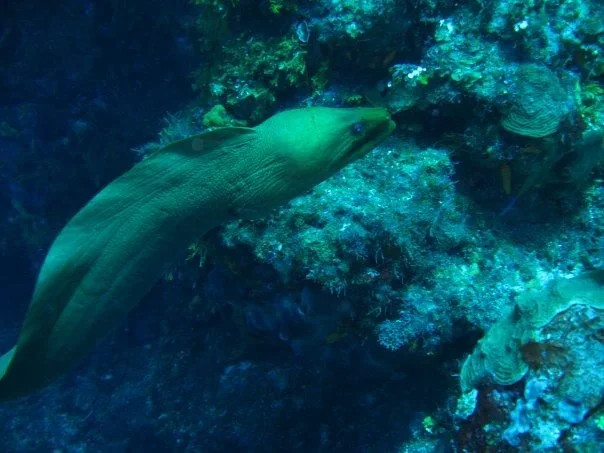
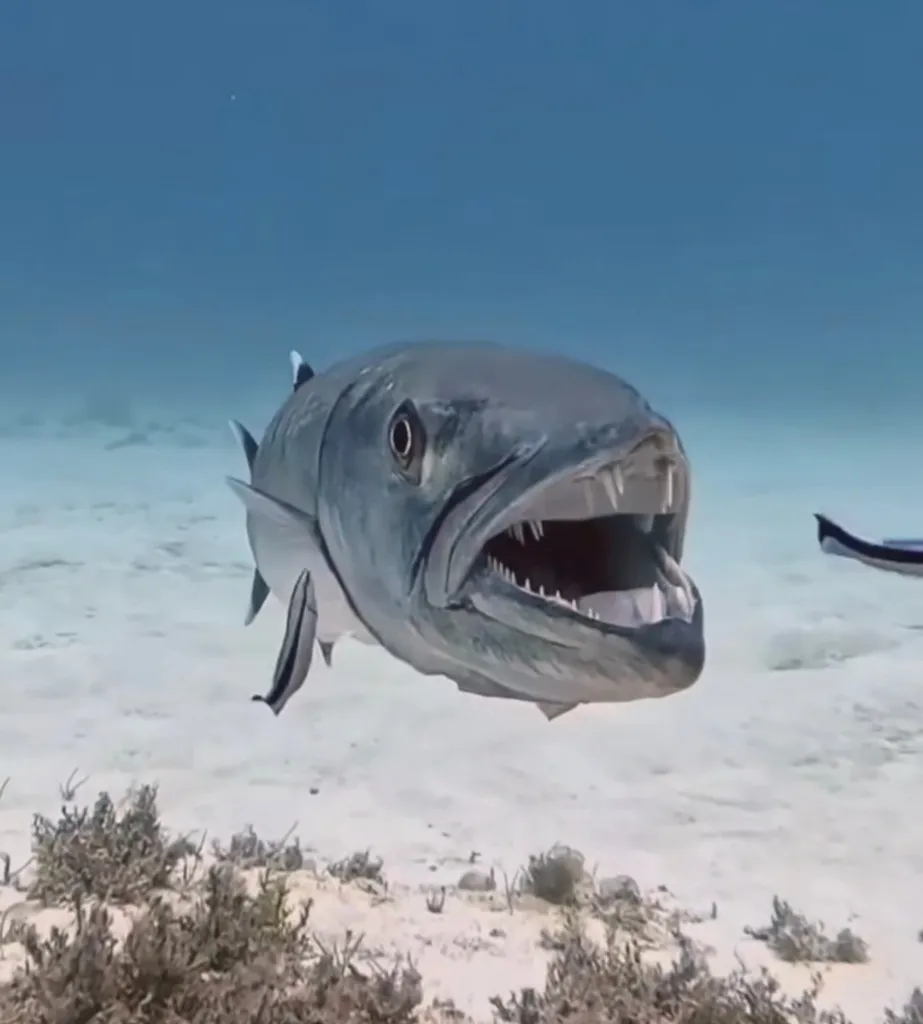
The underwater landscape at Krikri supports a diverse array of marine life, thriving within its reef structures, drop-offs, and canyons. Divers frequently encounter schools of pelagic species such as Jack fish, barracuda, and sardines moving through the open water.
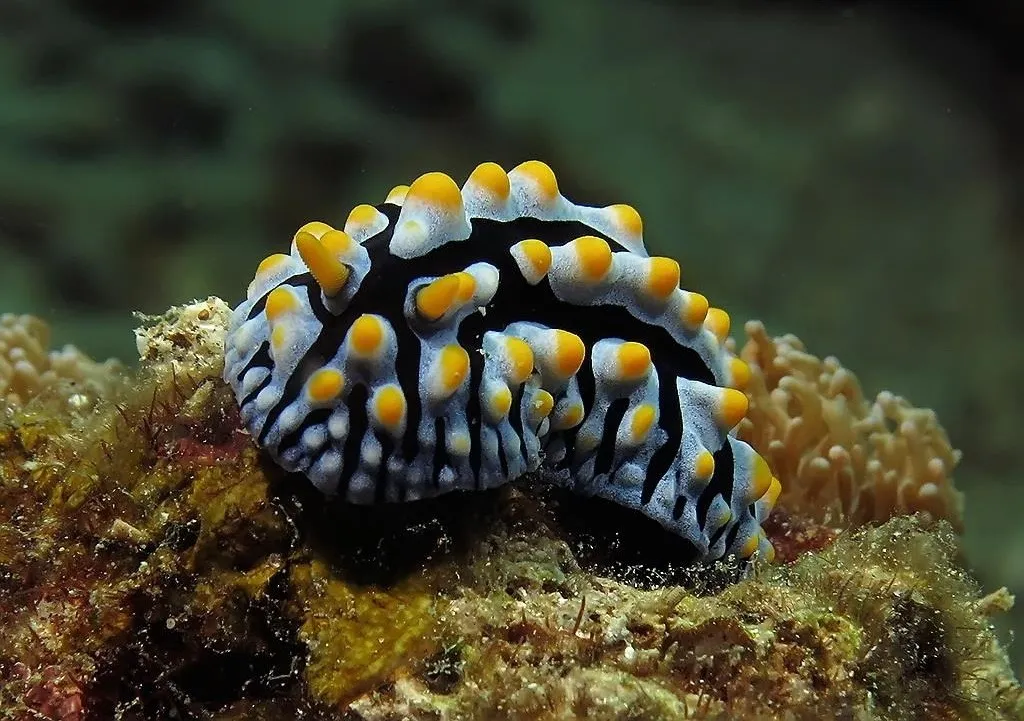
The intricate reef system provides habitats for common Mediterranean fish in abundance. Keep an eye out for moray eels often sighted in crevices and small nudibranchs on the reef.
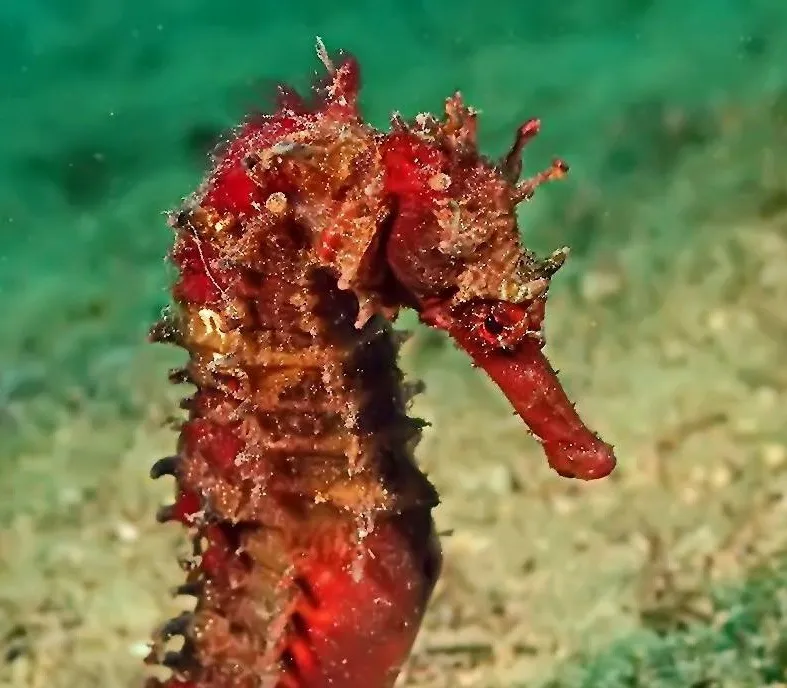
Occasional sightings of turtles have been reported, and on rare occasions, seahorses can be spotted by keen observers.

Dive Sites Near Krikri
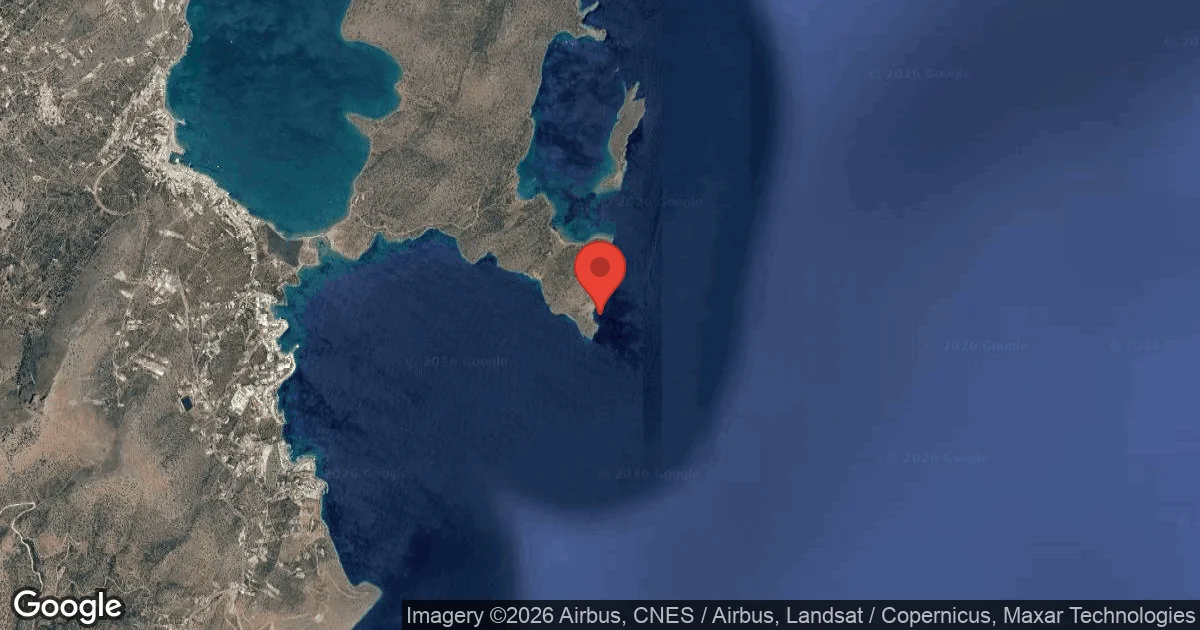
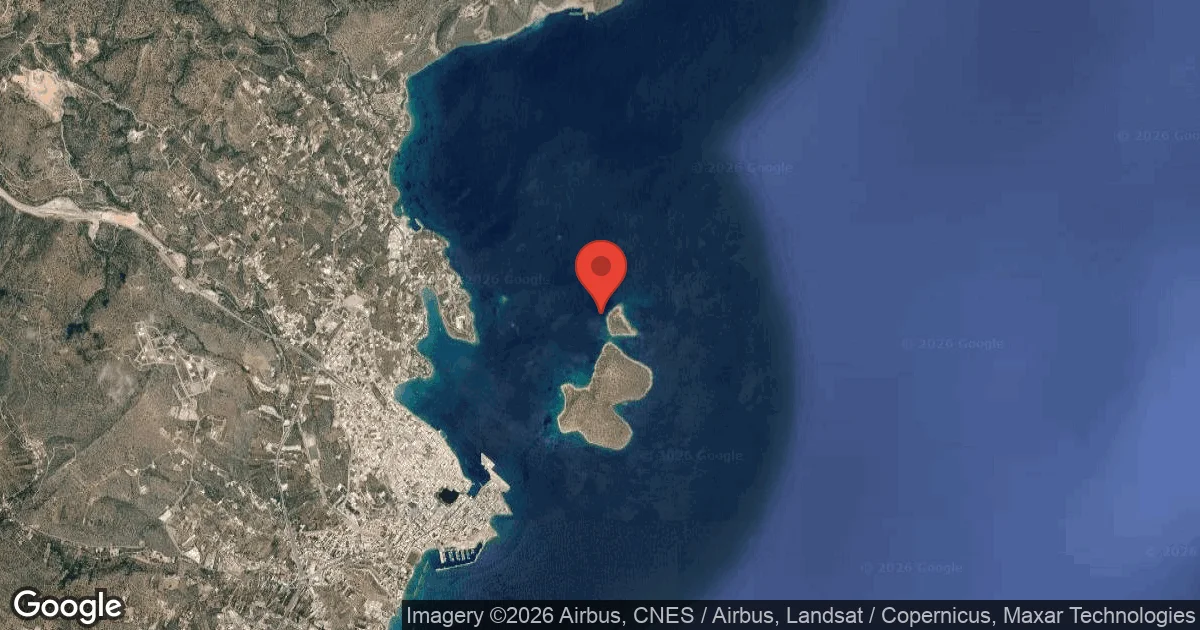
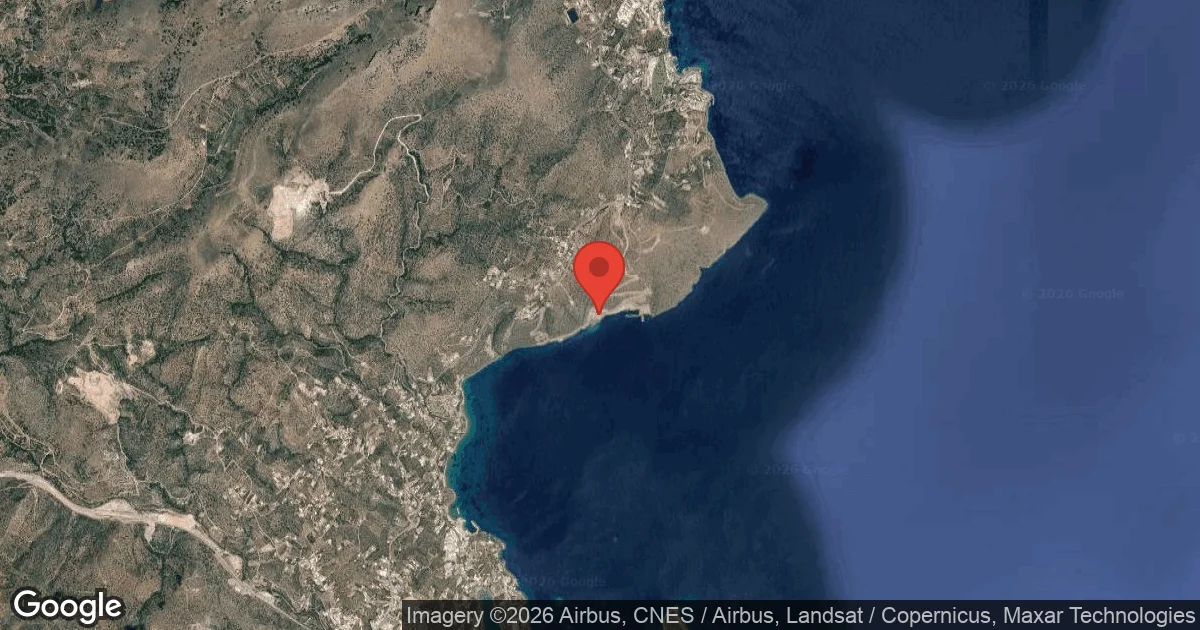
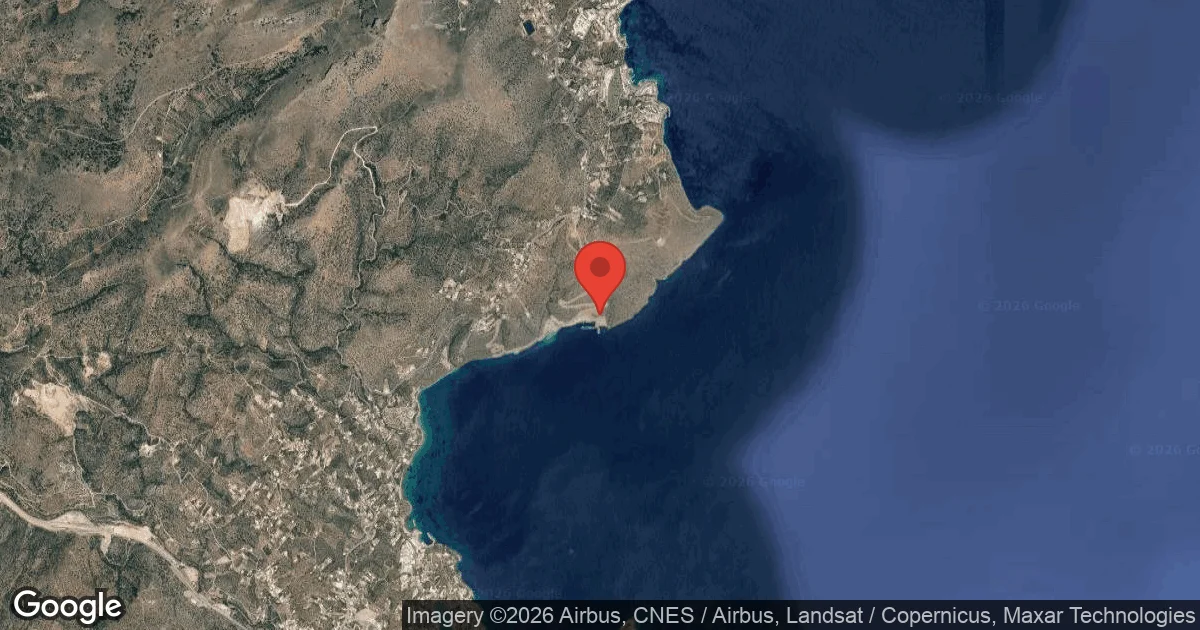
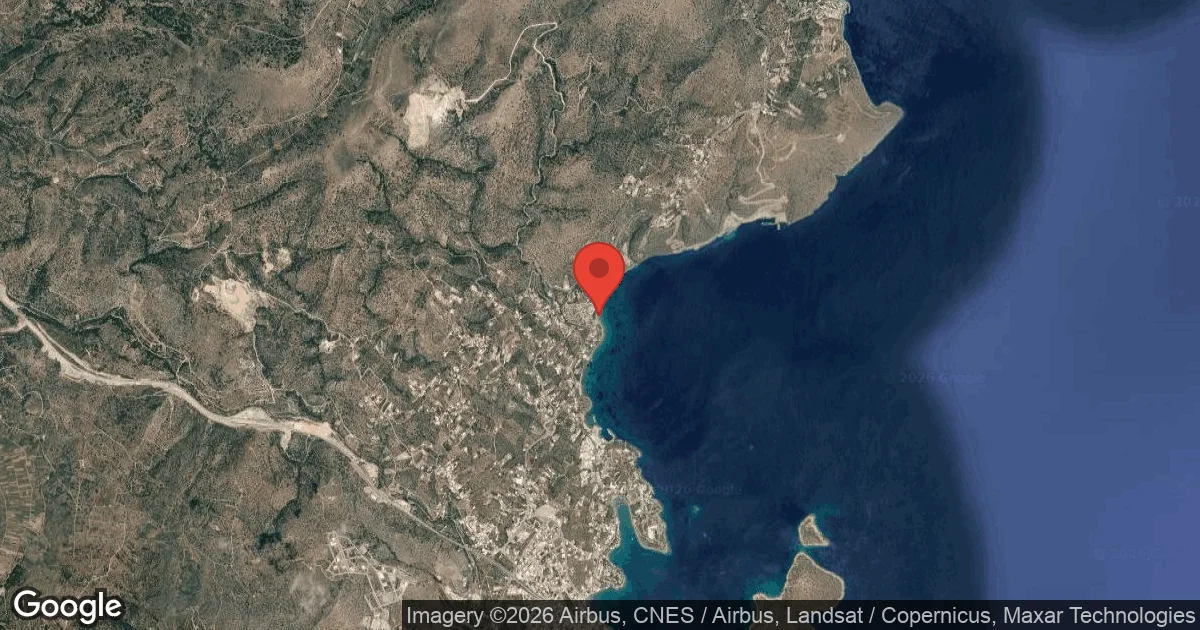
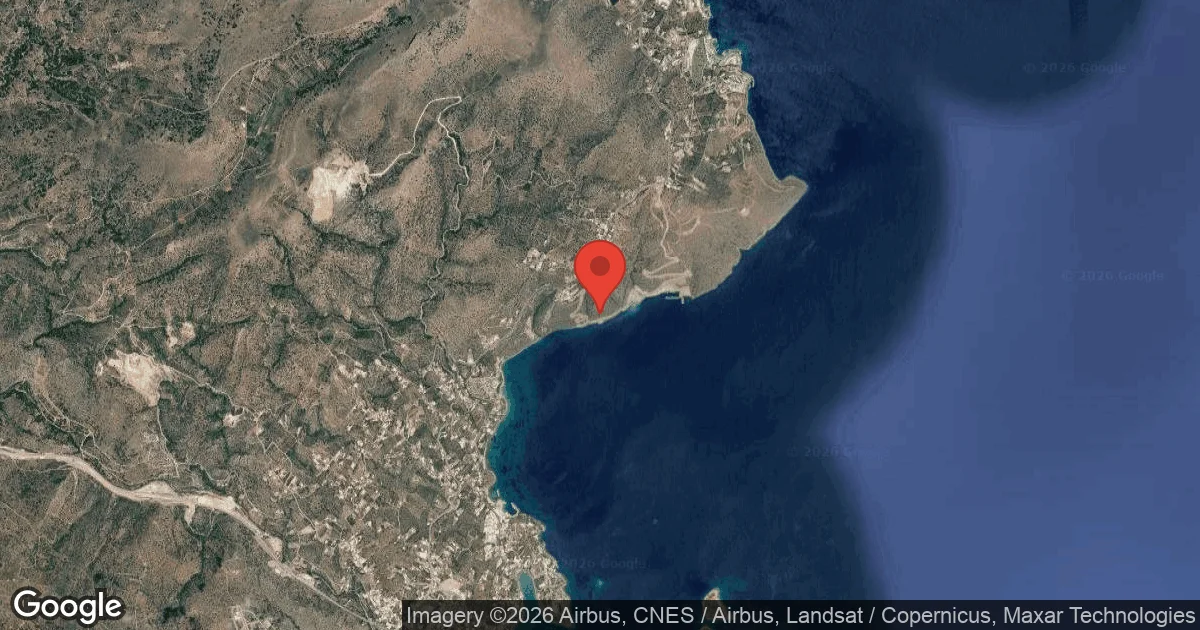
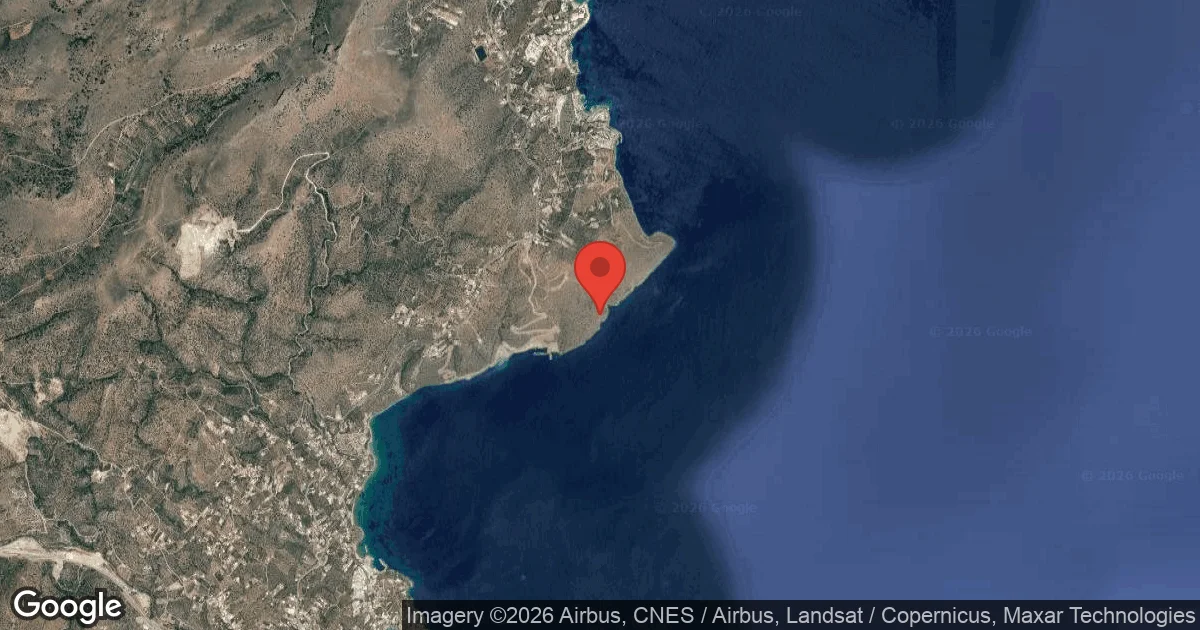
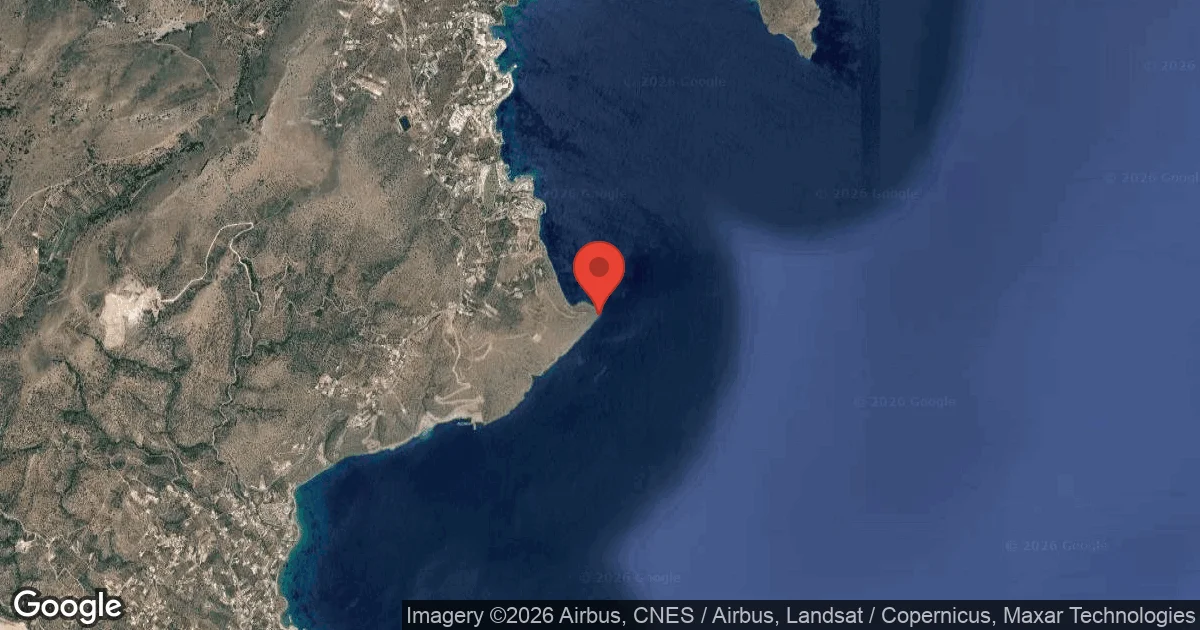
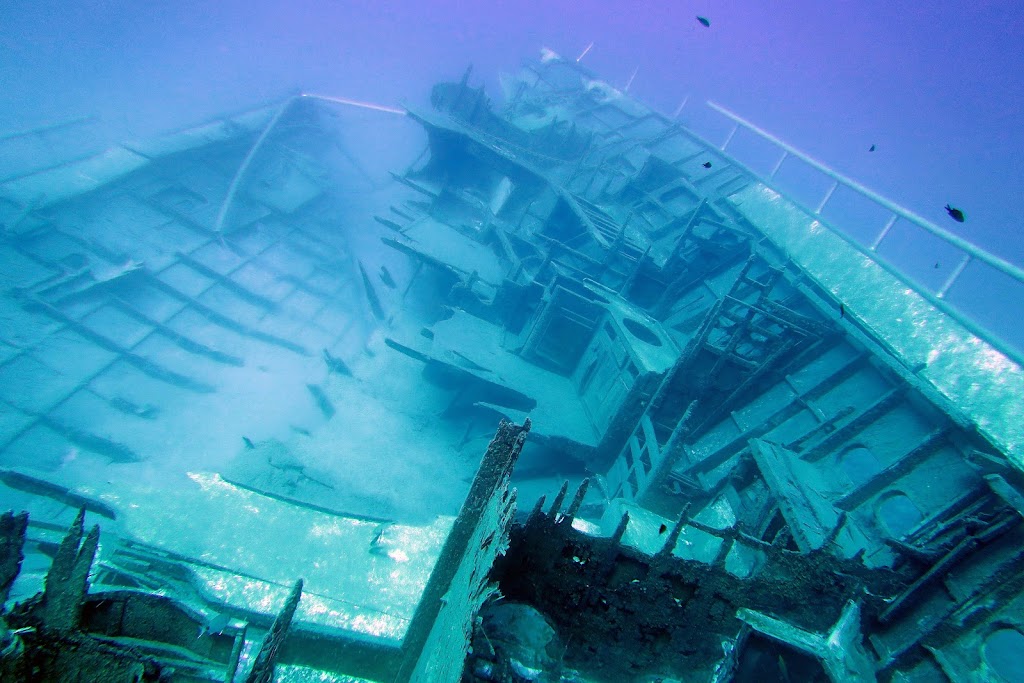
View all dive sites in GreeceDiscover more underwater gems in this area.
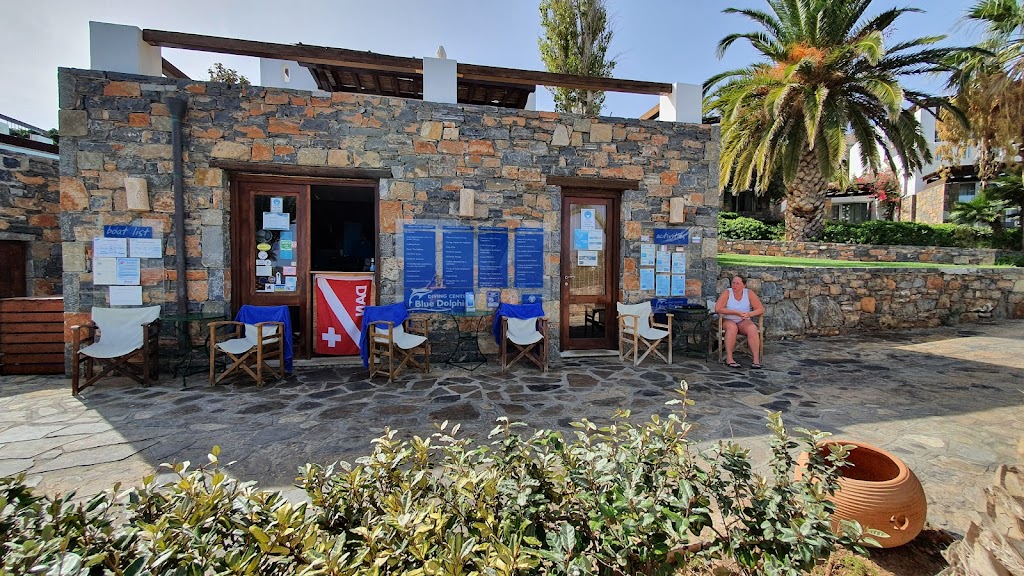
Dive Centers Near Krikri
Today: 09:00 - 18:00
Nearest Airports
Nearest airports to help plan travel to this dive area.
Search Flights
Check available flights and routes on Expedia, using the nearby airports listed in this section.
Search Flights on ExpediaFrequently Asked Questions
What types of dives are available at Krikri?
Krikri primarily offers reef dives, characterized by small drop-offs and canyons. There are opportunities for both easy recreational dives and deeper explorations for advanced divers, extending down to 30 m / 100 ft.
Are there any historical elements to explore?
Yes, Krikri features some World War II artifacts, adding a historical dimension to the dives. One specific area is known for a big broken anchor, which also gives the site its name, "The Anchor".
What is the typical depth range for diving at Krikri?
For easy dives, depths typically reach 20 m / 66 ft. More advanced divers can explore sections down to a maximum depth of 30 m / 100 ft, particularly at the Krikri island reef.
What marine life might I see at Krikri?
Divers commonly spot schools of Jack fish, barracuda, and sardines. The reef also hosts an abundance of common Mediterranean fish, moray eels, and nudibranchs. Turtles are sometimes seen, and seahorses are a rare, special sighting.
What are the best months to dive for good visibility?
The summer months, especially July and August, generally offer the best visibility due to minimal rainfall, averaging less than 1 mm. Air temperatures during this period are warm, around 28.5-30°C / 83-86°F, contributing to favorable conditions.
Are there strong currents or specific hazards at Krikri?
Krikri is generally described as an easy dive, suggesting typical conditions are manageable. Specific strong currents or unique hazards are not consistently reported, but divers should always consult local dive professionals for real-time conditions.
Planning to dive Krikri?
Send one inquiry and receive offers directly from the best verified local dive operators.
Conditions are Good
Optimal conditions expected
Current conditions near Krikri show 22° air, 26° sea temperature, 0.9 m waves, and 31 km/h wind. Forecast data is refreshed regularly to ensure accuracy.