
Diving at Explosion (Greece)
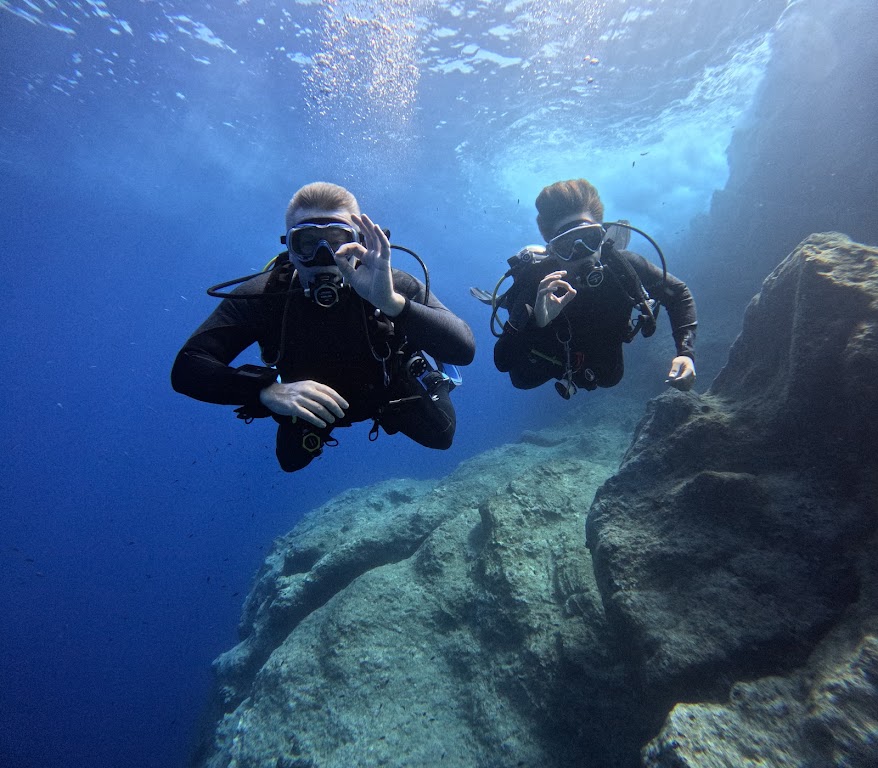
Combining significant historical context with a vibrant underwater environment, Explosion dive site in Crete, Greece, offers a surprising tranquility below the surface. Named for a World War II event, it's an advanced dive, drawing explorers into its depths and revealing remnants of the past amidst diverse marine life.
As evening covers Explosion, the local air temperature is measured at 24°C. The current wave height at the surface is recorded at 0.9 m. These late-day readings characterize the surface conditions for the night.
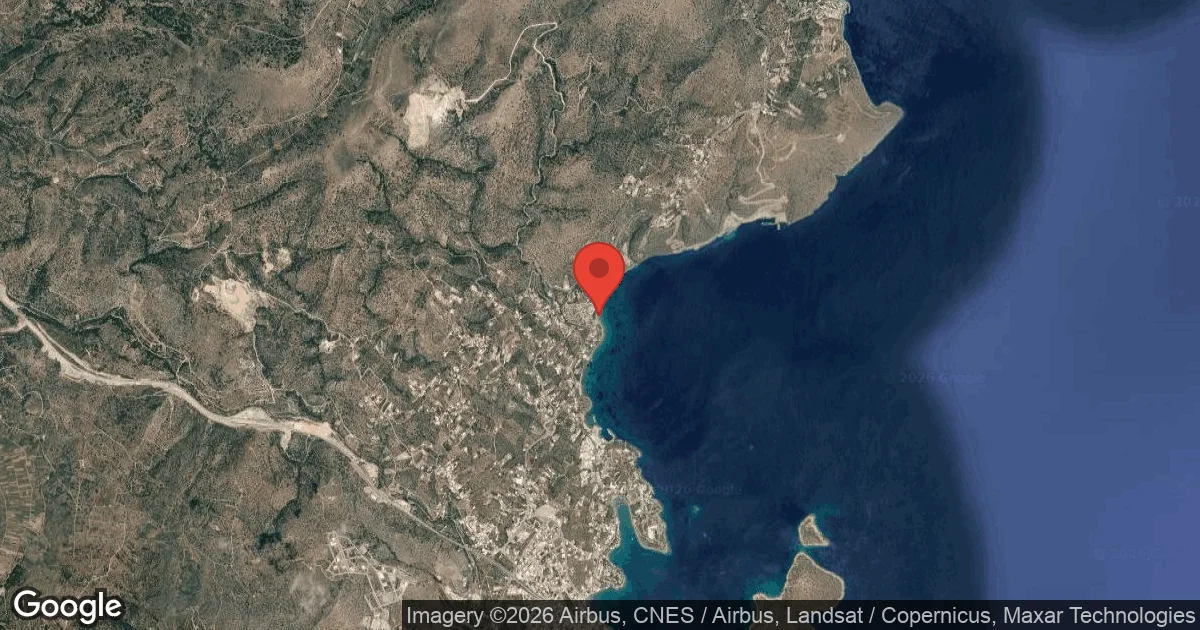
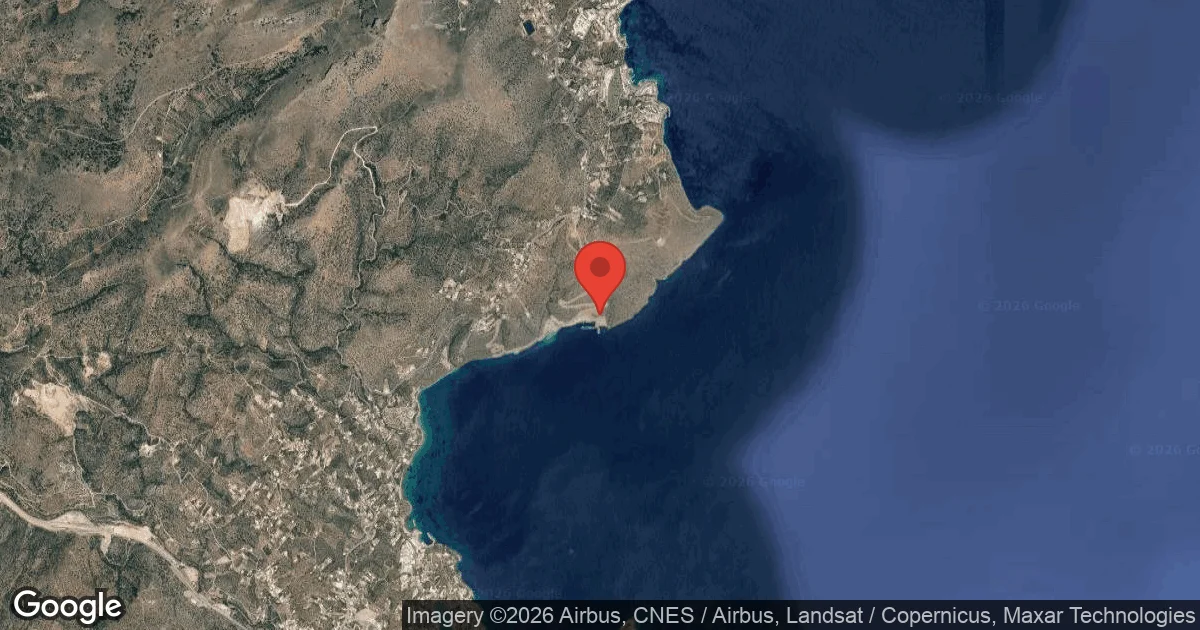
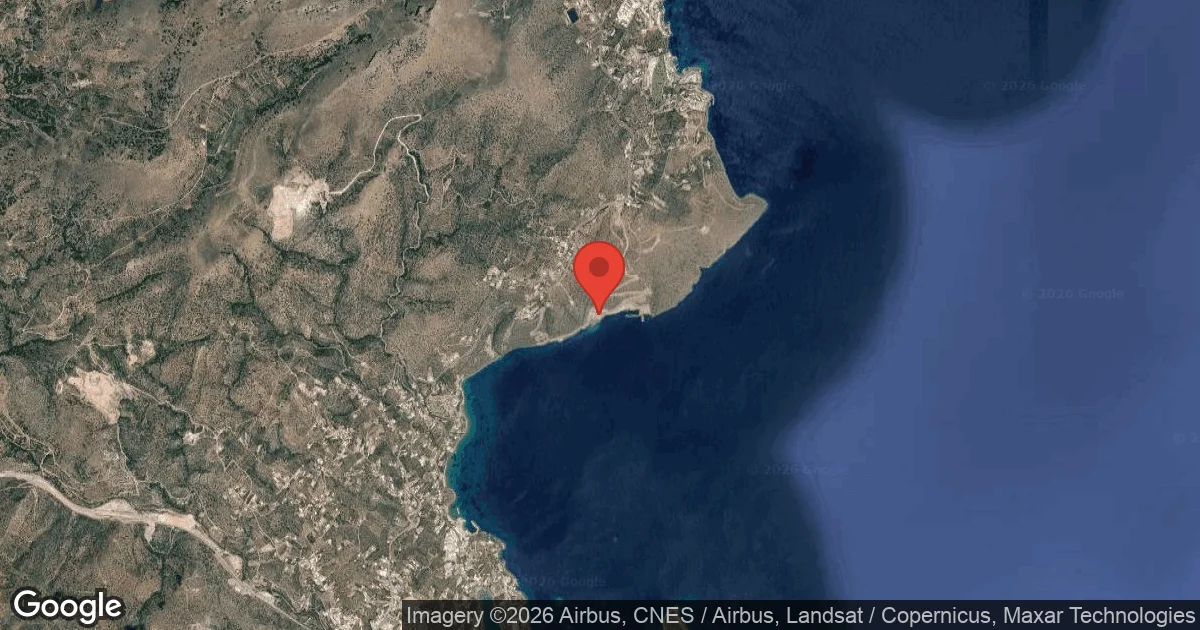
Dive Site Location & Key Facts
Dive Site Overview
The dive profile at Explosion begins with a controlled descent, following an anchor line that guides divers down to an initial plateau. This relatively shallow area, around 5 meters, serves as a transition point before the site drops away into what divers often refer to as the 'Big Blue.' Moving onward, the underwater landscape unfolds with large, scattered rock formations, providing immediate refuge for various small schooling fish.
A prominent elephant-shaped rock, notably truck-sized, stands out as a key navigational landmark, consistently found between 14 and 20 meters. Its weathered surface adds to the site's distinctive character. Beyond this point, the seabed plunges more rapidly, creating a sense of increased depth and inviting exploration of the open water column down to its maximum reported depth of approximately 30 m / 100 ft.
Near the conclusion of the dive, an imposing wall formation commands attention, ascending from about 18 meters towards the surface. This vertical topography provides a dramatic backdrop and hosts various organisms.
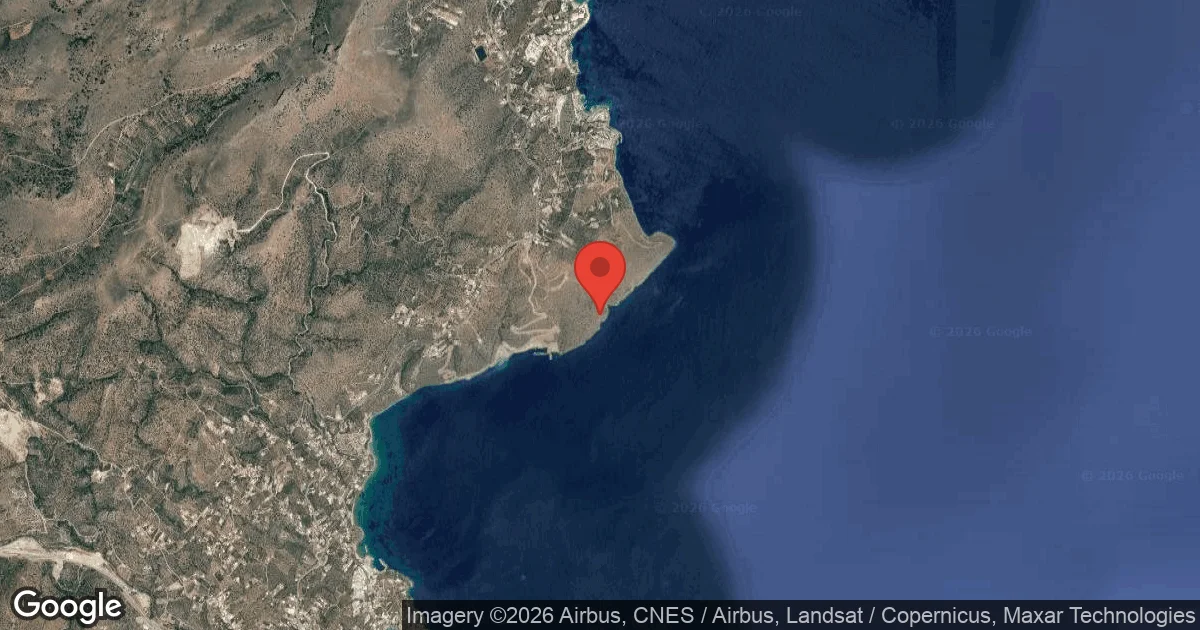
The site, situated west of the local diving center, benefits from its eastern side's natural protection against prevailing winds. This orientation frequently translates to calmer surface conditions, facilitating easier entry and exit and enabling uninterrupted focus on the underwater environment.
Divers can also encounter scattered bronze shells, remnants from World War II canon impacts, which lie embedded in the seabed, adding a historical layer to the natural reef structure.
Conditions are Good
Optimal conditions expected
Current conditions near Explosion show 24° air, 26° sea temperature, 1.0 m waves, and 35 km/h wind. Forecast data is refreshed regularly to ensure accuracy.
Best Time to Dive
Visibility often dictates the ideal diving window; at Explosion, conditions are frequently superb, extending beyond 30 meters / 100 feet. From May to September, visibility generally reaches its peak, coinciding with warmer air temperatures averaging from 20.5°C / 69°F in May to 28.5°C / 83°F in July. Rainfall is minimal during these months, with July and August experiencing barely any precipitation (around 0.05-0.06 mm), reducing runoff and contributing to clearer waters. While diving is possible year-round, summer months provide a combination of excellent visibility and comfortable surface conditions. Wind speeds vary, but the site's eastern side typically offers protection, making it accessible even with moderate surface chop.
PEAK SEASON SCORE
Scores combine air & water temps, waves, wind & rainfall for overall conditions.
BEST MONTHS TO DIVE
Monthly records compiled from satellite and marine observation nodes over the last 3 years. Data provided by Open-Meteo and MET Norway.
Dive Experience & Conditions
Currents at Explosion are typically absent, allowing for relaxed exploration of its features. Classified as an advanced dive, it demands proficiency due to swift depth increases and a deep drop-off. Water temperature ranges from approximately 15-25°C / 59-77°F, seasonally influencing thermal protection needs and dive comfort. Divers can expect about 45-50 minutes of bottom time, ample opportunity to appreciate extensive wall formations and the 'big blue' feel of deeper sections. Maintaining excellent buoyancy control is key for navigating varied topography and respecting historical artifacts without disturbance. These conditions suit divers comfortable with rapid descents and managing air consumption at depth.
Dive Difficulty & Safety Guidelines
No specific warnings are consistently reported for Explosion itself, suggesting a straightforward dive in stable conditions for those properly certified. A primary safety consideration involves managing the rapid depth profile, as the site quickly drops to depths around 30 meters. Divers should be advanced, competent in deep diving procedures, and maintain careful buoyancy control, especially along the wall structure.
Adherence to no-decompression limits is crucial given the depths involved. Diving with a reliable buddy is always recommended; proper planning for air consumption and ascent rates is paramount in these conditions.
Recommended Equipment
- Dive Computer
- DSMB
This gear list is based on verified equipment signals for Explosion, Greece. Always confirm final gear choices with your dive operator, guide, or liveaboard.
Recommended Dive Suit
For relaxed exploration dives, 2-3mm shorty or light wetsuit generally provides adequate warmth. Consider warmer surface protection (like a boat coat) due to brisk winds. Those diving at Explosion today will likely encounter water temperatures in the region of 26°C (79°F). Surface air temperatures are resting at 24°C (76°F).
Conditions in the coming days are expected to stay within a similar temperature range.
A diver's personal tolerance to cold water can play a large role in suit selection.
Emergency & Medical Support
Essential information to help you plan your dive trip to Explosion.

Hyperbaric chambers are a critical part of dive safety infrastructure. Availability varies significantly by region, and not all dive areas have immediate access.
Before diving, it's recommended to:
- confirm nearest medical facilities
- check emergency procedures with local dive operators
- ensure dive insurance covers evacuation if required
Divers Alert Network
Diving emergency assistance available through DAN Europe.
+39 0642115685- 24/7 emergency hotline
- Diving medical assistance
- Evacuation coordination
Emergency contacts are provided for reference. Always verify local emergency services before diving.
Closest Listed Hyperbaric Chambers
Showing listed hyperbaric chamber facilities within 200 km of this dive site.
Distances are approximate straight-line distances and may not reflect emergency travel time.
TKYI/NNK
24/7 ListedChania, Greece•Approx. 151 km straight-line
TKYI/NNK
24/7 ListedInformation is provided for reference and planning purposes only. Dive Navigator does not verify operational status, staffing, availability, or quality of care at listed facilities. In an emergency, contact local emergency services, DAN, your dive operator, or the chamber directly. Do not travel to a facility without calling ahead.
Marine Life at Explosion
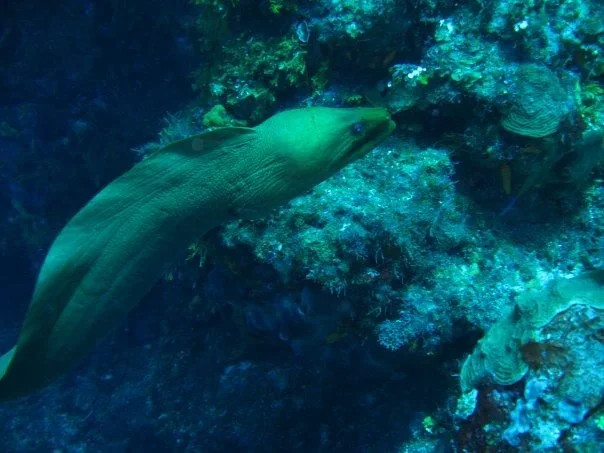
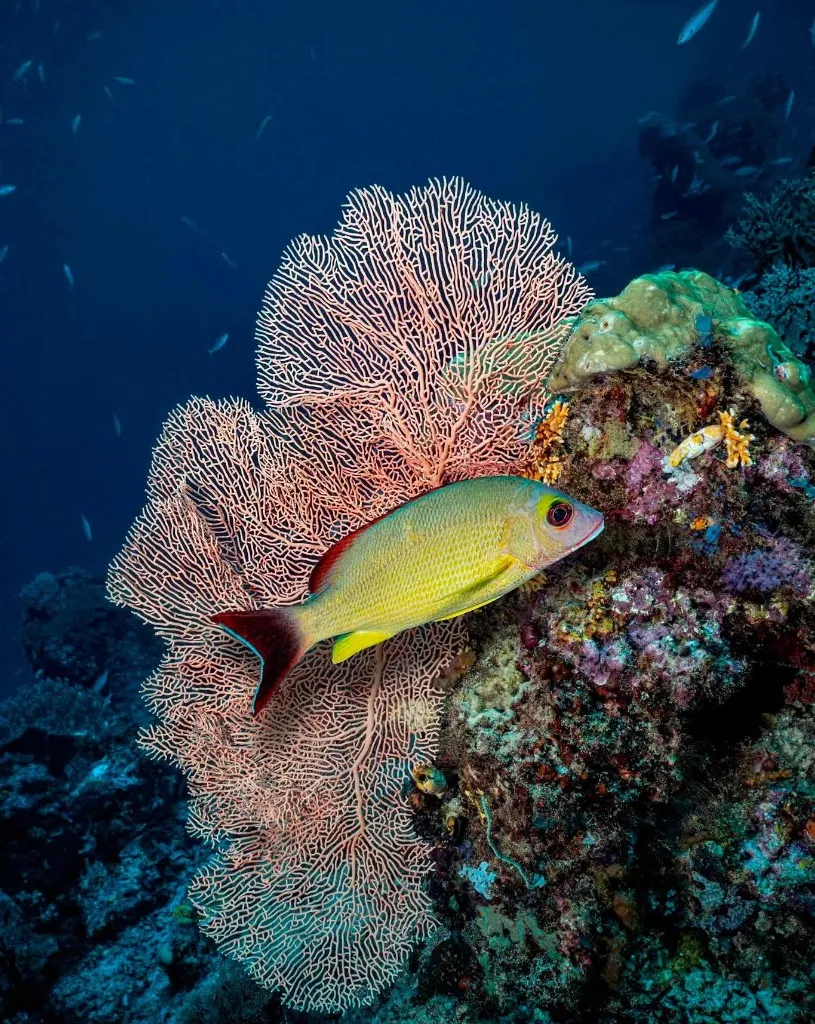
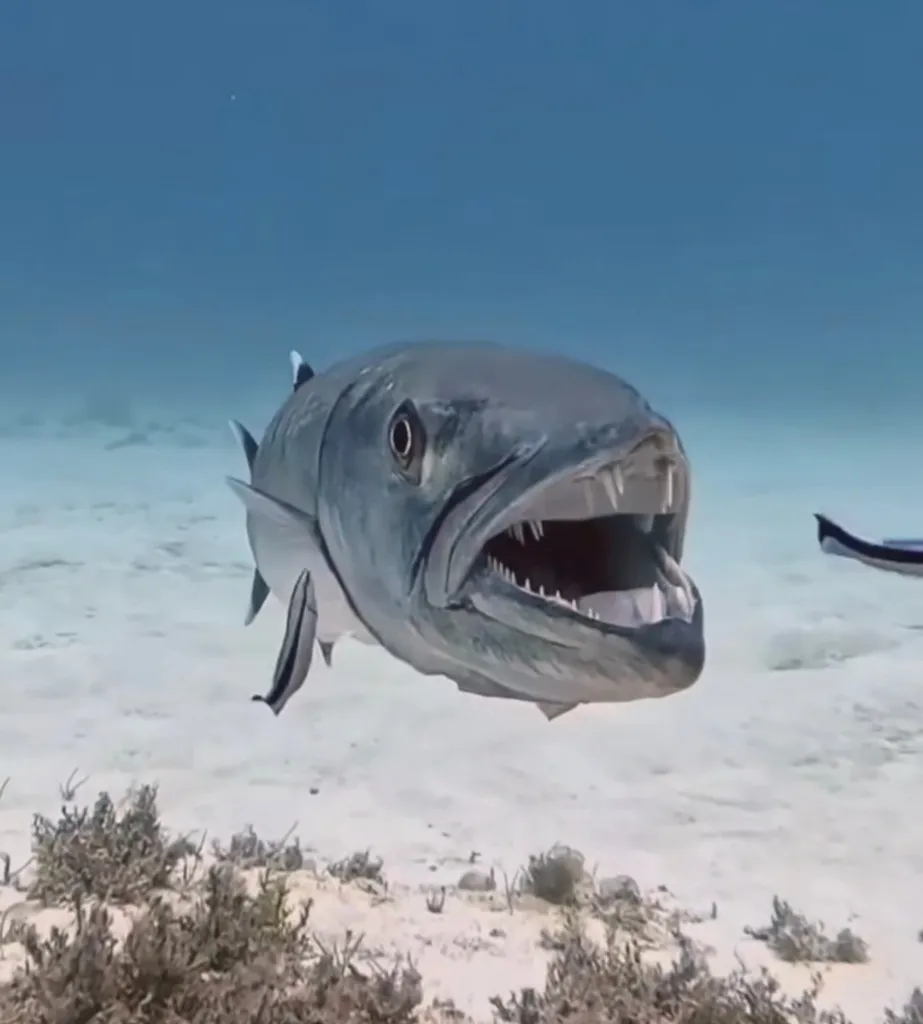
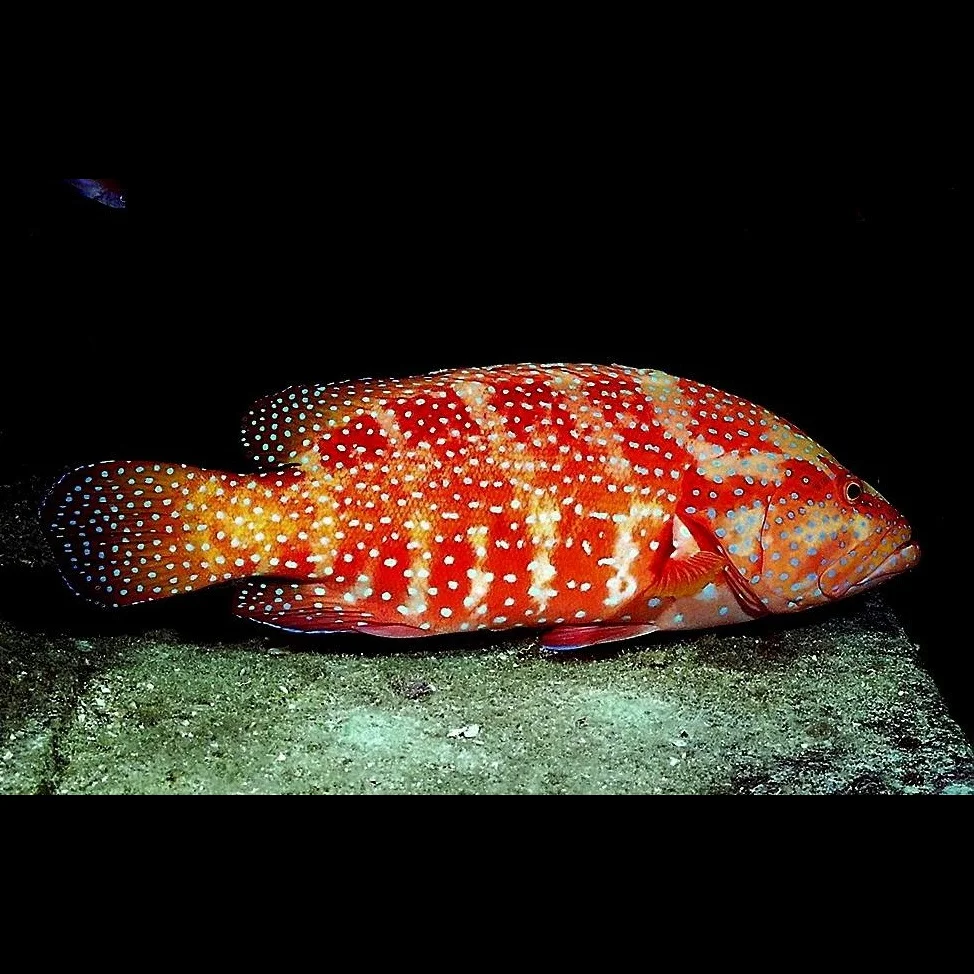
Upon entering, divers often first notice schools of small fish congregating around large rock formations near the initial descent. As the dive progresses, larger inhabitants like groupers, snappers, morays, and bluefin trevally can be spotted.
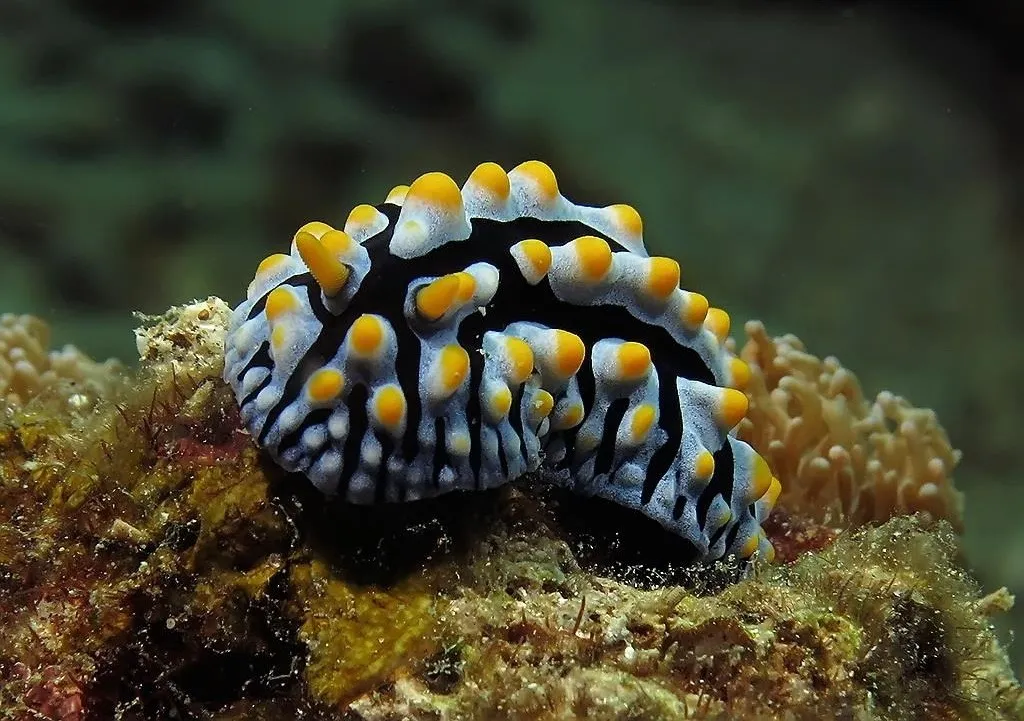
This location provides habitat for lionfish, barracudas, and various nudibranchs, alongside common Mediterranean reef species. Historical bronze shells scattered on the seabed also act as micro-habitats, attracting smaller organisms.
Dive Sites Near Explosion
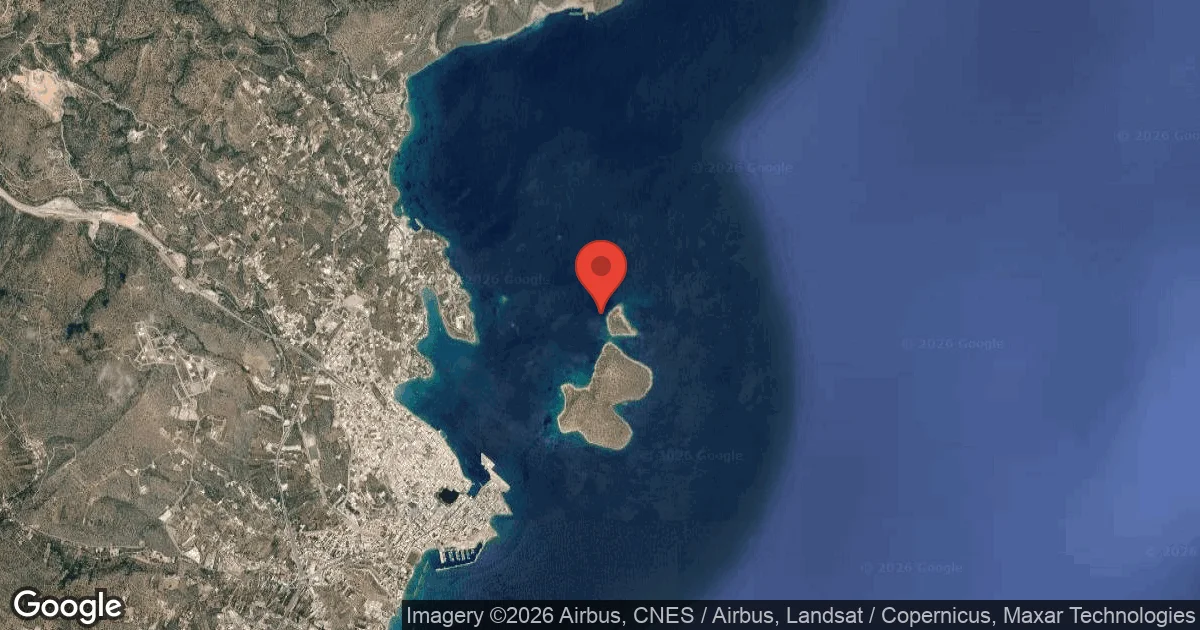
View all dive sites in GreeceDiscover more underwater gems in this area.
Dive Centers Near Explosion
Today: 09:00 - 18:00
Nearest Airports
Nearest airports to help plan travel to this dive area.
Search Flights
Check available flights and routes on Expedia, using the nearby airports listed in this section.
Search Flights on ExpediaFrequently Asked Questions
What is the maximum depth at Explosion?
Depths at Explosion rapidly increase to about 30 meters, with a significant drop-off into the "Big Blue." Divers should be prepared for deep diving profiles and proper air management.
What level of diver training is recommended for Explosion?
This site is recommended for advanced divers due to its quick descent to significant depths and the need for good buoyancy control along the wall. Beginners may find conditions challenging.
What are the typical water temperatures?
Water temperatures vary seasonally, generally ranging from 15-25°C / 59-77°F. Thermal protection should be selected accordingly to ensure comfort during the dive.
Is there much current at the Explosion dive site?
According to reports, currents are typically absent at Explosion, providing for a more relaxed and focused exploration of the site's features and marine life.
What unique features can be seen underwater?
Key features include a large elephant-shaped rock between 14-20m, remnants of WWII bronze shells, and a dramatic wall that extends from 18m towards the surface.
How good is the visibility at Explosion?
Visibility is often excellent, frequently exceeding 30 meters, especially during the peak diving season from May to September. Clear views of the site's topography are common.
Why is it called "Explosion"?
Named after a World War II event, the site takes its name from canon explosions on the cliff directly above the diving area. Parts of the bronze shells are still visible underwater.
Planning to dive Explosion?
Send one inquiry and receive offers directly from the best verified local dive operators.
Conditions are Good
Optimal conditions expected
Current conditions near Explosion show 24° air, 26° sea temperature, 1.0 m waves, and 35 km/h wind. Forecast data is refreshed regularly to ensure accuracy.