
Diving at Krikri "the Anchor" (Greece)
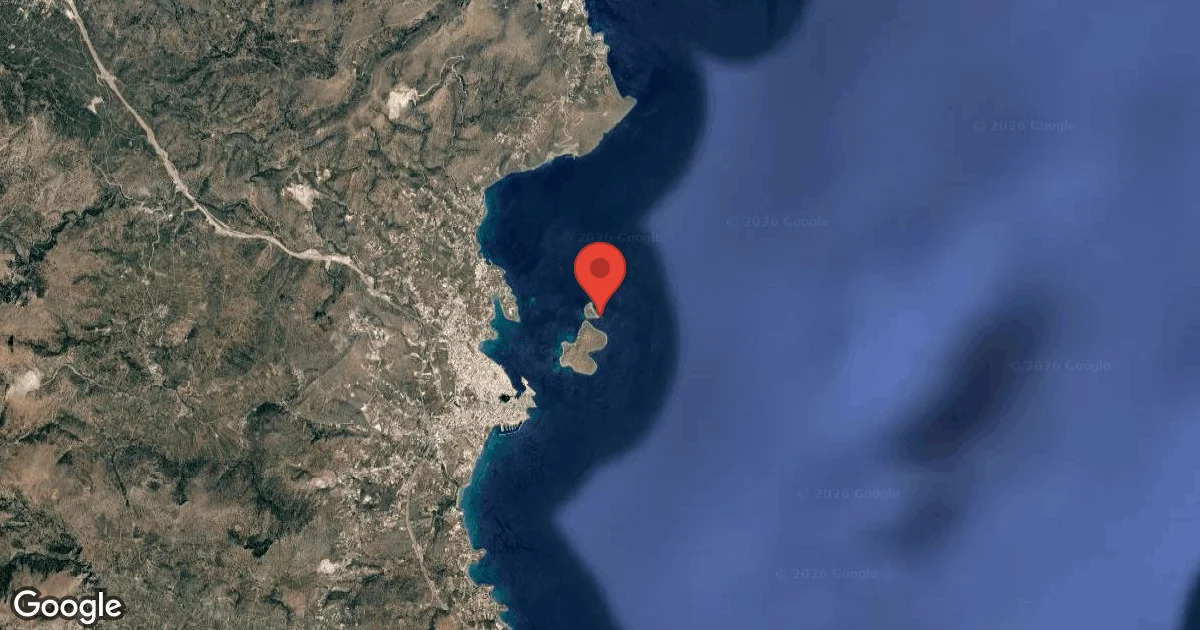
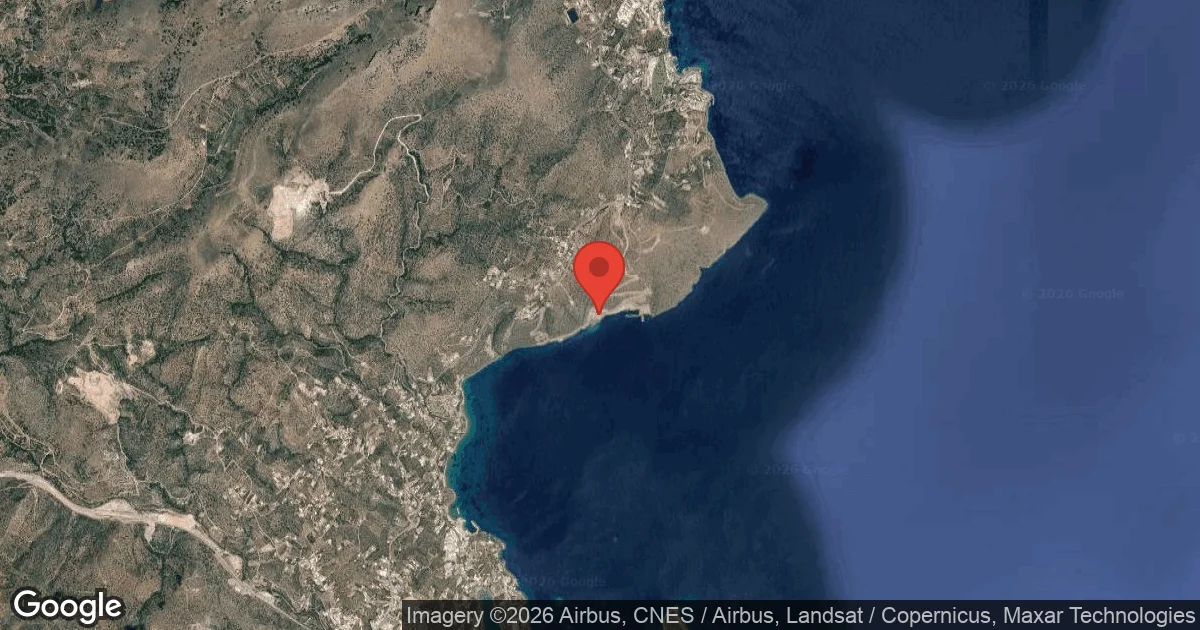
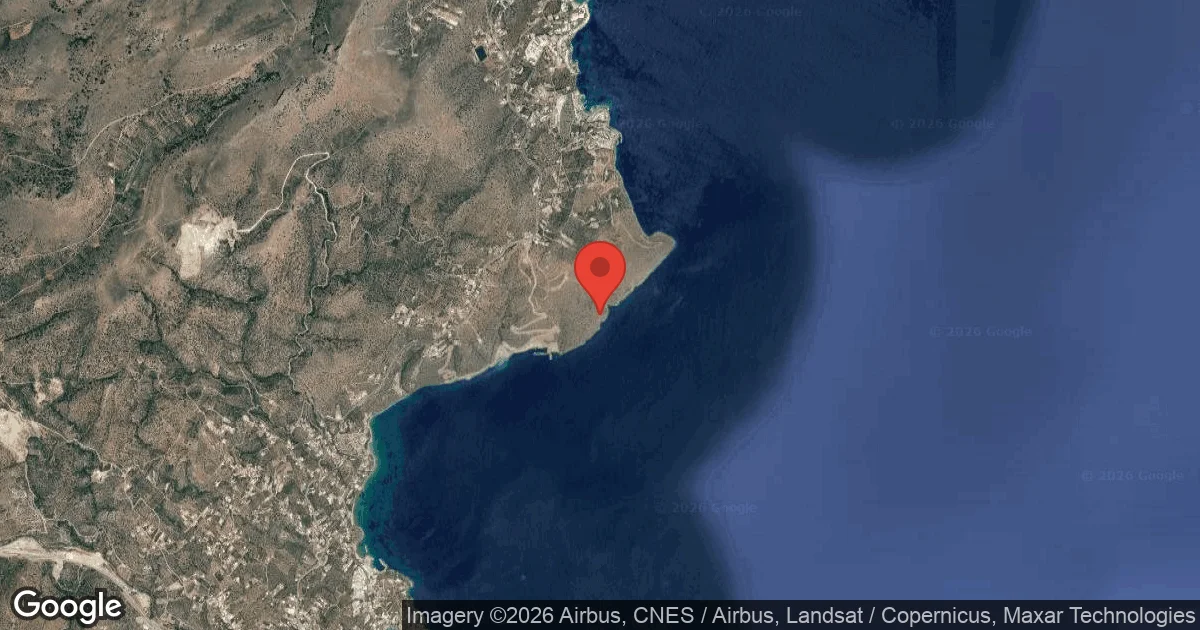
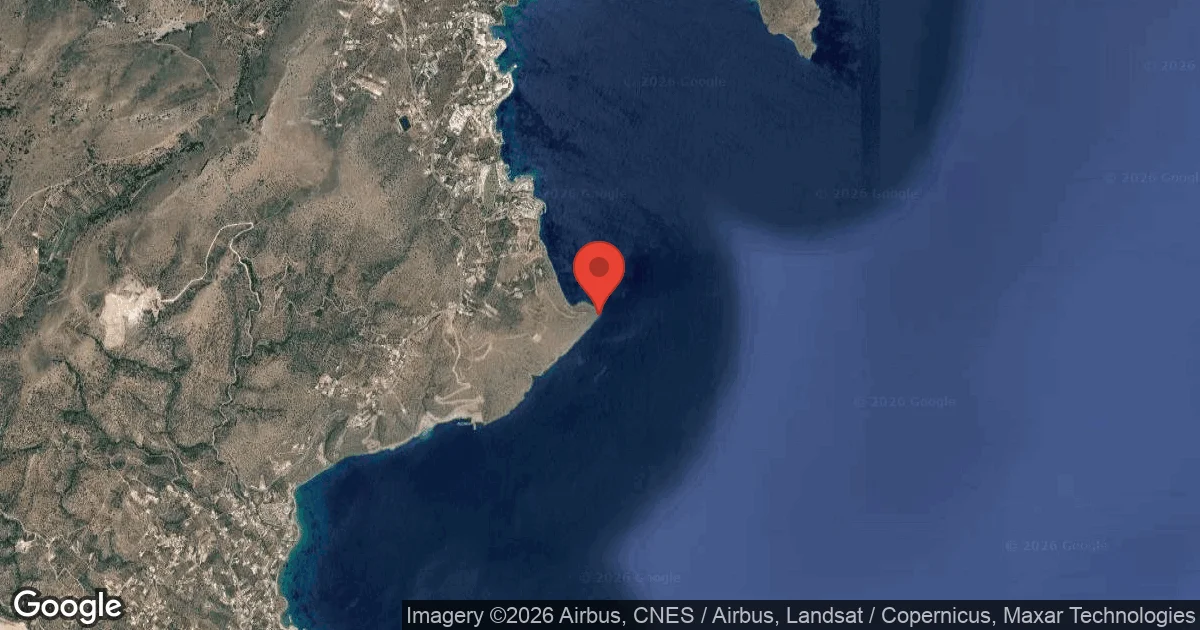
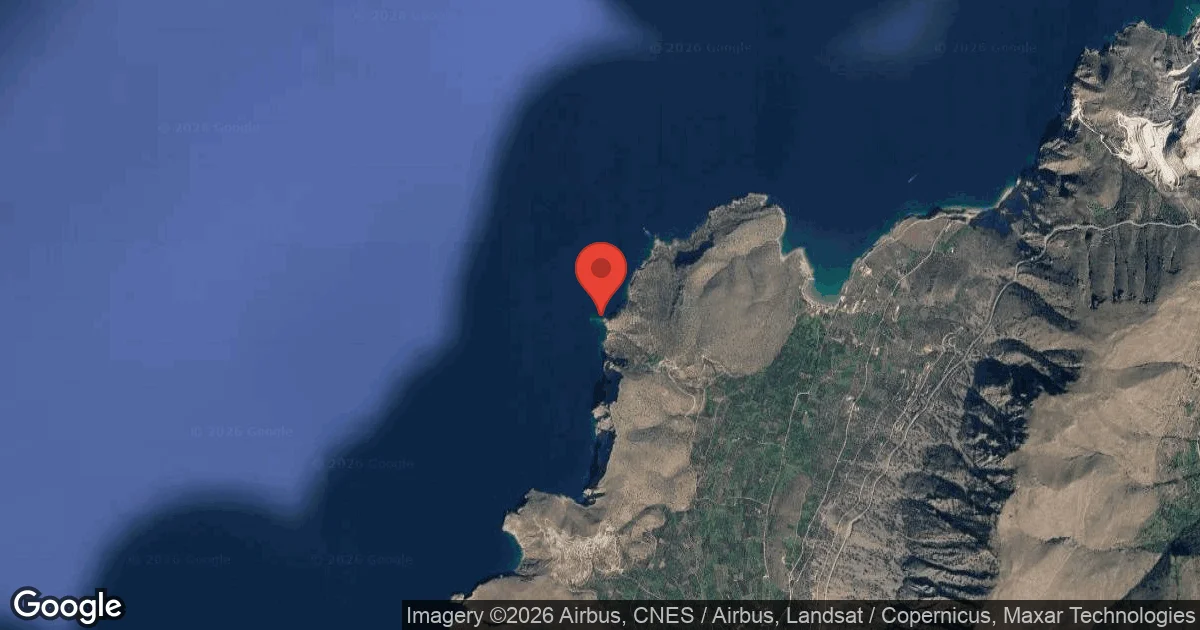
Defined by a prominent broken anchor, Krikri presents a dive site near Chersonesos, Crete. This central feature gives the site its name and serves as a natural beacon for exploration. Divers navigate gentle drop-offs and a series of small canyons, creating an engaging underwater topography. It's an easily accessible location, offering a relaxed environment to explore geological formations and the anchor itself.
Early observations for Krikri "the Anchor" report a surface air temperature of 21°C. The water surface is currently presenting wave heights of 1.1 m. Consider these environmental metrics before beginning your descent.
Dive Site Location & Key Facts
Dive Site Overview
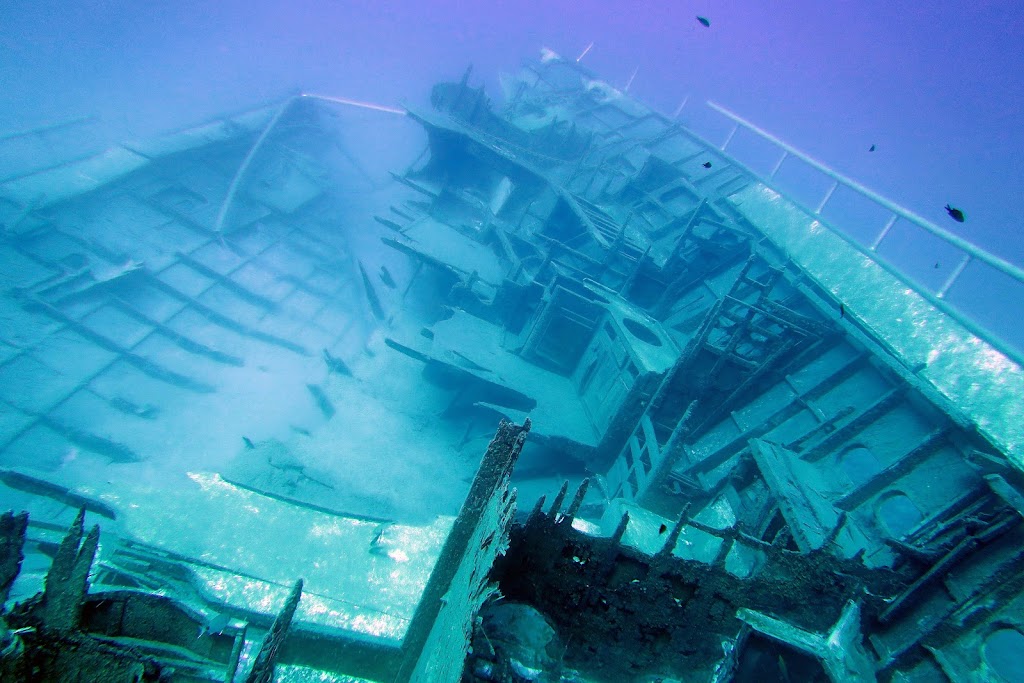
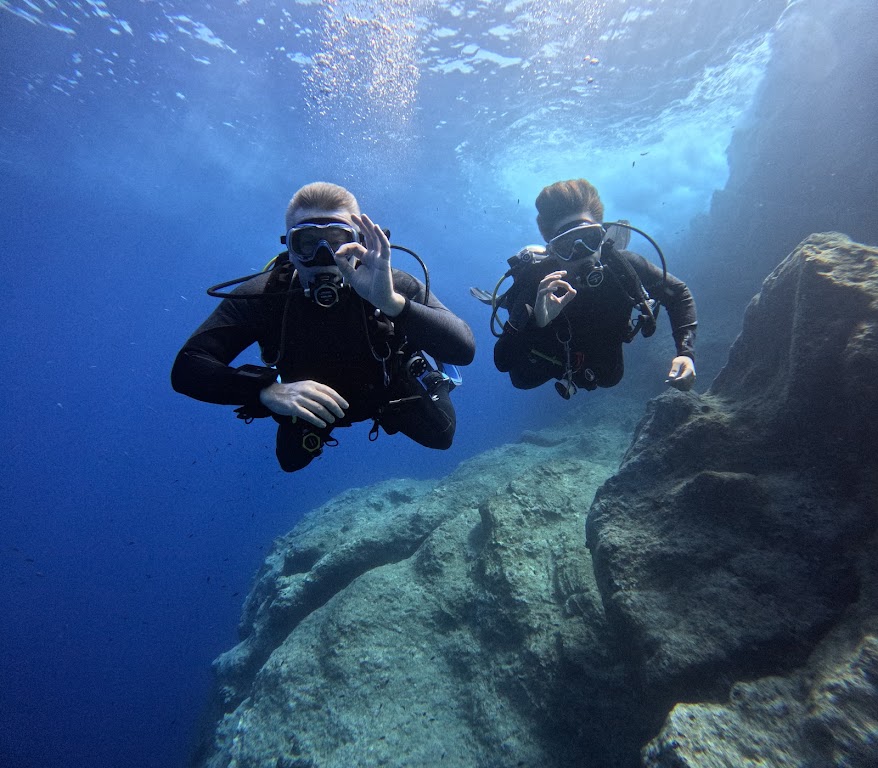
Exploration at this Cretan dive site centers around a significant piece of its underwater landscape: a large, broken anchor resting on the seabed. This historical artifact provides a focal point, offering a tangible link to maritime past and intriguing photography opportunities.
Rated as an easy dive, it typically descends to recreational depths, primarily 20-25 m (66-82 ft). Divers traverse a varied terrain composed of small drop-offs and intriguing canyons. Such geological formations create sheltered areas and overhangs, often explored for hidden marine life.
Operating primarily as a vibrant reef dive, the location presents a mosaic of diverse habitats. This encourages a slower pace to appreciate its intricate details and the smaller creatures residing within.
While specific water temperatures aren't consistently reported for this site, conditions generally allow for comfortable diving through much of the year, supported by consistently good dive scores observed in climate data. A dive here provides a balanced experience of natural rock formations and a notable man-made artifact, offering both geological interest and historical context.
Conditions are Good
Optimal conditions expected
Current conditions near Krikri "the Anchor" show 21° air, 26° sea temperature, 0.9 m waves, and 30 km/h wind. Forecast data is refreshed regularly to ensure accuracy.
Best Time to Dive
Optimal diving conditions at Krikri 'The anchor' are typically found during months with warmer air temperatures and minimal rainfall. Air temperature averages notably higher from June to September, often ranging from 25.5°C to 30°C (78-86°F), making surface intervals and boat rides more comfortable. During this period, rainfall is also at its lowest, particularly in July with an average of only 0.07 mm, contributing to generally calmer surface conditions. Conversely, winter months, from December to February, see air temperatures drop to 13°C to 14.5°C (55-58°F), accompanied by slightly higher average rainfall, up to 2.7 mm in January. Despite these seasonal shifts, the dive score remains consistently rated 'Good' (8) throughout the entire year, indicating suitable diving is possible even outside the peak summer. Wind speeds average 16-21 km/h (10-13 mph) year-round, while wave heights usually stay below 1 meter (3 ft). Divers should be aware that specific water temperatures are not consistently reported for this site, though surrounding coastal waters in Greece often warm up considerably in summer.
PEAK SEASON SCORE
Scores combine air & water temps, waves, wind & rainfall for overall conditions.
BEST MONTHS TO DIVE
Monthly records compiled from satellite and marine observation nodes over the last 3 years. Data provided by Open-Meteo and MET Norway.
Dive Experience & Conditions
Divers approaching this site will find an accessible depth profile, generally considered an easy dive suitable for various certification levels. Most exploration occurs within recreational limits, allowing ample bottom time. Navigating this reef dive involves passing through small drop-offs and a network of canyons, which define the underwater landscape. Such features create interesting pathways and structures to explore, allowing close observation of the reef environment. While specific visibility data isn't consistently reported, conditions typically reflect general Mediterranean clarity, which can vary with local currents and plankton blooms. Divers can expect relatively mild currents, contributing to the site's 'easy' classification. A sheltered nature in some canyons might offer additional protection from any minor surge. Overall, divers experience a relaxed pace, ideal for observing resident marine life and appreciating the site's distinctive topography.
Dive Difficulty & Safety Guidelines
Given that Krikri 'The anchor' is an easy dive, it primarily calls for adherence to standard safe diving practices. Divers should maintain proper buoyancy control, especially when navigating the small drop-offs and within the canyons, to protect the delicate reef structure. Planning dives within no-decompression limits is also advisable, particularly given the maximum depth of 25 meters (82 ft).
While no specific site-related hazards are consistently reported, divers should always monitor their air supply and dive computer parameters. Awareness of your buddy's location and dive profile is crucial, as is any local advice from dive centers in Crete regarding current conditions.
Since the external data doesn't mention specific dangers, a general caution for respecting marine life and the anchor artifact is fitting. A dive at this site is well-suited for divers holding Open Water certification and above, offering a straightforward yet engaging underwater experience.
Recommended Equipment
- Dive Computer
This gear list is based on verified equipment signals for Krikri "the Anchor", Greece. Always confirm final gear choices with your dive operator, guide, or liveaboard.
Recommended Dive Suit
Temperatures look set to gradually increase over the next several days. A warming trend is expected over the next few days.
Thermal protection such as 2-3mm shorty or light wetsuit is commonly used in similar temperatures. Consider warmer surface protection (like a boat coat) due to brisk winds. Surface intervals may feel cooler.
At Krikri "the Anchor", the water is currently sitting around 26°C (79°F). Surface air temperatures are resting at 21°C (70°F).
Due to technical issues with our weather providers, live updates are temporarily delayed. The data above reflects the conditions at the time of the last successful fetch.
Emergency & Medical Support
Essential information to help you plan your dive trip to Krikri "The Anchor".

Hyperbaric chambers are a critical part of dive safety infrastructure. Availability varies significantly by region, and not all dive areas have immediate access.
Before diving, it's recommended to:
- confirm nearest medical facilities
- check emergency procedures with local dive operators
- ensure dive insurance covers evacuation if required
Divers Alert Network
Diving emergency assistance available through DAN Europe.
+39 0642115685- 24/7 emergency hotline
- Diving medical assistance
- Evacuation coordination
Emergency contacts are provided for reference. Always verify local emergency services before diving.
Closest Listed Hyperbaric Chambers
Showing listed hyperbaric chamber facilities within 200 km of this dive site.
Distances are approximate straight-line distances and may not reflect emergency travel time.
TKYI/NNK
24/7 ListedChania, Greece•Approx. 150 km straight-line
TKYI/NNK
24/7 ListedInformation is provided for reference and planning purposes only. Dive Navigator does not verify operational status, staffing, availability, or quality of care at listed facilities. In an emergency, contact local emergency services, DAN, your dive operator, or the chamber directly. Do not travel to a facility without calling ahead.
Marine Life at Krikri "the Anchor"
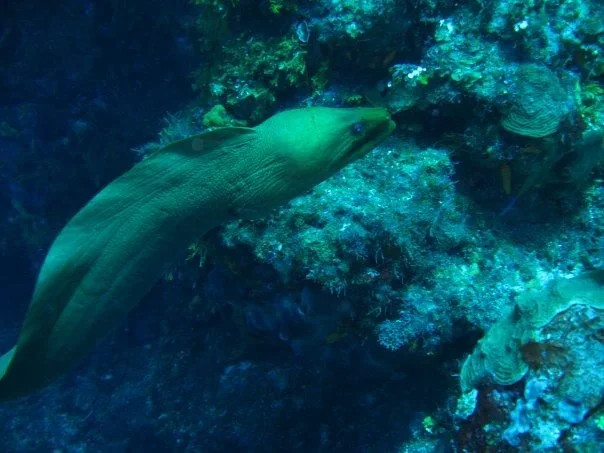
The varied underwater terrain at this location, marked by small drop-offs and intricate canyons, creates ideal habitats for a variety of marine life. Divers frequently encounter moray eels, often observed peeking from crevices within the reef structure or the darker recesses of the canyons.
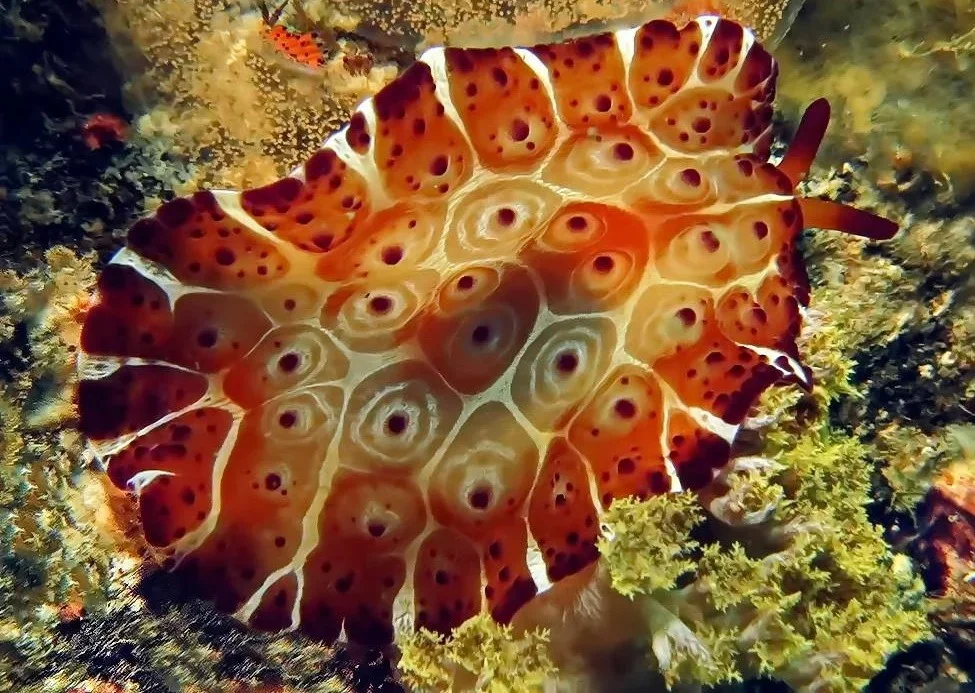
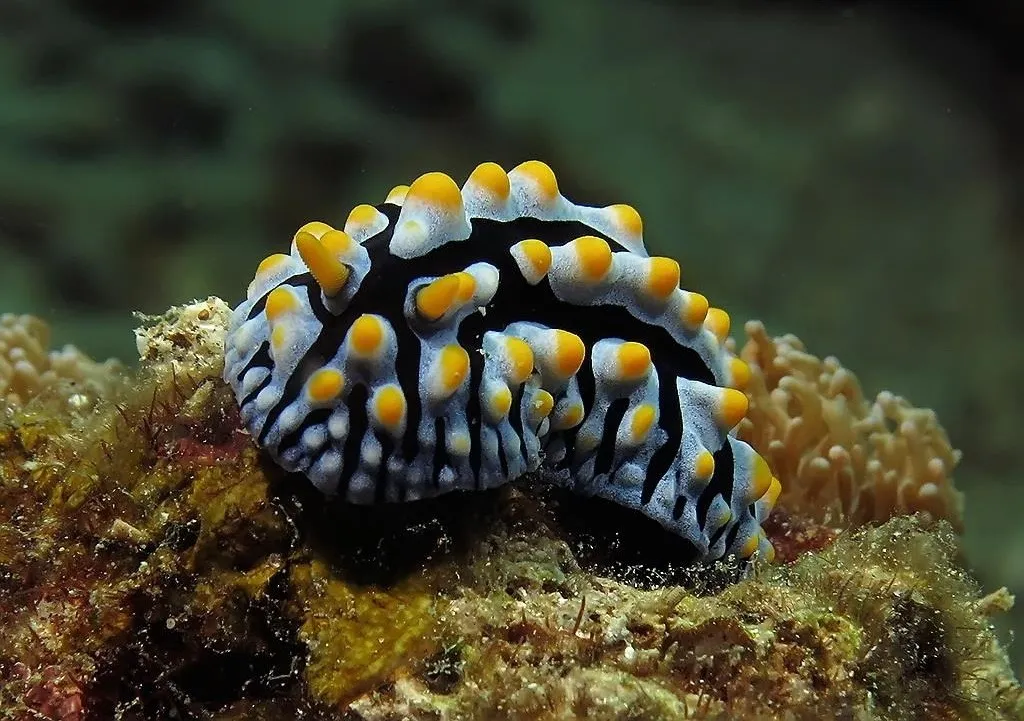
It's also a rewarding location for spotting nudibranchs, with their vibrant colors adding small bursts of life against the rocky backdrop. Fascinating sea slugs can be found meticulously crawling along the corals and sponges that populate the reef.
While larger, more pelagic species are not commonly reported at this specific site, the focus here is on the smaller, often overlooked inhabitants that thrive within the complex topography of this reef dive.
Dive Sites Near Krikri "the Anchor"
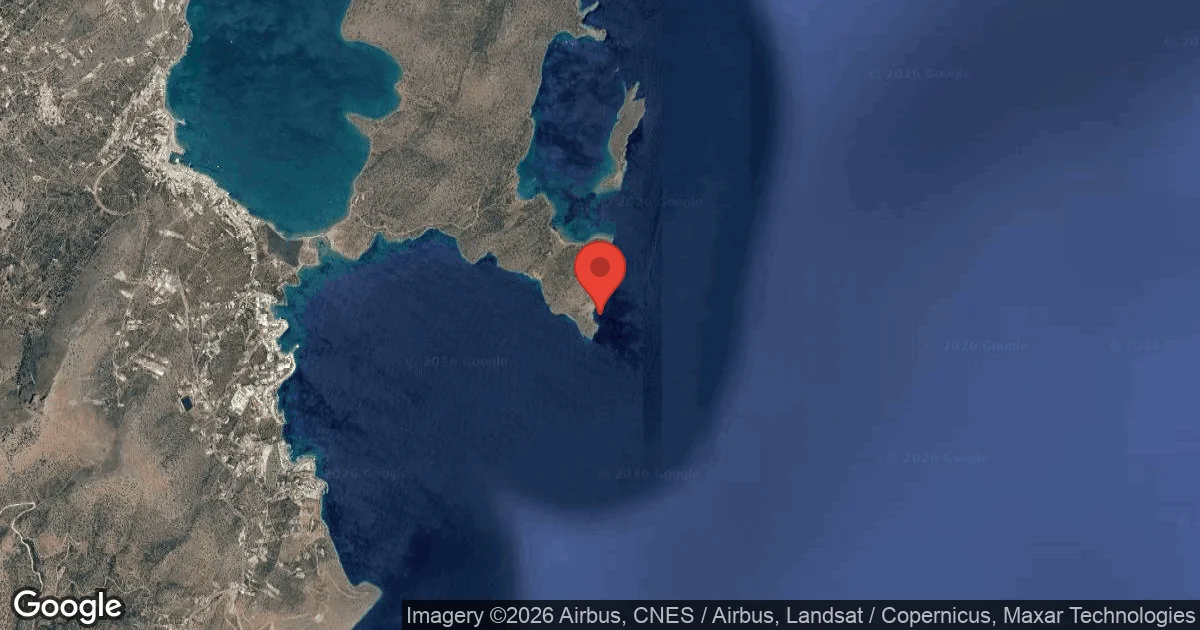
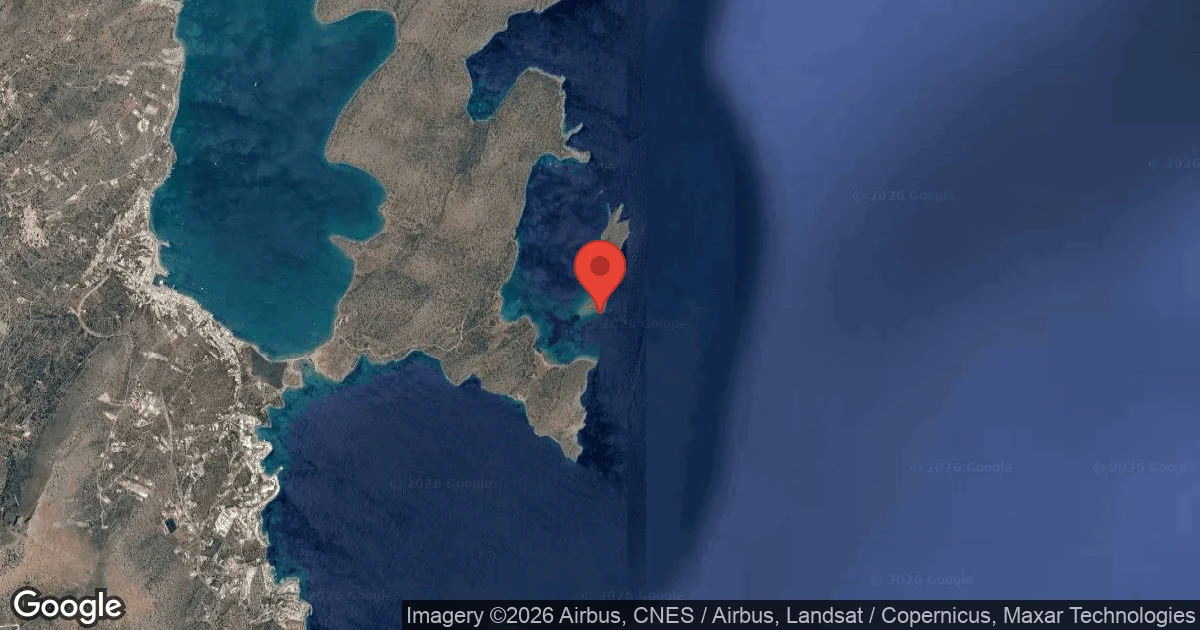
View all dive sites in GreeceDiscover more underwater gems in this area.
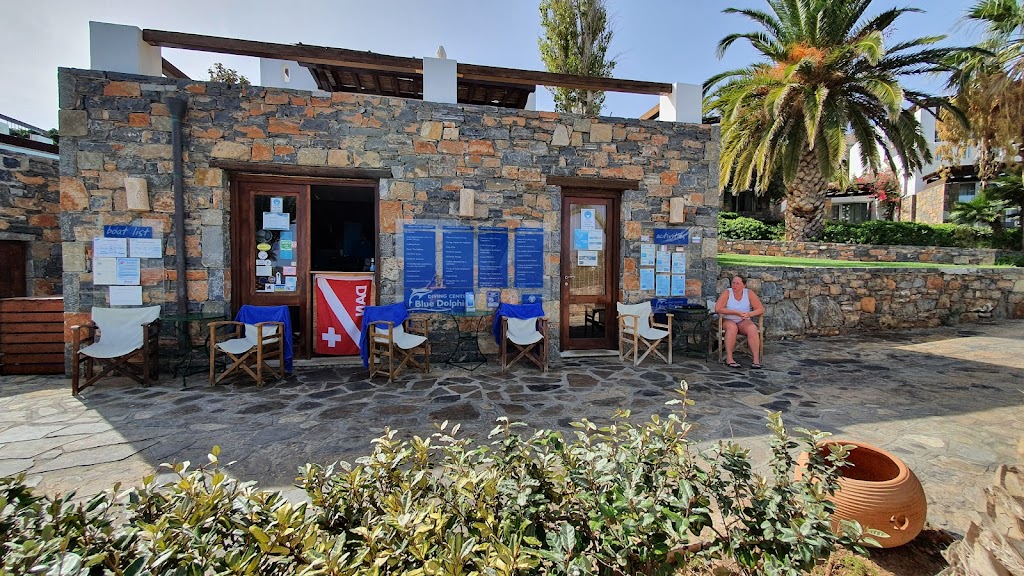
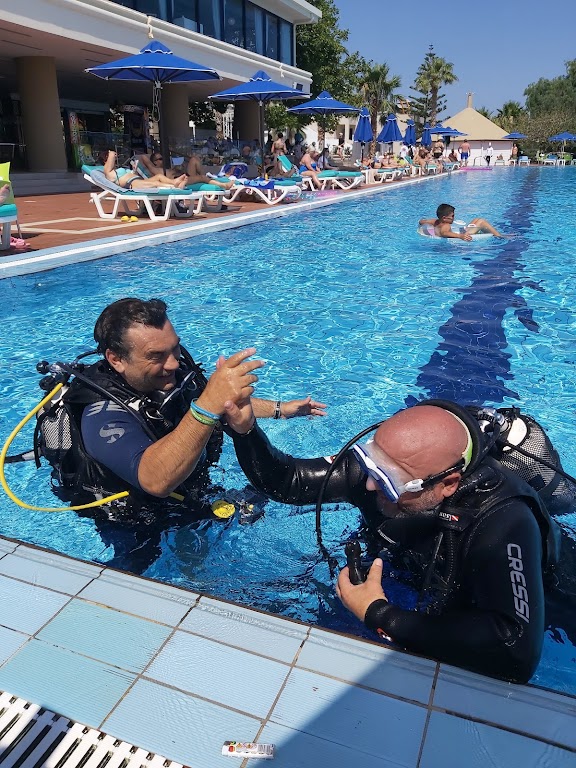
Dive Centers Near Krikri "the Anchor"
Today: 09:00 - 18:00
Nearest Airports
Nearest airports to help plan travel to this dive area.
Search Flights
Check available flights and routes on Expedia, using the nearby airports listed in this section.
Search Flights on ExpediaFrequently Asked Questions
What gives Krikri 'The anchor' its name?
The dive site is named after a prominent feature: a large, broken anchor resting on the seabed. This historical artifact is a central point of interest for divers exploring the area.
What is the typical depth for diving at Krikri?
Krikri is an easy dive with depths ranging between 20 to 25 m (66 to 82 ft). This depth range makes it accessible for various certification levels, providing ample bottom time.
Is Krikri 'The anchor' suitable for less experienced divers?
Yes, it's generally considered an easy dive. Its manageable depth and typically mild conditions make it appropriate for Open Water certified divers and those seeking a relaxed exploration.
What kind of underwater formations will I encounter?
The site features small drop-offs and a series of interesting canyons. These natural rock formations create varied topography, offering numerous nooks and crannies to investigate.
What marine life is commonly seen at Krikri?
Divers frequently spot moray eels inhabiting the reef's crevices and within the canyons. Nudibranchs are also often sighted, adding colorful details to the underwater landscape.
When is the best time to dive Krikri 'The anchor'?
While suitable year-round with consistently good dive scores, the warmer months from June to September offer higher air temperatures and minimal rain, enhancing surface comfort. Water temperatures in Greece generally peak during summer.
Planning to dive Krikri "the Anchor"?
Send one inquiry and receive offers directly from the best verified local dive operators.
Conditions are Good
Optimal conditions expected
Current conditions near Krikri "the Anchor" show 21° air, 26° sea temperature, 0.9 m waves, and 30 km/h wind. Forecast data is refreshed regularly to ensure accuracy.