
Diving at The Anchor (Greece)
Imagine the soft descent into Greek waters, where the cool embrace of the Mediterranean reveals dramatic underwater architecture. Massive anchors, some ancient and others more recent, stand as silent sentinels on the seabed. This dive offers a tangible connection to maritime history, feeling the past while surrounded by a thriving reef ecosystem. It's a journey into a submerged world of both relic and life.
As evening covers The Anchor, the local air temperature is measured at 20.5°C. The current wave height at the surface is recorded at 0.7 m. These late-day readings characterize the surface conditions for the night.
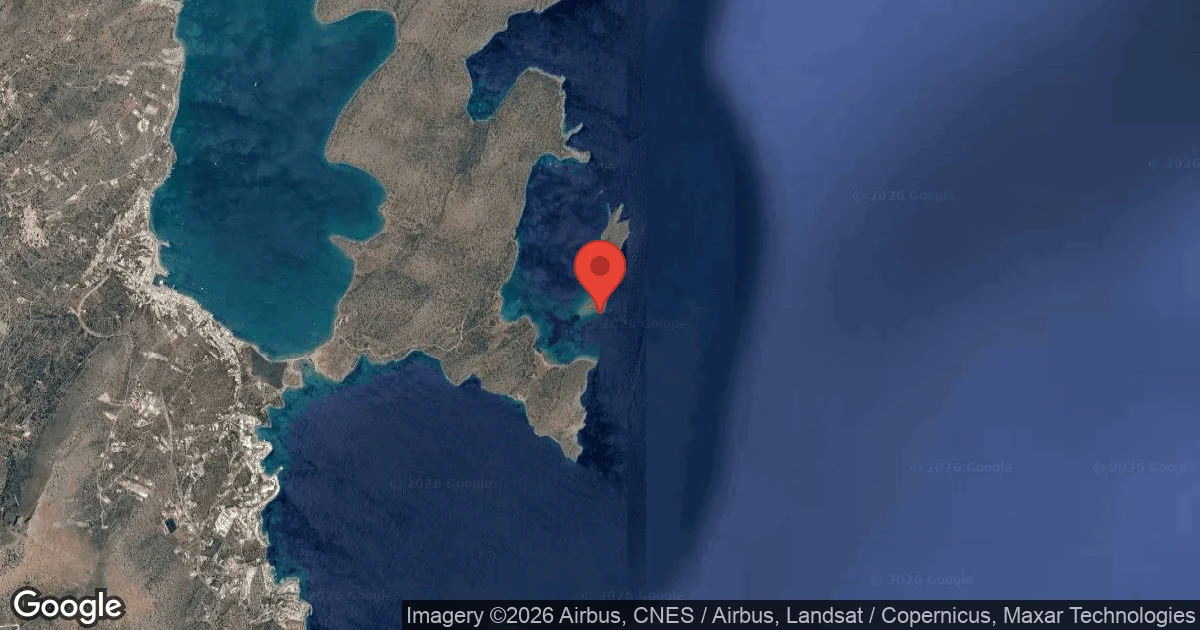
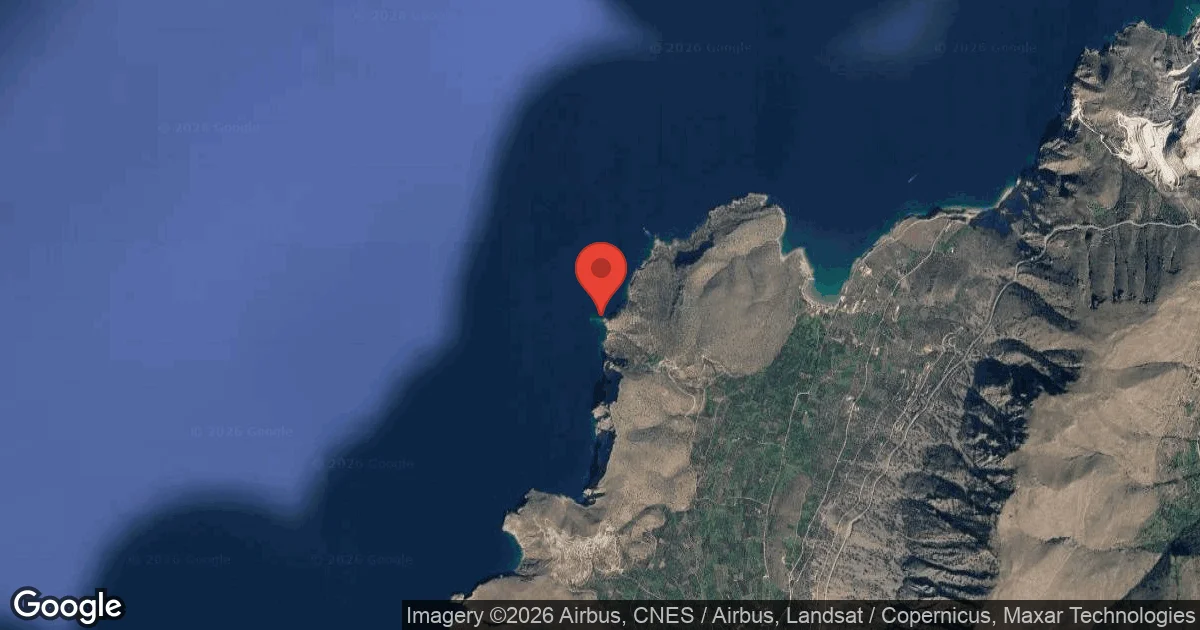
Dive Site Location & Key Facts
Dive Site Overview
The Anchor dive site is primarily characterized by the significant maritime relics that give it its name. Divers encounter either a large broken anchor, potentially from a steamer lost during the First World War, or an impressive ancient anchor, estimated to be over 400 years old, often accompanied by its chain.
These monumental artifacts, some standing majestically upright, are integrated into a dynamic reef structure featuring small drop-offs and intriguing canyons. Exploration here presents a compelling blend of historical discovery and a vibrant marine environment. Depths vary across different sections, ranging from approximately 20 meters / 65 feet for shallower, accessible areas, to around 33 meters / 108 feet in deeper parts where larger sponges, parts of broken amphorae, and varied fish life are encountered.
While some sections are well-suited for Open Water divers, the more profound aspects with the larger ancient anchor and deeper reef formations are best approached by those with advanced certification. It's a site that rewards careful observation, inviting divers to connect with both the past and the present biodiversity of the Mediterranean.
Conditions are Good
07:00 - 14:00
Optimal conditions expected
Current conditions near The Anchor show 20° air, 26° sea temperature, 0.7 m waves, and 27 km/h wind. Forecast data is refreshed regularly to ensure accuracy.
Best Time to Dive
Planning your dive to The Anchor aligns well with the warmer months, as climate data shows air temperatures comfortably ranging from 21-30°C / 70-86°F between May and September. During this period, rainfall is minimal, often less than 1 mm, contributing to stable conditions and better visibility. While specific water temperature data isn't consistently reported for this exact site, the Mediterranean typically sees surface water temperatures rise to 25-27°C / 77-81°F in peak summer, with cooler temperatures of 18-22°C / 64-72°F in the shoulder seasons of spring and autumn. Wave heights are generally lower in late spring through early autumn, typically below 0.7 meters, favoring smoother boat entries and more comfortable diving. Even in other months, a good dive score indicates potential, though conditions like wind and waves may vary.
PEAK SEASON SCORE
Scores combine air & water temps, waves, wind & rainfall for overall conditions.
BEST MONTHS TO DIVE
Monthly records compiled from satellite and marine observation nodes over the last 3 years. Data provided by Open-Meteo and MET Norway.
Dive Experience & Conditions
Underwater, the site presents a mosaic of features, with visibility often reaching an excellent 30 meters / 100 feet in favorable conditions, especially around the "Big Anchor" area. This clarity greatly enhances the experience of navigating the reef's structure and appreciating the scale of the anchors. Currents are not consistently reported as a dominant factor; however, like any open water dive, localized conditions can vary. Divers exploring the site will find themselves drifting gently along small drop-offs and through natural canyons, which provide sheltered areas and interesting swim-throughs. The generally calm to moderate sea states, with wave heights often below 0.7 meters, usually ensure comfortable boat access and underwater conditions that are manageable for a variety of skill levels, though deeper sections naturally present more exposure.
Dive Difficulty & Safety Guidelines
Approaching The Anchor requires an awareness of your certification level, particularly given the varying depths of its different sections. While some parts, especially shallower reef areas around 20 meters, are suitable for Open Water divers, exploring the larger ancient anchors or deeper formations, which descend to over 30 meters, necessitates an Advanced Open Water certification or equivalent experience.
Always dive with a buddy and maintain good buoyancy control to avoid disturbing the historical artifacts or fragile marine life. Respecting the site's environment means refraining from touching or removing any items, ensuring the preservation of these unique underwater relics for future divers.
Recommended Equipment
- Dive Computer
This gear list is based on verified equipment signals for The Anchor, Greece. Always confirm final gear choices with your dive operator, guide, or liveaboard.
Recommended Dive Suit
Divers planning relaxed exploration may appreciate the warmth of 2-3mm shorty or light wetsuit. A hood or vest is suggested for sensitive divers due to surface winds. Surface intervals may feel cooler. Divers often notice that perceived temperature can feel cooler during deeper or longer dives.
The waters surrounding The Anchor are currently maintaining temperatures close to 26°C (79°F). Surface air temperatures are resting at 20°C (69°F).
Temperatures look set to gradually increase over the next several days. A warming trend is expected over the next few days.
Emergency & Medical Support
Essential information to help you plan your dive trip to The Anchor.

Hyperbaric chambers are a critical part of dive safety infrastructure. Availability varies significantly by region, and not all dive areas have immediate access.
Before diving, it's recommended to:
- confirm nearest medical facilities
- check emergency procedures with local dive operators
- ensure dive insurance covers evacuation if required
Divers Alert Network
Diving emergency assistance available through DAN Europe.
+39 0642115685- 24/7 emergency hotline
- Diving medical assistance
- Evacuation coordination
Emergency contacts are provided for reference. Always verify local emergency services before diving.
Closest Listed Hyperbaric Chambers
Showing listed hyperbaric chamber facilities within 200 km of this dive site.
Distances are approximate straight-line distances and may not reflect emergency travel time.
TKYI/NNK
24/7 ListedChania, Greece•Approx. 149 km straight-line
TKYI/NNK
24/7 ListedInformation is provided for reference and planning purposes only. Dive Navigator does not verify operational status, staffing, availability, or quality of care at listed facilities. In an emergency, contact local emergency services, DAN, your dive operator, or the chamber directly. Do not travel to a facility without calling ahead.
Marine Life at The Anchor
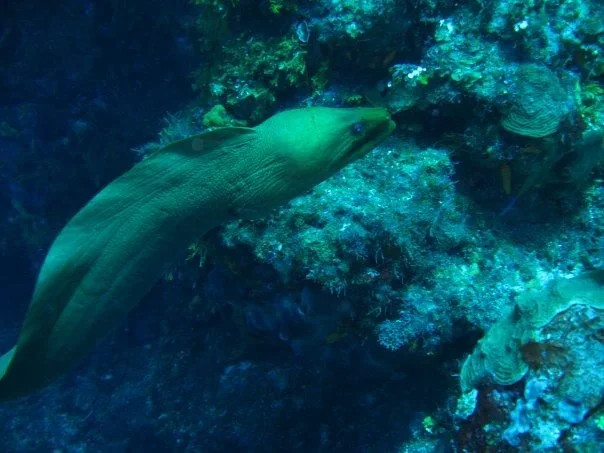
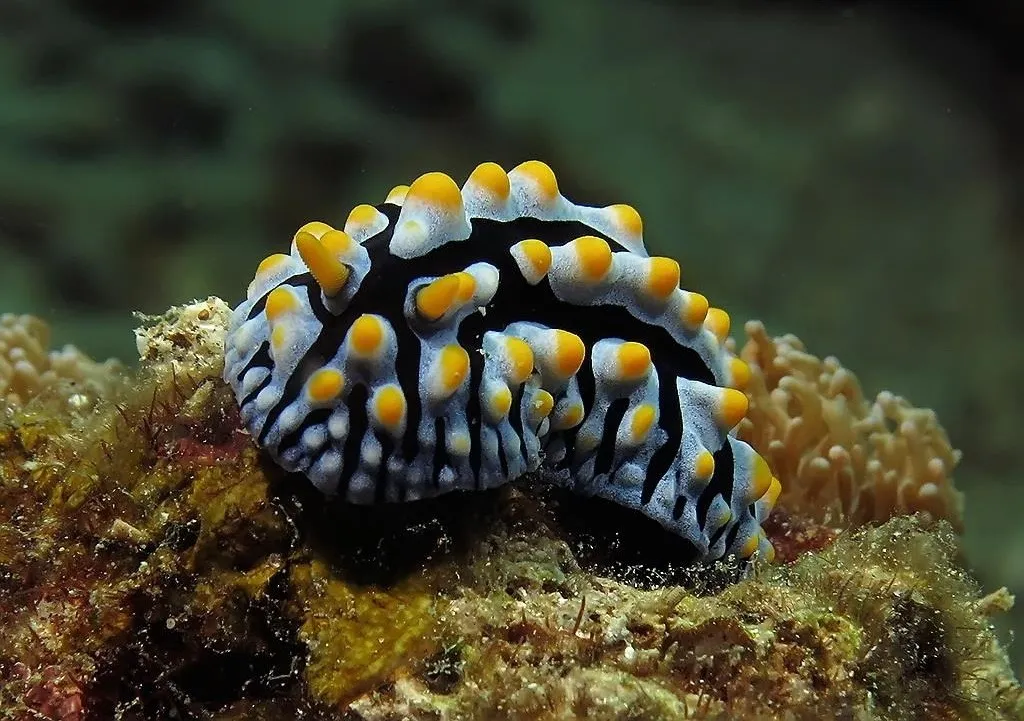
The reef around the anchors bustles with activity, where divers often first spot schools of diverse fish species navigating the canyons. Look closer, and you might encounter elusive moray eels tucked into crevices or vibrant nudibranchs moving slowly across the reef.
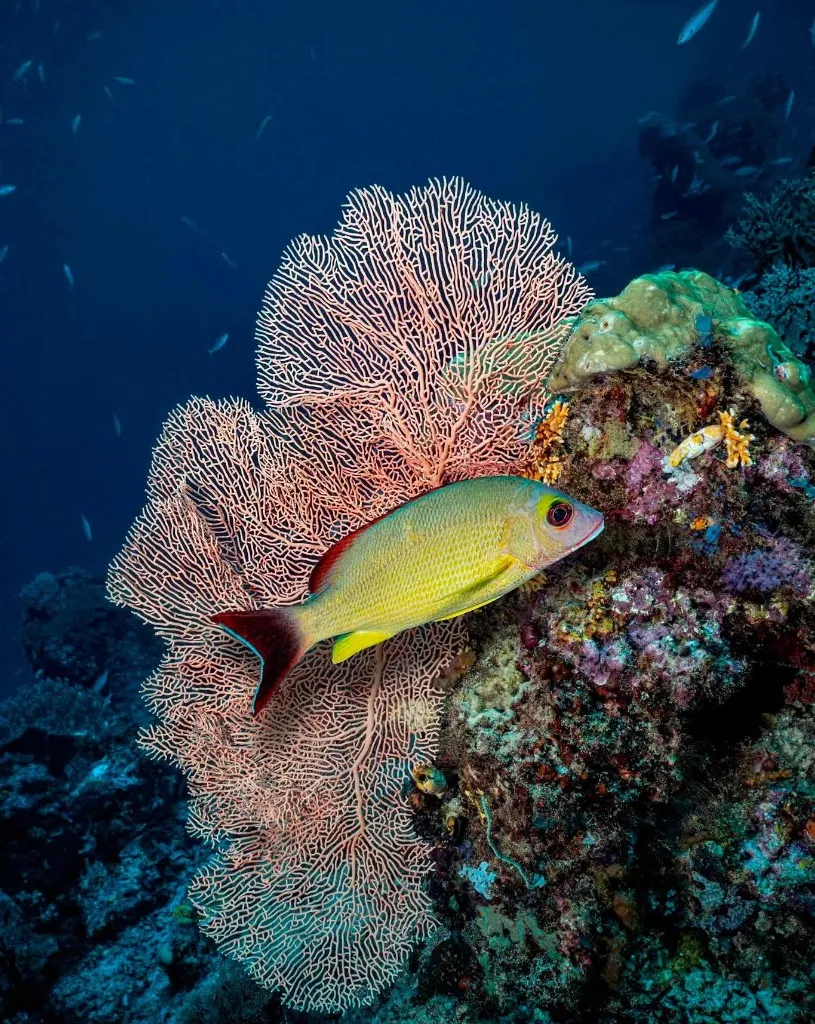
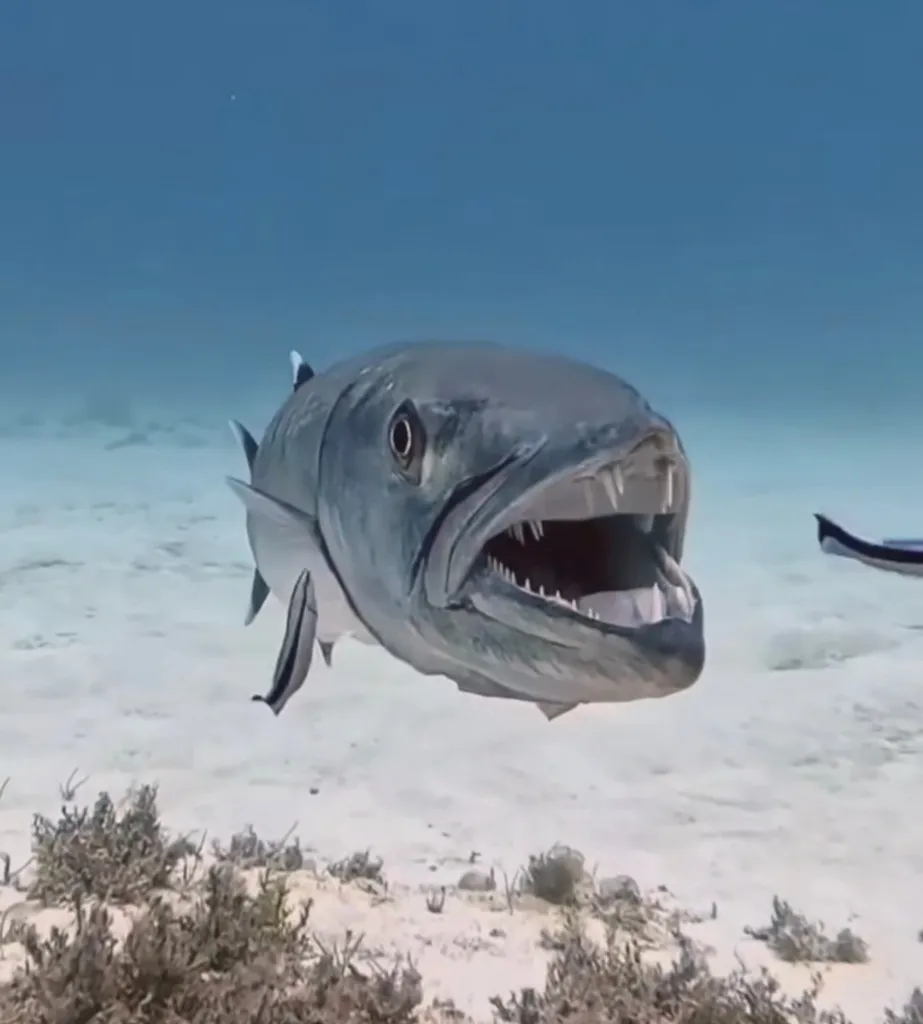
Deeper explorations sometimes reveal large groupers and curious snappers, while sightings of barracuda shoals are not uncommon. Patches of huge sponges add textural interest to the seabed, providing habitat and visual appeal, and on occasion, the elegant Spanish Dancer nudibranch may be seen.

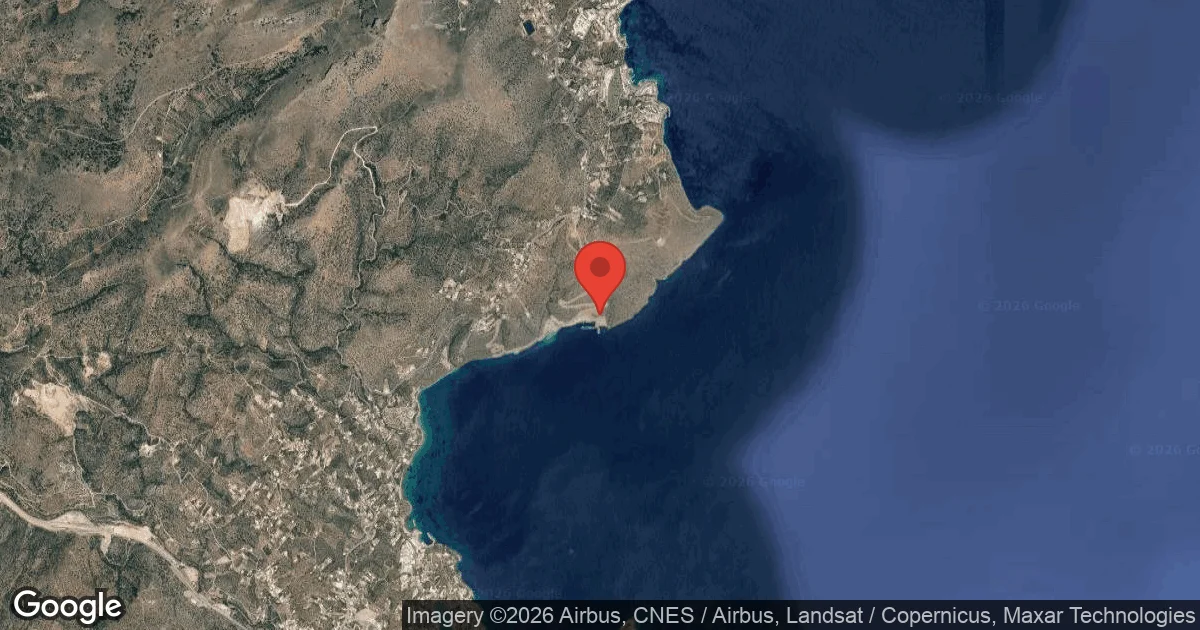
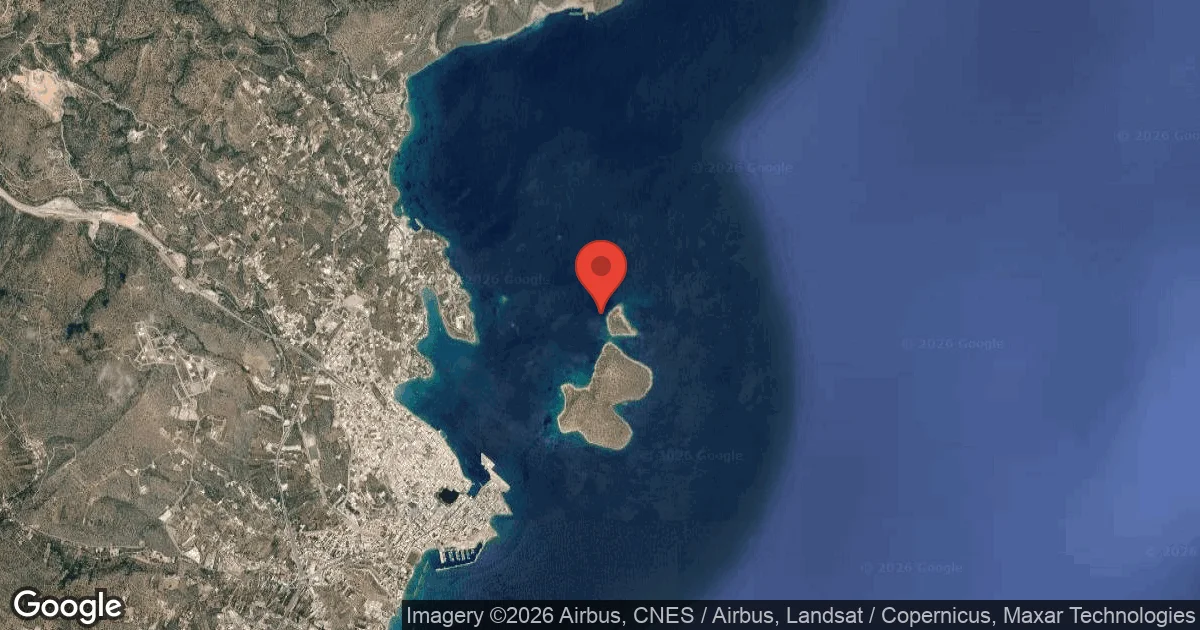
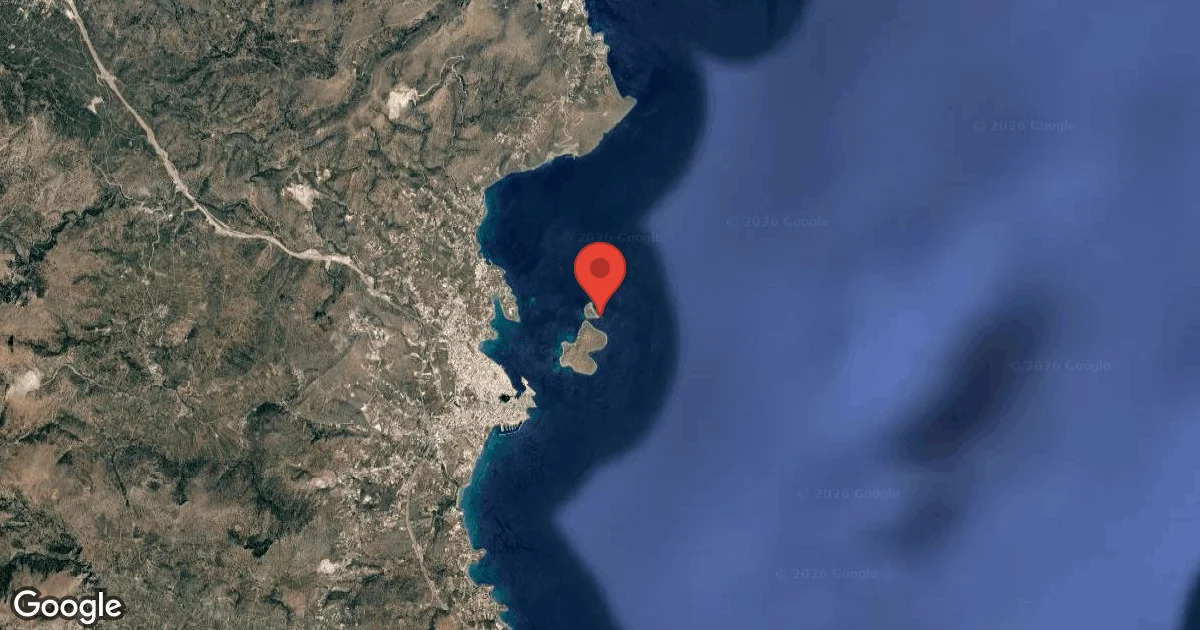
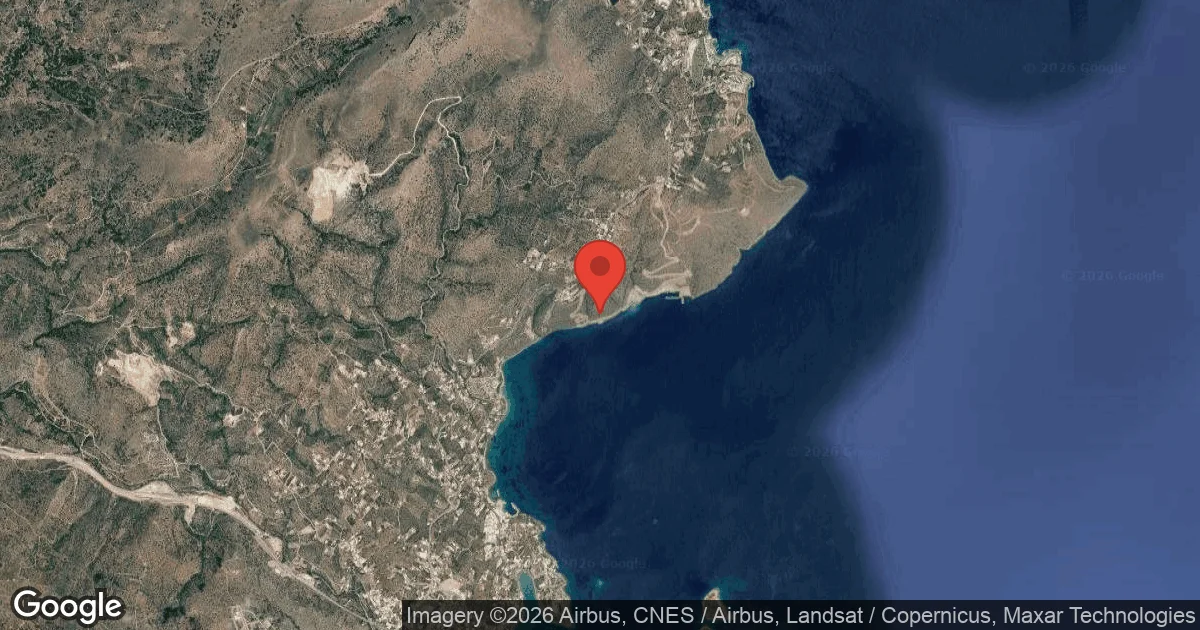
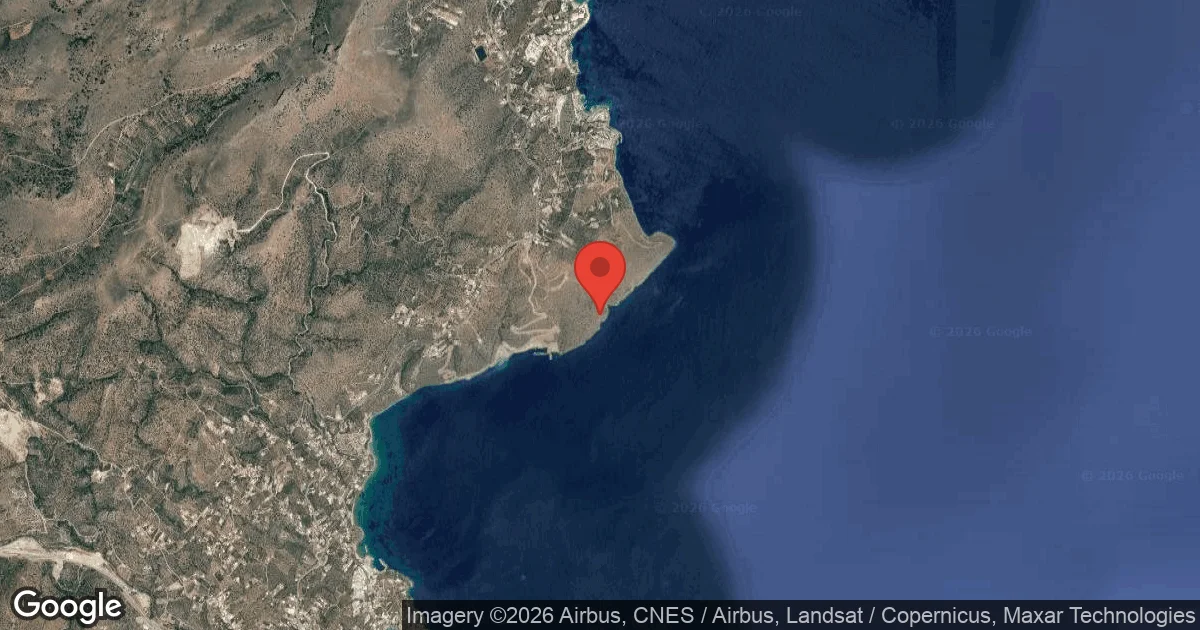
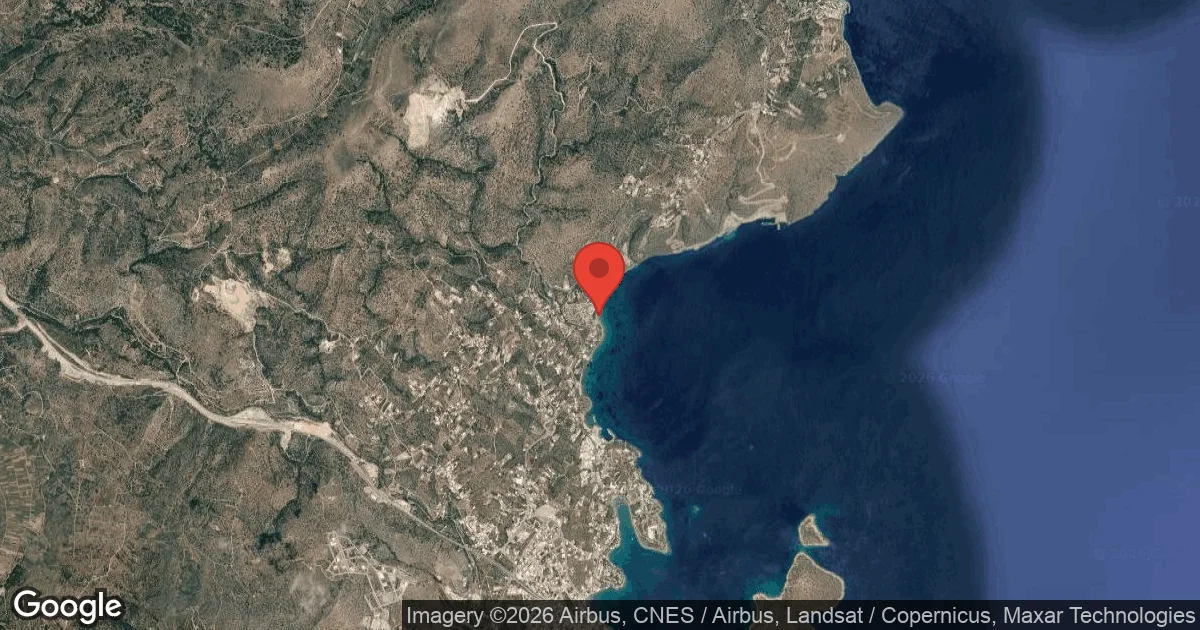
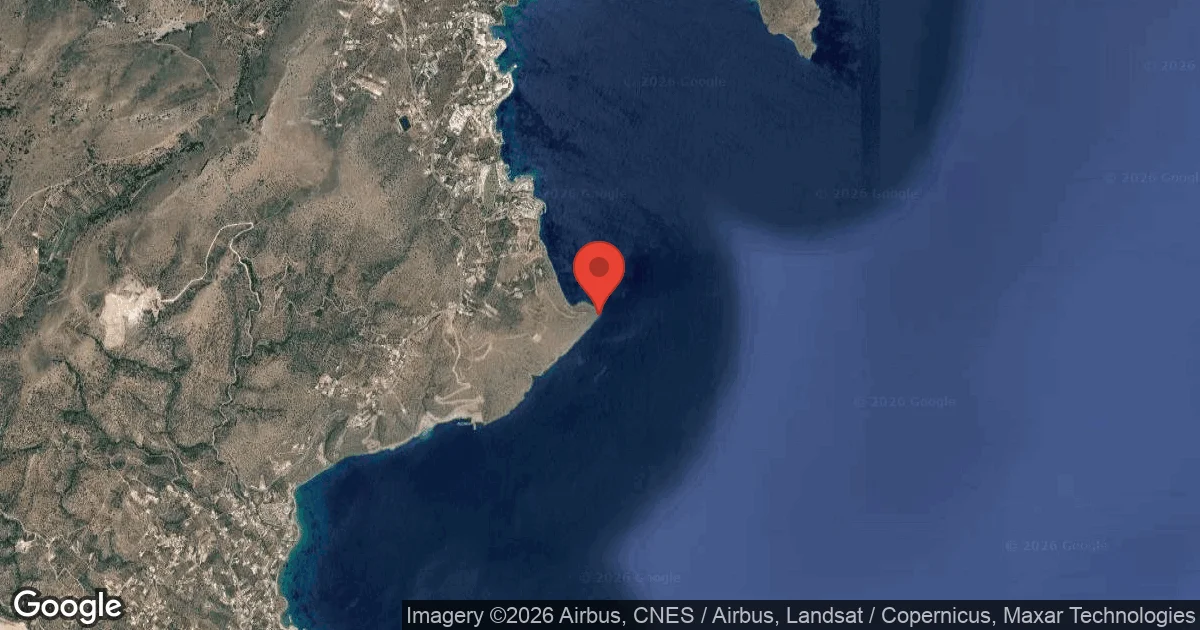
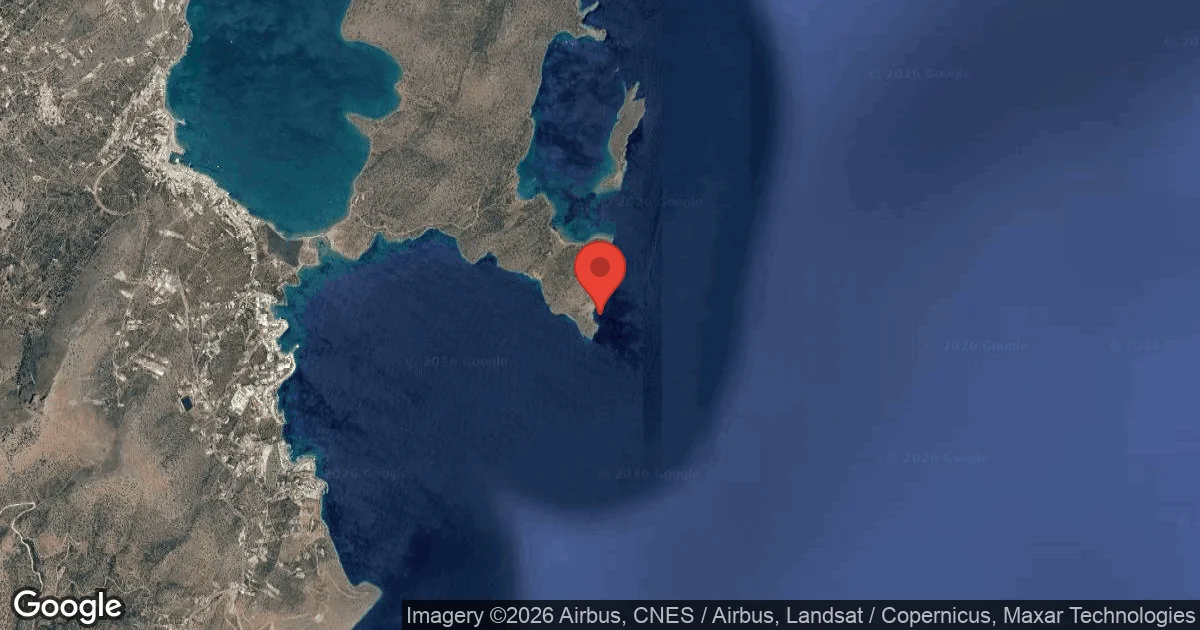
Dive Sites Near The Anchor
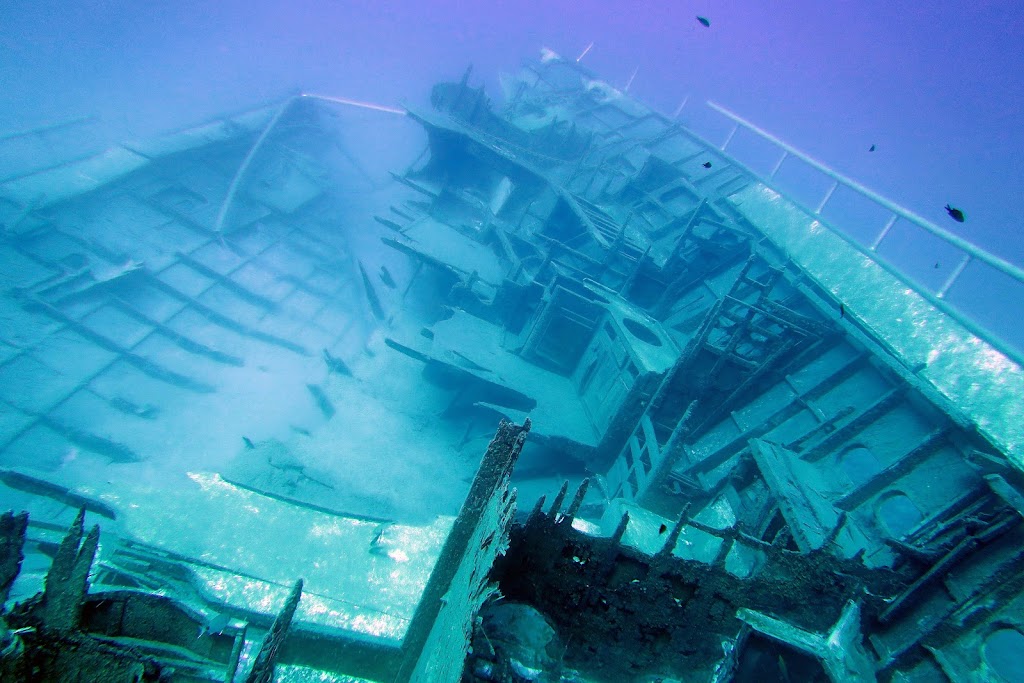
View all dive sites in GreeceDiscover more underwater gems in this area.
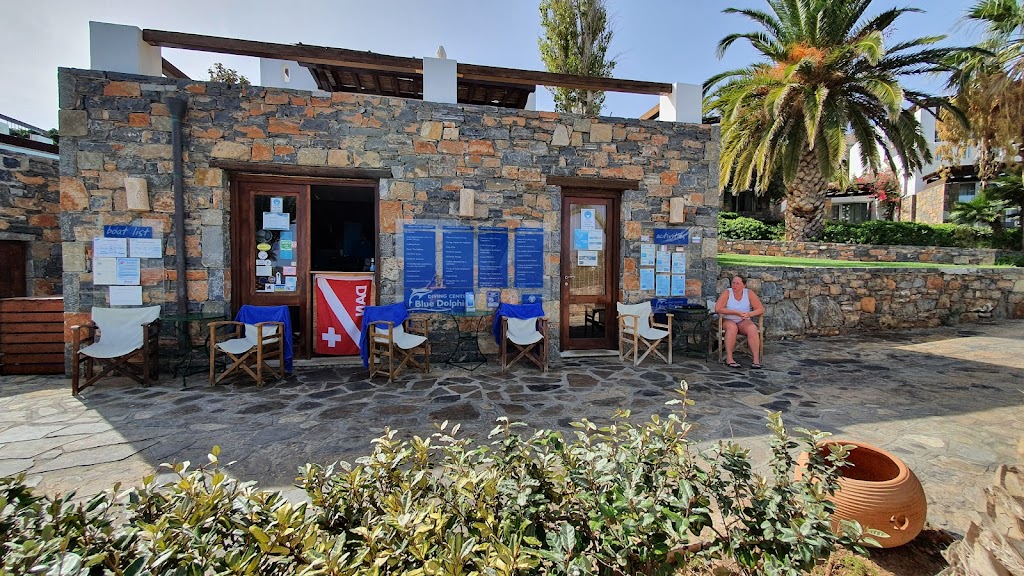
Dive Centers Near The Anchor
Today: 09:00 - 18:00
Nearest Airports
Nearest airports to help plan travel to this dive area.
Search Flights
Check available flights and routes on Expedia, using the nearby airports listed in this section.
Search Flights on ExpediaFrequently Asked Questions
What is "The Anchor" dive site known for?
This dive site is primarily known for its impressive maritime anchors, which range from a large broken modern relic to an ancient, 400-year-old anchor. These historical artifacts are integrated into a vibrant reef system featuring drop-offs and canyons.
What are the typical depths at this dive site?
Depths at The Anchor vary significantly. Divers can explore shallower reef sections around 20 meters, while deeper areas featuring larger ancient anchors and sponges extend to about 33 meters.
What kind of marine life can divers expect to see?
Expect to encounter a variety of fish species, including groupers and snappers, alongside moray eels. Lucky divers might also spot colorful nudibranchs, barracuda shoals, and large sponges adorning the reef.
What is the best time of year to dive "The Anchor"?
The period from May through September generally offers the best diving conditions, with warm air temperatures ranging from 21-30°C / 70-86°F and minimal rainfall. Water temperatures are also warmer, typically 25-27°C / 77-81°F in summer.
Is this site suitable for beginner divers?
Yes, certain shallower parts of the reef, around 20 meters, are suitable for Open Water certified divers. However, exploring the deeper anchor formations and reef sections requires an Advanced Open Water certification.
Are there any historical artifacts apart from the anchors?
Yes, in addition to the prominent anchors, divers exploring the deeper sections of the site may discover fragments of broken amphorae, adding another layer of historical intrigue to the underwater landscape.
What are the typical visibility conditions?
The site generally offers excellent visibility, often reaching up to 30 meters in good conditions. This clarity enhances the appreciation of the reef structures and the historical anchors.
Planning to dive The Anchor?
Send one inquiry and receive offers directly from the best verified local dive operators.
Conditions are Good
07:00 - 14:00
Optimal conditions expected
Current conditions near The Anchor show 20° air, 26° sea temperature, 0.7 m waves, and 27 km/h wind. Forecast data is refreshed regularly to ensure accuracy.