
Diving at Seagull Island (Greece)
Seagull Island presents a dramatic underwater landscape, characterized by colossal stone formations. Divers will explore a submerged world shaped by these impressive structures, some appearing as stacks of pentagonal bars formed from cooled andesitic lava. These impressive geological features create intricate crevices and swim-throughs, defining the site's unique character. An identifiable hole through the island also serves as an interesting natural feature, often used for a safety stop.
Tonight's objective overview for Seagull Island shows an air temperature of 28.5°C. The measured surface conditions include wave heights around 0.8 m. This environmental data is logged for the close of the day.
Dive Site Location & Key Facts
Dive Site Overview
Dropping into the waters around Seagull Island introduces divers to a geological maze of immense rock structures. These formations, ranging from large individual stones to columnar basalt-like shapes, invite close exploration, providing diverse habitats.
A boat entry is standard for this saltwater reef site, positioning you directly into the action along the island's impressive underwater walls. Its unique structure, including pentagonally shaped rock, creates the impression of an undersea temple as you navigate the channels. Maximum depth here is generally around 20 m (65.6 ft), making it accessible for recreational divers and allowing for extended bottom times.
A memorable conclusion to the underwater tour often comes by passing through a distinctive hole within the island itself, serving as a natural safety stop. Each massive stone offers hiding spots for various marine life, encouraging attentive inspection as you navigate the underwater topography.
Visibility at this site can vary, but generally allows for good appreciation of the grand scale of the rock formations and the diverse nooks they create.
Conditions are Good
Optimal conditions expected
Current conditions near Seagull Island show 28° air, 26° sea temperature, 0.8 m waves, and 37 km/h wind. Forecast data is refreshed regularly to ensure accuracy.
Best Time to Dive
For the clearest underwater viewing at Seagull Island, consider diving during the late spring to early autumn period. From May through October, average air temperatures are consistently warm, ranging from 20.5°C (69°F) in May up to 28.5°C (83°F) in July, often coinciding with calmer sea states. During these months, rainfall is minimal, typically between 0.05 mm and 1.6 mm, which reduces terrestrial runoff and helps maintain good underwater visibility. Although the dive score rates "Good" year-round, conditions in the winter months, such as January and February, see air temperatures drop to 14.5°C and 14°C (58.3-57.2°F), with higher average wave heights, which could seasonally affect the underwater clarity.
PEAK SEASON SCORE
Scores combine air & water temps, waves, wind & rainfall for overall conditions.
BEST MONTHS TO DIVE
Monthly records compiled from satellite and marine observation nodes over the last 3 years. Data provided by Open-Meteo and MET Norway.
Dive Experience & Conditions
Navigating Seagull Island's underwater formations requires awareness of potential current dynamics. While conditions are generally manageable, a small current might be encountered on the return journey to the boat, particularly near certain points or around the island's exposed sections. Divers should anticipate these movements and plan accordingly, potentially using the numerous large stone structures for shelter or as reference points during their traverse. Dramatic scenery, shaped by unique pentagonal rock formations resembling an undersea temple, offers a captivating backdrop. Visibility varies depending on seasonal conditions, but typically allows for ample appreciation of the geological features and the scattered sea grass patches. Water temperatures are not consistently reported in system data, but usually follow Mediterranean seasonal patterns, feeling comfortable for diving from late spring into autumn.
Dive Difficulty & Safety Guidelines
Considering the underwater environment at Seagull Island, divers should be mindful of the localized current that may develop, especially on the journey back to the boat. A potential small current requires appropriate buoyancy control and finning techniques to ensure a smooth return. Unique rock formations, including a natural hole through the island, offer an intriguing element to the dive but also necessitate careful navigation.
Entry and exit are exclusively by boat, which simplifies access but underscores the importance of coordinating with your dive operator. As with any dive, a thorough pre-dive briefing is crucial for understanding the day's specific conditions and any suggested routes.
Recommended Equipment
- Dive Computer
- DSMB
This gear list is based on verified equipment signals for Seagull Island, Greece. Always confirm final gear choices with your dive operator, guide, or liveaboard.
Recommended Dive Suit
With water temperatures around 26°C (79°F), many divers find a 2-3mm shorty or light wetsuit provides comfortable protection.
Local conditions can vary slightly across different parts of the same dive site.
Conditions are expected to stay fairly consistent in the days ahead.
Emergency & Medical Support
Essential information to help you plan your dive trip to Seagull island.

Hyperbaric chambers are a critical part of dive safety infrastructure. Availability varies significantly by region, and not all dive areas have immediate access.
Before diving, it's recommended to:
- confirm nearest medical facilities
- check emergency procedures with local dive operators
- ensure dive insurance covers evacuation if required
Divers Alert Network
Diving emergency assistance available through DAN Europe.
+39 0642115685- 24/7 emergency hotline
- Diving medical assistance
- Evacuation coordination
Emergency contacts are provided for reference. Always verify local emergency services before diving.
Closest Listed Hyperbaric Chambers
Showing listed hyperbaric chamber facilities within 200 km of this dive site.
Distances are approximate straight-line distances and may not reflect emergency travel time.
TKYI/NNK
24/7 ListedChania, Greece•Approx. 151 km straight-line
TKYI/NNK
24/7 ListedInformation is provided for reference and planning purposes only. Dive Navigator does not verify operational status, staffing, availability, or quality of care at listed facilities. In an emergency, contact local emergency services, DAN, your dive operator, or the chamber directly. Do not travel to a facility without calling ahead.
Marine Life at Seagull Island
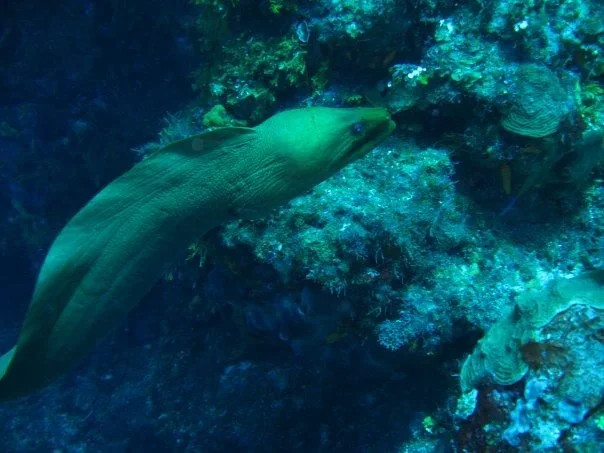
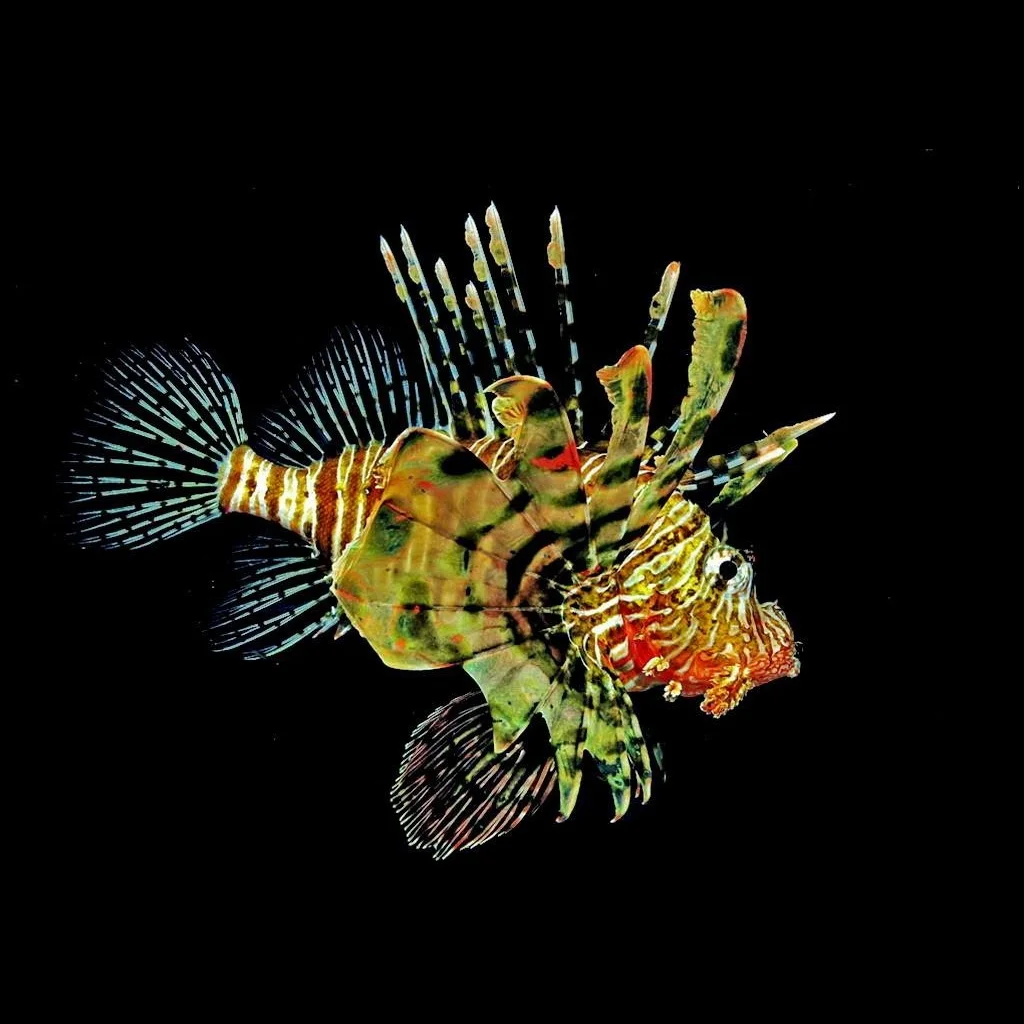
Approaching the many large stones and rock formations at Seagull Island, divers will often first notice the specific inhabitants sheltered within. Lionfish are frequently observed camouflaged amongst the crevices, alongside various moray eels peeking from their rocky lairs.
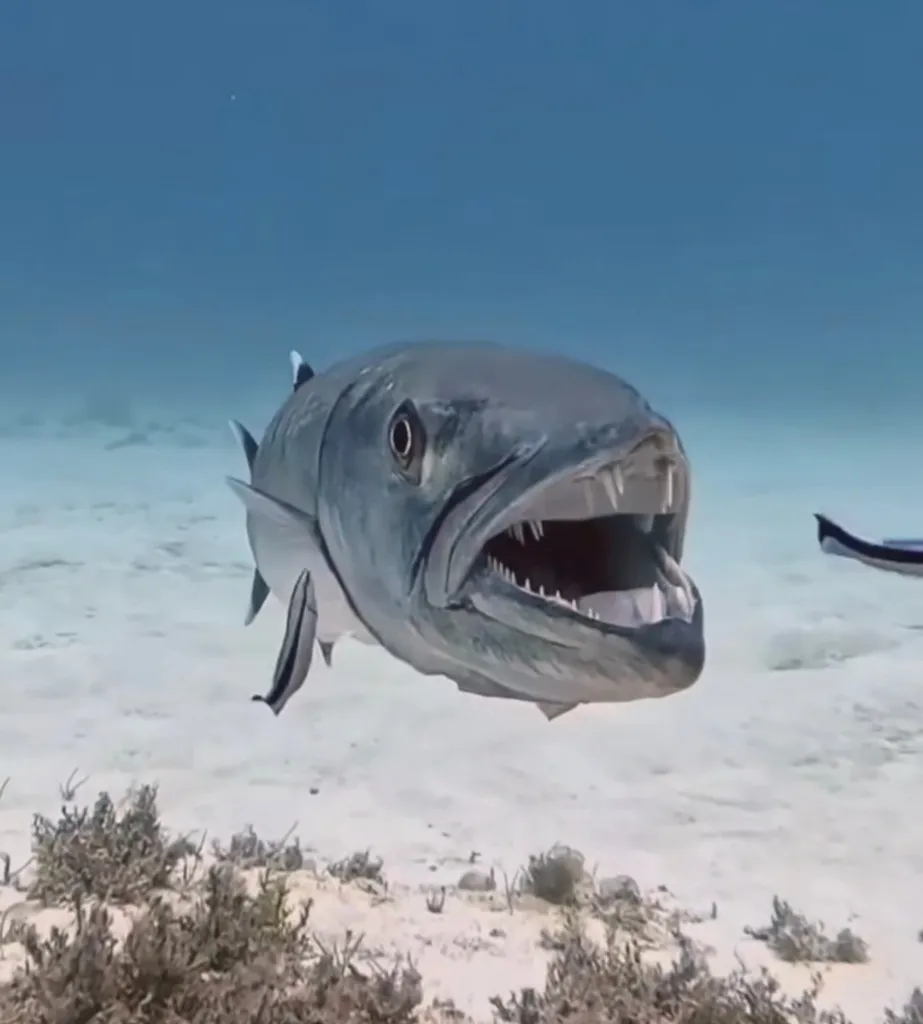
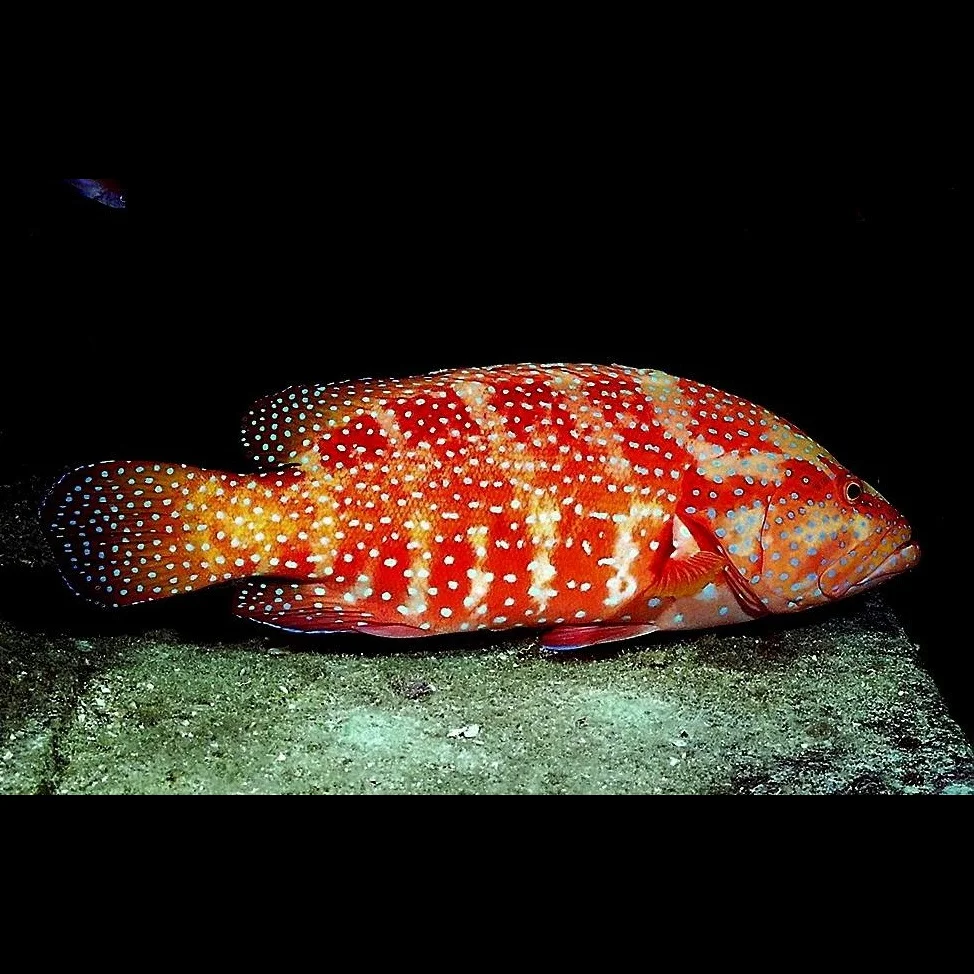
Groupers also utilize these substantial structures for refuge and hunting. Looking out into the blue water away from the immediate reef, schools of barracudas can often be spotted patrolling.
From April to June, the island hosts a significant gull colony, adding an active avian dimension to the dive experience.
Dive Sites Near Seagull Island
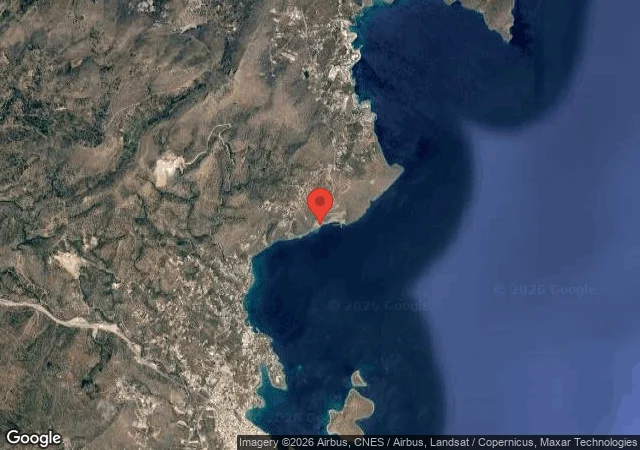
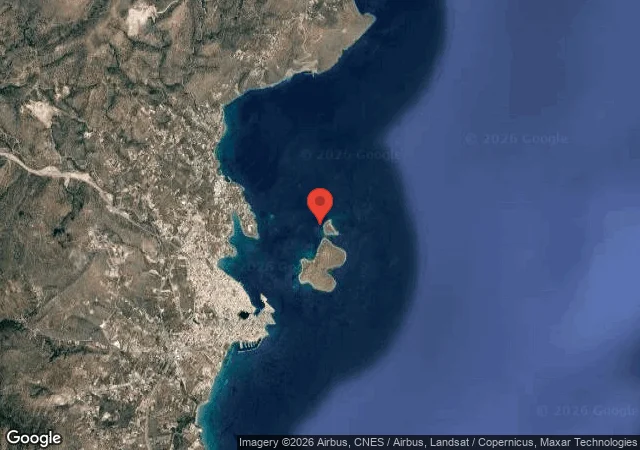
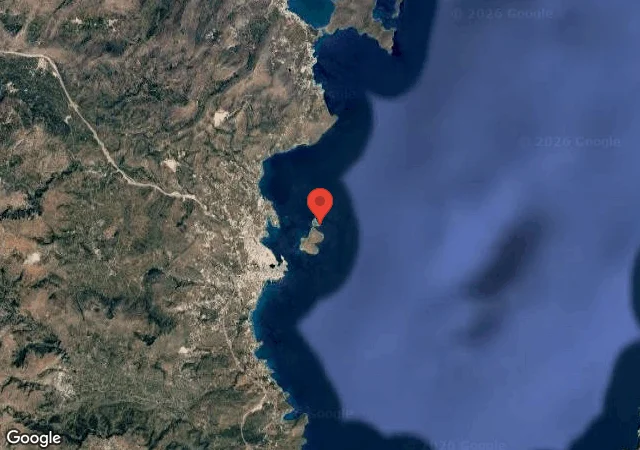
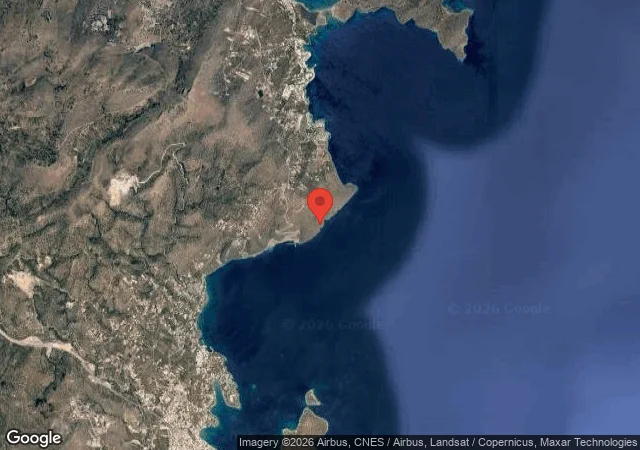
View all dive sites in GreeceDiscover more underwater gems in this area.
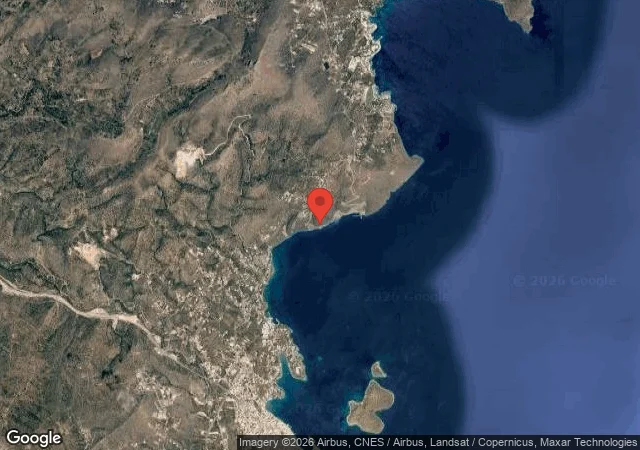
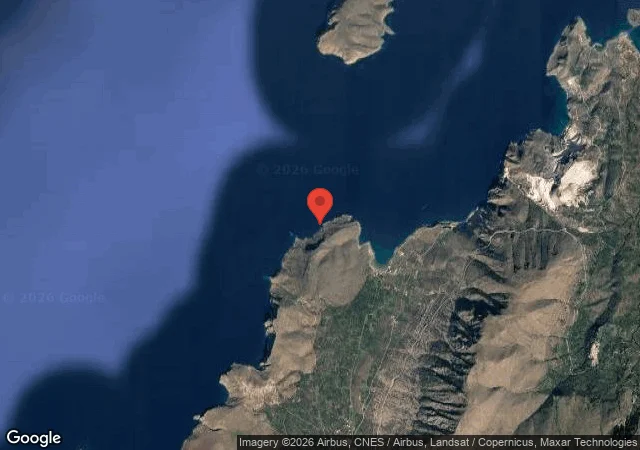
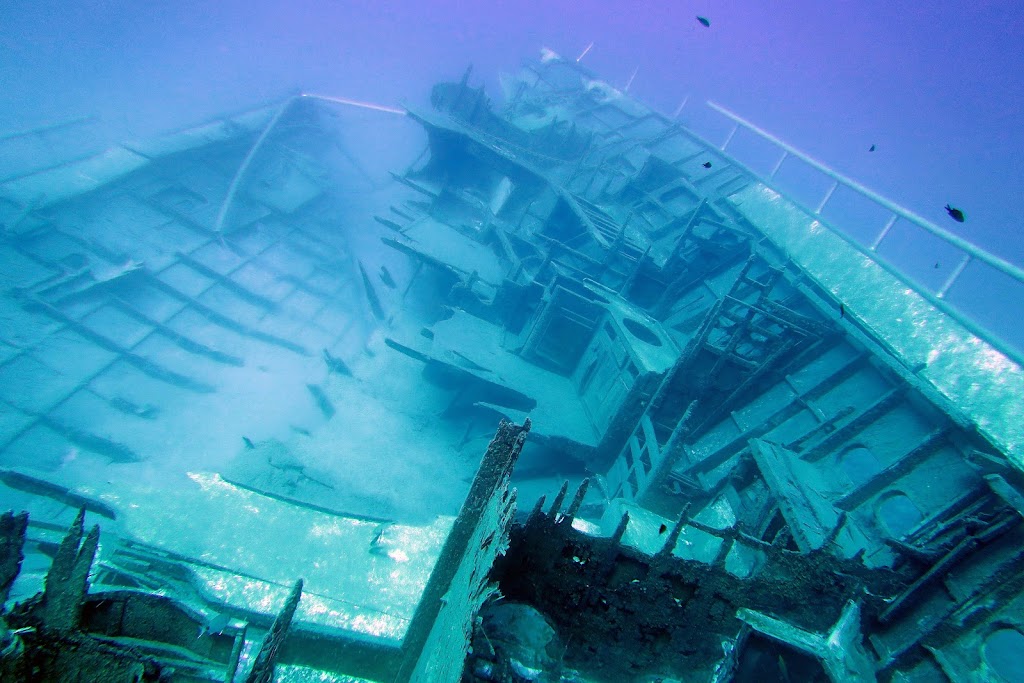
Dive Centers Near Seagull Island
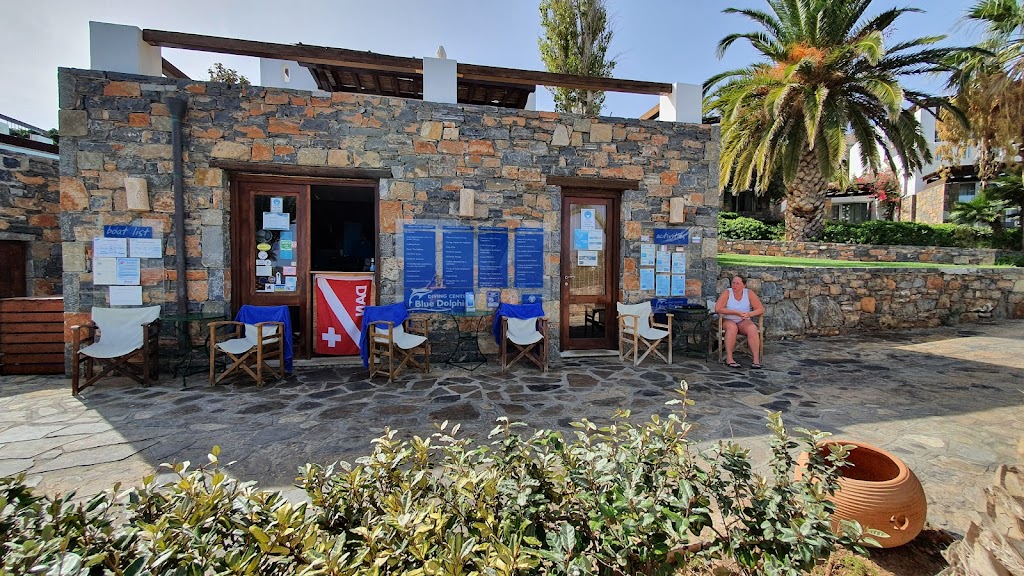
Today: 09:00 - 18:00
Nearest Airports
Nearest airports to help plan travel to this dive area.
Search Flights
Check available flights and routes on Expedia, using the nearby airports listed in this section.
Search Flights on ExpediaFrequently Asked Questions
What types of rock formations can be seen at Seagull Island?
Seagull Island features numerous huge underwater stones. Additionally, divers can observe unique pentagonal rock formations, resembling stacked bars, which are the result of slowly cooled andesitic lava. There's also a distinctive natural hole through the island.
Is Seagull Island suitable for beginner divers?
With a maximum depth of 20 m (65.6 ft) and generally manageable conditions, Seagull Island is often considered suitable for recreational divers. However, the potential for a small current on the return journey means divers should be comfortable with their buoyancy and finning techniques.
How do divers access the site?
Access to Seagull Island for diving is exclusively by boat. Such access ensures divers can reach the optimal entry points around the island's unique underwater structures.
What marine life can be seen?
Divers can expect to encounter lionfish, moray eels, and groupers hiding among the large stones. Schools of barracudas are also frequently sighted in the open water. An active gull colony is home to the island itself during nesting season.
Are there any notable seasonal events at Seagull Island?
Yes, from April to June, Seagull Island becomes home to a nesting gull colony. This period offers a chance to observe the active avian life above the water, which can be an interesting aspect of the dive trip.
What are the typical water conditions?
Seagull Island is a saltwater dive site. While specific water temperature data is not available, it generally follows typical Mediterranean seasonal patterns, being warmer in summer and cooler in winter. Visibility varies but is usually good, allowing for clear views of the rock formations.
Planning to dive Seagull Island?
Send one inquiry and receive offers directly from the best verified local dive operators.
Conditions are Good
Optimal conditions expected
Current conditions near Seagull Island show 28° air, 26° sea temperature, 0.8 m waves, and 37 km/h wind. Forecast data is refreshed regularly to ensure accuracy.