
Diving atPeak (India)
Diving in India offers a genuinely welcoming experience, particularly for those new to the underwater world. Expect a range of dive options that combine accessible conditions with engaging marine encounters. It's a destination where the emphasis is on enjoying the moment and discovering vibrant, approachable sites.
Evening condition tracking at Peak features an air temperature of 28.9°C. We have recorded wave heights measuring 0.32m during this period. These figures outline the environmental parameters currently present.
Dive Site Coordinates
5.5231, 73.4365
Dive Site Characteristics
Key Dive Site Facts
Dive Site Overview
Indian dive sites present a varied underwater topography, ranging from natural coral formations to intriguing artificial reefs. Many locations feature shallow reef systems, typically found between 5 to 15 m (16 to 49 ft), making them highly suitable for introductory dives and open water certifications.
Some areas also reveal historical shipwrecks, such as the debris of a warship near the Princess Royal site, adding an exploratory dimension. The absence of strong underwater currents across many sites ensures a relaxed diving environment.
Notably, artificial reefs constructed from recycled materials, like Puducherry's Temple Reef, have successfully fostered thriving ecosystems, attracting a diverse array of marine life over time. Beyond the reefs, some regions like Lakshadweep are known for transparent lagoons and coves.
The variety means divers can often find gentle slopes, walls, and unique pinnacles, each supporting distinct communities of organisms. Generally, these sites emphasize exploration of rich coral life and smaller reef inhabitants rather than challenging deep-water structures.
Best Time to Dive
Planning a dive trip to India is best approached between October and April, a period often described as the peak diving season across various regions. During these months, sea conditions are generally calmer, leading to more favorable underwater visibility. Visibility commonly ranges from 4 to 8 meters (13 to 26 ft) in some areas, potentially extending up to 12 meters (39 ft) on particularly clear days, especially from December to March. While underwater visibility may not consistently rival some global hotspots, it remains sufficient for enjoyable spotting of marine life. Average air temperatures during this prime diving season are consistently warm, hovering around 27.3-28.8°C (81-84°F), with minimal rainfall, which contributes to more comfortable surface intervals and overall dive trip quality. March and April tend to offer excellent dive scores due to reduced wave heights and consistent conditions.
Climate Historical Averages
Monthly records compiled from satellite and marine observation nodes over the last 3 years. Data provided by Open-Meteo and MET Norway.
Dive Experience & Conditions
The typical depth profile for many Indian dive sites is comparatively shallow, with most dives occurring between 5 to 15 m (16 to 49 ft). This characteristic makes the sites exceptionally accessible for divers of all experience levels, including beginners. Water temperatures are comfortably warm, with Goa's conditions consistently reported at 28°C (82°F). Surface conditions vary, but generally present gentle to moderate wave action, typically under 1 meter (3 ft), outside of monsoon periods. Underwater visibility is a key factor here; it usually falls within the 5 to 10-meter (16 to 33 ft) range, occasionally reaching up to 12 meters (39 ft) during calmer peak months. Currents are generally minimal or absent, especially at shallower sites, contributing to a low-stress diving experience. Even without exceptional visibility, the conditions are conducive to observing localized marine activity.
Dive Difficulty & Safety Guidelines
Safety is a primary consideration when exploring dive sites in India, with local operations emphasizing robust protocols. Reputable dive centers across popular destinations maintain high standards, providing top-notch gear and employing trained staff to guide dives safely. Goa, for instance, is often highlighted as one of India's safest places for scuba diving, reflecting a broader commitment to diver well-being. Emergency support systems are typically in place, ensuring prompt responses if issues arise. Divers should always prioritize choosing trustworthy dive shops, as they adhere to established safety guidelines and provide necessary training. Given the generally calm and shallow nature of many sites, risks are mitigated, especially for new divers. Adhering to instructor briefings and maintaining good buoyancy control are fundamental practices to ensure a secure and enjoyable dive.
Recommended Equipment
No verified equipment items yet.
Verified equipment recommendations for this dive site are being reviewed and may be added as additional source checks are completed.
Recommended Dive Suit
Experienced divers often bring flexible gear options.
The water around Peak is currently holding at approximately 31°C (89°F), setting the tone for today's dives. Surface air temperatures are resting at 29°C (84°F). Divers who spend longer periods underwater often choose dive skin or rash guard.
Current forecasts indicate relatively stable conditions for the coming days.
Conditions last reviewed: 18:00 using the latest environmental data.
Dive Logistics & Preparation
Hyperbaric Chamber
Check local India medical facilities.
Entry Requirements
View India Visa Hub
Currency
INR
Nearest Airports
Nearest airports to help plan travel to this dive area.
Marine Life at Peak
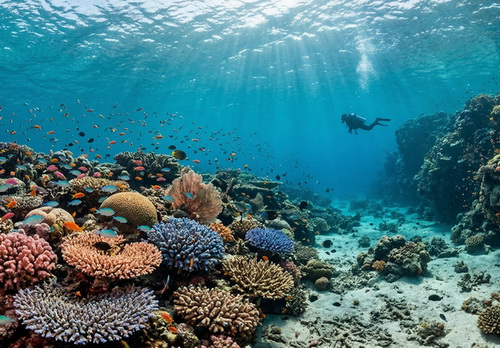
Across India's diverse dive sites, the marine life encountered reflects the blend of natural and artificial reef environments. Divers can expect to observe a variety of colorful reef fish, including angelfish and triggerfish, particularly around coral formations and artificial structures. Lakshadweep Islands are notable for encounters with larger pelagic species such as turtles and manta rays, with occasional sightings of sharks. The vibrant coral reefs, both live and those cultivated on artificial structures, provide shelter for numerous smaller sea dwellers. Some sites are known for their abundant fish populations, creating dynamic underwater scenes. These environments offer good opportunities for macro photography and observing typical Indo-Pacific reef inhabitants.
Dive Sites Near Peak
View all dive sites in IndiaDiscover more underwater gems in this area.

Dive Centers Near Peak
No Dive Centers Local To Peak
Are you a dive center visiting this location? Get listed to reach divers.
Frequently Asked Questions
What is the best time of year for scuba diving in India?
The prime diving season in India generally runs from October to April. During these months, sea conditions are calmer, and underwater visibility tends to be at its best, especially between December and March.
What are the typical water temperatures in India?
Water temperatures are consistently warm, with sites like Goa reporting around 28°C (82°F). This allows for comfortable diving, often requiring only a thin wetsuit or rash guard.
What is the usual underwater visibility like?
Visibility typically ranges from 5 to 10 meters (16 to 33 ft), but can extend up to 12 meters (39 ft) on clear days during the peak season. While not always exceptional, it's generally sufficient for enjoyable exploration.
Are Indian dive sites suitable for beginner divers?
Yes, many dive sites across India are considered beginner-friendly, particularly those in Goa and Puducherry. The shallow depths and lack of strong currents make them ideal for first-time divers and certifications.
What kinds of marine life can I expect to see?
Divers commonly encounter a variety of colorful reef fish like angelfish and triggerfish. Larger species such as turtles, manta rays, and occasional sharks are possible, especially in locations like Lakshadweep.
Are there many dive shops and services available?
Yes, trustworthy dive shops are well-established in popular diving regions like Goa, Havelock, and Puducherry. They offer various packages, training, and prioritize safety protocols.
What types of dive sites are prominent in India?
India offers a mix of natural coral reefs, artificial reefs (like Temple Reef), and several interesting wreck sites. Many are shallow, channel, or drift dives, providing diverse experiences.
Liveaboards Sailing to Peak
Explore highly rated liveaboards visiting this dive site and discover the best routes in India.
Resorts & Accommodation
Find partner hotels and dive resorts directly accessing the reef.
Around This Area
Explore top-rated restaurants, activities, and attractions near Peak reviewed by travelers.
Planning to dive Peak?
Send one inquiry and receive offers directly from the best verified local dive operators.