
Diving at Blue Corner (Indonesia)
Blue Corner presents an unparalleled drift diving experience off Nusa Lembongan, Indonesia. Exhilarating currents propel divers along a dramatic steep slope here. A dynamic underwater environment promises significant encounters, particularly with pelagic species drawn to nutrient-rich waters. Divers seeking thrill and the chance to witness unique marine life find it a compelling destination. Strong currents make this a distinct challenge for experienced divers.
Starting the day at Blue Corner, the ambient air temperature is recorded at 26.5°C. Ongoing monitoring shows wave heights measuring 1.2 m. This data represents the current surface conditions for early activities.
Dive Site Location & Key Facts
Dive Site Overview
Divers consistently describe Blue Corner as an iconic and demanding drift dive near Nusa Lembongan. A formidable site, it requires advanced skills due to exceptionally strong currents.
Diving here typically begins with a boat entry, placing divers into the current, which then guides them along significant underwater topography. A steep slope defines this area, transitioning into a deeper wall, where a notable plateau sits around 20 meters / 66 feet. Much of a dive unfolds at depths closer to 30 meters / 100 feet, with its maximum reach extending to around 40 meters.
Conditions are notoriously variable; exhilarating currents are constant, but visibility can fluctuate dramatically, and water temperatures are often reported as quite cool. This dynamic environment necessitates careful planning and robust diving skills.
Combining strong currents and potential thermal shifts means thorough preparation is essential. Its challenging nature has cemented its status among experienced divers looking for a high-adrenaline underwater journey.
Conditions are Excellent
07:00 - 14:00
Optimal conditions expected
Current conditions near Blue Corner show 26° air, 27° sea temperature, 0.9 m waves, and 19 km/h wind. Forecast data is refreshed regularly to ensure accuracy.
Best Time to Dive
For an optimal Blue Corner experience, divers typically target months when conditions are generally more stable, aiming to maximize encounters. March through November often provides "Good" dive scores (7 out of 10) in system data. Air temperatures consistently hover around 26-28°C / 79-82°F during these months. While rain is always a possibility in a tropical climate, lower average rainfall, approximately 1.0 mm to 5.3 mm, reduces surface runoff and potentially enhances visibility. A dry season, peaking around July and August, aligns with some lowest rainfall averages and moderate wind speeds, which can influence surface conditions. Even in "Good" periods, strong currents and variable water temperatures remain a constant factor. Planning during these drier, warmer air temperature months helps ensure a more comfortable topside experience, although underwater conditions, particularly current and temperature, are known to shift regardless of the season.
PEAK SEASON SCORE
Scores combine air & water temps, waves, wind & rainfall for overall conditions.
BEST MONTHS TO DIVE
Monthly records compiled from satellite and marine observation nodes over the last 3 years. Data provided by Open-Meteo and MET Norway.
Dive Experience & Conditions
A steep underwater slope that gradually descends defines Blue Corner's topography, making it a compelling wall dive. Dives here generally occur around 30 meters, allowing exploration of various ledges and overhangs as currents push divers along. A distinct plateau exists around 20 meters, often serving as a focal point before dropping further into deeper blue. Depths can extend to a maximum of 40 meters for those qualified. Currents at this site are almost always robust, demanding excellent buoyancy control and drift diving proficiency; they can shift quickly, sometimes affecting visibility, which isn't consistently reported as excellent. Divers should also prepare for variable water temperatures, which can be surprisingly cold even in tropical Indonesia, contrasting with warm air temperatures often observed between 26-28°C. Variability is a hallmark of this location.
Dive Difficulty & Safety Guidelines
Diving Blue Corner requires meticulous planning and a high level of expertise. Explicitly recommended for advanced divers with prior experience in strong drift currents, its dynamic nature means conditions, especially currents, can change rapidly.
Divers should anticipate rapid descents or ascents driven by strong flows. Maintaining situational awareness and staying close to a dive guide is crucial.
Unexpected thermoclines and reduced visibility in strong currents necessitate a dive computer and appropriate exposure protection, such as a wetsuit. A reef hook can be beneficial for observation in high current areas; manage its use carefully to avoid reef damage.
Deploying a Surface Marker Buoy (SMB) upon ascent is a standard, vital safety procedure for signaling boat crew.
Recommended Equipment
Deep dive hazard. Increased narcosis and gas consumption risk.
Current and surface separation risk. Local briefing strongly recommended.
- Dive Computer
- DSMB
- Primary & Backup Lights
- Reel / Spool
This gear list is based on verified equipment signals for Blue Corner, Indonesia. Always confirm final gear choices with your dive operator, guide, or liveaboard.
Recommended Dive Suit
Conditions in the coming days are expected to stay within a similar temperature range.
Factors such as dive duration, depth, and activity level can influence how warm a diver feels underwater.
2-3mm shorty or light wetsuit typically balances flexibility and thermal protection in these temperatures. Divers preparing to enter the water at Blue Corner will likely find temperatures around 27°C (80°F) today. Surface air temperatures are resting at 26°C (79°F).
Due to technical issues with our weather providers, live updates are temporarily delayed. The data above reflects the conditions at the time of the last successful fetch.
Emergency & Medical Support
Essential information to help you plan your dive trip to Blue Corner.

Hyperbaric chambers are a critical part of dive safety infrastructure. Availability varies significantly by region, and not all dive areas have immediate access.
Before diving, it's recommended to:
- confirm nearest medical facilities
- check emergency procedures with local dive operators
- ensure dive insurance covers evacuation if required
Divers Alert Network
Diving emergency assistance available through DAN World.
+1-919-684-9111- 24/7 emergency hotline
- Diving medical assistance
- Evacuation coordination
Emergency contacts are provided for reference. Always verify local emergency services before diving.
Marine Life at Blue Corner
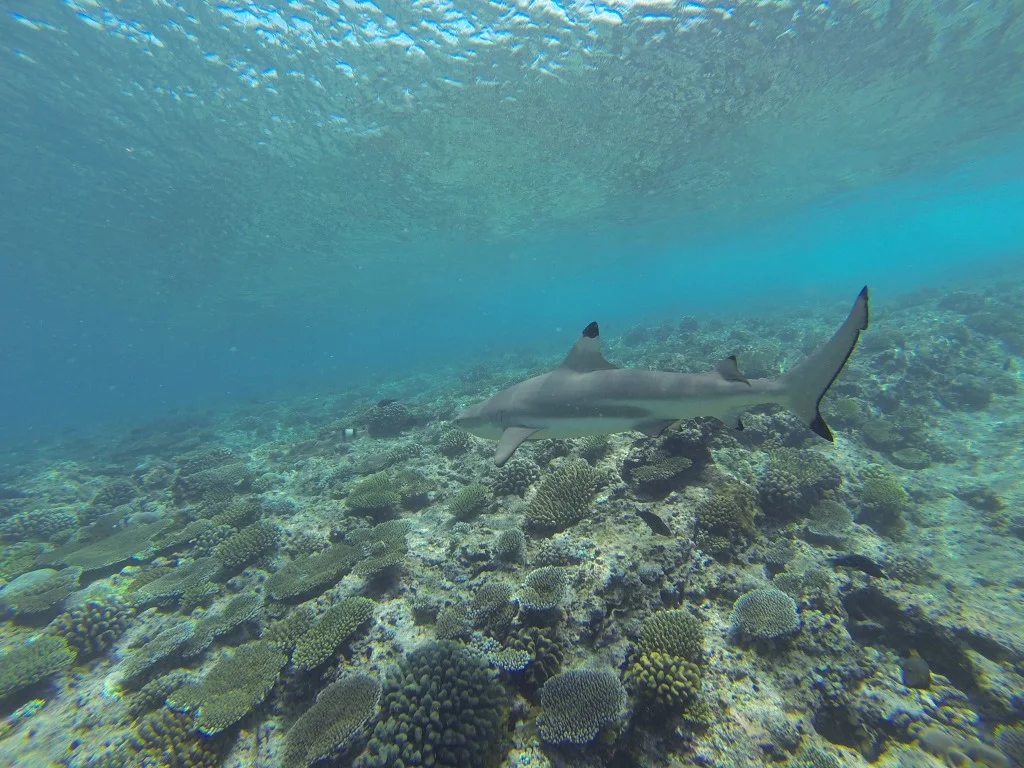
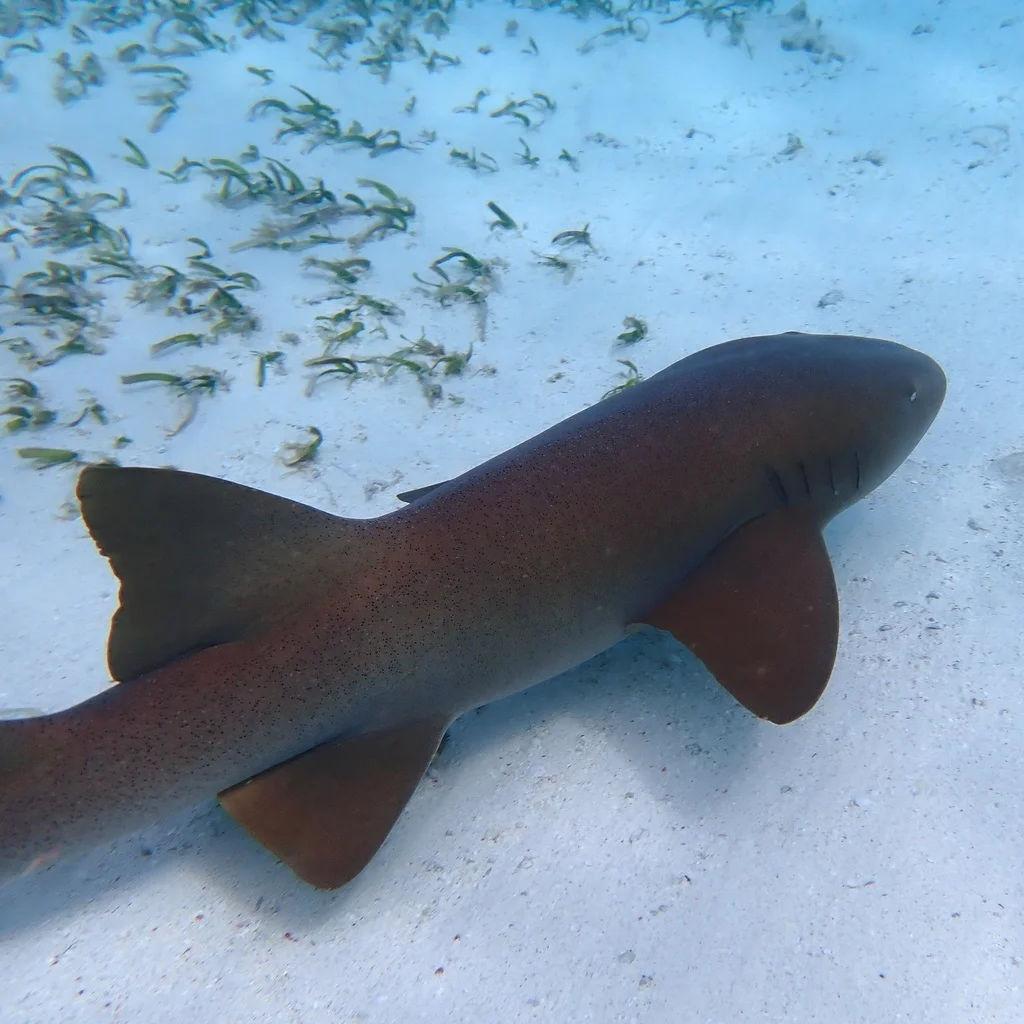
Descending into Blue Corner's currents, divers often immediately notice larger pelagic species drawn to this dynamic environment. Strong flows attract an array of sharks, including White Tips and Nurse sharks.
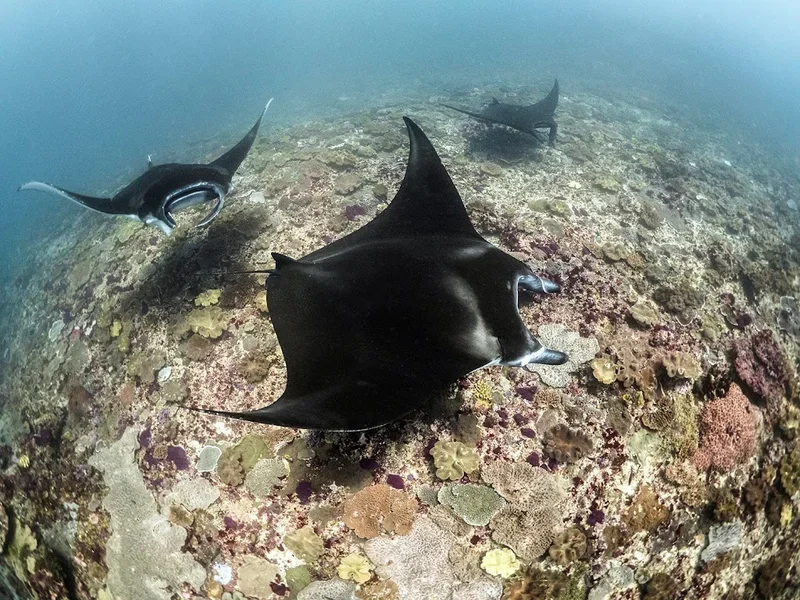
Perhaps most notably, Blue Corner is a prime location for encountering majestic Mola Mola, or Oceanic Sunfish, especially during seasonal appearances. Giant rays, such as Marble rays, are also regular visitors to deeper sections of the wall.
Keep an eye out for Bamboo sharks navigating reef contours. A sheer volume of nutrients carried by current supports a thriving ecosystem that sustains impressive marine creatures.

Dive Sites Near Blue Corner
View all dive sites in IndonesiaDiscover more underwater gems in this area.
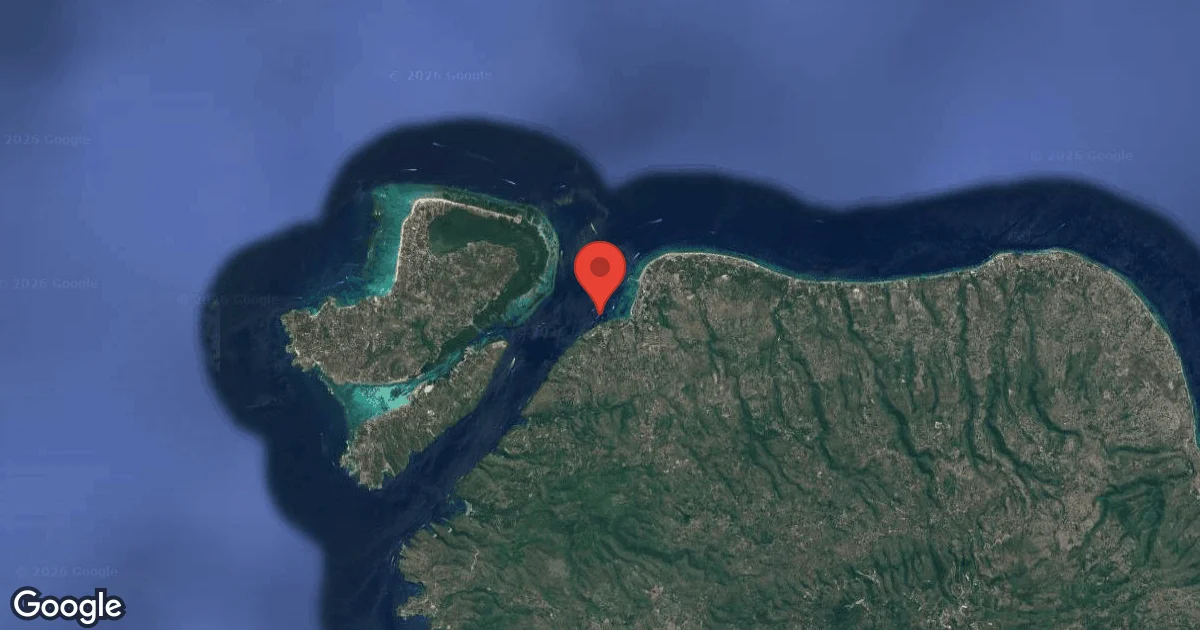
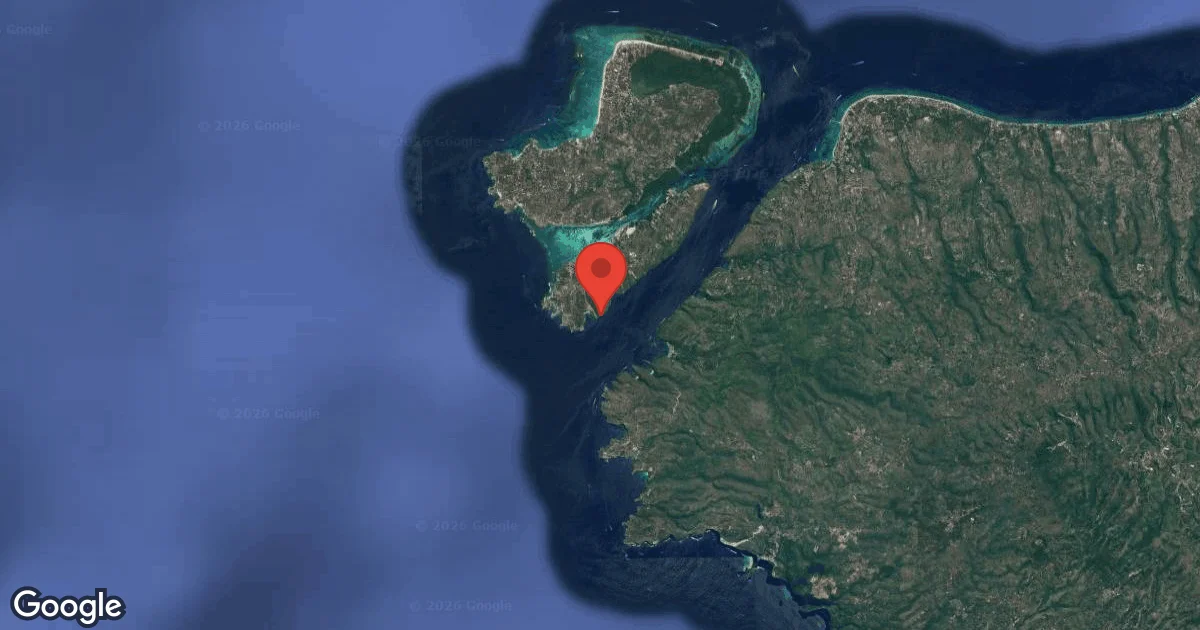
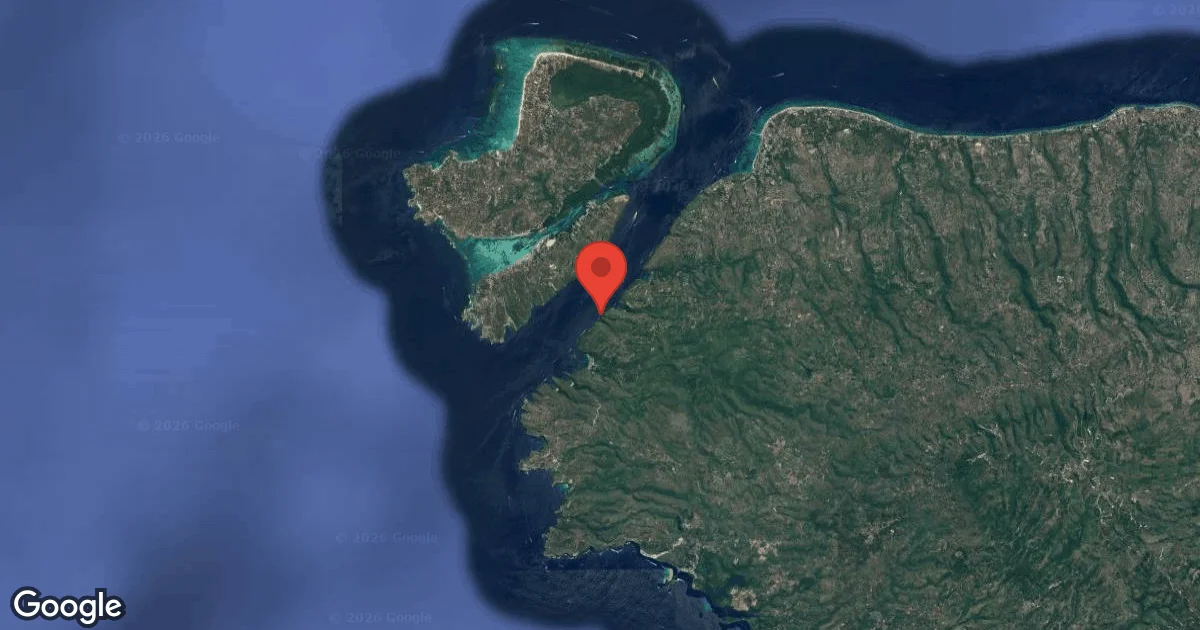
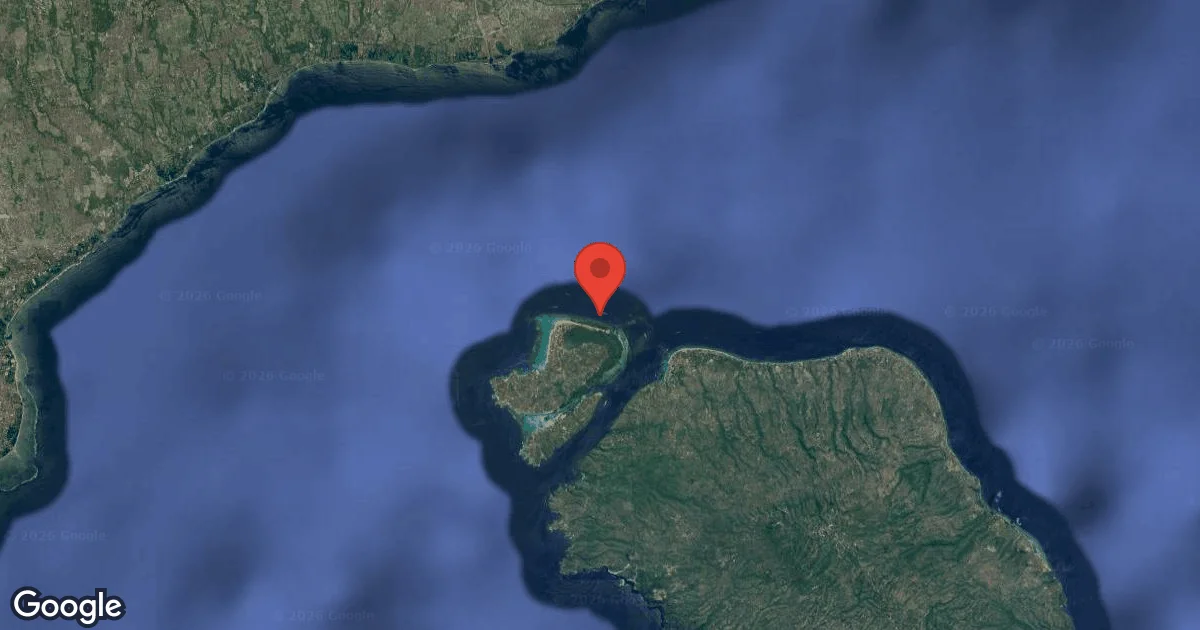
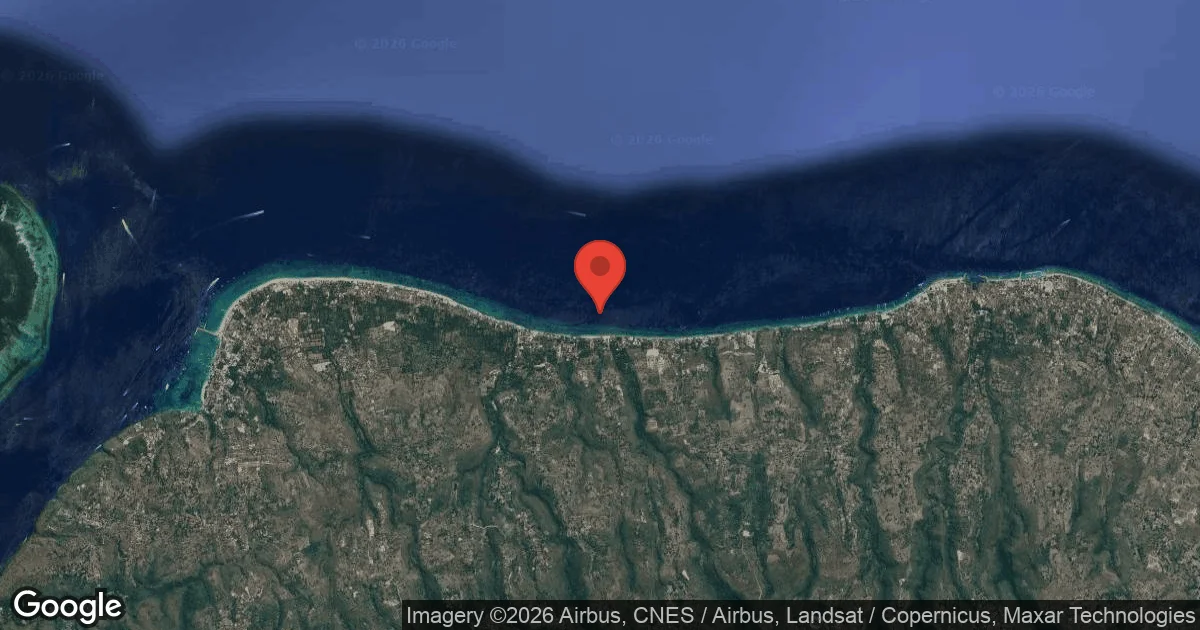
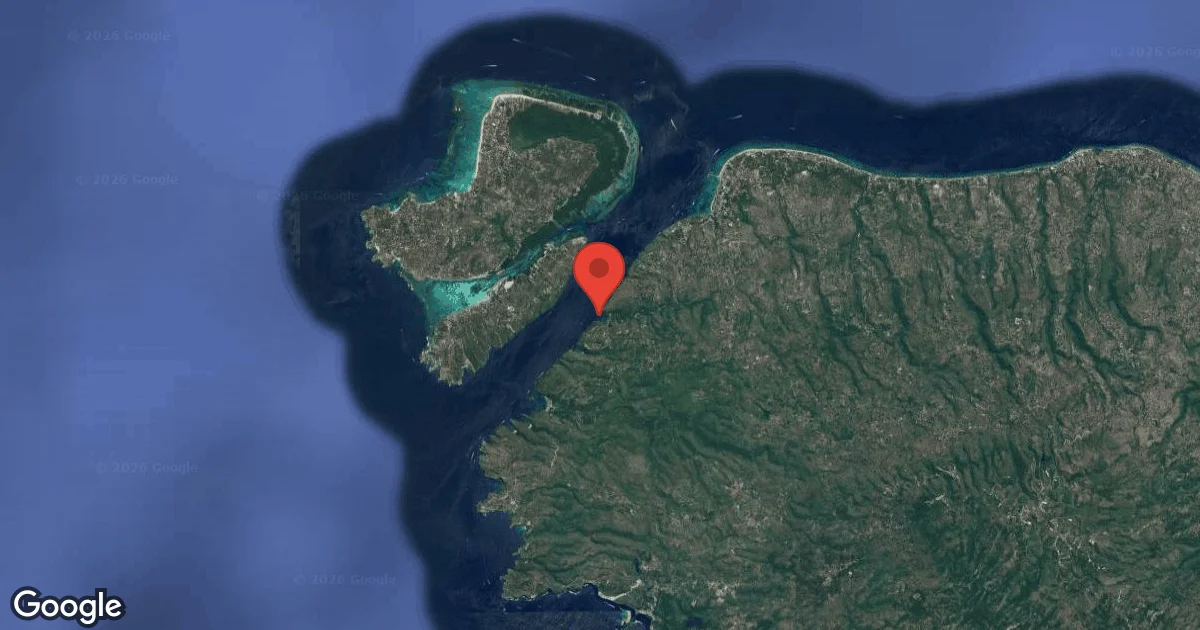
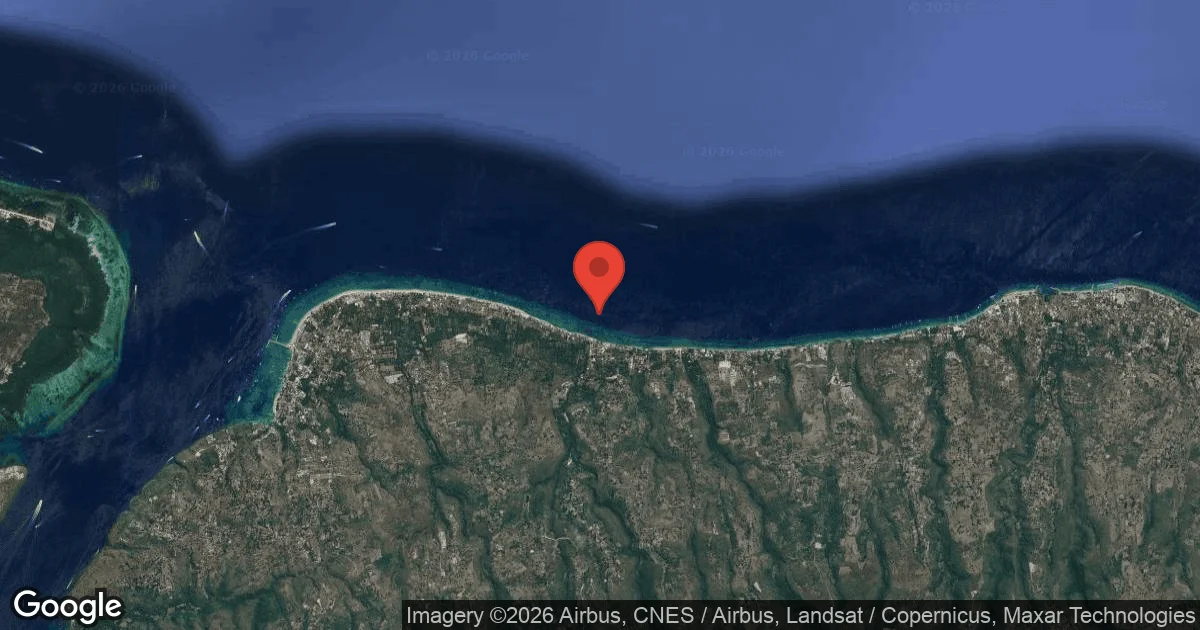
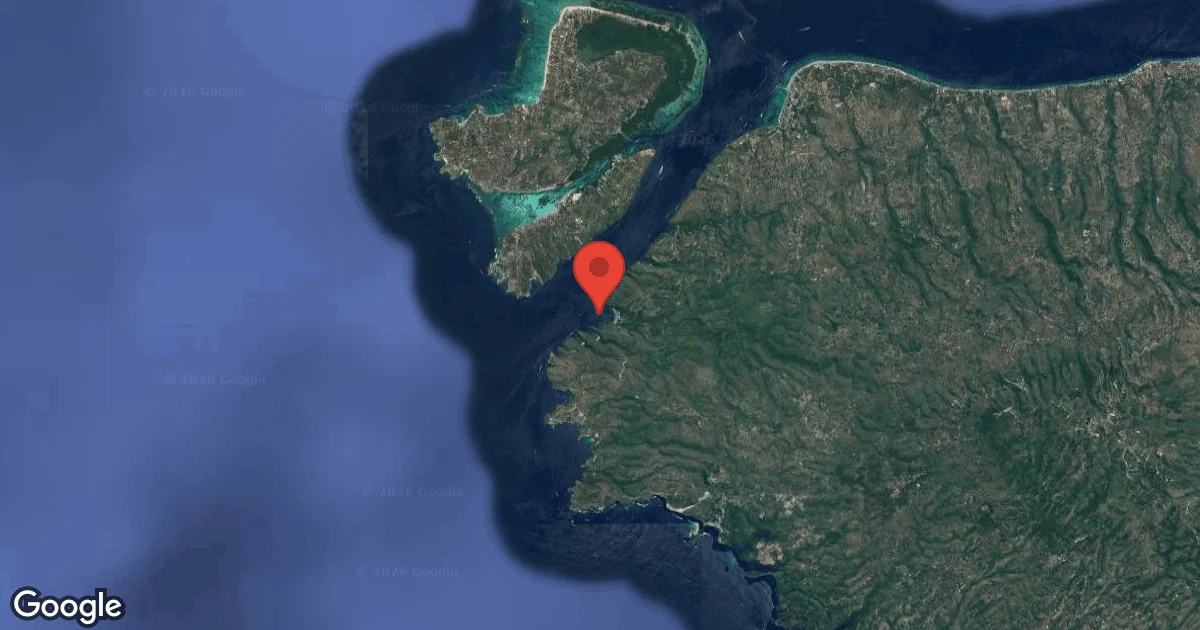
Dive Centers Near Blue Corner
Today: 08:00 - 18:00


Nearest Airports
Nearest airports to help plan travel to this dive area.
Search Flights
Check available flights and routes on Expedia, using the nearby airports listed in this section.
Search Flights on ExpediaFrequently Asked Questions
What is the recommended diver experience level for Blue Corner?
Advanced divers with significant experience in drift diving should attempt this site. Currents here can be exceptionally strong and change quickly, requiring precise buoyancy control and a calm demeanor.
What kind of currents can be expected at Blue Corner?
Blue Corner is characterized by very strong and often unpredictable currents. Dynamic flows provide an exhilarating drift dive, demanding constant awareness and good physical condition from divers.
What's the typical depth range for a dive at Blue Corner?
A plateau exists around 20 meters, though much of a dive occurs closer to 30 meters. For qualified divers, operational depth can extend to approximately 40 meters.
Are Mola Mola sightings common at Blue Corner?
Blue Corner is recognized as a prime location for encountering Mola Mola (Oceanic Sunfish), especially during their seasonal appearances. Their presence often attracts divers to this specific site.
How is the water temperature at Blue Corner?
Water temperatures at Blue Corner are known to be quite variable and can be surprisingly cold, despite the tropical location. Divers should be prepared for potential thermoclines and cooler conditions.
Why is a Surface Marker Buoy (SMB) important when diving Blue Corner?
Given the strong drift currents, deploying a Surface Marker Buoy (SMB) is crucial. It allows the boat crew to easily track and locate divers upon ascent, ensuring a safe recovery after the drift.
Can beginners dive at Blue Corner?
No, Blue Corner is not suitable for beginner divers. Its powerful and unpredictable currents, combined with variable visibility and potentially cold water, necessitate advanced skills and significant drift diving experience.
Is a reef hook necessary for diving Blue Corner?
A reef hook can be beneficial at Blue Corner, particularly for stable positioning when observing marine life in strong currents without having to constantly fin. However, proper technique is essential to avoid damaging the reef.
Planning to dive Blue Corner?
Send one inquiry and receive offers directly from the best verified local dive operators.
Conditions are Excellent
07:00 - 14:00
Optimal conditions expected
Current conditions near Blue Corner show 26° air, 27° sea temperature, 0.9 m waves, and 19 km/h wind. Forecast data is refreshed regularly to ensure accuracy.