
Diving at Mangrove Point (Indonesia)
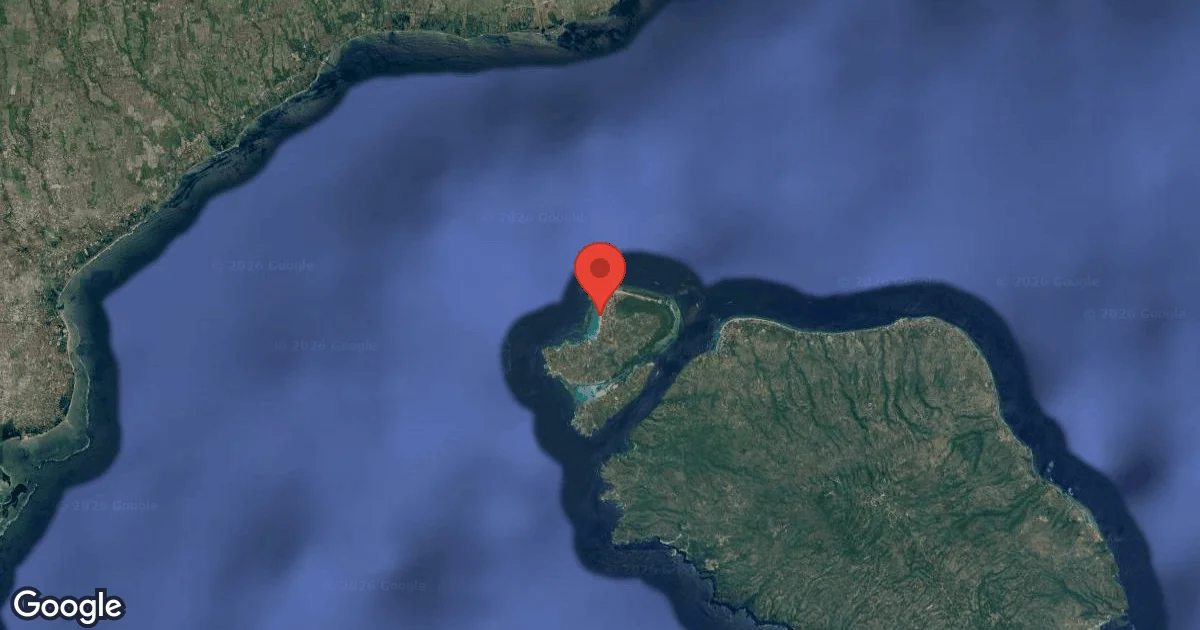
Currents at Mangrove Point, situated off the northern shore of Nusa Lembongan, dictate much of the dive experience. This site is defined by a gentle drift along a descending slope, offering a dynamic interaction with the reef. Depending on tidal conditions and lunar phases, currents can range from mild to moderate, necessitating awareness and good buoyancy control from divers. This natural flow contributes significantly to the site's rich ecosystem.
Evening condition tracking at Mangrove Point features an air temperature of 30°C. We have recorded wave heights measuring 0.9 m during this period. These figures outline the environmental parameters currently present.
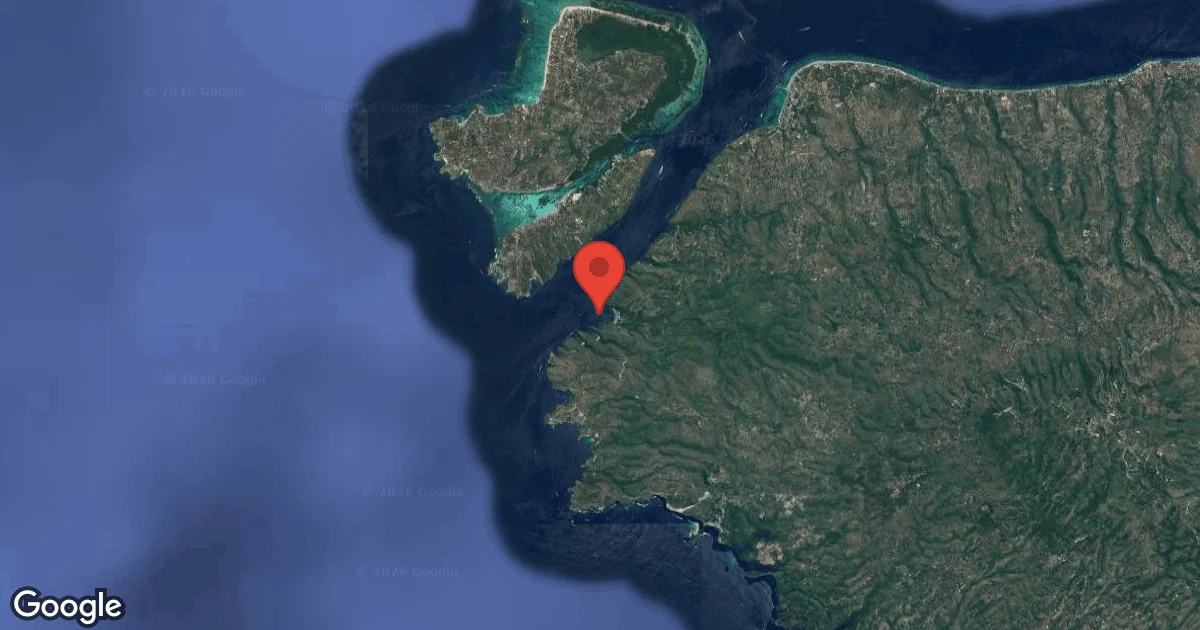
Dive Site Location & Key Facts
Dive Site Overview
Mangrove Point's exceptional health directly stems from its intimate bond with Nusa Lembongan's adjacent mangrove forest. Constant nutrient supply from this ecological connection nurtures one of the more robust coral systems across the Nusa Penida region.
Dive descents often begin over an expansive coral plateau, which gradually transitions into a gentle descending slope. Depths commonly explored range from 10 to 25 m (33 to 82 ft). Covering the entire reef structure are diverse hard and soft coral species, creating a dense, multi-layered underwater landscape teeming with micro-habitats.
Divers typically experience a gentle drift, letting prevailing currents effortlessly guide them along the reef's contour. Such a natural progression allows unhurried observation of schooling reef fish, various invertebrates, and even occasional pelagic visitors sheltering amongst vibrant coral gardens.
Expect constant interaction with a dynamic reef where activity unfolds continually. Steady water flow keeps corals well-fed, contributing significantly to impressive growth and density.
Further descending reveals large gorgonian fans and barrel sponges, adding structural complexity and hosting diverse smaller creatures throughout this rich environment.
Conditions are Good
07:00 - 14:00
Optimal conditions expected
Current conditions near Mangrove Point show 30° air, 27° sea temperature, 1.0 m waves, and 23 km/h wind. Forecast data is refreshed regularly to ensure accuracy.
Best Time to Dive
Planning your dive for Mangrove Point typically yields the most favorable conditions from March through December, when the overall dive score is consistently good. During these months, average air temperatures range comfortably from 26.5°C to 28°C (80-82°F), complementing the warm tropical waters that usually hover between 26-29°C (79-84°F). Rainfall is notably lower from May to October, leading to drier surface conditions and generally calmer seas, although wave heights remain moderate, averaging between 1.1 to 1.4 m (3.6 to 4.6 ft). The months of January and February see slightly higher rainfall and a moderate dive score, though still viable for experienced divers prepared for slightly more active conditions.
PEAK SEASON SCORE
Scores combine air & water temps, waves, wind & rainfall for overall conditions.
BEST MONTHS TO DIVE
Monthly records compiled from satellite and marine observation nodes over the last 3 years. Data provided by Open-Meteo and MET Norway.
Dive Experience & Conditions
Submerging at Mangrove Point immediately immerses you in a world of constant activity, with a gentle descending slope serving as the primary underwater topography. Divers typically experience a drift dive, moving effortlessly along a thriving reef densely populated with various coral species. In shallower depths, the vibrant colors of the Formosa staghorn coral are particularly striking. A moderate to mild current usually guides the dive, making it feel less like swimming and more like observing a natural procession. The water temperature is generally warm, contributing to a comfortable and extended exploration of the bustling reef. Maintaining neutral buoyancy allows you to fully appreciate the extraordinary underwater show unfolding on the decorated seabed.
Dive Difficulty & Safety Guidelines
Divers approaching Mangrove Point should be mindful of the currents, which can vary from moderate to mild depending on tidal phases and the proximity of the full moon. It's an expert tip to always maintain neutral buoyancy and position yourself to face the reef floor when currents are present, allowing for controlled observation of the marine life. The site is suitable for divers of all certification levels, with novice divers finding comfortable practice in shallower reef sections where marine life is still abundant.
While generally considered calm, awareness of your position relative to the boat and other divers is always prudent during a drift dive. There are no consistently reported specific hazards beyond managing currents.
Recommended Equipment
Deep dive hazard. Increased narcosis and gas consumption risk.
Current and surface separation risk. Local briefing strongly recommended.
- Dive Computer
- DSMB
- Primary & Backup Lights
- Reel / Spool
This gear list is based on verified equipment signals for Mangrove Point, Indonesia. Always confirm final gear choices with your dive operator, guide, or liveaboard.
Recommended Dive Suit
Forecasts suggest a slight cooling pattern in the days ahead. Cooler days are ahead; you might want a warmer option for later in the week. Divers planning multiple dives may appreciate having a warmer option available.
Even in warm destinations, extended dives can gradually draw heat away from the body.
Exposure protection such as 2-3mm shorty or light wetsuit is commonly used when diving in waters of this temperature. A hood or vest is suggested for sensitive divers due to surface winds. The latest environmental readings for Mangrove Point suggest water temperatures around 27°C (81°F). Surface air temperatures are resting at 30°C (86°F).
Emergency & Medical Support
Essential information to help you plan your dive trip to Mangrove point.

Hyperbaric chambers are a critical part of dive safety infrastructure. Availability varies significantly by region, and not all dive areas have immediate access.
Before diving, it's recommended to:
- confirm nearest medical facilities
- check emergency procedures with local dive operators
- ensure dive insurance covers evacuation if required
Divers Alert Network
Diving emergency assistance available through DAN World.
+1-919-684-9111- 24/7 emergency hotline
- Diving medical assistance
- Evacuation coordination
Emergency contacts are provided for reference. Always verify local emergency services before diving.
Marine Life at Mangrove Point
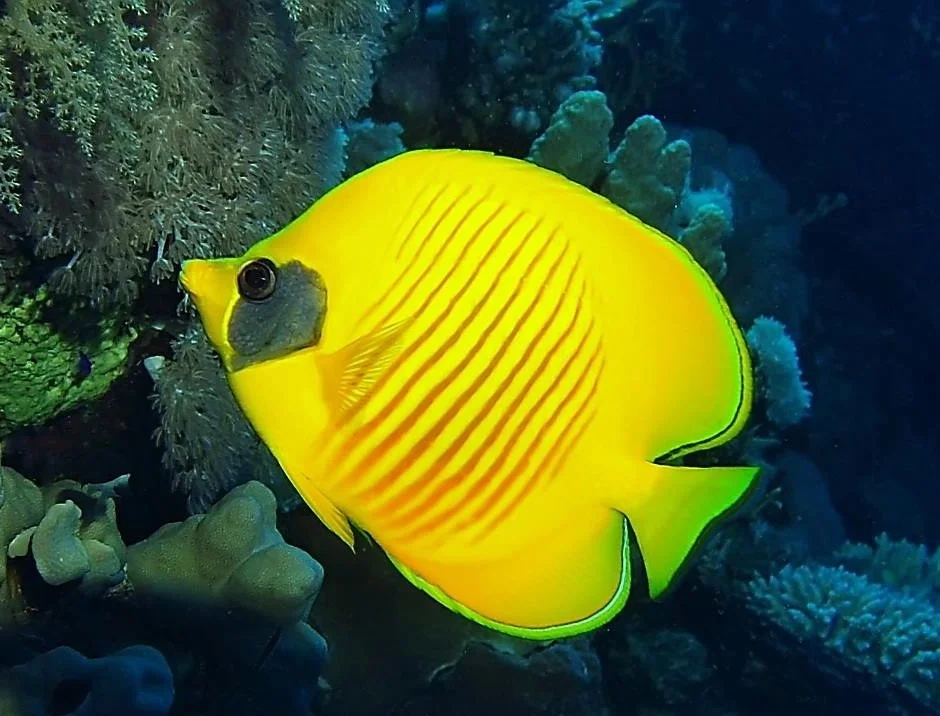
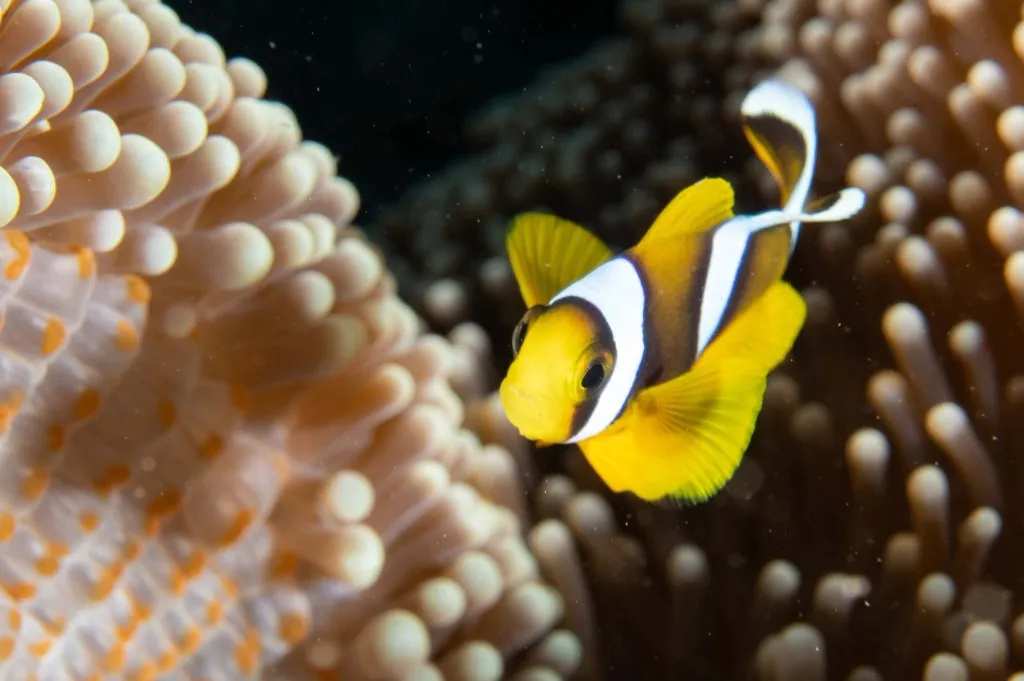
The vibrant ecosystem at Mangrove Point supports an amazing diversity of marine life, making every dive a discovery. Expect to encounter numerous reef fish, including colorful clownfish, butterflyfish, and Moorish idols.
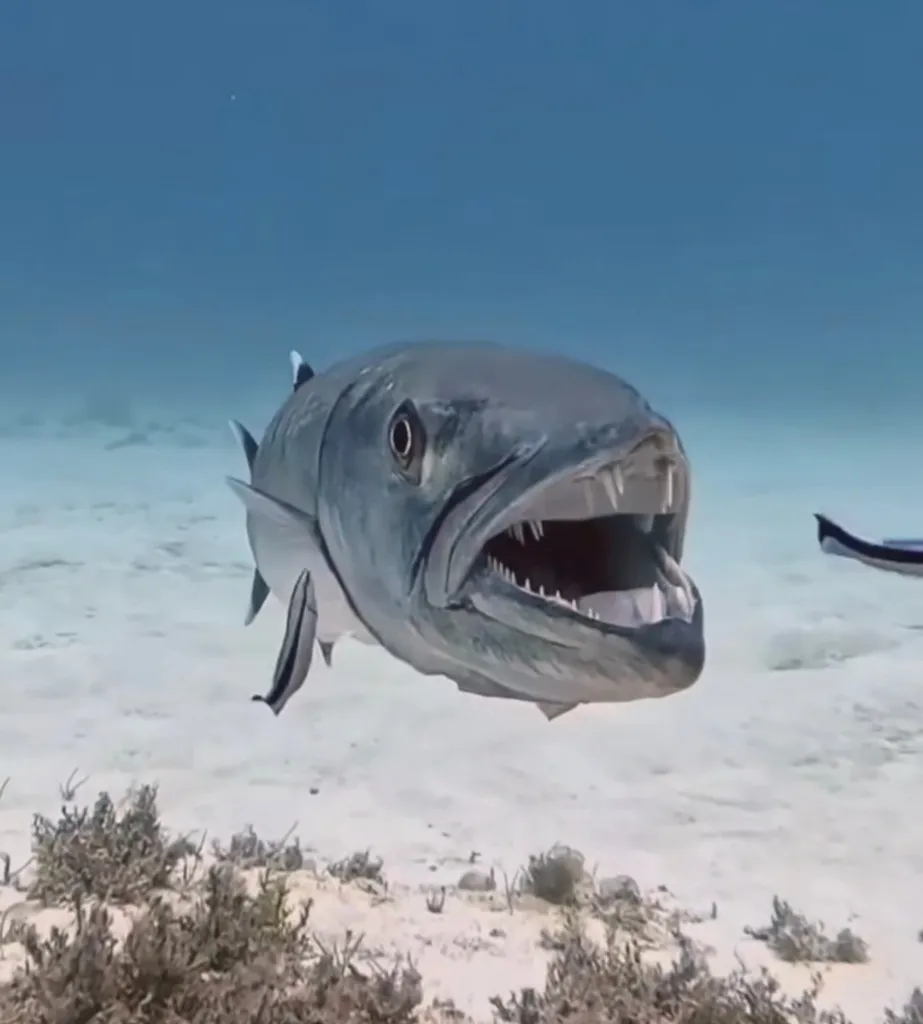
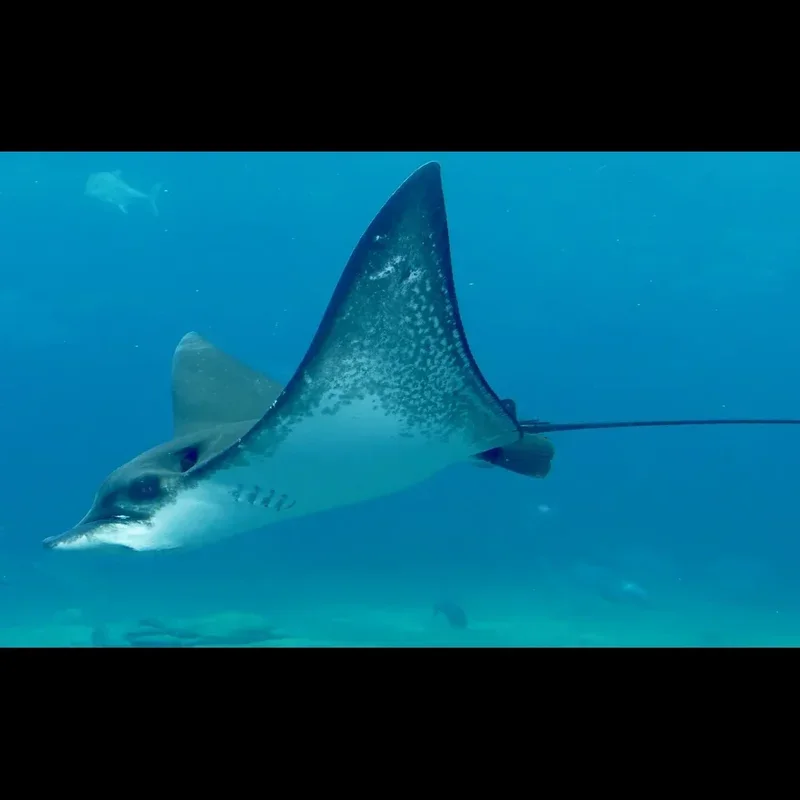
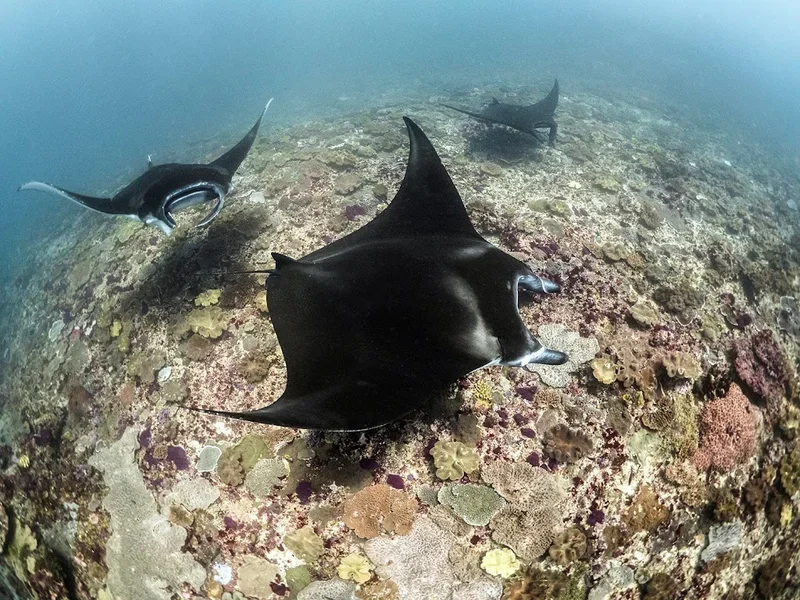
Larger pelagic species such as rainbow runners, great barracuda, and dogtooth tuna are also commonly sighted. Keep an eye out for resident turtles and eagle rays gliding by.
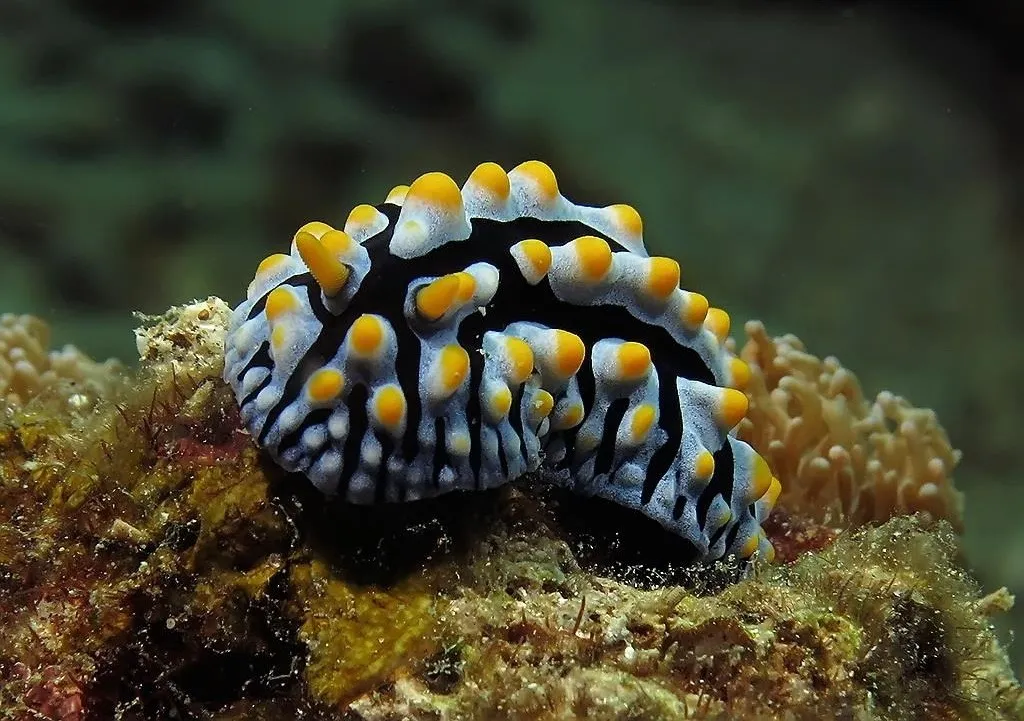
The site also shelters fascinating creatures like pink hairy squat lobsters, peacock mantis shrimp, and various nudibranchs, providing plenty for macro enthusiasts.
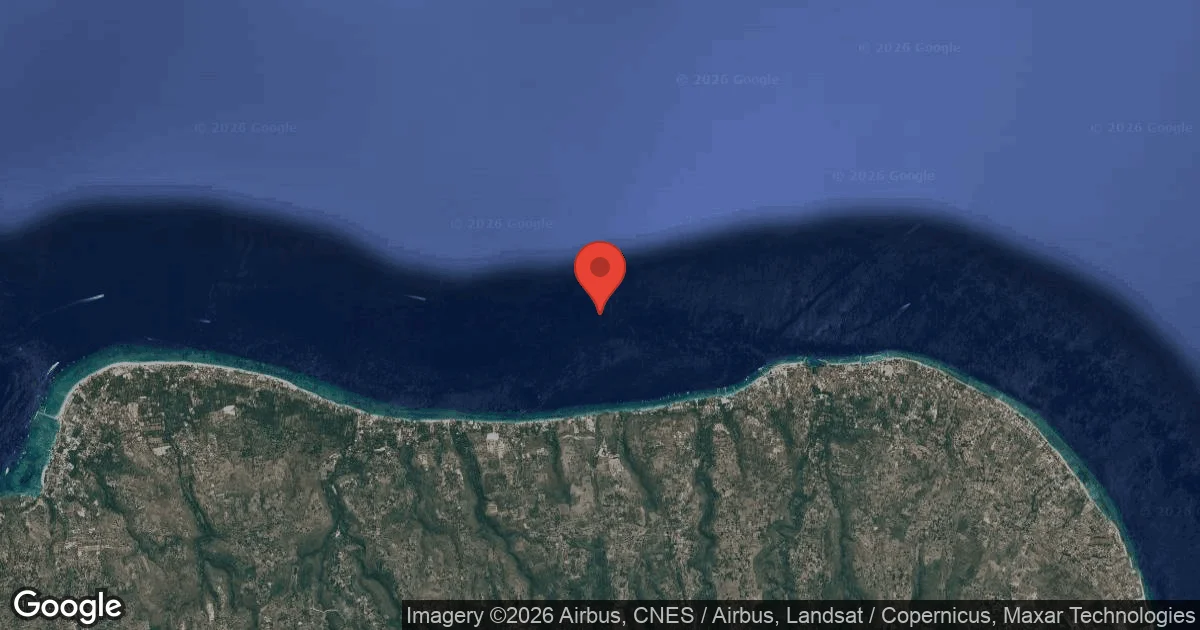
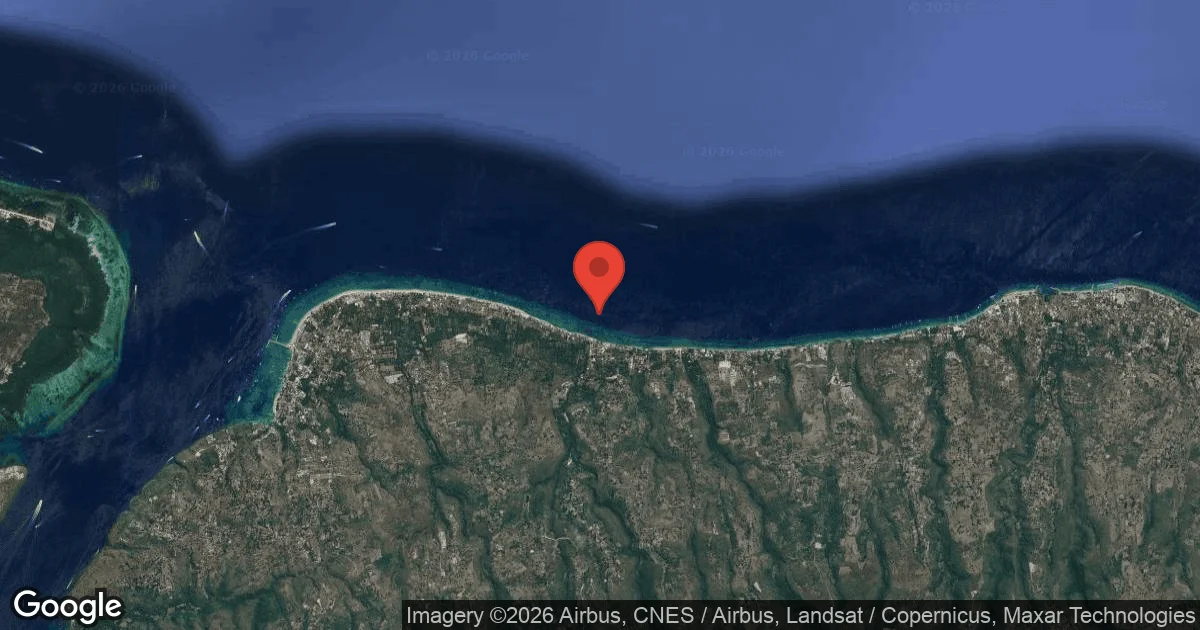
Dive Sites Near Mangrove Point
View all dive sites in IndonesiaDiscover more underwater gems in this area.
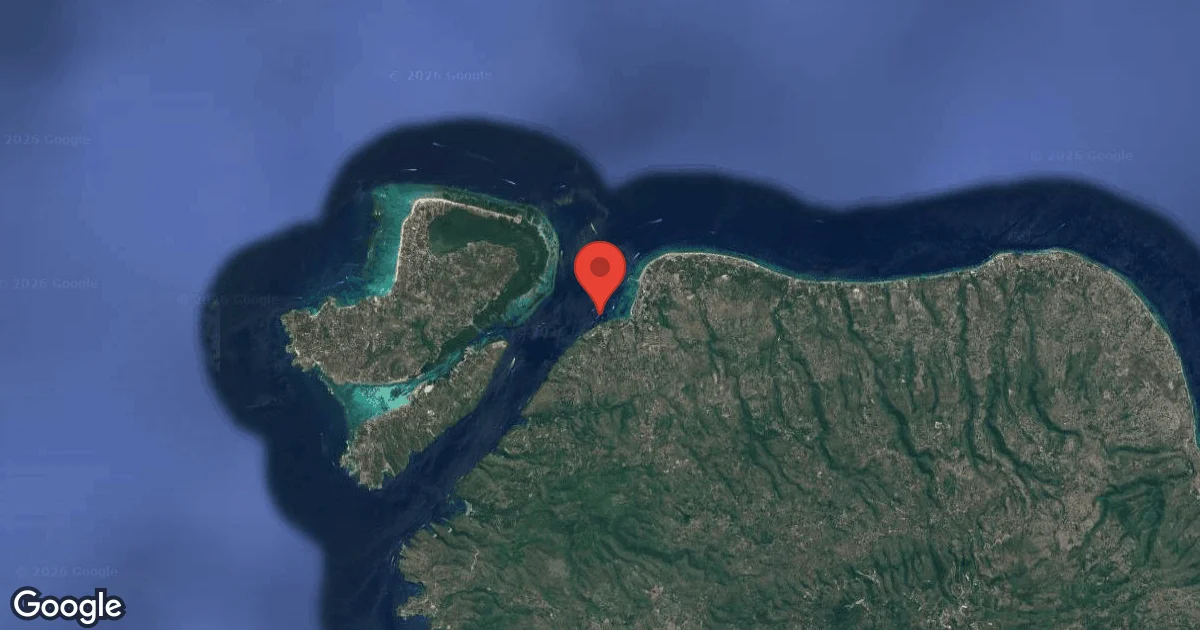
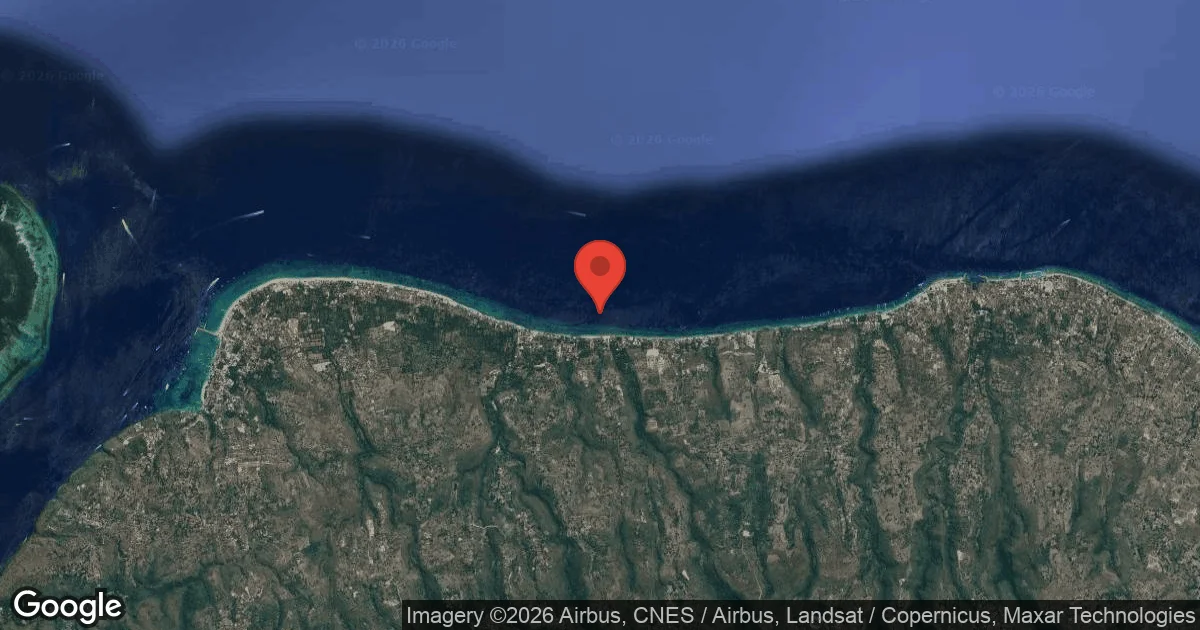
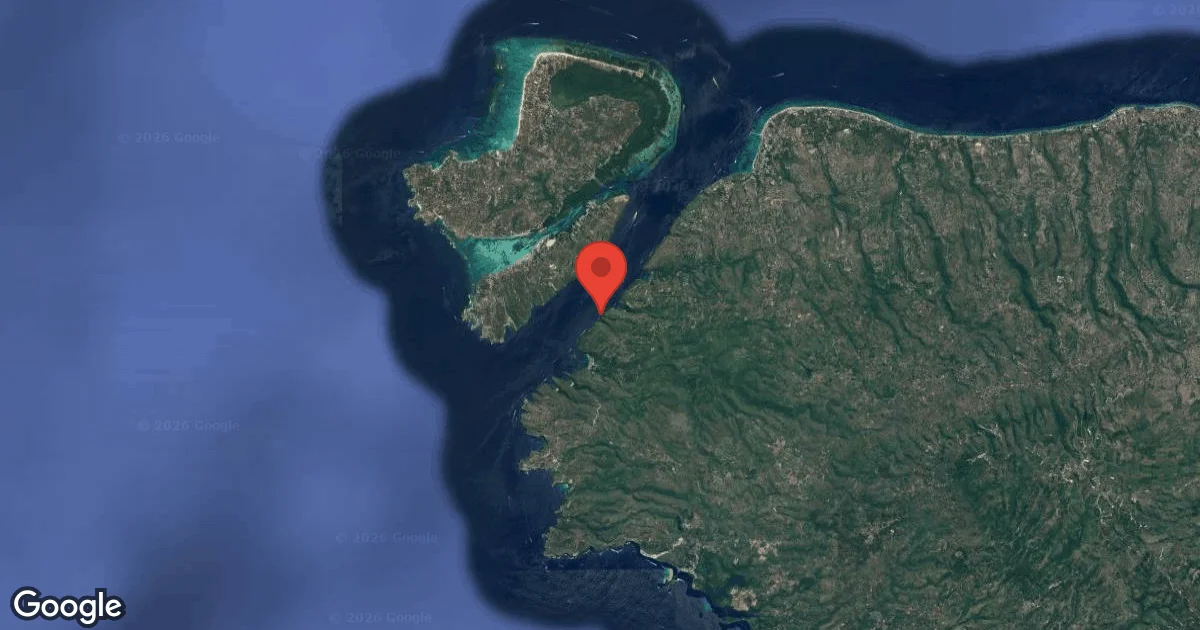
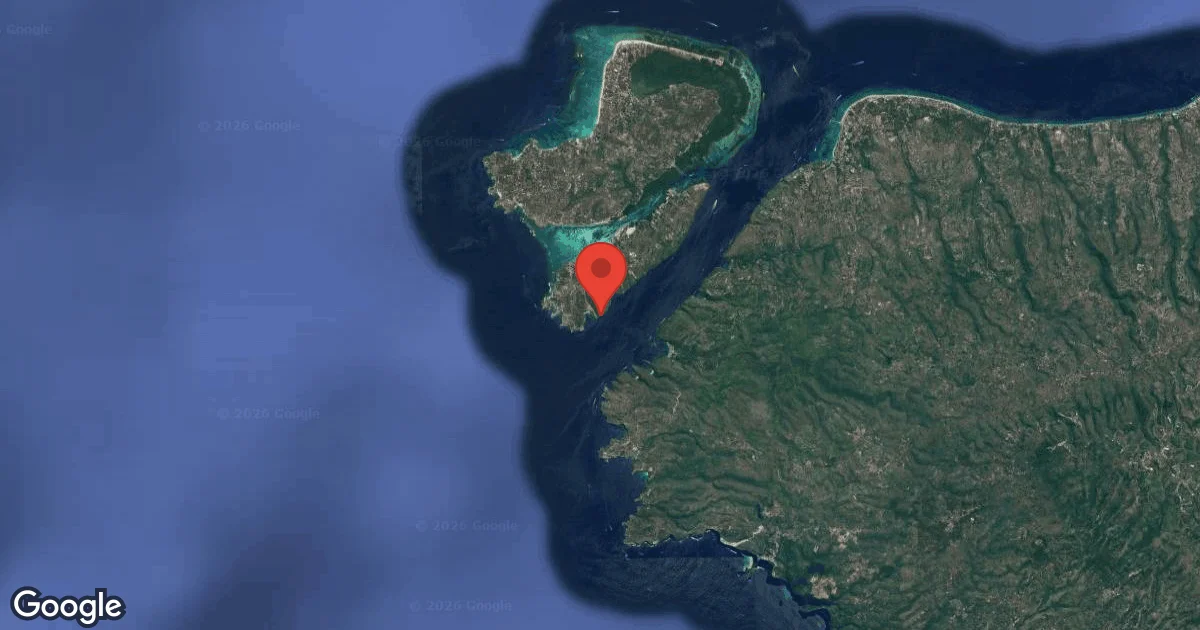
Dive Centers Near Mangrove Point
Today: 09:00 - 19:00
Nearest Airports
Nearest airports to help plan travel to this dive area.
Search Flights
Check available flights and routes on Expedia, using the nearby airports listed in this section.
Search Flights on ExpediaFrequently Asked Questions
What kind of currents can I expect at Mangrove Point?
Currents at Mangrove Point typically range from mild to moderate. Their strength often depends on the tide and the lunar phase, so conditions can vary.
Is Mangrove Point suitable for beginner divers?
Yes, Mangrove Point is considered suitable for divers of all certification levels. Novice divers can practice in shallower areas where marine life remains plentiful and conditions are generally calm.
What is the typical dive depth at Mangrove Point?
The dive site features a gentle descending slope, with depths commonly explored between 10 to 25 m (33 to 82 ft). Some areas of the plateau allow descents to around 40 m (130 ft).
What marine life can I expect to see?
The site hosts a wide array of marine life, including reef fish like clownfish and butterflyfish, as well as larger species such as barracuda, tuna, and eagle rays. You might also spot turtles, nudibranchs, and peacock mantis shrimp.
Why is the mangrove forest important for this dive site?
The neighboring mangrove forest provides a constant source of nutrients to the reef. This connection is crucial for maintaining the health and vibrant diversity of the coral ecosystem at Mangrove Point.
What is the water temperature like?
Water temperatures at Mangrove Point are typically warm, usually found between 26-29°C (79-84°F). This contributes to a comfortable diving experience throughout the year.
Planning to dive Mangrove Point?
Send one inquiry and receive offers directly from the best verified local dive operators.
Conditions are Good
07:00 - 14:00
Optimal conditions expected
Current conditions near Mangrove Point show 30° air, 27° sea temperature, 1.0 m waves, and 23 km/h wind. Forecast data is refreshed regularly to ensure accuracy.