
Diving at Mangrove (Indonesia)
To effectively navigate Mangrove's gentle currents and truly appreciate its diverse marine life, divers should prioritize solid buoyancy control. Mastering a drift dive technique here allows for effortless movement across the extensive coral plateau. This preparation ensures you can fully absorb the vibrant ecosystems and the interplay of resident species, making for a more relaxed and immersive experience.
Tonight's objective overview for Mangrove shows an air temperature of 25.5°C. The measured surface conditions include wave heights around 1 m. This environmental data is logged for the close of the day.
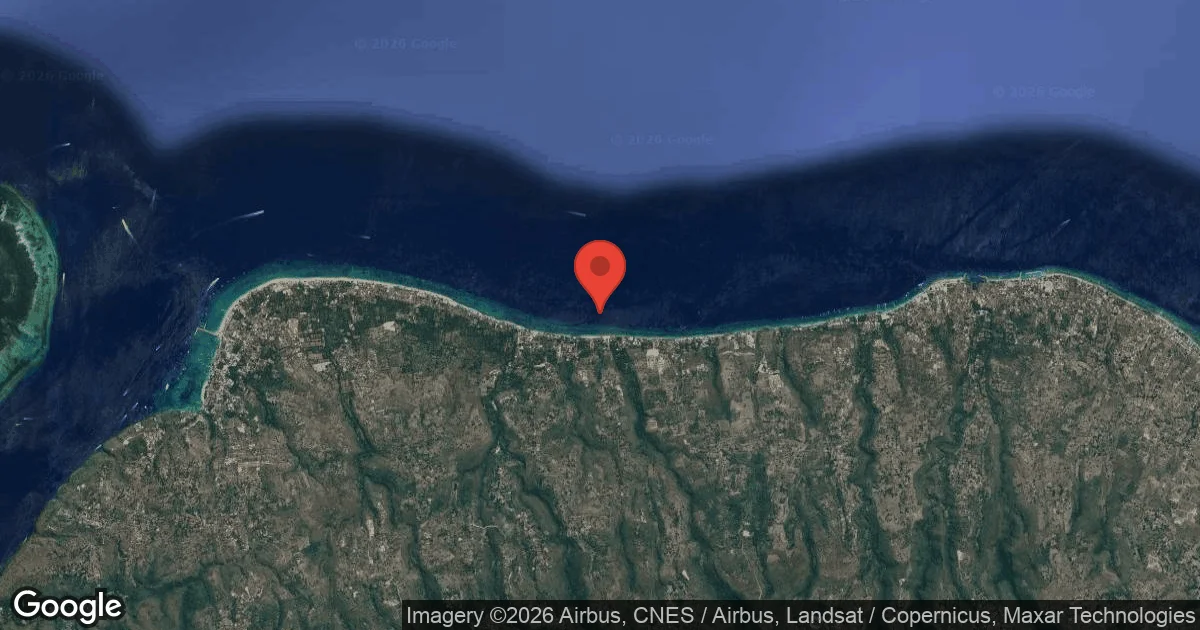
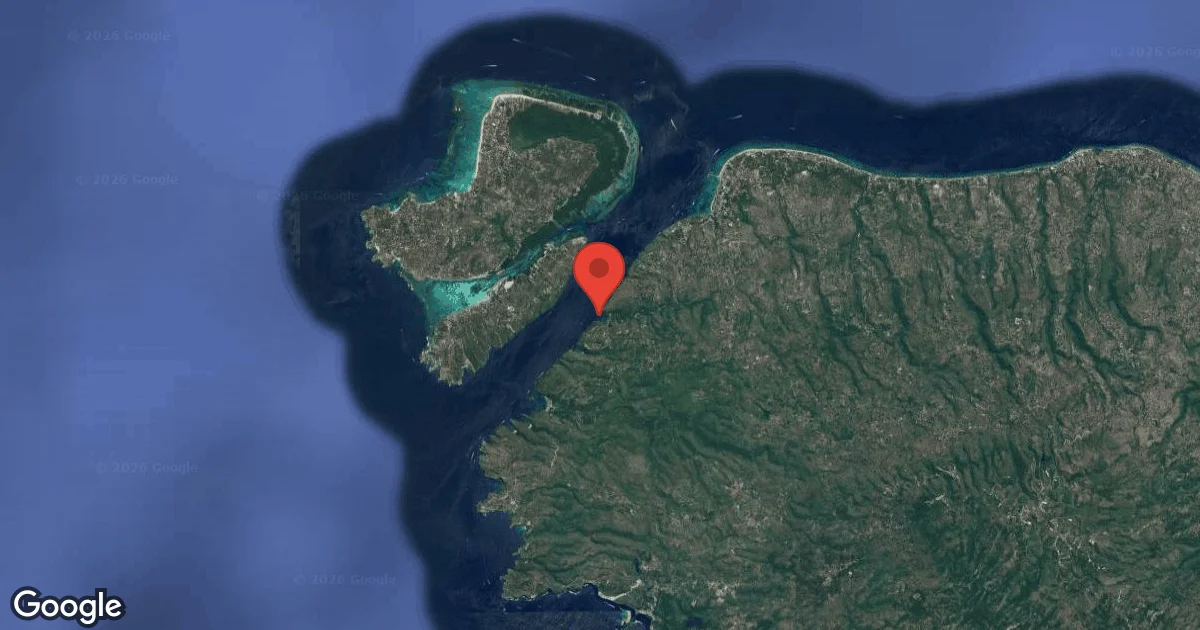
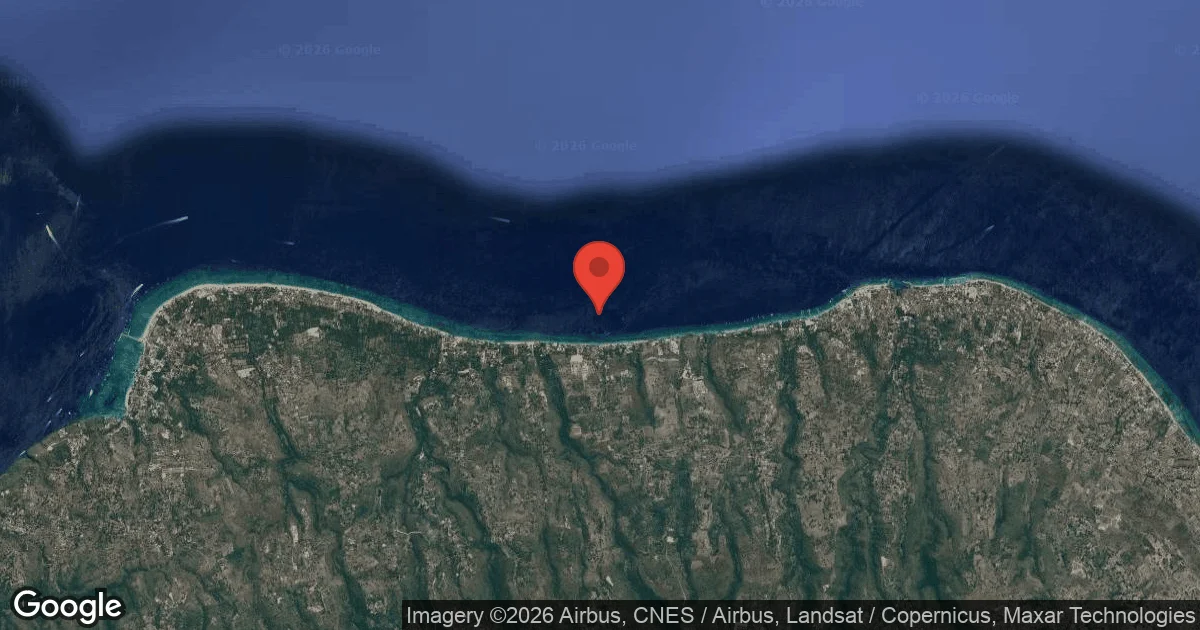
Dive Site Location & Key Facts
Dive Site Overview
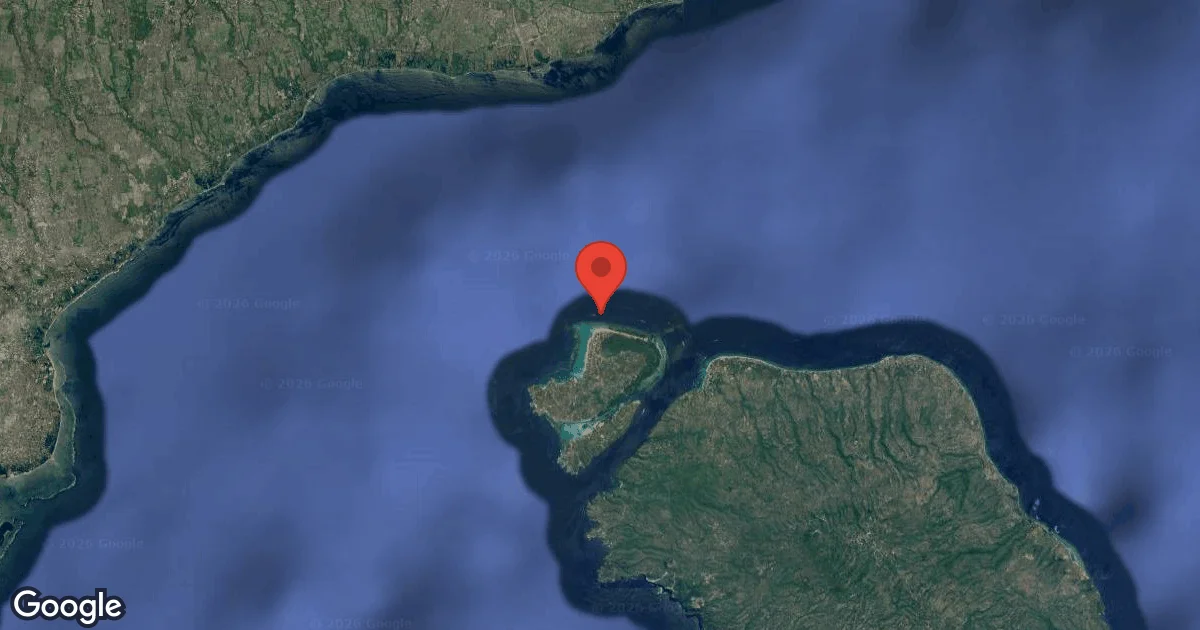
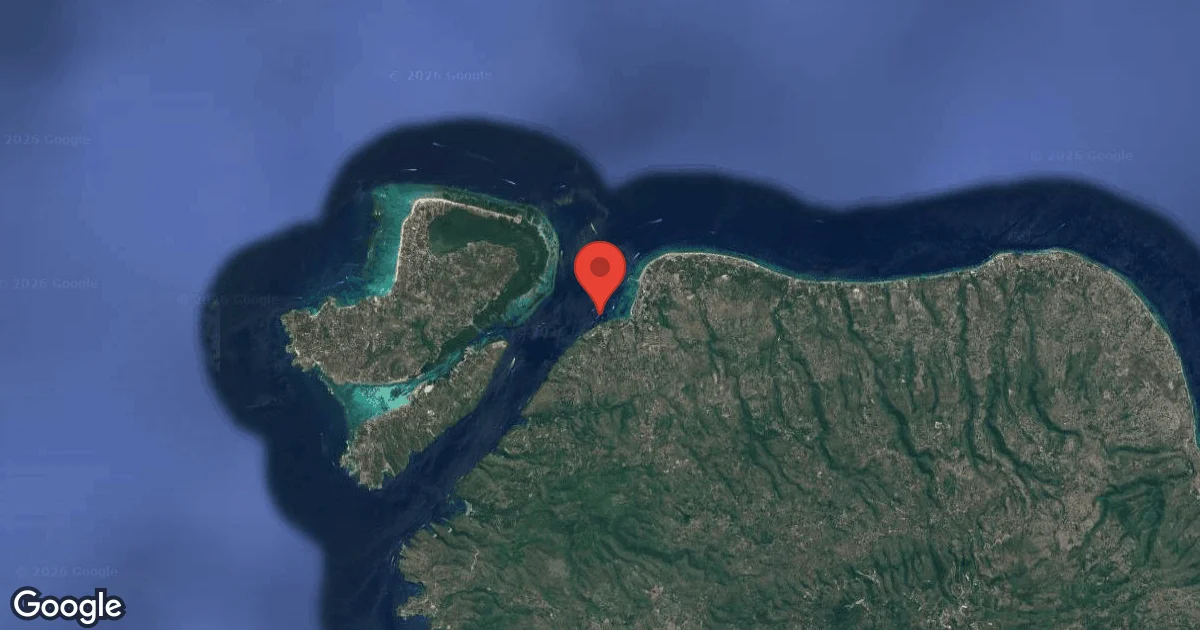
Mangrove, situated on Nusa Lembongan's northern coastline, unfolds as an expansive coral plateau, directly adjacent to a significant mangrove region. A shallow Formosa staghorn coral garden marks the beginning of the dive, where vibrant hues of branching corals are especially striking, benefiting from ample sunlight in minimal depths.
As divers proceed, the gentle slope guides them into progressively deeper water, revealing a rich arrangement of hard and soft corals. Numerous bommies, scattered across the reef, serve as natural landmarks and provide additional habitats, enhancing the diversity along the descent.
This site offers a comprehensive look at a healthy ecosystem, vividly demonstrating the crucial role mangroves play in supporting the vitality and quality of local coral communities. Descending gradually, divers can explore down to a maximum depth of 40 m (131 ft), encountering enormous barrel sponges, intricate soft coral formations, and an array of colorful sea fans clinging to the reef.
Consistent nutrient flow from the adjacent mangroves nurtures a thriving underwater scenery, inviting divers to float effortlessly through well-preserved sections. It's a truly diverse environment, blending shallow, sunlit gardens with deeper, richly structured slopes.
Conditions are Good
07:00 - 14:00
Optimal conditions expected
Current conditions near Mangrove show 26° air, 27° sea temperature, 1.0 m waves, and 25 km/h wind. Forecast data is refreshed regularly to ensure accuracy.
Best Time to Dive
Diving at Mangrove is possible year-round, with good conditions generally reported from March to November. During this extended period, rainfall is typically at its lowest, particularly in August which averages only 1.06 mm. Air temperatures during these months remain warm, ranging from 26.5°C (80°F) in July and August to 28°C (82°F) in November. Conversely, January and February see higher rainfall, with averages around 11.0 to 12.5 mm, potentially impacting visibility more frequently, though conditions can still be moderate for diving. The average water temperature remains a comfortable 25-26°C (77-79°F) throughout the year.
PEAK SEASON SCORE
Scores combine air & water temps, waves, wind & rainfall for overall conditions.
BEST MONTHS TO DIVE
Monthly records compiled from satellite and marine observation nodes over the last 3 years. Data provided by Open-Meteo and MET Norway.
Dive Experience & Conditions
Current dynamics at Mangrove are generally moderate to mild, influenced by tidal movements and the lunar cycle. Divers can expect a gentle river-like flow, ideal for drift diving, allowing for a relaxed exploration of the sloping reef. Visibility typically extends up to 30 meters. While suitable for all certification levels, less experienced divers might focus on shallower sections, which typically range from 10-25 meters deep. When encountering windier conditions, maintaining neutral buoyancy and facing the bottom helps stabilize the dive. This site generally offers calm entries by boat, which is the standard approach.
Dive Difficulty & Safety Guidelines
Ensuring a safe dive at Mangrove requires attention to buoyancy and current awareness, especially during drift dives. Although the currents are typically mild, they can vary, so divers should always remain attentive to their dive guide's instructions. Novice divers are advised to stay within the shallower, more protected areas of the site to acclimate to conditions.
Maintaining a safe distance from the coral structures is crucial to preserve the extensive reef and prevent accidental contact. It's also important to monitor your bottom time and air consumption, particularly when exploring deeper sections or during longer drifts.
Recommended Equipment
Current and surface separation risk. Local briefing strongly recommended.
- Dive Computer
- DSMB
- Reel / Spool
This gear list is based on verified equipment signals for Mangrove, Indonesia. Always confirm final gear choices with your dive operator, guide, or liveaboard.
Recommended Dive Suit
Forecast trends indicate similar diving conditions over the next few days.
Many experienced divers would consider 2-3mm shorty or light wetsuit an appropriate choice here.
Current dive conditions indicate that water temperatures around Mangrove are sitting at roughly 27°C (80°F). Surface air temperatures are resting at 26°C (78°F).
Emergency & Medical Support
Essential information to help you plan your dive trip to Mangrove.

Hyperbaric chambers are a critical part of dive safety infrastructure. Availability varies significantly by region, and not all dive areas have immediate access.
Before diving, it's recommended to:
- confirm nearest medical facilities
- check emergency procedures with local dive operators
- ensure dive insurance covers evacuation if required
Divers Alert Network
Diving emergency assistance available through DAN World.
+1-919-684-9111- 24/7 emergency hotline
- Diving medical assistance
- Evacuation coordination
Emergency contacts are provided for reference. Always verify local emergency services before diving.
Marine Life at Mangrove
Observing the abundant marine life at Mangrove is a visual feast, presenting a rich tapestry of species that benefit from the healthy coral reef. Divers frequently encounter diverse reef fish, including scissortail sergeant fish, surgeonfish, pufferfish, and unicornfish.
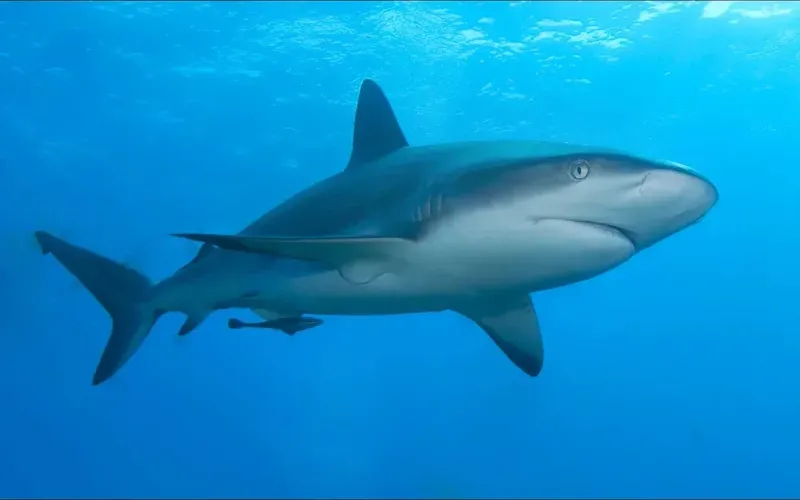
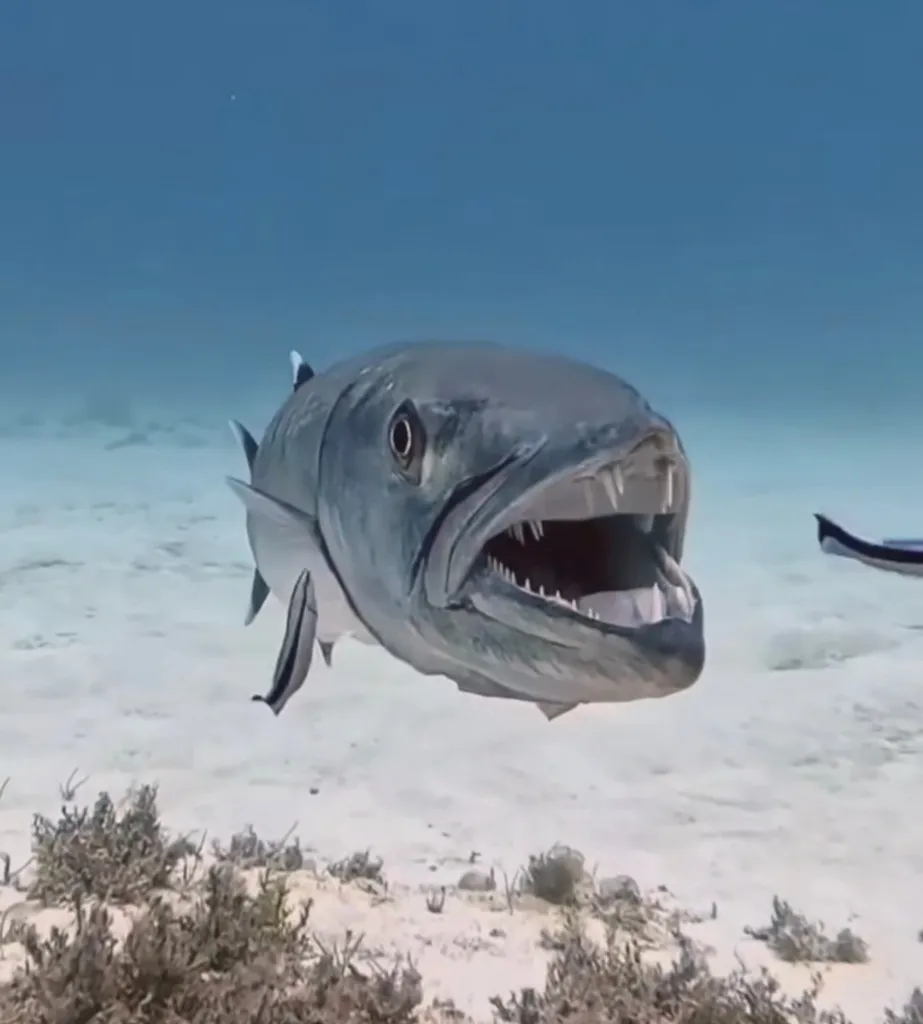
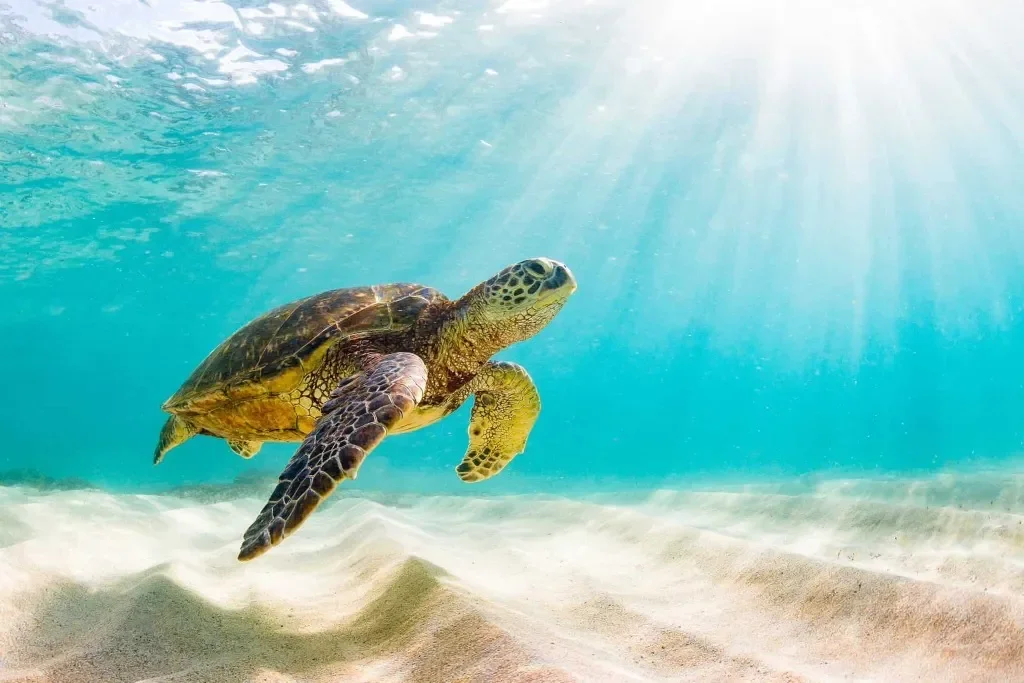
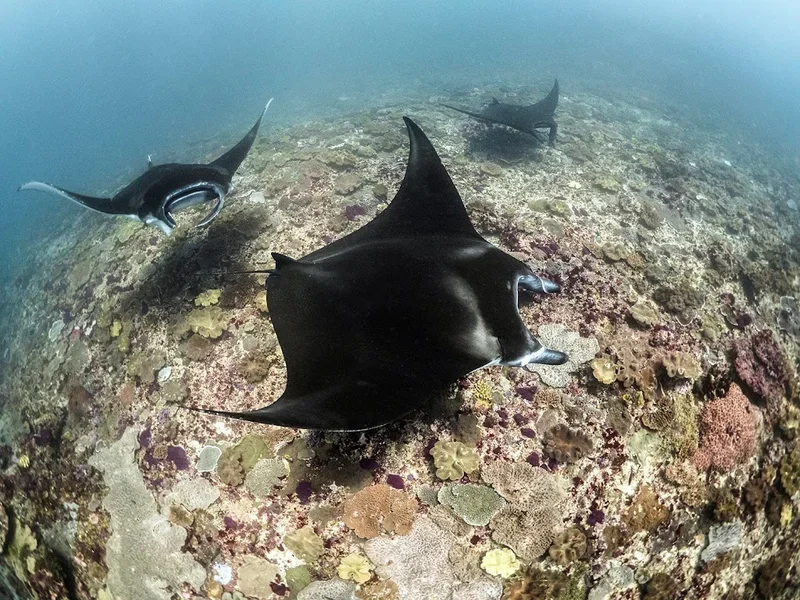
Larger creatures such as green sea turtles, reef sharks, and marble rays are also common sightings along the slope. Schools of mackerel, barracudas, and tuna can be seen in the blue.
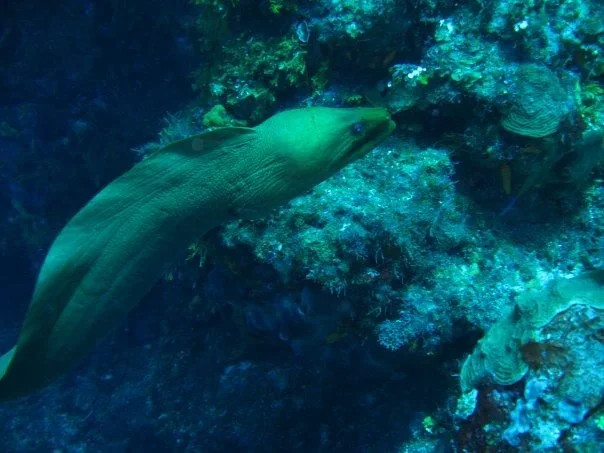
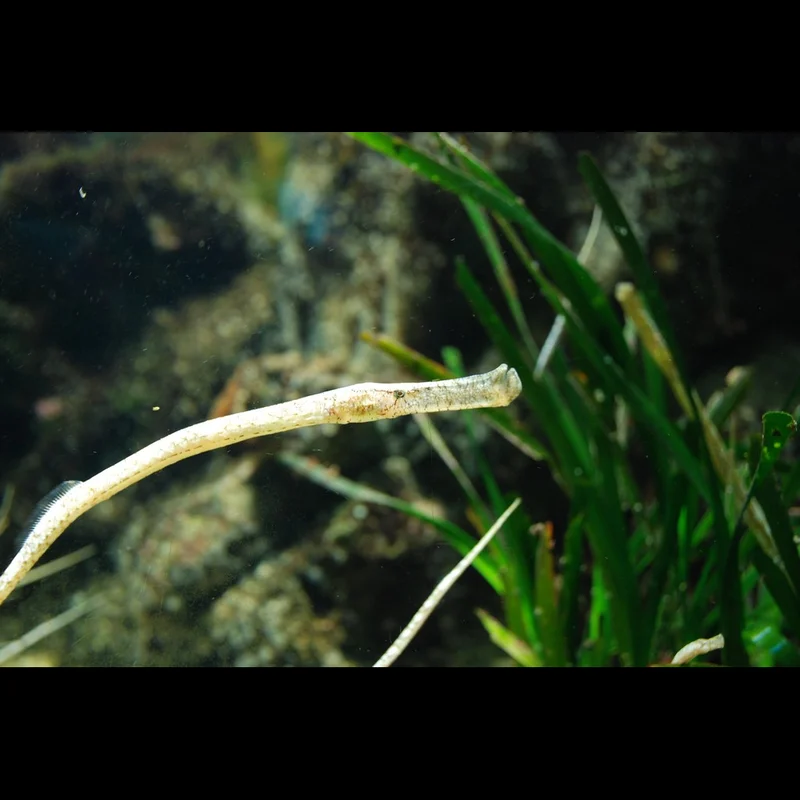
For those with an eye for the small, pygmy seahorses, pipefish, trumpetfish, moray eels, and sweetlips inhabit the intricate coral formations.
Dive Sites Near Mangrove
View all dive sites in IndonesiaDiscover more underwater gems in this area.
Dive Centers Near Mangrove
Today: 07:30 - 18:00
Nearest Airports
Nearest airports to help plan travel to this dive area.
Search Flights
Check available flights and routes on Expedia, using the nearby airports listed in this section.
Search Flights on ExpediaFrequently Asked Questions
How does the nearby mangrove forest affect the dive site?
Providing essential nutrients, the extensive mangrove region plays a crucial role in the local ecosystem. Its contribution is vital for the health and quality of the coral reefs and the overall underwater environment at the dive site.
What are the typical current conditions at Mangrove?
Current dynamics here are generally moderate to mild, presenting a gentle, river-like flow. This makes it an ideal spot for drift diving, allowing divers to explore the reef with minimal effort.
Is Mangrove suitable for all diver certification levels?
Yes, the site accommodates all certification levels due to its varied depth profile. Less experienced divers can enjoy the shallower sections, which typically remain within recreational limits and offer ample marine life.
What is the maximum depth available at this site?
Divers can explore down to a maximum depth of 40 m (131 ft) at Mangrove. While deeper sections are accessible, many interesting features are found within shallower recreational depths.
How is visibility generally at Mangrove?
Visibility at Mangrove typically extends up to 30 meters. It can vary based on tidal movements and recent rainfall, but generally provides clear views of the extensive coral structures.
Are there specific marine life to look for here?
Beyond general reef fish, divers often spot green sea turtles, reef sharks, and marble rays. Keep an eye out for smaller inhabitants like pygmy seahorses and pipefish nestled within the corals.
Planning to dive Mangrove?
Send one inquiry and receive offers directly from the best verified local dive operators.
Conditions are Good
07:00 - 14:00
Optimal conditions expected
Current conditions near Mangrove show 26° air, 27° sea temperature, 1.0 m waves, and 25 km/h wind. Forecast data is refreshed regularly to ensure accuracy.