
Diving at Crystal Bay (Indonesia)
Divers often seek out Crystal Bay for its iconic encounters and dynamic underwater scenery. It's considered one of Nusa Penida's most complete dive sites, delivering more than just seasonal experiences. This location offers a compelling blend of vibrant coral reefs, diverse marine life, and dramatic underwater slopes, ensuring no two excursions feel quite the same. It's truly a bucket-list destination, especially for those hoping to witness the majestic Mola Mola.
As evening covers Crystal Bay, the local air temperature is measured at 28°C. The current wave height at the surface is recorded at 1.1 m. These late-day readings characterize the surface conditions for the night.
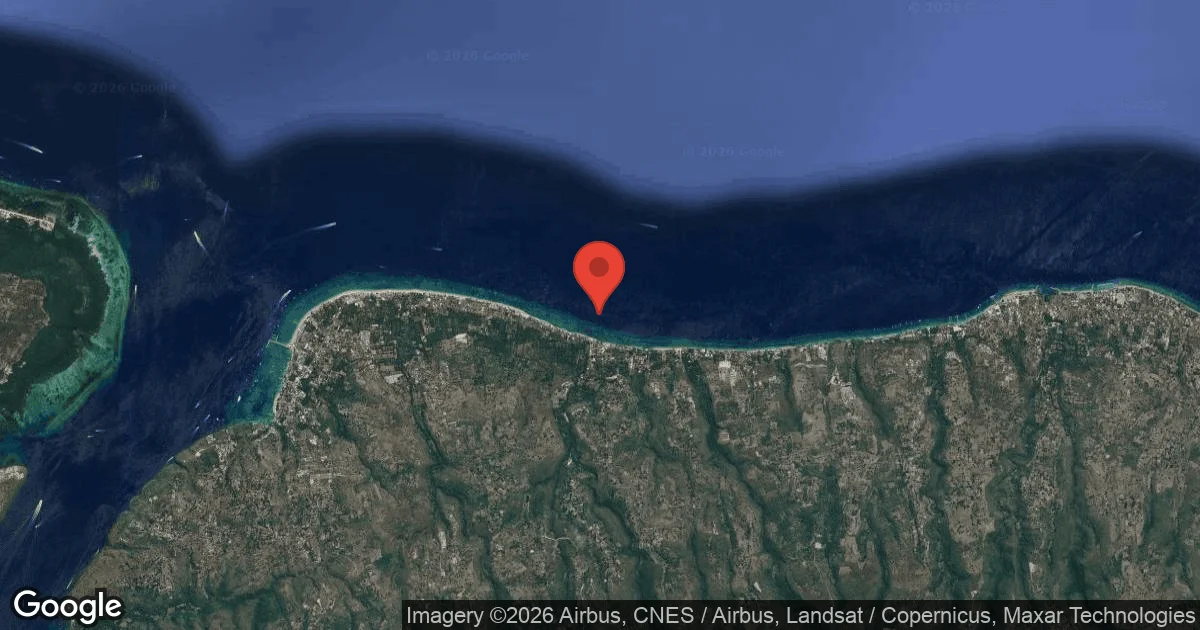
Dive Site Location & Key Facts
Dive Site Overview
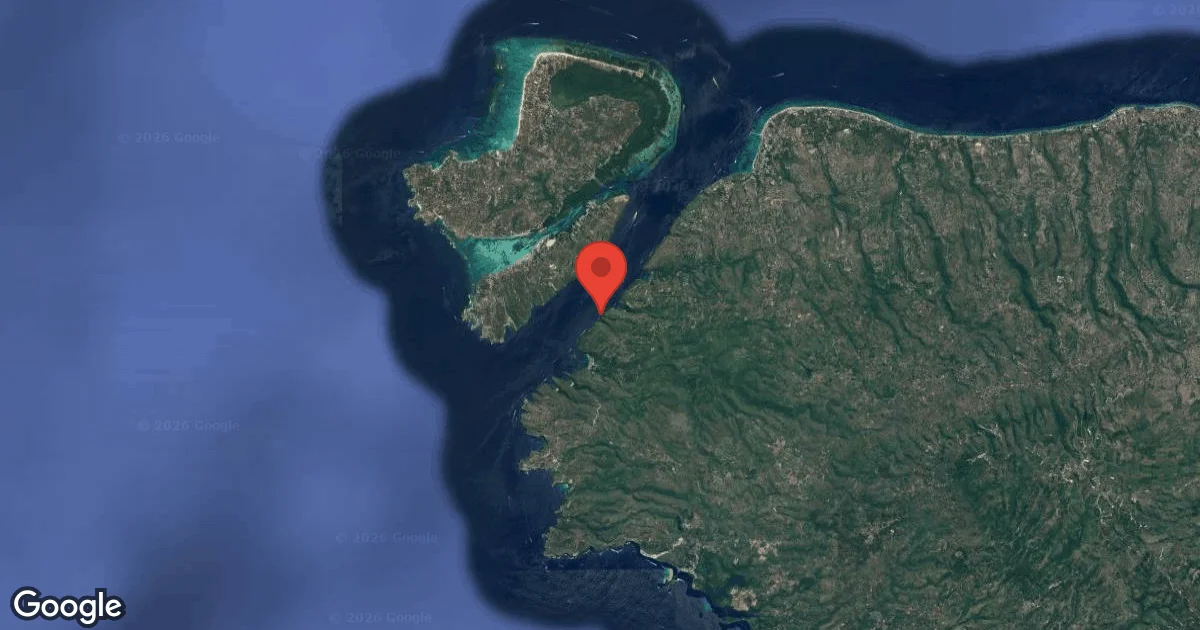
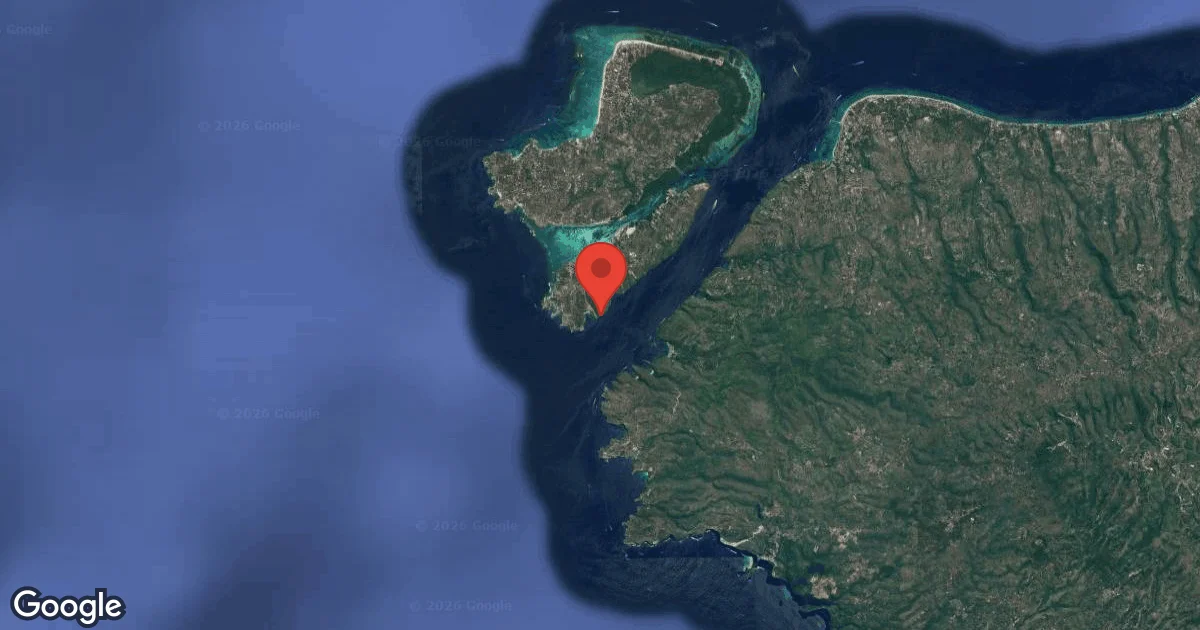
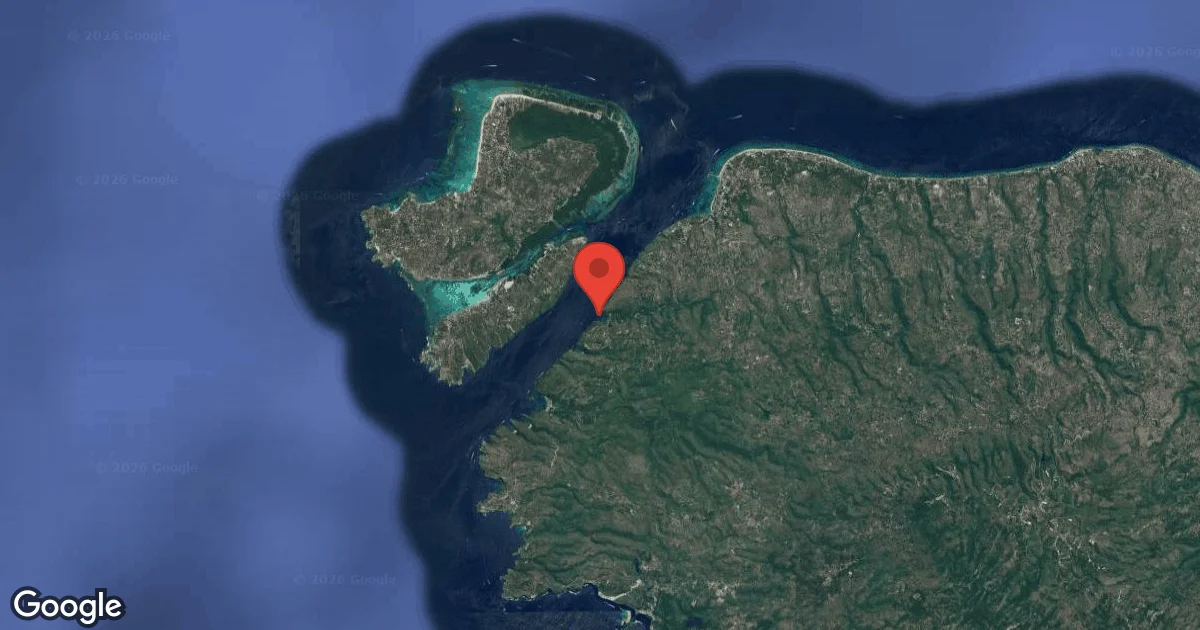
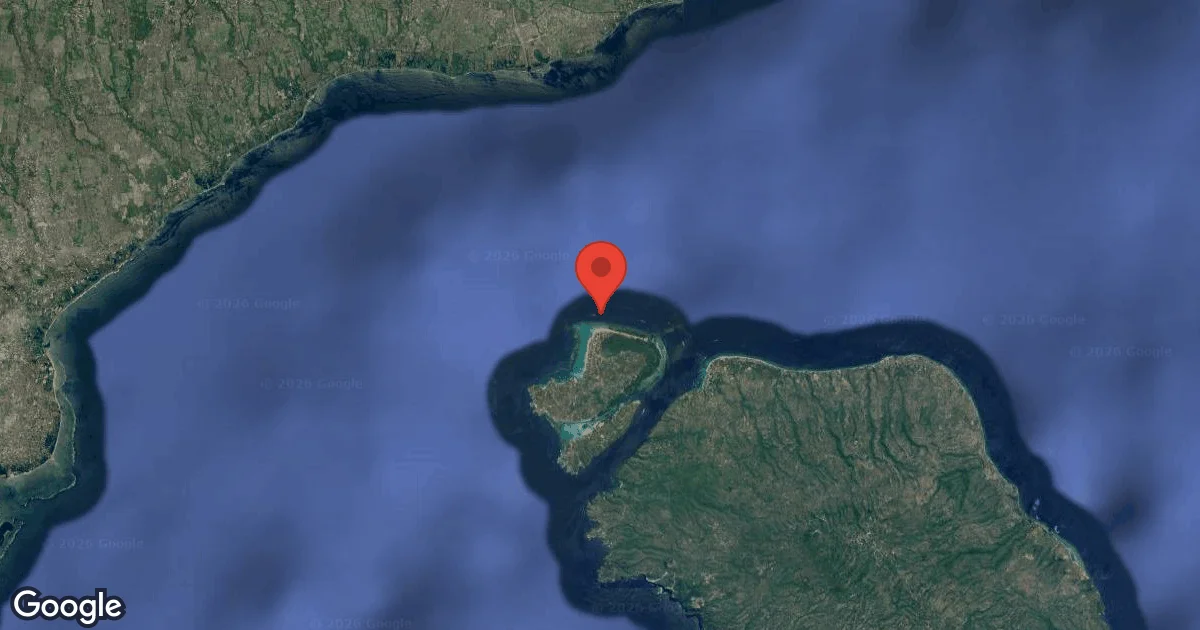
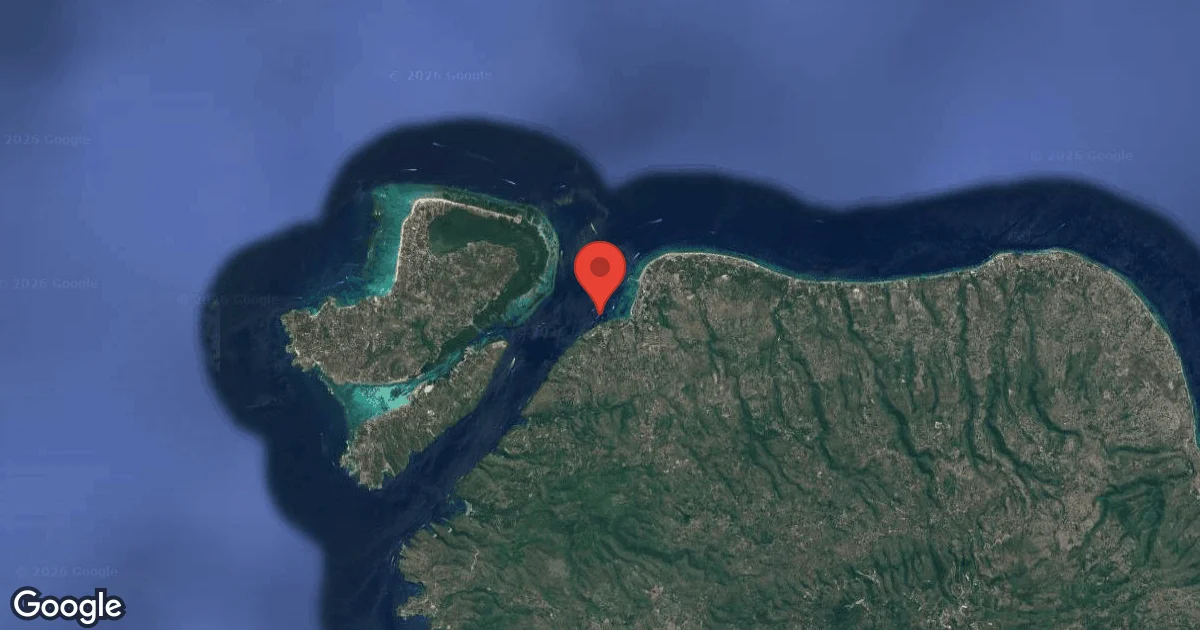
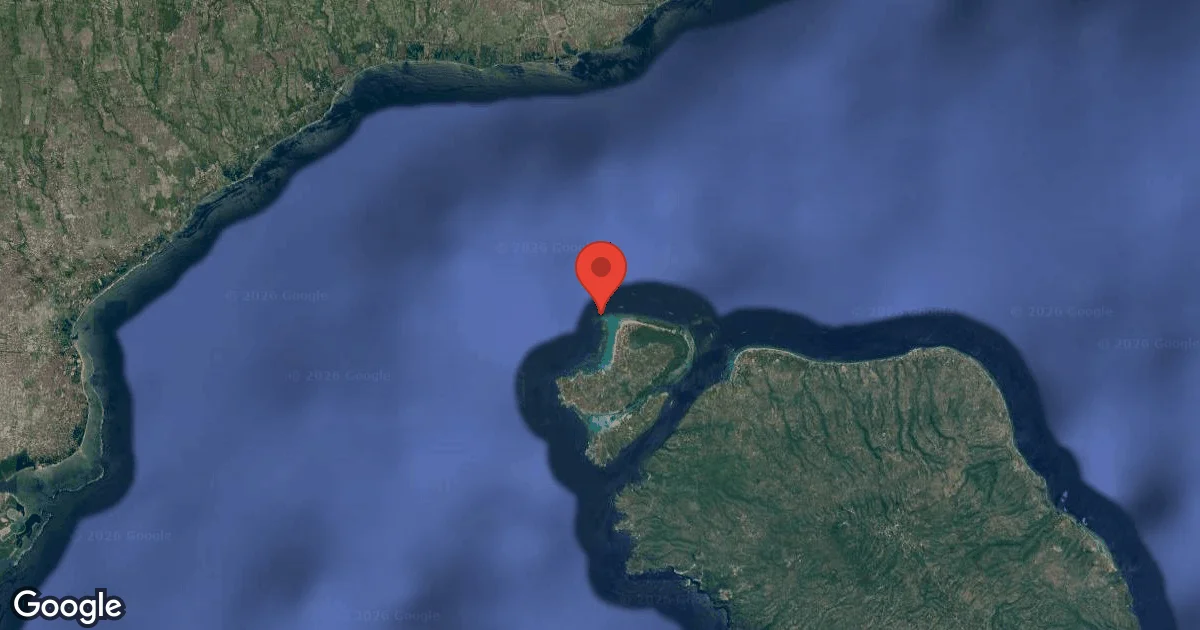
An iconic dive site on Nusa Penida's west tip, Crystal Bay presents a substantial underwater playground. Your descent typically begins on a vibrant coral plateau that encircles the bay's prominent rock, often teeming with smaller reef fish.
From here, the underwater landscape transitions into a series of distinctive coral bumps and asperities, creating varied mini-habitats. As you explore deeper, the terrain gradually slopes down, eventually leading into a broad white sandbar. This sandy bottom provides a contrasting backdrop, often revealing unique macro life hidden within its expanse.
Depths vary considerably, extending to a maximum of 40 m (130 ft), accommodating a wide range of certifications. Below the plateau, there's also a dramatic canyon wall to explore, adding another layer of complexity to the site's structure.
Its dynamic topography supports a rich ecosystem, making it a compelling spot for extended bottom times within recreational limits or more advanced explorations of its deeper sections. This location consistently draws divers seeking both macro and pelagic encounters.
Conditions are Good
Optimal conditions expected
Current conditions near Crystal Bay show 28° air, 26° sea temperature, 1.2 m waves, and 23 km/h wind. Forecast data is refreshed regularly to ensure accuracy.
Best Time to Dive
Visibility plays a crucial role in the Crystal Bay dive experience, and it's often exceptional year-round, frequently exceeding 30 m (100 ft). However, the period from July through November generally provides the most reliable opportunities for Mola Mola sightings. During these months, average air temperatures are comfortable, ranging from 26.5°C to 28.5°C (80-83°F). Rain is at its lowest between July and September, with averages between 1.0-1.8 mm, contributing to stable conditions. While wind speeds average 14-20 km/h (9-12 mph) and wave heights around 1.3-1.8 m (4-6 ft), dive conditions are consistently rated Moderate, improving to Good in November and December. Planning your trip during these peak months can maximize your chances of encountering the site's most celebrated marine residents.
PEAK SEASON SCORE
Scores combine air & water temps, waves, wind & rainfall for overall conditions.
BEST MONTHS TO DIVE
Monthly records compiled from satellite and marine observation nodes over the last 3 years. Data provided by Open-Meteo and MET Norway.
Dive Experience & Conditions
Navigating Crystal Bay requires an understanding of its variable currents. While generally accessible, currents within the channel can be quite strong, making specific routes unsuitable for novice divers at times. This site is popular among all levels of divers, but proper assessment of daily conditions and an experienced guide are crucial. Despite the current potential, the crystal clear visibility, often reported as 30 m (100 ft) or more, allows for excellent exploration of the vibrant coral reefs and the deeper sandy slope. Water temperature is not consistently reported but can vary depending on conditions and depth, with colder thermoclines possible, especially during Mola Mola season.
Dive Difficulty & Safety Guidelines
Diving at Crystal Bay requires careful attention to the local conditions, primarily due to the potential for strong currents within the channel. These currents necessitate that divers possess a good level of experience or dive under the direct supervision of an experienced local guide. Before entering the water, a thorough briefing on current patterns and potential escape routes is essential.
Always maintain situational awareness and be prepared to adjust your dive plan if conditions change. Adhering to responsible diving practices, such as maintaining proper buoyancy and avoiding contact with the reef, helps preserve this diverse ecosystem for future visits.
Recommended Equipment
- Dive Computer
This gear list is based on verified equipment signals for Crystal Bay, Indonesia. Always confirm final gear choices with your dive operator, guide, or liveaboard.
Recommended Dive Suit
Divers planning deeper dives may feel cooler than those staying in shallower areas.
Many divers find that 3mm wetsuit offers a comfortable balance between warmth and mobility. Forecast trends indicate similar diving conditions over the next few days.
Divers heading to Crystal Bay today should expect water temperatures around 26°C (78°F). Surface air temperatures are resting at 28°C (82°F).
Emergency & Medical Support
Essential information to help you plan your dive trip to Crystal Bay.

Hyperbaric chambers are a critical part of dive safety infrastructure. Availability varies significantly by region, and not all dive areas have immediate access.
Before diving, it's recommended to:
- confirm nearest medical facilities
- check emergency procedures with local dive operators
- ensure dive insurance covers evacuation if required
Divers Alert Network
Diving emergency assistance available through DAN World.
+1-919-684-9111- 24/7 emergency hotline
- Diving medical assistance
- Evacuation coordination
Emergency contacts are provided for reference. Always verify local emergency services before diving.
Marine Life at Crystal Bay
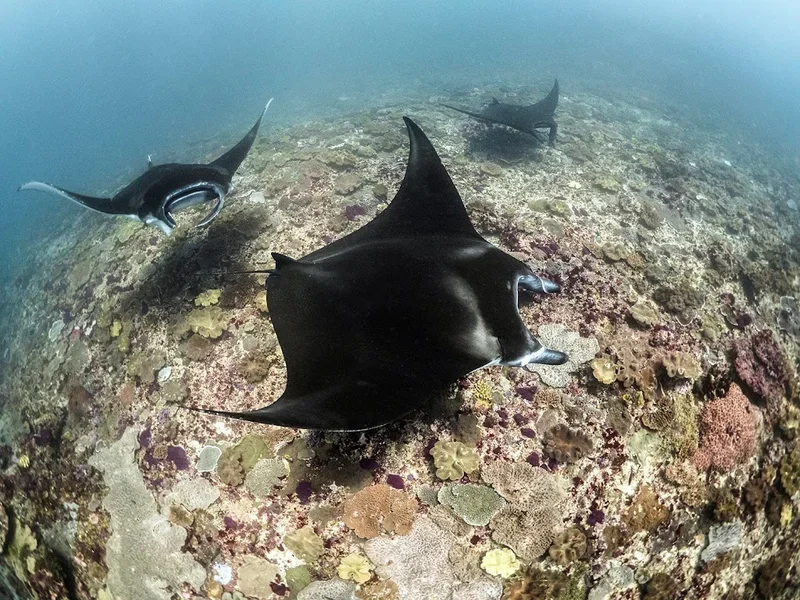
The underwater landscape of Crystal Bay acts as a magnet for a remarkable array of marine species. It's globally recognized as one of the few places to reliably observe the majestic Mola Mola (oceanic sunfish), especially from July to November.
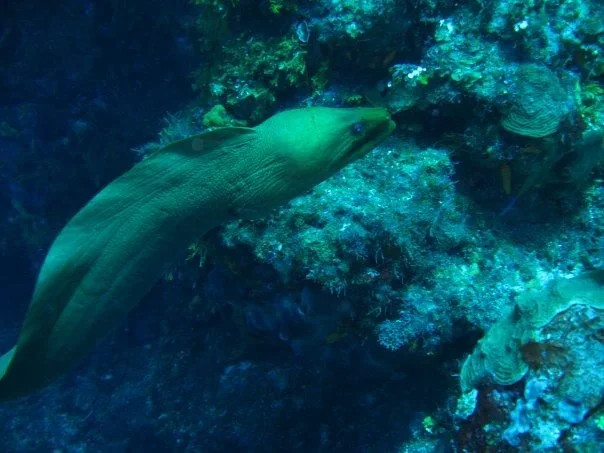
Beyond these giants, the coral plateau and deeper slopes host a diverse community. Divers frequently spot moray eels tucked into crevices, intricately camouflaged leaf fish, and various species of octopus.
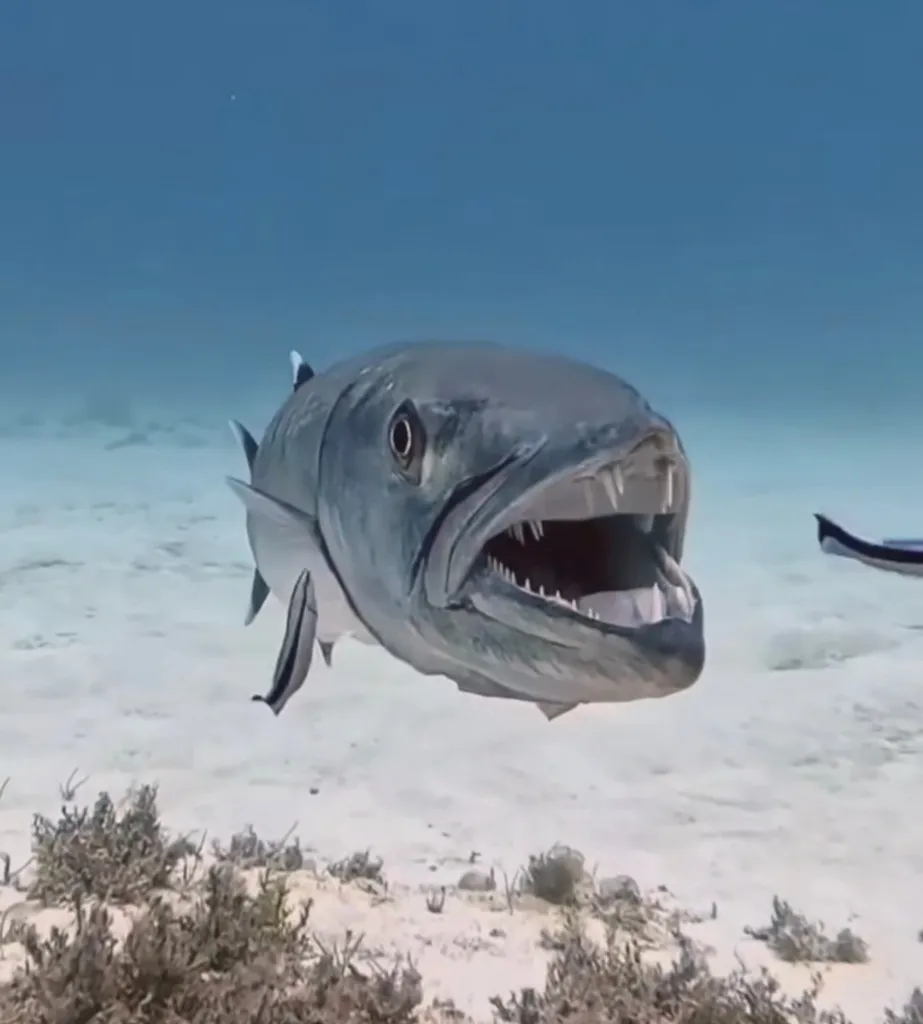
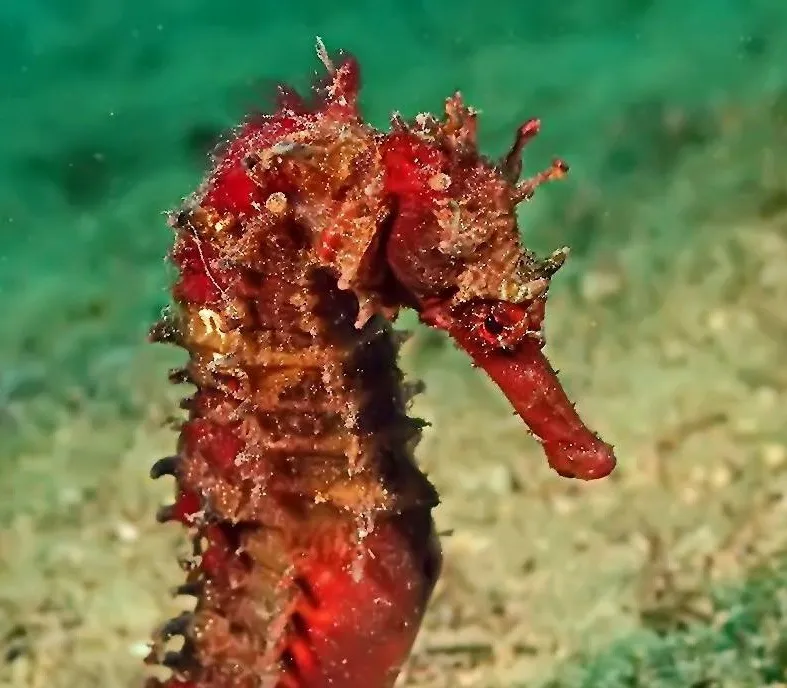
Look closely among the corals for seahorses, and keep an eye on the blue for barracuda, adding to the dynamic and unpredictable nature of each dive.

Dive Sites Near Crystal Bay
View all dive sites in IndonesiaDiscover more underwater gems in this area.
Dive Centers Near Crystal Bay
Today: 07:30 - 18:00
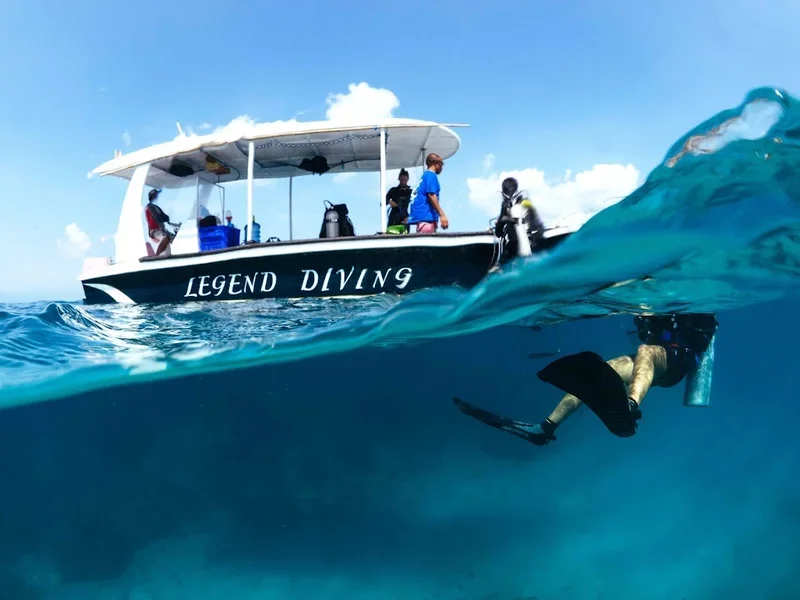
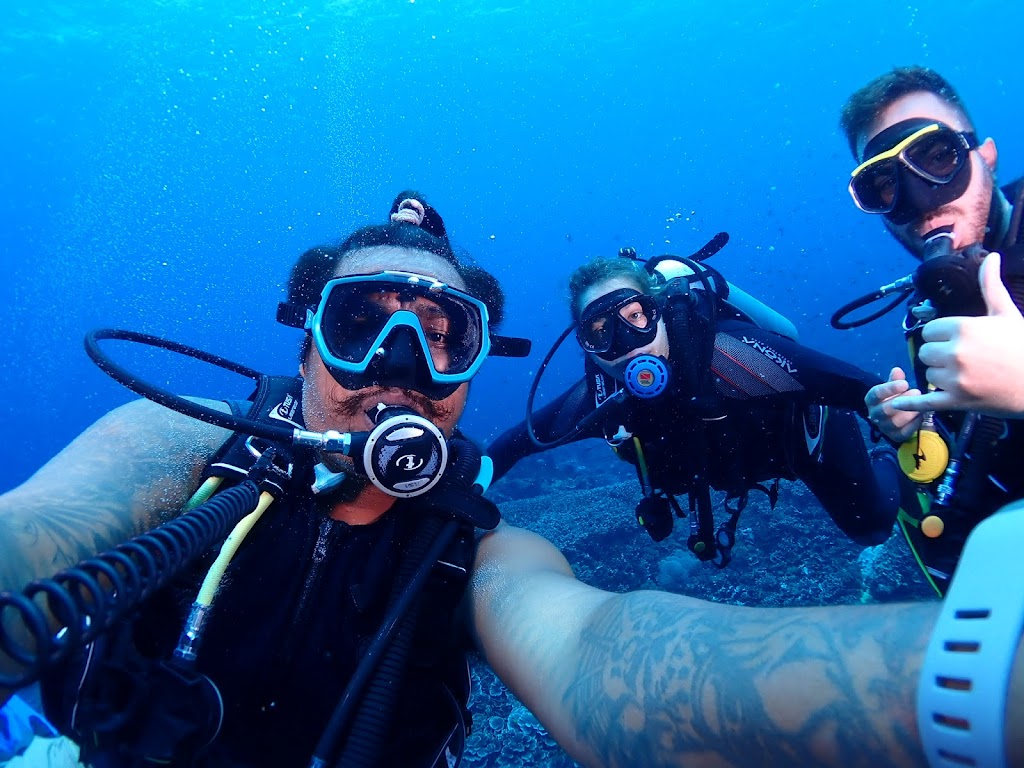


Nearest Airports
Nearest airports to help plan travel to this dive area.
Search Flights
Check available flights and routes on Expedia, using the nearby airports listed in this section.
Search Flights on ExpediaFrequently Asked Questions
What is Crystal Bay most known for?
Crystal Bay is primarily known for being one of the most reliable global sites to encounter the majestic Mola Mola, or oceanic sunfish. It also features crystal-clear visibility and diverse marine life.
When is the best time to see Mola Mola at Crystal Bay?
Mola Mola sightings are most frequent between July and November. This period often coincides with drier weather and stable conditions, although their appearance can sometimes extend beyond these months depending on specific oceanographic conditions.
What are the typical dive depths at Crystal Bay?
Depths at this site range from shallow coral plateau areas, often starting around 5 meters, down to a maximum recreational depth of 40 meters. Deeper sections of the sandy bottom extend beyond, sometimes reaching over 130 feet.
Are there strong currents at Crystal Bay?
Yes, currents within the channel at Crystal Bay can be strong and variable. It's crucial for divers to be aware of these conditions and have appropriate experience or dive with an experienced guide.
Is Crystal Bay suitable for beginner divers?
While many parts of Crystal Bay are accessible, the potential for strong currents means that certain routes or conditions may not be suitable for beginner divers. It's advisable for less experienced divers to consult with a local dive center for guidance on current conditions.
What kind of marine life can be seen besides Mola Mola?
Beyond the Mola Mola, divers can expect to see a rich variety of reef inhabitants, including moray eels, leaf fish, octopuses, seahorses, and barracuda. The vibrant coral reefs also host numerous smaller fish species.
Planning to dive Crystal Bay?
Send one inquiry and receive offers directly from the best verified local dive operators.
Conditions are Good
Optimal conditions expected
Current conditions near Crystal Bay show 28° air, 26° sea temperature, 1.2 m waves, and 23 km/h wind. Forecast data is refreshed regularly to ensure accuracy.