
Diving at Ceningan Wall (Indonesia)
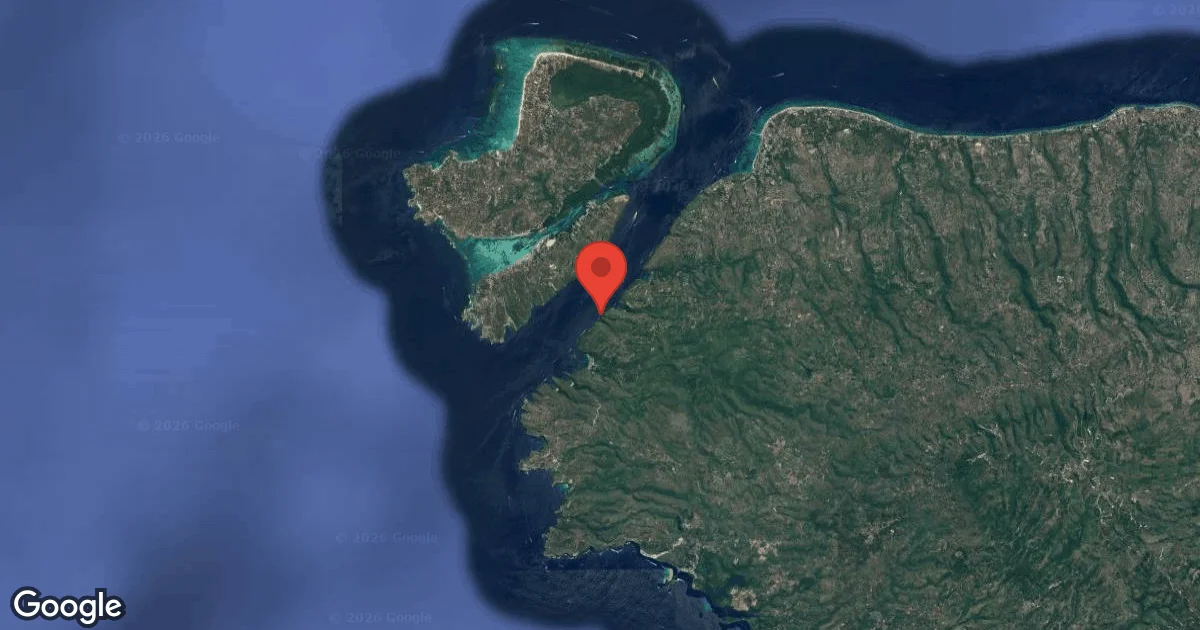
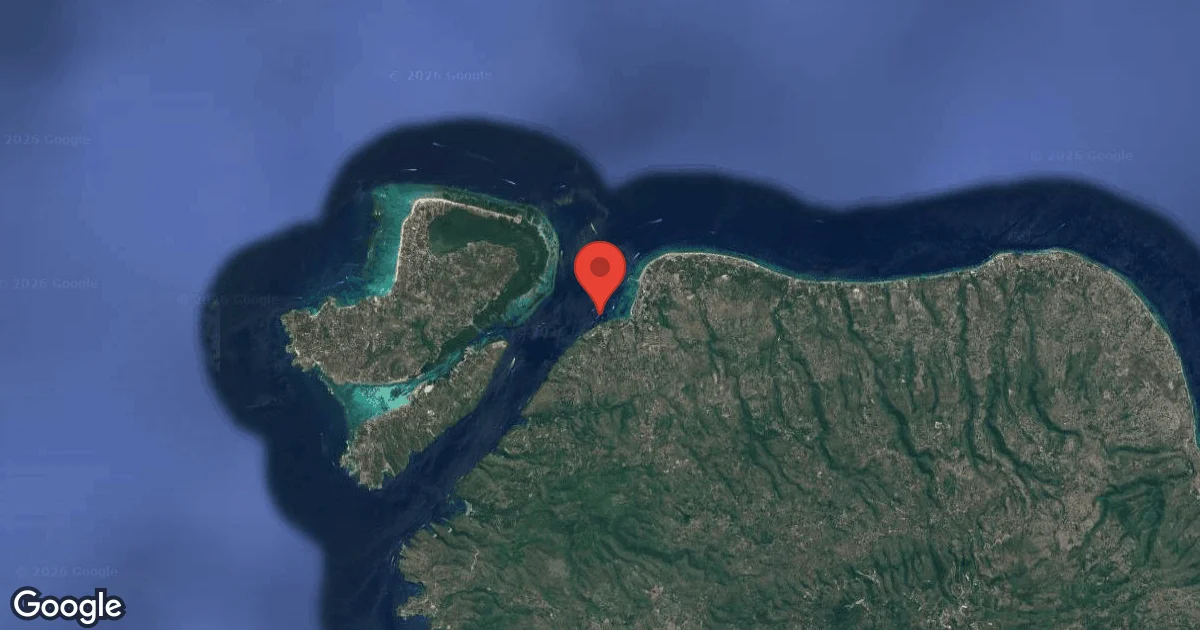
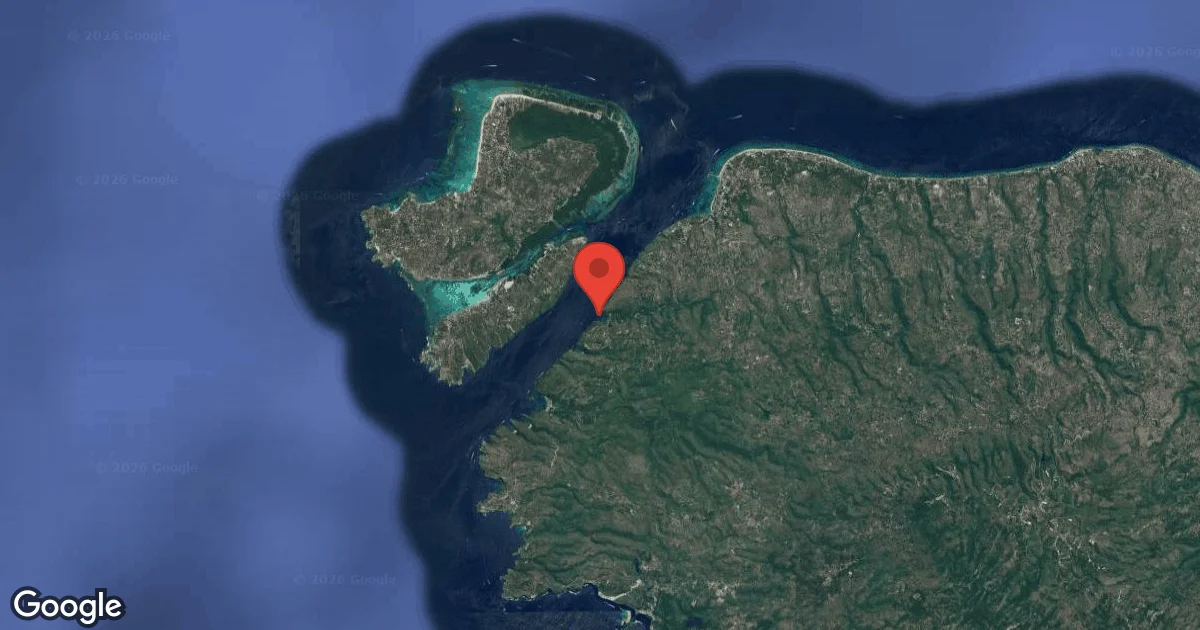
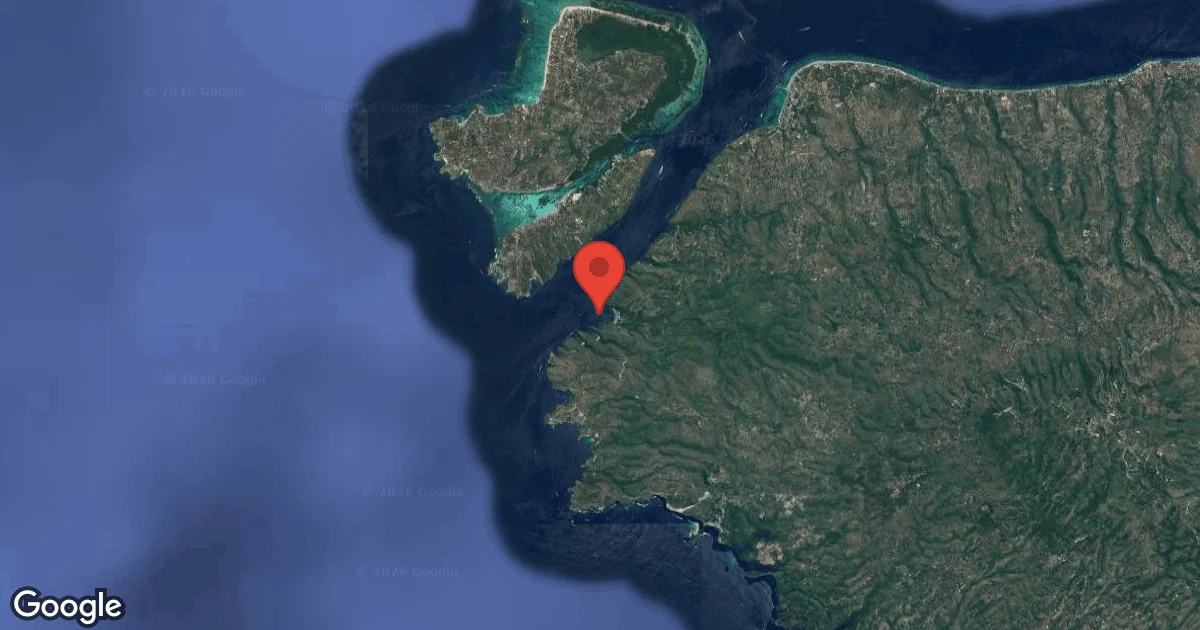
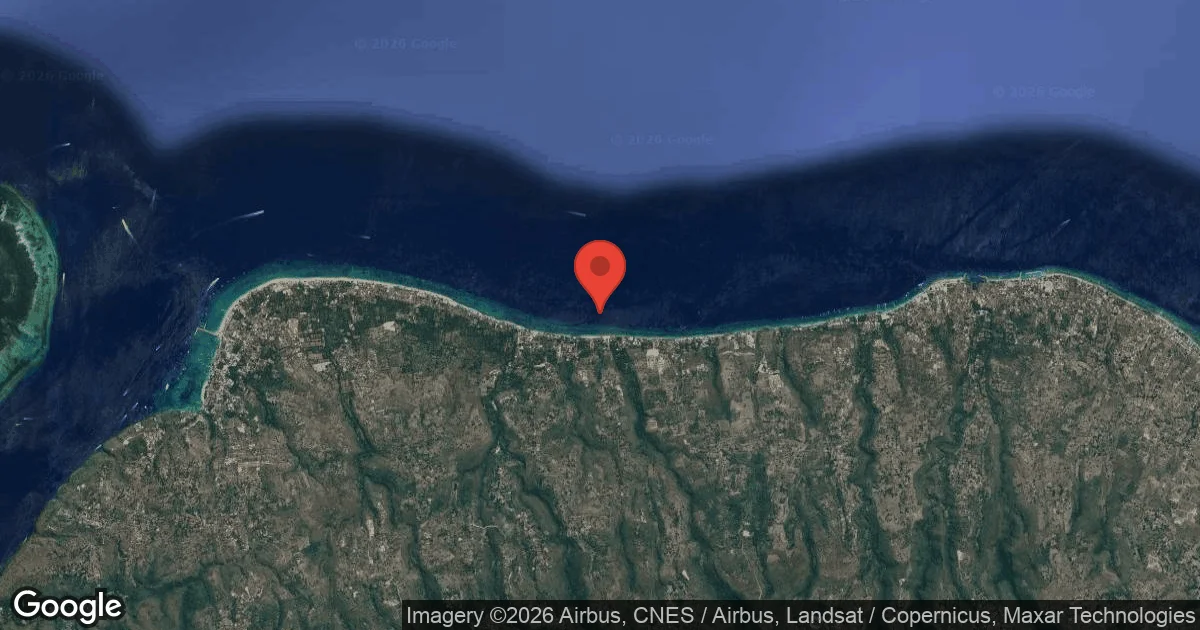
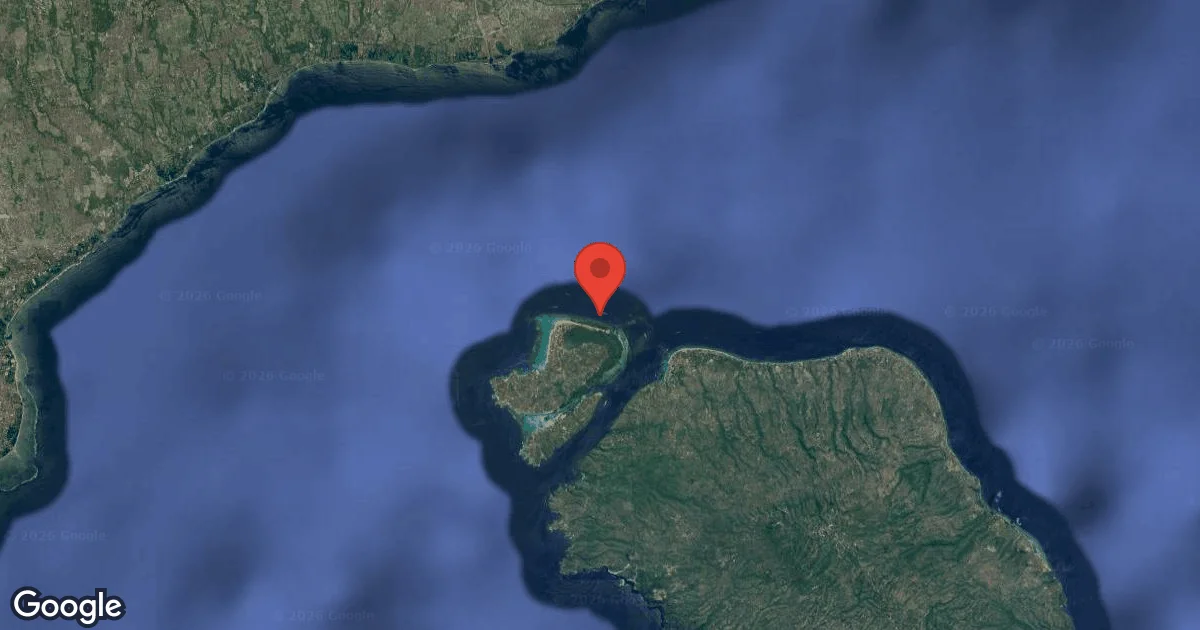
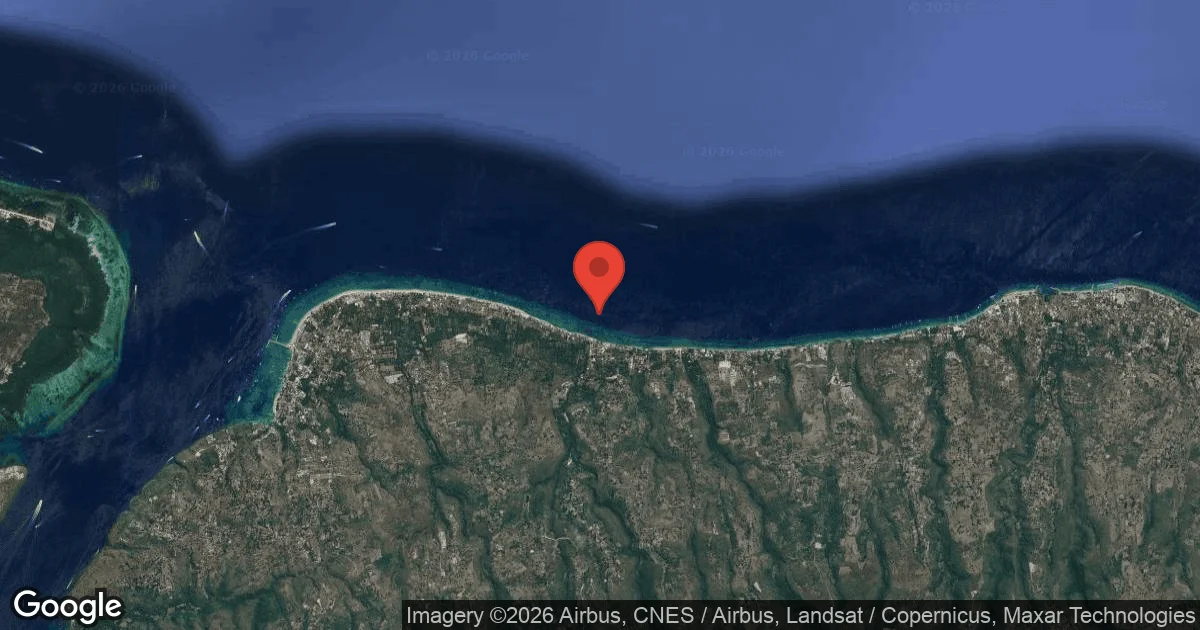
Ceningan Wall stands out for divers seeking dynamic underwater experiences. On Nusa Ceningan's western shore, between Gamat Bay and Toyapakeh, the site forms a significant part of the Nusa Penida Marine Protected Area. Just fifteen minutes from Toyapakeh, its accessibility often contrasts with the challenging yet rewarding conditions encountered. A true wall dive, it's known for vibrant coral coverage and substantial marine interactions.
Evening condition tracking at Ceningan Wall features an air temperature of 25.5°C. We have recorded wave heights measuring 1.1 m during this period. These figures outline the environmental parameters currently present.
Dive Site Location & Key Facts
Dive Site Overview
Dives at Ceningan Wall typically begin with a descent onto a shallow plateau, often impacted by surface swell. Divers can explore lively coral formations on this initial shelf, observing abundant marine life before reaching the main event.
Beyond shallower zones, a vertiginous, colorful wall plunges dramatically into deeper sections. A dense tapestry of corals, sponges, and sea fans completely covers much of its structure, showcasing Nusa Penida's vibrant species diversity.
Such rich growth includes a wide array of gorgonians and soft corals, thriving in the nutrient-rich waters. Site geography frequently generates strong, sometimes unpredictable, currents and down currents.
While these conditions can be challenging for divers, they are a substantial asset, actively fostering rich local fauna and flora. Water movement continuously sweeps nutrients along the wall, sustaining a thriving ecosystem.
Depths can exceed recreational limits, often dropping to 30 m (100 ft) or more, though most vibrant sections commonly lie within standard recreational dive range. This allows exploration of an intricate wall ecosystem, but divers must monitor depth and bottom time. Expect variable conditions and clear waters, with visibility often exceeding 20 m (65 ft).
Conditions are Good
Optimal conditions expected
Current conditions near Ceningan Wall show 25° air, 25° sea temperature, 1.2 m waves, and 25 km/h wind. Forecast data is refreshed regularly to ensure accuracy.
Best Time to Dive
Diving at Ceningan Wall offers varied experiences throughout the year, with conditions shifting based on seasonal patterns. The months of November and December typically present good dive scores, influenced by lower wave heights averaging around 1.3-1.4 meters (4.3-4.6 ft) and air temperatures that often reach 27.5-28°C (82°F). Other periods, from January through October, generally hold a moderate dive score, with slightly higher wave heights. Rainfall tends to be lower from May through October, making surface conditions potentially calmer, though wind speeds can be higher during these months, sometimes reaching over 20 km/h (12 mph) in July. The choice of entry point and the specific dive procedure often adapt to the day's prevailing waves and currents.
PEAK SEASON SCORE
Scores combine air & water temps, waves, wind & rainfall for overall conditions.
BEST MONTHS TO DIVE
Monthly records compiled from satellite and marine observation nodes over the last 3 years. Data provided by Open-Meteo and MET Norway.
Dive Experience & Conditions
Initial entry at Ceningan Wall can be quite dynamic, often commencing on a shallow plateau rocked by swell. As divers progress, they encounter the site's distinguishing feature: a vertiginous wall. Extensive coral growth makes up a significant part of this structure, supporting rich macro life. Conditions here are frequently challenging; strong currents are a consistent factor, and an unpredictable down current has been reported. Powerful water movements, while demanding for divers, contribute significantly to the site's rich biodiversity by sweeping nutrients along the wall. Water temperatures are not consistently reported but generally align with regional averages, typically ranging from 22-27°C (72-81°F). Visibility is frequently stunning, allowing appreciation of the wall's incredible colors.
Dive Difficulty & Safety Guidelines
Diving Ceningan Wall requires a thorough understanding of its significant hazards, primarily strong currents and an unpredictable down current. These conditions necessitate diving with an operator deeply conversant with the site's specific characteristics and its water movements. The speedboat crew also plays a critical role, needing expertise in the area to ensure timely extraction and prevent divers from being swept into the open sea.
Divers should possess advanced skills, particularly in drift diving, to navigate the site safely. A solid briefing from experienced instructors is crucial before entering the water. Due to these challenging elements, it's not a site recommended for inexperienced divers.
Recommended Equipment
- Dive Computer
This gear list is based on verified equipment signals for Ceningan Wall, Indonesia. Always confirm final gear choices with your dive operator, guide, or liveaboard.
Recommended Dive Suit
With water temperatures around 25°C (78°F), many divers find a 3mm wetsuit provides comfortable protection.
Being prepared with flexible exposure options is a common approach among experienced divers.
Current forecasts indicate relatively stable conditions for the coming days.
Emergency & Medical Support
Essential information to help you plan your dive trip to Ceningan Wall.

Hyperbaric chambers are a critical part of dive safety infrastructure. Availability varies significantly by region, and not all dive areas have immediate access.
Before diving, it's recommended to:
- confirm nearest medical facilities
- check emergency procedures with local dive operators
- ensure dive insurance covers evacuation if required
Divers Alert Network
Diving emergency assistance available through DAN World.
+1-919-684-9111- 24/7 emergency hotline
- Diving medical assistance
- Evacuation coordination
Emergency contacts are provided for reference. Always verify local emergency services before diving.
Marine Life at Ceningan Wall
The vigorous currents at Ceningan Wall act as a lifeline for a diverse array of marine species, creating a rich underwater environment. Divers frequently observe schools of fusiliers, moorish idols, and various clownfish on the shallow plateau.
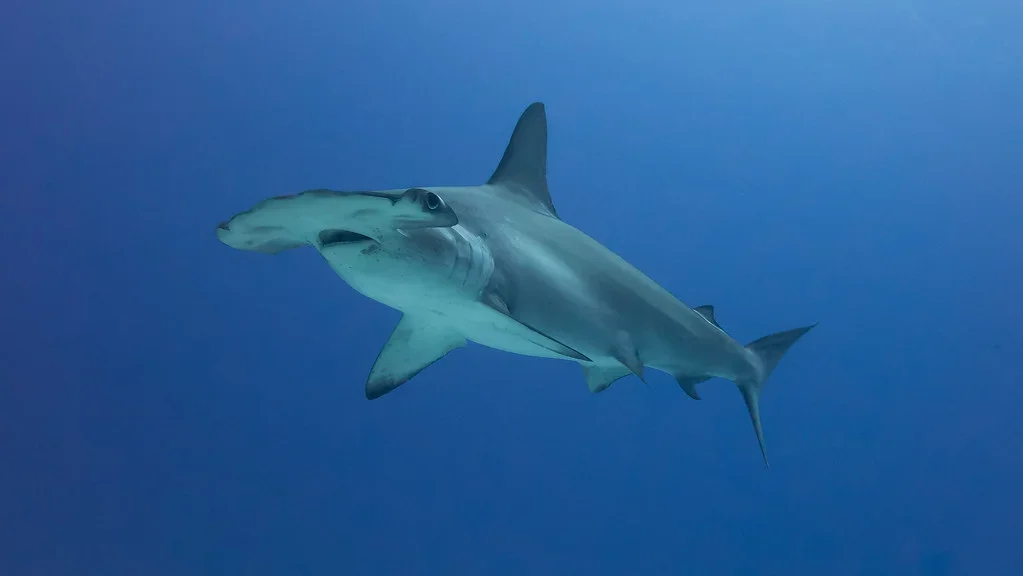
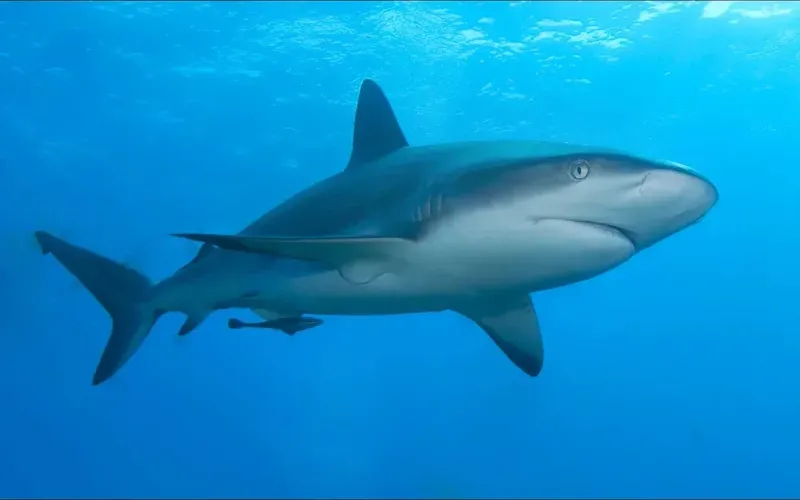
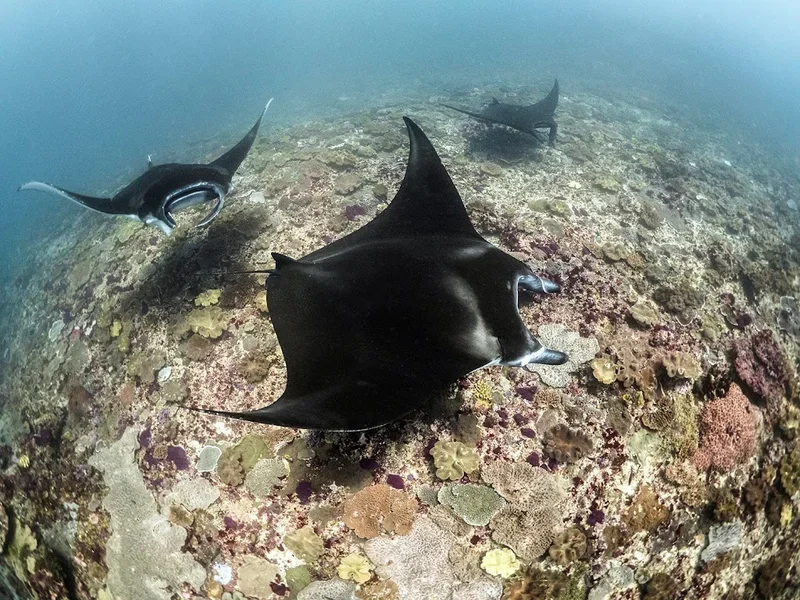
Along the wall, it's possible to encounter large pelagics like great barracudas, tuna, and trevally. The site is also known for different shark species, including reef sharks, leopard sharks, white tip sharks, and occasionally even hammerhead sharks.
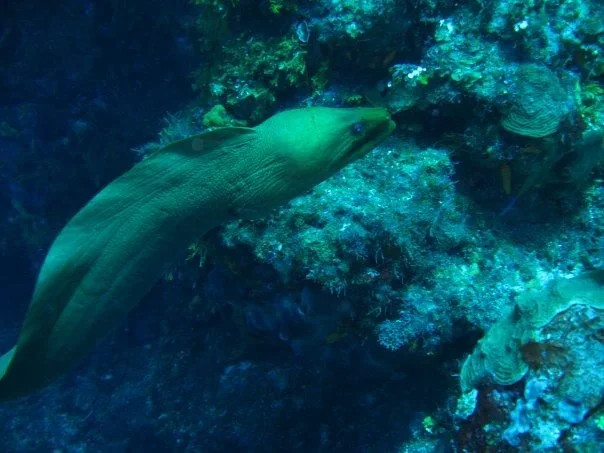
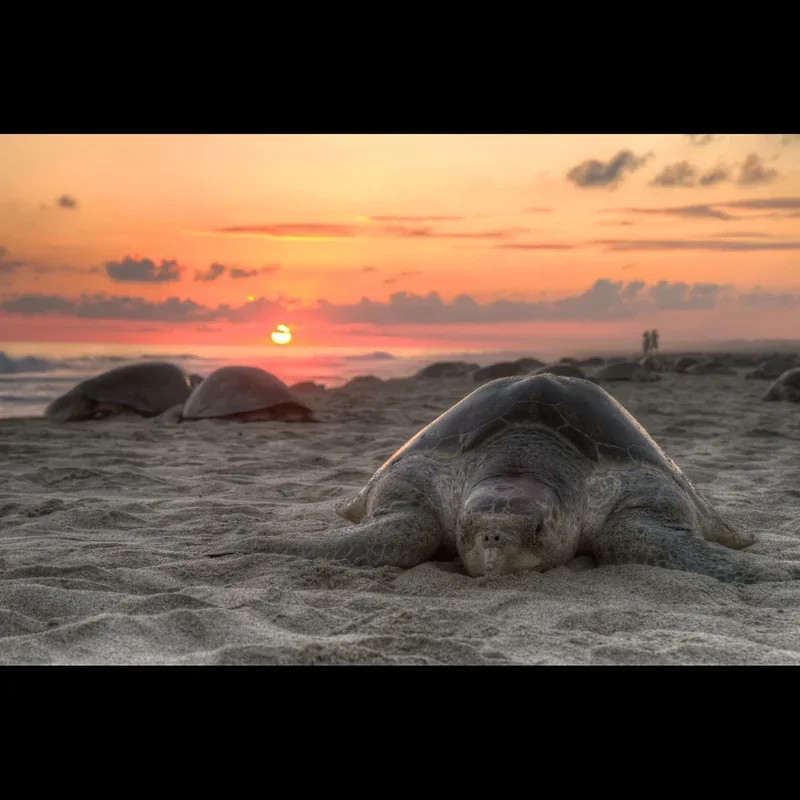
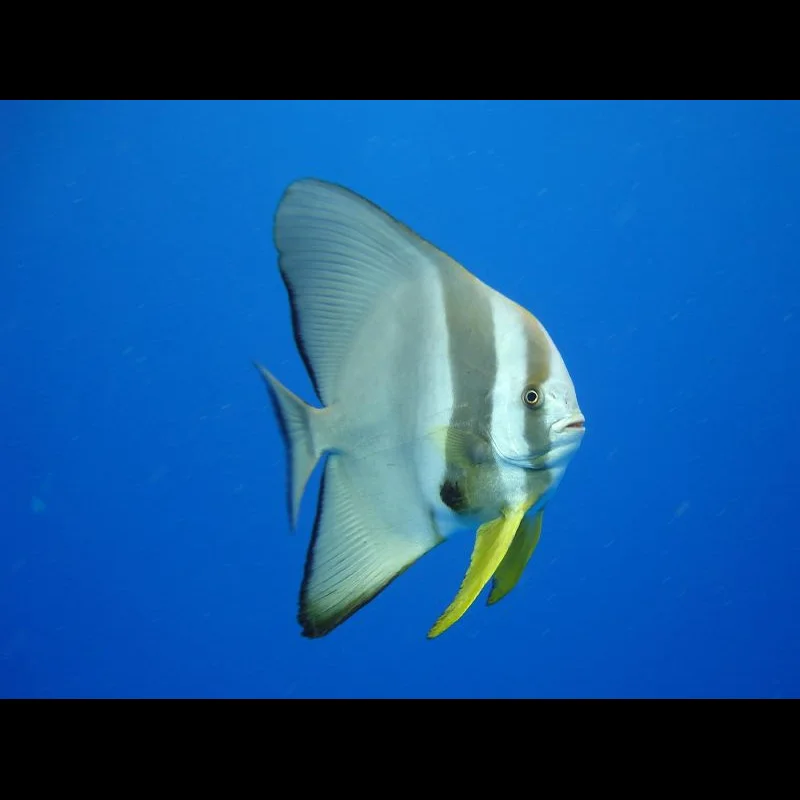
Macro life is abundant, with nudibranchs and moray eels finding shelter within the wall's crevices. Other common sightings include longfin batfish, pufferfish, butterflyfish, trumpet fish, bumphead parrotfish, marble rays, and sea turtles.
Dive Sites Near Ceningan Wall
View all dive sites in IndonesiaDiscover more underwater gems in this area.
Dive Centers Near Ceningan Wall
Today: 09:00 - 19:00
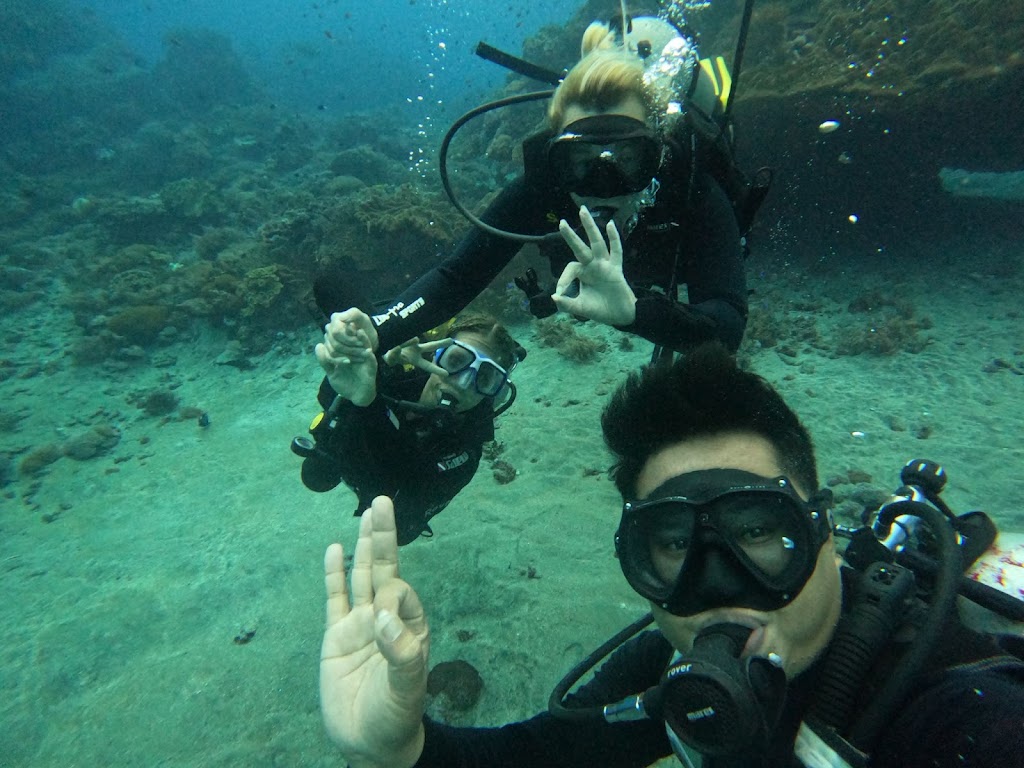
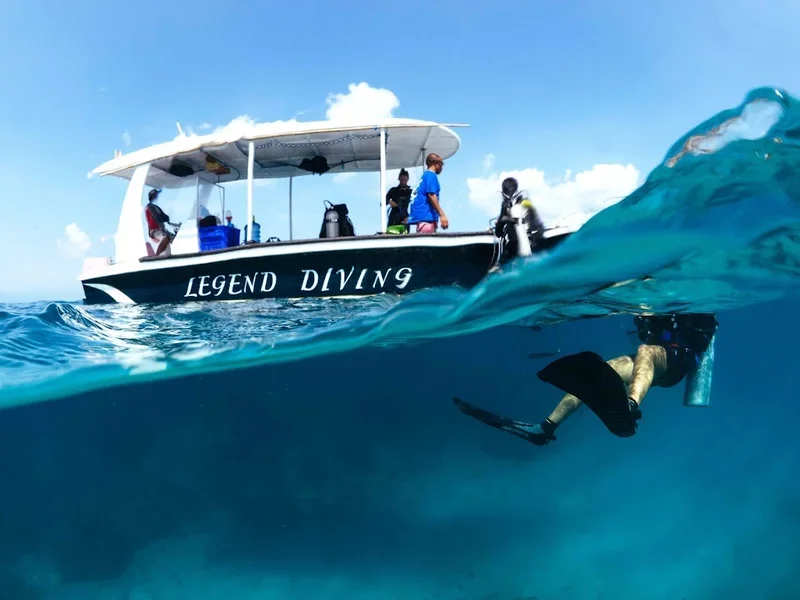
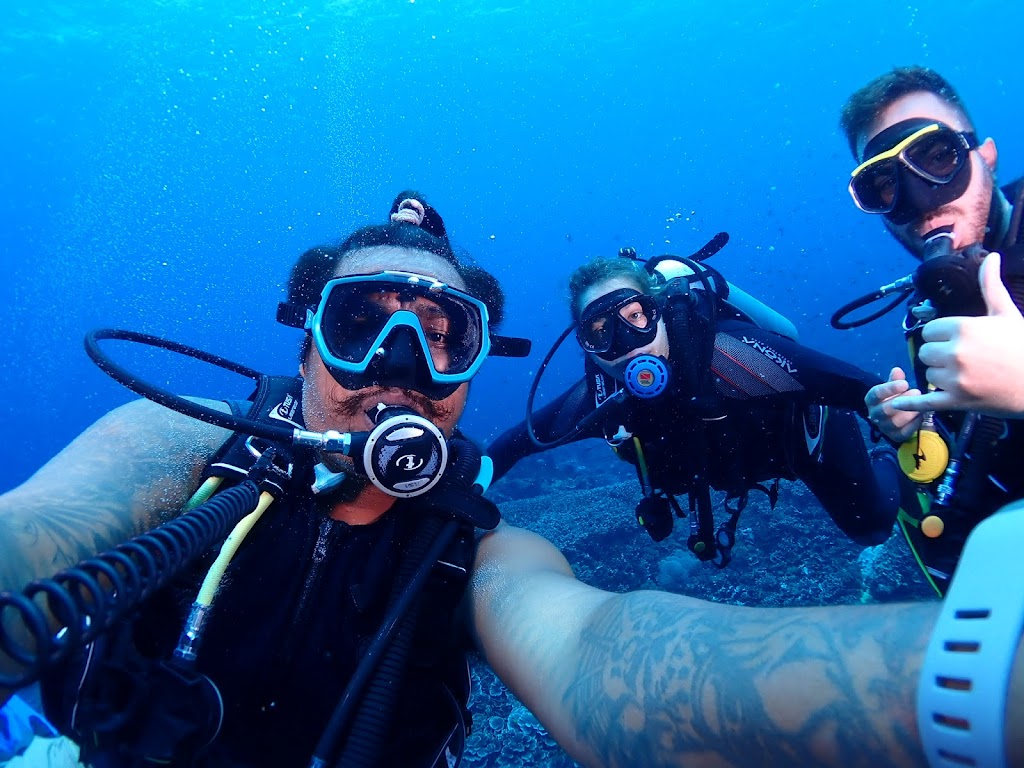
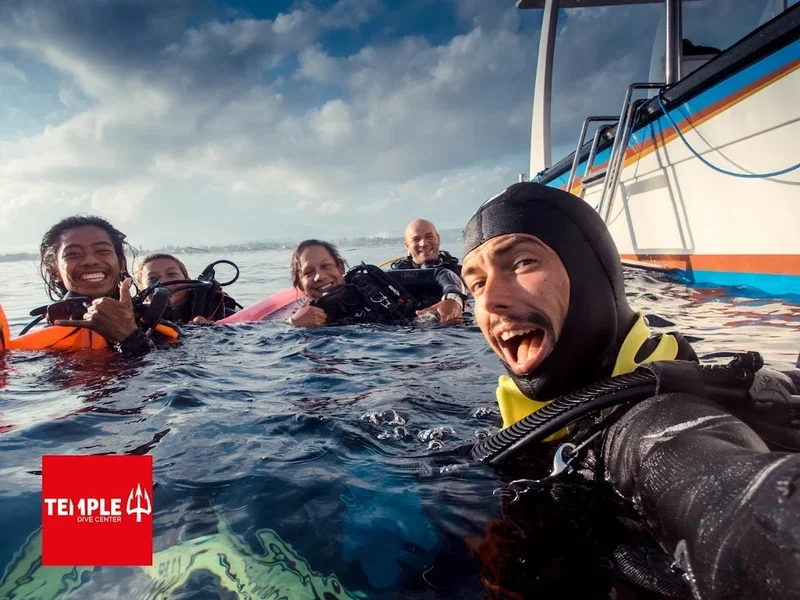


Nearest Airports
Nearest airports to help plan travel to this dive area.
Search Flights
Check available flights and routes on Expedia, using the nearby airports listed in this section.
Search Flights on ExpediaFrequently Asked Questions
Where is Ceningan Wall located?
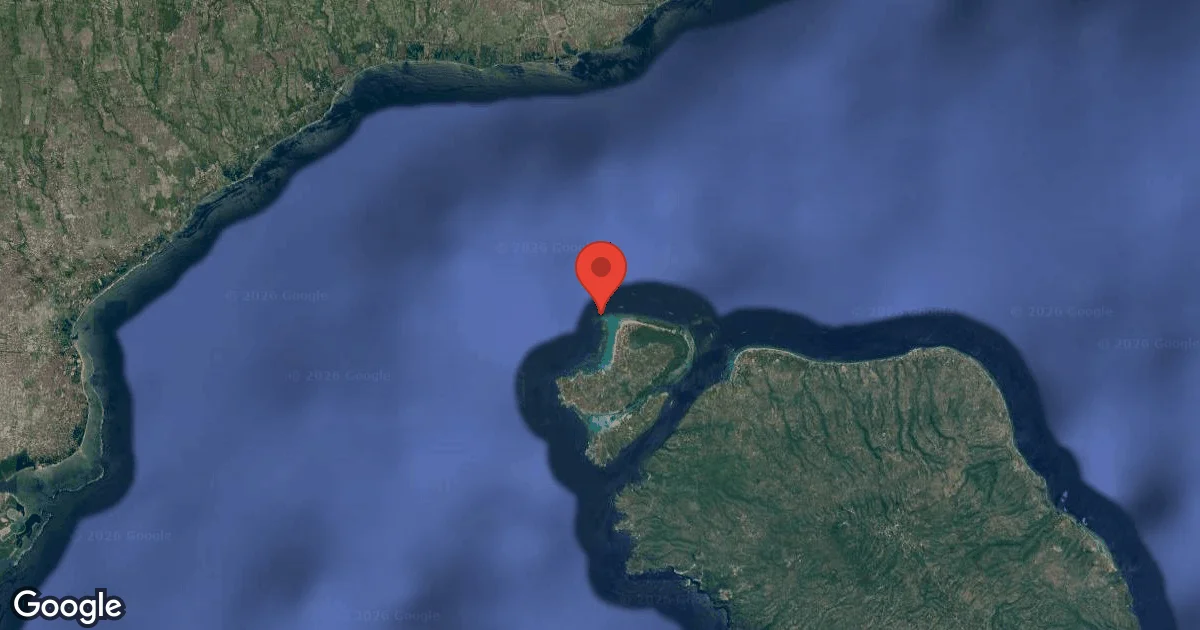
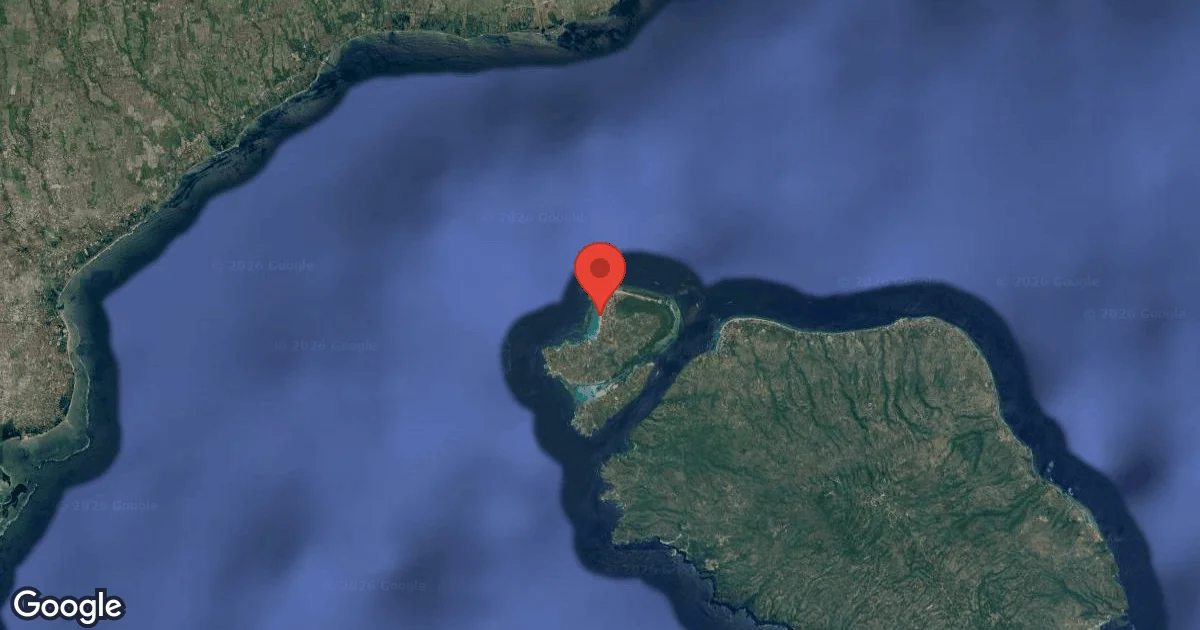
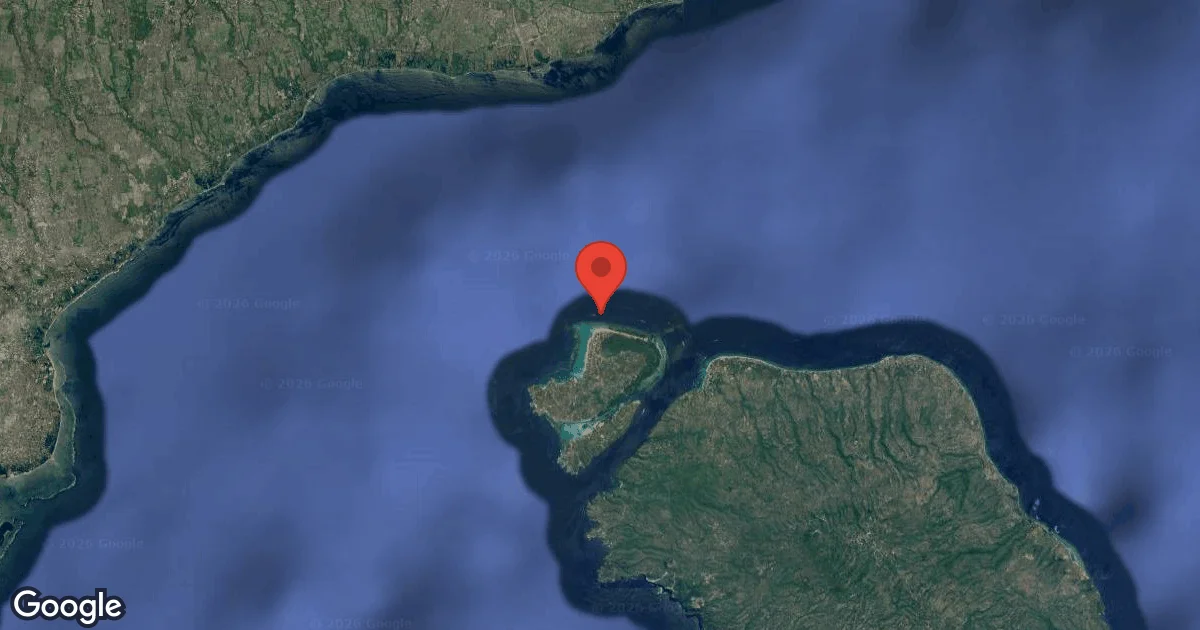
Ceningan Wall is situated on the western shore of Nusa Ceningan, an island between Nusa Lembongan and Nusa Penida in Indonesia. It's approximately a fifteen-minute boat ride from Toyapakeh.
What are the typical conditions at Ceningan Wall?
Ceningan Wall is known for strong, potentially unpredictable down currents, creating a challenging dive. Conditions vary with daily waves and broader weather. Water temperature is generally warm, reflecting tropical climate.
Is Ceningan Wall suitable for all divers?
No, due to strong and sometimes unpredictable currents, Ceningan Wall is best suited for experienced divers. It requires good drift diving skills and an experienced dive operator to ensure safety.
What kind of marine life can I expect to see?
Strong currents support a rich ecosystem. Divers often see various fish, including fusiliers, moorish idols, barracudas, and different shark species. Macro life like nudibranchs and moray eels is also commonly observed.
What is the topography of the dive site?
A dive typically starts on a shallow, swell-affected plateau with coral bumps. This then leads to a dramatic, colorful wall descending into deeper waters. Corals, sponges, and sea fans cover the entire wall.
What are the best months to dive Ceningan Wall?
While it can be dived year-round, November and December generally offer good dive conditions with lower wave heights and comfortable air temperatures. Other months, while still diveable, may present more moderate conditions.
Planning to dive Ceningan Wall?
Send one inquiry and receive offers directly from the best verified local dive operators.
Conditions are Good
Optimal conditions expected
Current conditions near Ceningan Wall show 25° air, 25° sea temperature, 1.2 m waves, and 25 km/h wind. Forecast data is refreshed regularly to ensure accuracy.