
Diving at Ped (Indonesia)
Approaching Ped requires a keen awareness of currents, as this site is primarily a dynamic drift dive. Divers benefit from understanding the nuanced flow of water along Nusa Penida's north coast. Prepare for seamless transitions across diverse underwater landscapes, from expansive shallow plateaus to dramatic walls. Prioritizing safety and local guidance will enhance your exploration here.
Evening condition tracking at Ped features an air temperature of 26.5°C. We have recorded wave heights measuring 1.5 m during this period. These figures outline the environmental parameters currently present.
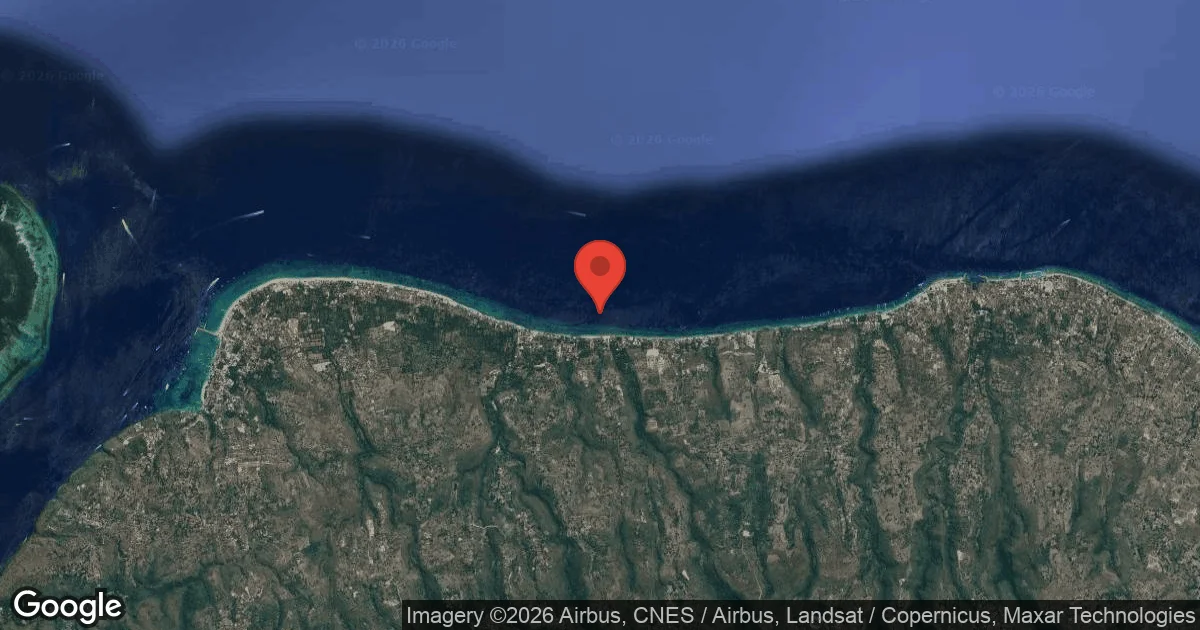
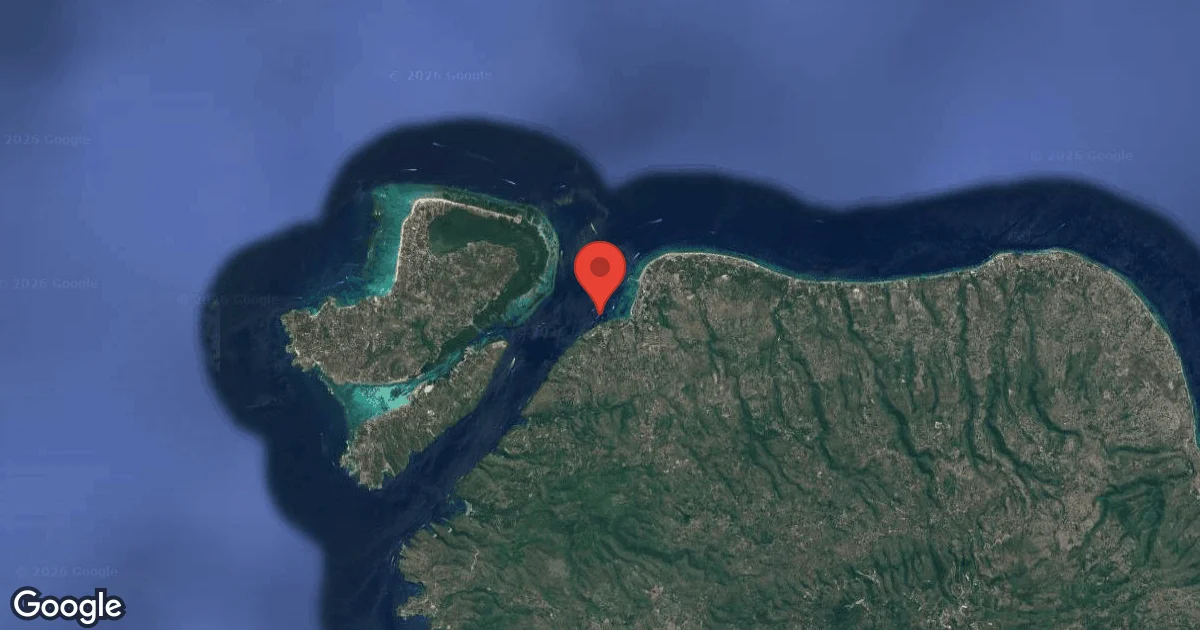
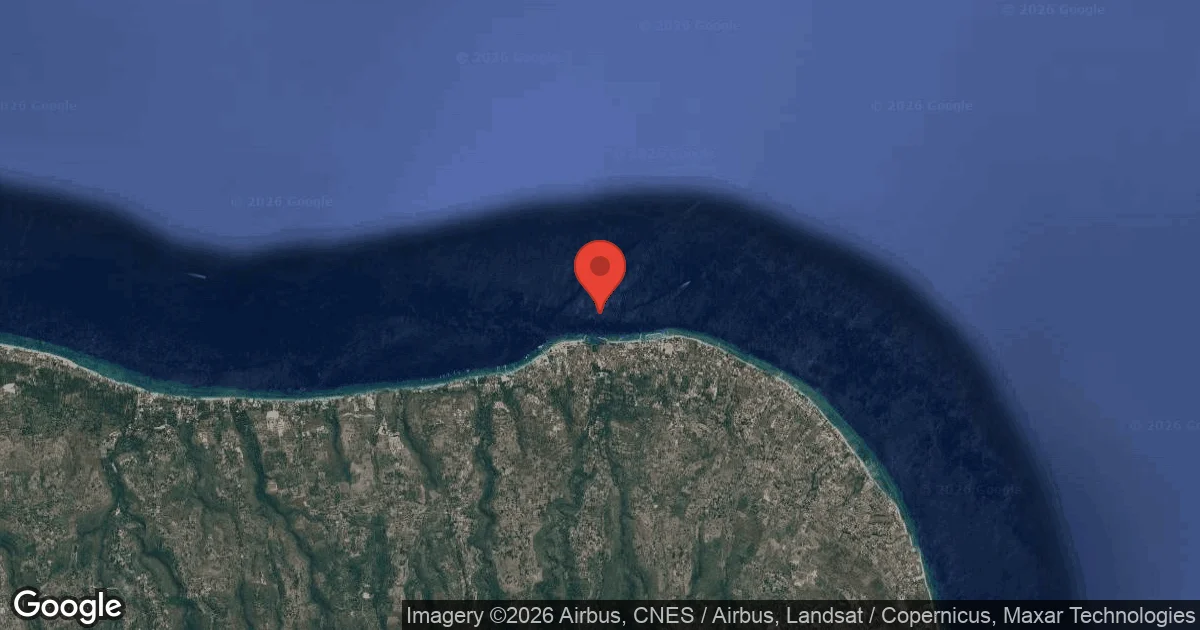
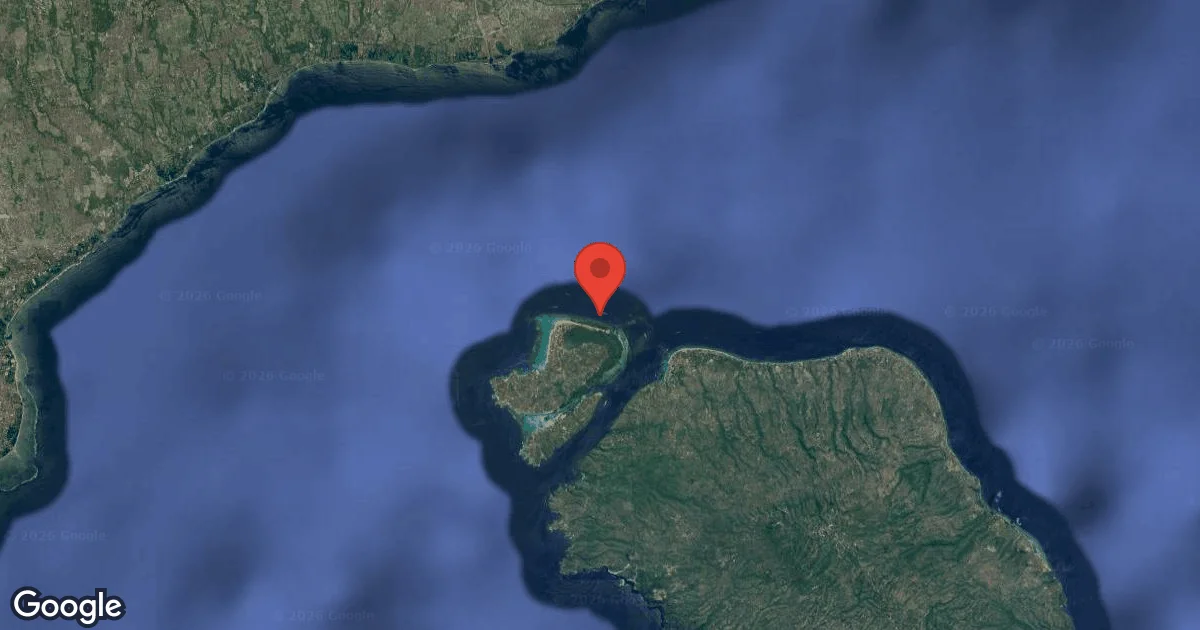
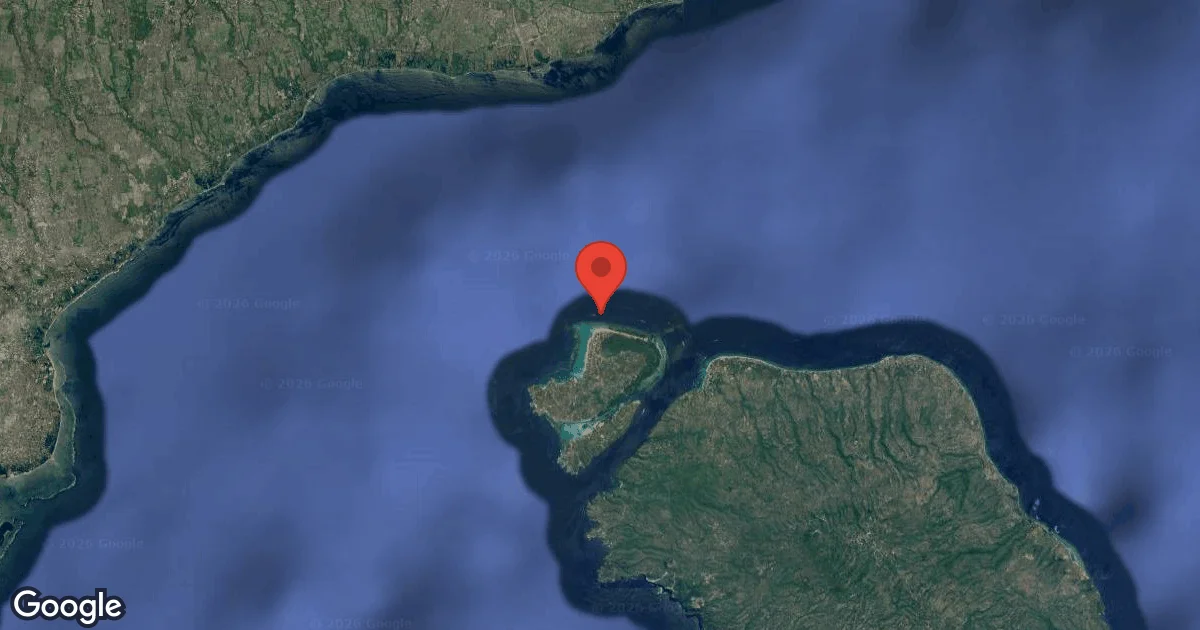
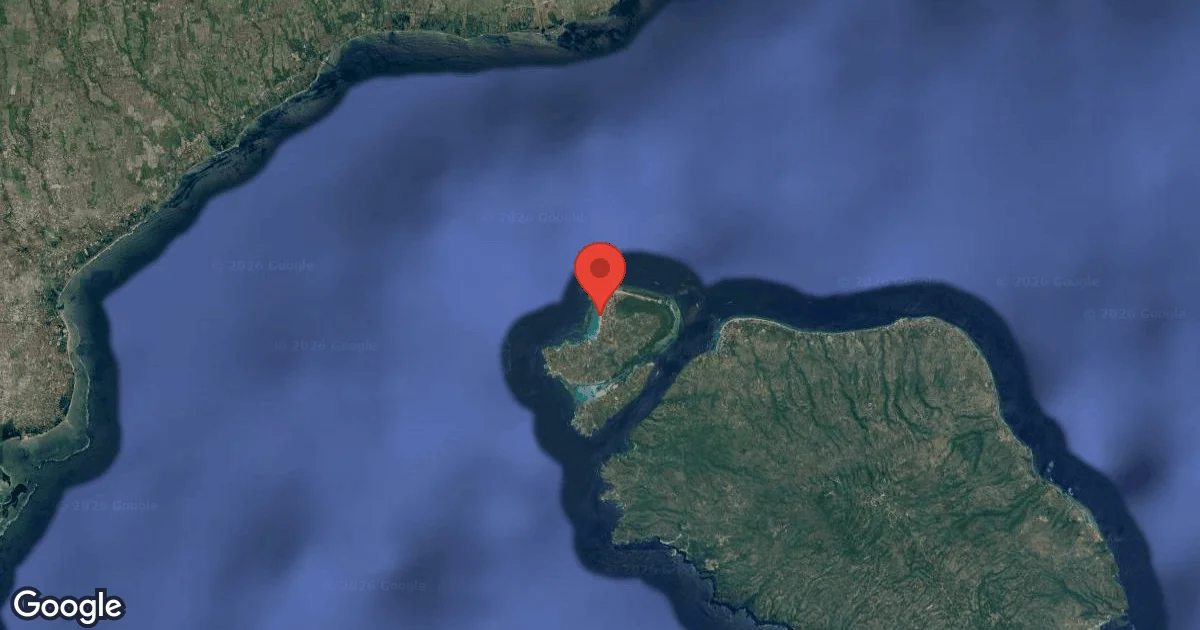
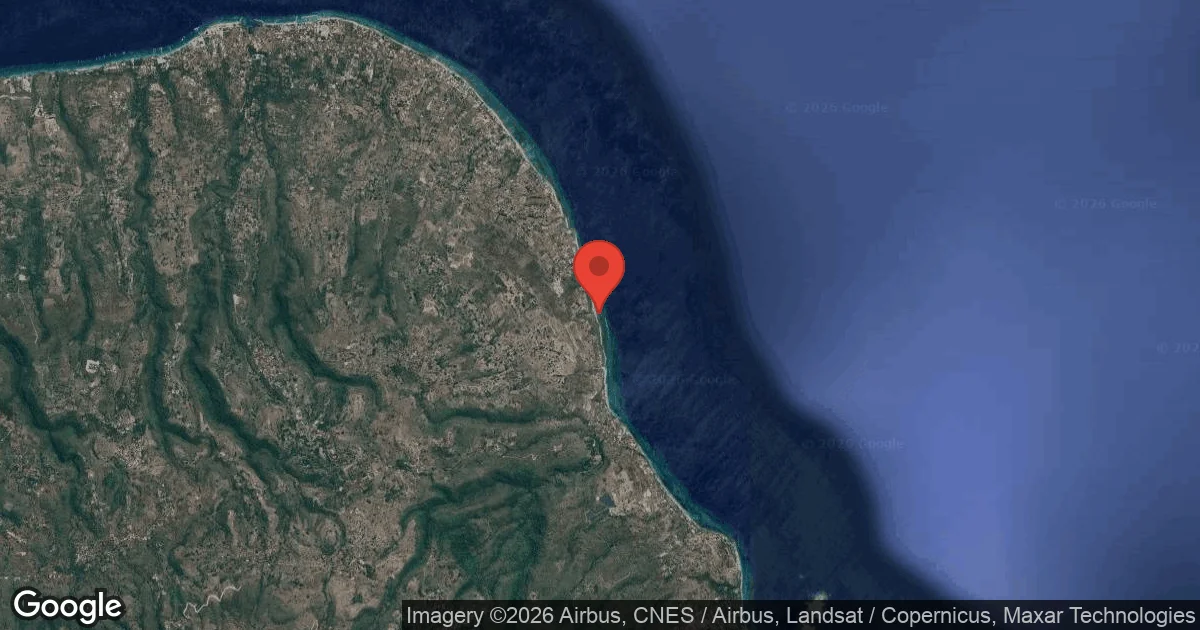
Dive Site Location & Key Facts
Dive Site Overview
Diving at Ped offers an exceptional underwater experience along Nusa Penida's north coast, connecting seamlessly with neighboring sites like SD Point. This area is characterized by its dramatic drop-off and predominantly drift diving conditions, where currents can range from gentle to swift, carrying divers along the extensive coral reef.
A dive often begins on a wide, shallow plateau, vibrant with a diversity of coral and marine species, before transitioning to a wall that descends into deeper waters. The site's topography features a steep slope, marked by flattened Barrel sponges and areas of Staghorn coral, with some stretches forming deep walls, particularly towards Sental.
Visibility typically spans 18-30 m (60-100 ft), allowing for broad views of the reef and the possibility of unexpected pelagic encounters in the blue. Depending on current strength, a single immersion might extend across multiple sites, offering a varied and unpredictable exploration.
Conditions are Good
07:00 - 14:00
Optimal conditions expected
Current conditions near Ped show 26° air, 27° sea temperature, 1.2 m waves, and 19 km/h wind. Forecast data is refreshed regularly to ensure accuracy.
Best Time to Dive
Considering optimal dive conditions for Ped, November and December often present a 'Good' dive score, aligning with lower wave heights averaging around 1.3-1.4 m (4.3-4.6 ft) and reduced rainfall, typically 4.37-7.41 mm (0.17-0.29 in). In contrast, the months of July and August, while offering similar 'Moderate' dive scores to much of the year, record slightly higher average wave heights near 1.8 m (5.9 ft) and stronger winds, sometimes reaching 20.48 km/h (12.7 mph). Air temperatures remain consistently warm throughout the year, ranging from 26.5°C (80°F) in cooler months to 28.5°C (83°F) in warmer periods, creating a comfortable surface environment regardless of the season. Water temperatures are not consistently reported but generally align with regional averages for tropical diving.
PEAK SEASON SCORE
Scores combine air & water temps, waves, wind & rainfall for overall conditions.
BEST MONTHS TO DIVE
Monthly records compiled from satellite and marine observation nodes over the last 3 years. Data provided by Open-Meteo and MET Norway.
Dive Experience & Conditions
Beginning your descent at Ped, you'll first encounter a broad, shallow plateau, alive with coral and resident marine species. This vibrant section is a favored spot for turtles, often seen grazing or resting. Beyond this plateau, the terrain shifts into a reef wall, gradually descending into deeper water, creating a dramatic visual transition. Ideal exploration depth at Ped is often found between 18 and 20 m (59 and 66 ft), where macro life thrives amidst vivid reef colors and dense fish populations. Currents are a defining feature of this site; they are generally predictable but can become quite strong, necessitating good buoyancy control. While the current often provides an effortless drift, divers must remain alert for potential pull-out currents and occasional downdrafts.
Dive Difficulty & Safety Guidelines
Diving Ped requires an understanding of its dynamic currents and an adherence to established safety protocols. Though currents are often steady, occasional rip currents and downdrafts can occur, making professional guidance essential. Always dive under the supervision of qualified local instructors, who prioritize diver safety.
An experienced local guide ensures dives are conducted confidently, especially when strong currents might carry divers across multiple sites. Maintaining situational awareness is critical, particularly for pelagic sightings in the open blue water and navigating potential current shifts.
Divers should be comfortable with drift diving techniques and prepared for varying underwater conditions.
Recommended Equipment
Current and surface separation risk. Local briefing strongly recommended.
- Dive Computer
- DSMB
- Reel / Spool
This gear list is based on verified equipment signals for Ped, Indonesia. Always confirm final gear choices with your dive operator, guide, or liveaboard.
Recommended Dive Suit
2-3mm shorty or light wetsuit usually provides adequate warmth in water around this temperature. For divers entering the water at Ped, temperatures are currently hovering around 27°C (81°F). Surface air temperatures are resting at 26°C (79°F).
Weather models currently point toward consistent diving conditions over the next several days.
Conditions can vary slightly across different parts of the same dive site.
Due to technical issues with our weather providers, live updates are temporarily delayed. The data above reflects the conditions at the time of the last successful fetch.
Emergency & Medical Support
Essential information to help you plan your dive trip to Ped.

Hyperbaric chambers are a critical part of dive safety infrastructure. Availability varies significantly by region, and not all dive areas have immediate access.
Before diving, it's recommended to:
- confirm nearest medical facilities
- check emergency procedures with local dive operators
- ensure dive insurance covers evacuation if required
Divers Alert Network
Diving emergency assistance available through DAN World.
+1-919-684-9111- 24/7 emergency hotline
- Diving medical assistance
- Evacuation coordination
Emergency contacts are provided for reference. Always verify local emergency services before diving.
Marine Life at Ped
On your initial approach to Ped, the shallow plateau immediately showcases an impressive diversity of coral and marine species. Turtles are frequently observed here, often a first noticeable interaction.
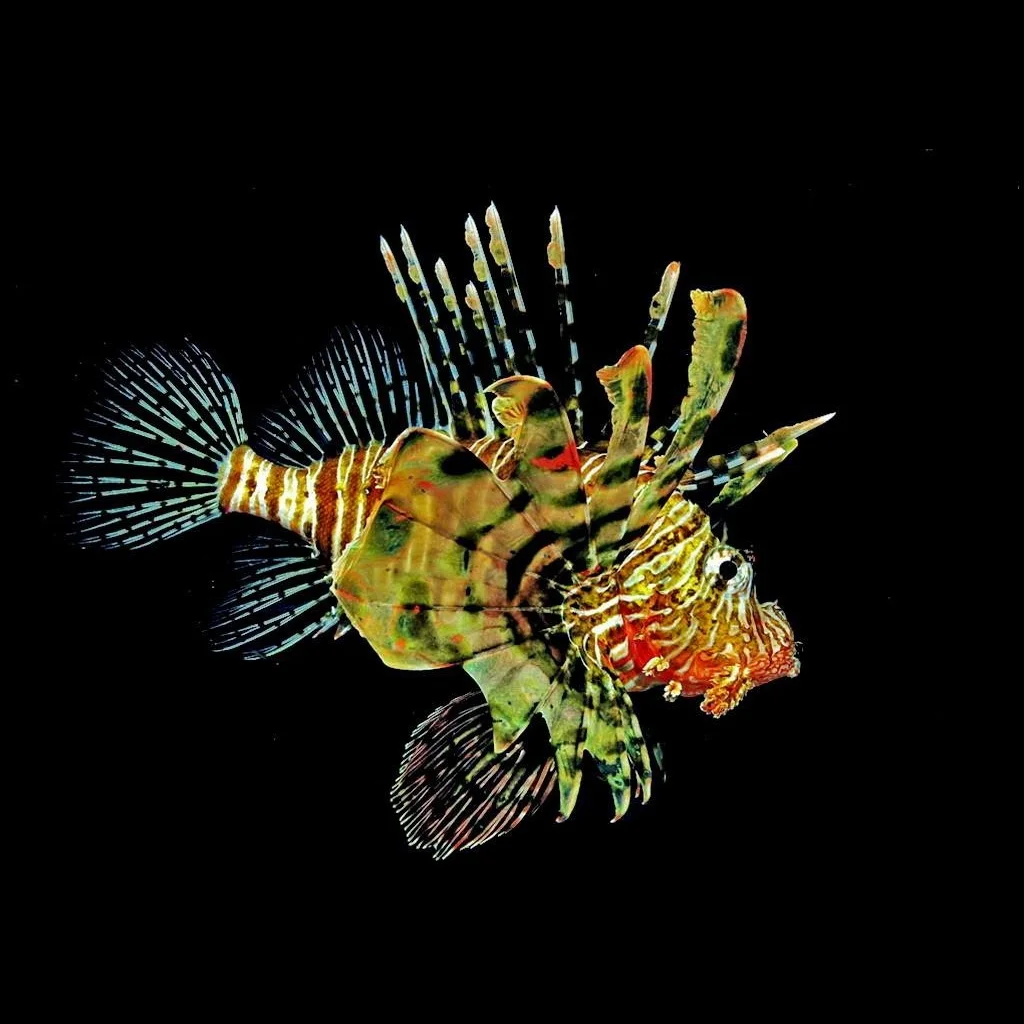
As the dive progresses deeper along the reef slope, watch for Moorish idols, sweetlips, and lionfish moving among the soft corals. Keep an eye on the blue, as around 20-25 m (66-82 ft), the chances of encountering larger pelagic visitors increase significantly.
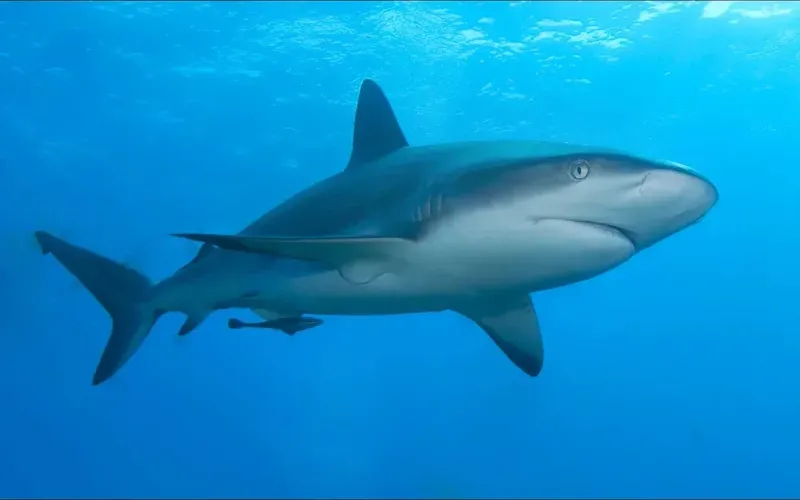
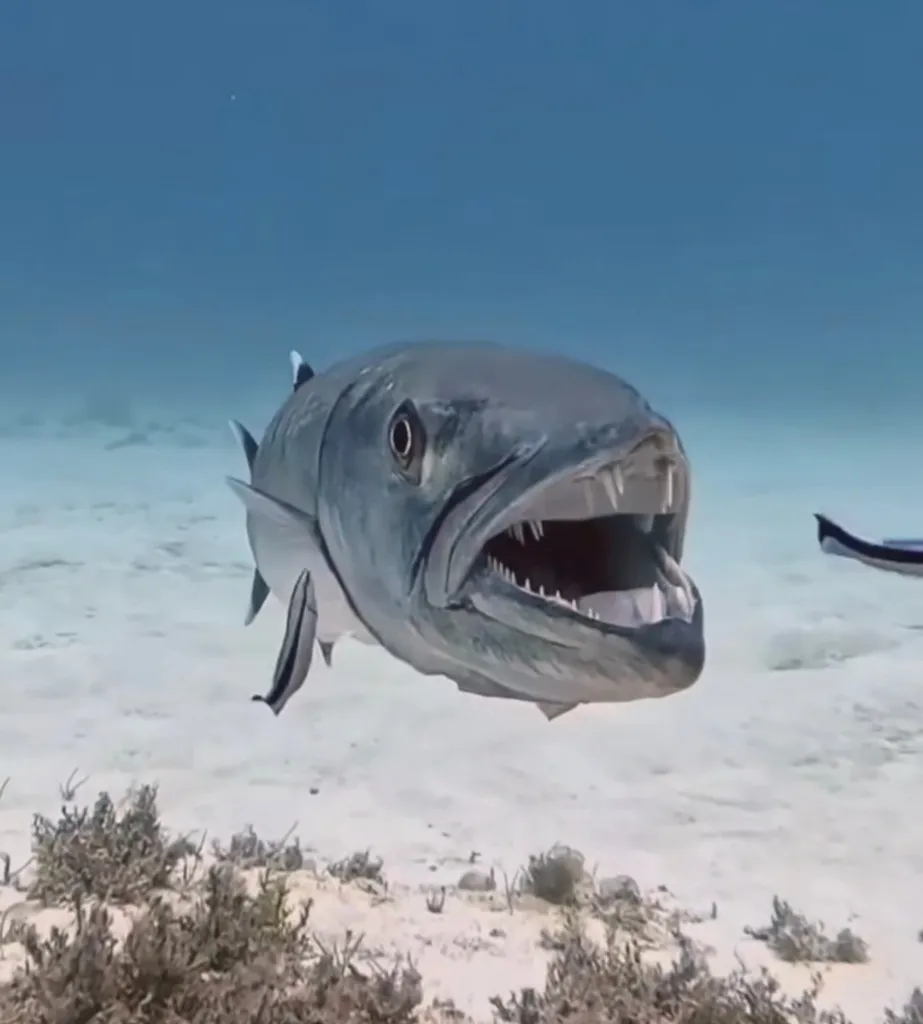
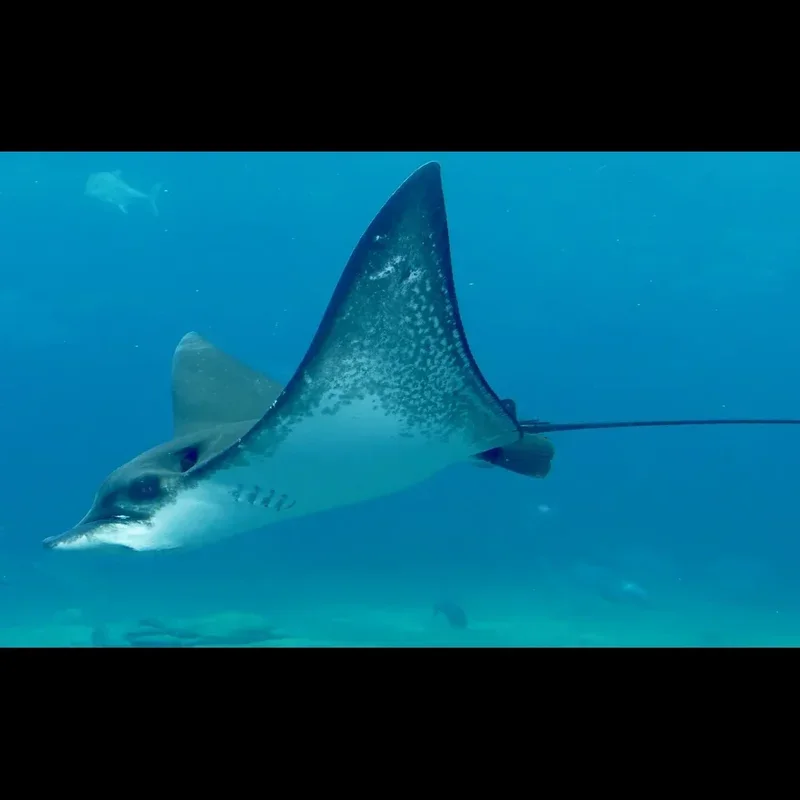
White-tip and Black-tip reef sharks, tuna, barracuda, Manta and Eagle rays, and even seasonal Mola-Mola may appear. The site is also known for abundant macro life, adding a kaleidoscope of colors to the experience, with giant pufferfish sometimes measuring over a meter in length.

Dive Sites Near Ped
View all dive sites in IndonesiaDiscover more underwater gems in this area.
Dive Centers Near Ped

Today: 07:30 - 18:00

Nearest Airports
Nearest airports to help plan travel to this dive area.
Search Flights
Check available flights and routes on Expedia, using the nearby airports listed in this section.
Search Flights on ExpediaFrequently Asked Questions
What kind of diving is Ped known for?
Ped is primarily known for its dynamic drift diving, where currents carry divers along an extensive coral reef system. It offers thrilling underwater journeys with diverse marine life encounters.
What kind of underwater topography can I expect at Ped?
A wide, shallow plateau characterizes the site, transitioning into a reef wall that descends to deeper waters. Its topography includes a steep slope, flattened Barrel sponges, and areas of Staghorn coral, with some deep wall sections.
What is the typical visibility at Ped?
Visibility at Ped is generally quite good, usually ranging between 18 and 30 m (60 and 100 ft). This allows for clear views of the reef and potential pelagic sightings.
Are there strong currents at Ped?
Yes, Ped is a drift dive site, and currents can be strong, though often predictable. Divers should be prepared for varying current strengths and potential pull-out currents or downdrafts.
What marine life can I expect to see at Ped?
You can anticipate seeing turtles on the plateau, various reef fish like Moorish idols, sweetlips, and lionfish. Deeper waters offer chances to spot pelagics such as Manta rays, reef sharks, tuna, barracuda, and seasonal Mola-Mola.
Is Ped suitable for all diver levels?
While suitable for divers of all levels, the dynamic drift conditions mean that comfortable experience with currents and good buoyancy control are beneficial. Diving with local instructors is highly recommended.
What is the best depth for exploring Ped?
Exploring Ped is often ideal between 18 and 20 m (59 and 66 ft). This depth range offers abundant macro life, vivid reef colors, and dense fish activity.
Planning to dive Ped?
Send one inquiry and receive offers directly from the best verified local dive operators.
Conditions are Good
07:00 - 14:00
Optimal conditions expected
Current conditions near Ped show 26° air, 27° sea temperature, 1.2 m waves, and 19 km/h wind. Forecast data is refreshed regularly to ensure accuracy.