
Diving at House Reef (Indonesia)
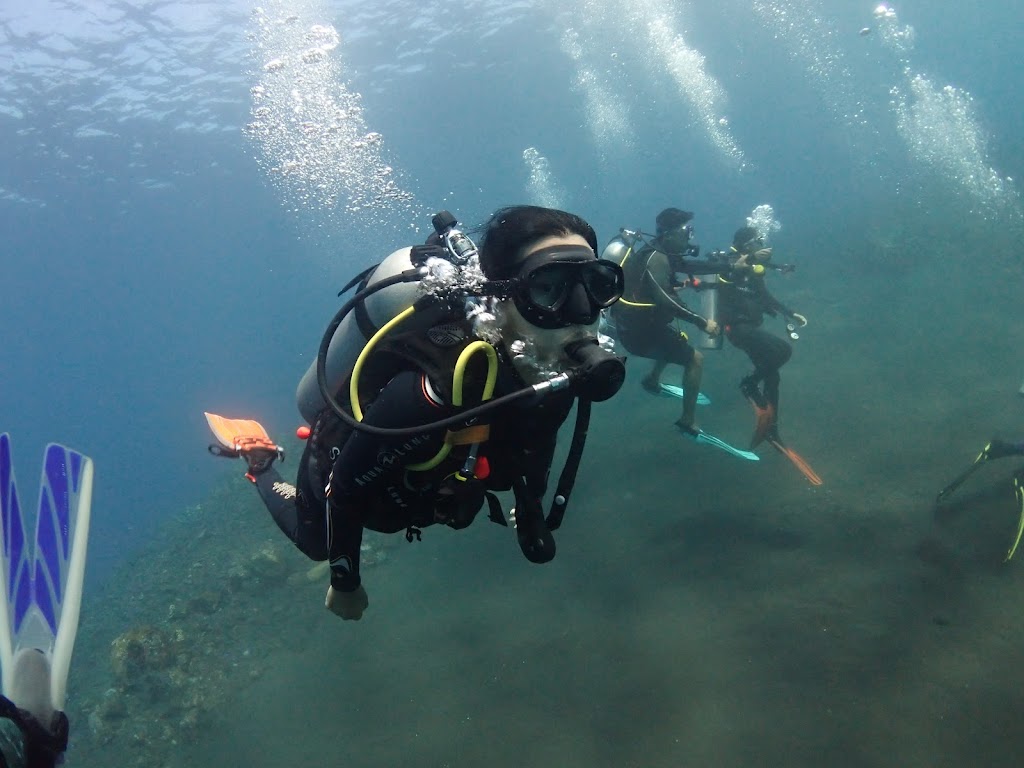
Descending onto a House Reef in Indonesia reveals a diverse underwater landscape, starting with lush seagrass beds in the shallows. Beyond, a sloping reef transitions into vibrant hard coral bommies and white sandy flats. Canyons and coral outcroppings punctuate the scenery, leading to an abrupt drop-off. This reef edge plunges from depths of less than 2 m / 6 ft to over 40 m / 130 ft, featuring wall sections, overhangs, and ridges, providing a comprehensive dive environment.
Tonight's objective overview for House Reef shows an air temperature of 26°C. The measured surface conditions include wave heights around 0.8 m. This environmental data is logged for the close of the day.
Dive Site Location & Key Facts
Dive Site Overview
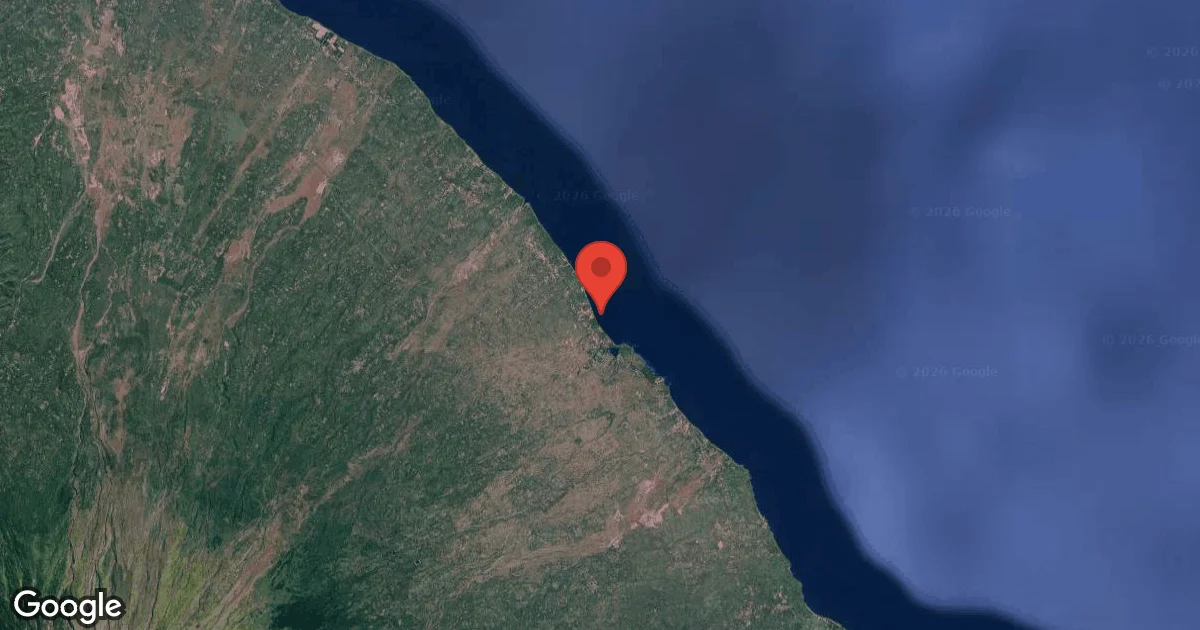
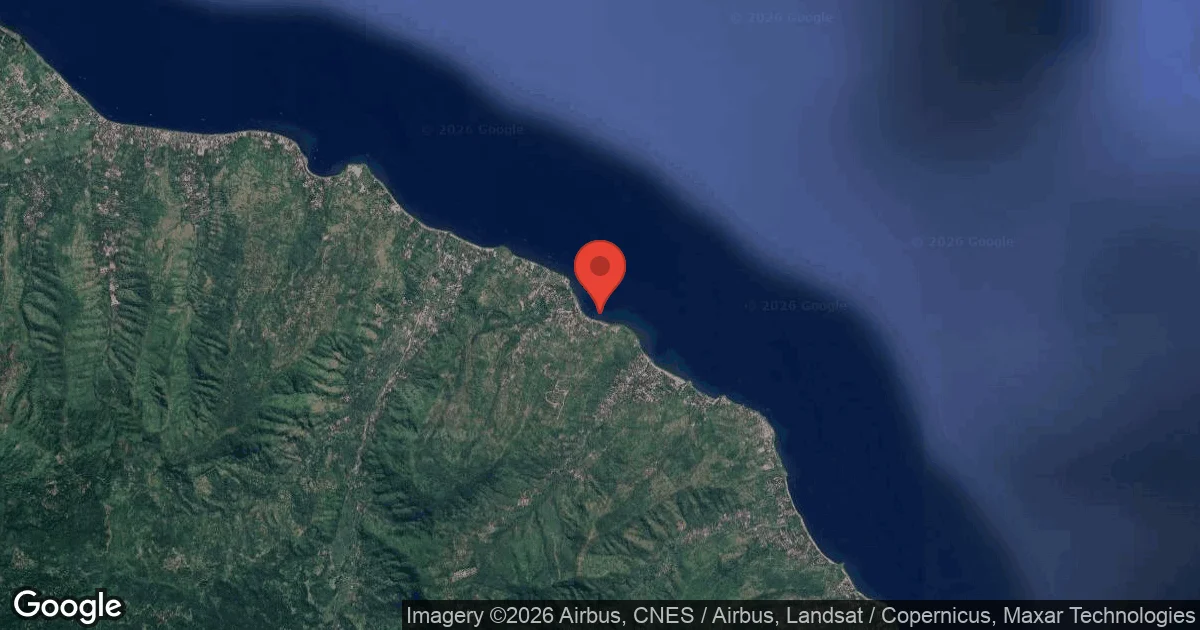
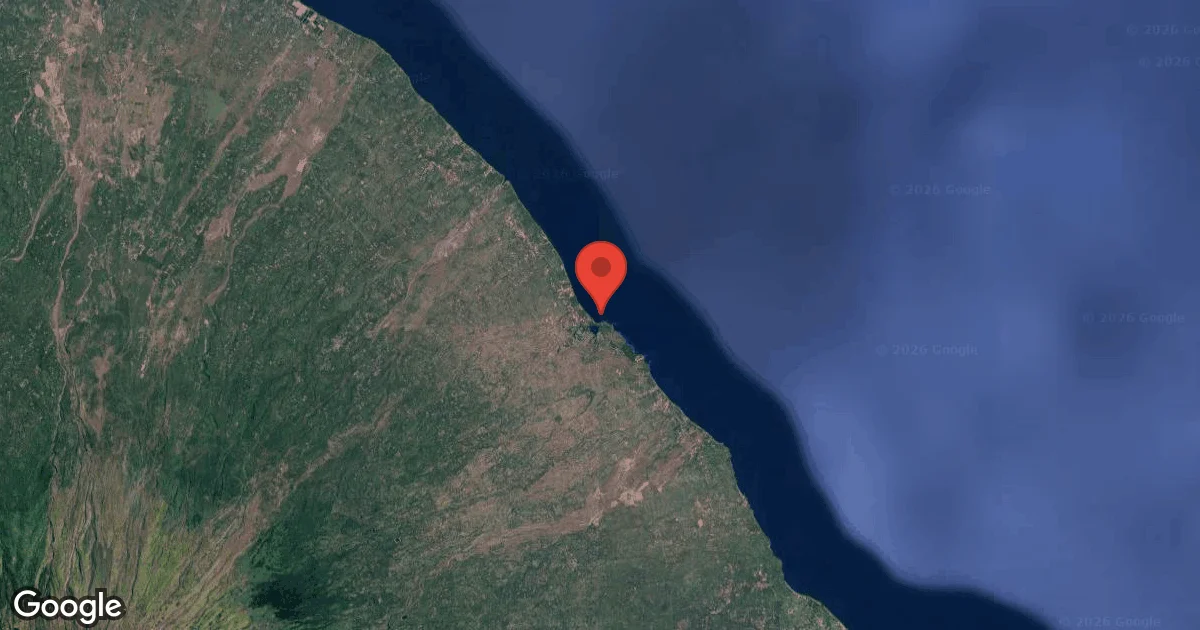
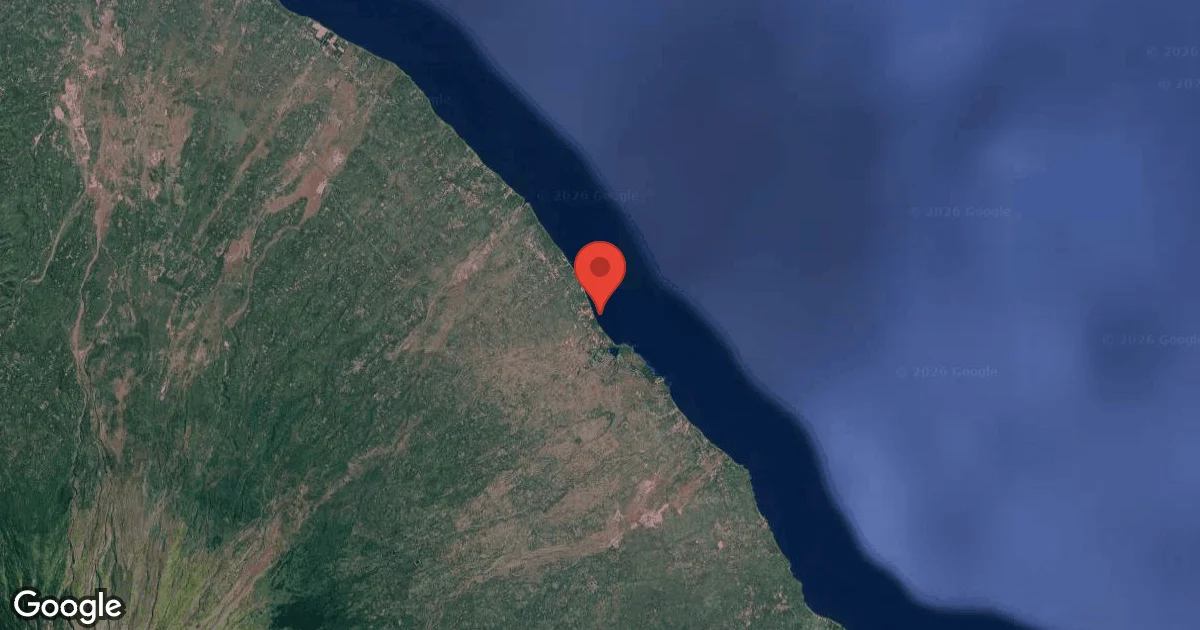
Imagine a dive site where varied underwater topography unfolds directly from the shore, providing accessible exploration for all skill levels. Indonesia's House Reefs offer just that, from gentle sandy channels near the beach to dramatic drop-offs further out.
Divers can easily explore a sloping reef blanketed with hard and soft corals, where vibrant bommies rise from white sand. The convenience of shore entry means you can transition from shallow macro-rich seagrass beds to the outer reef slope, which descends to depths beyond 40 m / 130 ft, presenting opportunities for multi-level dives. Currents here are often mild to medium, running along the outer reef during tide changes, allowing for gentle drift dives.
These sites are frequently hailed as world-class shore dives, popular with underwater photographers who find an endless array of subjects. Whether you prefer a leisurely day dive along a coral wall or an exciting night dive to spot nocturnal species, the House Reef structure accommodates diverse interests.
Some House Reefs extend for miles, offering different sections accessible by swimming or short taxi boat rides.
Conditions are Good
Optimal conditions expected
Current conditions near House Reef show 26° air, 28° sea temperature, 0.9 m waves, and 24 km/h wind. Forecast data is refreshed regularly to ensure accuracy.
Best Time to Dive
Diving at House Reefs in Indonesia is generally favorable year-round, though conditions shift with the seasons. Air temperatures remain consistently warm, typically ranging from 26°C / 79°F in cooler months like July to highs near 29°C / 84°F around October. While overall dive scores remain good, drier periods from May through October present minimal rainfall, often less than 1 mm, contrasting with wetter months like January and February, which can see rainfall exceeding 20 mm. Sea conditions vary, with wave heights generally lower during November and December, around 0.5 meters, compared to the July peak of just over 1 meter. Tidal patterns significantly influence the dive experience; slack water periods at both high and low tide offer calmer conditions for exploration. Conversely, mild to medium currents can occur along the outer reef slope during tide changes, providing opportunities for drift dives. Local dive teams often advise on the best daily timings based on current and weather forecasts.
PEAK SEASON SCORE
Scores combine air & water temps, waves, wind & rainfall for overall conditions.
BEST MONTHS TO DIVE
Monthly records compiled from satellite and marine observation nodes over the last 3 years. Data provided by Open-Meteo and MET Norway.
Dive Experience & Conditions
Entering the House Reef environment often involves a straightforward shore entry from a black sand beach, or sometimes via a jetty. Divers can easily wade out a short distance to reach water deep enough to don fins without disturbing shallow corals. From there, you typically follow sandy channels away from the shore into the shallow areas, just a few meters deep, before descending. The reef structure then generally slopes gently before dropping abruptly at its outer edge, plunging significantly deeper within a short swim. Visibility can vary but is often clear. While the reef can be explored at any tide, mild to medium currents may occur along the outer reef slope during tide changes. This provides chances for drift diving. Water temperatures are not consistently reported for this specific House Reef.
Dive Difficulty & Safety Guidelines
Navigating the House Reef responsibly requires adherence to standard diving practices and local guidance. It's highly recommended to undertake initial dives with a local guide, who can offer insights on entries, exits, navigation, and potential currents.
Always inform resort staff or the dive center of your dive plan, including anticipated duration and buddy status, for enhanced safety and gear preparation. Maintaining excellent neutral buoyancy is crucial to minimize contact with the delicate coral structures.
Divers must always observe marine life without touching or disturbing it. Consistent buddy contact is essential, along with regular pressure checks and staying within certification limits.
Plan your dive thoroughly, execute the plan, and complete a standard 3-minute safety stop at the end of every dive. If stronger currents are present, consult with dive staff for alternative site recommendations.
Recommended Equipment
- Dive Computer
- DSMB
- Hard-soled Dive Boots
This gear list is based on verified equipment signals for House Reef, Indonesia. Always confirm final gear choices with your dive operator, guide, or liveaboard.
Recommended Dive Suit
In these water temperatures, 2-3mm shorty or light wetsuit is a common choice for recreational diving. A hood or vest is suggested for sensitive divers due to surface winds. Longer dive profiles can make thermal protection more important than short exploratory dives.
Conditions at House Reef currently place the water temperature near 28°C (82°F). Surface air temperatures are resting at 26°C (78°F).
Forecast models indicate that diving conditions should remain largely unchanged.
Emergency & Medical Support
Essential information to help you plan your dive trip to House Reef.

Hyperbaric chambers are a critical part of dive safety infrastructure. Availability varies significantly by region, and not all dive areas have immediate access.
Before diving, it's recommended to:
- confirm nearest medical facilities
- check emergency procedures with local dive operators
- ensure dive insurance covers evacuation if required
Divers Alert Network
Diving emergency assistance available through DAN World.
+1-919-684-9111- 24/7 emergency hotline
- Diving medical assistance
- Evacuation coordination
Emergency contacts are provided for reference. Always verify local emergency services before diving.
Marine Life at House Reef
Upon descending, the sheer density of coral life often immediately catches the eye, with carpets of both hard and soft corals supporting an incredible biomass. Closer inspection in the seagrass beds and sandy patches reveals a plethora of macro critters, from various invertebrates to elusive cephalopods.
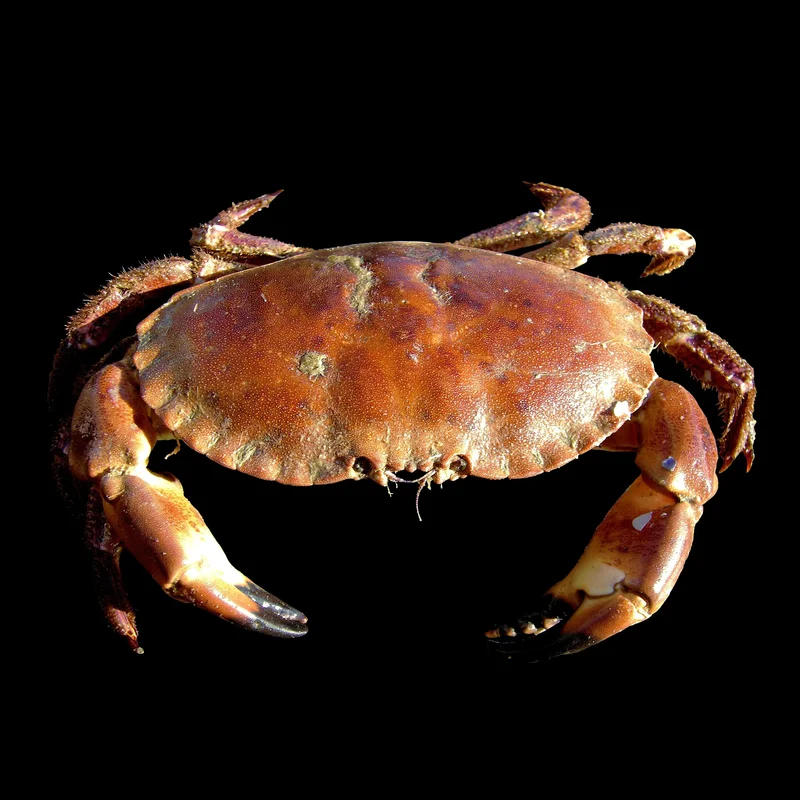
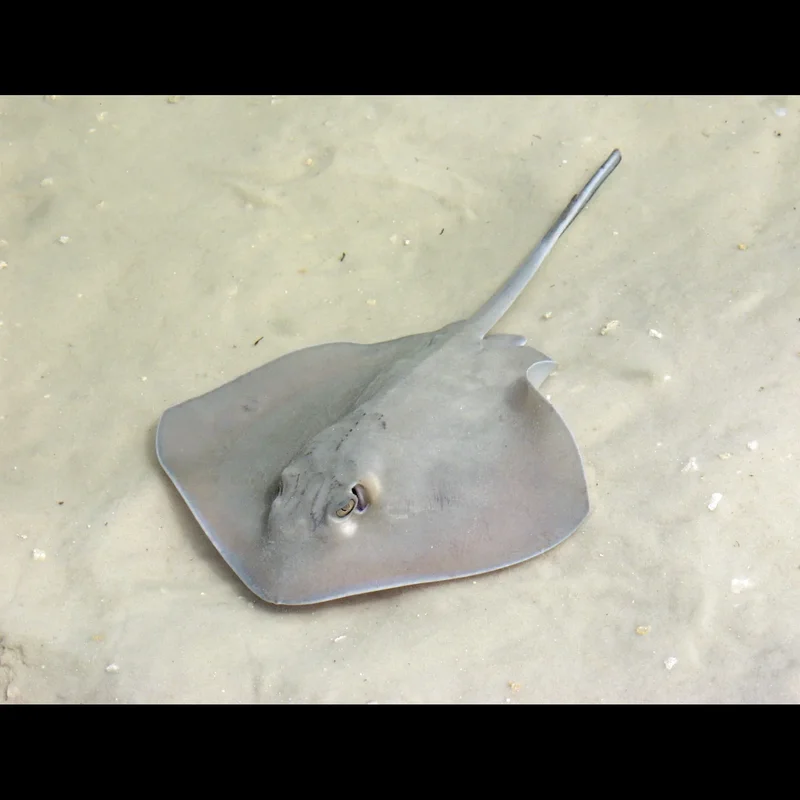
You might spot stingrays camouflaged beneath the sand, sometimes with only their eyes visible, and occasionally, spotted eagle rays glide along the deeper sandy slopes. At night, the reef transforms as nocturnal species emerge from their daytime retreats, offering encounters with different crabs, shrimps, and the intriguing movements of reef squid.


Dive Sites Near House Reef
View all dive sites in IndonesiaDiscover more underwater gems in this area.
Dive Centers Near House Reef
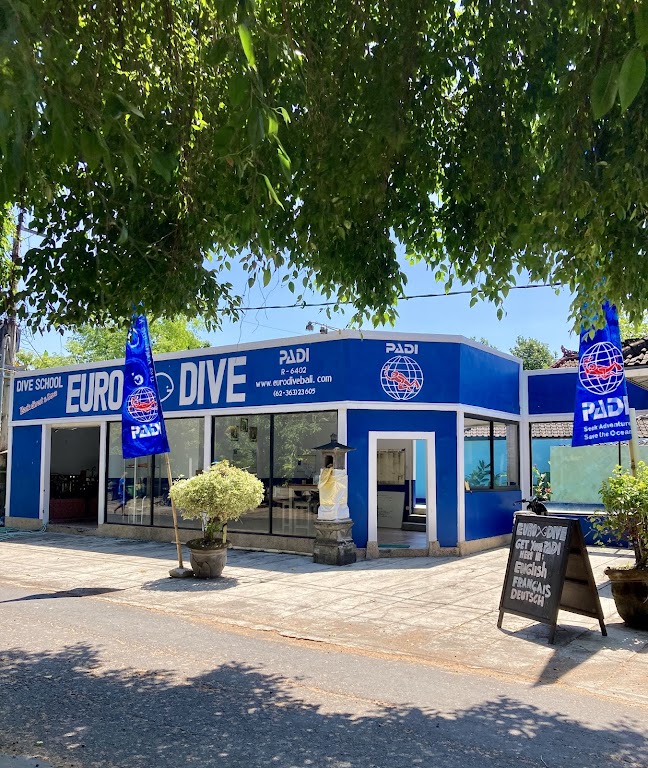
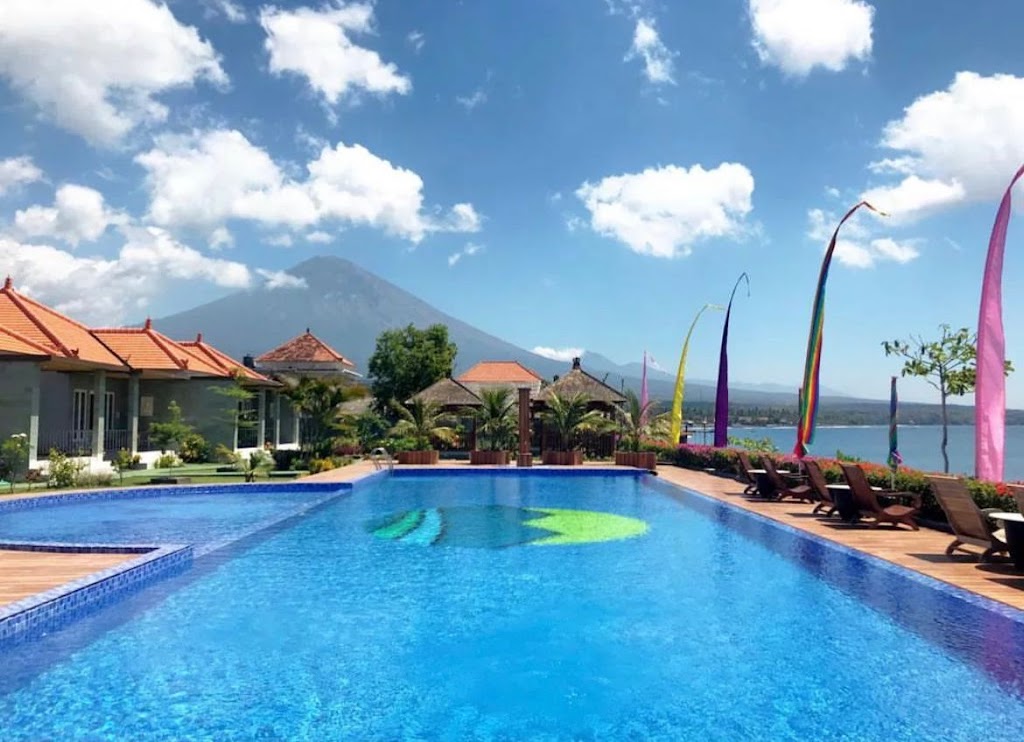
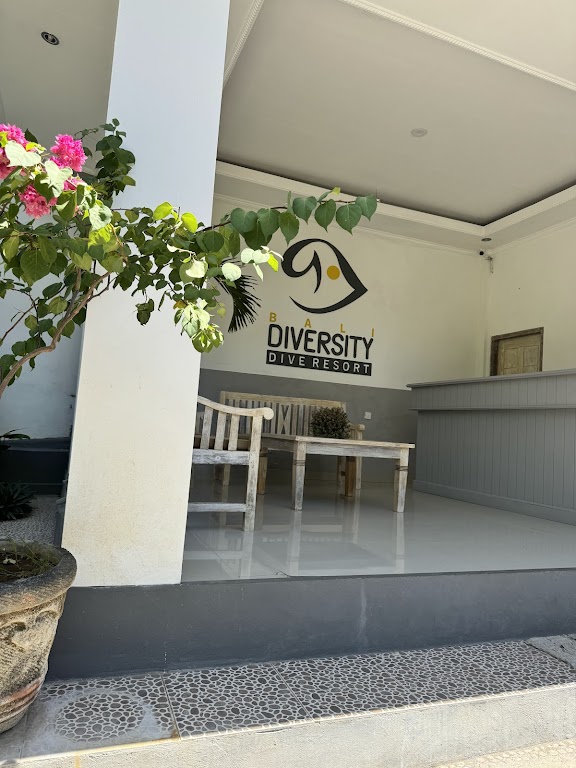
Today: 07:00 - 20:00




Nearest Airports
Nearest airports to help plan travel to this dive area.
Search Flights
Check available flights and routes on Expedia, using the nearby airports listed in this section.
Search Flights on ExpediaFrequently Asked Questions
How do I access the House Reef?
You can access the House Reef directly from the beach or via a jetty, making it highly convenient. It's a short walk from resort facilities, allowing easy gear setup and entry.
Are there currents on the House Reef?
Yes, mild to medium currents can occur along the outer reef slope during tide changes. There are also periods of slack water at both high and low tide, offering calmer diving conditions.
What kind of marine life can I expect to see?
The reef boasts healthy corals and diverse critter populations, making it excellent for macro photography. You might also encounter stingrays and occasionally spotted eagle rays in sandy areas, and a variety of nocturnal species on night dives.
Is the House Reef suitable for night diving?
Night diving is highly recommended here, as many nocturnal cephalopod, invertebrate, and crustacean species become active. It offers a completely different perspective of the reef's ecosystem.
Do I need a guide for House Reef dives?
While not always mandatory, diving with a local guide for your initial dives is highly recommended. They can assist with entry/exit points, navigation, and spotting marine life, enhancing your experience.
What depths can be explored on the House Reef?
The reef starts in very shallow water, often just a few meters deep, with gradual slopes. It then drops abruptly, allowing for exploration into significant depths along walls and overhangs, mirroring the extensive vertical profile noted at the site's edge.
Can snorkelers and freedivers explore the House Reef?
Yes, the House Reef is very accessible for snorkelers and freedivers, with beautiful shallow areas directly off the beach or jetty. It's a rich environment suitable for surface observation.
How extensive is the House Reef?
Some House Reefs can extend for miles along the coastline, offering various sections including seagrass beds, coral slopes, and wall dives. Taxi boat services may be available for exploring further sections.
Planning to dive House Reef?
Send one inquiry and receive offers directly from the best verified local dive operators.
Conditions are Good
Optimal conditions expected
Current conditions near House Reef show 26° air, 28° sea temperature, 0.9 m waves, and 24 km/h wind. Forecast data is refreshed regularly to ensure accuracy.