
Diving at Lipah Bay (Indonesia)
Lipah Bay in Amed, Indonesia, provides a captivating underwater experience, especially for those keen on observing marine nurseries. Divers often encounter baby white tip reef sharks resting peacefully beneath table corals, alongside graceful turtles navigating the vibrant reef. Its rich biodiversity and photographic opportunities make it a compelling destination.
Evening condition tracking at Lipah Bay features an air temperature of 27.5°C. We have recorded wave heights measuring 0.9 m during this period. These figures outline the environmental parameters currently present.
Dive Site Location & Key Facts
Dive Site Overview
Descending into Lipah Bay reveals a diverse underwater topography suitable for various dive interests. This site combines elements of reef diving with a notable wreck and extensive coral formations, reaching a maximum depth of 30 m (98 ft).
The Japanese Wreck, a key attraction, sits in shallower waters at depths of 3 to 10 meters, making it accessible for recreational divers and even snorkelers. Beyond the wreck, an interesting slope extends between 15 and 25 meters, featuring gorgonia fields, sponges, and black coral.
A sprawling coral field, stretching over 150 meters long and 100 meters wide, also lies at a comfortable 5 to 10 meters. Lipah Bay's calm conditions and easy shore entry further enhance its appeal for divers of all certification levels, providing a comprehensive underwater exploration experience that includes both macro and wider marine vistas.
Conditions are Good
Optimal conditions expected
Current conditions near Lipah Bay show 27° air, 28° sea temperature, 0.9 m waves, and 20 km/h wind. Forecast data is refreshed regularly to ensure accuracy.
Best Time to Dive
While diving conditions at Lipah Bay remain favorable across many months, distinguishing between seasons can refine your planning. From March through October, conditions generally offer good dive scores, with April and May showing average air temperatures around 27°C (81°F) and significantly lower rainfall, typically ranging from 4 to 5 mm. The drier season, particularly from May to October, sees minimal rain, sometimes less than 2 mm, enhancing surface comfort and potentially improving underwater visibility. Even during the wetter periods, such as January and February, air temperatures remain consistently warm at approximately 27°C (81°F), though rainfall can increase to 12-14 mm. Overall, November and December present excellent conditions with high dive scores and moderate rain, making much of the year viable for an enjoyable visit.
PEAK SEASON SCORE
Scores combine air & water temps, waves, wind & rainfall for overall conditions.
BEST MONTHS TO DIVE
Monthly records compiled from satellite and marine observation nodes over the last 3 years. Data provided by Open-Meteo and MET Norway.
Dive Experience & Conditions
Lipah Bay's dive experience is characterized by its accessible shore entry and varied underwater landscape. Moving from the beach, divers quickly reach the Japanese Wreck in shallower depths, then progress to the expansive reef and deeper slope. Water temperatures are not consistently reported but generally align with warm tropical conditions in this region. While much of the bay offers gentle diving, a possible current can be encountered when venturing towards the point or the more exposed coral field. Such conditions can add an element of drift, requiring attentive navigation. The site's clear waters often provide excellent visibility, ideal for photography and observing the detailed reef ecosystem. This blend of shallow and deeper features allows for both casual exploration and more extended dives.
Dive Difficulty & Safety Guidelines
Approaching Lipah Bay's dive sites with an understanding of potential environmental dynamics ensures a safer experience. While generally beginner-friendly due to its easy accessibility and shallower sections, divers should be aware of possible currents that may occur near the bay's point or over the extended coral field. Planning dives with a local, trained guide is advisable, particularly when seeking out the baby white tip sharks, to ensure observations are conducted without disturbing the marine life or damaging corals.
Adhering to responsible diving practices, such as maintaining proper buoyancy and avoiding contact with the reef, protects the delicate ecosystem, especially the growing coral nursery.
Recommended Equipment
- Dive Computer
- DSMB
- Hard-soled Dive Boots
This gear list is based on verified equipment signals for Lipah Bay, Indonesia. Always confirm final gear choices with your dive operator, guide, or liveaboard.
Recommended Dive Suit
Forecasts suggest a slight cooling pattern in the days ahead. Cooler days are ahead; you might want a warmer option for later in the week. A hood or vest can noticeably improve warmth during longer dives.
For typical recreational dives, 2-3mm shorty or light wetsuit generally provides comfortable insulation. A hood or vest is suggested for sensitive divers due to surface winds.
At Lipah Bay, the water is currently sitting around 28°C (82°F). Surface air temperatures are resting at 27°C (81°F).
Emergency & Medical Support
Essential information to help you plan your dive trip to Lipah Bay.

Hyperbaric chambers are a critical part of dive safety infrastructure. Availability varies significantly by region, and not all dive areas have immediate access.
Before diving, it's recommended to:
- confirm nearest medical facilities
- check emergency procedures with local dive operators
- ensure dive insurance covers evacuation if required
Divers Alert Network
Diving emergency assistance available through DAN World.
+1-919-684-9111- 24/7 emergency hotline
- Diving medical assistance
- Evacuation coordination
Emergency contacts are provided for reference. Always verify local emergency services before diving.
Marine Life at Lipah Bay
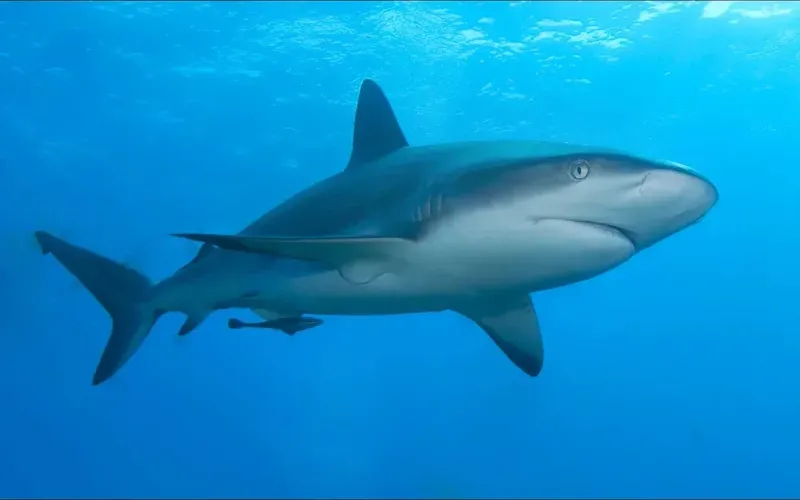
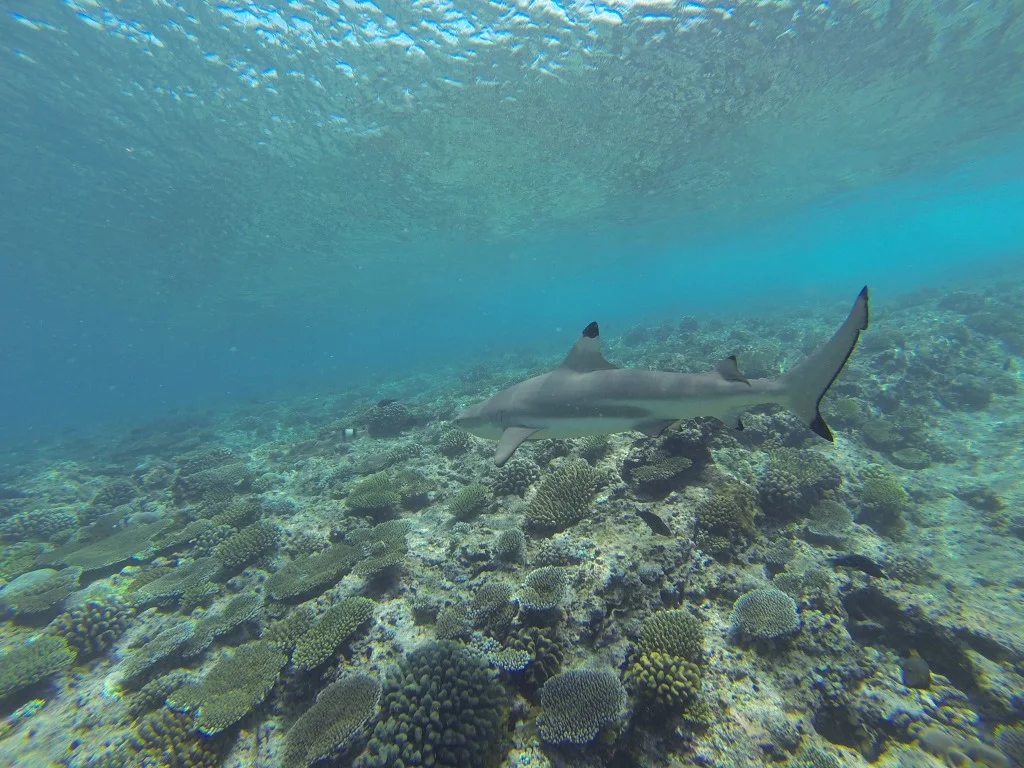
The underwater landscape of Lipah Bay is a vibrant tapestry, particularly noted for its role as a shark nursing site. Divers frequently observe baby white tip reef sharks nestled under table corals, alongside the graceful presence of turtles.
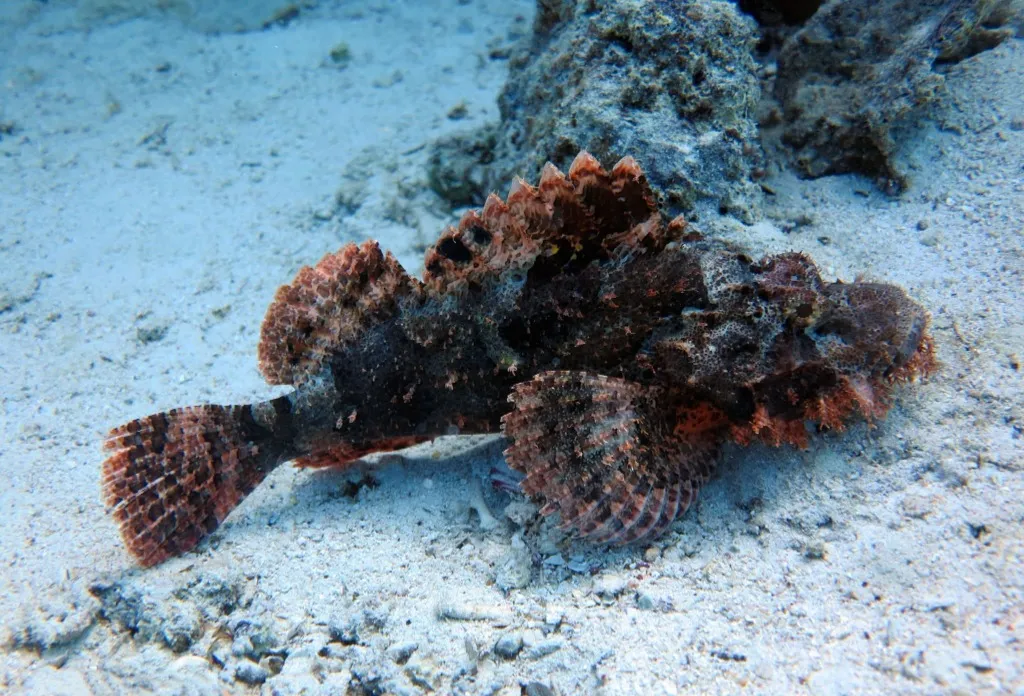
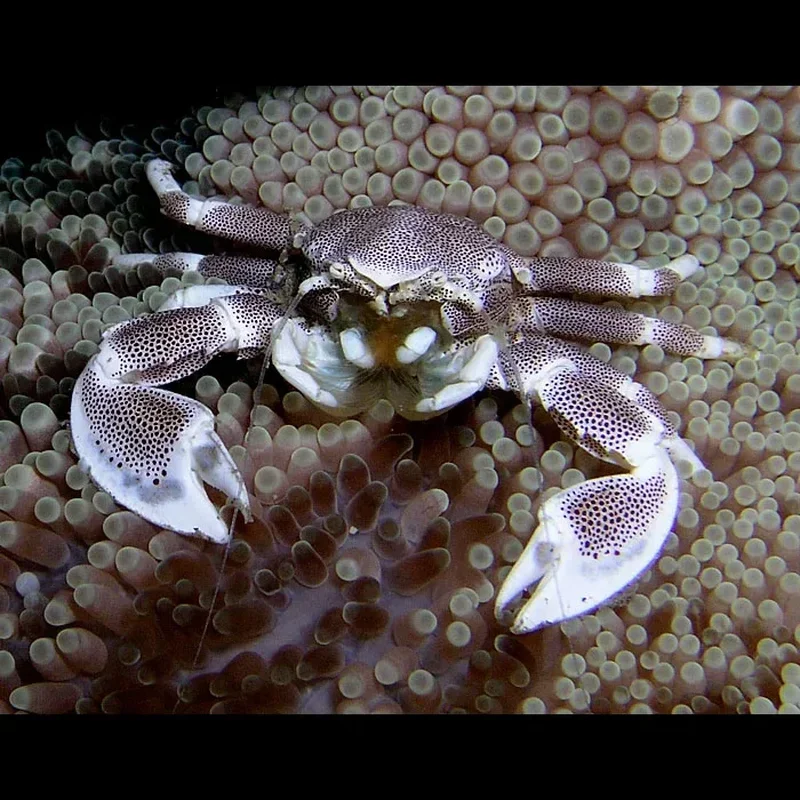
The reef bursts with life, hosting an array of reef fish, juveniles, shrimps, and specific macro species such as porcelain crabs and various scorpionfish. Expansive gorgonia fields, large sponges, and black coral formations add significant visual texture to the deeper slope and coral fields.
Additionally, ongoing coral nursery initiatives contribute to the site's rich biodiversity, ensuring a thriving habitat for many marine creatures.

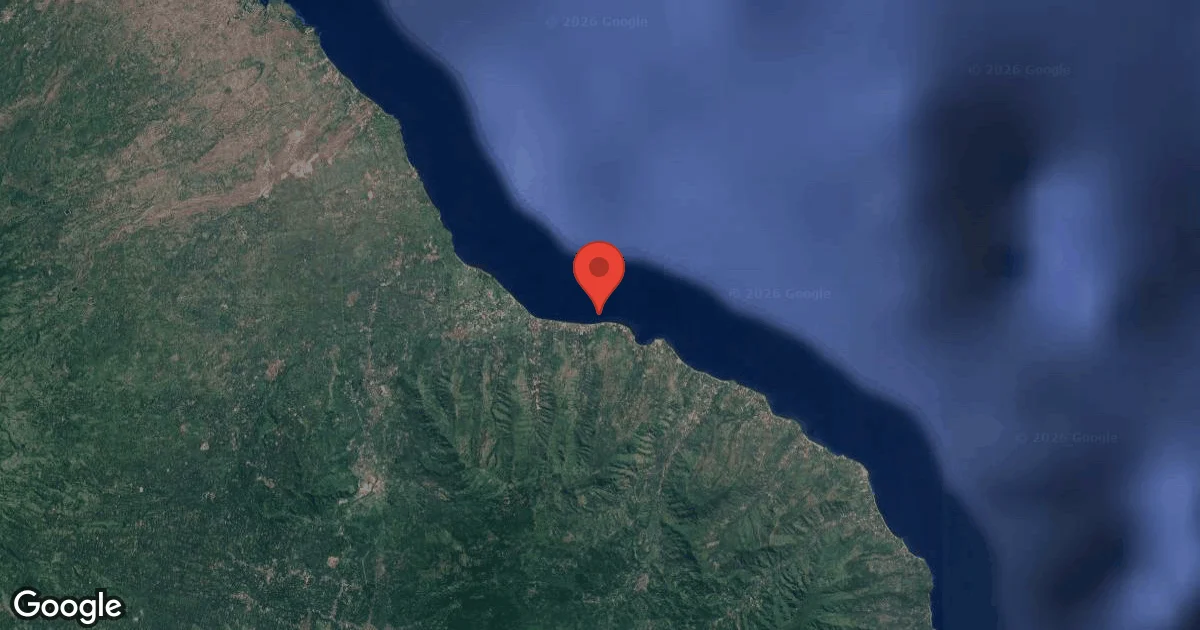
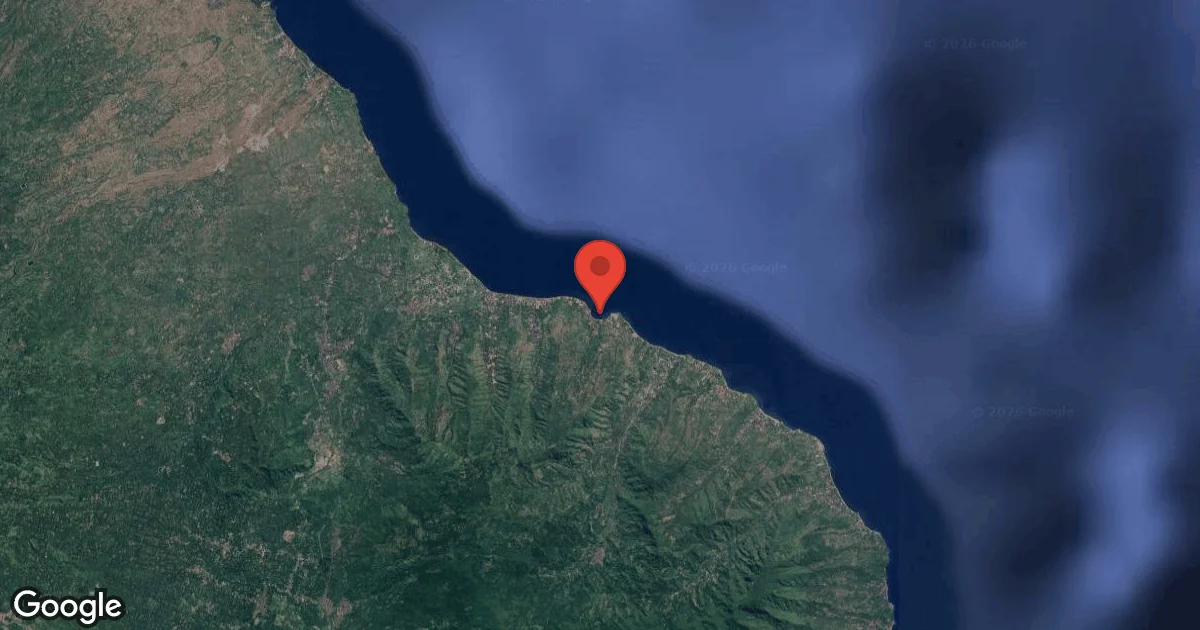
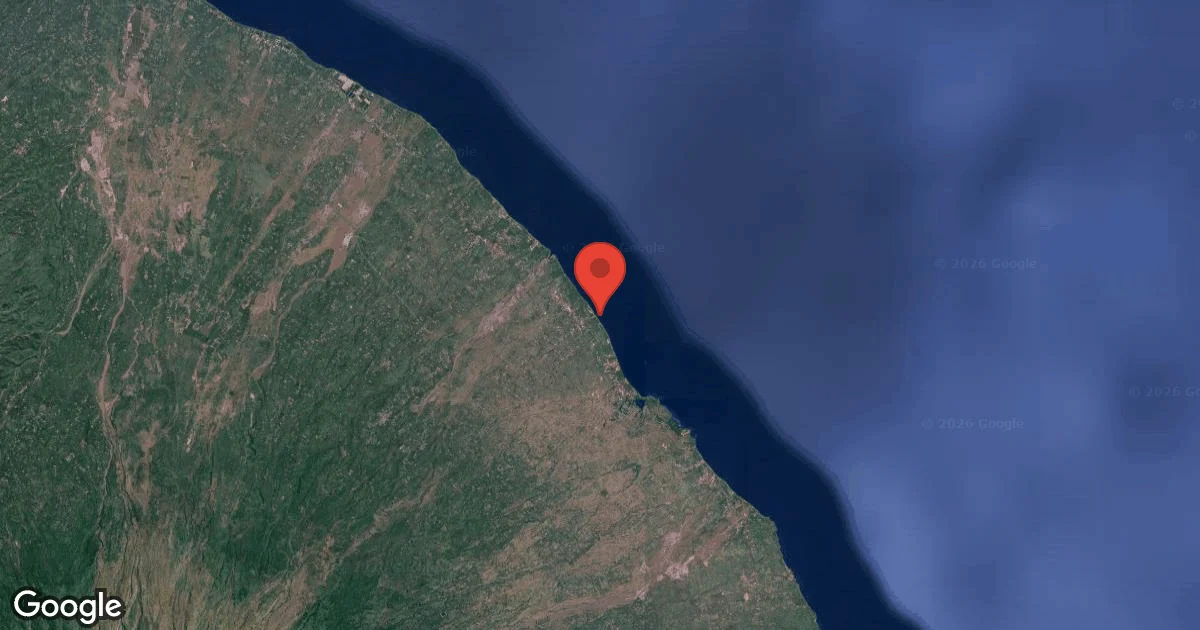
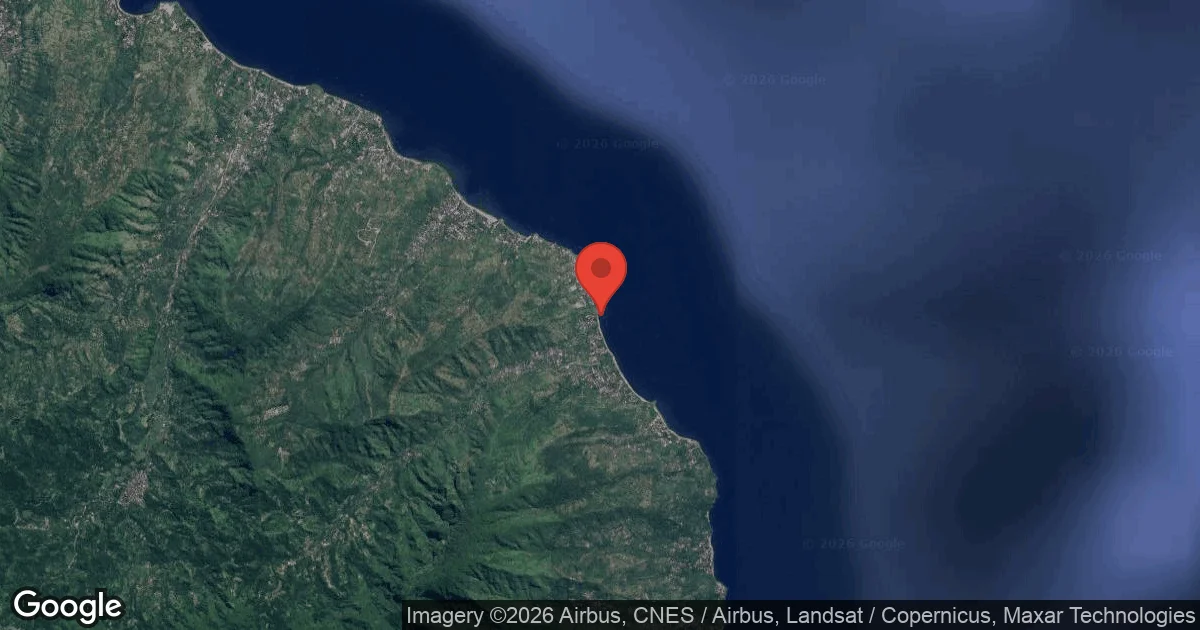
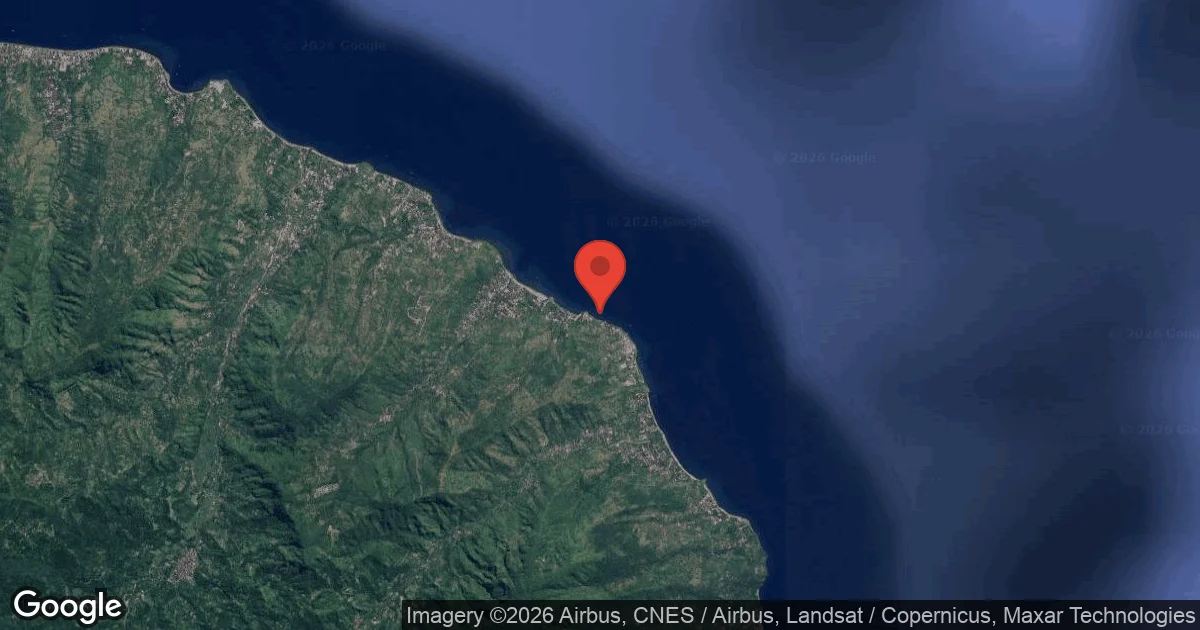
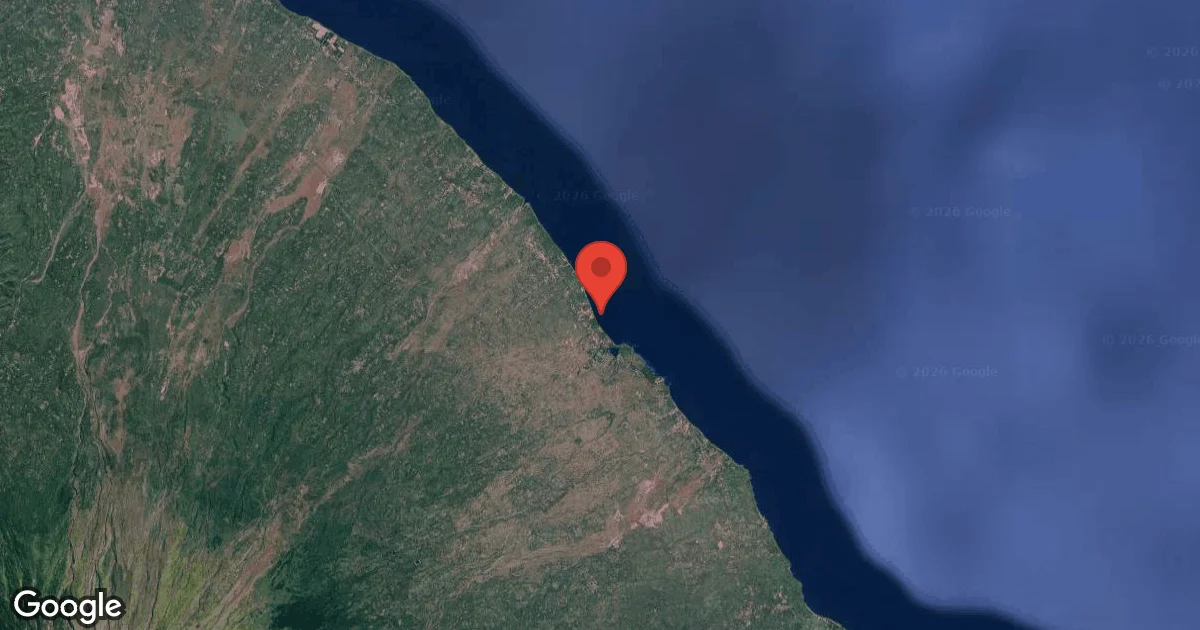
Dive Sites Near Lipah Bay
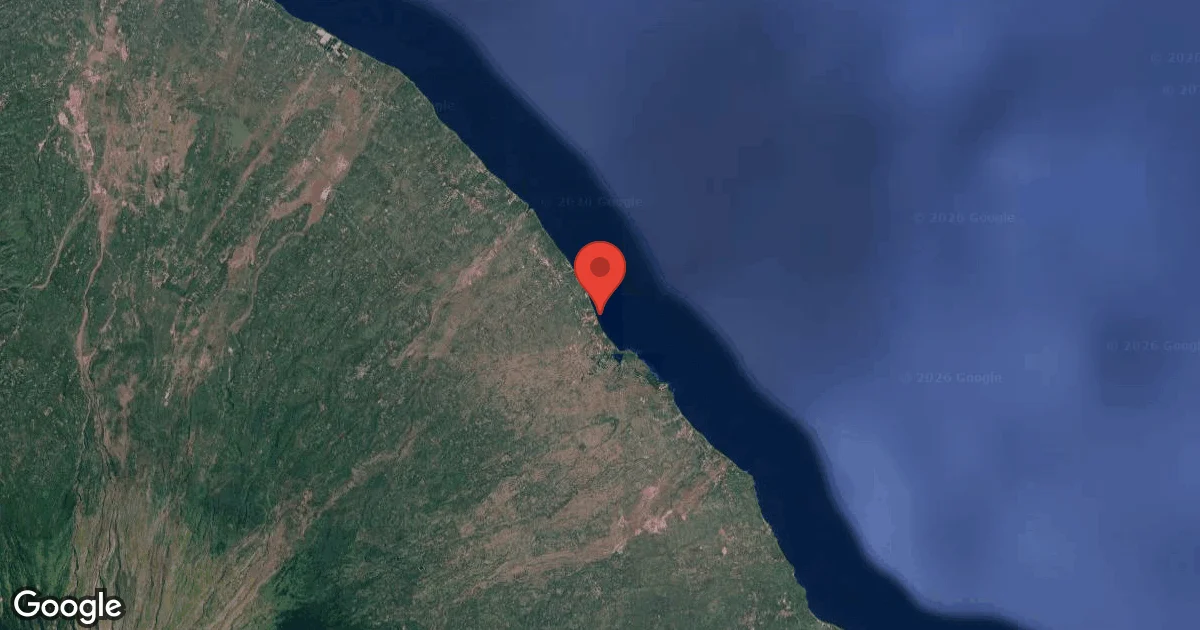
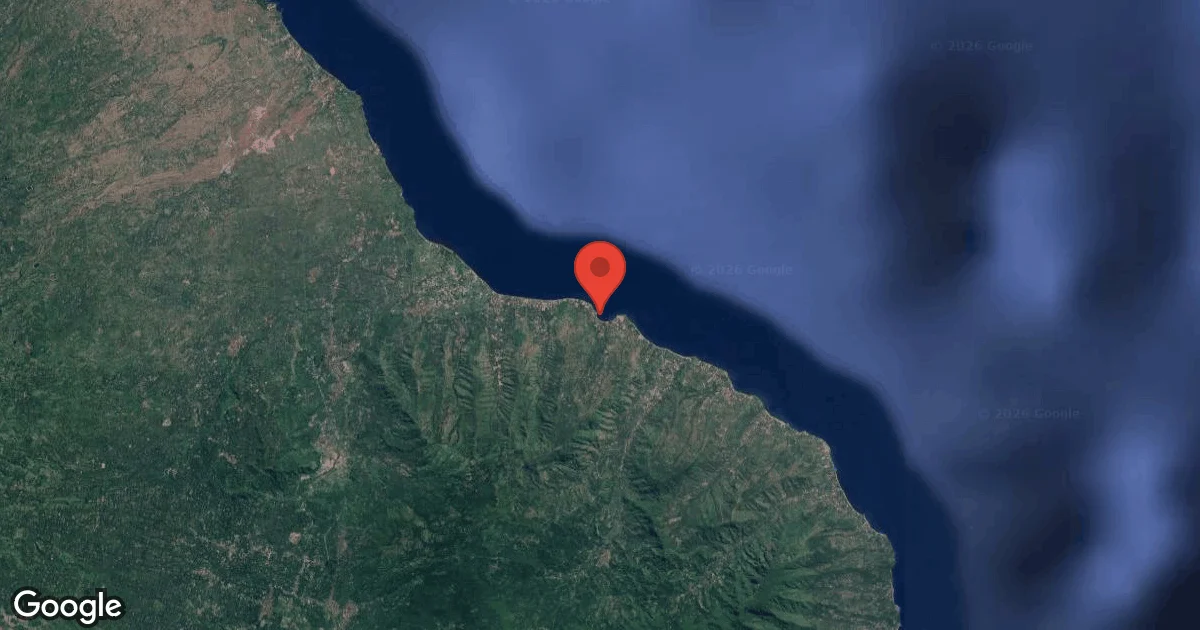
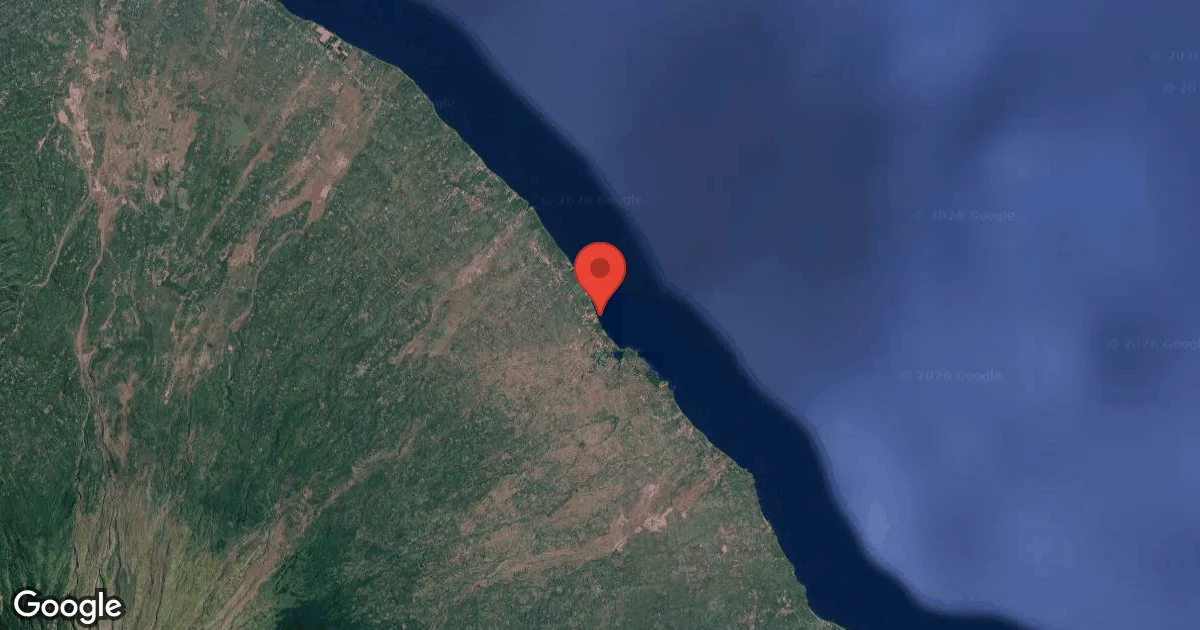
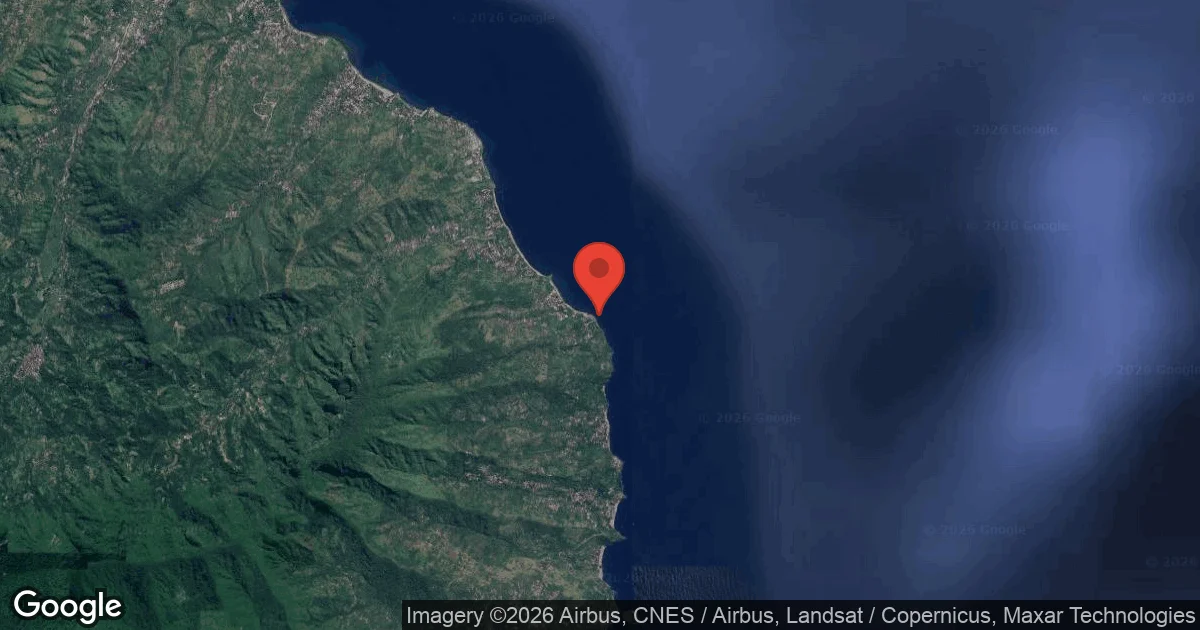
View all dive sites in IndonesiaDiscover more underwater gems in this area.
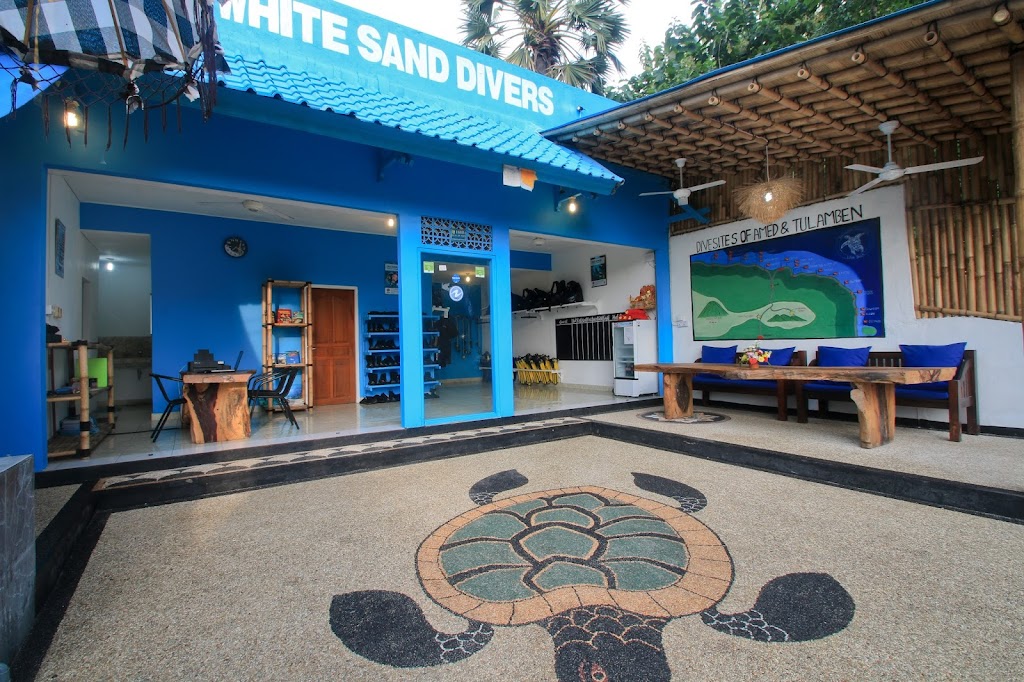
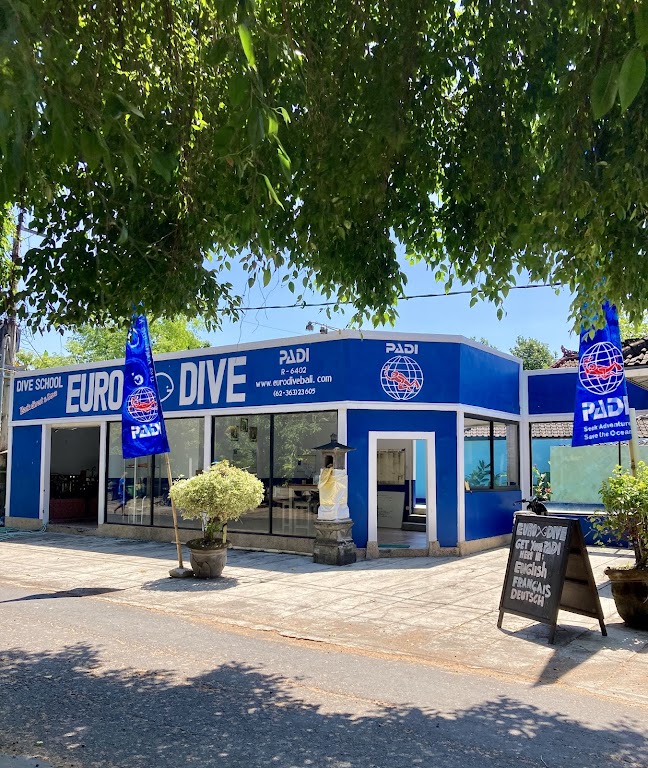
Dive Centers Near Lipah Bay

Today: 09:15 - 19:15
Nearest Airports
Nearest airports to help plan travel to this dive area.
Search Flights
Check available flights and routes on Expedia, using the nearby airports listed in this section.
Search Flights on ExpediaFrequently Asked Questions
What type of dive site is Lipah Bay?
Lipah Bay is primarily a shore entry dive site, offering a mix of reef, wreck, and coral garden diving. It's known for its accessibility and diverse underwater features.
What is the maximum depth at Lipah Bay?
Lipah Bay reaches a maximum depth of 30 m (98 ft). Shallower areas cater to beginners and snorkelers, while deeper sections are suitable for more experienced divers.
Is Lipah Bay suitable for new divers?
Yes, Lipah Bay is easily accessible and has shallower sections, making it suitable for divers of all levels, including beginners. Discover Scuba Diving courses are often conducted here.
What marine life can I expect to see?
Divers commonly spot baby white tip reef sharks sleeping under table corals and various turtles. Abundant reef fish, juveniles, shrimps, porcelain crabs, and scorpionfish also inhabit the reef.
Are there any currents at Lipah Bay?
While generally calm, possible currents can be encountered when venturing out to the point or over the larger coral field. It's always wise to consult local dive guides about daily conditions.
When is the best time to dive at Lipah Bay?
Diving conditions are good for much of the year, with excellent scores from March through December. Drier months, from May to October, offer less rain, which can improve overall comfort and surface conditions.
What are the main underwater features?
Key features include the Japanese Wreck at 3 to 10 meters, an extensive coral field at similar depths, and a deeper slope between 15 and 25 meters with gorgonia, sponges, and black coral.
Planning to dive Lipah Bay?
Send one inquiry and receive offers directly from the best verified local dive operators.
Conditions are Good
Optimal conditions expected
Current conditions near Lipah Bay show 27° air, 28° sea temperature, 0.9 m waves, and 20 km/h wind. Forecast data is refreshed regularly to ensure accuracy.