
Diving at Drop Off (Indonesia)
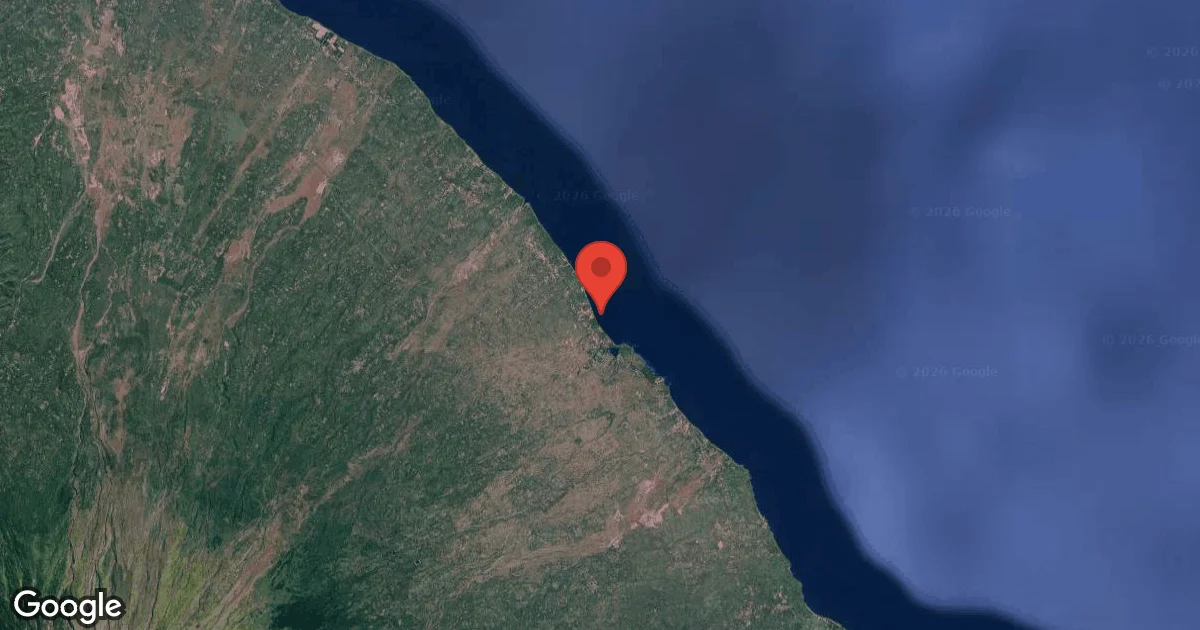
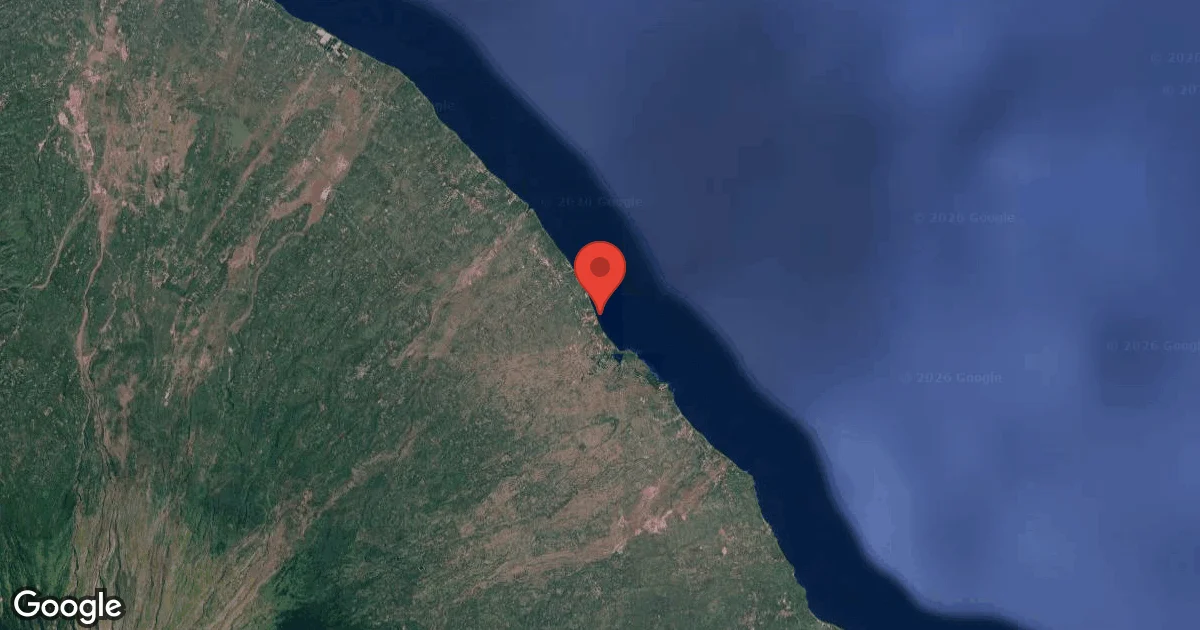
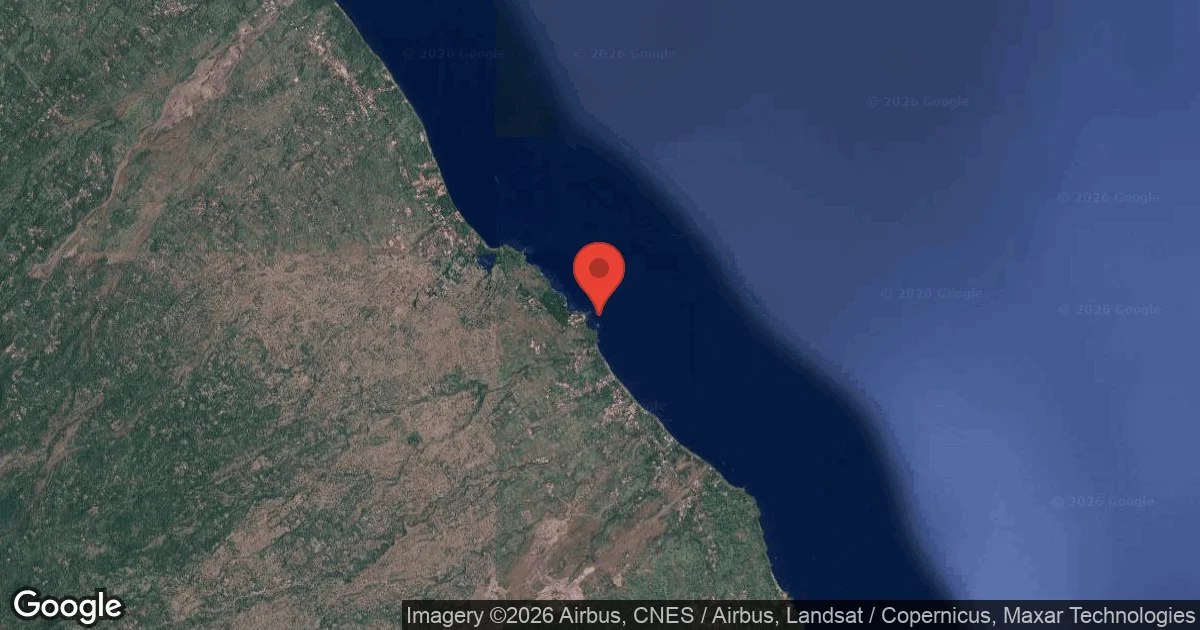
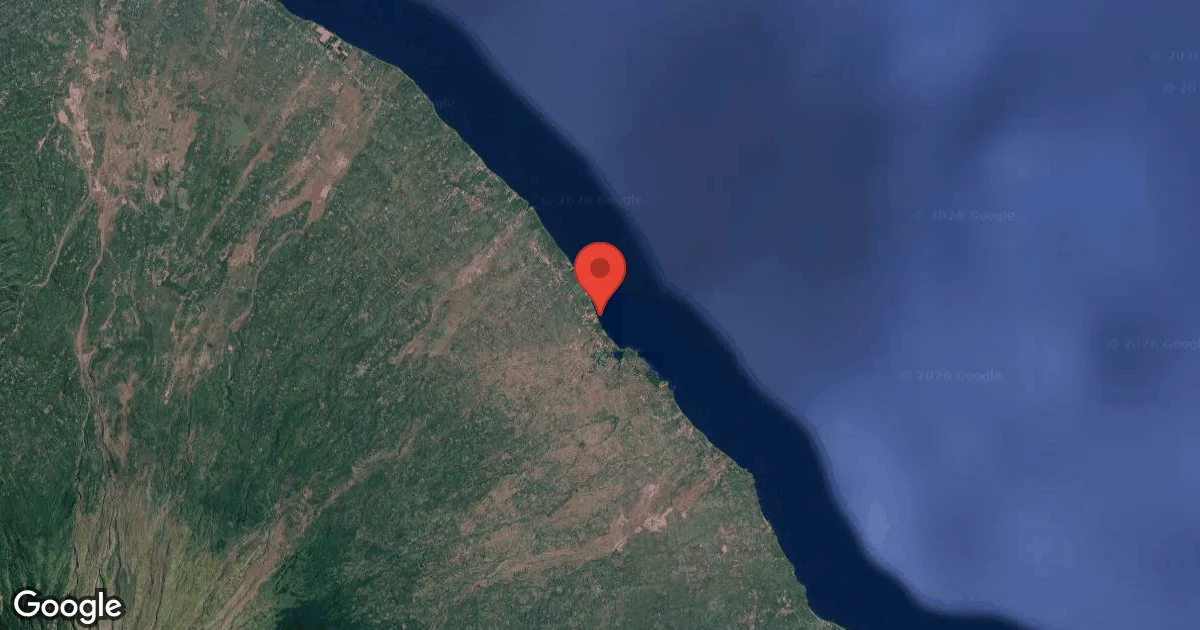
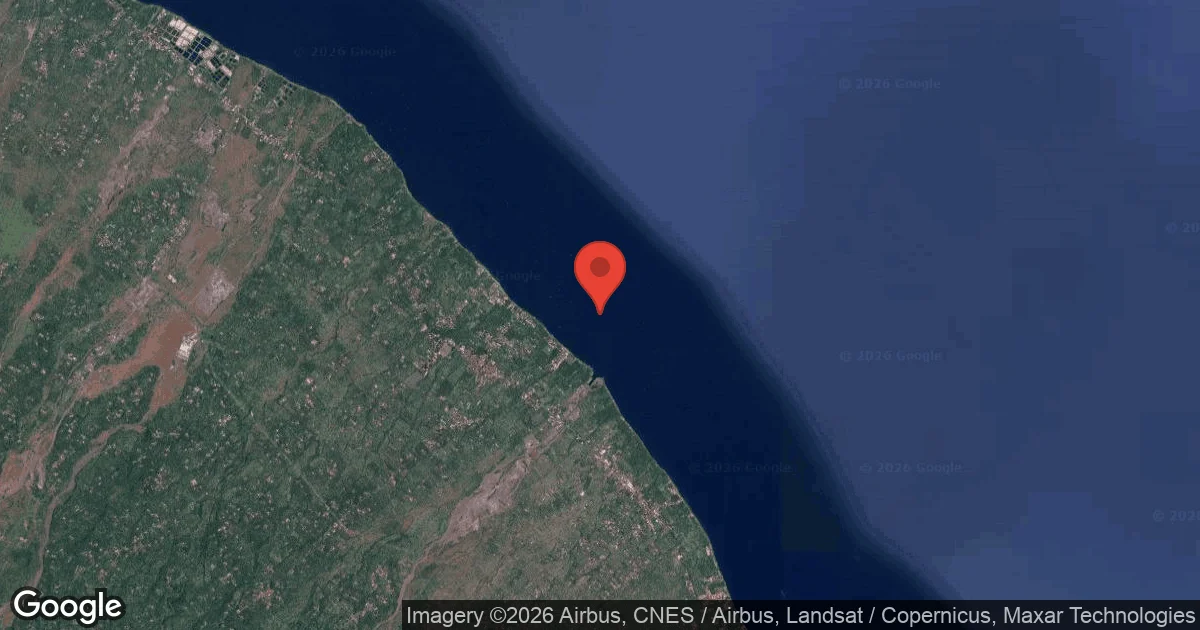
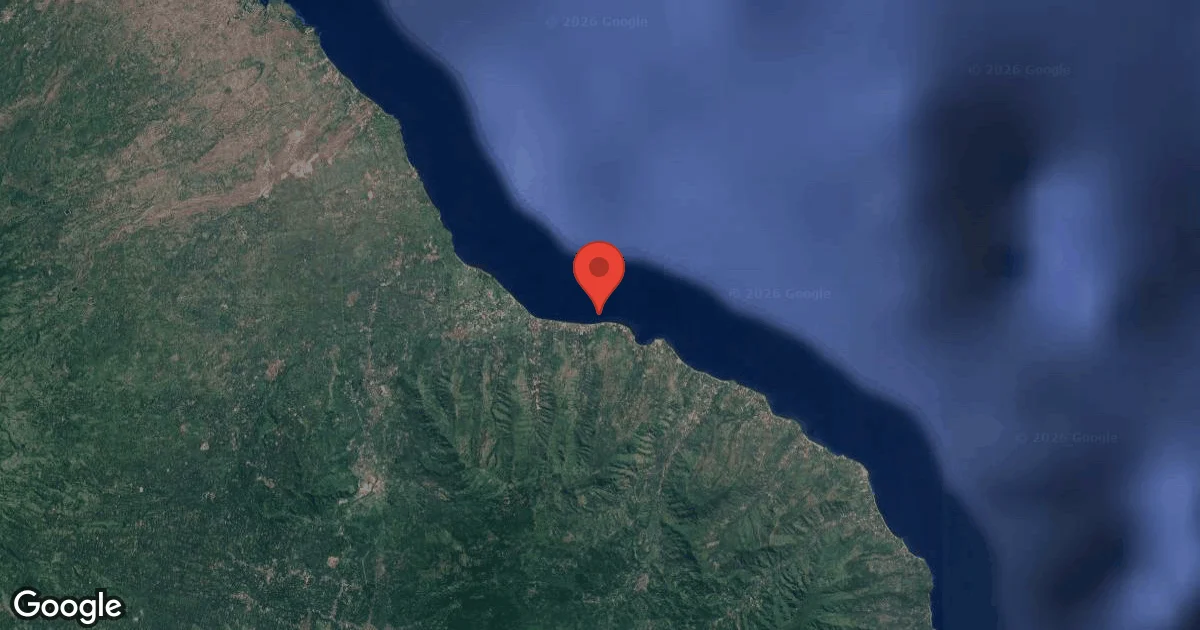
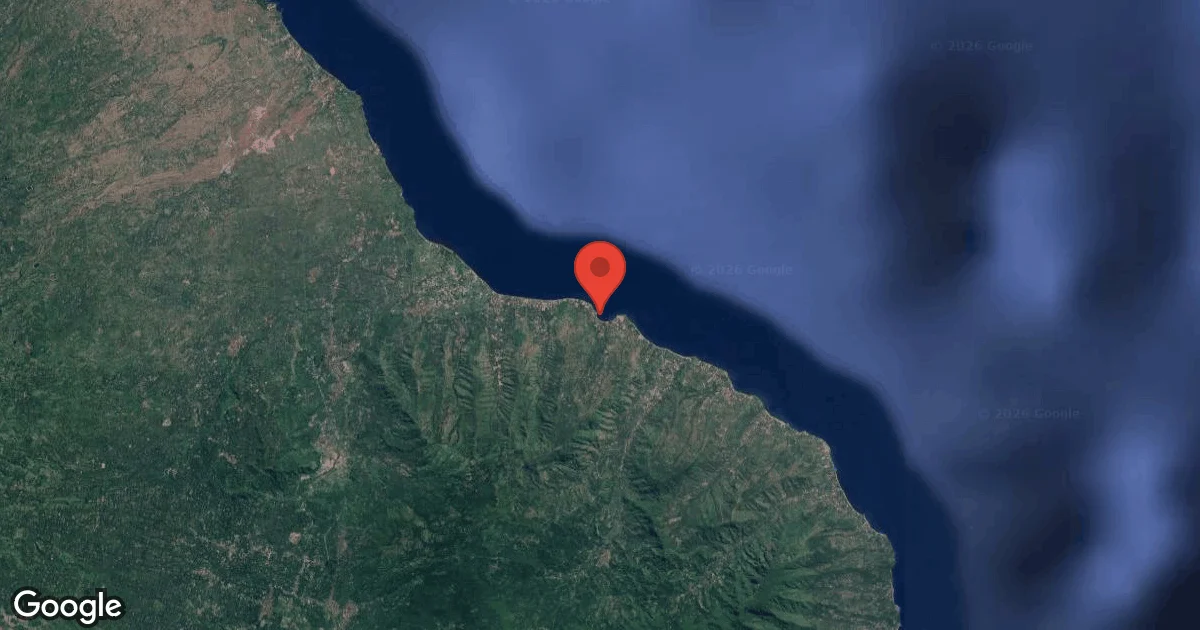
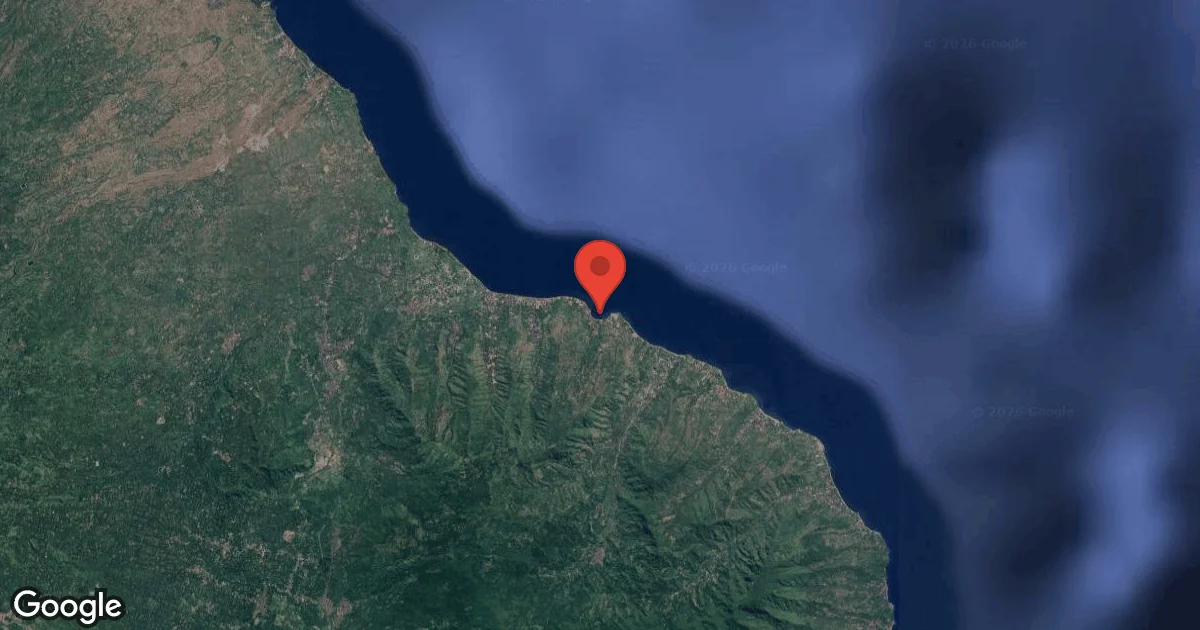
Drop Off in Tulamben, Bali, presents an impressive underwater cliffside shaped by lava flows from Mount Agung. Its dramatic geological feature plunges vertically, revealing a diverse wall habitat. Corals, sponges, and gorgonian fans densely cover its face. Divers are invited to explore a vibrant reef system that transitions from a gentle slope to a profound drop, appealing to various skill levels within the Tulamben Bay.
Evening condition tracking at Drop Off features an air temperature of 28.5°C. We have recorded wave heights measuring 0.8 m during this period. These figures outline the environmental parameters currently present.
Dive Site Location & Key Facts
Dive Site Overview
Diving the Drop Off immerses you in a dynamic underwater landscape, beginning as a steep sand slope and quickly evolving into a vertical coral wall. Sandy sections, starting around 3 to 5 meters (10 to 16 ft), are ideal for spotting smaller creatures like nudibranchs, flounders, and various goby and shrimp pairs.
As you transition to the main wall, topography becomes more intricate, boasting profuse sponges, black coral bushes, and large gorgonian fans. One notable fan, located at approximately 30 meters (100 ft), spans over 2 meters in diameter. Referred to by some as the 'Tulamben Wall,' this living volcanic formation offers distinct ecosystems across its impressive depth, extending beyond 80 meters (260 ft).
Exploring this deep wall provides ample opportunities for marine biology observation and underwater photography, with its intricate textures and abundant life.
Conditions are Good
Optimal conditions expected
Current conditions near Drop Off show 28° air, 28° sea temperature, 1.0 m waves, and 23 km/h wind. Forecast data is refreshed regularly to ensure accuracy.
Best Time to Dive
Diving at the Drop Off is generally favorable year-round, though conditions vary with seasonal patterns. The highest average air temperatures, around 29°C (84°F), occur in October, aligning with one of the driest periods, seeing only about 0.7 mm of rain. Conversely, January and February experience more significant rainfall, with averages around 22-25 mm, though air temperatures remain comfortably warm, averaging 27°C (81°F). Wind speeds are typically light to moderate throughout the year, ranging from roughly 10.7 to 18.7 km/h (6.6 to 11.6 mph), with slightly calmer conditions in the early and late months of the year. Wave heights are generally manageable, staying below 1 meter (3.3 ft) for much of the year, although they can peak slightly higher in July. Overall, the months from April to October tend to offer the calmest and driest conditions, contributing to excellent dive scores, while still providing good diving opportunities during the wetter season.
PEAK SEASON SCORE
Scores combine air & water temps, waves, wind & rainfall for overall conditions.
BEST MONTHS TO DIVE
Monthly records compiled from satellite and marine observation nodes over the last 3 years. Data provided by Open-Meteo and MET Norway.
Dive Experience & Conditions
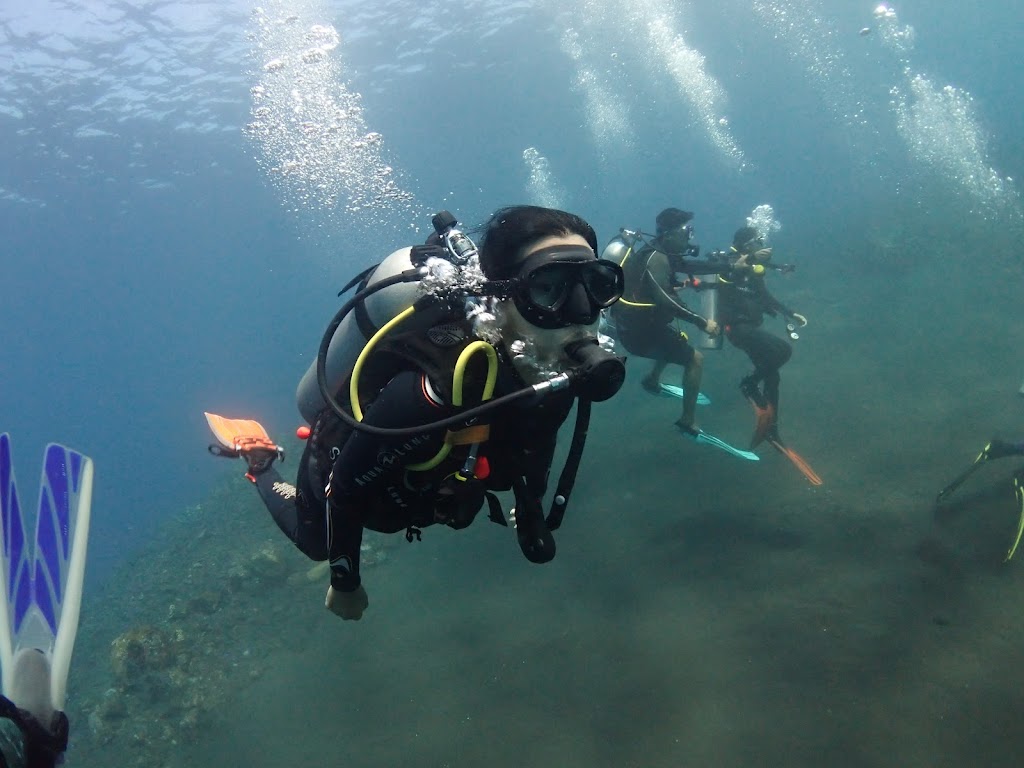
Navigating Drop Off reveals largely calm water dynamics; the site isn't consistently reported to have strong currents, making for generally relaxed drift or static wall dives. Visibility is typically best in the morning, ranging from 15 to 20 meters (50 to 65 ft), though plankton presence can sometimes influence clarity. Descending along the wall, divers will observe a transition from shallower sections rich in soft corals and smaller invertebrates to deeper areas adorned with larger gorgonians and barrel sponges. The maximum depth available for exploration well exceeds typical recreational limits, allowing for deep training dives while keeping the shallower coral gardens accessible for all skill levels. While some silt from heavy rainfall runoff can occur, it rarely significantly impacts the overall dive experience, which remains focused on the vibrant wall ecosystem.
Dive Difficulty & Safety Guidelines
Diving the Drop Off, while accessible to all levels, requires careful attention to depth and air consumption due to its extensive vertical profile. The wall plunges significantly, reaching beyond 80 meters, so divers venturing to deeper sections must possess appropriate certification and experience for deep diving. Maintaining neutral buoyancy is essential to protect the delicate hard and soft coral formations that densely cover the wall.
Although strong currents are infrequent, divers should always monitor local conditions and follow guide instructions. Planning your ascent carefully, especially after exploring deeper parts of the wall, is crucial for safe decompression.
Ensure your equipment is well-maintained and suited for the depth and duration of your planned dive.
Recommended Equipment
- Dive Computer
This gear list is based on verified equipment signals for Drop Off, Indonesia. Always confirm final gear choices with your dive operator, guide, or liveaboard.
Recommended Dive Suit
Forecast models show minimal temperature variation in the coming days.
Thermal protection such as 2-3mm shorty or light wetsuit is commonly used in similar temperatures. A hood or vest is suggested for sensitive divers due to surface winds.
At Drop Off, the water is currently sitting around 28°C (83°F). Surface air temperatures are resting at 28°C (83°F).
Emergency & Medical Support
Essential information to help you plan your dive trip to Drop Off.

Hyperbaric chambers are a critical part of dive safety infrastructure. Availability varies significantly by region, and not all dive areas have immediate access.
Before diving, it's recommended to:
- confirm nearest medical facilities
- check emergency procedures with local dive operators
- ensure dive insurance covers evacuation if required
Divers Alert Network
Diving emergency assistance available through DAN World.
+1-919-684-9111- 24/7 emergency hotline
- Diving medical assistance
- Evacuation coordination
Emergency contacts are provided for reference. Always verify local emergency services before diving.
Marine Life at Drop Off
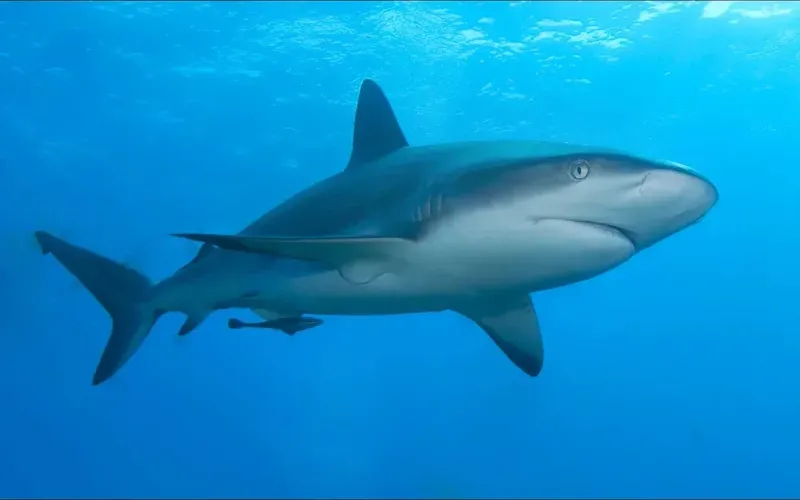
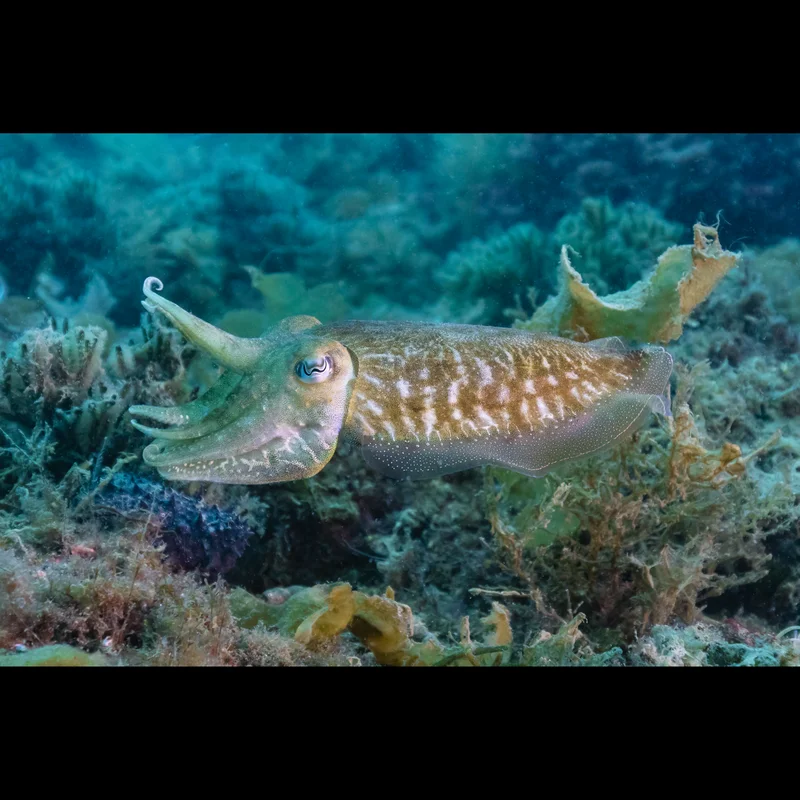
The Drop Off showcases an impressive array of marine life along its vibrant wall and sandy slopes. Divers frequently encounter reef sharks and curious cuttlefish gliding along the reef.
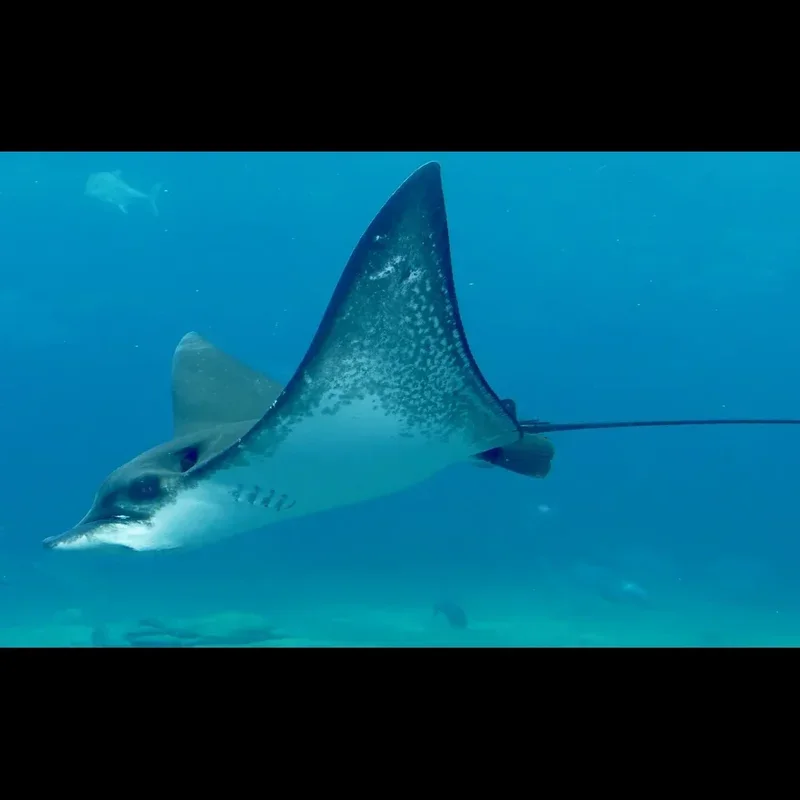
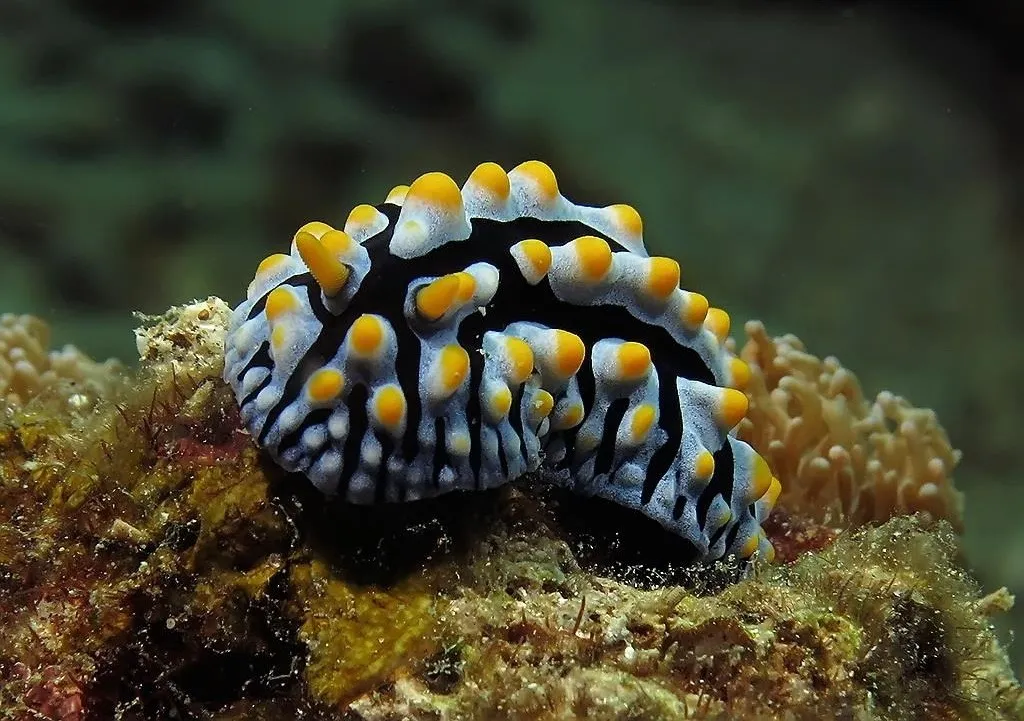
Look closer to spot elusive ornate ghost pipefish, tiny pygmy seahorses, and a variety of colorful nudibranchs. Larger pelagic species such as blacktip sharks, dogtooth tuna, trevally, and eagle rays are often seen in the blue.
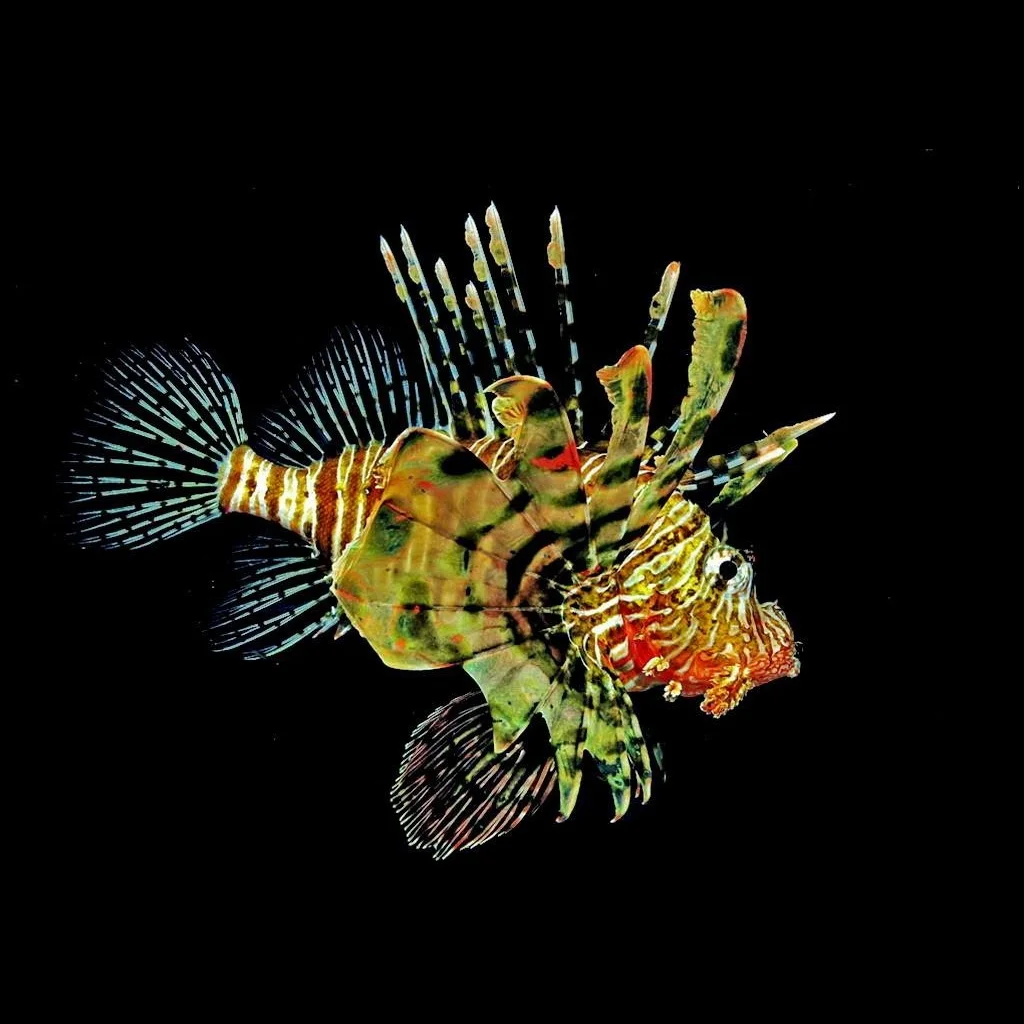
Keep an eye out for impressive bumphead parrotfish and giant parrotfish, alongside lionfish, pufferfish, and schools of striped catfish in the shallower areas. Groupers, including tomato and coral groupers, are also present, adding to the site's rich biodiversity.
Dive Sites Near Drop Off
View all dive sites in IndonesiaDiscover more underwater gems in this area.
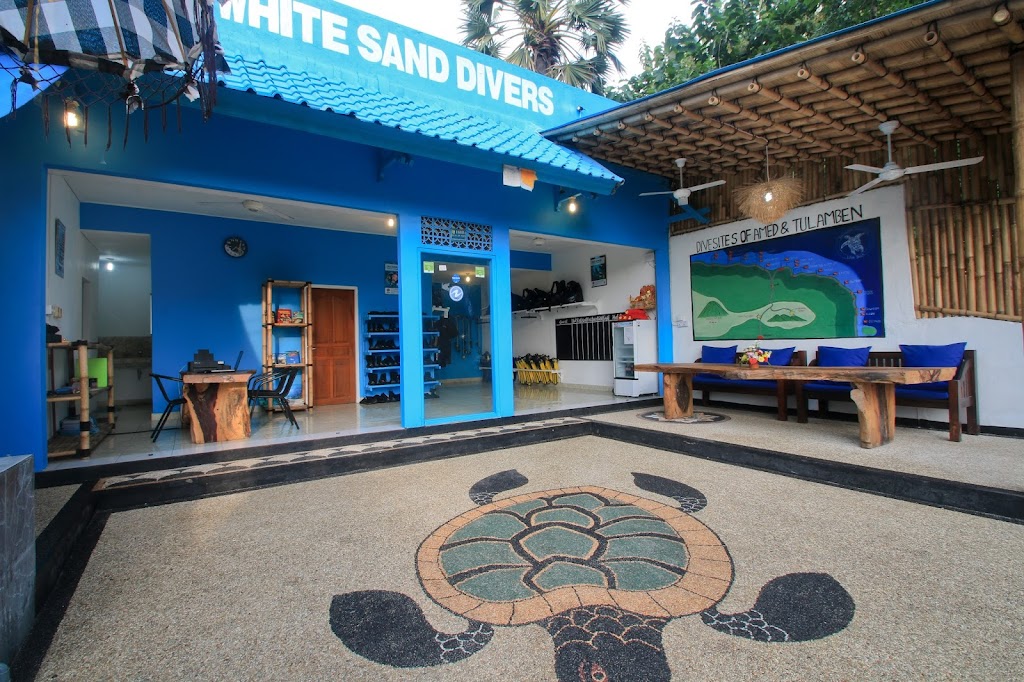
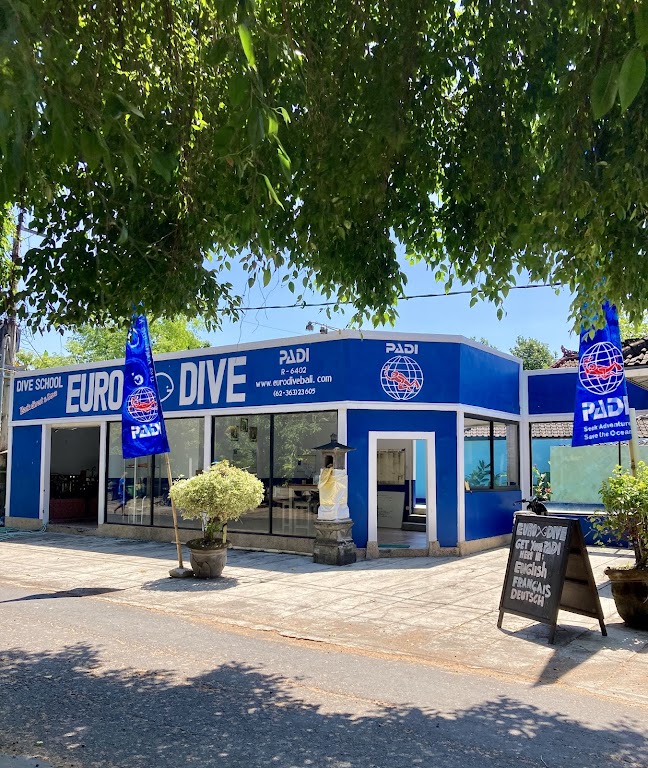
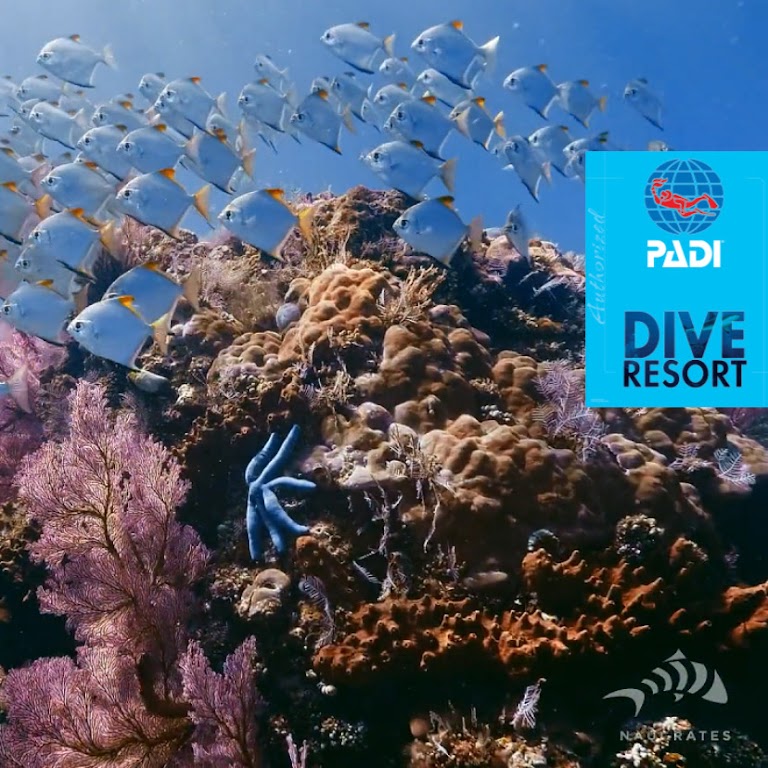
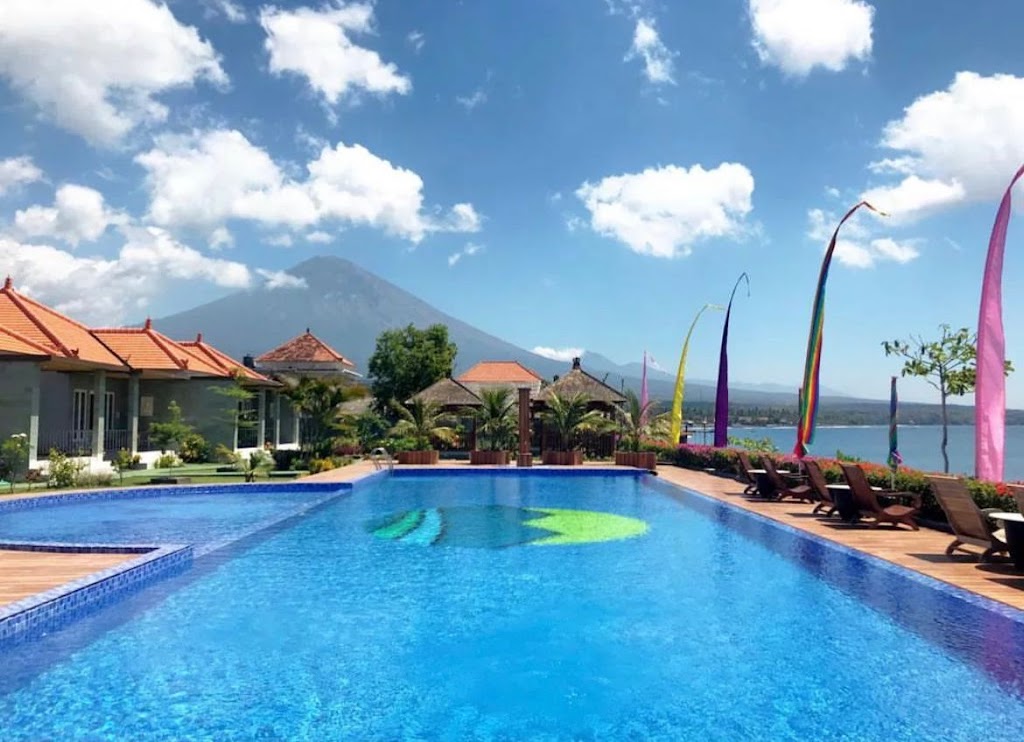
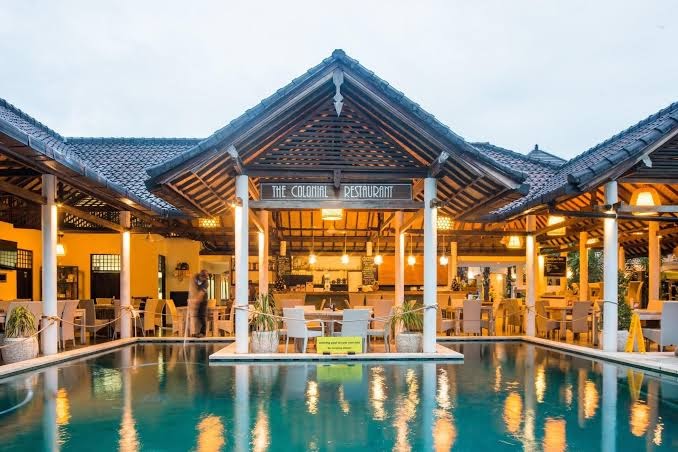
Dive Centers Near Drop Off
Today: 07:00 - 20:00
Nearest Airports
Nearest airports to help plan travel to this dive area.
Search Flights
Check available flights and routes on Expedia, using the nearby airports listed in this section.
Search Flights on ExpediaFrequently Asked Questions
What is the maximum depth at Drop Off?
The Drop Off wall starts between 3 to 5 meters (10 to 16 ft) and descends to more than 80 meters (260 ft), offering extensive depth for various dive experiences. Recreational dives typically explore shallower or mid-range depths, but technical diving is possible for certified individuals.
Is Drop Off suitable for beginner divers?
Yes, Drop Off is considered suitable for divers of all levels. Beginner divers can explore the shallower sections of the wall and the upper slope, where marine life is abundant and conditions are generally calm. Deeper sections require advanced certification.
What kind of marine life can I expect to see?
You can expect a diverse range of marine life, from macro creatures like nudibranchs, pygmy seahorses, and ornate ghost pipefish, to larger fish such as reef sharks, blacktip sharks, tuna, trevally, and various parrotfish. Cuttlefish and eagle rays are also commonly sighted.
How are the currents at this dive site?
Currents at Drop Off are generally rare and, even when present, tend to be mild. This makes for a more relaxed diving experience, suitable for exploring the wall's features without significant drift concerns.
What is the visibility like?
Visibility at Drop Off is typically good, especially in the mornings, ranging from 15 to 20 meters (50 to 65 ft). However, the amount of plankton in the water can sometimes affect clarity, and runoff after heavy rainfall might introduce some silt.
Is it possible to do a night dive at Drop Off?
Yes, night diving is an option at Drop Off. After dark, the site's ecosystem transforms, revealing nocturnal marine species and different behaviors. This provides a distinct perspective on the wall and its inhabitants.
Planning to dive Drop Off?
Send one inquiry and receive offers directly from the best verified local dive operators.
Conditions are Good
Optimal conditions expected
Current conditions near Drop Off show 28° air, 28° sea temperature, 1.0 m waves, and 23 km/h wind. Forecast data is refreshed regularly to ensure accuracy.