
Diving at Jemeluk Wall (Indonesia)
Jemeluk Wall attracts divers with its compelling blend of macro wonders and potential big-fish encounters. Look closely at the corals for well-camouflaged leaf scorpionfish, while keeping an eye on the blue for cruising reef sharks. The vibrant wall supports a rich ecosystem, presenting both the meticulous details favored by photographers and the wider pelagic excitement sought by more adventurous divers. This site truly caters to diverse interests beneath the surface.
Evening condition tracking at Jemeluk Wall features an air temperature of 24.5°C. We have recorded wave heights measuring 0.9 m during this period. These figures outline the environmental parameters currently present.
Dive Site Location & Key Facts
Dive Site Overview
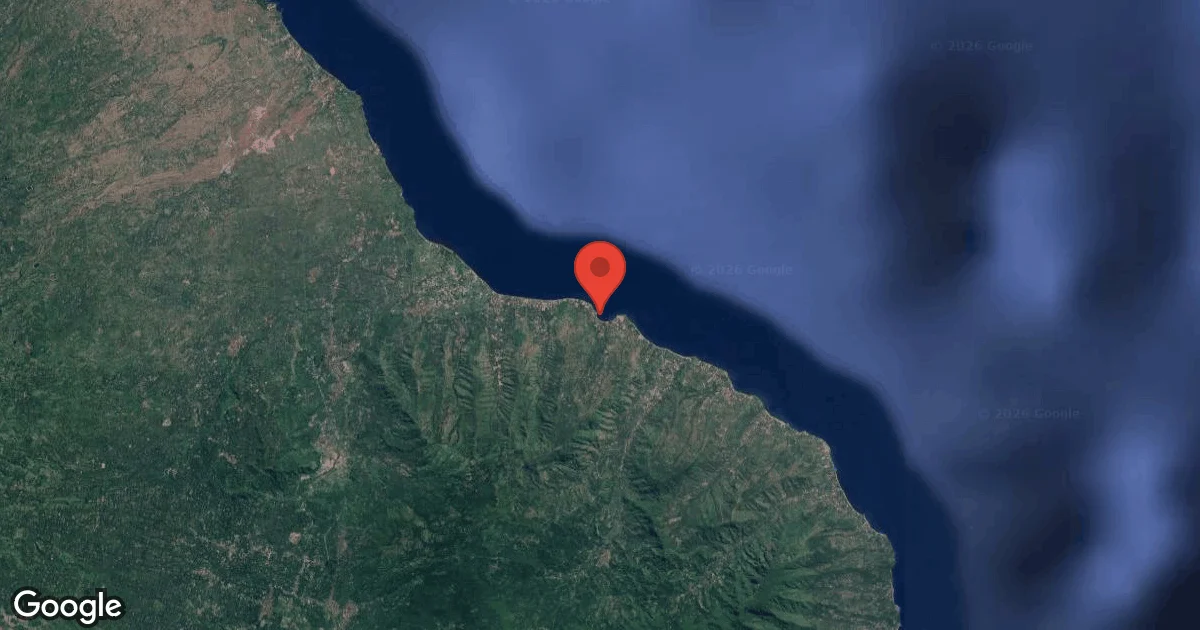
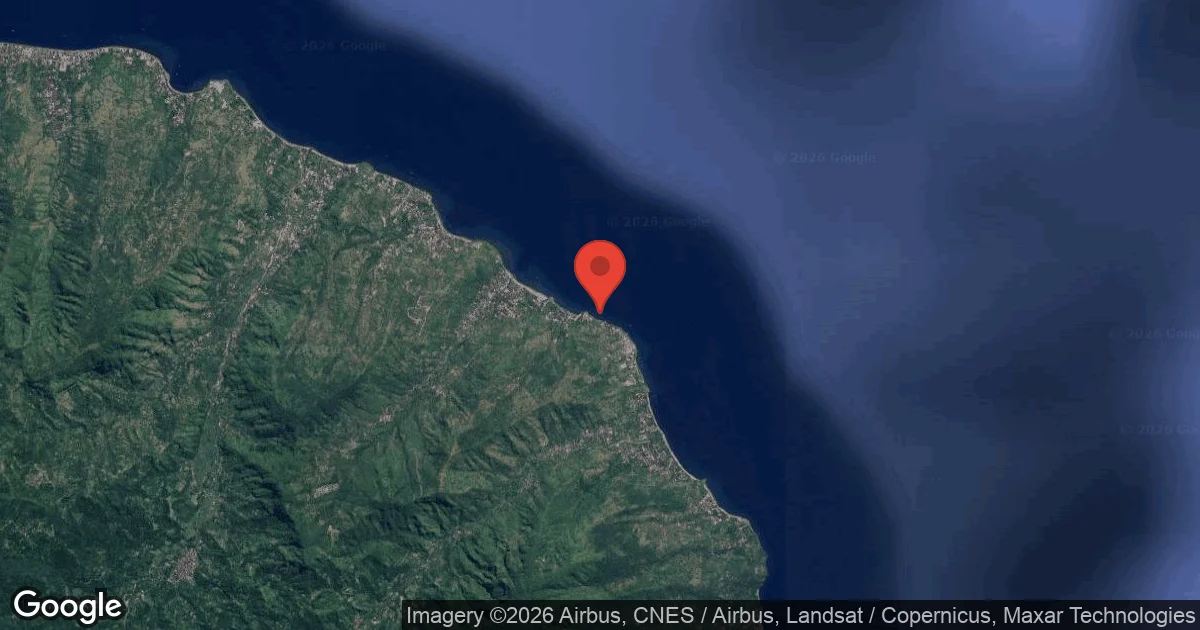
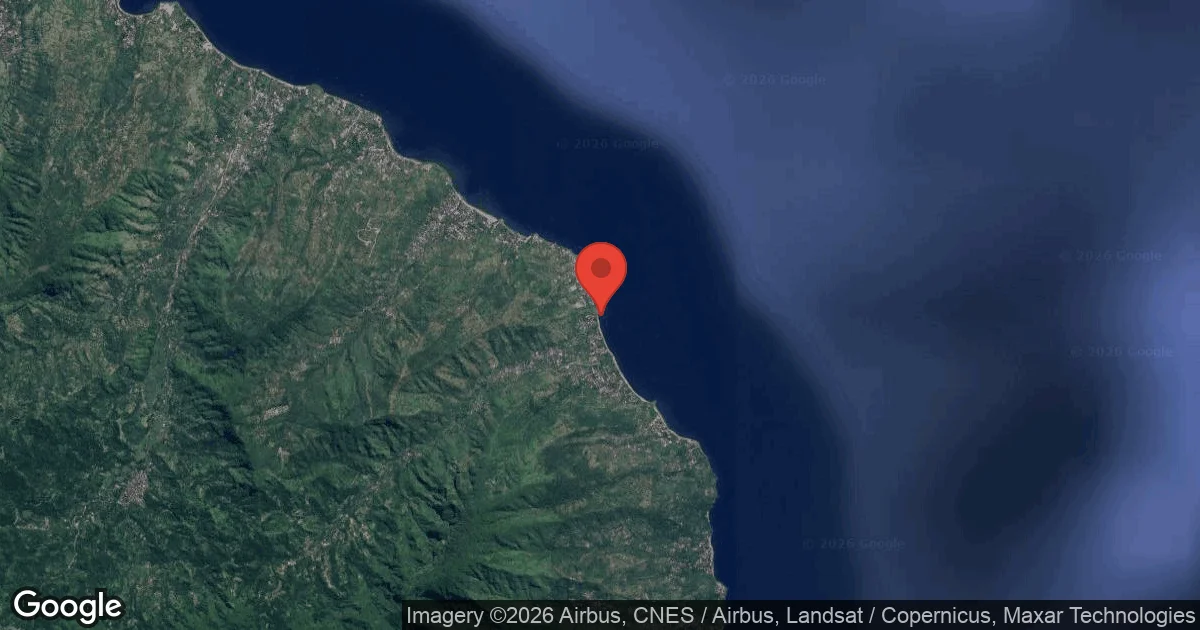
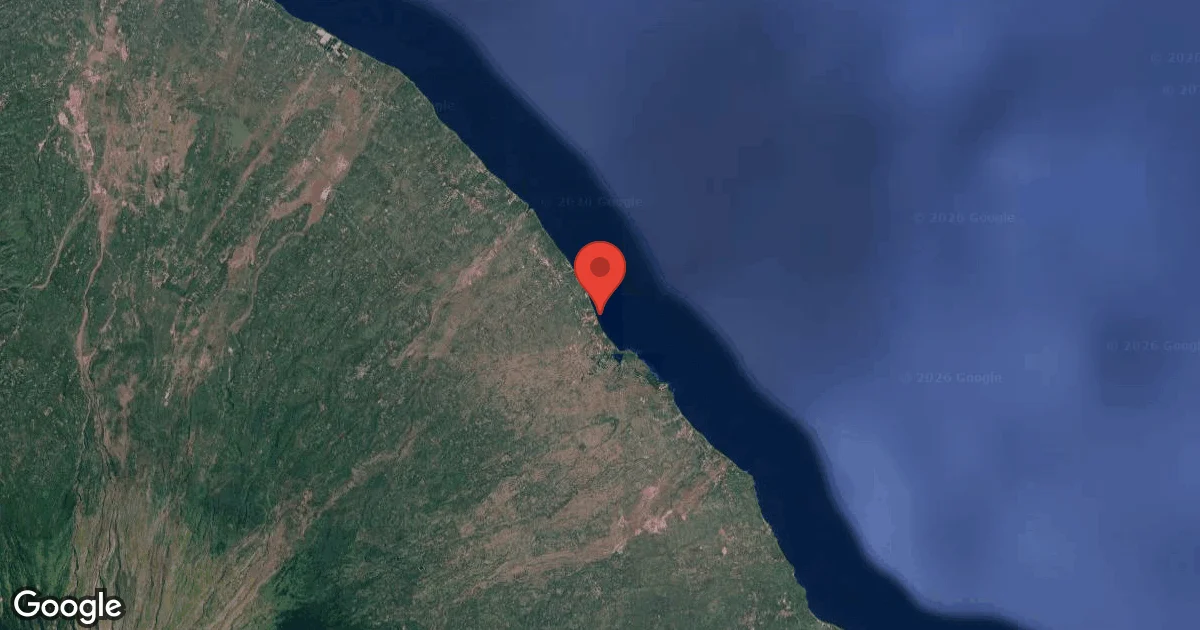
Descending into Jemeluk Wall feels like entering a living geological canvas. A shore entry from Jemeluk Bay leads you over a gentle slope where the reef begins to unfold, quickly giving way to a dramatic vertical wall.
This drop-off reaches depths up to 40 meters, with some areas extending deeper to around 50 meters, revealing a profusion of healthy hard and soft corals, adorned with large barrel sponges and intricate sea fans. While an average dive may explore areas around 12 meters, the wall itself plunges much deeper, offering routes for those with advanced certifications to explore its lower ledges. Visibility here is generally good, allowing a clear view of the vibrant ecosystem.
Occasional currents can be present, adding a dynamic element to the dive, though conditions often remain calm within the bay itself. Jemeluk Wall offers rich biodiversity, balancing the serene beauty of reef life with the thrill of exploring vertical terrains.
Conditions are Good
07:00 - 14:00
Optimal conditions expected
Current conditions near Jemeluk Wall show 24° air, 28° sea temperature, N/A waves, and 22 km/h wind. Forecast data is refreshed regularly to ensure accuracy.
Best Time to Dive
Diving at Jemeluk Wall is rewarding throughout the year, but conditions vary by season. The dry season, from April to October, generally provides minimal rainfall and calmer surface conditions. For instance, August typically sees very low rainfall at approximately 0.36mm, with air temperatures averaging 26.5°C / 80°F. Conversely, the wet season, from November to March, brings increased precipitation, with February averaging about 25mm of rain and air temperatures remaining warm at around 27°C / 81°F. Notably, November often yields the highest dive scores, despite being on the edge of the wet season, with relatively low wave heights of around 0.9 meters. Water temperatures are not consistently reported but generally stay within a comfortable range for tropical diving.
PEAK SEASON SCORE
Scores combine air & water temps, waves, wind & rainfall for overall conditions.
BEST MONTHS TO DIVE
Monthly records compiled from satellite and marine observation nodes over the last 3 years. Data provided by Open-Meteo and MET Norway.
Dive Experience & Conditions
Divers typically begin exploring Jemeluk Wall with a shore entry from Jemeluk Bay, wading out before descending onto a gentle slope. This transitions into the prominent wall feature, which unfolds impressively on your right side. Conditions for entry are often calm within the bay, contributing to a relaxed start. Good visibility is a common characteristic, enhancing the experience of drifting along the colorful coral formations. While general conditions are often tranquil, occasional currents can be encountered, particularly at deeper sections or during tidal changes. The dive offers a versatile experience; shallower reef areas are suitable for all certified divers, while the deeper parts of the wall, extending to significant depths, are better suited for advanced divers with appropriate deep specialty training and experience.
Dive Difficulty & Safety Guidelines
Approaching Jemeluk Wall requires careful attention to depth management and potential current variations. The wall drops significantly, with parts extending beyond recreational dive limits. For safe exploration of the deeper plateau, divers should hold an advanced certification or a deep specialty.
It's crucial to monitor air consumption and no-decompression limits, especially when exploring vertical terrain. Although the bay itself often presents calm conditions, currents can occasionally be present along the wall, particularly at its exposed sections.
Divers must maintain situational awareness and plan their ascent carefully, using a surface marker buoy for safety. Always dive within certified limits and consider diving with experienced local guides who understand the site's nuances.
Recommended Equipment
Deep dive hazard. Increased narcosis and gas consumption risk.
- Dive Computer
- DSMB
- Primary & Backup Lights
This gear list is based on verified equipment signals for Jemeluk Wall, Indonesia. Always confirm final gear choices with your dive operator, guide, or liveaboard.
Recommended Dive Suit
Environmental conditions are expected to remain consistent in the short-term outlook.
For typical recreational dives, 2-3mm shorty or light wetsuit generally provides comfortable insulation. A hood or vest is suggested for sensitive divers due to surface winds.
At Jemeluk Wall, the water is currently sitting around 28°C (83°F). Surface air temperatures are resting at 24°C (76°F).
Emergency & Medical Support
Essential information to help you plan your dive trip to Jemeluk Wall.

Hyperbaric chambers are a critical part of dive safety infrastructure. Availability varies significantly by region, and not all dive areas have immediate access.
Before diving, it's recommended to:
- confirm nearest medical facilities
- check emergency procedures with local dive operators
- ensure dive insurance covers evacuation if required
Divers Alert Network
Diving emergency assistance available through DAN World.
+1-919-684-9111- 24/7 emergency hotline
- Diving medical assistance
- Evacuation coordination
Emergency contacts are provided for reference. Always verify local emergency services before diving.
Marine Life at Jemeluk Wall
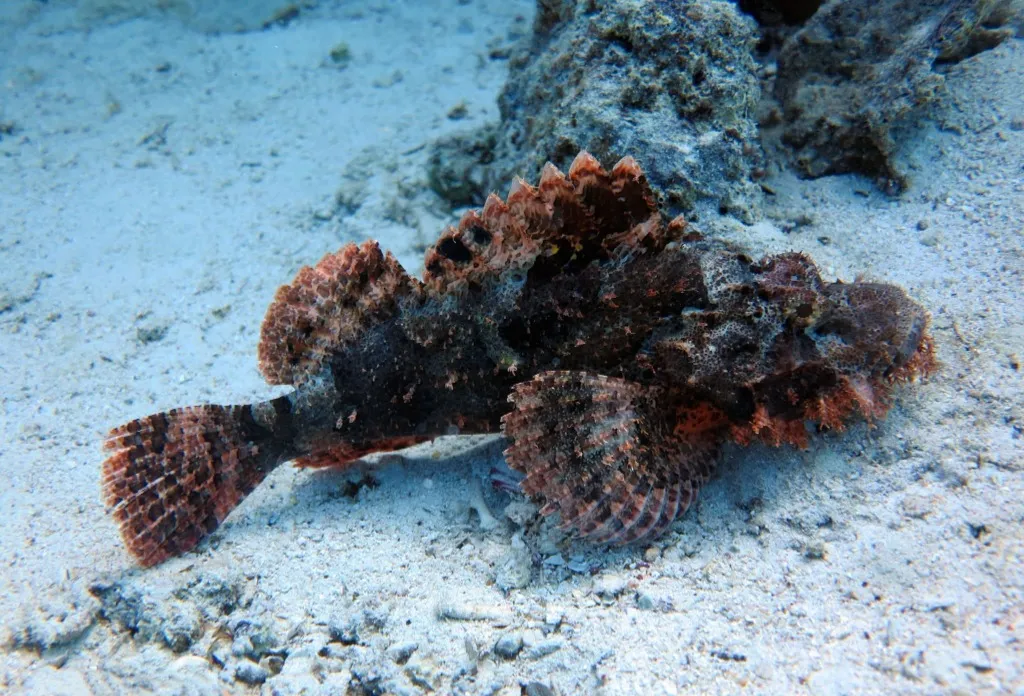
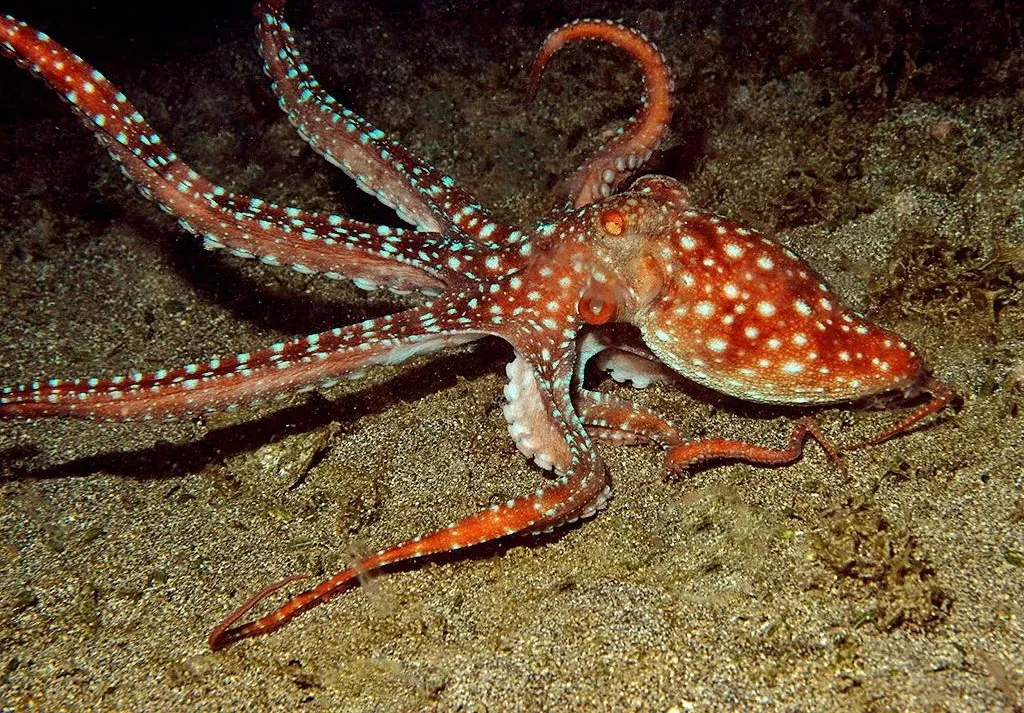
Jemeluk Wall presents a rich tapestry of marine life, appealing to both macro enthusiasts and those seeking larger pelagic encounters. Intricately camouflaged scorpionfish are a common sight, blending seamlessly with the vibrant hard and soft corals.
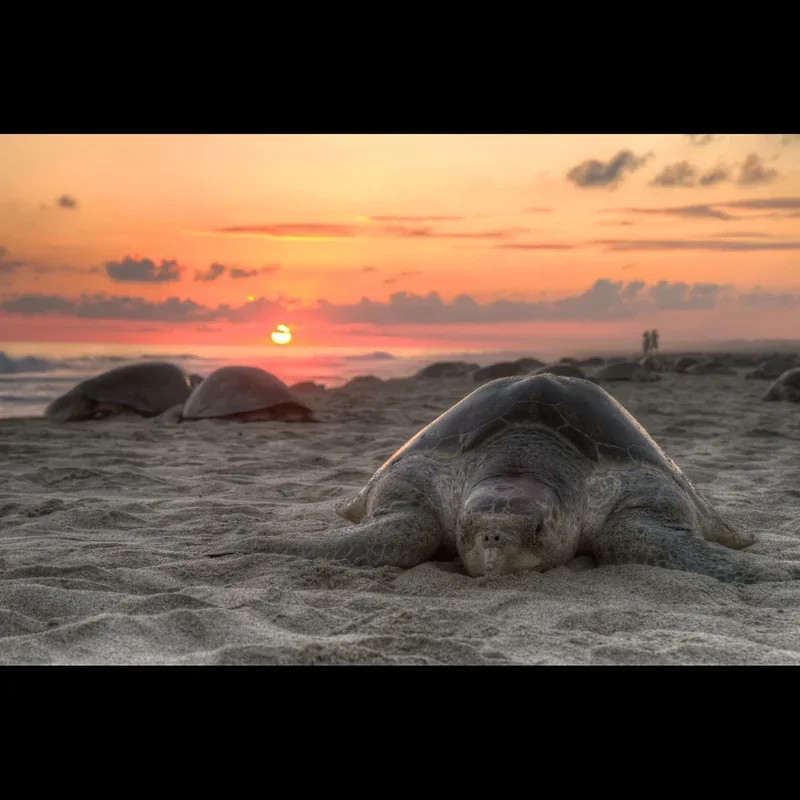
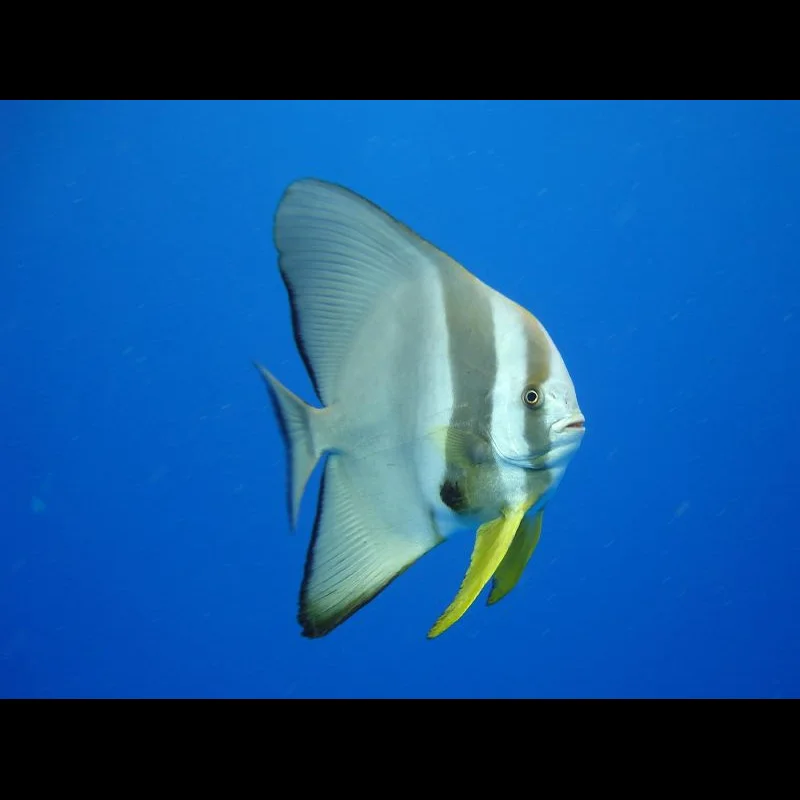
Exploring the ledges reveals a multitude of nudibranchs, reef octopuses, and various shrimp species tucked into crevices. Further out in the blue, divers often spot sea turtles gracefully gliding by, alongside schools of batfish and angelfish.
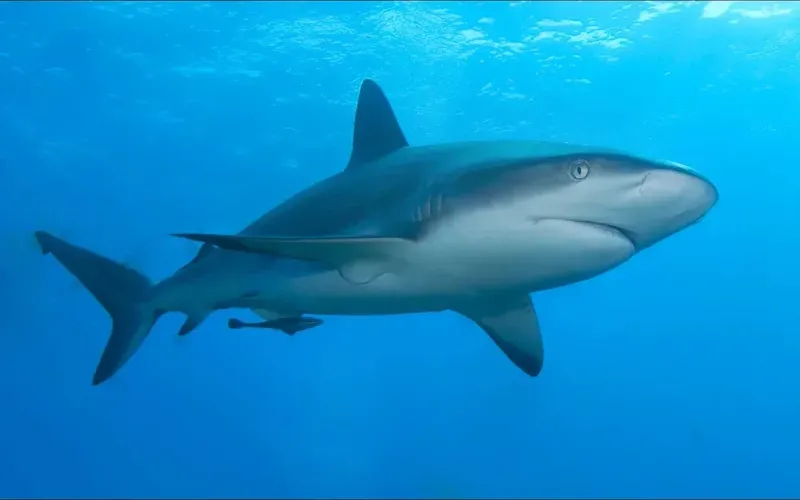
Keep an eye out for occasional appearances of Spanish mackerel, barracuda, and reef sharks, including blacktip and whitetip species, which patrol the deeper drop-off.
Dive Sites Near Jemeluk Wall
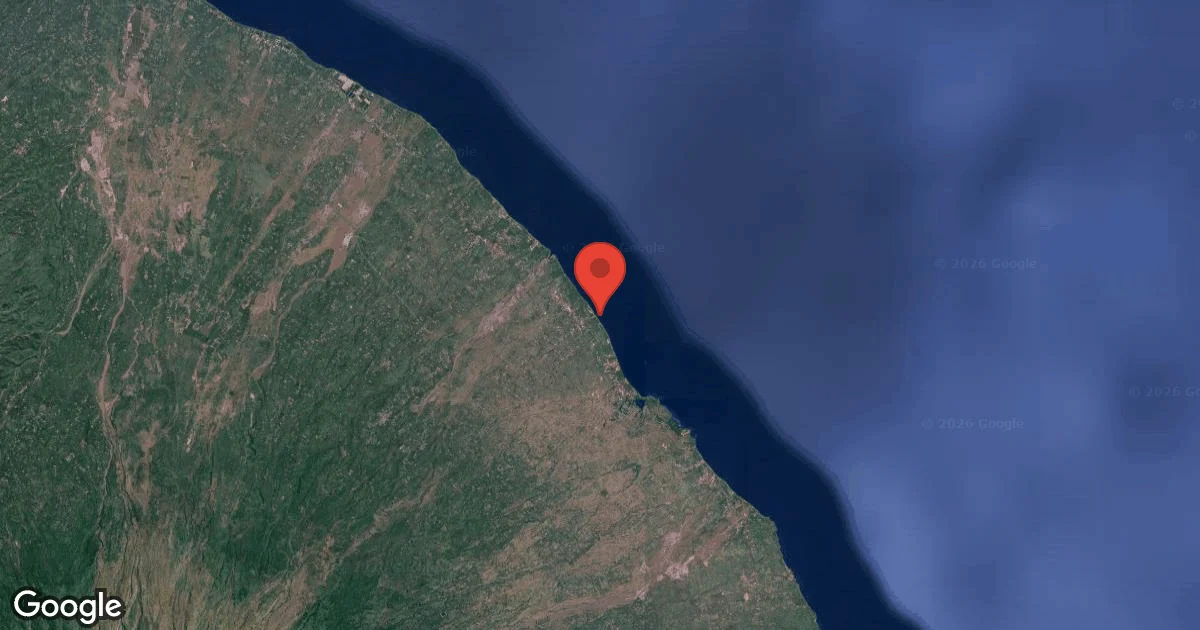
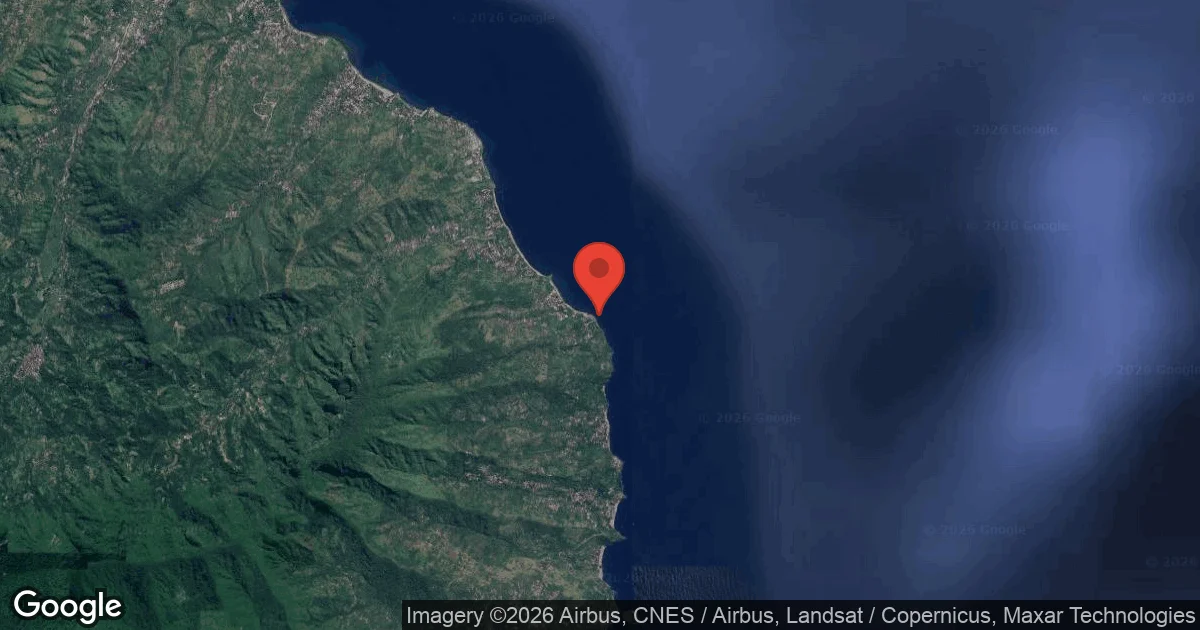
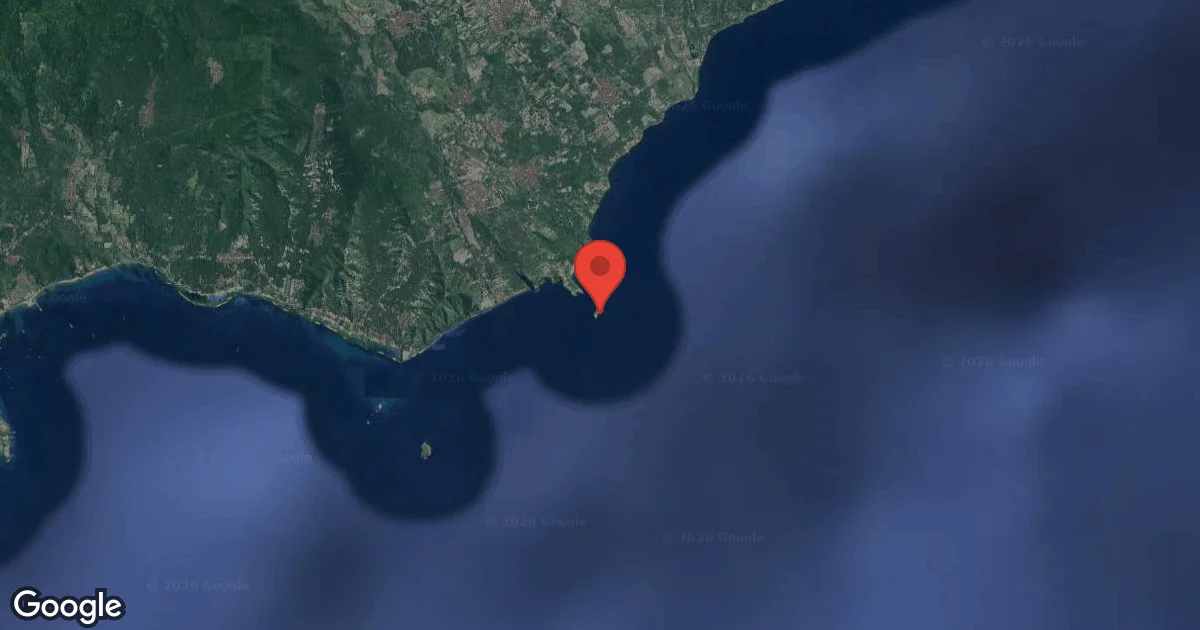
View all dive sites in IndonesiaDiscover more underwater gems in this area.
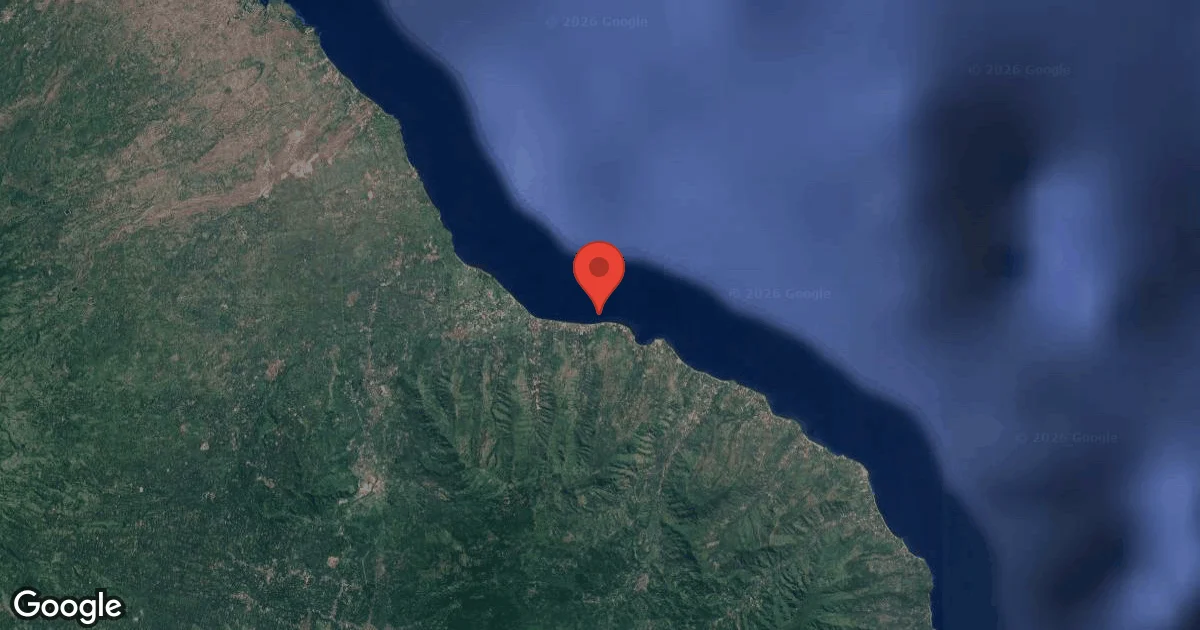
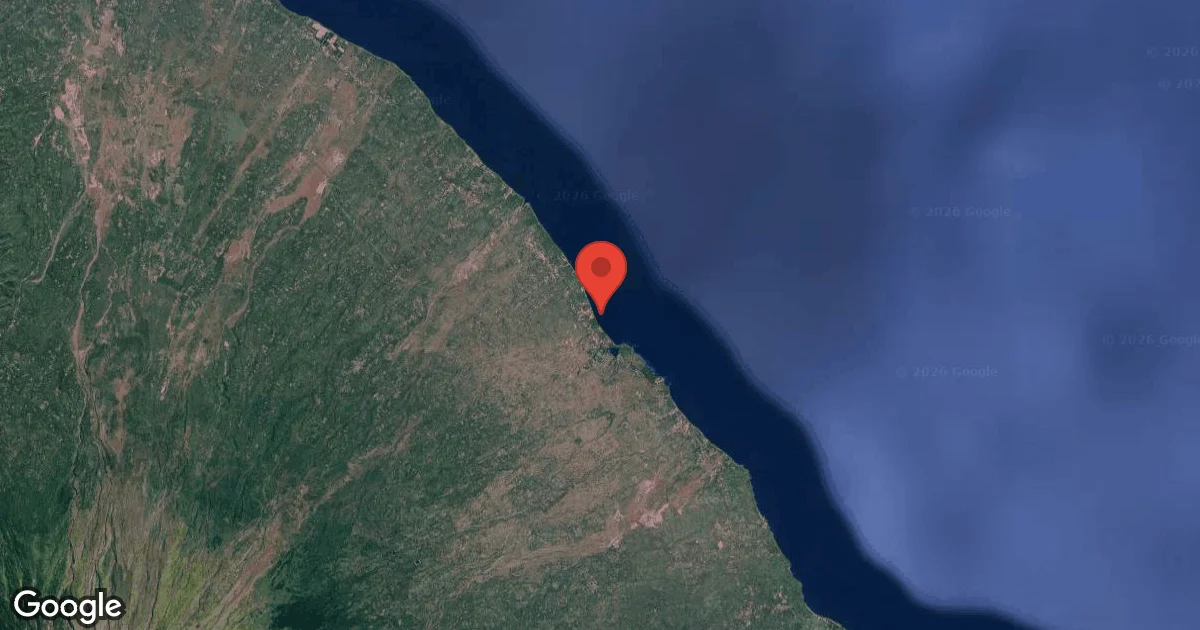
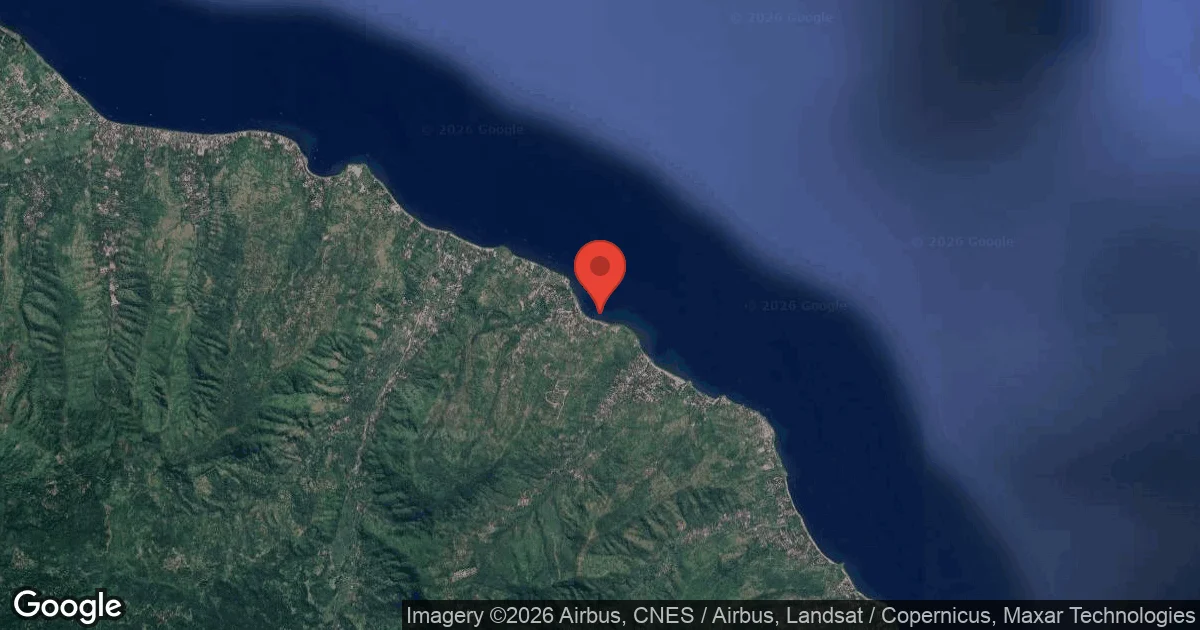
Dive Centers Near Jemeluk Wall
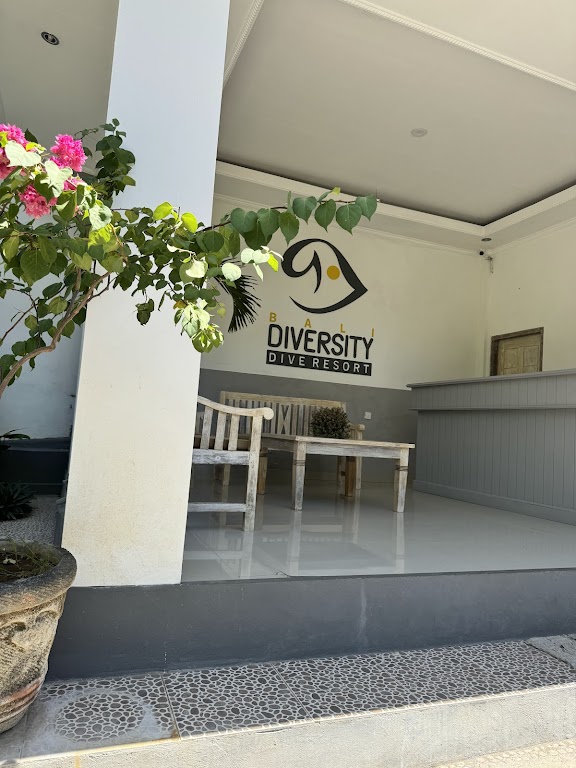
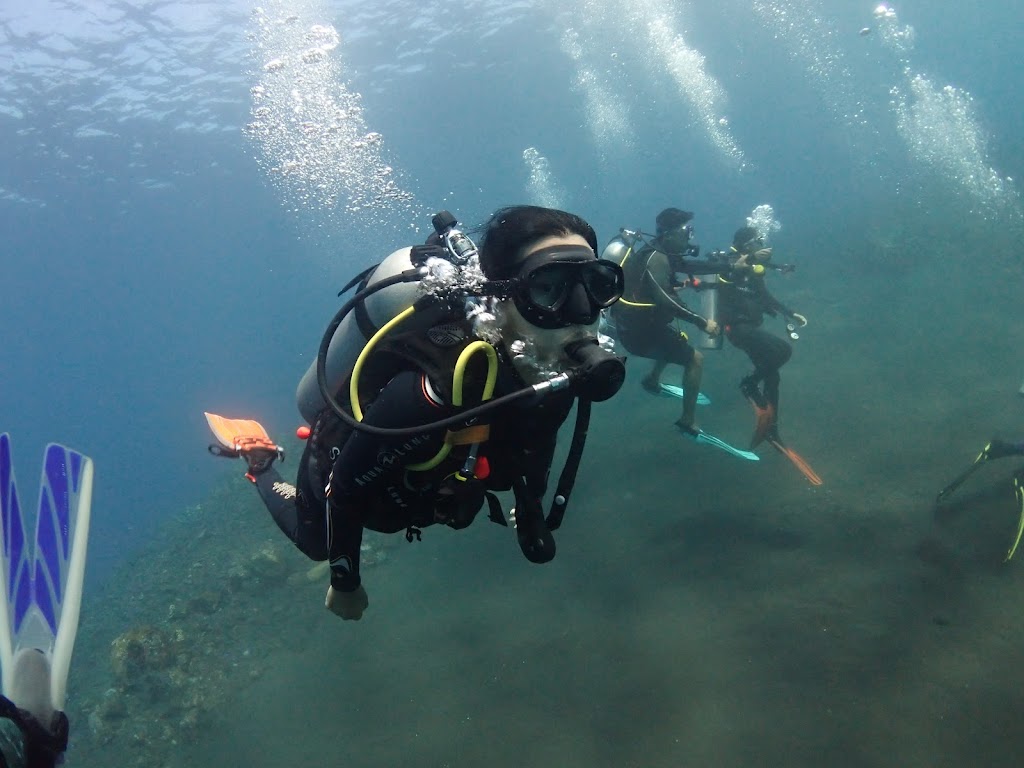
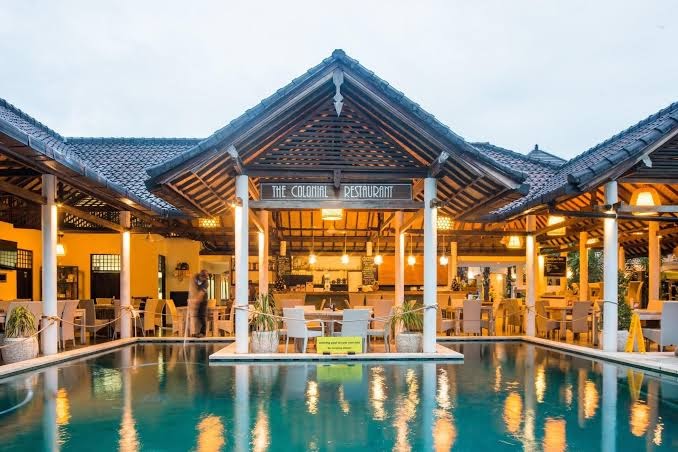
Today: 09:15 - 19:15
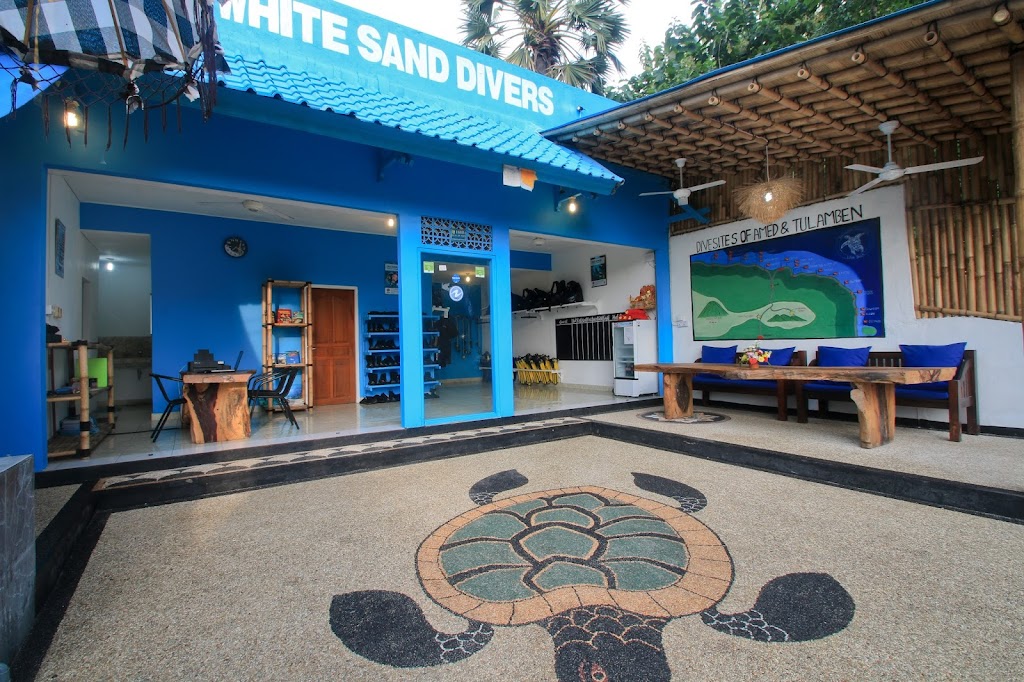
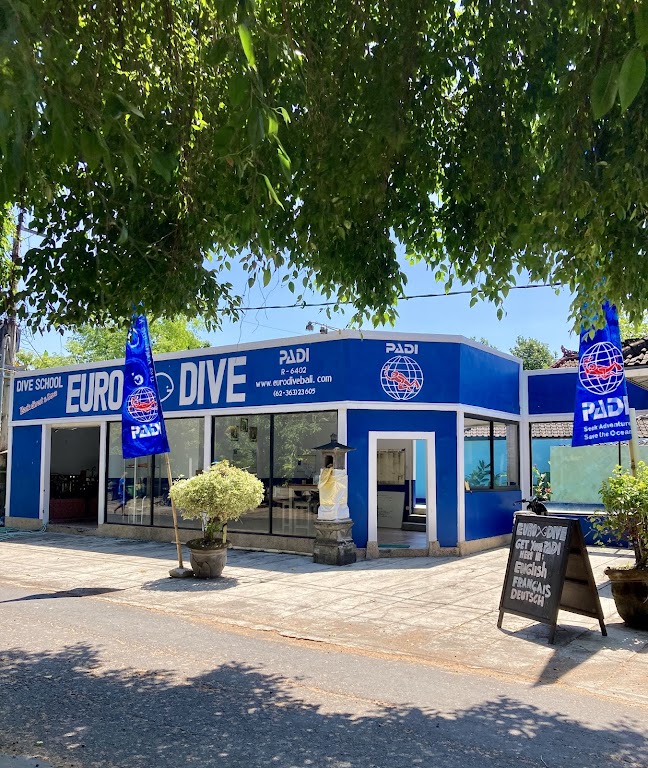
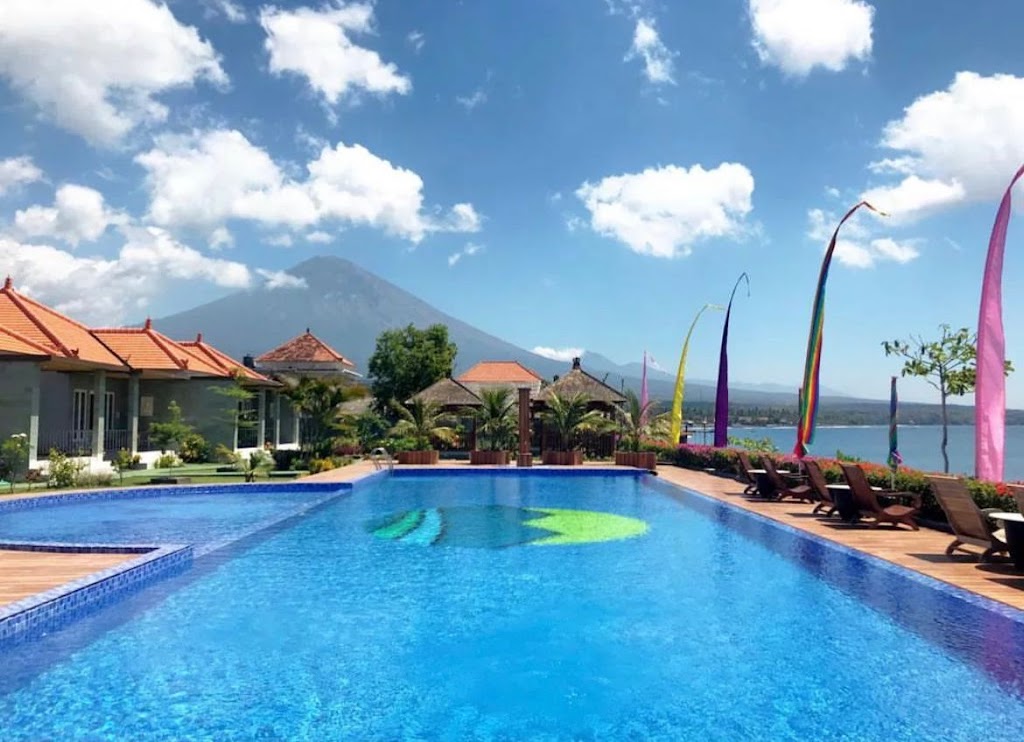
Nearest Airports
Nearest airports to help plan travel to this dive area.
Search Flights
Check available flights and routes on Expedia, using the nearby airports listed in this section.
Search Flights on ExpediaFrequently Asked Questions
What is the maximum depth at Jemeluk Wall?
The wall typically drops to about 40 meters / 130 feet. Some sections, particularly the deeper plateau, can reach depths of around 50 meters / 165 feet.
Is Jemeluk Wall suitable for beginner divers?
The shallower reef areas within Jemeluk Bay are suitable for all certified divers. However, the deeper sections of the wall are better suited for advanced divers or those with a deep specialty certification due to potential currents and increased depth.
How do you access the Jemeluk Wall dive site?
The site is typically accessed via a shore entry from Jemeluk Bay. Divers wade out from the beach before descending to the reef slope, which then leads to the wall.
Are there strong currents at Jemeluk Wall?
Conditions are often calm within Jemeluk Bay itself. However, occasional currents can be encountered along the wall, particularly in deeper or more exposed sections.
What kind of marine life can I expect to see?
Divers frequently encounter scorpionfish, nudibranchs, reef octopuses, and various shrimp in the corals. Larger sightings include sea turtles, barracuda, Spanish mackerel, and both blacktip and whitetip reef sharks.
What's the best time of year to dive Jemeluk Wall?
The dry season, from April to October, generally offers the calmest surface conditions and least rainfall. However, November often boasts the highest dive scores due to a combination of lower waves and moderate winds.
What are the water temperatures like at Jemeluk Wall?
Specific water temperature data for Jemeluk Wall is not consistently reported. Generally, waters in this region of Bali are comfortable for tropical diving, typically ranging from 26-29°C / 79-84°F, though cooler thermoclines can sometimes be present at depth.
Planning to dive Jemeluk Wall?
Send one inquiry and receive offers directly from the best verified local dive operators.
Conditions are Good
07:00 - 14:00
Optimal conditions expected
Current conditions near Jemeluk Wall show 24° air, 28° sea temperature, N/A waves, and 22 km/h wind. Forecast data is refreshed regularly to ensure accuracy.