
Diving at Pyramids (Indonesia)
Conditions at Pyramids in Amed typically present as gentle currents, influenced by tides, which can make for an effortless drift dive. This reef site, easily accessible from shore or by boat, maintains generally calm surface conditions. Its underwater structures, initially placed for reef enhancement, now foster a diverse marine ecosystem. Depths here range from shallow to about 22 meters, allowing for varied dive profiles depending on experience.
As evening covers Pyramids, the local air temperature is measured at 25°C. The current wave height at the surface is recorded at 1 m. These late-day readings characterize the surface conditions for the night.
Dive Site Location & Key Facts
Dive Site Overview
Pyramids stands as a testament to early conservation efforts, with its distinctive hollow concrete pyramid structures intentionally placed on the seabed by local fishermen in the early 1990s. These man-made formations, originally conceived to enhance the local reef, have matured into vibrant artificial habitats.
Over decades, they have integrated seamlessly with the natural reef environment, supporting a rich diversity of marine life, making it a compelling study in ecological recovery. This site, just offshore from Amed, offers a compelling mix of natural and artificial reef exploration, providing a unique perspective on marine ecosystems.
Divers can navigate the sandy slopes surrounding the pyramids, encountering a variety of smaller reef inhabitants that have made these structures their home. A deeper coral garden extends beyond the artificial reef, offering further exploration.
Depths here allow for varied dive profiles, ranging from shallower areas suitable for longer bottom times to the more profound sections reaching up to 35 m / 115 ft. The site provides a rewarding experience for those keen to observe how human intervention, when thoughtfully applied, can successfully contribute to marine biodiversity and create thriving underwater communities.
It's a place where the past meets the present, showing how a conscious effort can transform a barren area into a flourishing habitat. The intricate designs of the pyramids themselves also offer shelter and hunting grounds, drawing in a continuous parade of tropical species.
Conditions are Good
Optimal conditions expected
Current conditions near Pyramids show 25° air, 28° sea temperature, 0.9 m waves, and 26 km/h wind. Forecast data is refreshed regularly to ensure accuracy.
Best Time to Dive
Optimal diving conditions at Pyramids typically occur from April through December, aligning with the region's drier season. Throughout these months, the dive score generally rates as 'Good' or higher, with November often reaching an 'Excellent' rating due to particularly calm seas and high visibility. Air temperatures remain consistently warm, averaging between 26-28°C / 79-82°F, which contributes to overall diver comfort. Rainfall is minimal during this extended period, especially from May to October, ensuring more stable surface conditions and clearer underwater visibility. Wave heights are also more subdued during the dry season, creating a calmer environment underwater that benefits both shore entry and boat dives. While consistent specific water temperature data for Pyramids isn't consistently reported, conditions are generally very warm year-round, characteristic of tropical Indonesian waters. This ensures comfortable diving regardless of the exact season, though the dry season clearly offers the most consistent and favorable overall experience above and below the surface. Even outside these peak months, diving is possible, but divers may encounter more rainfall and potentially choppier surface conditions, which could affect visibility.
PEAK SEASON SCORE
Scores combine air & water temps, waves, wind & rainfall for overall conditions.
BEST MONTHS TO DIVE
Monthly records compiled from satellite and marine observation nodes over the last 3 years. Data provided by Open-Meteo and MET Norway.
Dive Experience & Conditions
Exploring this site reveals a progressive depth profile, starting in shallow waters and extending down to approximately 35 m / 115 ft. The shallower areas feature a vibrant coral garden, while the deeper sections encompass the iconic pyramid structures and a sandy bottom. Divers often encounter a current, which varies with tidal movements and can result in a smooth drift dive along the reef. Visibility is generally good, supporting excellent opportunities for both macro photography and wider reef scenes. While consistent water temperature data is limited, conditions are typically warm, providing a comfortable diving experience throughout the year.
Dive Difficulty & Safety Guidelines
To ensure a safe and enjoyable dive at Pyramids, it's advisable to be a certified diver due to the potential for currents that can create a gentle drift. Open Water certification is a prerequisite for most dives here, though it can sometimes be incorporated into specific advanced training under suitable conditions. No specific inherent hazards are consistently reported for the site itself.
Divers have the flexibility to access Pyramids either as an easy shore dive or via traditional jukung boats, with boat dives often concluding further along the current's path, simplifying the return.
Recommended Equipment
Deep dive hazard. Increased narcosis and gas consumption risk.
Current and surface separation risk. Local briefing strongly recommended.
- Dive Computer
- DSMB
- Primary & Backup Lights
- Reel / Spool
This gear list is based on verified equipment signals for Pyramids, Indonesia. Always confirm final gear choices with your dive operator, guide, or liveaboard.
Recommended Dive Suit
Experienced divers often bring flexible gear options.
Divers exploring Pyramids today will likely encounter water temperatures close to 28°C (82°F). Surface air temperatures are resting at 25°C (77°F). Divers who spend longer periods underwater often choose 2-3mm shorty or light wetsuit.
The next few days appear likely to bring similar environmental conditions.
Due to technical issues with our weather providers, live updates are temporarily delayed. The data above reflects the conditions at the time of the last successful fetch.
Emergency & Medical Support
Essential information to help you plan your dive trip to Pyramids.

Hyperbaric chambers are a critical part of dive safety infrastructure. Availability varies significantly by region, and not all dive areas have immediate access.
Before diving, it's recommended to:
- confirm nearest medical facilities
- check emergency procedures with local dive operators
- ensure dive insurance covers evacuation if required
Divers Alert Network
Diving emergency assistance available through DAN World.
+1-919-684-9111- 24/7 emergency hotline
- Diving medical assistance
- Evacuation coordination
Emergency contacts are provided for reference. Always verify local emergency services before diving.
Marine Life at Pyramids
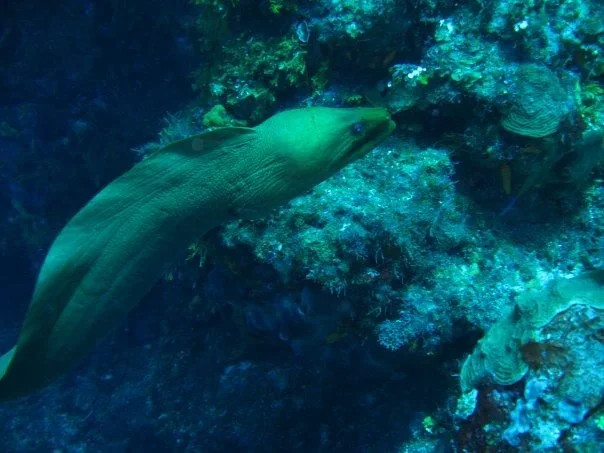
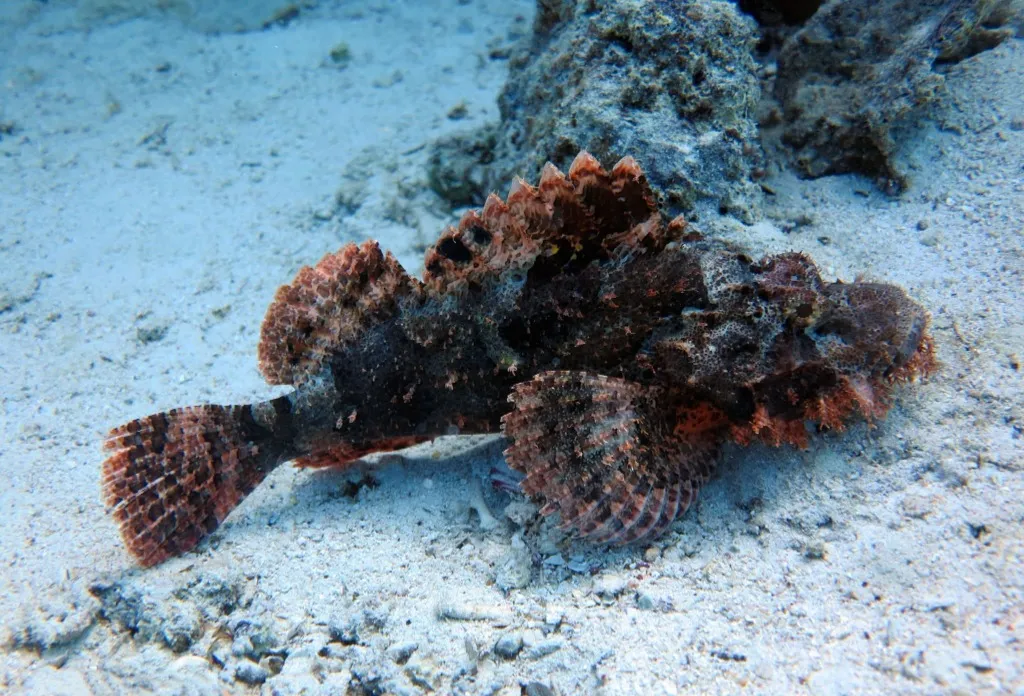
Upon descending, divers often first notice the intricate life flourishing around the pyramid structures themselves, a vibrant display against the sandy bottom. Moray eels are frequently observed peeking from crevices, and the keen-eyed diver might spot a camouflaged scorpionfish.
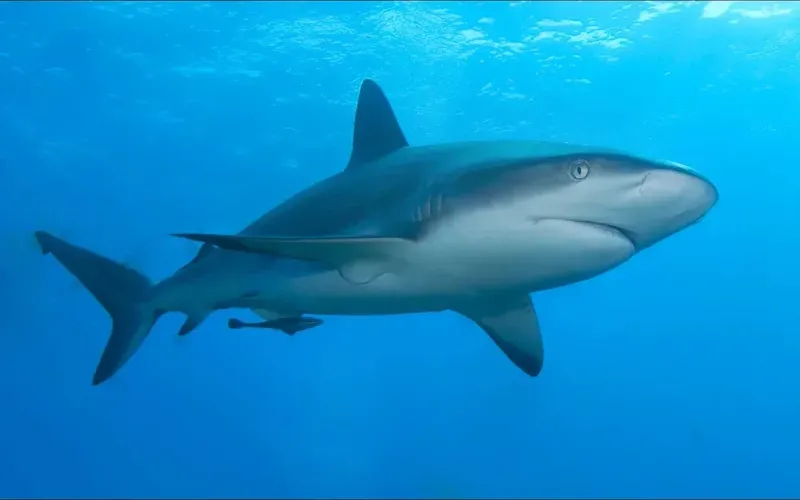
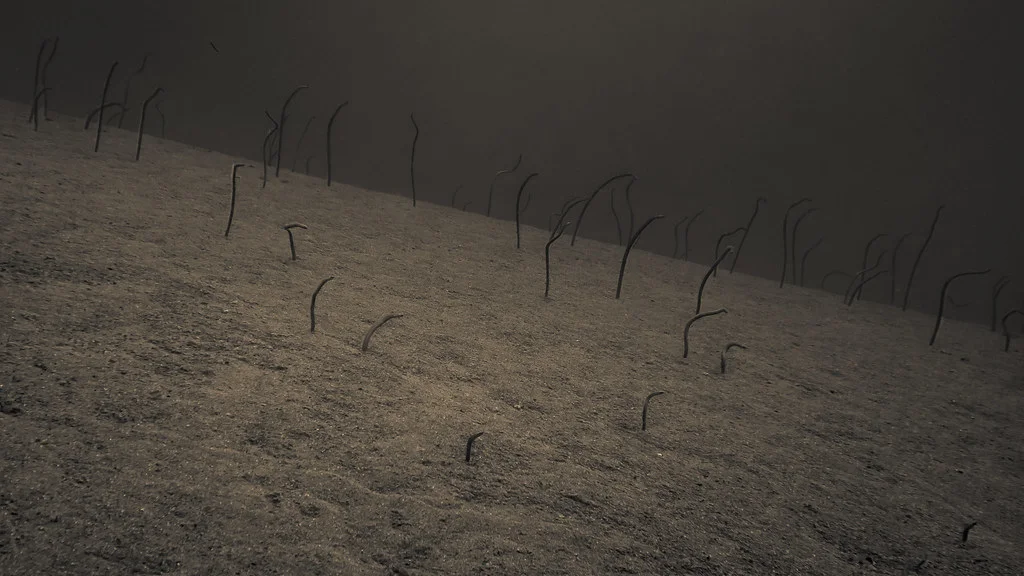
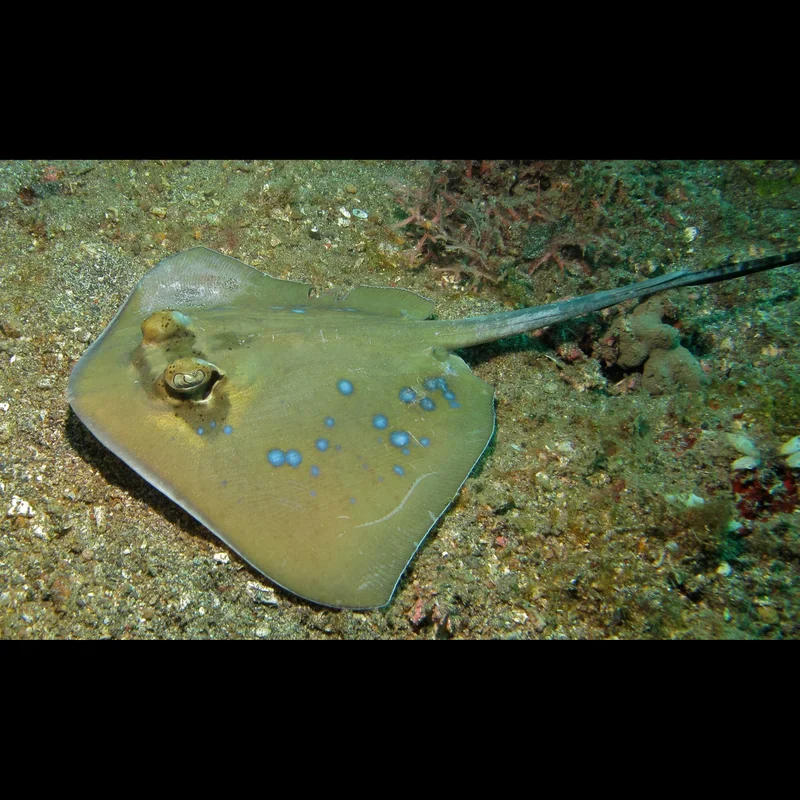
The site is a rich habitat for nudibranchs, cuttlefish, and diverse tropical fish. Occasional sightings include blue spotted stingrays, garden eels swaying in the sand, and both hawksbill and green turtles, which are commonly seen patrolling the reef. Even reef sharks make an appearance here at times.
Dive Sites Near Pyramids
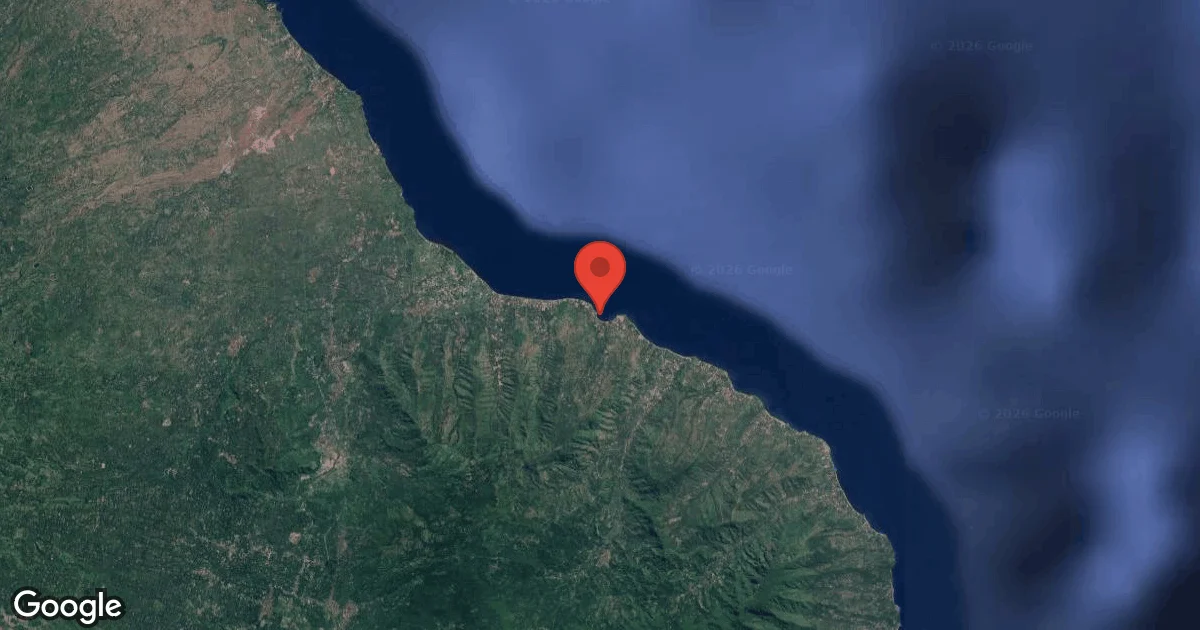
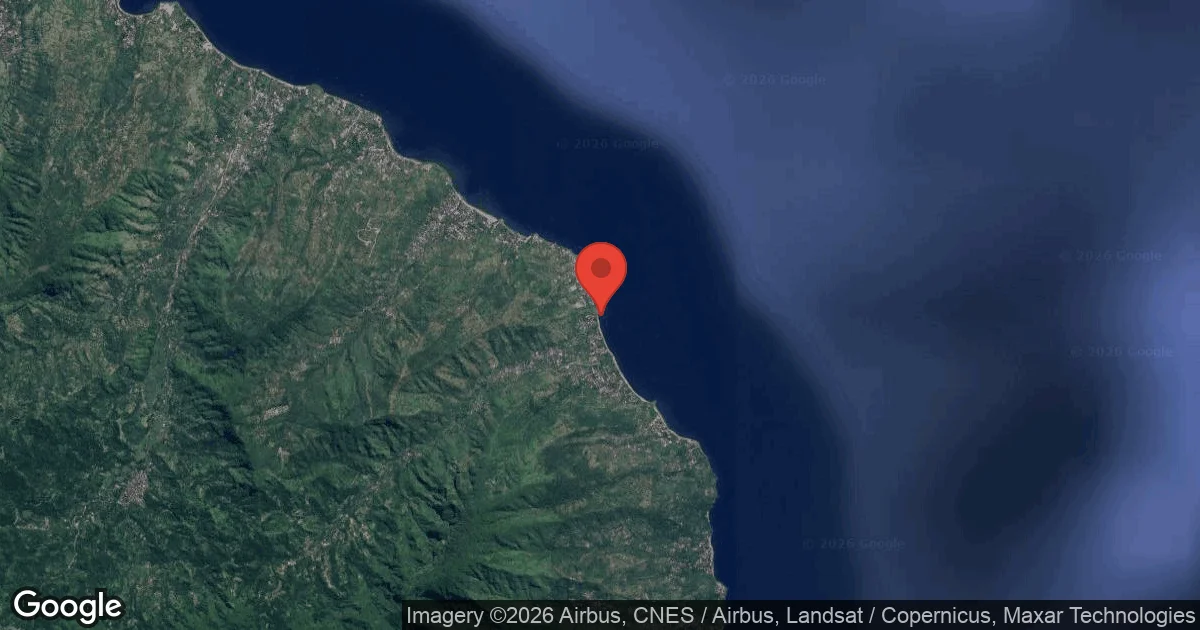
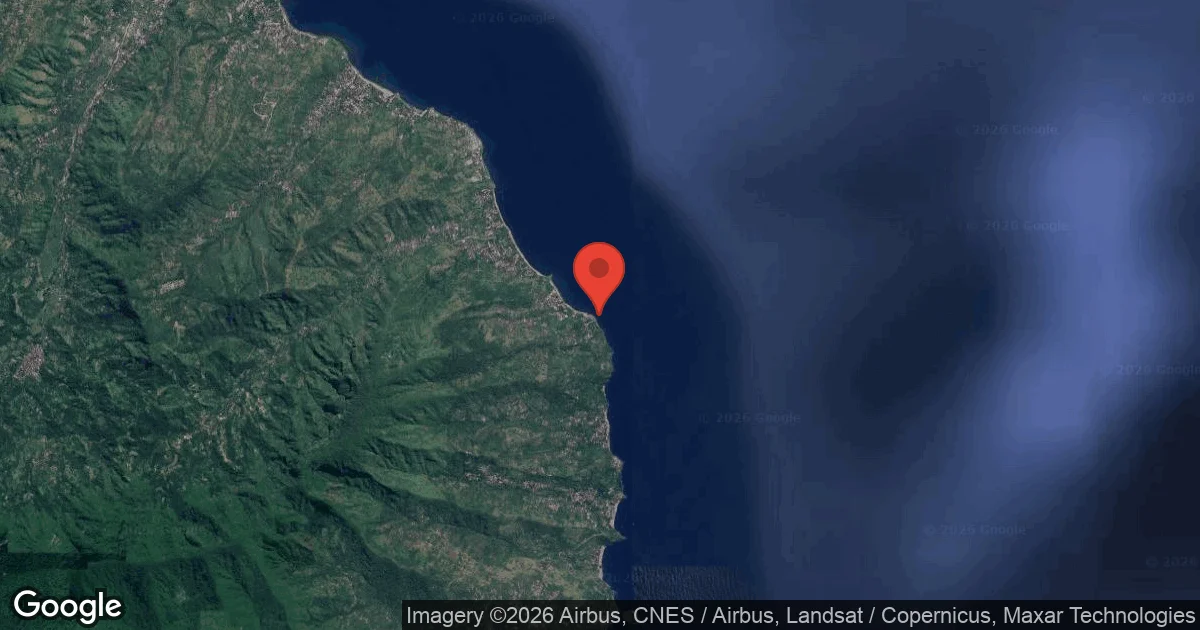
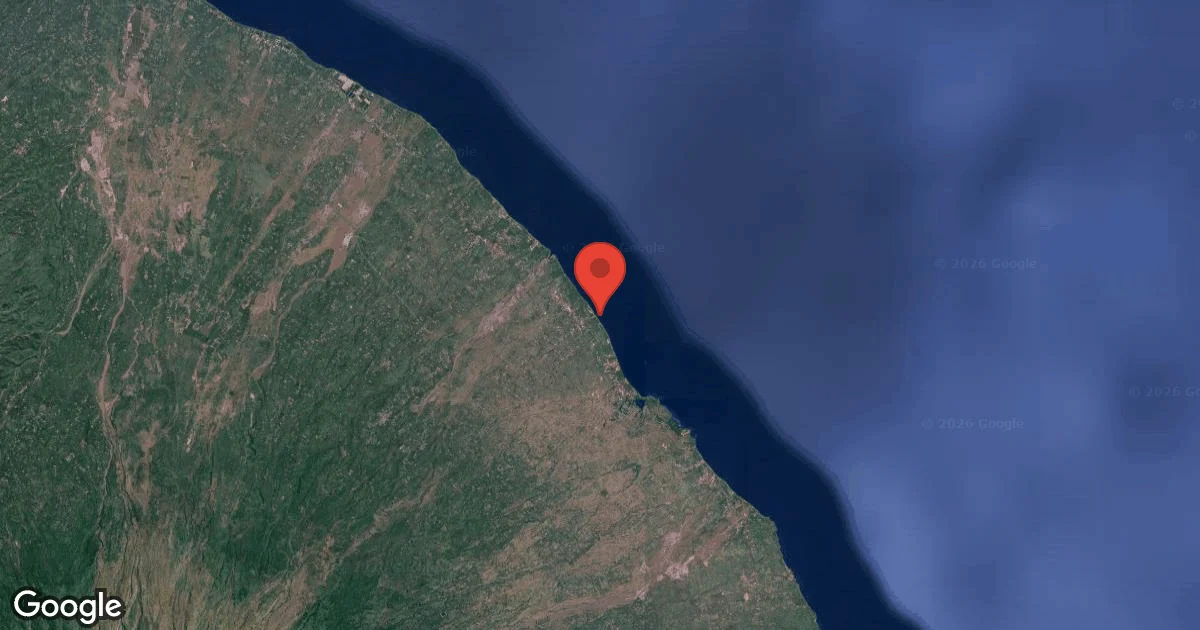
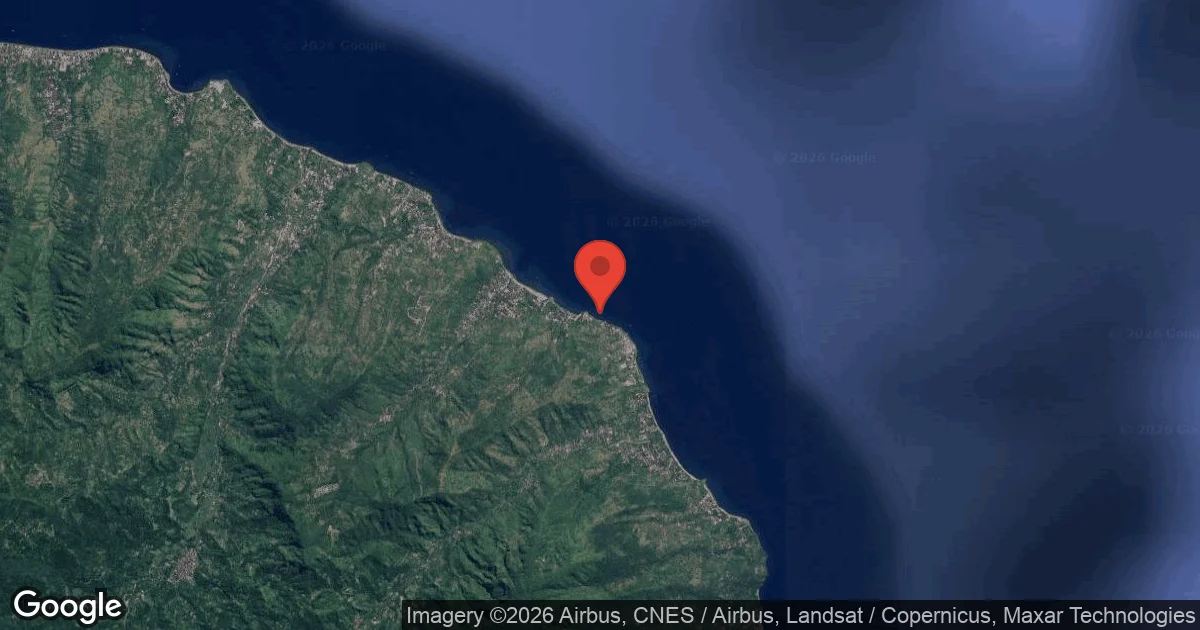
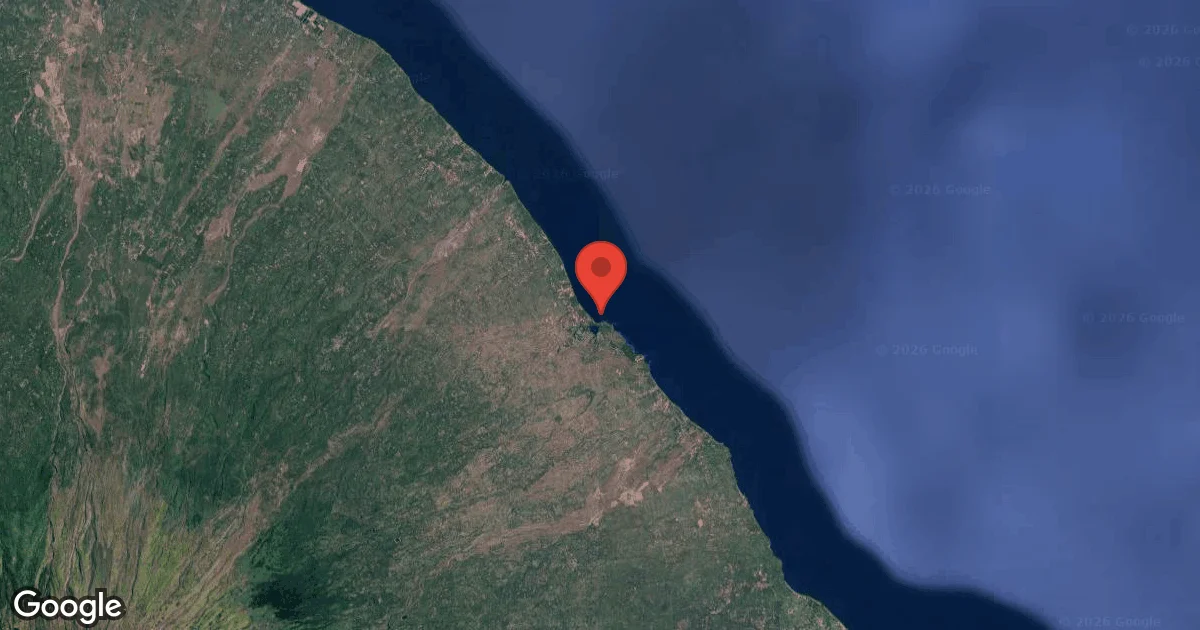
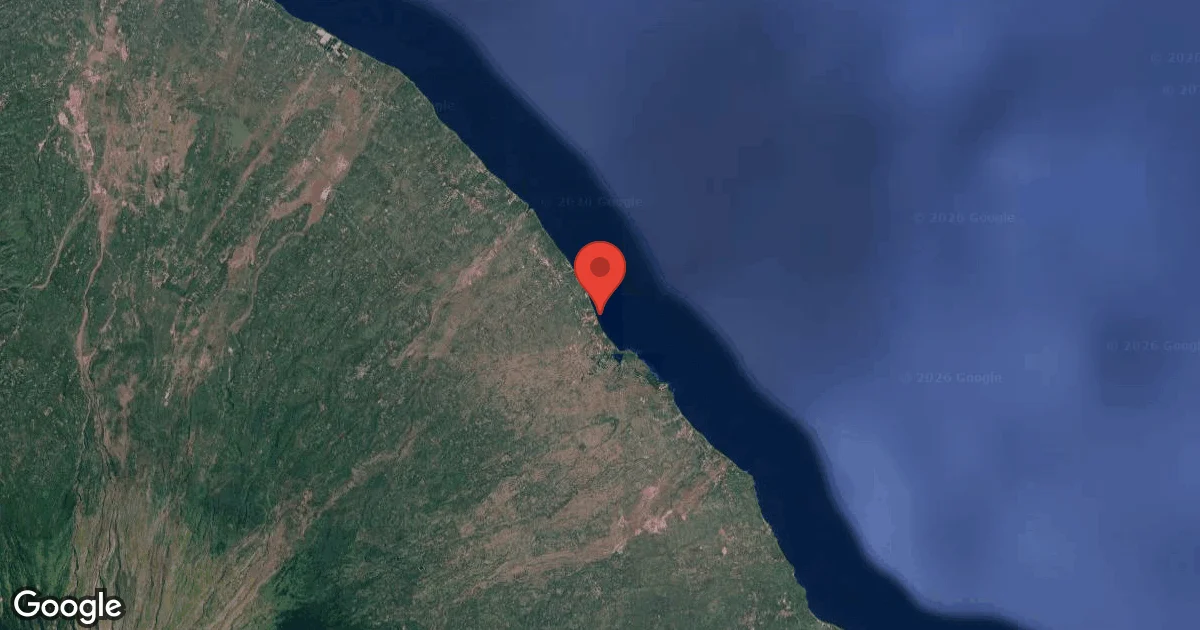
View all dive sites in IndonesiaDiscover more underwater gems in this area.
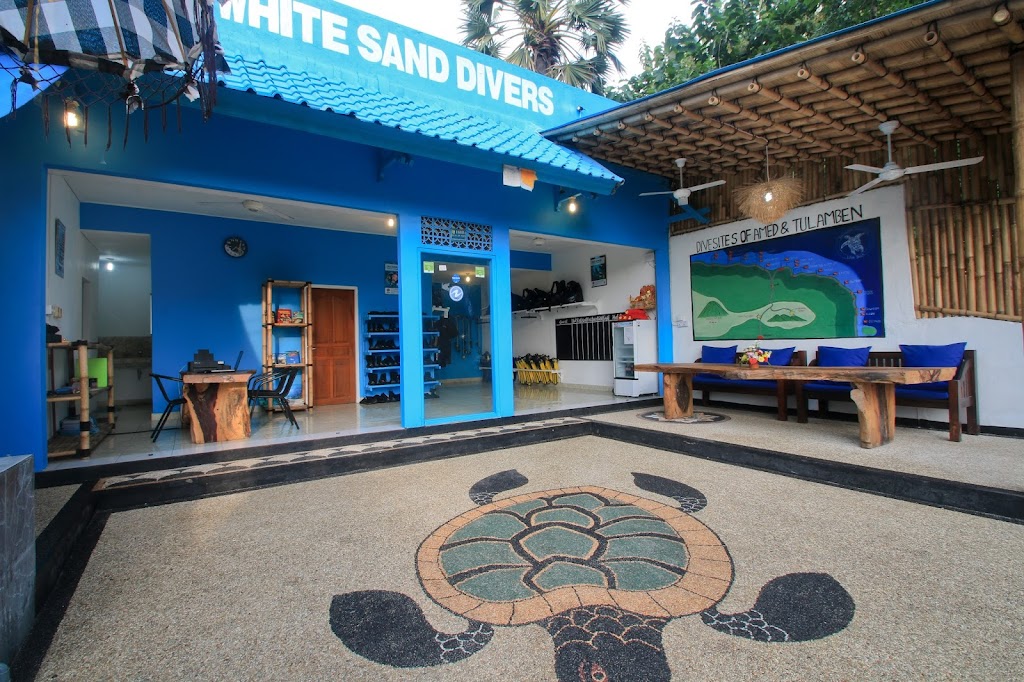
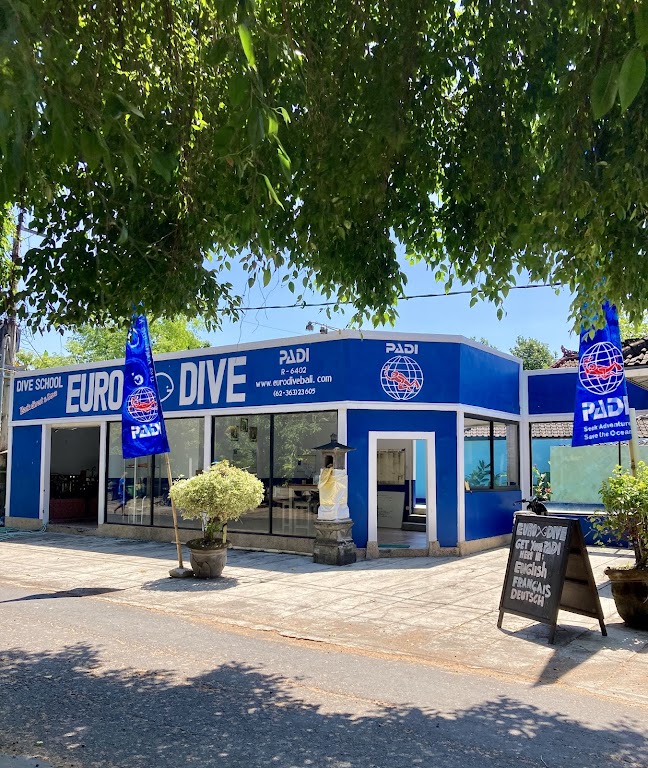
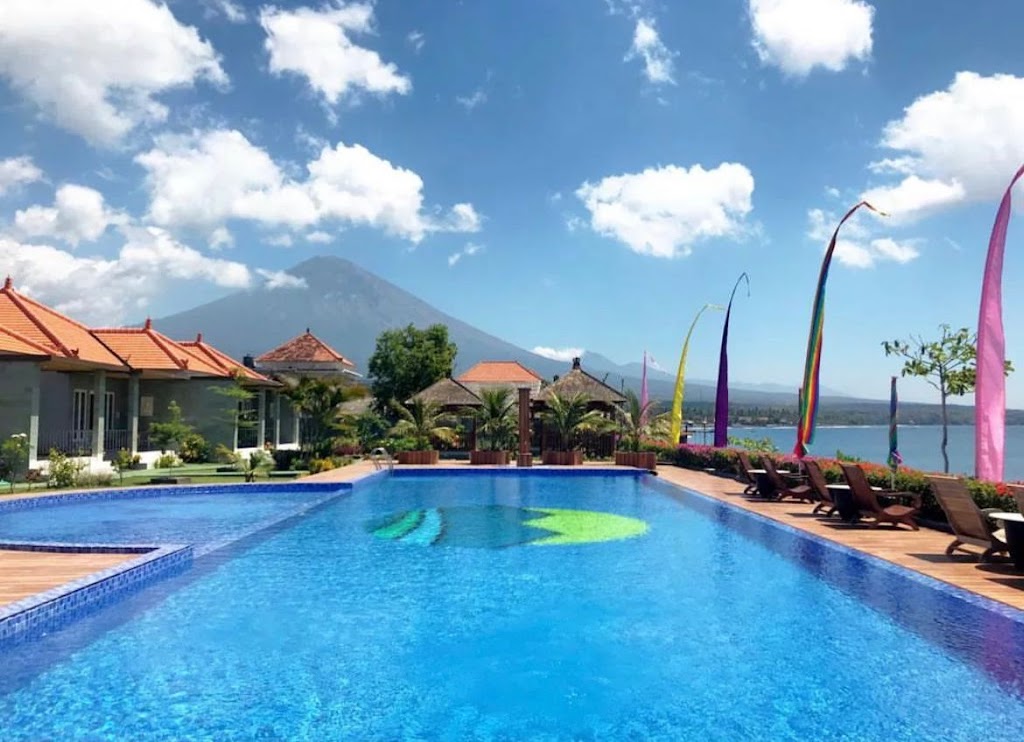
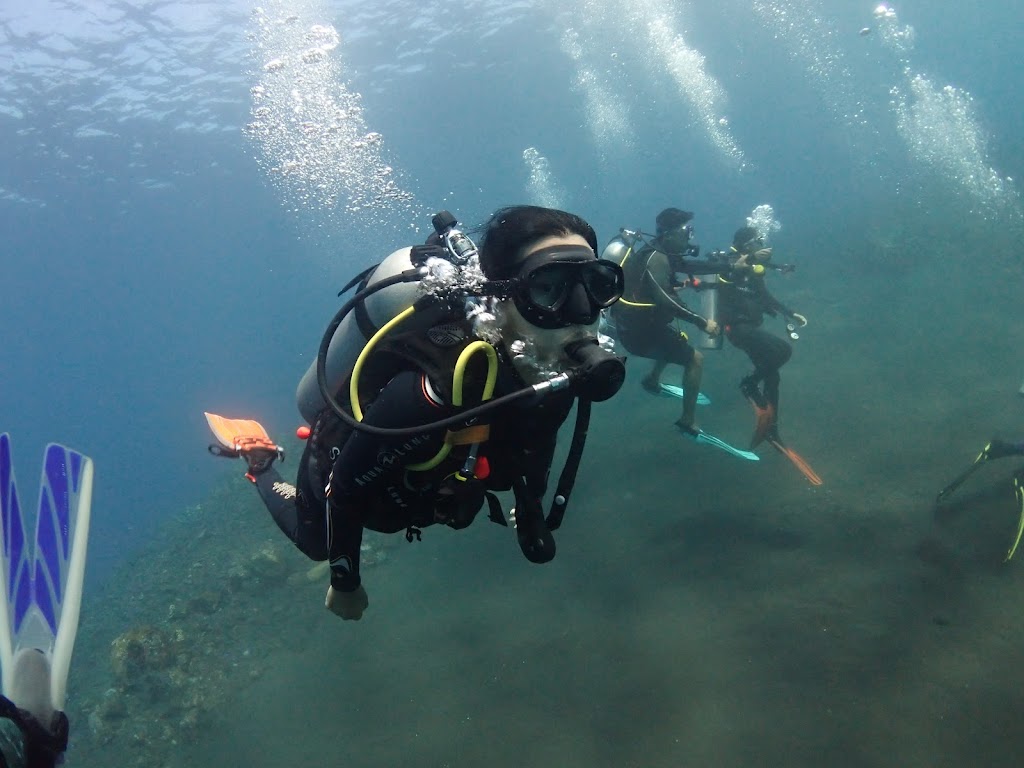
Dive Centers Near Pyramids
Today: 09:15 - 19:15
Nearest Airports
Nearest airports to help plan travel to this dive area.
Search Flights
Check available flights and routes on Expedia, using the nearby airports listed in this section.
Search Flights on ExpediaFrequently Asked Questions
Is certification required to dive Pyramids?
Yes, Pyramids is generally dived by certified individuals. However, the site can be incorporated into certain training dives if conditions are appropriate and supervised by an instructor.
What is the typical depth range at the Pyramids dive site?
The site offers a varied depth range, starting from shallow areas and descending to around 22 meters (72 feet). Some sections, particularly the coral garden, can reach depths of up to 35 meters (115 feet).
Can this site be combined with other dives?
Yes, Pyramids is often included as part of multi-dive excursions. It pairs well with other nearby Amed dive sites, such as Jemeluk Drop Off.
Are turtles commonly seen at Pyramids?
Turtles are a frequent sight at Pyramids. Both hawksbill and green turtles are regularly observed, making the nearby snorkeling area popularly known as Turtle Point.
Does Pyramids typically have currents?
Currents are often present at Pyramids and can vary with tidal conditions. This sometimes results in a gentle drift dive, which is why the site is generally better suited for certified divers.
Is Pyramids accessible via shore or boat?
Pyramids can be accessed either from the shore or by boat. Shore dives typically involve swimming out from the beach, while boat dives, often using traditional jukung boats, can allow for a drift profile without returning to the entry point.
Is Pyramids suitable for underwater photography?
The site offers a wide array of marine life and interesting underwater structures, making it an excellent location for both wide-angle reef photography and capturing detailed macro subjects.
Planning to dive Pyramids?
Send one inquiry and receive offers directly from the best verified local dive operators.
Conditions are Good
Optimal conditions expected
Current conditions near Pyramids show 25° air, 28° sea temperature, 0.9 m waves, and 26 km/h wind. Forecast data is refreshed regularly to ensure accuracy.