
Diving at Kelapa Dua (Indonesia)
Kelapa Dua features a dramatic steep wall contour along Kakaban Island in Indonesia's Derawan Archipelago. Plunging to a maximum depth of 28 m / 91 ft, vibrant coral formations and abundant sea fans mark this accessible reef dive. Boat entry is standard. Vertical structure provides distinct zones for varying certification levels, from shallow, colorful reefs to deeper pelagic encounters.
Tonight's objective overview for Kelapa Dua shows an air temperature of 30°C. The measured surface conditions include wave heights around 0.4 m. This environmental data is logged for the close of the day.
Dive Site Location & Key Facts
Dive Site Overview
Imagine dropping into a world where an iridescent wall stretches beneath you, teeming with color and activity. Kelapa Dua offers just that: a captivating dive experience at Kakaban Island, known for its healthy, steep coral walls.
Site is particularly sought after for regular sightings of elusive Thresher Sharks. Divers often encounter these magnificent creatures in early morning hours as they visit designated cleaning stations. Wall itself presents an impressive display of marine biodiversity, carpeted with vibrant corals and expansive sea fans that provide habitat for countless smaller reef dwellers.
While deeper sections, where Thresher Sharks are typically observed, can extend to 28 m / 91 ft, the upper portion of the wall to about 18 meters remains vibrant and accessible. This allows Open Water certified divers to enjoy shallower, colorful reef, while Advanced Open Water divers with a Deep Dive specialty can explore the full extent of the site, searching for iconic pelagics.
It combines exciting pelagic encounters with rich reef exploration, making it a compelling destination within the Derawan Archipelago.
Conditions are Excellent
07:00 - 14:00
Optimal conditions expected
Current conditions near Kelapa Dua show 30° air, 30° sea temperature, 0.3 m waves, and 16 km/h wind. Forecast data is refreshed regularly to ensure accuracy.
Best Time to Dive
Kelapa Dua offers excellent diving opportunities throughout much of year, though specific conditions might influence planning. System data indicates "Excellent" dive scores for April, May, June, August, October, November, and December, with "Good" scores for remaining months. April and May typically see some of lowest average wave heights at around 0.2-0.3 m / 0.7-1.0 ft and lighter winds (17-18 km/h / 11 mph), potentially offering calmer surface conditions. Conversely, January through March often present slightly higher average rainfall (8.4-9.2 mm) and stronger winds, yet still maintain "Good" dive scores. Air temperatures remain consistently warm, averaging 27-28°C / 81-83°F year-round, ensuring comfortable surface intervals. Water temperatures in wider Derawan Islands typically range from 27-29°C / 81-84°F, though cooler upwellings, occasionally down to 23°C / 73°F, can occur in channels. For divers prioritizing pelagic encounters like Thresher Sharks, early morning dives are usually recommended regardless of season.
PEAK SEASON SCORE
Scores combine air & water temps, waves, wind & rainfall for overall conditions.
BEST MONTHS TO DIVE
Monthly records compiled from satellite and marine observation nodes over the last 3 years. Data provided by Open-Meteo and MET Norway.
Dive Experience & Conditions
Diving at Kelapa Dua largely centers on its impressive wall, where conditions typically remain manageable for varied skill levels. Site's exposure to currents is not consistently reported as extreme, though conditions can vary. When present, currents can provide a gentle drift along the wall, enhancing the viewing experience of vibrant corals and marine life without requiring strenuous swimming. Water temperatures in Derawan Islands generally hover between 27-29°C / 81-84°F, ensuring comfortable dives. Visibility is often very good, characteristic of many Indonesian reef systems. Open Water divers can comfortably explore shallower sections, typically up to 18 meters, where the wall's colorful upper reef flourishes. Deeper exploration, particularly to the site's maximum extent where Thresher Sharks are often sighted, requires an Advanced Open Water certification with a Deep Dive specialty.
Dive Difficulty & Safety Guidelines
Approaching Kelapa Dua, divers should be prepared for varying depths and potential encounters with pelagic species. To safely explore deeper zones where Thresher Sharks aggregate, an Advanced Open Water certification with a Deep Dive specialty is recommended. This ensures divers have training for proper gas management and decompression considerations at greater depths.
While no consistent reports indicate strong or unpredictable currents directly at Kelapa Dua, general ocean conditions can change. Always be aware of your surroundings and communicate with your dive guide, especially when navigating the wall.
Buoyancy control is crucial to protect delicate coral formations and to manage ascents effectively. Proper dive planning and adherence to your training limits will ensure a rewarding and safe experience at this site.
Recommended Equipment
- Dive Computer
- DSMB
This gear list is based on verified equipment signals for Kelapa Dua, Indonesia. Always confirm final gear choices with your dive operator, guide, or liveaboard.
Recommended Dive Suit
For relaxed exploration dives, dive skin or rash guard generally provides adequate warmth. A hood or vest is suggested for sensitive divers due to surface winds. Water conditions at Kelapa Dua are currently measured at approximately 30°C (86°F). Surface air temperatures are resting at 30°C (86°F).
Conditions in the coming days are expected to stay within a similar temperature range.
A diver's personal tolerance to cold water can play a large role in suit selection.
Due to technical issues with our weather providers, data hasn't been fetched for over 48 hours. The data above reflects the conditions at the time of the last successful fetch.
Emergency & Medical Support
Essential information to help you plan your dive trip to Kelapa Dua.

Hyperbaric chambers are a critical part of dive safety infrastructure. Availability varies significantly by region, and not all dive areas have immediate access.
Before diving, it's recommended to:
- confirm nearest medical facilities
- check emergency procedures with local dive operators
- ensure dive insurance covers evacuation if required
Divers Alert Network
Diving emergency assistance available through DAN World.
+1-919-684-9111- 24/7 emergency hotline
- Diving medical assistance
- Evacuation coordination
Emergency contacts are provided for reference. Always verify local emergency services before diving.
Marine Life at Kelapa Dua
Underwater landscape of Kelapa Dua is a dynamic canvas supporting rich marine biodiversity. Along steep coral walls, divers will discover a profusion of colorful corals and expansive sea fans, which form intricate habitats.
These structures shelter smaller reef inhabitants, including various gobies like Black-spotted Sand Goby. Primary draw for many divers, however, are elusive Thresher Sharks.
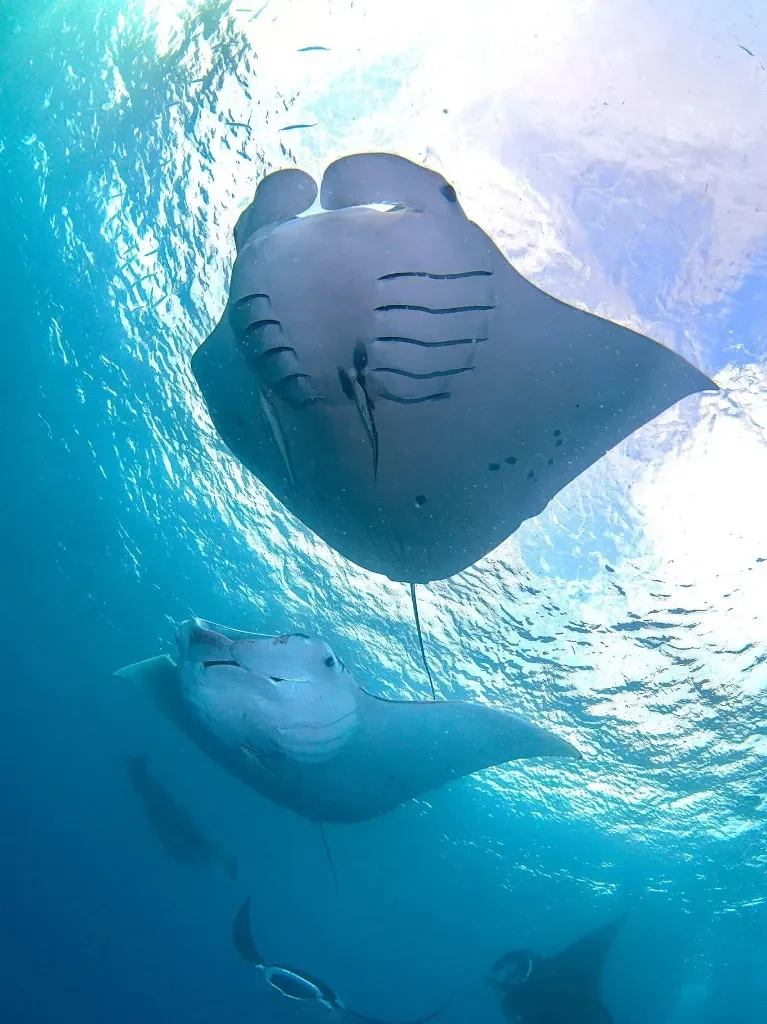
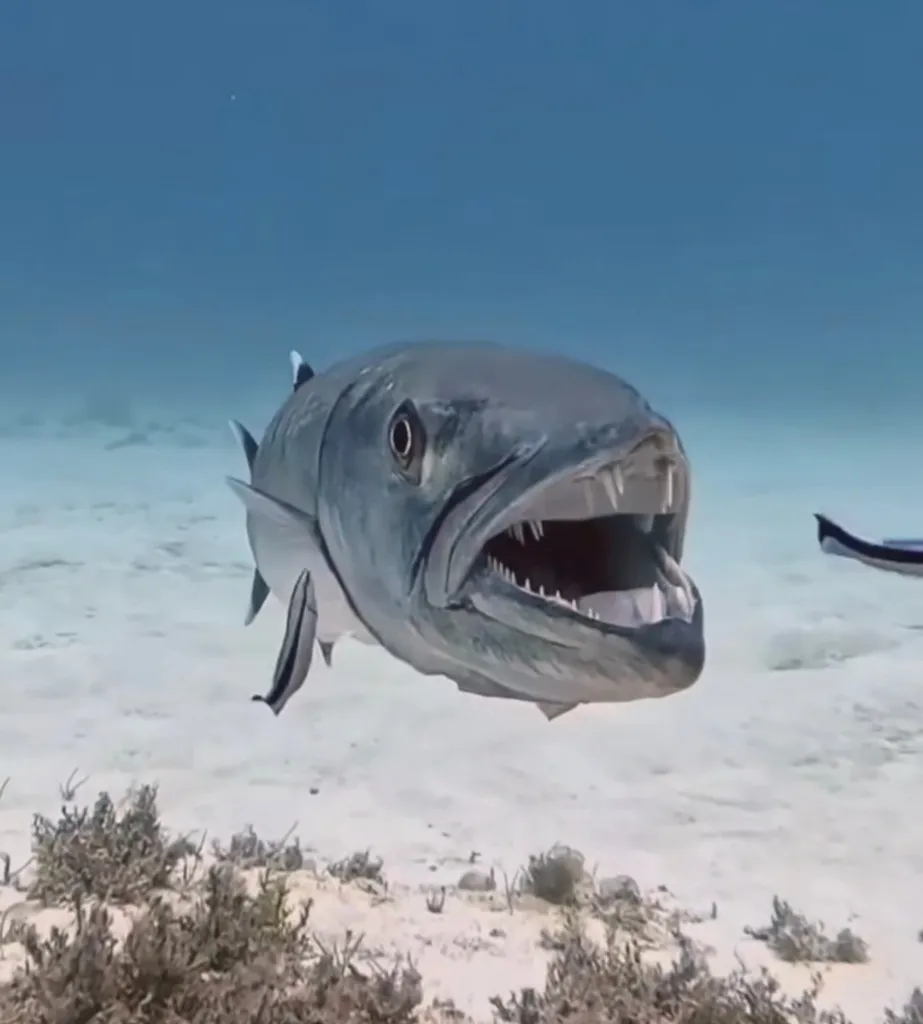
Sharks are frequently observed in mornings, utilizing site's deeper sections as a cleaning station. While less common, wider Derawan Archipelago sometimes yields sightings of manta rays, turtles, and barracuda, enriching overall diving experience in region.

Dive Sites Near Kelapa Dua
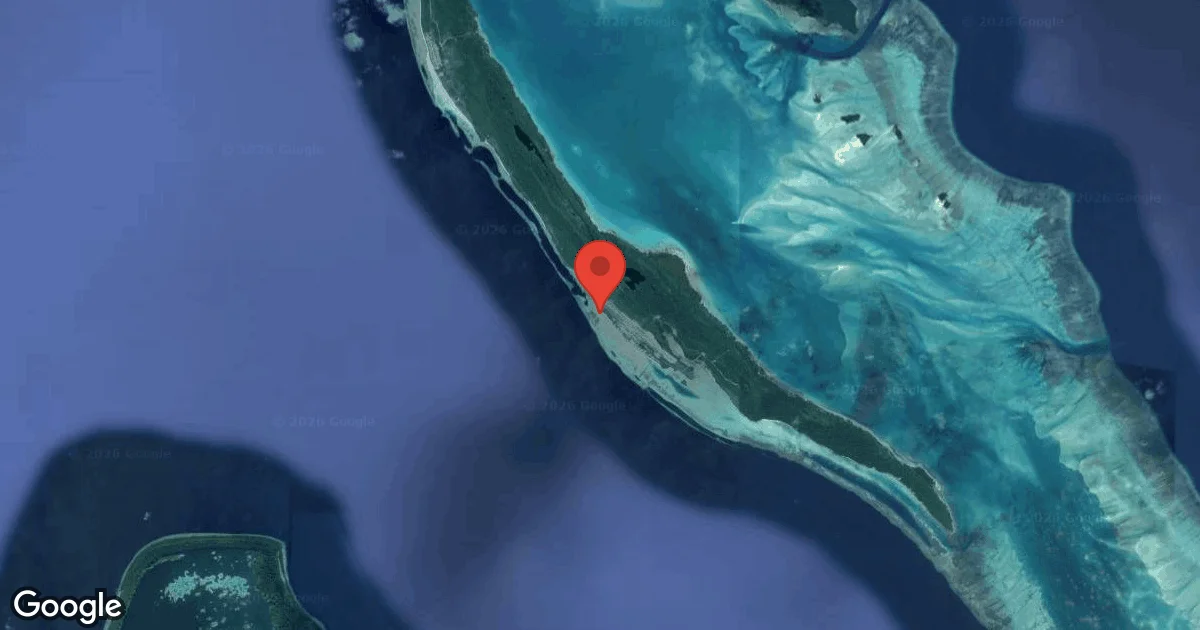
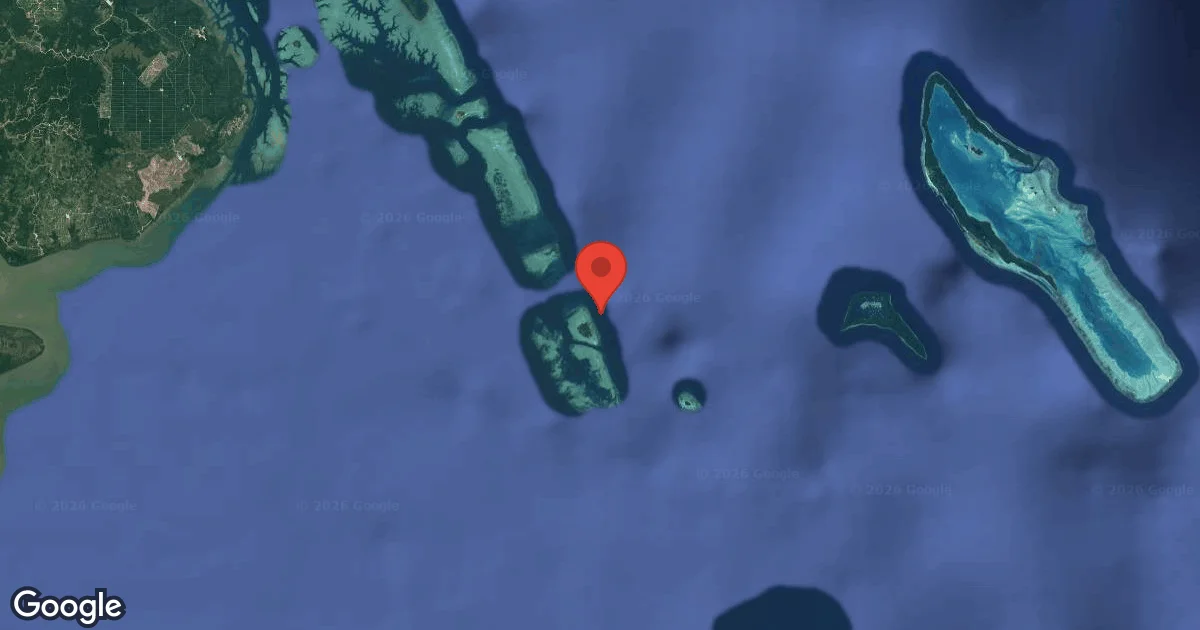
View all dive sites in IndonesiaDiscover more underwater gems in this area.
Dive Centers Near Kelapa Dua
No Dive Centers Local To Kelapa Dua
Are you a dive center visiting this location? Get listed to reach divers.
Nearest Airports
Nearest airports to help plan travel to this dive area.
Search Flights
Check available flights and routes on Expedia, using the nearby airports listed in this section.
Search Flights on ExpediaFrequently Asked Questions
What type of certification do I need to dive here?
An Advanced Open Water certification with a Deep Dive specialty is highly recommended. This allows divers to safely explore the deeper sections of the wall, particularly where Thresher Sharks are often sighted in the greater depths.
Can Open Water divers participate in dives at this site?
Yes, Open Water certified divers are welcome to explore the vibrant shallower sections of Kelapa Dua. They can enjoy the colorful wall from the surface down to their certification limit, which still offers ample marine life.
What marine life can I expect to see?
Divers often spot the elusive Thresher Sharks, especially in the early morning hours as they visit cleaning stations. The site's walls are also home to a variety of colorful corals, sea fans, and smaller reef fish like the Black-spotted Sand Goby.
How deep are the dives at Kelapa Dua?
The dive site features a steep wall that descends to a maximum depth of 28 meters. Open Water divers typically explore the upper 18 meters, while deeper sections require advanced training.
What are the typical water temperatures at Kelapa Dua?
Water temperatures in the Derawan Islands, including Kelapa Dua, generally range from 27-29°C / 81-84°F year-round. Occasionally, cooler upwellings, dropping to around 23°C / 73°F, may occur, particularly in channel areas.
Is a dive computer necessary for this site?
Yes, a dive computer is considered essential equipment for diving at Kelapa Dua. It allows divers to accurately monitor their depth, bottom time, and ascent rates, which is crucial for safety, especially when exploring varying depths.
Are there currents to be aware of?
While Kelapa Dua is primarily a wall dive, current conditions can vary. It's advisable to check with local dive guides, as moderate currents may be present, potentially offering a gentle drift.
How do I get to Kelapa Dua?
Kelapa Dua is located on Kakaban Island within the Derawan Archipelago in Indonesia. Access is typically via boat, often arranged through dive operators based in the wider Derawan Islands, which can be reached from Berau or Balikpapan airports.
Planning to dive Kelapa Dua?
Send one inquiry and receive offers directly from the best verified local dive operators.
Conditions are Excellent
07:00 - 14:00
Optimal conditions expected
Current conditions near Kelapa Dua show 30° air, 30° sea temperature, 0.3 m waves, and 16 km/h wind. Forecast data is refreshed regularly to ensure accuracy.