
Diving at Manta Run (Indonesia)
Manta Run, an exceptional dive site in Indonesia, draws divers with its vibrant ecosystem, primarily as a crucial feeding ground and cleaning station for majestic manta rays. Situated near Maratua Resort, this area's plankton-rich waters naturally attract these large pelagic creatures, often allowing for incredible surface and shallow-water encounters. It's a prime location to witness mantas interacting within their natural habitat.
Tonight's objective overview for Manta Run shows an air temperature of 29.5°C. The measured surface conditions include wave heights around 0.4 m. This environmental data is logged for the close of the day.
Dive Site Location & Key Facts
Dive Site Overview
Imagine descending into Manta Run, a site often synonymous with Komodo's Manta Point, where the primary draw is an almost guaranteed encounter with giant manta rays. This dive is characteristically a drift dive, guided by currents funneled across a broad, shallow reef spanning nearly 2 square kilometers.
These currents bring with them cold, nutrient-rich waters, creating an ideal feeding environment for mantas. While the reef itself has experienced some historical damage from illegal cyanide fishing, impacting coral and fish diversity in certain spots, the sheer abundance of manta rays solidifies its reputation as a premier site. Depths at Manta Run typically reach a maximum of 15 m / 49 ft, though much of the manta action occurs within the first 1-12 m / 1-40 ft of the surface.
Visibility here commonly ranges between 10 to 15 meters, sometimes extending beyond 30 meters, which makes for excellent viewing opportunities for both divers and snorkelers alike.
Conditions are Excellent
07:00 - 14:00
Optimal conditions expected
Current conditions near Manta Run show 29° air, 30° sea temperature, 0.3 m waves, and 15 km/h wind. Forecast data is refreshed regularly to ensure accuracy.
Best Time to Dive
While manta ray encounters are possible almost year-round, with only a reported 10% chance of missing them, specific short periods of 4-5 weeks might see fewer mantas. Excellent dive conditions prevail through April to June, and again from August to December, marked by a consistently high dive score. Air temperatures during these periods average between 28°C and 28.5°C / 82-83°F, with relatively lower rainfall, typically ranging from 4.9 mm to 8.7 mm. The wetter months, like January through March, still offer good diving scores and warm air temperatures around 27°C to 27.5°C / 82°F, though with slightly increased rainfall, typically 9.1 mm to 10.1 mm.
PEAK SEASON SCORE
Scores combine air & water temps, waves, wind & rainfall for overall conditions.
BEST MONTHS TO DIVE
Monthly records compiled from satellite and marine observation nodes over the last 3 years. Data provided by Open-Meteo and MET Norway.
Dive Experience & Conditions
Entering the water at Manta Run typically involves a boat entry, quickly transitioning into a dynamic drift dive propelled by the strong currents characteristic of this location. The shallow reef topography here effectively funnels these moving waters, creating an exciting and often swift journey. Divers can expect visibility that generally averages between 10 to 15 meters, though conditions are quite variable, sometimes extending well over 30 meters, offering expansive views. The captivating manta interactions frequently occur in much shallower water, often near the surface, allowing for prolonged observation periods. While the site does have a maximum reachable depth, many of the most rewarding encounters are found in its upper reaches. A PADI Open Water Diver certification is usually sufficient training for this dive, provided divers are comfortable with drift conditions and possess good current awareness.
Dive Difficulty & Safety Guidelines
Navigating the currents at Manta Run is key, as most dives here are drift dives. Divers should maintain good buoyancy control and stay aware of their position relative to the dive guide and group, especially given the dynamic water movement. The funneling effect of the shallow reef can intensify these currents, requiring attention to surroundings and dive buddy.
While the site is within a protected national park, ensuring proper diving practices helps preserve the marine environment. There are no consistently reported specific hazards beyond the strong currents; however, preparedness for drift diving conditions is always important.
Carry a surface marker buoy (SMB) and know how to deploy it, as this aids boat pickup after surfacing, particularly in active current. Maintaining awareness of marine life, such as giving mantas space, is also crucial for minimizing disturbance in this sensitive feeding and cleaning area. Always follow your dive guide's instructions for a safe and respectful encounter.
Recommended Equipment
- Dive Computer
- DSMB
This gear list is based on verified equipment signals for Manta Run, Indonesia. Always confirm final gear choices with your dive operator, guide, or liveaboard.
Recommended Dive Suit
In conditions like these, many divers prefer diving with dive skin or rash guard. Consider warmer surface protection (like a boat coat) due to brisk winds.
Current readings at Manta Run show water temperatures near 30°C (86°F). Surface air temperatures are resting at 29°C (85°F).
Forecast models indicate that diving conditions should remain largely unchanged.
Due to technical issues with our weather providers, data hasn't been fetched for over 48 hours. The data above reflects the conditions at the time of the last successful fetch.
Emergency & Medical Support
Essential information to help you plan your dive trip to Manta Run.

Hyperbaric chambers are a critical part of dive safety infrastructure. Availability varies significantly by region, and not all dive areas have immediate access.
Before diving, it's recommended to:
- confirm nearest medical facilities
- check emergency procedures with local dive operators
- ensure dive insurance covers evacuation if required
Divers Alert Network
Diving emergency assistance available through DAN World.
+1-919-684-9111- 24/7 emergency hotline
- Diving medical assistance
- Evacuation coordination
Emergency contacts are provided for reference. Always verify local emergency services before diving.
Marine Life at Manta Run
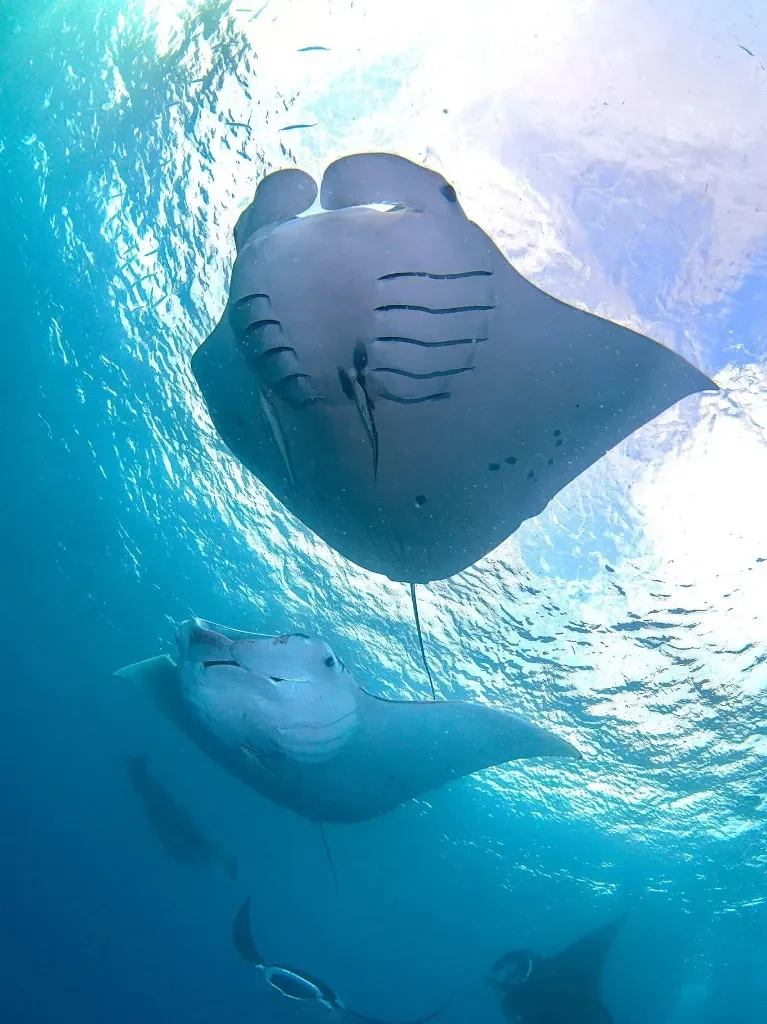
At Manta Run, the first thing divers often notice is the sheer presence of majestic manta rays gracefully cruising through the water. It's common to encounter numerous individuals, sometimes over twenty at once, feeding on plankton or visiting cleaning stations.
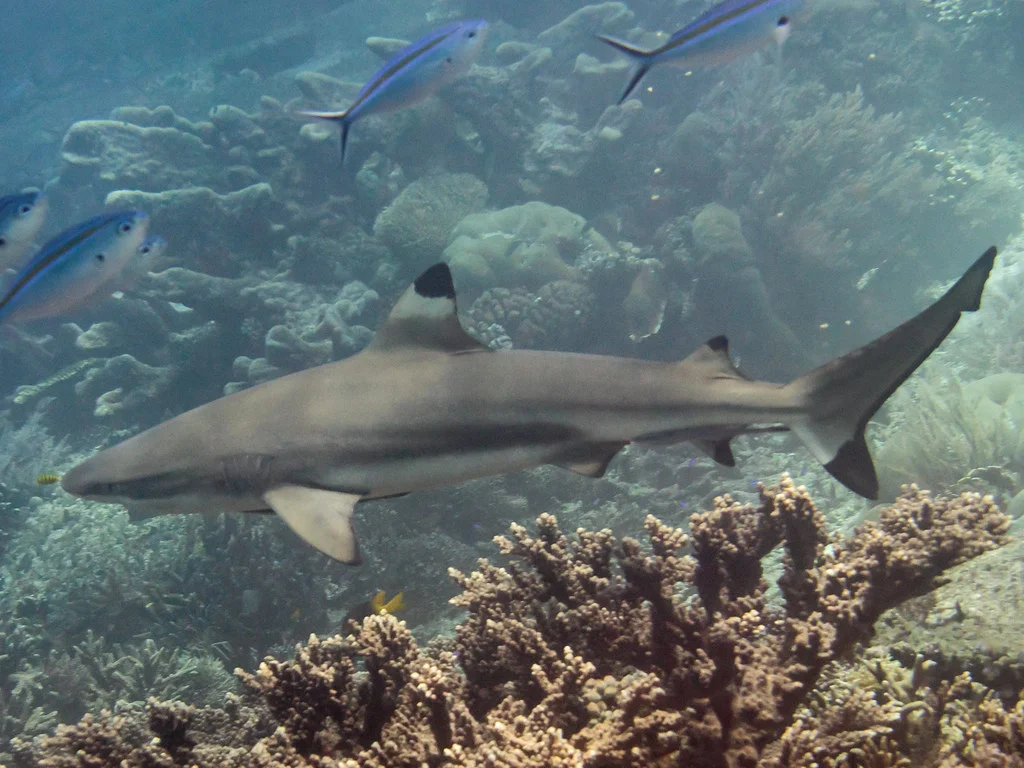
Beyond the mantas, divers may spot patrolling whitetip and blacktip reef sharks or an occasional turtle searching for food. The volcanic rocks and coral formations also host smaller wonders like various mantis shrimp, offering intriguing subjects for macro enthusiasts.

Dive Sites Near Manta Run
View all dive sites in IndonesiaDiscover more underwater gems in this area.
Dive Centers Near Manta Run
No Dive Centers Local To Manta Run
Are you a dive center visiting this location? Get listed to reach divers.
Nearest Airports
Nearest airports to help plan travel to this dive area.
Search Flights
Check available flights and routes on Expedia, using the nearby airports listed in this section.
Search Flights on ExpediaFrequently Asked Questions
What is the typical depth at Manta Run?
The site primarily features depths consistent with much of the manta activity, often allowing encounters in shallower waters. Divers typically reach a maximum of around 15 meters, though the most engaging interactions with mantas often occur in the top 10 to 12 meters of the water column.
Are there strong currents at Manta Run?
Yes, Manta Run is known for its strong currents, which are funneled by the shallow reef. These conditions make most dives here drift dives, requiring divers to be comfortable with current.
Can snorkelers experience Manta Run?
Manta Run is suitable for snorkelers; much of the manta action occurs close to the surface. With good visibility, snorkelers can enjoy excellent views of the manta rays, particularly in the top few meters.
What is the likelihood of seeing manta rays?
There is a high probability of seeing manta rays at this site, with only about a 10% chance of not encountering them. While short periods of 4-5 weeks each year might see fewer mantas, sightings are generally consistent throughout most of the year.
How do I get to Manta Run if I'm staying in Bali?
You can organize a day trip from Sanur, Bali, which is the closest port to the dive site. Many dive shops include transfers from accommodation to the dive shop and the boat trip as part of their package.
Why are there so many manta rays at this site?
Manta Run acts as both a feeding ground, due to nutrient-rich waters brought by currents, and a cleaning station. Manta rays visit to feed on plankton and to have parasites cleaned by smaller wrasse fish.
Is the reef healthy at Manta Run?
While protected by a national park, some parts of the reef have historically suffered damage, particularly from illegal cyanide fishing. Despite this, the site remains highly regarded for its abundant manta ray populations, overshadowing localized reef degradation.
Planning to dive Manta Run?
Send one inquiry and receive offers directly from the best verified local dive operators.
Conditions are Excellent
07:00 - 14:00
Optimal conditions expected
Current conditions near Manta Run show 29° air, 30° sea temperature, 0.3 m waves, and 15 km/h wind. Forecast data is refreshed regularly to ensure accuracy.