
Diving at Labyrinth (Indonesia)
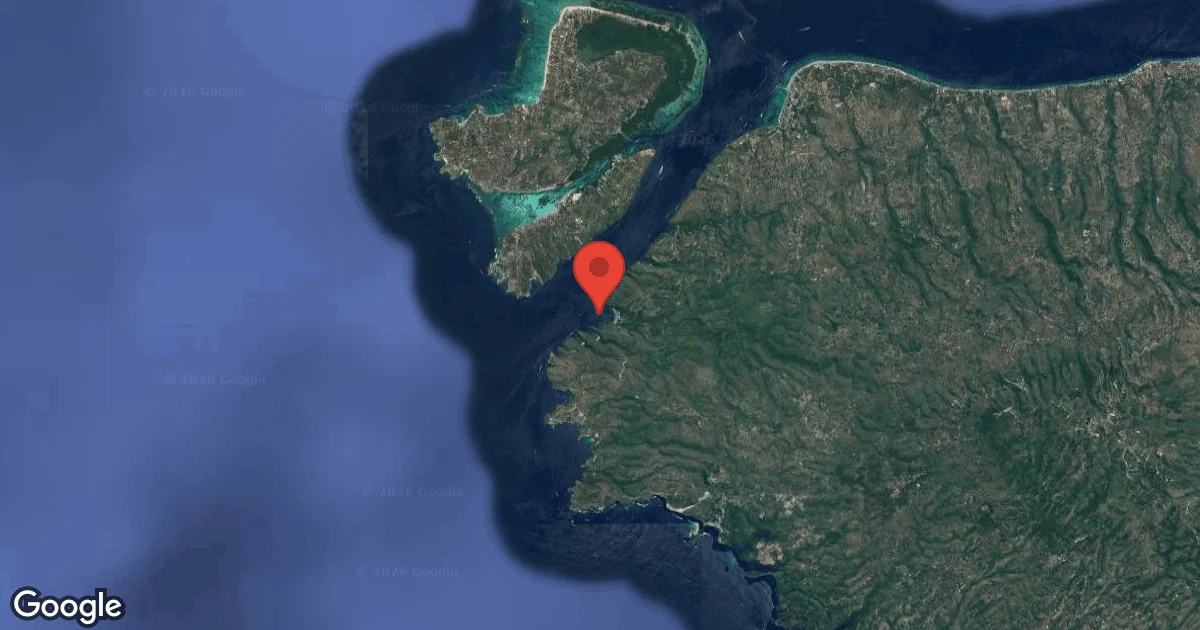
Labyrinth holds a significant place within Nusa Penida's diverse dive landscape, facing the powerful Indian Ocean. Historically, its complex topography has drawn divers seeking both dramatic underwater architecture and compelling marine encounters. Positioned between Manta Point and Manta Bay, it forms a crucial part of the transit route for some of the region's most iconic marine life. This site is less about a static landmark and more about a dynamic, ever-changing environment shaped by ocean currents and geological forces.
Evening condition tracking at Labyrinth features an air temperature of 26.5°C. We have recorded wave heights measuring 1.4 m during this period. These figures outline the environmental parameters currently present.
Dive Site Location & Key Facts
Dive Site Overview
The site's structure immediately commands attention, characterized by numerous canyons and intricate swim-throughs formed by massive boulders and vibrant coral reefs. This intricate architecture defines the experience, leading divers through a natural maze that demands confident navigation skills.
These dramatic formations aren't just visually striking; they actively shape the current flow and provide critical refuge and hunting grounds for diverse marine life. Exploring Labyrinth often means following the contours of these impressive topographical features, which can range from narrow passages to expansive underwater halls. A typical dive here can reach a maximum depth of around 30 m (100 ft), allowing for extensive exploration of the reef's varied ecosystems and deeper cleaning stations.
The dynamic influence of the Indian Ocean means divers should anticipate varying current strengths that frequently sweep through these canyons, sometimes necessitating a drift approach. Visibility, while generally good, fluctuates based on ocean conditions and recent weather patterns, yet typically allows for clear views of the vibrant hard and soft corals that encrust the walls.
Navigating the site requires careful buoyancy and an understanding of how the water moves around these colossal rock formations. Divers will discover hidden nooks and ledges, each potentially revealing smaller critters or offering a vantage point for observing passing pelagics.
This environment provides a continuously engaging exploration, revealing new details with each pass.
Conditions are Good
Optimal conditions expected
Current conditions near Labyrinth show 26° air, 26° sea temperature, 1.6 m waves, and 26 km/h wind. Forecast data is refreshed regularly to ensure accuracy.
Best Time to Dive
Optimizing a dive trip to Labyrinth typically involves considering the seasonal shifts, even though its dive score remains consistently moderate throughout the year. The drier months, generally from May through October, often present calmer surface conditions, with average rainfall significantly lower, ranging from approximately 1 to 3 mm. During this period, wind speeds also tend to be higher, around 18-20 km/h (11-12 mph), which might contribute to surface chop but also help clear skies. Conversely, the wetter season, from November to April, sees higher rainfall, from about 4 to 12 mm, and air temperatures averaging between 27-28°C (81-82°F). While water temperature isn't consistently reported in our system data, it generally mirrors the warm tropical air temperatures, likely staying within a comfortable range for diving year-round, though specific local conditions can cause variations.
PEAK SEASON SCORE
Scores combine air & water temps, waves, wind & rainfall for overall conditions.
BEST MONTHS TO DIVE
Monthly records compiled from satellite and marine observation nodes over the last 3 years. Data provided by Open-Meteo and MET Norway.
Dive Experience & Conditions
As divers descend into Labyrinth, they enter a world shaped by the Indian Ocean's dynamic influence. This site is often subject to noticeable currents, necessitating awareness and careful buoyancy control, especially when navigating its many canyons and swim-throughs. The topography itself guides the dive, with huge boulders and coral structures forming natural pathways and hidden corners. Depending on the conditions, a drift dive might unfold, allowing divers to effortlessly glide along the reef while observing marine life. Depths can extend to approximately 30 meters (98 feet), offering ample opportunity to explore the various reef sections and potential deeper cleaning stations. Surface conditions can frequently exhibit larger waves, making entry and exit points require attention and coordination with the dive crew.
Dive Difficulty & Safety Guidelines
Approaching the Labyrinth site demands a keen awareness of prevailing conditions due to its exposure to the Indian Ocean. Divers should be prepared for potentially large waves at the surface and variable currents below, which can shift rapidly. It's imperative to always dive with a qualified guide familiar with the local dynamics and to ensure all divers are comfortable with potential drift conditions.
Adhering to responsible diving practices, such as maintaining proper buoyancy and avoiding contact with the delicate coral structures, helps preserve this unique environment. Given the site's challenging aspects, divers should possess at least an Advanced Open Water Diver certification or equivalent experience.
Recommended Equipment
- Dive Computer
This gear list is based on verified equipment signals for Labyrinth, Indonesia. Always confirm final gear choices with your dive operator, guide, or liveaboard.
Recommended Dive Suit
3mm wetsuit is often considered an appropriate level of exposure protection for conditions like these.
Divers planning a dive at Labyrinth today will likely encounter water temperatures close to 26°C (79°F). Surface air temperatures are resting at 26°C (79°F).
The forecast outlook suggests that temperatures will stay close to current levels.
Emergency & Medical Support
Essential information to help you plan your dive trip to Labyrinth.

Hyperbaric chambers are a critical part of dive safety infrastructure. Availability varies significantly by region, and not all dive areas have immediate access.
Before diving, it's recommended to:
- confirm nearest medical facilities
- check emergency procedures with local dive operators
- ensure dive insurance covers evacuation if required
Divers Alert Network
Diving emergency assistance available through DAN World.
+1-919-684-9111- 24/7 emergency hotline
- Diving medical assistance
- Evacuation coordination
Emergency contacts are provided for reference. Always verify local emergency services before diving.
Marine Life at Labyrinth
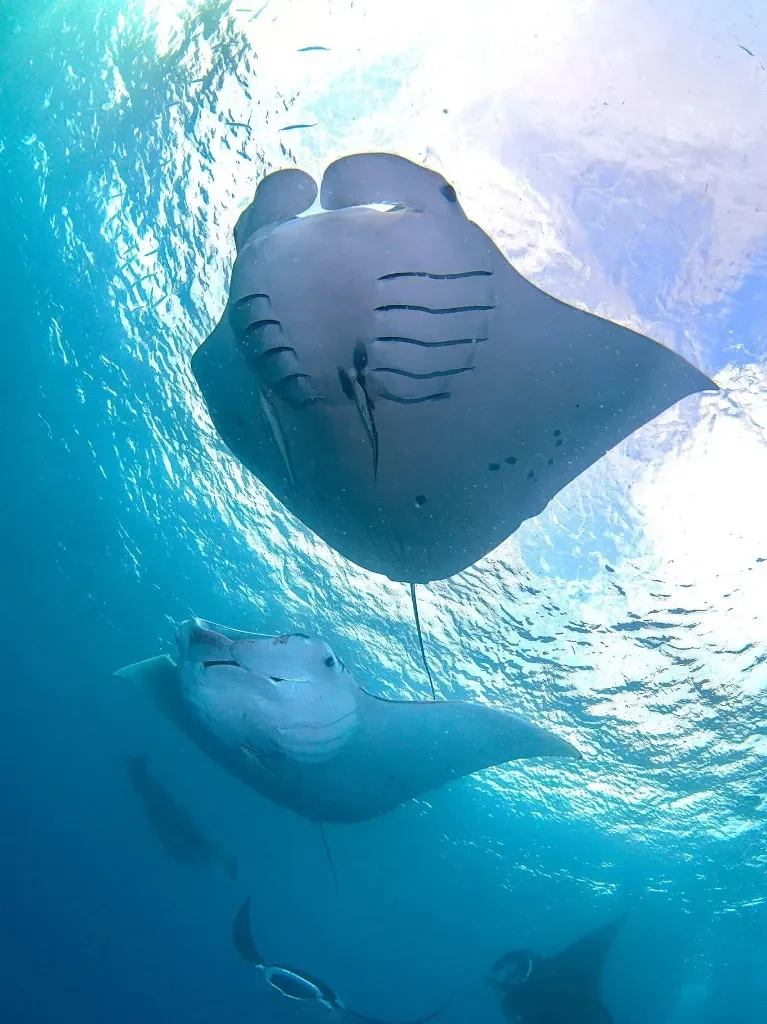
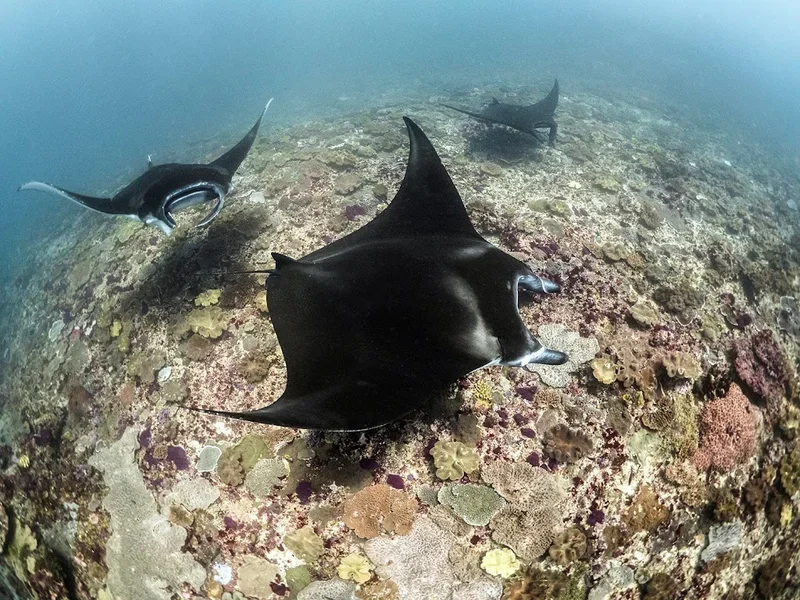
Encounters with manta rays are a primary draw for divers at Labyrinth. These majestic creatures are frequently spotted as they journey to nearby cleaning stations or feeding grounds, often gliding gracefully near the topography.
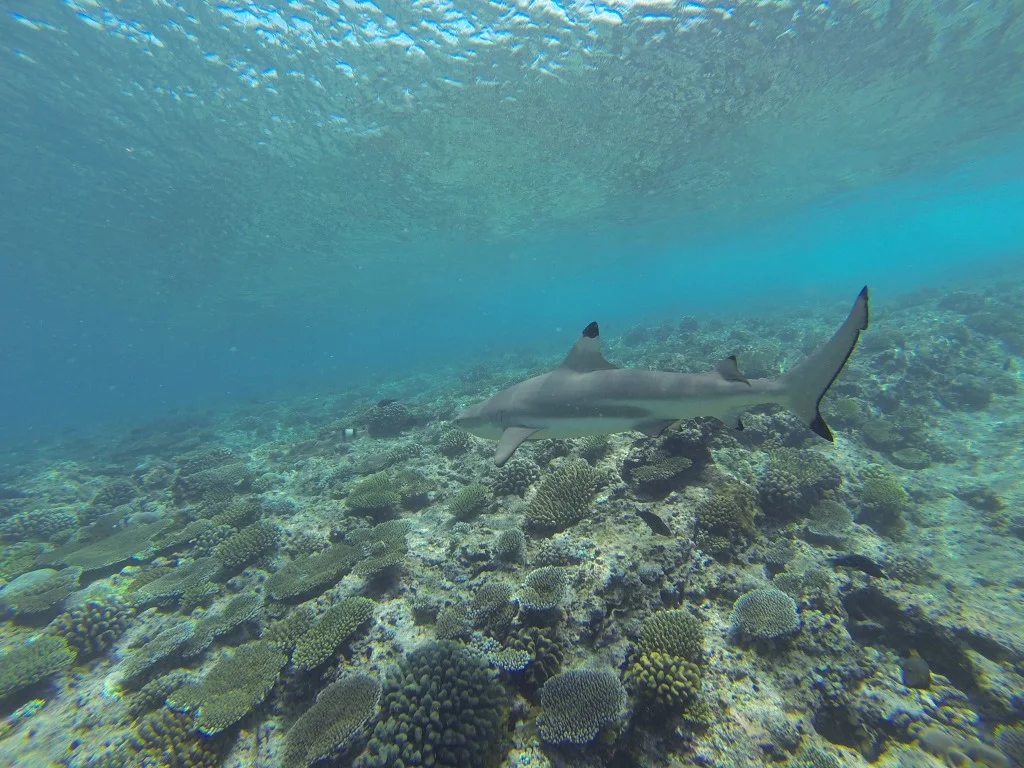
Beyond the mantas, divers should keep an eye out for larger pelagic species; sharks, whales, and dolphins are among the common sightings reported here. Turtles are also a regular presence, often found resting or foraging among the corals, adding to the richness of the site's diverse ecosystem.

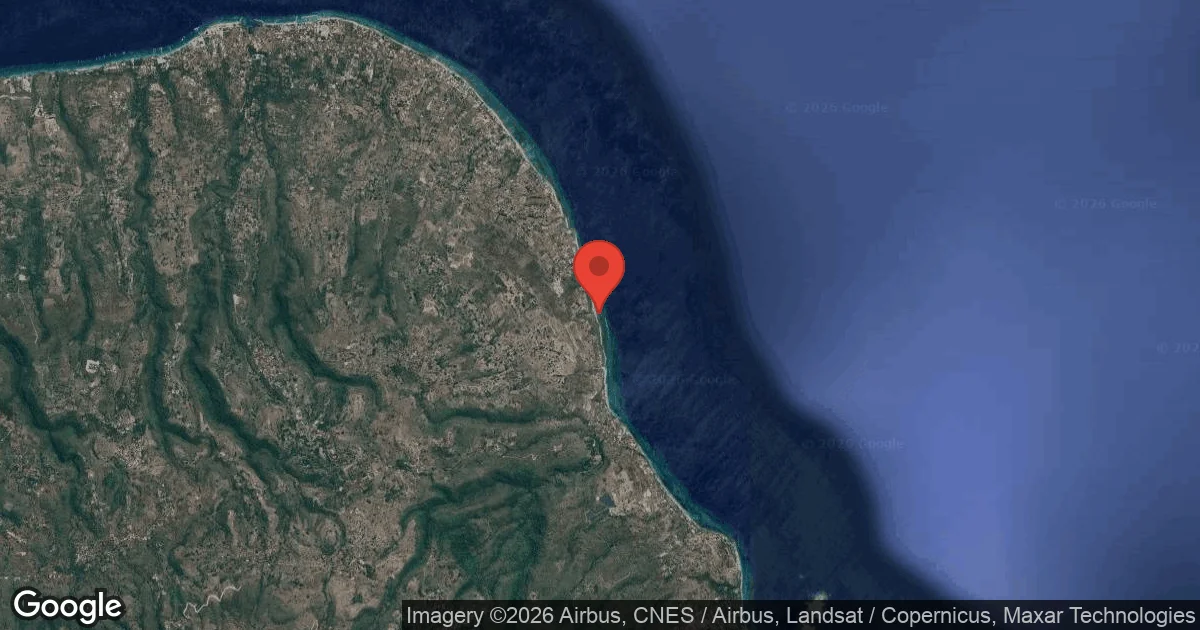
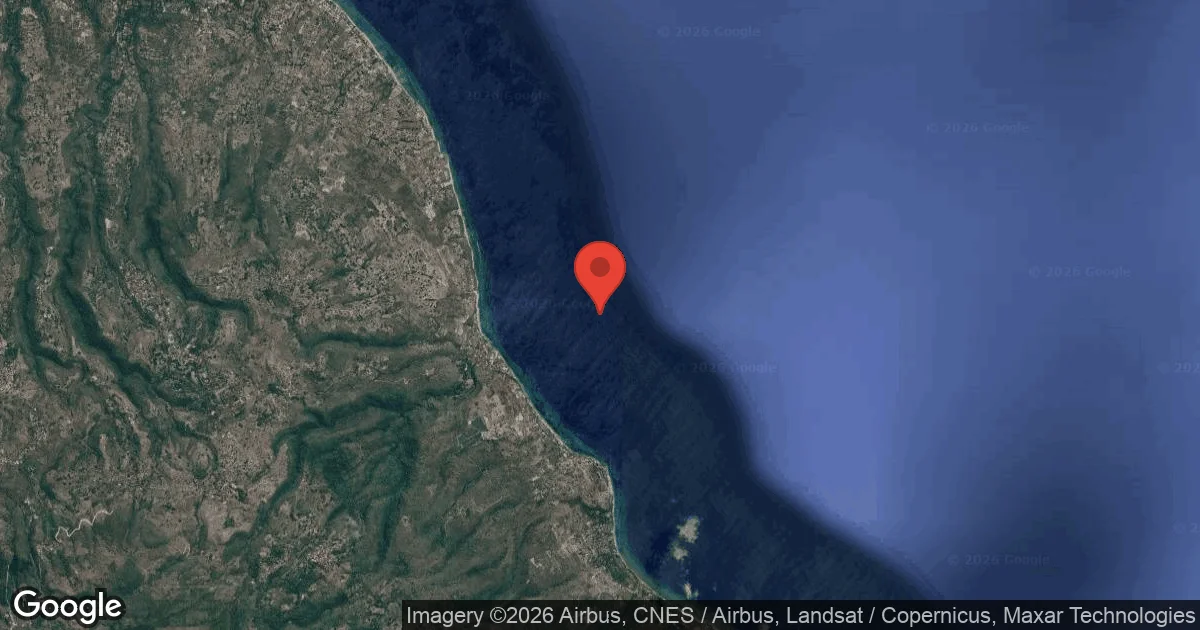
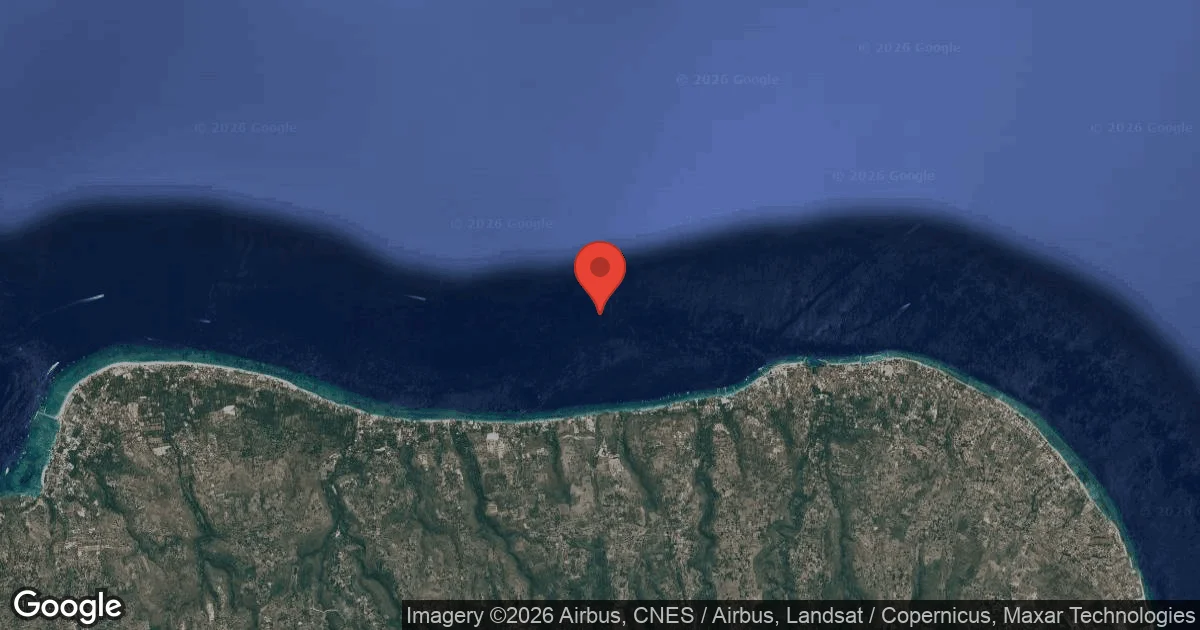
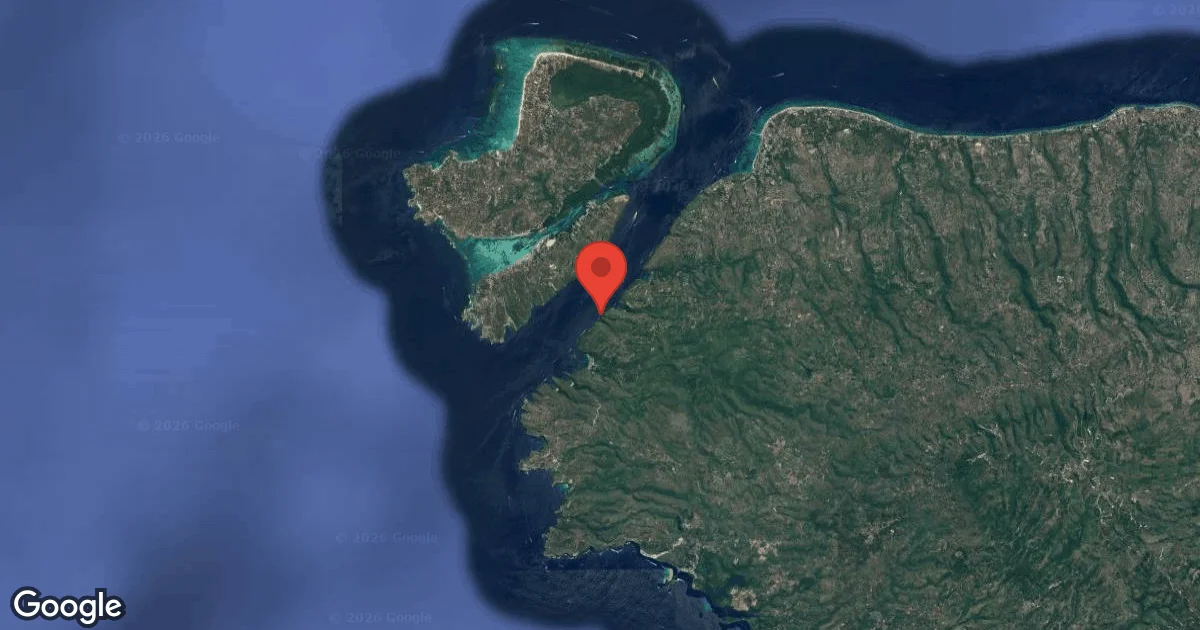
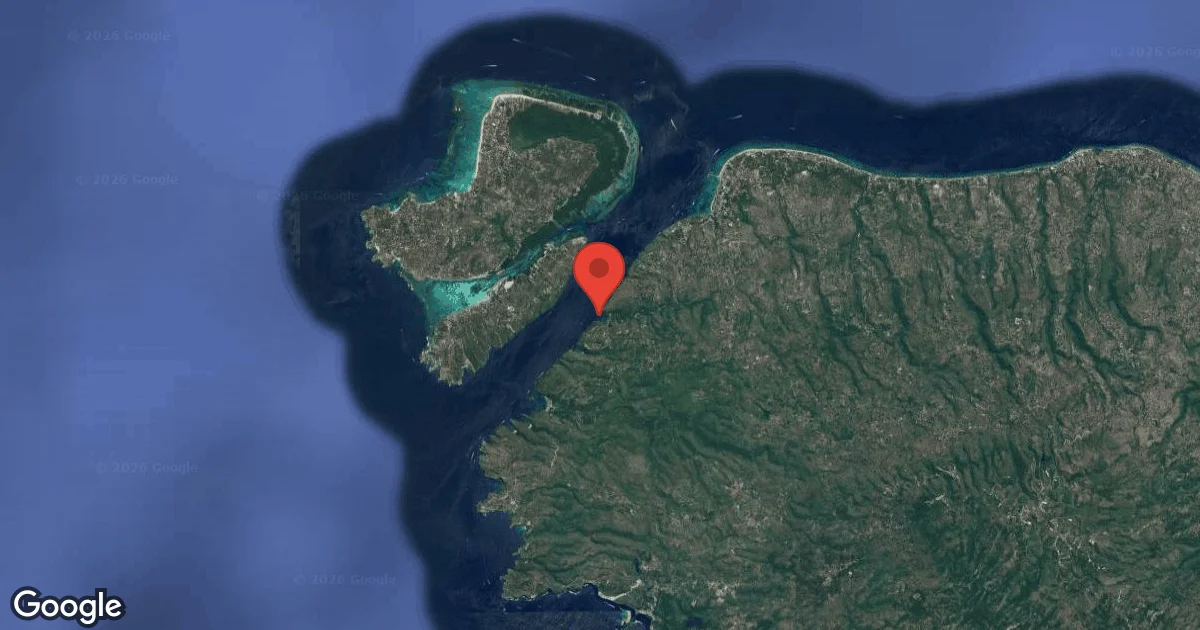
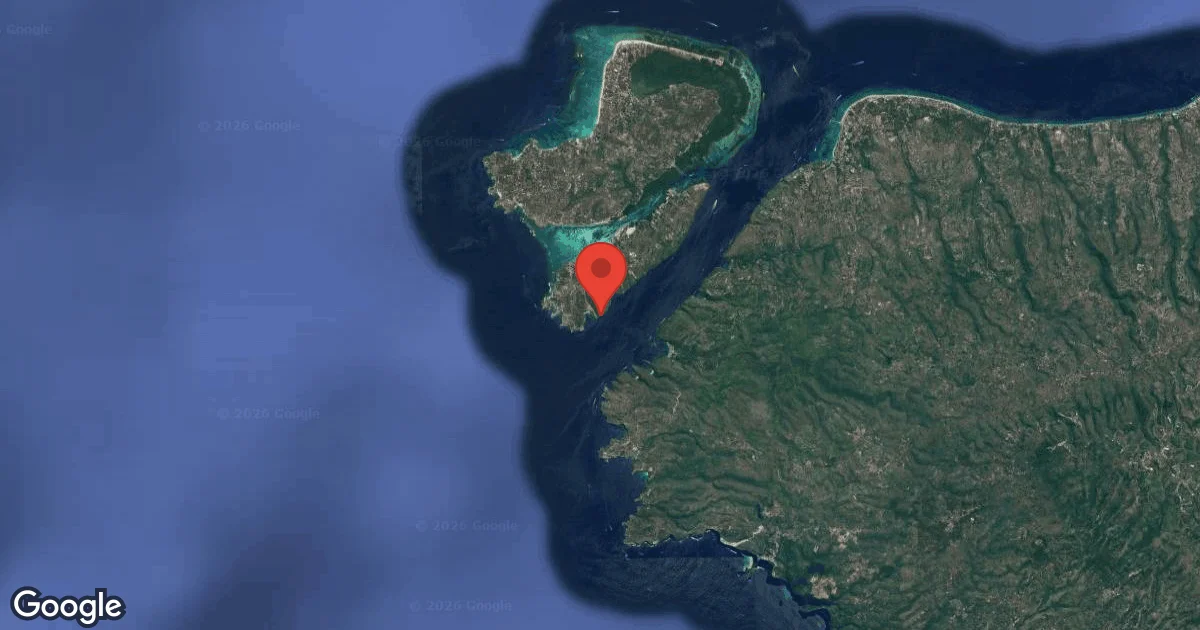
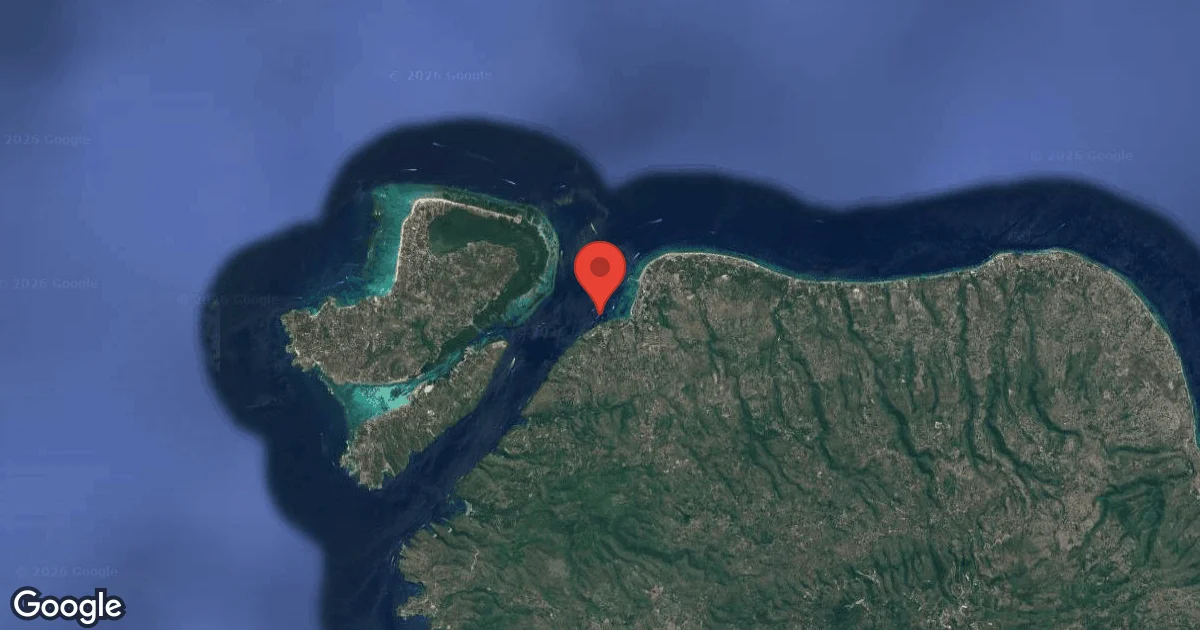
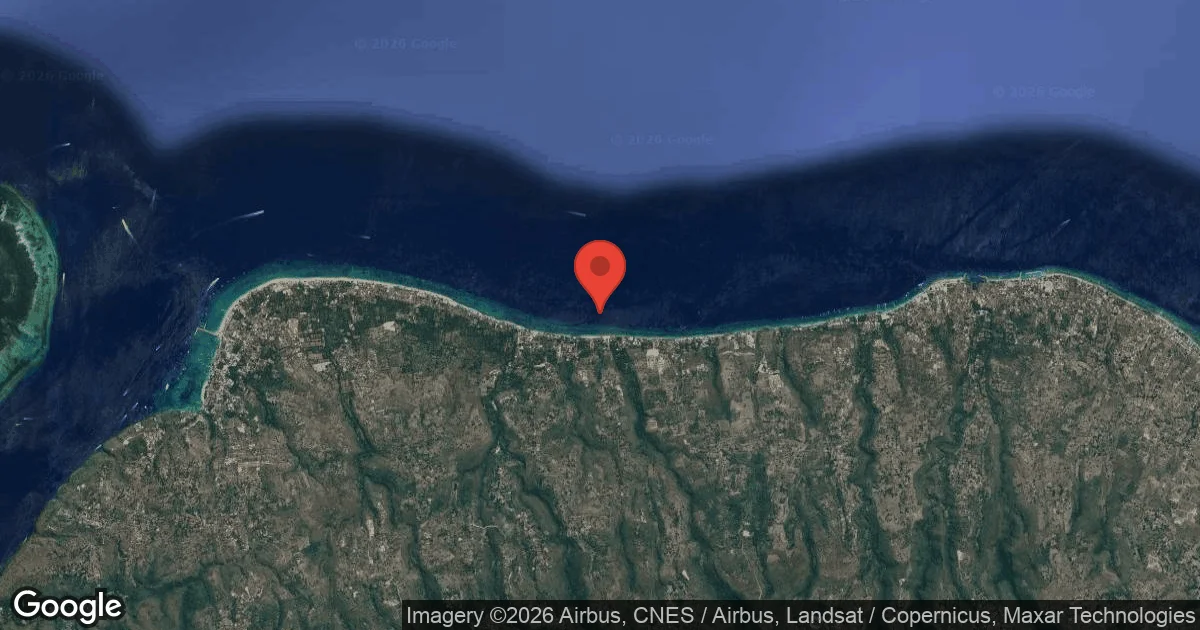
Dive Sites Near Labyrinth
View all dive sites in IndonesiaDiscover more underwater gems in this area.
Dive Centers Near Labyrinth

Today: 07:30 - 18:00


Nearest Airports
Nearest airports to help plan travel to this dive area.
Search Flights
Check available flights and routes on Expedia, using the nearby airports listed in this section.
Search Flights on ExpediaFrequently Asked Questions
What is the typical maximum depth at Labyrinth?
Divers exploring Labyrinth can expect to reach a maximum depth of approximately 30 meters (98 feet). This depth allows for thorough exploration of the site's impressive reef structure and its resident marine life.
Are there strong currents at Labyrinth?
Yes, Labyrinth faces the Indian Ocean and frequently experiences dynamic conditions. Divers should anticipate variable currents and potentially large waves, making it suitable for experienced divers comfortable with drift diving.
Can I see manta rays at this dive site?
Reef manta rays are a common sighting at Labyrinth. They often pass through this area as they travel to Manta Point for cleaning or Manta Bay for feeding, offering excellent viewing opportunities.
What kind of topography can I expect?
The site is characterized by an intricate topography of numerous canyons, swim-throughs, and huge boulders. These formations create a labyrinthine environment, providing an engaging experience for navigation.
What is the best time of year to dive Labyrinth?
While Labyrinth is diveable year-round with a moderate dive score, the drier months from May to October generally offer lower rainfall and potentially calmer surface conditions, which some divers may prefer.
What certification level is recommended for Labyrinth?
Given the potential for challenging conditions like strong currents and large waves, an Advanced Open Water Diver certification or equivalent experience is recommended for diving Labyrinth.
Planning to dive Labyrinth?
Send one inquiry and receive offers directly from the best verified local dive operators.
Conditions are Good
Optimal conditions expected
Current conditions near Labyrinth show 26° air, 26° sea temperature, 1.6 m waves, and 26 km/h wind. Forecast data is refreshed regularly to ensure accuracy.