
Diving at Tarzan Cave (Indonesia)
Preparing to dive at Tarzan Cave places you in Raja Ampat's vibrant ecosystem, a location known for its rich biodiversity. This dive offers a chance to experience the region's dynamic underwater environment away from the busiest sites, often characterized by more personalized dive excursions. Divers here typically appreciate the focus on smaller groups and a relaxed, authentic atmosphere, allowing for a more intimate engagement with the marine world.
Tonight's objective overview for Tarzan Cave shows an air temperature of 28.5°C. The measured surface conditions include wave heights around 1.6 m. This environmental data is logged for the close of the day.
Dive Site Location & Key Facts
Dive Site Overview
Tarzan Cave, a site within the Raja Ampat archipelago, primarily presents as a fascinating underwater cavern or a location with distinctive cave-like structures, rather than an extensive, dark cave system. This area is defined by the convergence of the Indian and Pacific Oceans, creating conditions that foster extraordinary marine life diversity among its intricate reef formations.
Divers can expect a max depth of around 30 m (100 ft), suitable for those with Advanced Open Water certification, as noted by divers refining their skills here. Its classification as both a 'cave' and 'drift' dive speaks to how open ocean elements combine with sheltered rock formations. The topography includes sloping reefs and dramatic walls, often featuring overhangs and swim-throughs, which define the 'cave' aspect.
These structural features, combined with variable water flow, significantly shape the diving experience. Each descent often feels distinct, offering new perspectives on the site's dynamic interaction between geology and current.
You might find yourself navigating gentle slopes one moment and then traversing a current-swept wall, making the site engaging and diverse.
Conditions are Moderate
Optimal conditions expected
Current conditions near Tarzan Cave show 29° air, 30° sea temperature, 1.7 m waves, and 27 km/h wind. Forecast data is refreshed regularly to ensure accuracy.
Best Time to Dive
Planning a trip to Tarzan Cave with visibility in mind suggests focusing on months with calmer conditions and reduced rainfall. April stands out with a 'Good' dive score, relatively low wave heights around 1.1 m (3.6 ft), and moderate rain at 2.78 mm. June also presents a 'Good' dive score, boasting the lowest average wave height at 0.9 m (3.0 ft), though with slightly higher rainfall at 7.16 mm. While air temperatures remain consistently warm, hovering between 27-28°C (81-82°F) throughout the year, the stability of the water column and minimized sediment runoff from land are critical for optimal underwater clarity. During other months, conditions are rated 'Moderate' with increased wave activity and rainfall, potentially impacting visibility, though still offering worthwhile diving opportunities.
PEAK SEASON SCORE
Scores combine air & water temps, waves, wind & rainfall for overall conditions.
BEST MONTHS TO DIVE
Monthly records compiled from satellite and marine observation nodes over the last 3 years. Data provided by Open-Meteo and MET Norway.
Dive Experience & Conditions
Current dynamics are a defining feature of diving near Tarzan Cave, with strong currents sometimes encountered, necessitating preparedness for drift diving. This area, at the confluence of two major oceans, experiences significant water movement that enriches its ecosystems but also requires attentive dive planning. Divers should anticipate that conditions can vary, sometimes leading to challenging situations where understanding and deploying equipment like a reef hook becomes essential. The fast-moving waters contribute to a vibrant display of marine life, making it a truly immersive experience for those comfortable navigating currents. However, this also means that the same dive can feel quite different depending on the tidal phase and specific weather patterns.
Dive Difficulty & Safety Guidelines
While specific hazards for Tarzan Cave are not consistently reported, divers should be acutely aware of the potential for strong currents in Raja Ampat. Experience with drift diving and competent buoyancy control are crucial for a safe and enjoyable dive here. Being prepared with a reef hook and knowing how to use it is a practical safety measure, especially if caught in unexpected flow.
Divers should ensure their certification aligns with the planned maximum depth, which can extend to 30 m (100 ft). Always dive with a reputable local guide who understands the site's specific conditions and local currents. Pre-dive briefings should cover entry and exit strategies, as well as emergency procedures.
Recommended Equipment
Overhead environment. Do not enter beyond training and gas planning limits.
Current and surface separation risk. Local briefing strongly recommended.
- Dive Computer
- DSMB
- Primary & Backup Lights
- Reel / Spool
- Cutting Tool
This gear list is based on verified equipment signals for Tarzan Cave, Indonesia. Always confirm final gear choices with your dive operator, guide, or liveaboard.
Recommended Dive Suit
Forecast models show minimal temperature variation in the coming days.
Thermal protection such as dive skin or rash guard is commonly used in similar temperatures. Consider warmer surface protection (like a boat coat) due to brisk winds.
Current dive conditions indicate that water temperatures around Tarzan Cave are sitting at roughly 30°C (85°F). Surface air temperatures are resting at 29°C (84°F).
Emergency & Medical Support
Essential information to help you plan your dive trip to Tarzan Cave.

Hyperbaric chambers are a critical part of dive safety infrastructure. Availability varies significantly by region, and not all dive areas have immediate access.
Before diving, it's recommended to:
- confirm nearest medical facilities
- check emergency procedures with local dive operators
- ensure dive insurance covers evacuation if required
Divers Alert Network
Diving emergency assistance available through DAN World.
+1-919-684-9111- 24/7 emergency hotline
- Diving medical assistance
- Evacuation coordination
Emergency contacts are provided for reference. Always verify local emergency services before diving.
Marine Life at Tarzan Cave
The first thing divers often notice is the sheer abundance and diversity of marine life, a hallmark of Raja Ampat. The waters around Tarzan Cave are part of the 'Coral Triangle', supporting over 600,000 coral species and more than 1,700 species of reef fish.
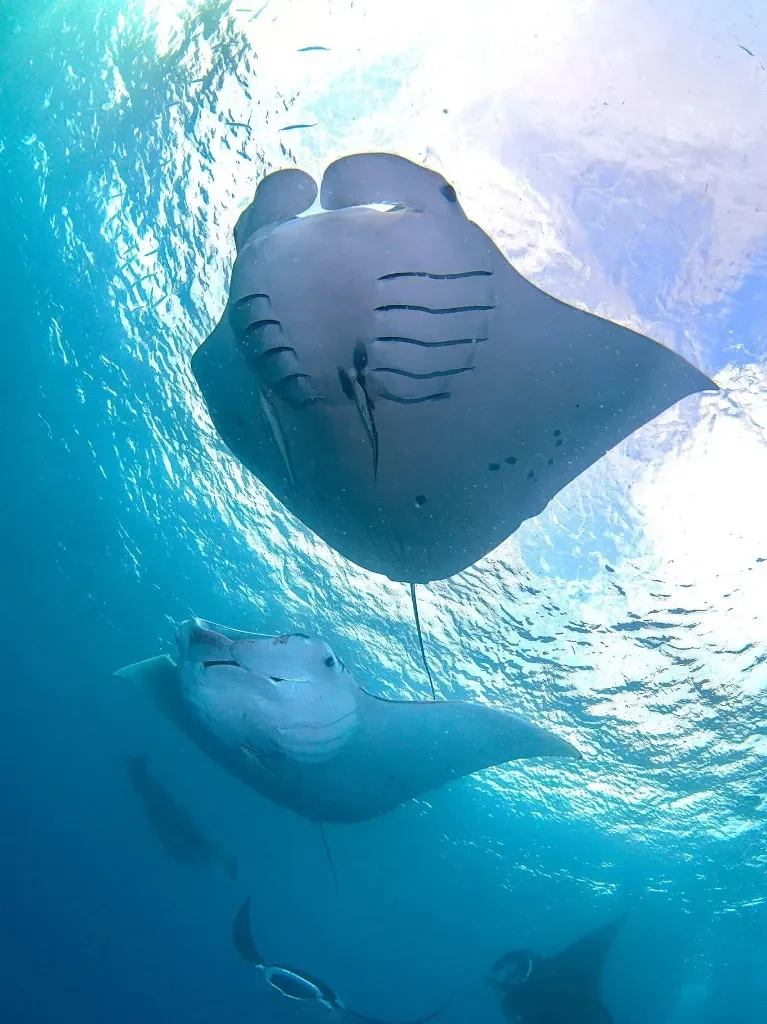
You might encounter anything from the intricate details of pygmy seahorses tucked away in corals to the majestic presence of oceanic manta rays, some with wingspans up to 8 meters (26 ft). The complex reef structures and strong currents act as a magnet for a wide array of creatures, including schooling fish and various pelagic species passing through.

Dive Sites Near Tarzan Cave
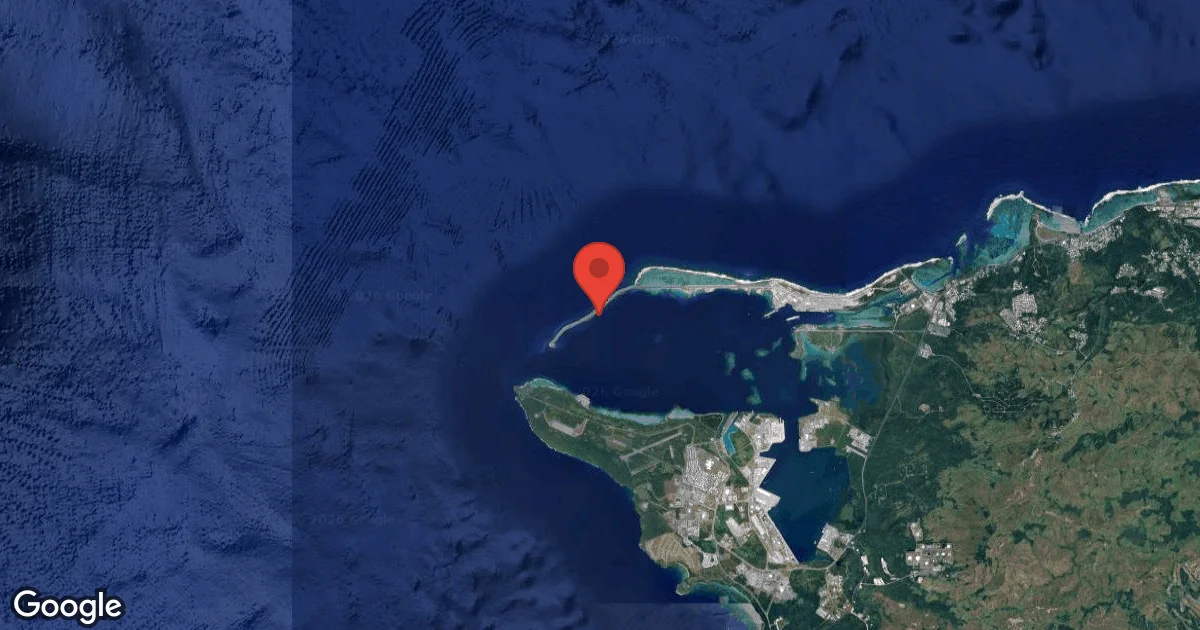
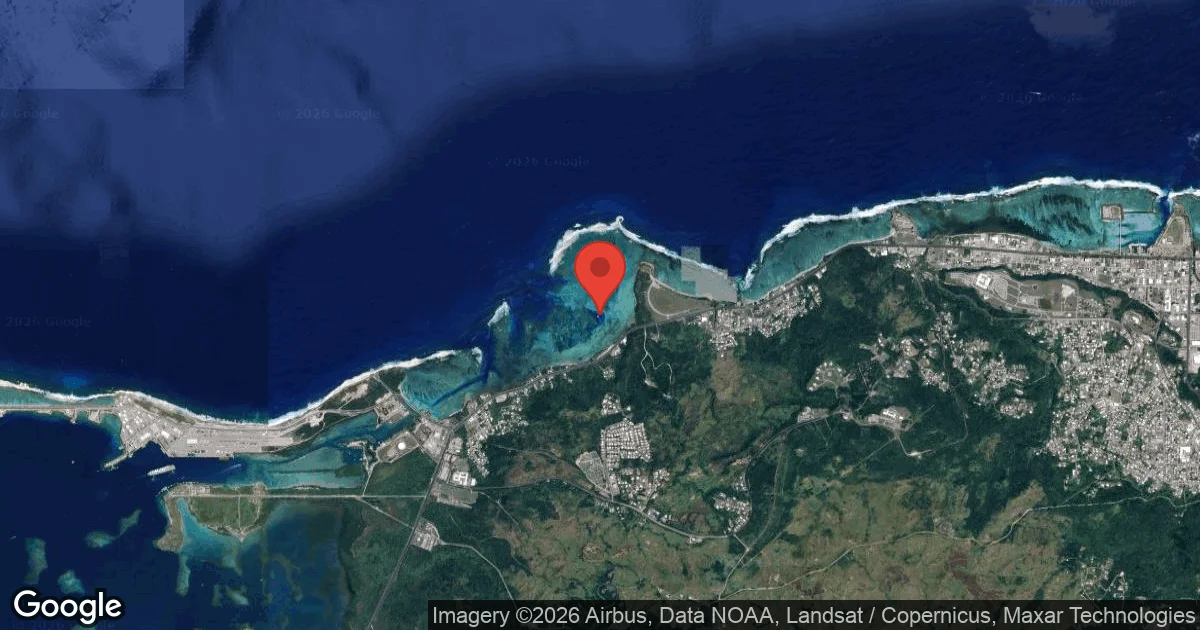
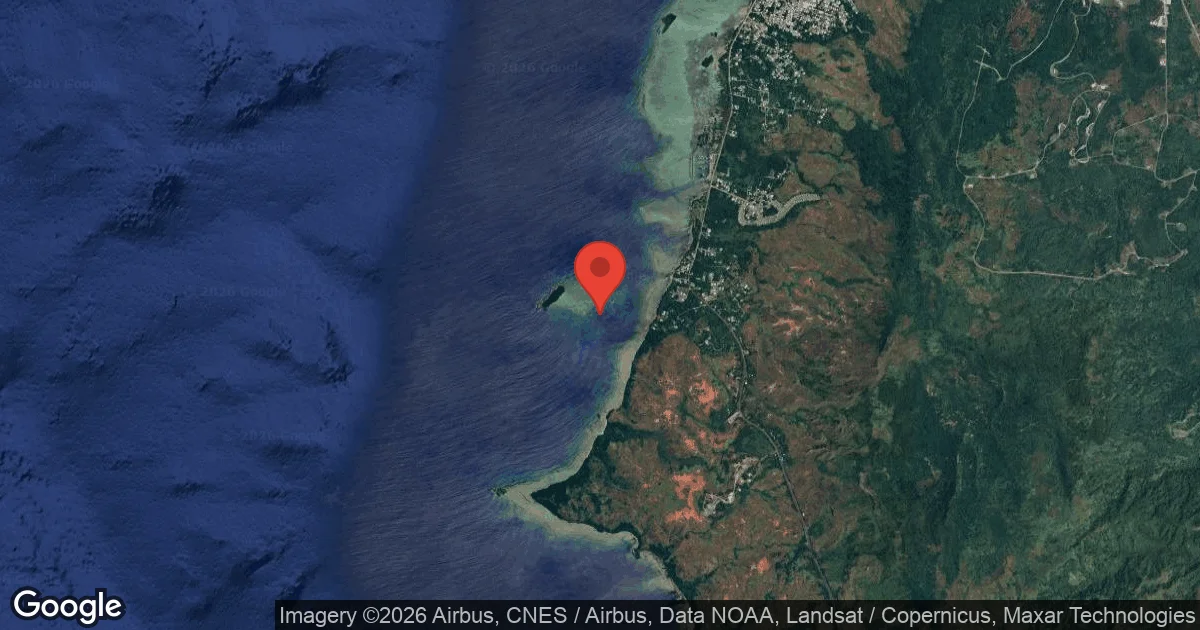
View all dive sites in IndonesiaDiscover more underwater gems in this area.
Dive Centers Near Tarzan Cave
No Dive Centers Local To Tarzan Cave
Are you a dive center visiting this location? Get listed to reach divers.
Nearest Airports
Nearest airports to help plan travel to this dive area.
Frequently Asked Questions
What kind of dive site is Tarzan Cave?
Tarzan Cave is described as a dive site featuring cave-like structures and caverns within the Raja Ampat archipelago. It combines elements of reef diving with drift conditions, offering diverse underwater topography.
What is the typical dive depth at Tarzan Cave?
Divers typically explore Tarzan Cave to a maximum depth of around 30 m (100 ft). An Advanced Open Water certification is generally recommended to fully experience the site's depths.
Are strong currents common at this dive site?
Yes, strong currents can be encountered at Tarzan Cave, particularly due to its location where the Indian and Pacific Oceans meet. Divers should be prepared for drift diving conditions and know how to manage currents.
What marine life can I expect to see?
The waters around Tarzan Cave are part of a highly biodiverse area. You can expect to see an incredible variety of corals, numerous reef fish species, and potentially larger pelagics like oceanic manta rays, alongside smaller creatures such as pygmy seahorses.
What is the best time of year to dive Tarzan Cave?
While diving is possible year-round, April and June typically offer 'Good' dive conditions with lower wave heights and less rainfall, which can lead to better visibility. Air temperatures are consistently warm throughout the year.
Is Tarzan Cave suitable for beginner divers?
Due to the potential for strong currents and the typical maximum depth, Tarzan Cave is generally more suited for certified divers with some experience, ideally those with Advanced Open Water certification and comfort with drift diving.
How do I get to Tarzan Cave?
Tarzan Cave is located near Gam Island in Raja Ampat, Indonesia. Access is typically via Sorong and then a ferry or speedboat to Waisai, followed by a transfer to Gam Island, often arranged through local dive operators.
Planning to dive Tarzan Cave?
Send one inquiry and receive offers directly from the best verified local dive operators.
Conditions are Moderate
Optimal conditions expected
Current conditions near Tarzan Cave show 29° air, 30° sea temperature, 1.7 m waves, and 27 km/h wind. Forecast data is refreshed regularly to ensure accuracy.