
Diving at Sharks Pit (Indonesia)
Nestled off the western shore of Gili Trawangan, Sharks Pit presents a dynamic underwater landscape that challenges and rewards divers. Contrasting with the island's shallower, sloping reefs, this site delves into deeper canyons, attracting significant pelagic life and schools of larger fish. It requires careful attention from those exploring its active environment.
Evening condition tracking at Sharks Pit features an air temperature of 27°C. We have recorded wave heights measuring 1.7 m during this period. These figures outline the environmental parameters currently present.
Dive Site Location & Key Facts
Dive Site Overview
Sharks Pit presents a complex and rewarding underwater environment, beginning with an expansive sandy bottom that gradually gives way to an impressive series of canyons. These deep underwater fissures run parallel to Gili Trawangan's eastern shore, creating dramatic walls and varied habitats.
Exploring these canyons, divers can descend to a maximum depth of 30 m (98 ft), navigating their intricate structures. Also at this site, the Glenn Nusa Wreck, a vessel intentionally sunk in February 2016, rests upright, offering an additional dimension to the dive experience.
Currents are a defining feature here; they often dictate a drift profile, propelling divers along the reef and through the canyon system. Visibility consistently extends up to 30 meters, providing clear views of both the natural reef architecture and the wreck.
This combination of natural formations and artificial structures contributes to the site's dynamic character.
Conditions are Moderate
Optimal conditions expected
Current conditions near Sharks Pit show 27° air, 30° sea temperature, 1.7 m waves, and 22 km/h wind. Forecast data is refreshed regularly to ensure accuracy.
Best Time to Dive
Understanding the seasonal patterns is key for planning a visit to Sharks Pit, with optimal conditions typically emerging during specific months. The highest diving season runs from July through September, and again in December and January. It's also possible to dive well in May, June, and October. During these periods, average air temperatures generally range between 27.5°C and 28.5°C (81-83°F), with lower rainfall. The months of February, March, April, and November constitute the low season, marked by higher chances of rainy weather, although conditions can still be moderate for diving.
PEAK SEASON SCORE
Scores combine air & water temps, waves, wind & rainfall for overall conditions.
BEST MONTHS TO DIVE
Monthly records compiled from satellite and marine observation nodes over the last 3 years. Data provided by Open-Meteo and MET Norway.
Dive Experience & Conditions
Descending into Sharks Pit, divers often feel the pull of currents, which can be strong, particularly around new and full moon periods. This makes it a site where drift diving is a common experience, adding an element of excitement to the exploration. The dive spans a recreational depth range, from shallower sections around 6 m (20 ft) down to a maximum depth of 30 m (98 ft) within the canyons. Visibility often reaches 30 meters, allowing clear views of the sloping reef and its intricate ridges and valleys. Water conditions remain consistently warm, typical for this region of Indonesia, facilitating comfortable dives.
Dive Difficulty & Safety Guidelines
Approaching Sharks Pit requires careful planning due to the potential for strong currents, especially during lunar transitions. Divers should be prepared for drift conditions, which can vary in intensity. While shallower sections may accommodate 'all levels' according to some reports, navigating the deeper canyons, potential currents, and the Glenn Nusa Wreck benefits significantly from advanced training.
PADI Advanced Open Water Diver, Deep Diver, and Wreck Diver certifications are particularly useful here. Always consult with local dive professionals familiar with current conditions before entering the water.
Recommended Equipment
Overhead / entanglement risk. Wreck penetration requires proper training.
- Dive Computer
- DSMB
- Primary & Backup Lights
- Wreck Reel
- Cutting Tool
This gear list is based on verified equipment signals for Sharks Pit, Indonesia. Always confirm final gear choices with your dive operator, guide, or liveaboard.
Recommended Dive Suit
Divers who spend more time observing marine life often prefer slightly warmer gear.
Environmental readings suggest that the waters surrounding Sharks Pit are about 30°C (85°F) at the moment. Surface air temperatures are resting at 27°C (80°F). Water temperatures in this range are often well suited to diving with dive skin or rash guard. Consider warmer surface protection (like a boat coat) due to brisk winds.
Forecast models indicate that diving conditions should remain largely unchanged.
Emergency & Medical Support
Essential information to help you plan your dive trip to Sharks Pit.

Hyperbaric chambers are a critical part of dive safety infrastructure. Availability varies significantly by region, and not all dive areas have immediate access.
Before diving, it's recommended to:
- confirm nearest medical facilities
- check emergency procedures with local dive operators
- ensure dive insurance covers evacuation if required
Divers Alert Network
Diving emergency assistance available through DAN World.
+1-919-684-9111- 24/7 emergency hotline
- Diving medical assistance
- Evacuation coordination
Emergency contacts are provided for reference. Always verify local emergency services before diving.
Marine Life at Sharks Pit
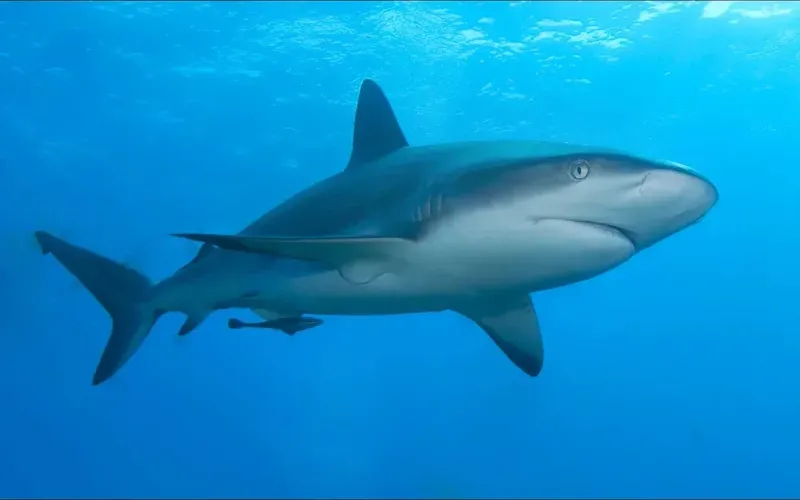
Encounters with diverse marine life are a primary draw at Sharks Pit, where reef sharks often cruise through the canyons. Divers frequently spot whitetip, blacktip, and grey reef sharks.
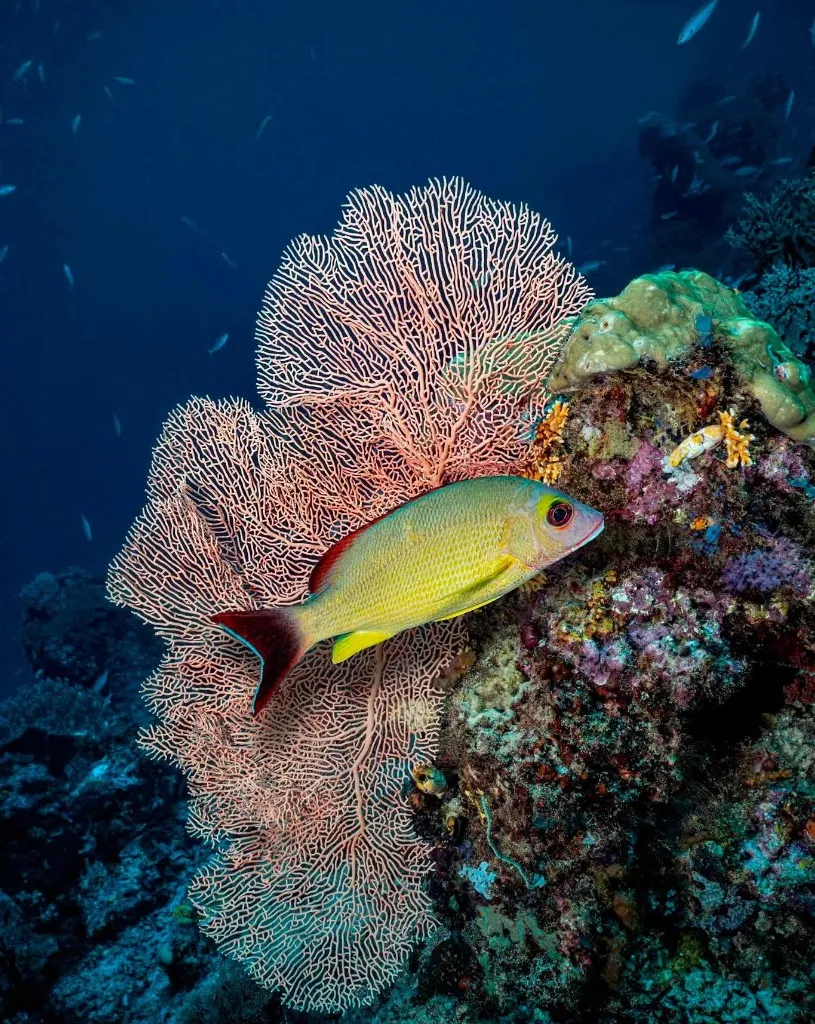
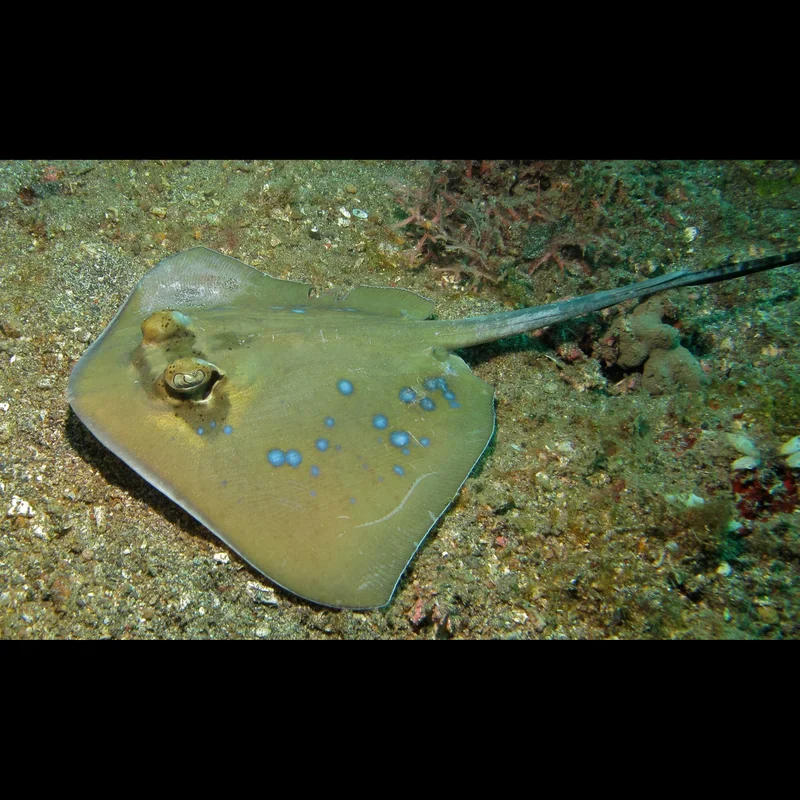
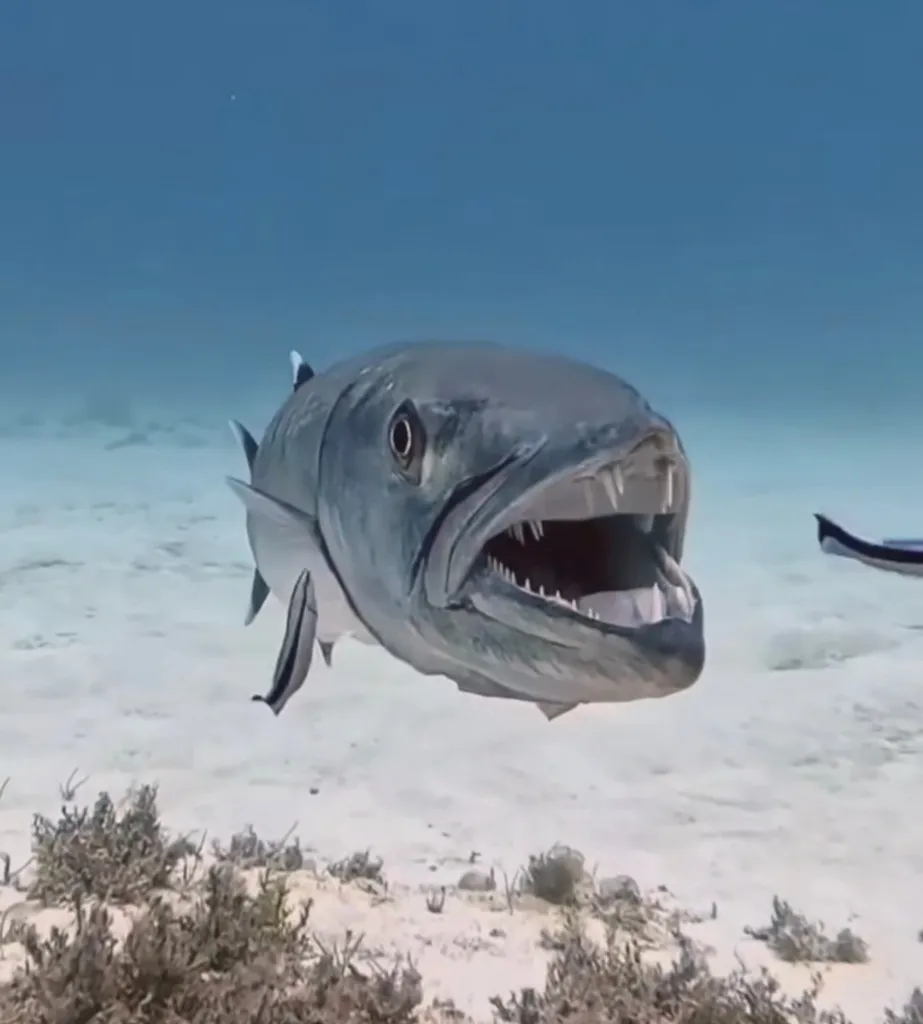
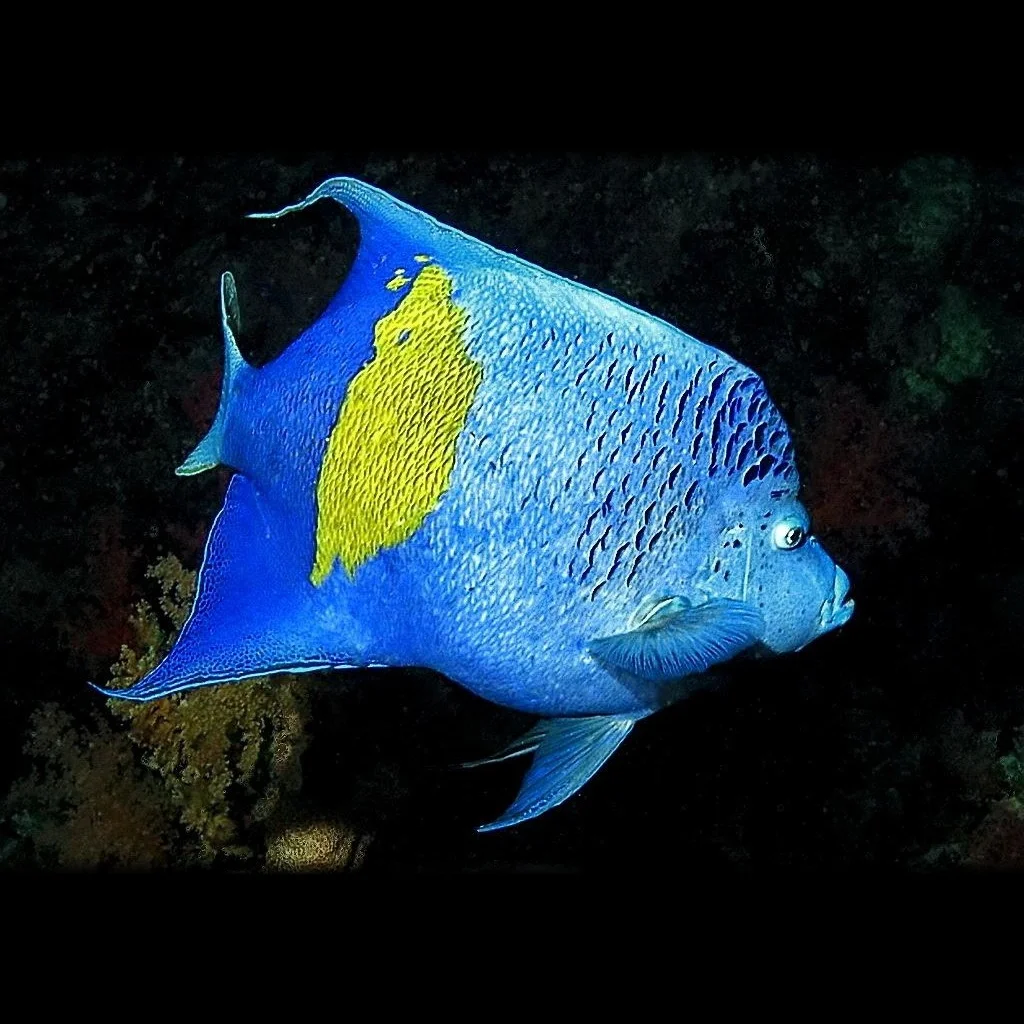
Lazy turtles can be observed in the shallower sections, while large schools of fish populate the reef structure. Every full moon, this site becomes a favored gathering point for schools of huge humphead parrotfish, presenting a memorable spectacle. Other common sightings include jacks, barracudas, angelfish, snapper, and blue-spotted stingrays.
Dive Sites Near Sharks Pit
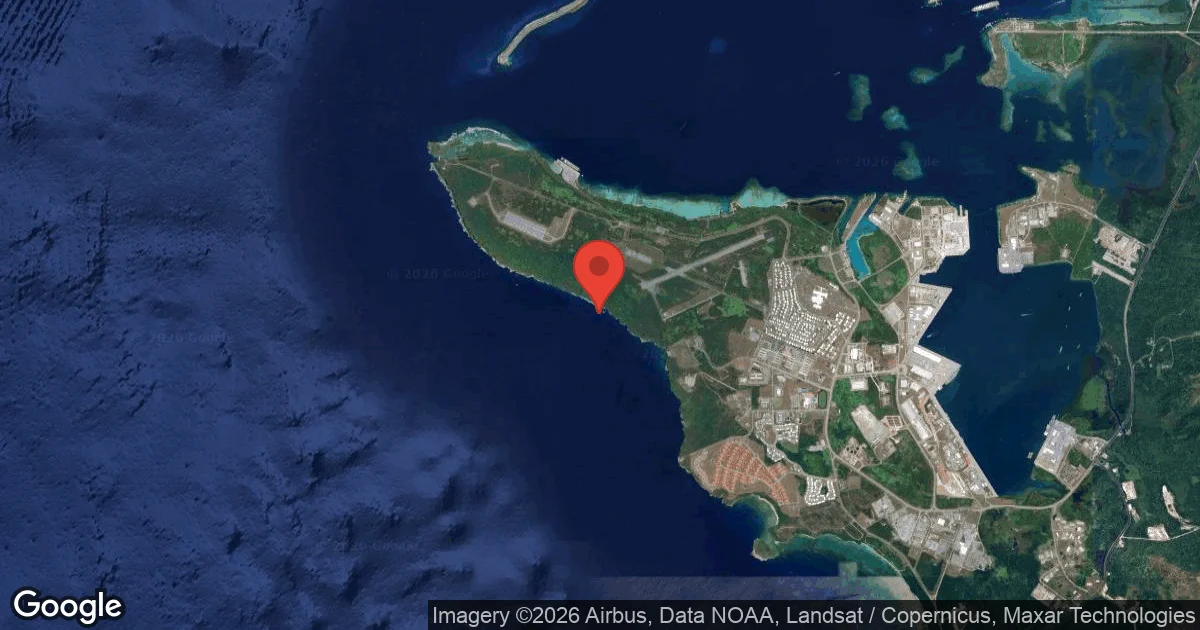
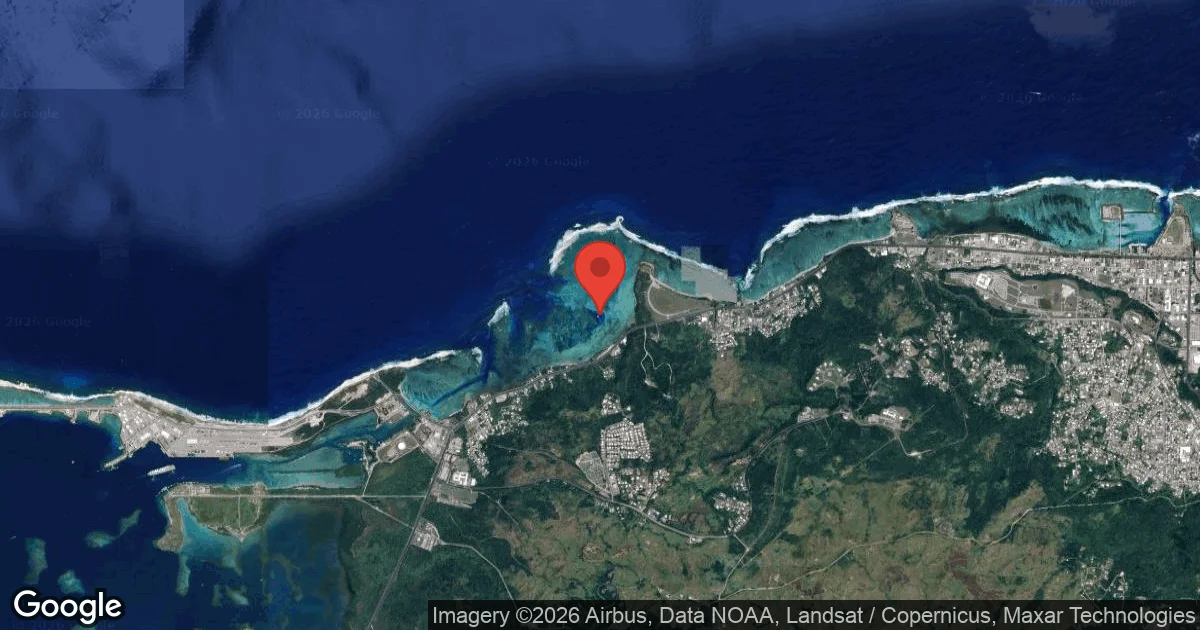
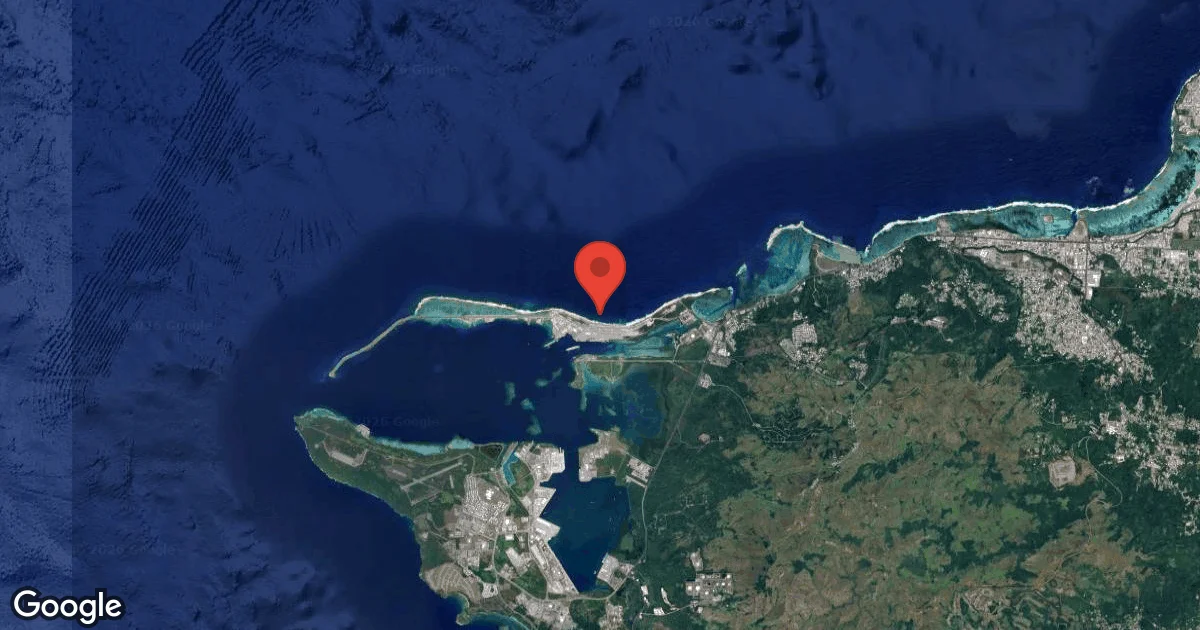
View all dive sites in IndonesiaDiscover more underwater gems in this area.
Dive Centers Near Sharks Pit
No Dive Centers Local To Sharks Pit
Are you a dive center visiting this location? Get listed to reach divers.
Nearest Airports
Nearest airports to help plan travel to this dive area.
Frequently Asked Questions
Is Sharks Pit suitable for all diver levels?
Not entirely. While shallower sections might be manageable for less experienced divers, the deeper canyons, potential for strong currents, and the wreck demand advanced skills. Divers with PADI Advanced Open Water, Deep Diver, or Wreck Diver certifications will find it more rewarding.
What are the typical current conditions at Sharks Pit?
Currents here are often strong, especially around new and full moon periods. Such conditions frequently result in drift diving, which can vary in intensity. Divers should be prepared for this dynamic environment.
What kind of marine life can divers expect to see?
Reef sharks, including whitetip, blacktip, and grey varieties, are commonly sighted cruising the canyons. Expect to see lazy turtles in shallower areas and large schools of jacks, barracudas, and angelfish. Humphead parrotfish gather here during full moons.
How deep does the dive site go, and what's the visibility like?
The site extends across a recreational depth range, with canyons reaching a maximum of 30 m (98 ft). Visibility is generally excellent, often extending up to 30 meters, providing clear views of the reef and wreck.
What is the Glenn Nusa Wreck, and can I dive it?
The Glenn Nusa Wreck, intentionally sunk in February 2016, rests upright at the site. It provides a distinct wreck diving experience. While accessible, advanced training such as a Wreck Diver certification is recommended for exploring its features thoroughly.
When is the best time to dive Sharks Pit for optimal conditions?
Optimal conditions typically occur from July through September, and again in December and January. May, June, and October also offer good diving. These times generally feature stable weather and lower rainfall.
Planning to dive Sharks Pit?
Send one inquiry and receive offers directly from the best verified local dive operators.
Conditions are Moderate
Optimal conditions expected
Current conditions near Sharks Pit show 27° air, 30° sea temperature, 1.7 m waves, and 22 km/h wind. Forecast data is refreshed regularly to ensure accuracy.