
Diving at Amtrak (Indonesia)
Conditions at Amtrak, an identified wreck site in Indonesia, are largely shaped by dynamic local water movement. Divers can anticipate moderate to occasionally good visibility and currents throughout the year, influenced by seasonal shifts in wind and wave patterns. Air temperatures consistently hover between 27.5-28°C (82°F). Surface conditions vary, with wave heights typically ranging from 1.0 m (3.3 ft) to 1.7 m (5.6 ft), indicating periods of calm alongside more active seas.
Evening condition tracking at Amtrak features an air temperature of 27.5°C. We have recorded wave heights measuring 1.8 m during this period. These figures outline the environmental parameters currently present.
Dive Site Location & Key Facts
Dive Site Overview
Amtrak's underwater landscape, an identified wreck site in Indonesia, offers divers a dual experience of historical intrigue and thriving marine ecology. Exploring these depths means engaging with a structure that has transformed over time, becoming an integral part of the local ecosystem.
While comprehensive specifics about the wreck’s origin or exact identity are not consistently reported, its presence as an artificial reef within this highly biodiverse region, often termed a "Species Factory," guarantees a dynamic environment. A typical dive involves descending into waters where the wreck's outline gradually emerges from the blue. Its various sections provide shelter and surfaces for colonization.
Such colonization attracts a rich variety of fish species, transforming the site into a living canvas. Conditions common to Indonesian waters shape the dive, often including dynamic currents that can range from gentle flows allowing detailed exploration to stronger drifts, adding an element of adventure.
This variability requires attentive dive planning and good buoyancy control. Maximum depth encountered at wreck sites in this region often reaches or exceeds 30 m (100 ft), making them suitable for divers with appropriate wreck and deep diving certifications.
Visibility can also vary, yet often provides ample opportunity to appreciate the scale of the wreck and its surrounding marine inhabitants.
Conditions are Moderate
Optimal conditions expected
Current conditions near Amtrak show 27° air, 30° sea temperature, 1.7 m waves, and 22 km/h wind. Forecast data is refreshed regularly to ensure accuracy.
Best Time to Dive
Optimal diving conditions often hinge on minimizing surface chop and maximizing underwater comfort. Based on climate patterns, April and June generally present more favorable diving opportunities at Amtrak. During June, wave heights average around 1.0 m (3.3 ft) and wind speeds are about 19.09 km/h (11.86 mph), contributing to a "Good" dive score. April also registers a "Good" score, with wave heights around 1.2 m (3.9 ft) and wind speeds averaging 21.5 km/h (13.4 mph). Air temperatures during these months remain warm, typically 28°C (82°F). Rainfall is moderate across the year, with April and June seeing 2.78 mm and 7.16 mm respectively. Other months generally offer "Moderate" dive scores, indicating consistent but potentially more variable conditions.
PEAK SEASON SCORE
Scores combine air & water temps, waves, wind & rainfall for overall conditions.
BEST MONTHS TO DIVE
Monthly records compiled from satellite and marine observation nodes over the last 3 years. Data provided by Open-Meteo and MET Norway.
Dive Experience & Conditions
Dropping into the waters around this potential wreck site, divers can expect warm conditions. Water temperatures in Indonesian dive regions are not consistently reported for this specific site, but they typically range from 22-28°C (72-82°F), with the warmer end more common in northern areas. Visibility can fluctuate but is frequently excellent, potentially exceeding 30 m (100 ft) under ideal circumstances, particularly in northern regions. Strong currents and down-currents are a known characteristic of Indonesian diving, potentially leading to exciting drift dives as you explore the wreck's periphery. Navigating these dynamic conditions requires a sound understanding of current management. The wreck provides a focal point, drawing divers into its structure and the life it now supports.
Dive Difficulty & Safety Guidelines
For safe navigation of a wreck site in Indonesia, divers should always adhere to stringent safety protocols. Given that wreck diving involves inherent risks such as entanglement or penetration, appropriate wreck diver certification and experience are strongly recommended. Local conditions can be challenging; encountering unpredictable currents or thermoclines is not uncommon in Indonesian waters.
Always dive with a qualified guide familiar with the specific site, and meticulously plan your dive profile, including maximum depth and bottom time. Proper buoyancy control is critical to avoid disturbing the wreck or stirring up silt.
Ensure all equipment is well-maintained, and carry safety essentials like a dive knife and a surface marker buoy.
Recommended Equipment
Overhead / entanglement risk. Wreck penetration requires proper training.
- Dive Computer
- Primary & Backup Lights
- Wreck Reel
- Cutting Tool
This gear list is based on verified equipment signals for Amtrak, Indonesia. Always confirm final gear choices with your dive operator, guide, or liveaboard.
Recommended Dive Suit
Forecast trends indicate similar diving conditions over the next few days.
Factors such as dive duration, depth, and activity level can influence how warm a diver feels underwater.
Dive skin or rash guard typically balances flexibility and thermal protection in these temperatures. A hood or vest is suggested for sensitive divers due to surface winds. The latest environmental readings for Amtrak suggest water temperatures around 30°C (85°F). Surface air temperatures are resting at 27°C (81°F).
Emergency & Medical Support
Essential information to help you plan your dive trip to Amtrak.

Hyperbaric chambers are a critical part of dive safety infrastructure. Availability varies significantly by region, and not all dive areas have immediate access.
Before diving, it's recommended to:
- confirm nearest medical facilities
- check emergency procedures with local dive operators
- ensure dive insurance covers evacuation if required
Divers Alert Network
Diving emergency assistance available through DAN World.
+1-919-684-9111- 24/7 emergency hotline
- Diving medical assistance
- Evacuation coordination
Emergency contacts are provided for reference. Always verify local emergency services before diving.
Marine Life at Amtrak
Ecosystems surrounding a potential wreck at Amtrak attract a diverse range of marine life, thriving on the structure as an artificial reef. While specific sightings vary, Indonesian waters are known for their exceptional biodiversity.
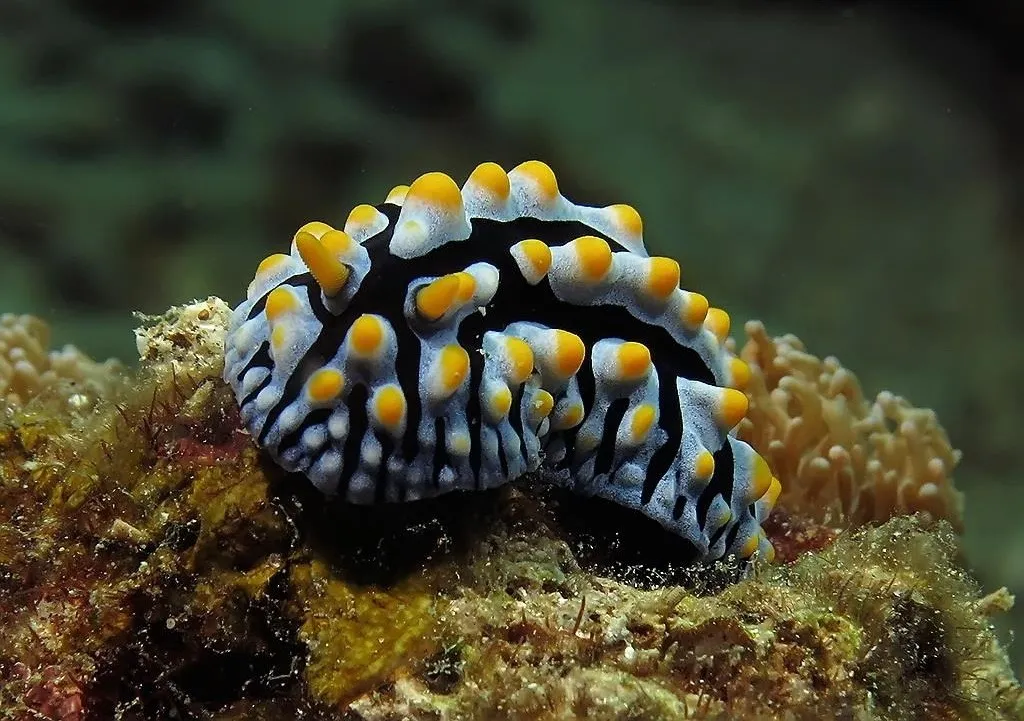
Divers might encounter schooling fish using the wreck for shelter, various nudibranchs and macro critters making homes in crevices, or even larger pelagic species patrolling the area. This region generally supports a wide array of species, from colorful reef fish to intriguing invertebrates, providing ample photographic opportunities and consistent underwater activity.
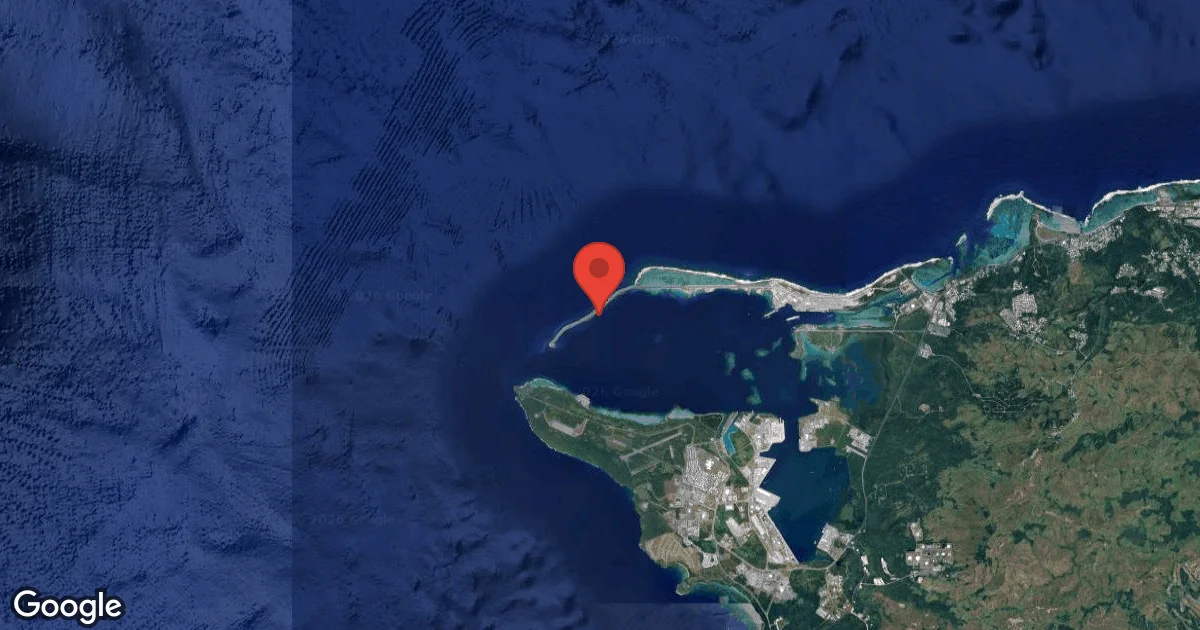
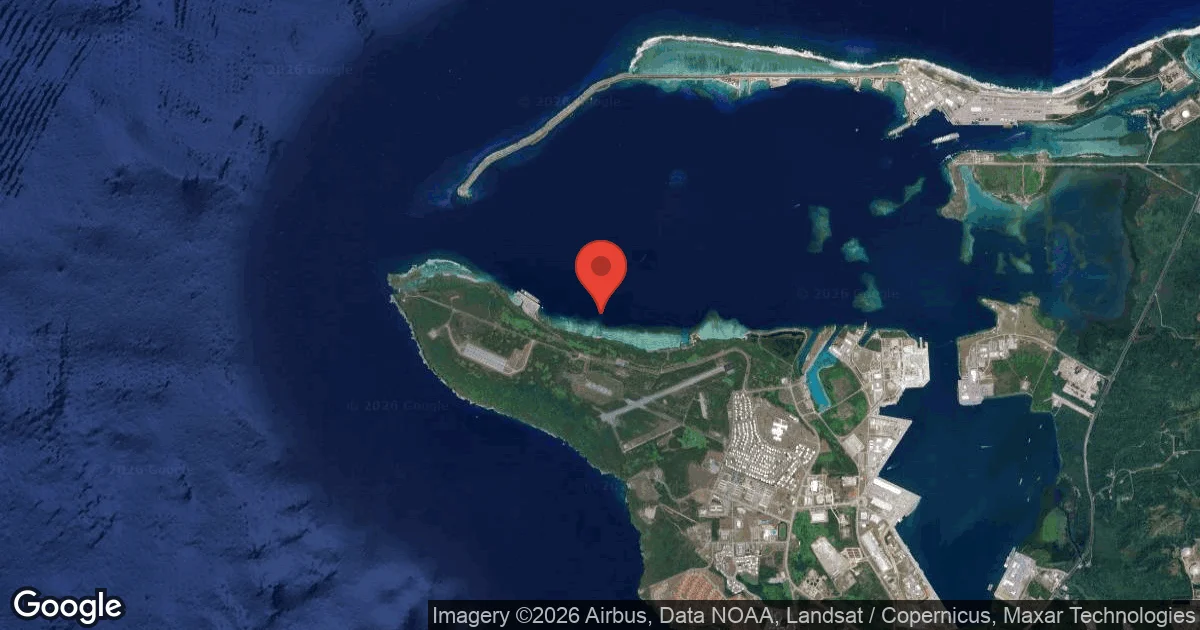
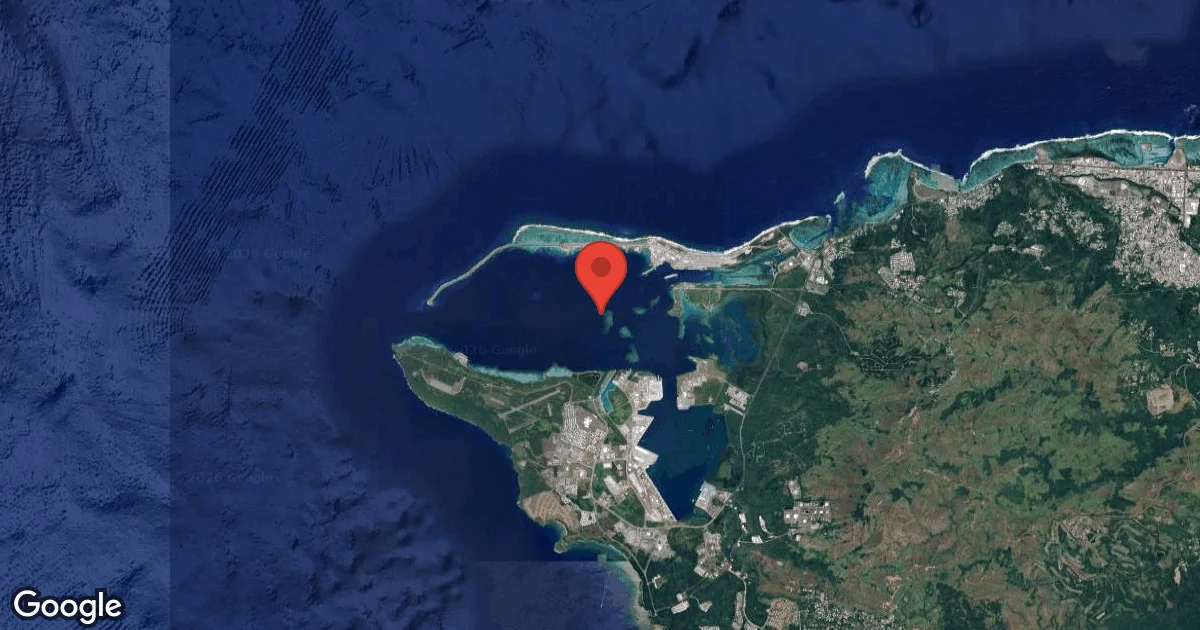
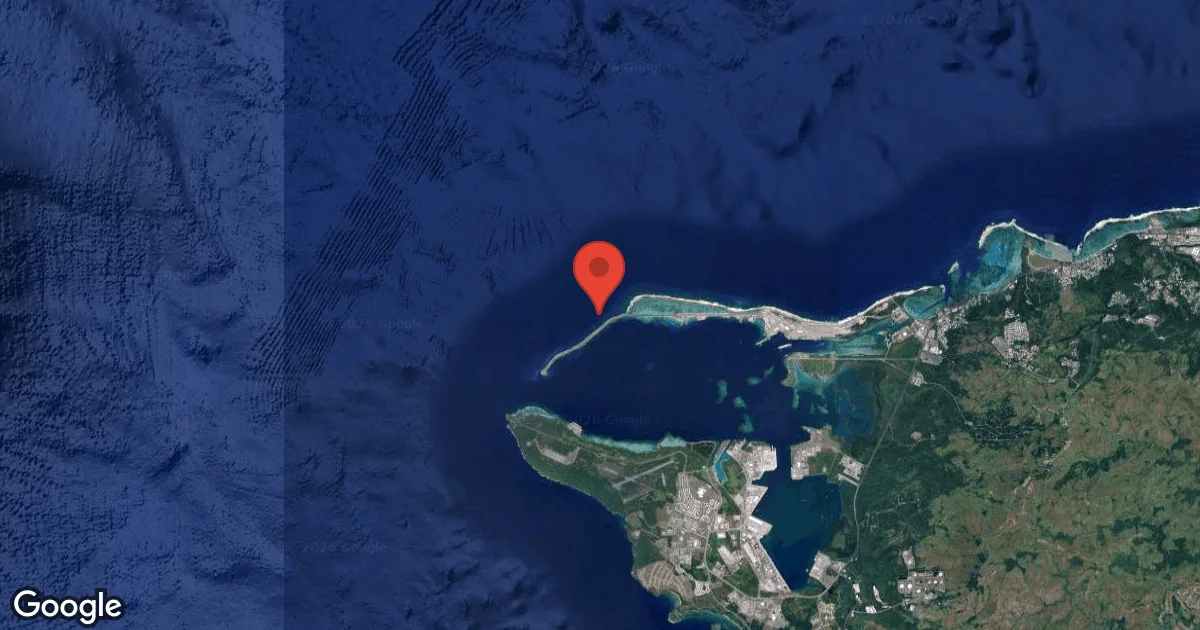
Dive Sites Near Amtrak
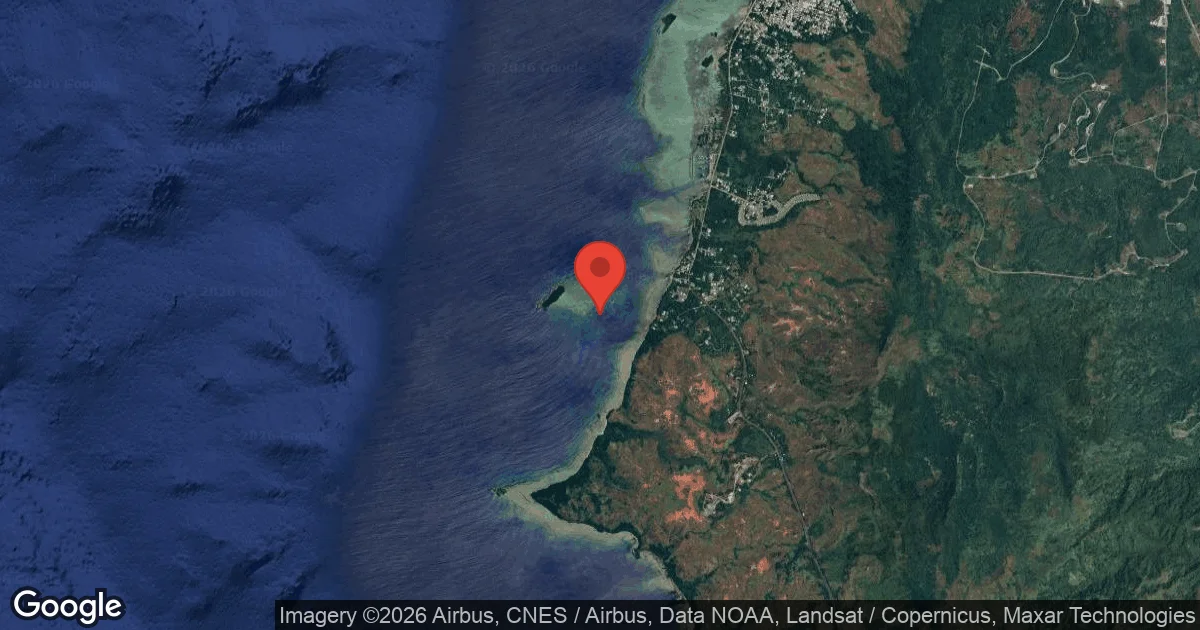
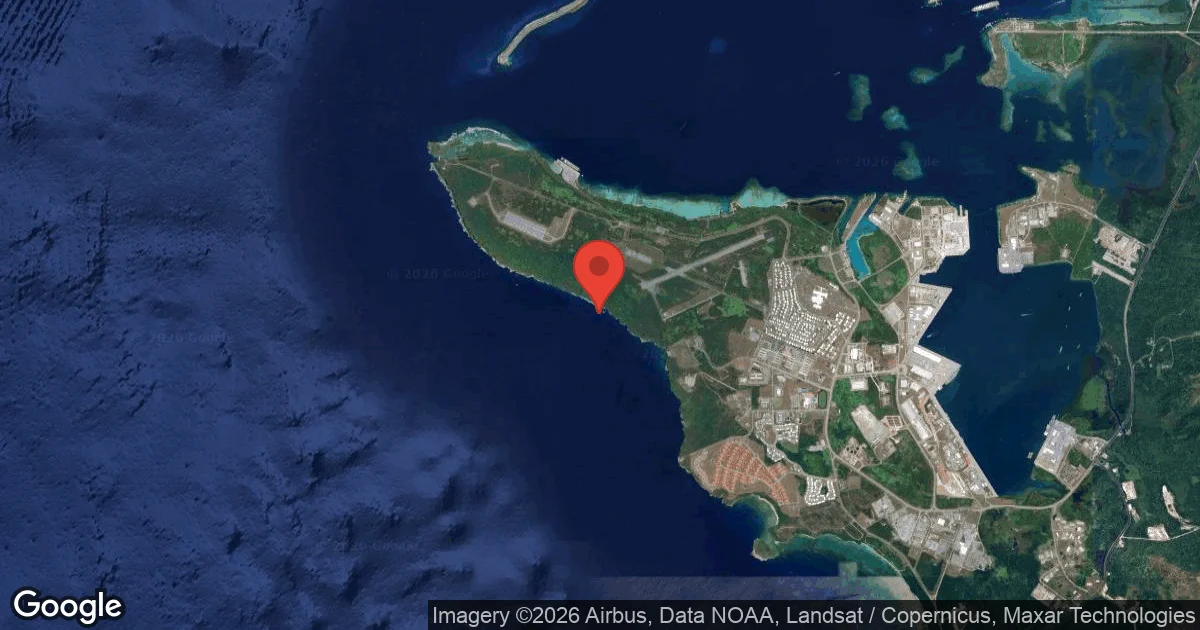
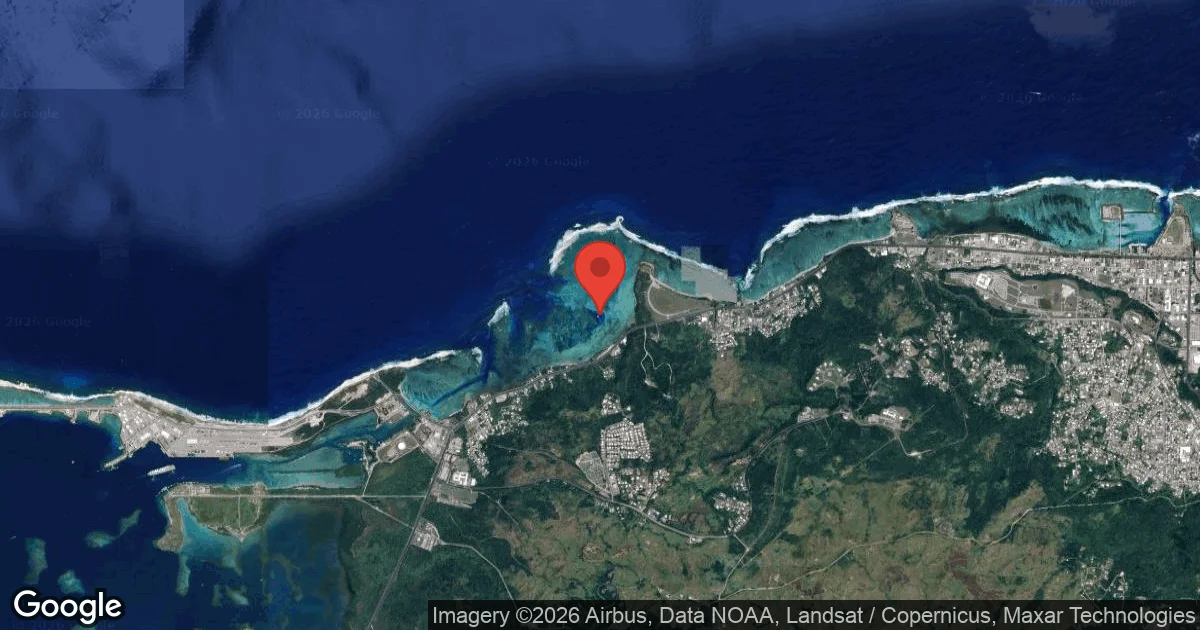
View all dive sites in IndonesiaDiscover more underwater gems in this area.
Dive Centers Near Amtrak
No Dive Centers Local To Amtrak
Are you a dive center visiting this location? Get listed to reach divers.
Nearest Airports
Nearest airports to help plan travel to this dive area.
Frequently Asked Questions
Is Amtrak an actual wreck site?
Yes, based on available data, Amtrak is categorized as a wreck dive site. Specific details about the wreck itself, such as its history or type, are not consistently reported.
What are the typical water temperatures at the site?
Water temperatures for this specific site are not consistently reported. However, in Indonesian dive regions generally, water temperatures typically range from 22-28°C (72-82°F), with warmer temperatures often found in northern areas.
What skill level is required for diving at Amtrak?
Given that it's a wreck site in an area known for dynamic currents, advanced certification and experience with wreck diving and current management are strongly recommended. Adhering to these recommendations helps ensure a safe and enjoyable dive experience.
Are strong currents common?
Yes, strong and sometimes unpredictable currents are a known characteristic of diving in many parts of Indonesia, and they can be present at wreck sites like Amtrak. Divers should be prepared for potential drift diving conditions.
What kind of visibility can be expected?
Visibility can vary depending on local conditions and currents. While not consistently reported for this specific wreck, other Indonesian sites often offer excellent visibility, potentially exceeding 30 m (100 ft) under ideal circumstances.
What marine life might I see around the wreck?
As an artificial reef, the wreck is likely to attract a variety of marine life. Divers can expect schooling fish, macro critters in the wreck's structure, and potentially larger pelagic species, consistent with Indonesia's rich biodiversity.
Planning to dive Amtrak?
Send one inquiry and receive offers directly from the best verified local dive operators.
Conditions are Moderate
Optimal conditions expected
Current conditions near Amtrak show 27° air, 30° sea temperature, 1.7 m waves, and 22 km/h wind. Forecast data is refreshed regularly to ensure accuracy.