
Diving at Fish Eye (Indonesia)
Fish Eye, nestled on Bangka Island in North Sulawesi, presents a distinctive dive destination within the Coral Triangle. Operating as a marine outpost and scientific hub, the area blends the spirit of discovery with accessible diving. Divers exploring Bangka Island encounter an exceptionally biodiverse marine ecosystem, directly from a shore-based resort. It’s an ideal spot for those seeking both extensive coral health and diverse marine encounters.
As evening covers Fish Eye, the local air temperature is measured at 28.5°C. The current wave height at the surface is recorded at 1.3 m. These late-day readings characterize the surface conditions for the night.
Dive Site Location & Key Facts
Dive Site Overview
Diving around Fish Eye offers an extraordinary range of experiences, capitalizing on its location within the Coral Triangle, a region globally recognized for its unparalleled marine biodiversity. Divers can begin exploring the vibrant house reef, which gently slopes from shallow waters down to about 13 meters (43 ft), creating an ideal environment for snorkelers and those new to diving.
Exploring the house reef reveals schools of silversides flashing in the sunlight and soft corals swaying with gentle currents. Beyond the immediate reef, daily guided excursions lead to Bangka's surrounding pinnacles and extensive coral walls, where the topography shifts dramatically. These deeper sites feature rich soft coral reefs and colorful pinnacles, providing varied habitats for an array of marine life, from tiny nudibranchs to larger pelagics.
Half and full-day trips extend further into the archipelago, encompassing dramatic seamounts and invigorating drift dives, which are rich with color and motion. Prioritizing safety, small groups, and a relaxed pace, the dive center ensures every underwater journey feels both personal and immersive.
Expect consistent water temperatures, typically ranging from 26-29°C (82-85°F) throughout the year, making for comfortable extended bottom times across all dive profiles.
Conditions are Moderate
Optimal conditions expected
Current conditions near Fish Eye show 28° air, 30° sea temperature, 1.4 m waves, and 28 km/h wind. Forecast data is refreshed regularly to ensure accuracy.
Best Time to Dive
Evaluating dive conditions reveals a largely favorable year-round window, though specific periods offer enhanced experiences. Indonesia generally observes a dry season from May to September, with a rainy season spanning October to April, often seeing heavier rainfall from December through February. For Fish Eye, located on Bangka Island, April, June, and December typically receive "Good" dive scores, indicating more optimal conditions. During April, air temperatures average around 28°C (82°F) with lower wave heights, contributing to better visibility and calmer surface conditions. Similarly, June sees some of the lowest average wave heights, around 0.9 m (3 ft), and favorable air temperatures near 28°C (82°F). Across most months, air temperatures remain consistently warm, hovering between 27°C and 28°C (80.6-82.4°F). Water temperatures in this Indonesian region are quite stable, consistently between 26-29°C (82-85°F) throughout the year. While "Moderate" dive scores are common for other months, comfortable diving is still achievable.
PEAK SEASON SCORE
Scores combine air & water temps, waves, wind & rainfall for overall conditions.
BEST MONTHS TO DIVE
Monthly records compiled from satellite and marine observation nodes over the last 3 years. Data provided by Open-Meteo and MET Norway.
Dive Experience & Conditions
New divers and snorkelers will find the house reef at Fish Eye particularly welcoming, offering a gentle introduction to the underwater world. Beginning in the shallowest sections, the reef system gradually slopes to a max depth of about 13 meters (43 ft), characterized by a gentle gradient. Its gentle gradient allows for leisurely exploration and easy navigation. For those seeking more advanced adventures, guided dives venture beyond the immediate shore, exploring the vibrant pinnacles and extensive coral walls that surround Bangka Island. Divers should anticipate currents varying from mild on the house reef to potentially stronger drift conditions at the outer sites and seamounts. Water visibility typically remains good, though it can vary with tidal movements and plankton blooms. Year-round water temperatures, consistently between 26-29°C (82-85°F), contribute to a comfortable dive experience. Small group sizes and a relaxed pace are emphasized, allowing divers to fully appreciate the intricate details of the reef and its inhabitants.
Dive Difficulty & Safety Guidelines
Approaching dives at Fish Eye with a focus on preparedness is key, particularly given the diverse range of sites available. Always adhere to your certification limits and plan dives meticulously with your buddy. While the house reef presents calm conditions suitable for beginners, offshore sites, including pinnacles and seamounts, may encounter stronger currents.
Understanding local current patterns and consulting with the dive center staff before entering the water is crucial for a safe experience. Maintaining awareness of your air supply and bottom time is always important, especially in deeper or more current-prone areas.
Respecting the marine environment by avoiding contact with corals and wildlife helps preserve this rich ecosystem for future divers. Dive center operations actively promote safety through small groups and a relaxed pace, encouraging thorough briefings and responsible diving practices.
Recommended Equipment
- Dive Computer
- Hard-soled Dive Boots
This gear list is based on verified equipment signals for Fish Eye, Indonesia. Always confirm final gear choices with your dive operator, guide, or liveaboard.
Recommended Dive Suit
For divers planning standard recreational dives, dive skin or rash guard is usually a suitable option. Consider warmer surface protection (like a boat coat) due to brisk winds. Divers vary widely in how quickly they feel cold underwater.
The waters surrounding Fish Eye are currently maintaining temperatures close to 30°C (85°F). Surface air temperatures are resting at 28°C (83°F).
The forecast outlook suggests that temperatures will stay close to current levels.
Emergency & Medical Support
Essential information to help you plan your dive trip to Fish Eye.

Hyperbaric chambers are a critical part of dive safety infrastructure. Availability varies significantly by region, and not all dive areas have immediate access.
Before diving, it's recommended to:
- confirm nearest medical facilities
- check emergency procedures with local dive operators
- ensure dive insurance covers evacuation if required
Divers Alert Network
Diving emergency assistance available through DAN World.
+1-919-684-9111- 24/7 emergency hotline
- Diving medical assistance
- Evacuation coordination
Emergency contacts are provided for reference. Always verify local emergency services before diving.
Marine Life at Fish Eye
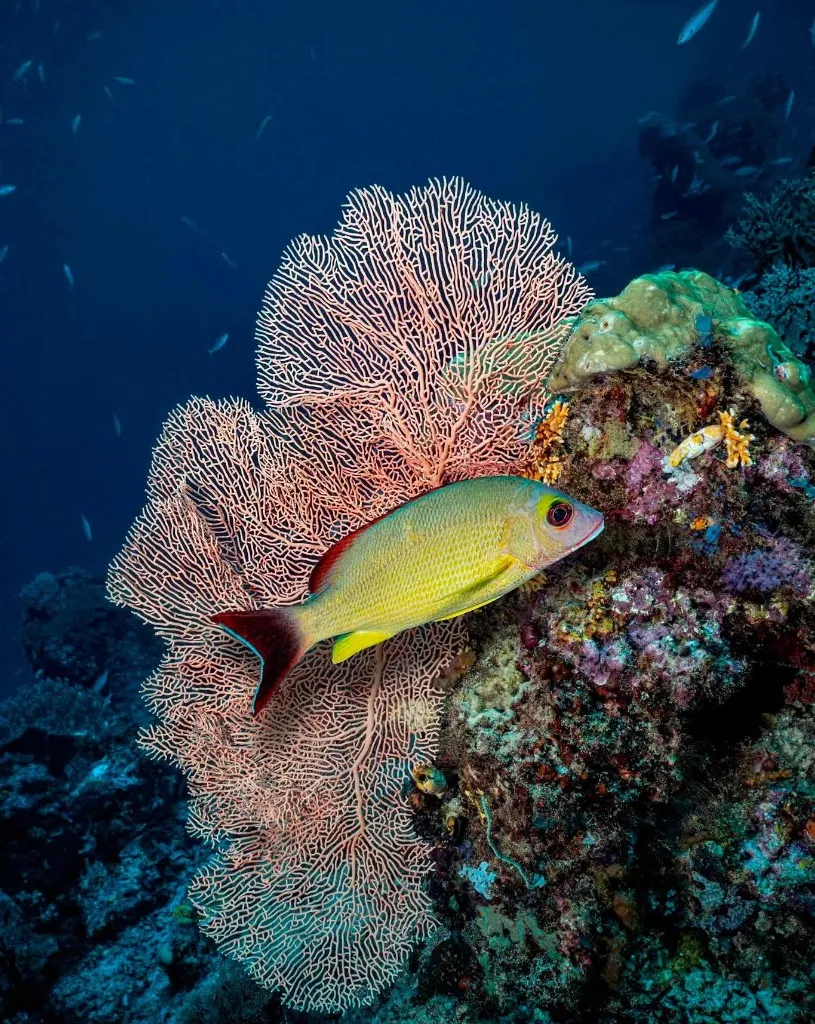
An exceptionally biodiverse underwater landscape around Fish Eye testifies to the Coral Triangle’s richness, painting a vibrant picture from the shallows to deeper reef structures. Near shore, the house reef teems with schools of flashing silversides, while diverse soft corals sway rhythmically with the currents.
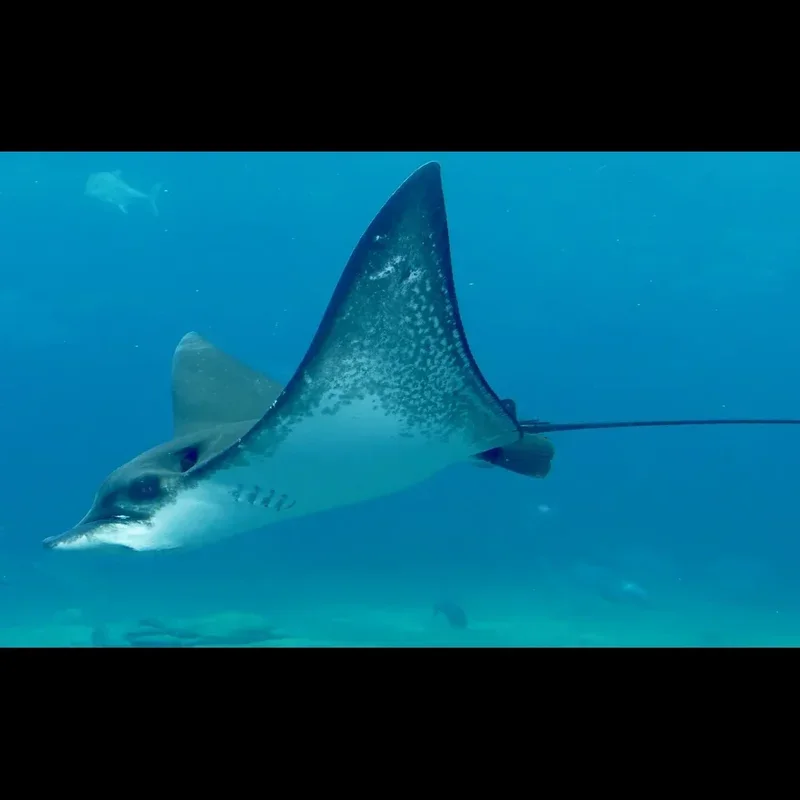
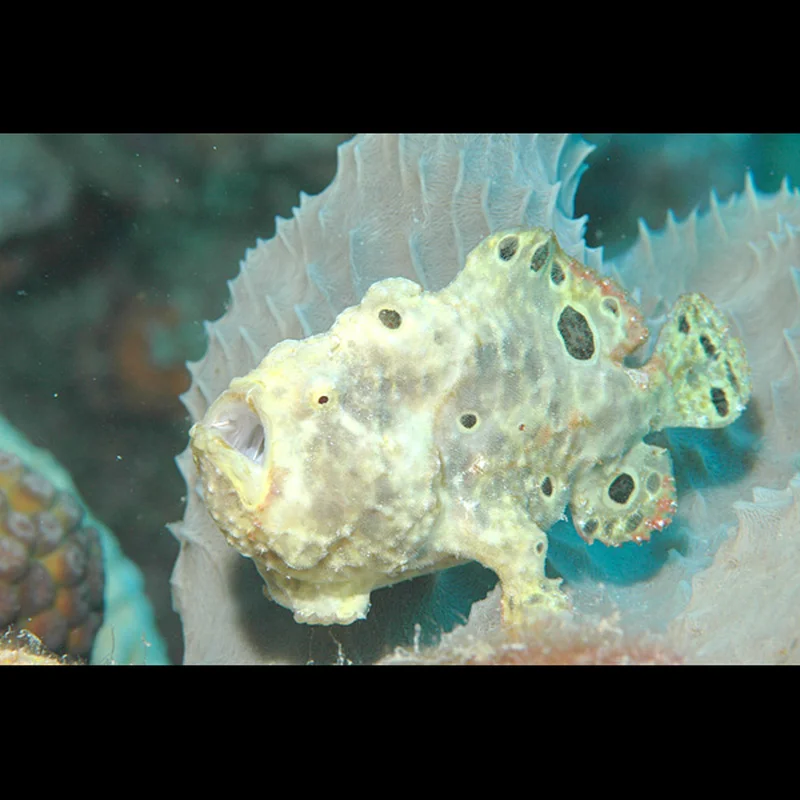
Venturing to Bangka's pinnacles and coral walls reveals a broader spectrum of life, including graceful turtles, camouflaged frogfish, and elusive ghost pipefish. Occasionally, majestic eagle rays glide through the open blue.
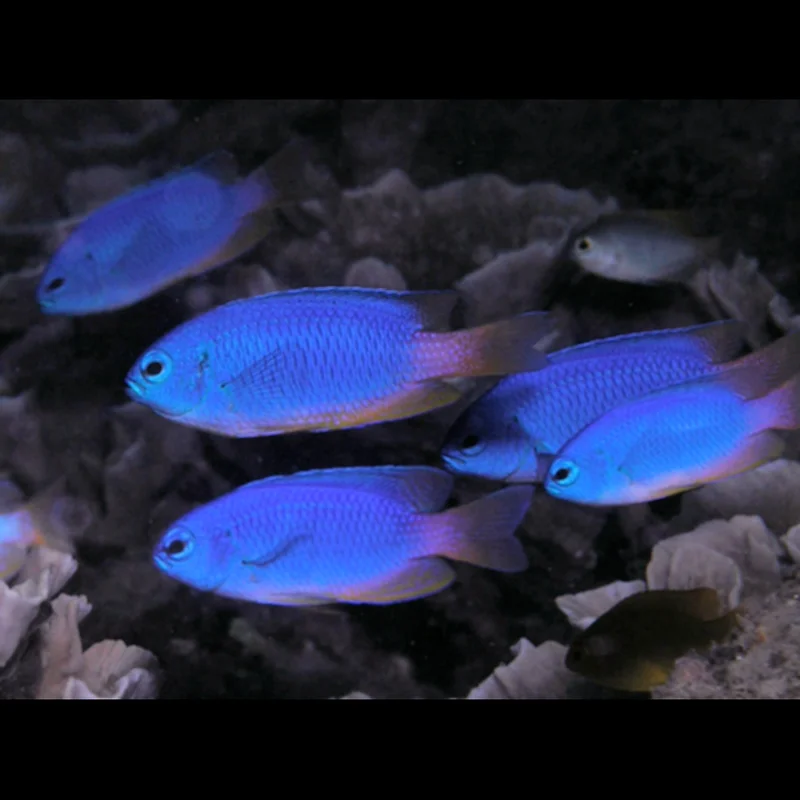
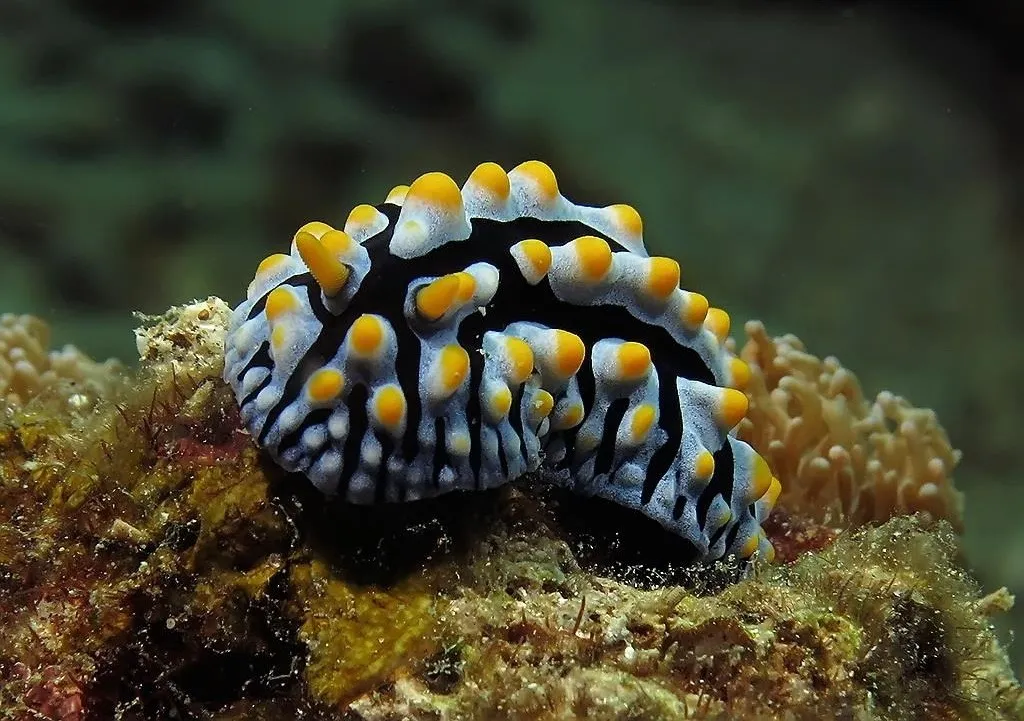
For macro enthusiasts, the region is a treasure trove, hosting countless nudibranchs, delicate pygmy seahorses, and various rare crustaceans. Beyond these specific species, the reefs boast profuse fish life, with schooling snappers, jacks, and a thriving population of anthias and damselfish.
Dive Sites Near Fish Eye
View all dive sites in IndonesiaDiscover more underwater gems in this area.
Dive Centers Near Fish Eye
No Dive Centers Local To Fish Eye
Are you a dive center visiting this location? Get listed to reach divers.
Nearest Airports
Nearest airports to help plan travel to this dive area.
Frequently Asked Questions
What kind of dive sites can I expect at Fish Eye?
A diverse range of sites awaits, from a gently sloping house reef ideal for beginners to vibrant pinnacles, extensive coral walls, and dramatic seamounts further offshore. Both macro life and schooling fish are notable here.
Is Fish Eye suitable for beginner divers?
Yes, the house reef begins in shallow waters and slopes gradually to about 13 meters (43 ft), making it ideal for snorkelers and new divers. Guided dives also cater to various experience levels.
What marine life is commonly seen around this area?
Divers regularly encounter turtles, frogfish, ghost pipefish, and sometimes eagle rays. Macro life includes nudibranchs, pygmy seahorses, and various crustaceans. Schooling silversides, snappers, and jacks are also common.
What are the typical water temperatures?
Water temperatures in this Indonesian region remain quite consistent throughout the year, typically ranging between 26-29°C (82-85°F). Such warmth ensures comfortable diving conditions.
When is the best time to visit Fish Eye for diving?
While diving is possible year-round, April, June, and December generally offer "Good" dive scores due to calmer conditions and lower wave heights. Indonesia's dry season, from May to September, also attracts many visitors.
Are there strong currents to be aware of?
Currents can vary. Gentle movements are typical on the house reef, but offshore sites like pinnacles and seamounts may encounter stronger drift conditions. Dive guides provide briefings on local current patterns.
Planning to dive Fish Eye?
Send one inquiry and receive offers directly from the best verified local dive operators.
Conditions are Moderate
Optimal conditions expected
Current conditions near Fish Eye show 28° air, 30° sea temperature, 1.4 m waves, and 28 km/h wind. Forecast data is refreshed regularly to ensure accuracy.