
Diving at Western Shoals (Indonesia)
The Western Shoals, like many premier Indonesian dive locations, often present excellent underwater visibility. This clear window into the marine environment allows divers to fully appreciate the rich reef structures and diverse ecosystems. Currents here, while sometimes strong, consistently bring in clear oceanic water. Good visibility is crucial for navigating dynamic conditions and observing both the vibrant macro life and the larger pelagic species that patrol these nutrient-rich reefs. It shapes how divers experience the sheer scale of the underwater topography.
As evening covers Western Shoals, the local air temperature is measured at 27.5°C. The current wave height at the surface is recorded at 1.4 m. These late-day readings characterize the surface conditions for the night.
Dive Site Location & Key Facts
Dive Site Overview
Imagine descending into a dynamic underwater world, where the forces of the ocean shape a vibrant reef ecosystem. Diving the Western Shoals offers an authentic taste of Indonesia's celebrated marine biodiversity, where currents often dictate the pace and character of a dive.
These shoals, composed of intricate coral reefs and varying bottom contours, attract a remarkable array of marine life. Divers can anticipate encountering a mosaic of colorful soft corals and hard coral formations blanketing the reef, providing habitat for countless species. While conditions can vary, many Indonesian dive sites, including potential areas within the Shoals, can reach depths of 10 to 40 m (30 to 130 ft), with much of the most vibrant life closer to the surface.
Strong currents, a signature of many Indonesian waters, deliver nutrient-rich flows that sustain large pelagic fish and attract schooling species. It's an environment where the thrill of drift diving can be a highlight, revealing diverse underwater pinnacles and dramatic drop-offs around these submerged structures.
This region encapsulates the essence of the Coral Triangle, promising encounters from the smallest critters to impressive open-ocean residents.
Conditions are Moderate
Optimal conditions expected
Current conditions near Western Shoals show 27° air, 30° sea temperature, 1.8 m waves, and 20 km/h wind. Forecast data is refreshed regularly to ensure accuracy.
Best Time to Dive
Planning a dive trip to the Western Shoals benefits from understanding Indonesia's seasonal patterns. Generally, the optimal diving season for many Indonesian regions, which is often reflected in the conditions here, extends from March to December. During these months, air temperatures typically range from 27.5°C to 28.5°C (82-83°F). Rain precipitation is relatively lower from March to May (2.7-9.0 mm), increasing slightly through the mid-year before declining again towards November and December (4.9-2.7 mm). Water temperatures remain invitingly warm, typically hovering between 26-30°C (79-86°F) across Indonesian dive destinations. While water temperature isn't consistently reported for this specific location, this range is a reliable indicator for Indonesian waters. Visibility is often at its peak during these periods, influenced by calmer seas and reduced run-off, though localized conditions can always lead to variations. Even outside the peak season, the vast geography of Indonesia means favorable diving can often be found, especially with the generally moderate dive scores (6-8) reported year-round, indicating mostly acceptable conditions.
PEAK SEASON SCORE
Scores combine air & water temps, waves, wind & rainfall for overall conditions.
BEST MONTHS TO DIVE
Monthly records compiled from satellite and marine observation nodes over the last 3 years. Data provided by Open-Meteo and MET Norway.
Dive Experience & Conditions
When you dive the Western Shoals, expect an immersive experience that can range from tranquil exploration to exhilarating drift dives. Water temperatures consistently provide comfort, generally staying in the 26-30°C (79-86°F) range. Conditions can vary significantly, depending on tide movements and localized weather patterns. Some dives might feature gentle movements over expansive coral gardens, allowing for leisurely observation of macro life and reef fish. Other times, divers should be prepared for robust currents, particularly around exposed pinnacles or channels. These currents, while challenging, are precisely what make such areas so vibrant, sweeping nutrients past fixed filter feeders and attracting larger pelagic species. Many sites within Indonesian waters offer a blend of deep walls and shallower reef tops, ensuring a diverse range of environments within a single dive. Navigating these dynamic environments requires good buoyancy control and an awareness of the surrounding water movement, enhancing the sense of accomplishment after each dive.
Dive Difficulty & Safety Guidelines
Addressing the potential for challenging conditions is key to a safe and enjoyable dive at Western Shoals. Given that many Indonesian shoal environments can feature strong currents, an Advanced Open Water certification is highly recommended, especially for those planning drift dives. Proficiency in drift diving techniques is essential.
Divers should always carry a surface marker buoy (SMB) to ensure visibility to the dive tender, particularly during open water ascents or if drifting away from the primary dive site. Some situations may necessitate the use of a reef hook to tether in place, allowing for observation without exerting excessive energy or damaging corals.
Dive operators prioritize diver safety, and tender crews are typically vigilant in tracking and retrieving divers, but personal preparedness is paramount. Always listen carefully to the dive briefing and communicate any concerns to your dive guide.
Recommended Equipment
- Dive Computer
- DSMB
This gear list is based on verified equipment signals for Western Shoals, Indonesia. Always confirm final gear choices with your dive operator, guide, or liveaboard.
Recommended Dive Suit
With water temperatures around 30°C (85°F), many divers find a dive skin or rash guard provides comfortable protection.
Being prepared with flexible exposure options is a common approach among experienced divers.
Current forecasts indicate relatively stable conditions for the coming days.
Due to technical issues with our weather providers, data hasn't been fetched for over 48 hours. The data above reflects the conditions at the time of the last successful fetch.
Emergency & Medical Support
Essential information to help you plan your dive trip to Western Shoals.

Hyperbaric chambers are a critical part of dive safety infrastructure. Availability varies significantly by region, and not all dive areas have immediate access.
Before diving, it's recommended to:
- confirm nearest medical facilities
- check emergency procedures with local dive operators
- ensure dive insurance covers evacuation if required
Divers Alert Network
Diving emergency assistance available through DAN World.
+1-919-684-9111- 24/7 emergency hotline
- Diving medical assistance
- Evacuation coordination
Emergency contacts are provided for reference. Always verify local emergency services before diving.
Marine Life at Western Shoals
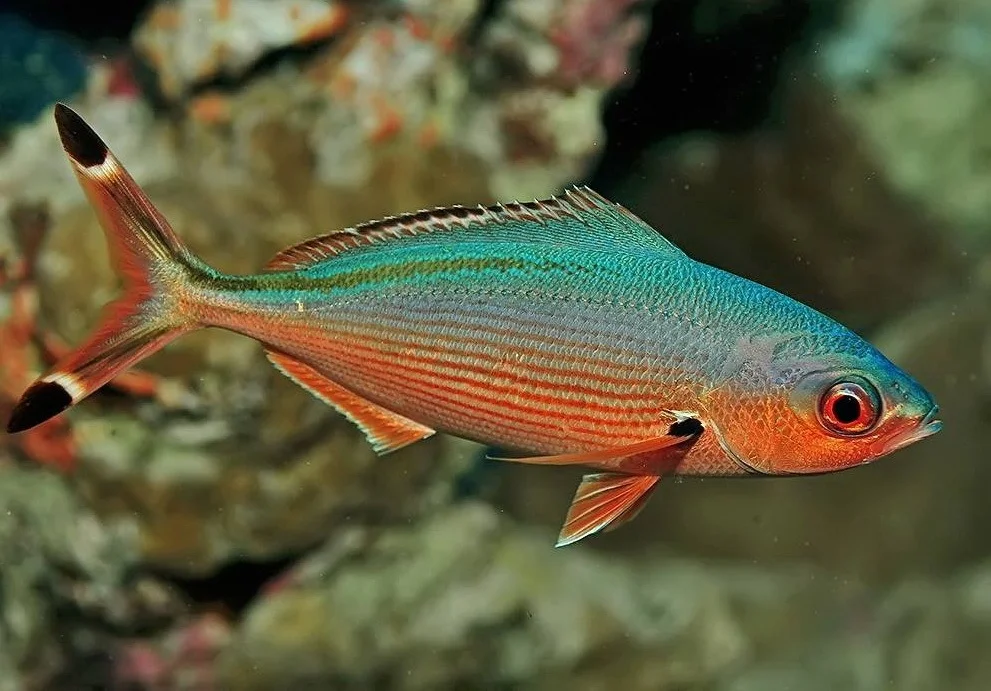
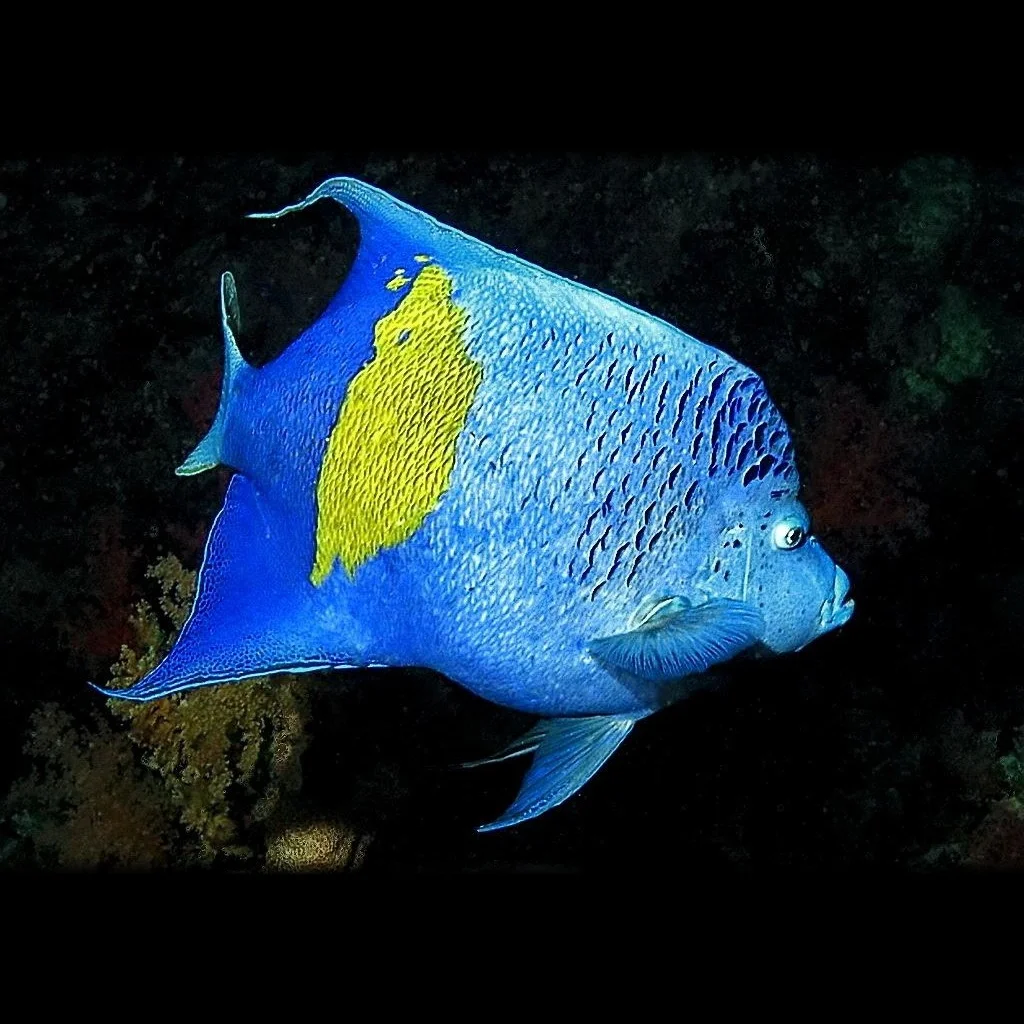
The Western Shoals are integral to Indonesia's position within the Coral Triangle, meaning divers can anticipate a spectacular display of marine life around the vibrant reefs. This biodiverse environment is home to an astonishing variety of reef fish, from schooling fusiliers and jackfish to colorful angelfish and parrotfish.
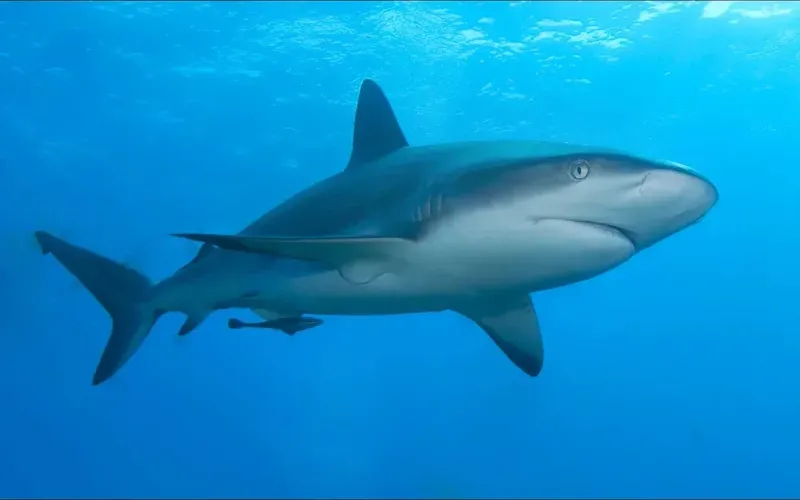
Look closely for fascinating macro creatures, including various nudibranchs and pygmy seahorses, which thrive among the intricate coral structures. The nutrient-rich currents often attract larger pelagic species; divers frequently encounter white-tip, black-tip, and gray reef sharks patrolling the deeper edges of the reef.
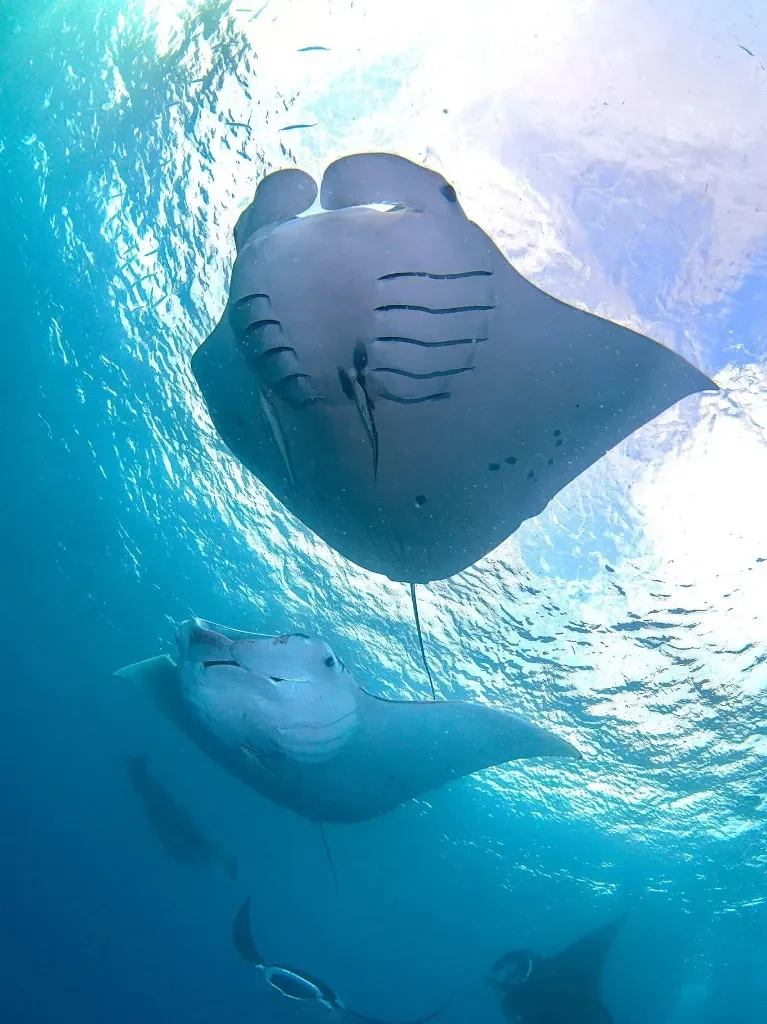
Graceful manta rays are also observed, gliding through the currents. It’s a truly rich tapestry of life, from the tiniest invertebrate to impressive ocean dwellers.
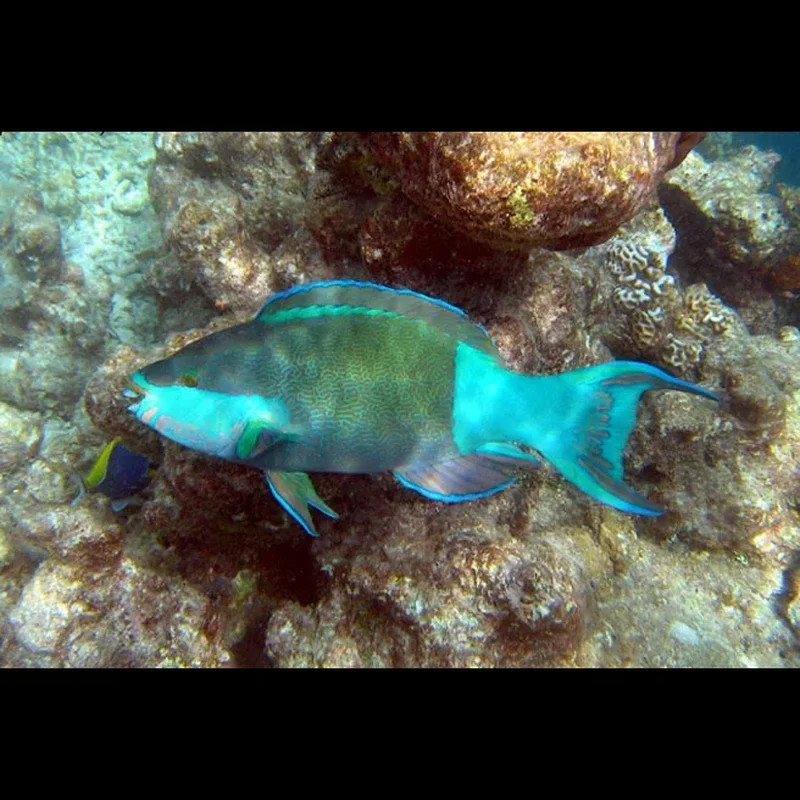
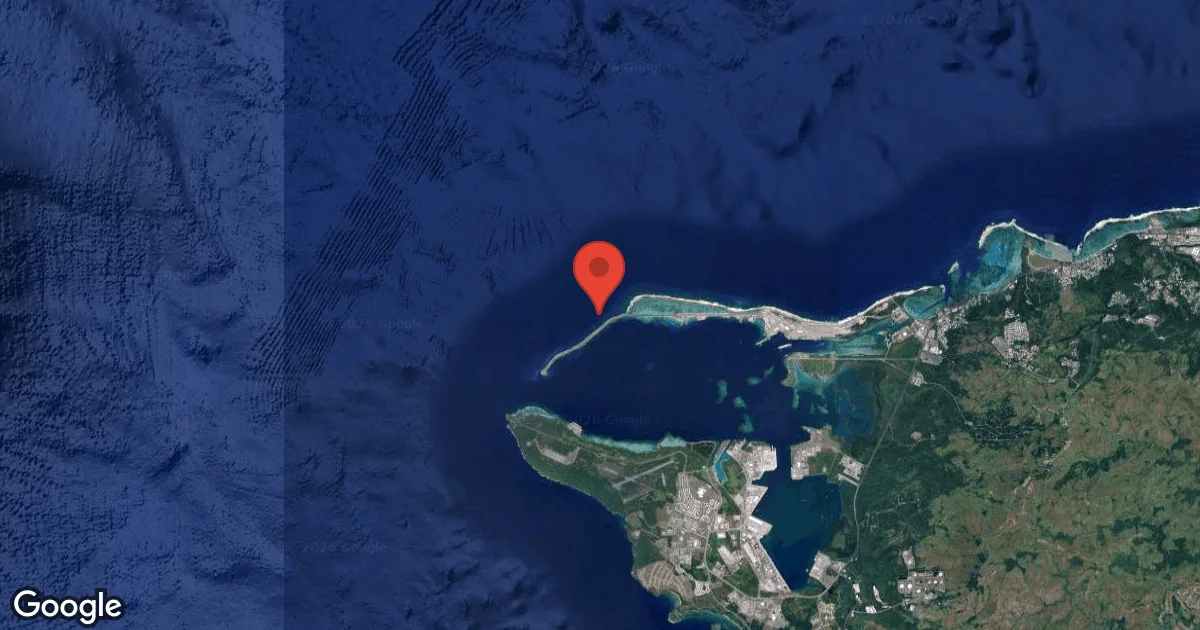
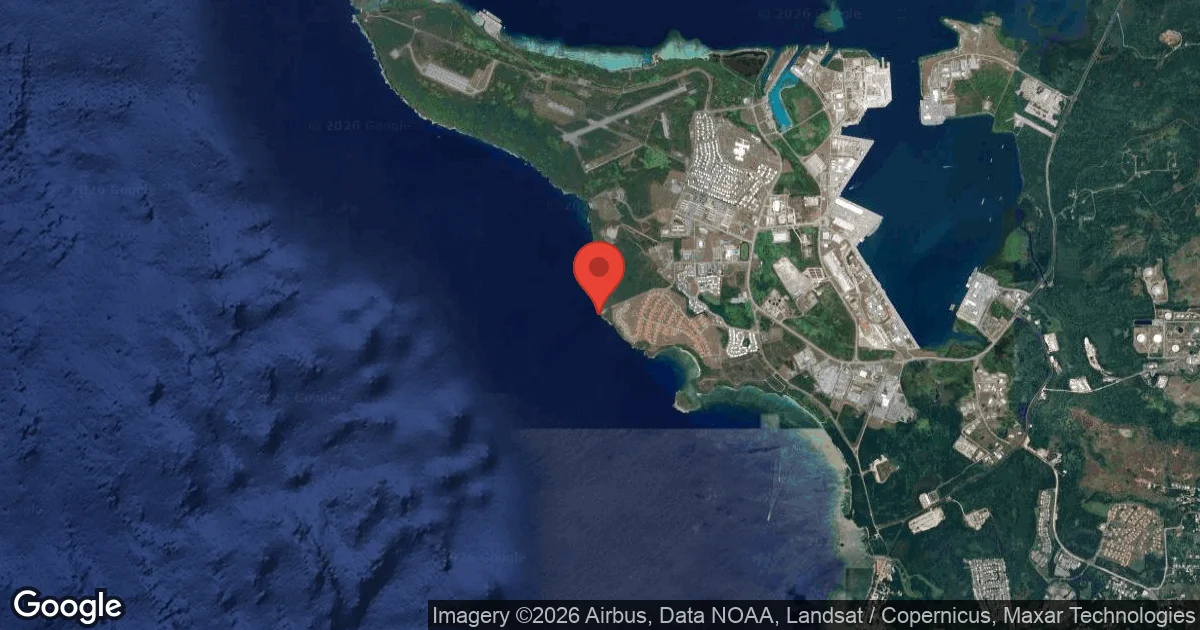
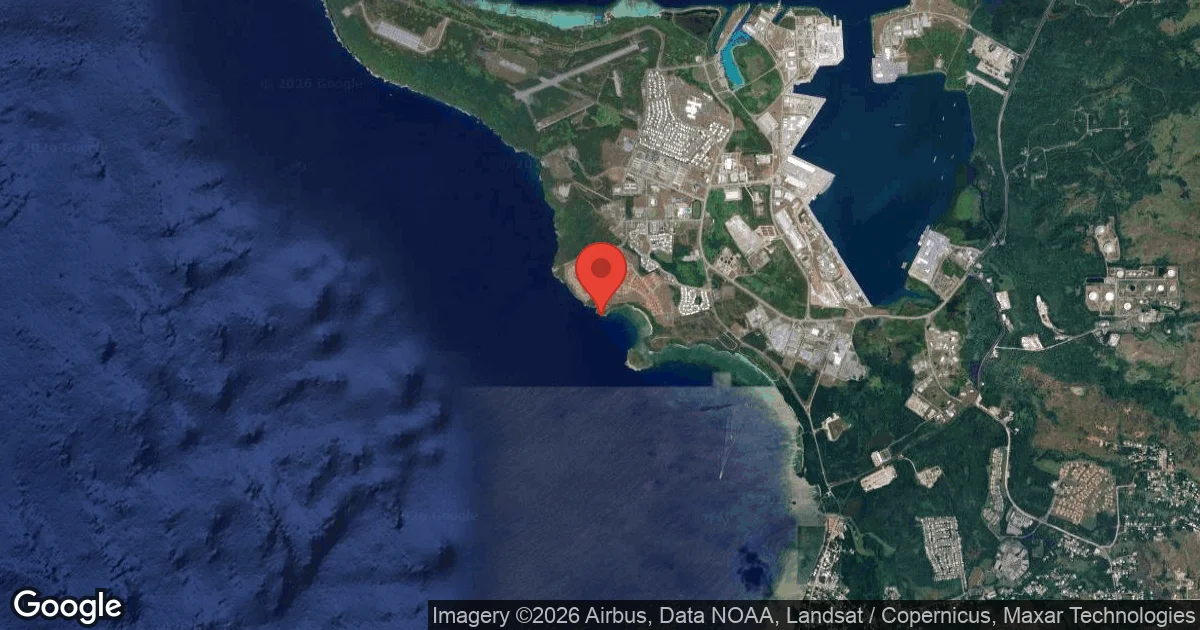
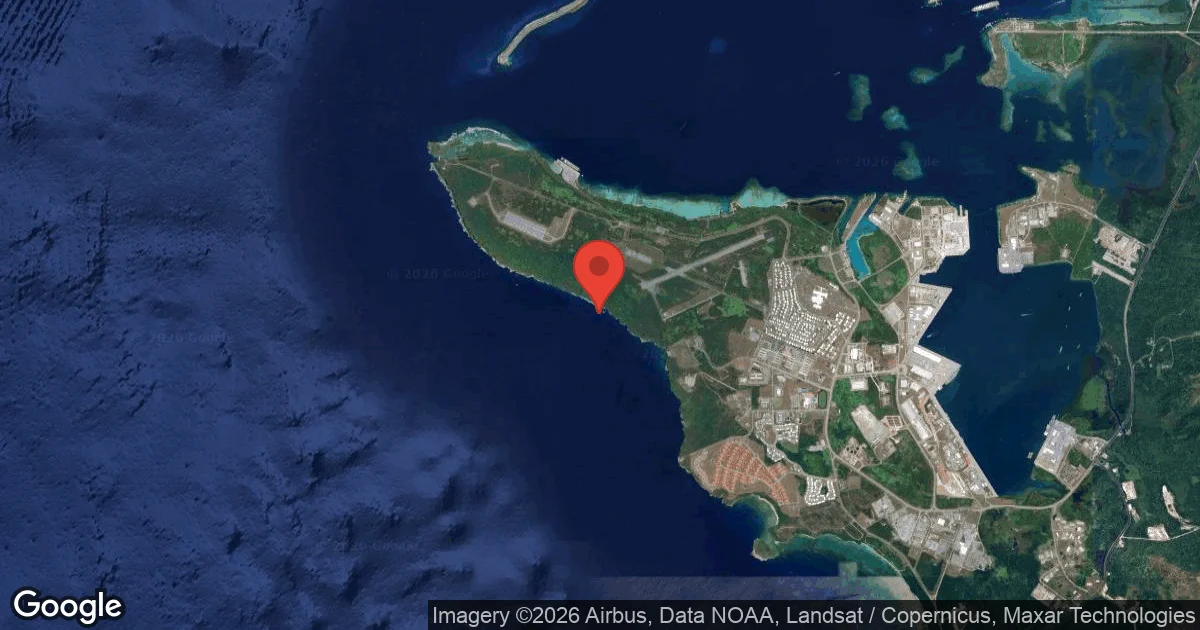
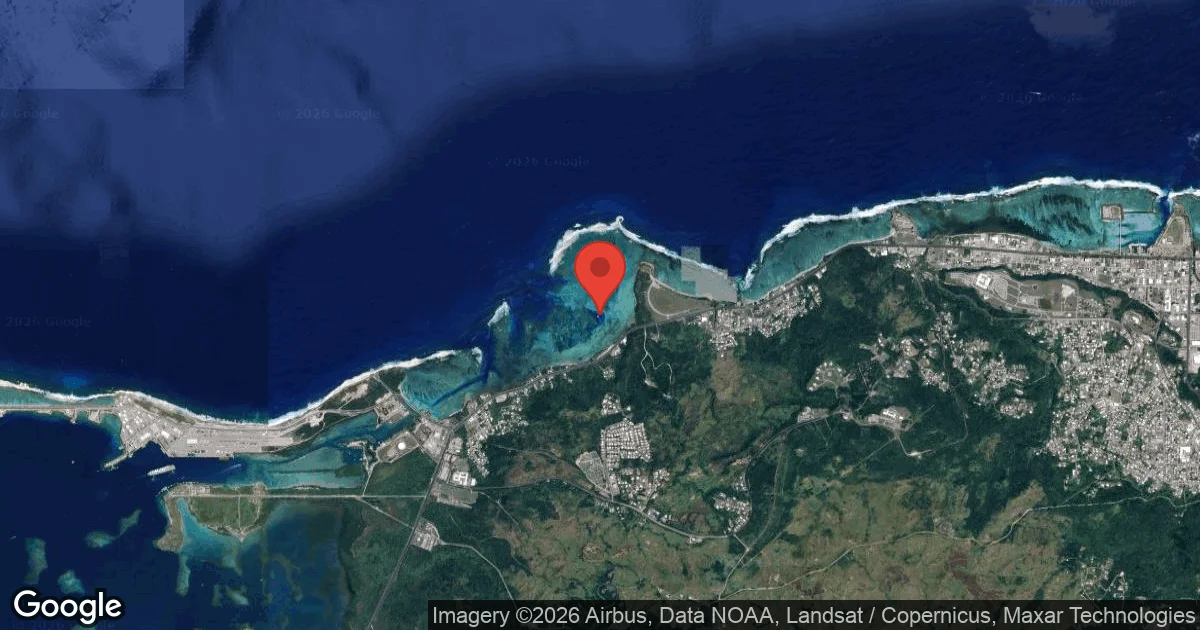
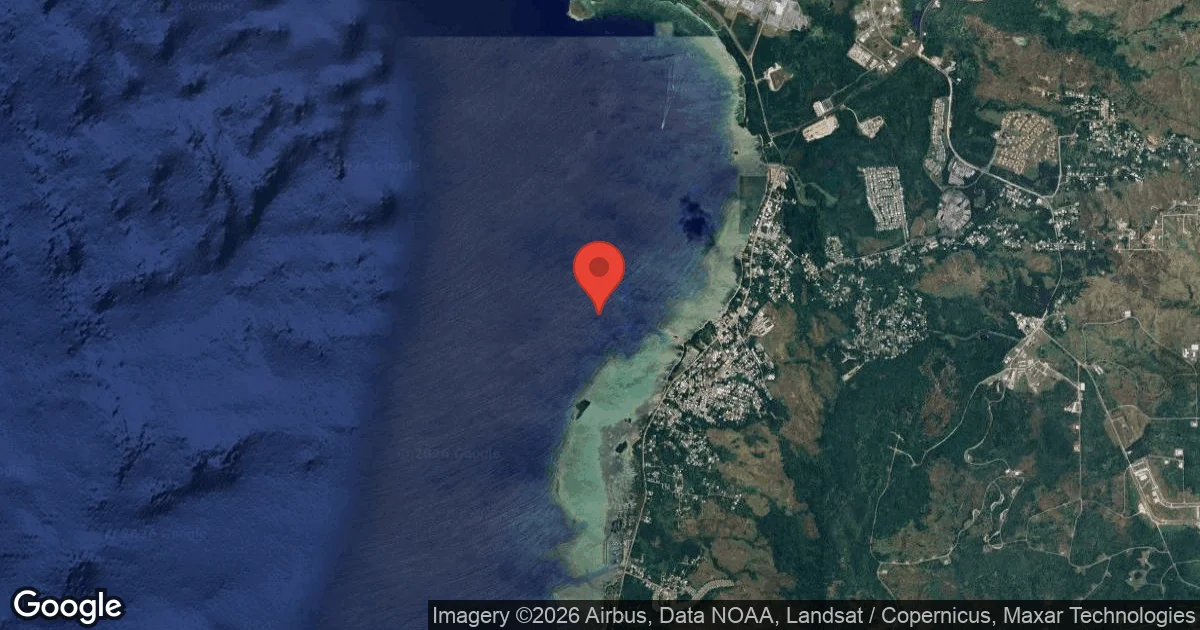
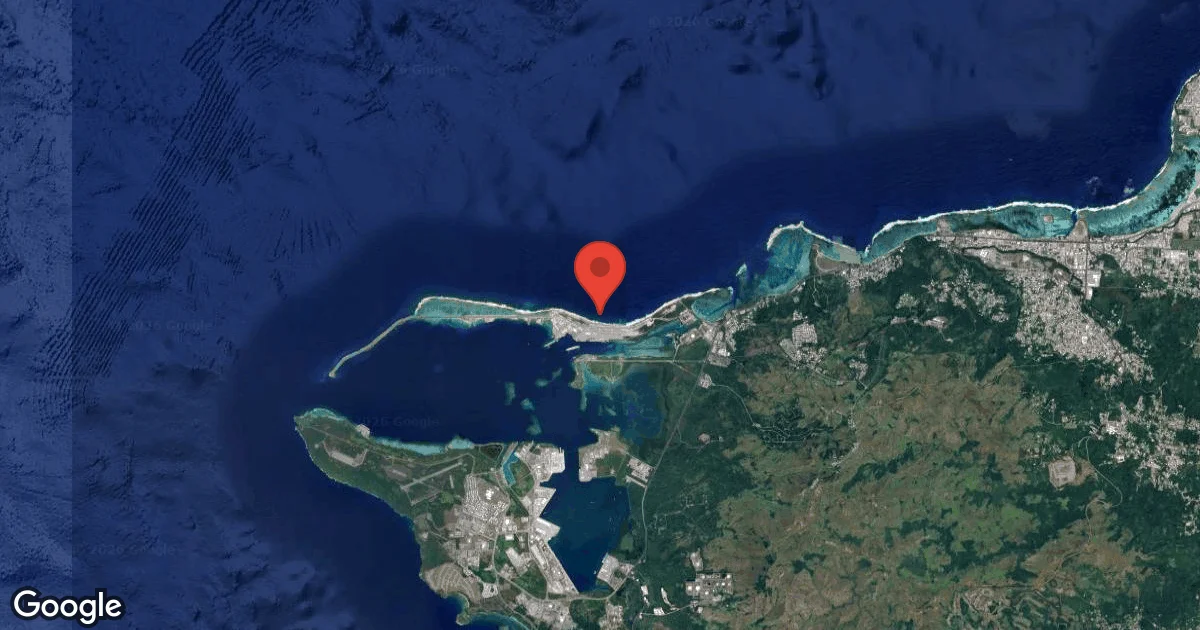
Dive Sites Near Western Shoals
View all dive sites in IndonesiaDiscover more underwater gems in this area.
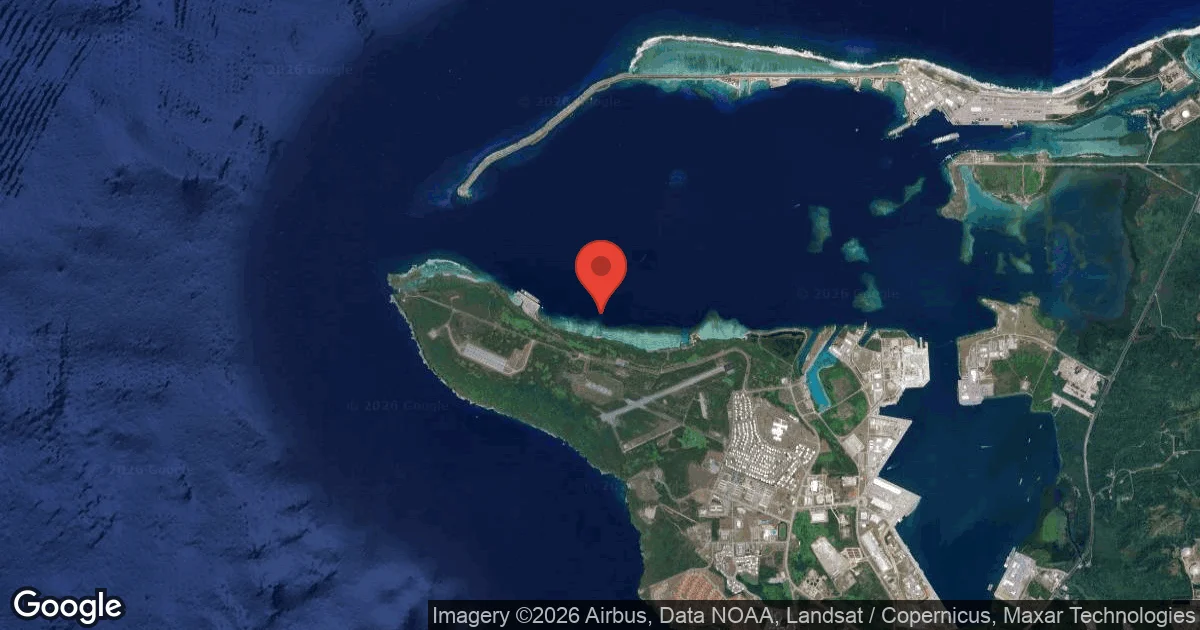
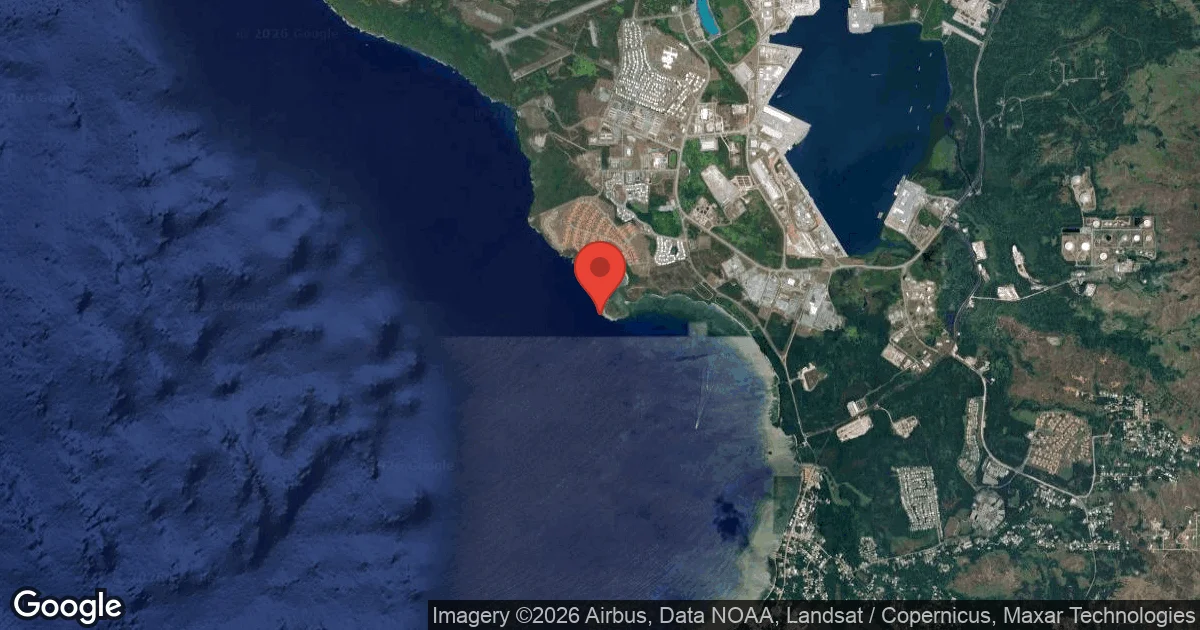
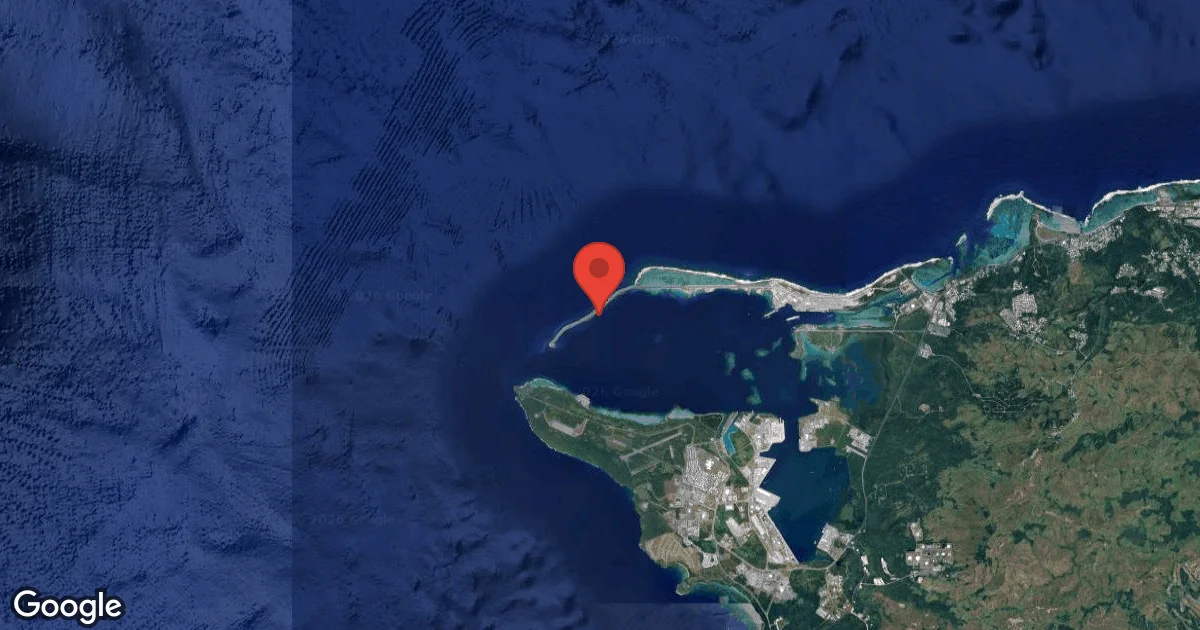
Dive Centers Near Western Shoals
No Dive Centers Local To Western Shoals
Are you a dive center visiting this location? Get listed to reach divers.
Nearest Airports
Nearest airports to help plan travel to this dive area.
Frequently Asked Questions
Do I need a dive certification to dive in Indonesia?
Yes, an Open Water certification is generally required for most dive sites in Indonesia. An Advanced Open Water is often recommended, particularly for more challenging areas or drift dives, which are common in shoal environments.
When is the best time to dive in Indonesia?
It varies by region, but generally, March to December offers good diving conditions across many Indonesian destinations. For specific locations like Western Shoals, consulting local forecasts closer to your travel date is always beneficial.
Is Indonesia suitable for beginner divers?
Absolutely, certain areas like Bali and Wakatobi are well-suited for beginners with calm, accessible sites. However, specific shoals or areas known for strong currents are generally better suited for experienced divers.
What marine life can I expect to see?
You can expect a vast range of marine life, characteristic of the Coral Triangle. This includes macro subjects like pygmy seahorses and nudibranchs, as well as larger pelagics such as manta rays, reef sharks, and impressive schools of fish.
Are liveaboards a good option for exploring Indonesian dive sites?
Yes, liveaboards are often considered the best way to reach remote or multiple dive sites across Indonesia, offering access to areas less frequented by day boats. Always choose reputable operators with strong safety records for the best experience.
Can I rent dive gear in Indonesia?
Most reputable dive centers and liveaboards throughout Indonesia offer full equipment rental packages. It's always advisable to confirm availability and preferred sizes in advance of your trip.
What are common conditions at deeper dive sites in Indonesia?
Deeper dive sites in Indonesia often feature cooler water temperatures compared to shallower areas, and they can also experience stronger, more consistent currents. These conditions are generally what attract larger pelagic species to these depths.
Planning to dive Western Shoals?
Send one inquiry and receive offers directly from the best verified local dive operators.
Conditions are Moderate
Optimal conditions expected
Current conditions near Western Shoals show 27° air, 30° sea temperature, 1.8 m waves, and 20 km/h wind. Forecast data is refreshed regularly to ensure accuracy.