
Diving at Turtle Rock (Indonesia)
A granite masterpiece defines Turtle Rock, Similan Island #8, underwater, characterized by iconic rock formations. Exploring here means navigating impressive boulder arrangements and vibrant reef sections. Its unique landscape, complete with natural swim-throughs, cultivates an immersive habitat. This dynamic environment supports thriving marine life, from its namesake turtles to a variety of reef residents.
Evening condition tracking at Turtle Rock features an air temperature of 28.5°C. We have recorded wave heights measuring 1.6 m during this period. These figures outline the environmental parameters currently present.
Dive Site Location & Key Facts
Dive Site Overview
Experiencing Turtle Rock means immersing yourself in a captivating dive, distinguished by its harmonious blend of massive granite boulders and flourishing coral communities. Descending, you'll uncover an intricate topography, featuring extensive rock formations and staghorn coral that together create a diverse underwater world.
Its namesake rock pierces the surface, yet the true spectacle unfolds below, with depths typically encountered between 10 and 25 meters (33 and 82 ft). Navigating the site, divers will discover several intriguing swim-throughs carved into the granite, providing intimate passages for exploration. Underwater visibility consistently holds between 15 and 20 meters (49 and 66 ft), granting clear views of the active reef.
Exploring feels akin to navigating an ancient underwater garden; expect unexpected encounters around every corner as you traverse the boulder-strewn landscape and patched reef areas. The varied terrain and vibrant life ensure each dive holds fresh discoveries.
Conditions are Moderate
Optimal conditions expected
Current conditions near Turtle Rock show 28° air, 30° sea temperature, N/A waves, and 30 km/h wind. Forecast data is refreshed regularly to ensure accuracy.
Best Time to Dive
Planning a trip to Turtle Rock requires attention to seasonal patterns for optimal conditions and best visibility. April and June typically offer good dive scores, influenced by lower average rainfall (2.78 mm and 7.16 mm respectively) and generally mild currents, which contribute to enhanced underwater clarity. The air temperature remains consistently warm, averaging between 27.5°C and 28.5°C (81-83°F) year-round, ensuring comfortable surface intervals. While some reports suggest October to November as an ideal period, available climate data indicates dive scores are generally moderate then, with higher rain averages. The drier months of April and June often provide the best clarity for exploring the site's intricate features.
PEAK SEASON SCORE
Scores combine air & water temps, waves, wind & rainfall for overall conditions.
BEST MONTHS TO DIVE
Monthly records compiled from satellite and marine observation nodes over the last 3 years. Data provided by Open-Meteo and MET Norway.
Dive Experience & Conditions
Accessing the site typically involves a boat entry, dropping divers into a vibrant underwater world. Currents here are generally mild to gentle, making for a relaxed drift over the reef and around the granite boulders. Divers can navigate an average depth of 15 to 20 meters, where the primary coral communities and rock structures reside. Towards the north, a shallower section provides opportunities for extended bottom time in 8 to 10 meters of water, ideal for beginners or safety stops. The sandy bottom, found around 25 meters, often hosts unique bottom dwellers. Exploring the numerous swim-throughs adds an adventurous element, rewarding careful navigation with hidden nooks and fascinating perspectives of the formations.
Dive Difficulty & Safety Guidelines
Navigating Turtle Rock's unique topography, particularly its swim-throughs, demands proficient buoyancy control. While currents are usually mild, a sudden shift can occur, requiring divers to remain alert and maintain situational awareness, especially during drift sections.
Always stay within your certified depth limits, particularly when exploring deeper sandy areas or intricate rock formations that might appear inviting. It's crucial to dive with a reliable buddy and carry an audible signaling device in case you surface away from the boat.
Regular equipment checks are essential before entering the water, ensuring all gear is functioning correctly for the duration of the dive.
Recommended Equipment
Deep dive hazard. Increased narcosis and gas consumption risk.
Current and surface separation risk. Local briefing strongly recommended.
- Dive Computer
- DSMB
- Primary & Backup Lights
- Reel / Spool
This gear list is based on verified equipment signals for Turtle Rock, Indonesia. Always confirm final gear choices with your dive operator, guide, or liveaboard.
Recommended Dive Suit
Dive skin or rash guard is frequently recommended by dive operators for conditions like these. Consider warmer surface protection (like a boat coat) due to brisk winds. For divers entering the water at Turtle Rock, temperatures are currently hovering around 30°C (85°F). Surface air temperatures are resting at 28°C (83°F).
Forecast trends indicate little change in overall diving conditions during the next few days.
Even small thermoclines can occasionally cause noticeable changes in water temperature.
Emergency & Medical Support
Essential information to help you plan your dive trip to Turtle Rock.

Hyperbaric chambers are a critical part of dive safety infrastructure. Availability varies significantly by region, and not all dive areas have immediate access.
Before diving, it's recommended to:
- confirm nearest medical facilities
- check emergency procedures with local dive operators
- ensure dive insurance covers evacuation if required
Divers Alert Network
Diving emergency assistance available through DAN World.
+1-919-684-9111- 24/7 emergency hotline
- Diving medical assistance
- Evacuation coordination
Emergency contacts are provided for reference. Always verify local emergency services before diving.
Marine Life at Turtle Rock
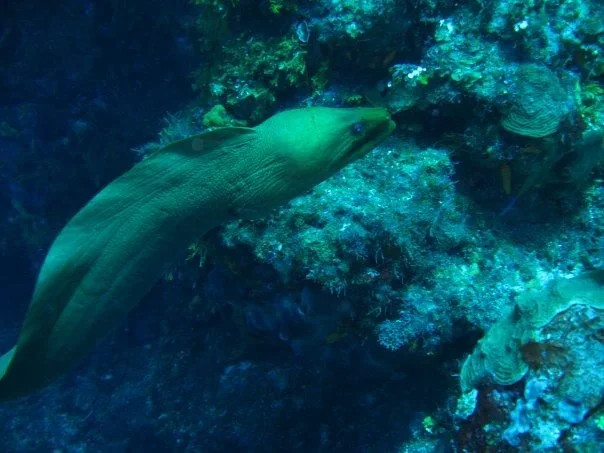
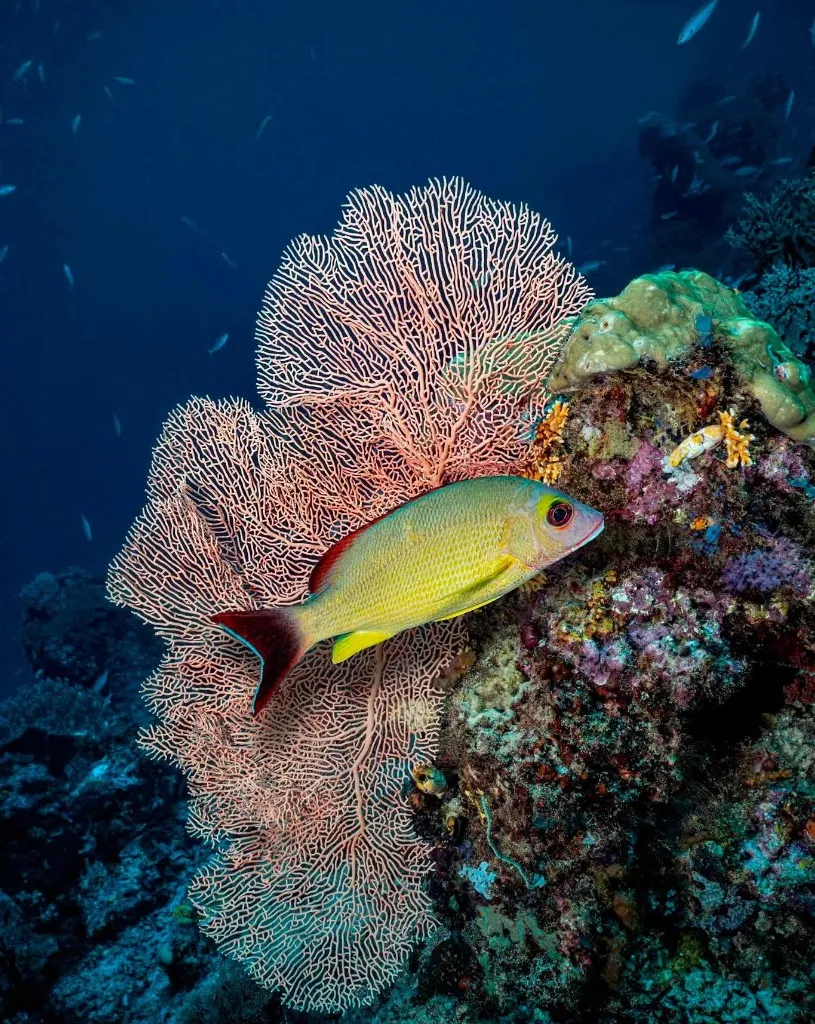
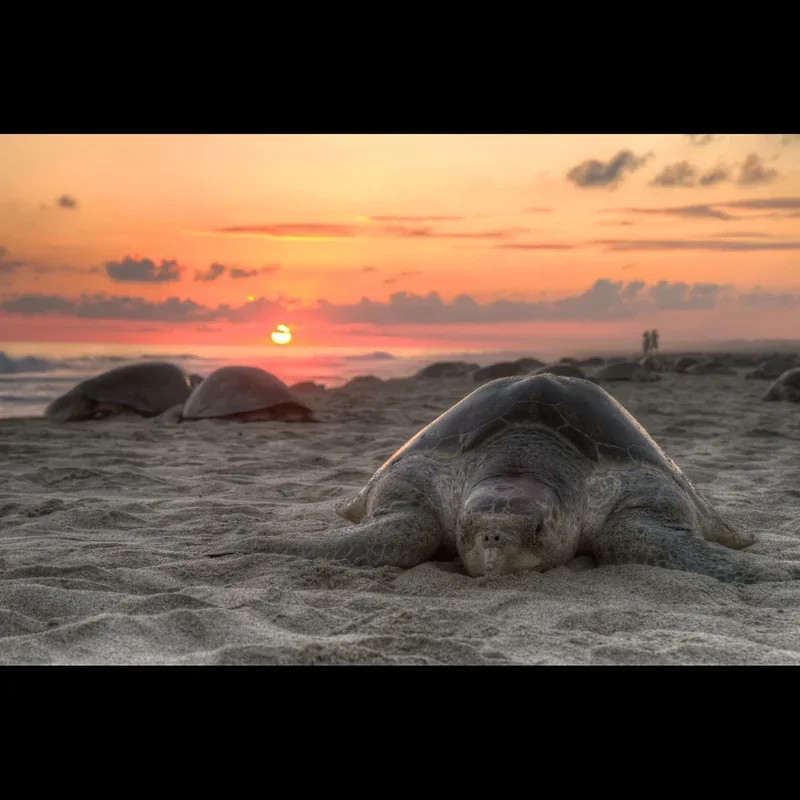
True to its name, Turtle Rock is a frequent haunt for sea turtles, particularly hawksbills, often spotted grazing on the reef. Peering into the granite crevices and under ledges often reveals giant moray eels, along with various species of sweetlips, snappers, and groupers.
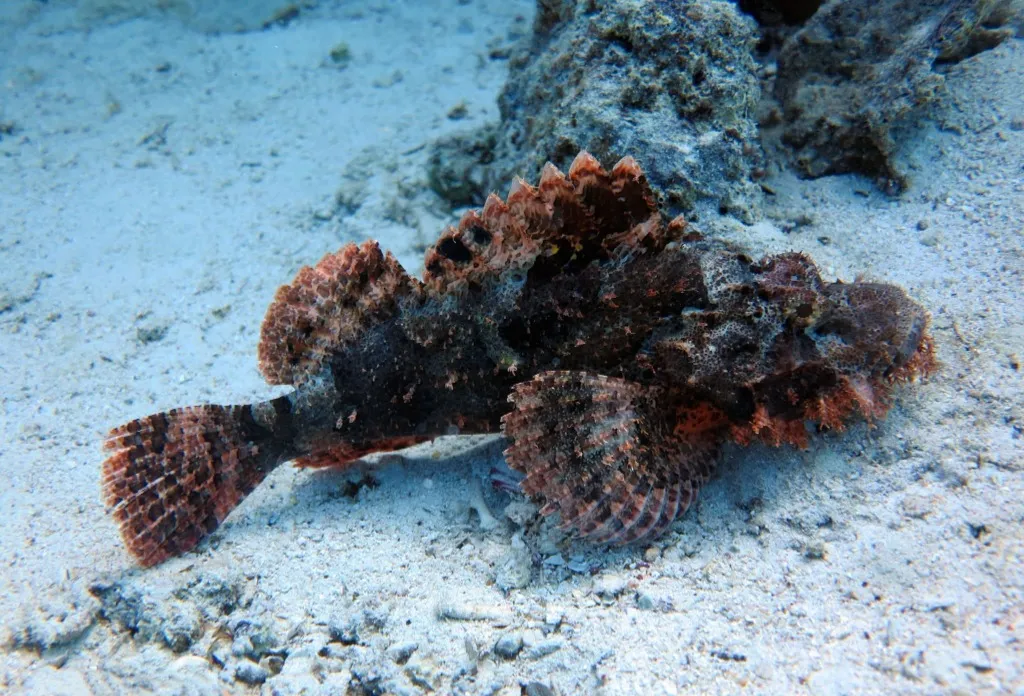
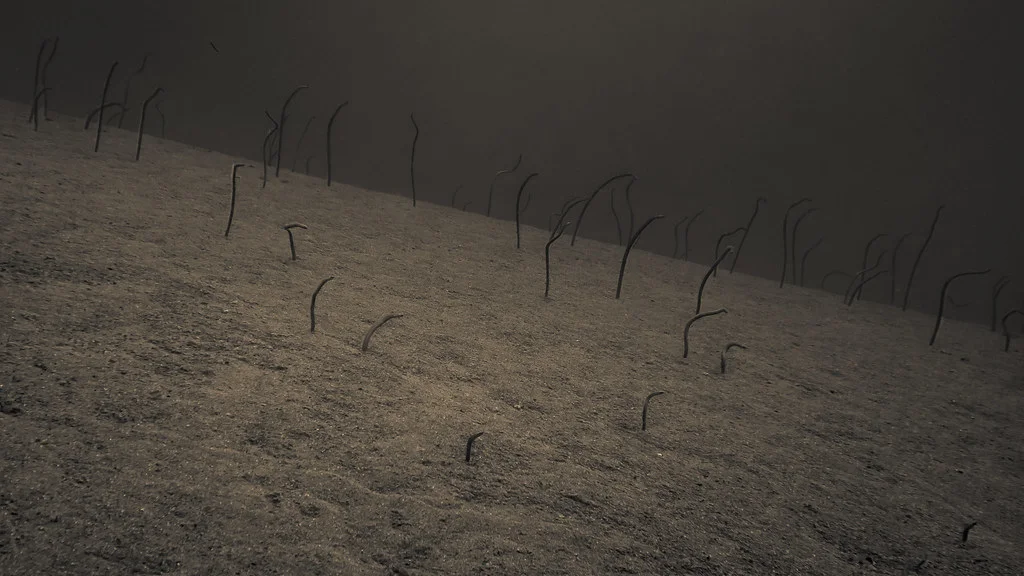
On the sandy expanses, divers might observe Kuhl’s stingrays and shy garden eels. Keep an eye out for smaller wonders too, such as colorful nudibranchs and cleverly camouflaged scorpionfish amongst the corals.
The site offers a consistent chance to encounter a rich diversity of reef residents and transient visitors.
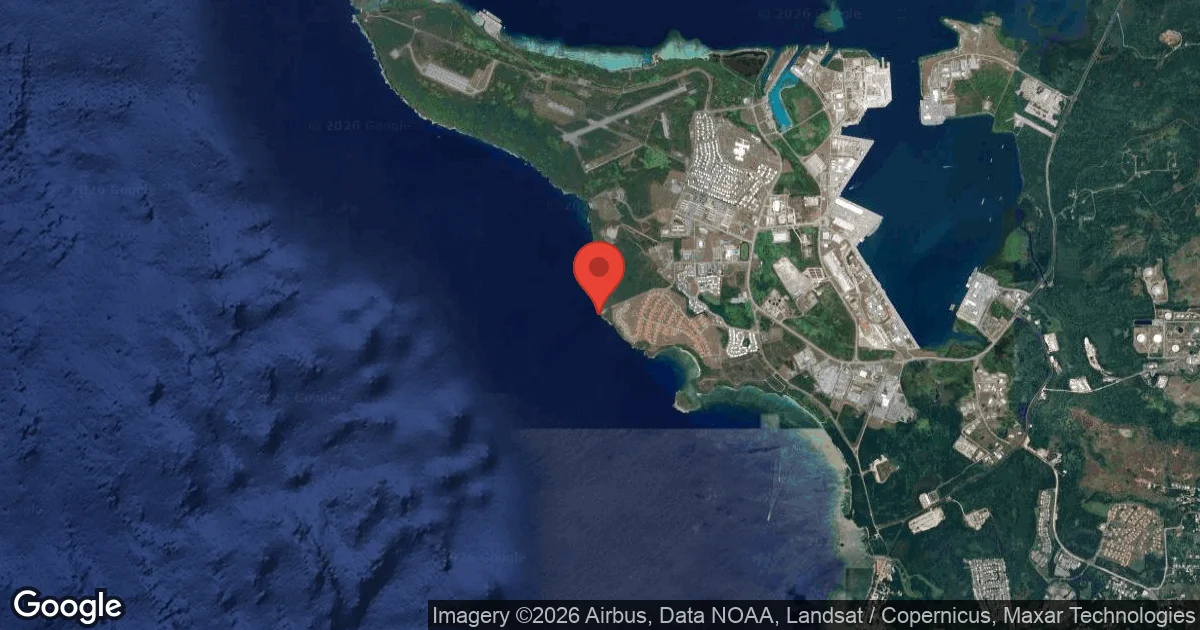
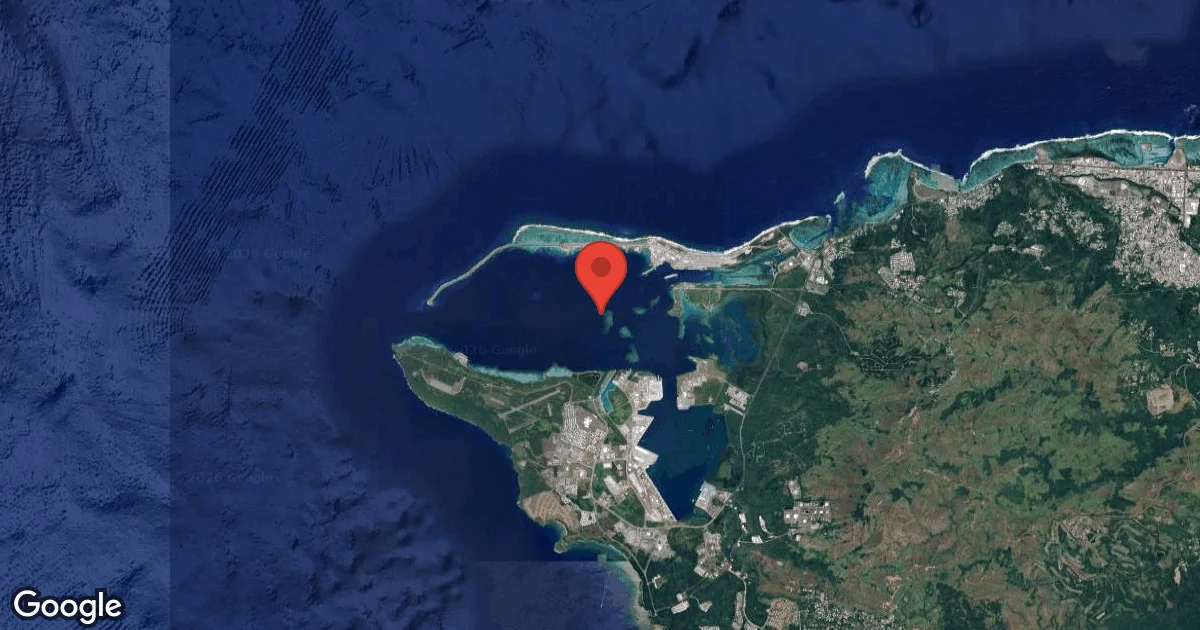
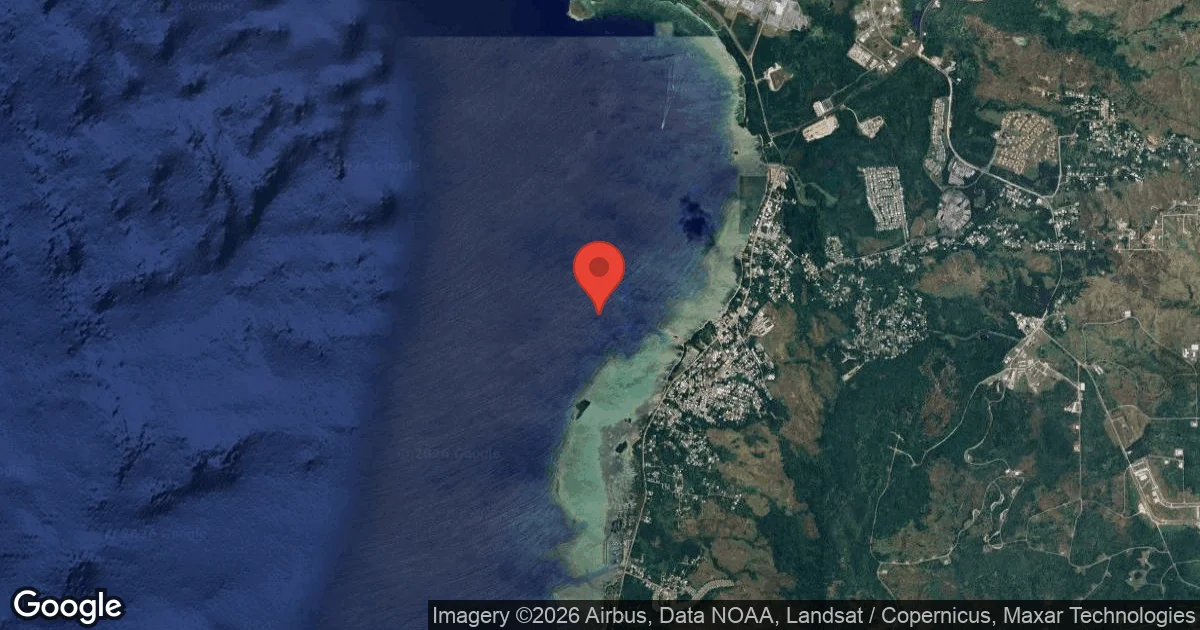
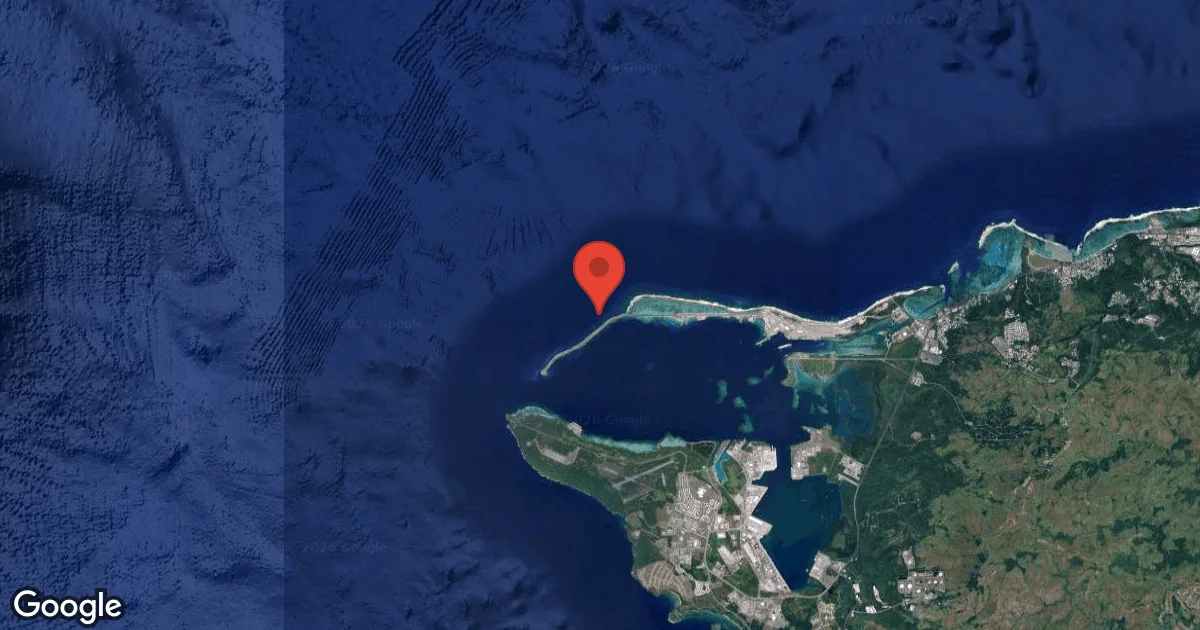
Dive Sites Near Turtle Rock
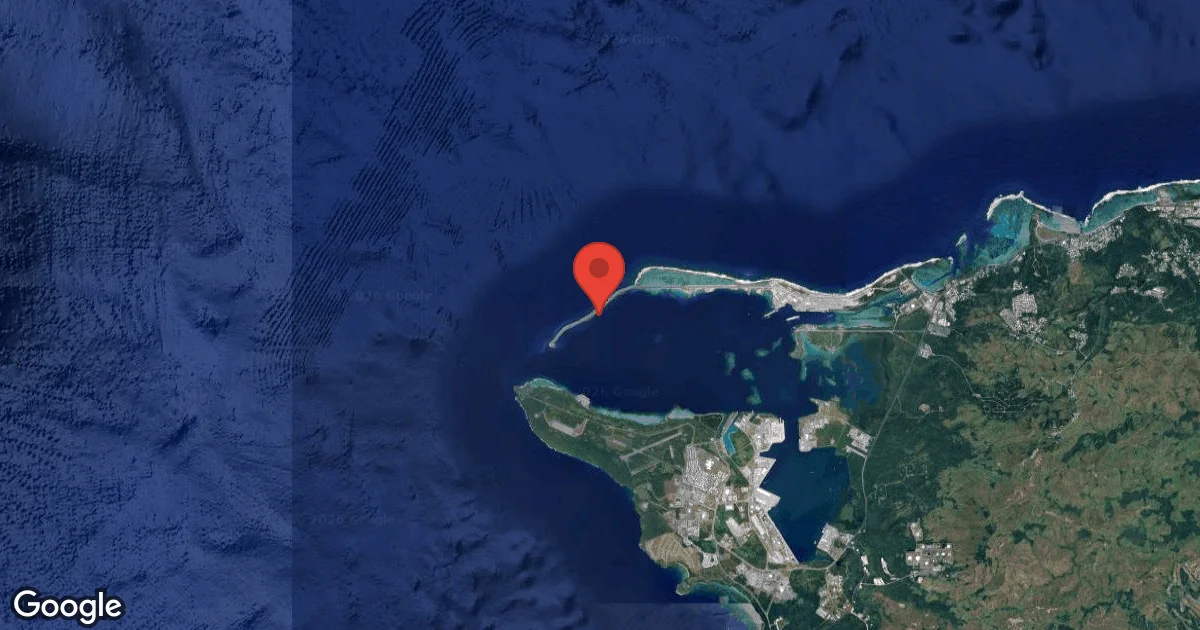
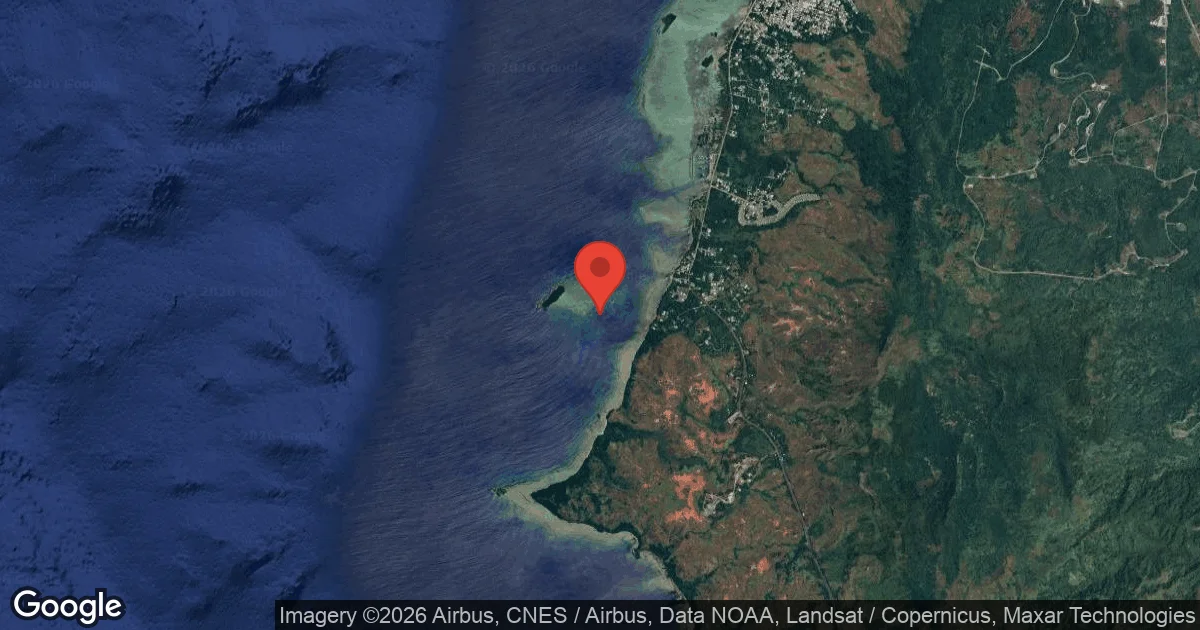
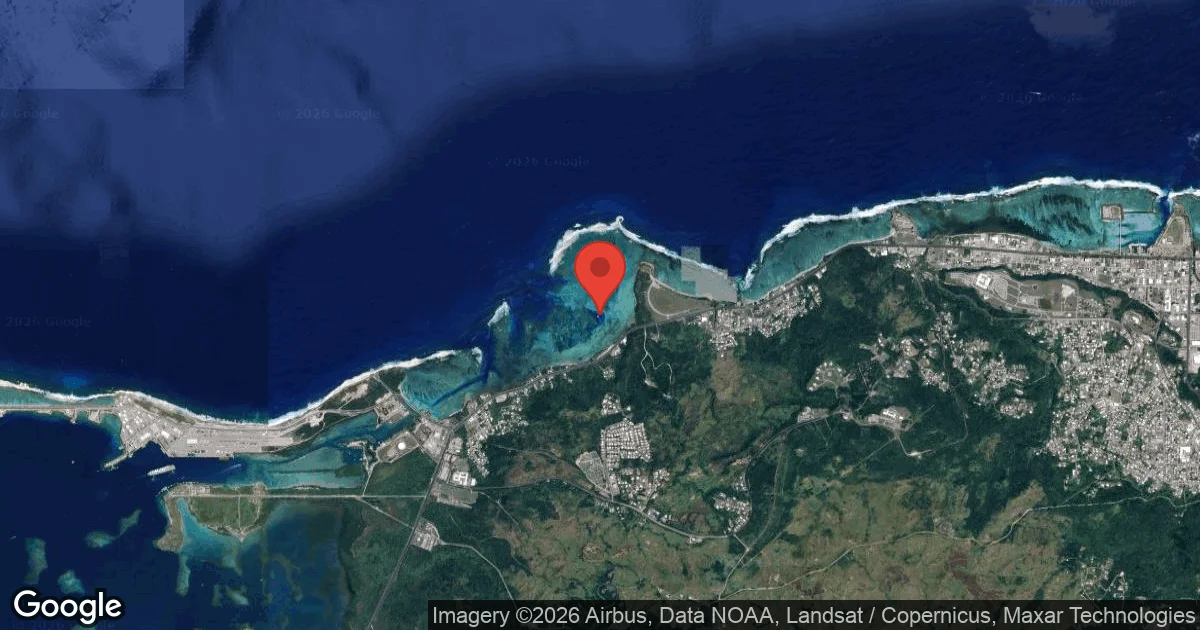
View all dive sites in IndonesiaDiscover more underwater gems in this area.
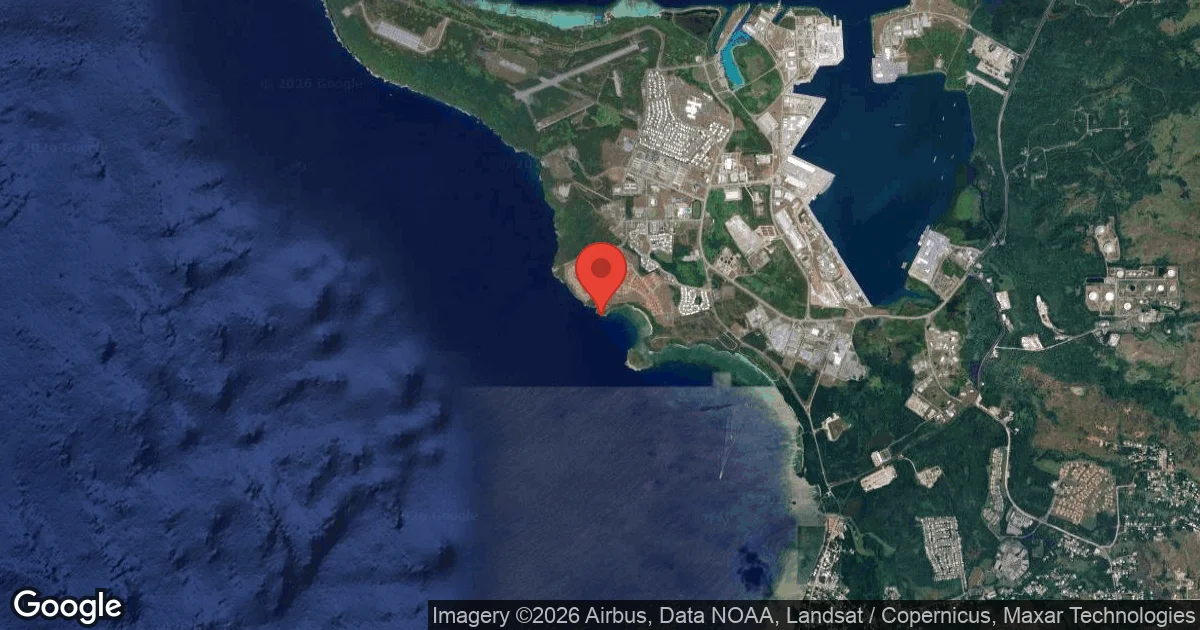
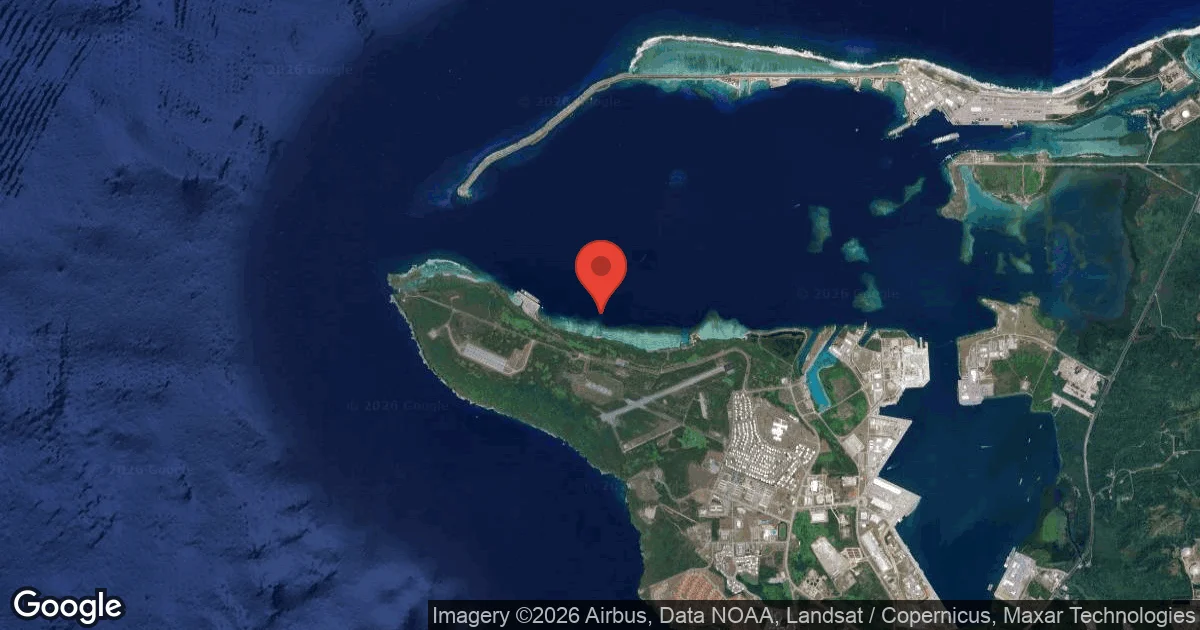
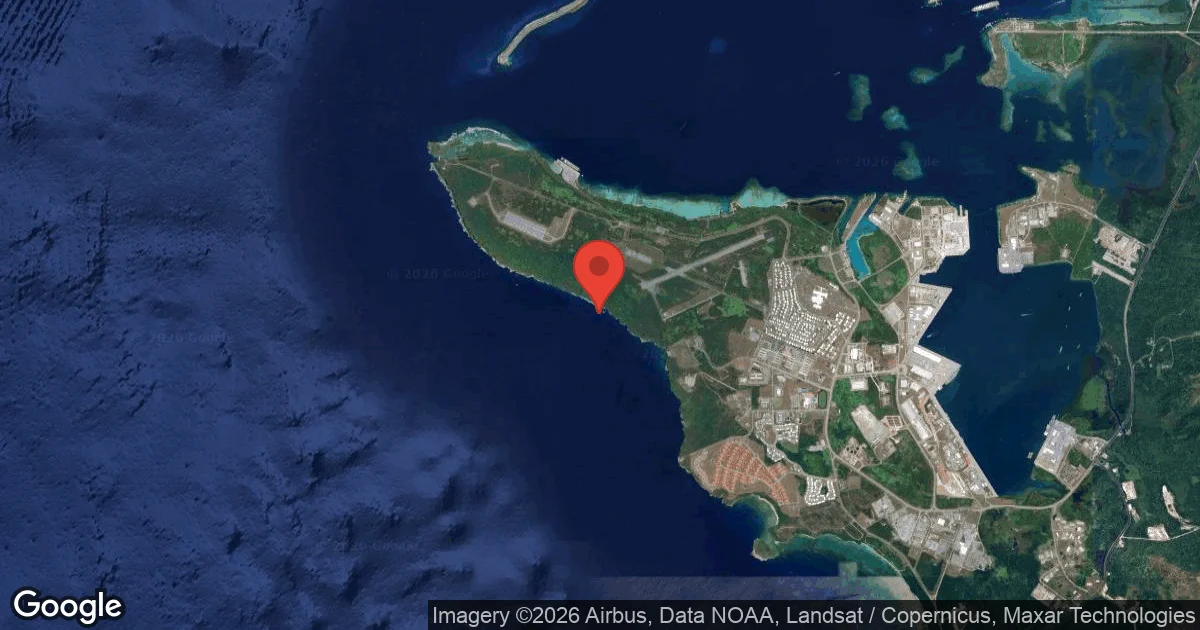
Dive Centers Near Turtle Rock
No Dive Centers Local To Turtle Rock
Are you a dive center visiting this location? Get listed to reach divers.
Nearest Airports
Nearest airports to help plan travel to this dive area.
Frequently Asked Questions
What is the maximum depth at Turtle Rock?
The main diving area at Turtle Rock ranges from 10 to 25 meters (33 to 82 ft). Some sandy bottom sections can extend to around 25 meters, while shallower areas are found at 8 to 10 meters.
Are there currents at the site?
Currents at Turtle Rock are generally described as mild to gentle. However, divers should always be prepared for potential shifts and maintain good situational awareness, especially when drifting.
What kind of marine life can I expect to see?
Divers frequently encounter sea turtles, especially hawksbills. Other common sightings include moray eels, sweetlips, snappers, groupers, angelfish, Kuhl’s stingrays, garden eels, nudibranchs, and scorpionfish.
Are there any swim-throughs at Turtle Rock?
Yes, Turtle Rock is known for having several natural swim-throughs carved into its granite formations. These offer exciting passages for exploration, adding an adventurous element to the dive.
What skill level is required for diving here?
The site is considered suitable for beginner divers due to its mild currents and varied depths. However, navigating swim-throughs requires good buoyancy control, so it's enjoyable for divers of all levels.
How is visibility typically at Turtle Rock?
Visibility at Turtle Rock generally ranges between 15 and 20 meters (49 and 66 ft). Conditions can improve during drier months with less rainfall and stable currents.
Planning to dive Turtle Rock?
Send one inquiry and receive offers directly from the best verified local dive operators.
Conditions are Moderate
Optimal conditions expected
Current conditions near Turtle Rock show 28° air, 30° sea temperature, N/A waves, and 30 km/h wind. Forecast data is refreshed regularly to ensure accuracy.