
Diving at American Tanker (Indonesia)
Descending upon the American Tanker, a tangible sense of history unfolds beneath the surface. The cool Indonesian currents gently guide you towards the vast, silent skeleton of a World War II vessel. Sunlight filters through the water, illuminating structures encrusted with life, creating an atmospheric tableau that feels both solemn and vibrant. It's an immersive experience, connecting divers to a moment frozen in time.
Evening condition tracking at American Tanker features an air temperature of 28.5°C. We have recorded wave heights measuring 1.5 m during this period. These figures outline the environmental parameters currently present.
Dive Site Location & Key Facts
Dive Site Overview
For divers exploring Bali's underwater realm, the USAT Liberty wreck stands as a foundational dive site, continuously attracting global interest since the 1980s. Resting peacefully off Bali's northeast coast, its location close to shore allows for excellent accessibility, accommodating various diver skill levels.
Ship's structure, largely fragmented by a 1963 volcanic eruption and the passage of time, now lies scattered across a sandy slope. Despite its broken state, numerous identifiable mechanical components remain, offering compelling points of exploration. Divers regularly encounter boilers, ladders, and valves, each section contributing to the site's rich historical narrative and thriving ecosystem.
Parts of the vessel begin at a depth of merely 5 m (16 ft), extending down to approximately 28 m (92 ft) at its deepest sections, providing extensive opportunities for both recreational and advanced divers. Its sprawling nature encourages exploration of different areas over multiple dives, revealing how ocean life has thoroughly reclaimed the wartime relic.
Conditions are Moderate
Optimal conditions expected
Current conditions near American Tanker show 28° air, 30° sea temperature, 1.7 m waves, and 22 km/h wind. Forecast data is refreshed regularly to ensure accuracy.
Best Time to Dive
Planning a dive at the American Tanker benefits from understanding seasonal patterns, with 'Good' conditions typically reported during April and June. April generally offers pleasant atmospheric conditions, with air temperatures averaging near 28°C (82°F). Rainfall volumes tend to be lower then, accompanied by moderate wave heights, recorded at about 1.1 m (3.6 ft). June also maintains comfortable air temperatures, approximately 28°C (82°F), and brings the calmest wave conditions, averaging 0.9 m (3.0 ft), even with slightly increased average rainfall compared to April. While specific water temperature data isn't consistently available for the immediate site, waters across this region remain warm year-round, ensuring comfortable diving regardless of the season. Divers can explore the wreck outside these peak months, though conditions might vary and generally fall into a 'Moderate' rating for overall experience.
PEAK SEASON SCORE
Scores combine air & water temps, waves, wind & rainfall for overall conditions.
BEST MONTHS TO DIVE
Monthly records compiled from satellite and marine observation nodes over the last 3 years. Data provided by Open-Meteo and MET Norway.
Dive Experience & Conditions
The USAT Liberty wreck is quite accessible, making it suitable for divers with various certification levels. Its proximity to the shore allows for straightforward entry, often as a beach dive. The wreck stretches from shallow depths of 5 m (16 ft) down to its deepest sections at around 28 m (92 ft), providing ample opportunities for exploration. While the visibility varies depending on conditions, it is generally rated as good, allowing for clear views of the extensive wreckage and its marine inhabitants. The fragmented nature of the ship means divers can navigate through various sections, observing the impact of time and the ocean on its structure.
Dive Difficulty & Safety Guidelines
Diving the American Tanker requires adherence to standard wreck diving protocols, particularly given its historical and fragmented nature. While much of the wreck is within recreational limits, those intending to explore the deeper sections, approaching 30 m (100 ft), should hold an Advanced Open Water certification or equivalent.
Maintaining excellent buoyancy control is crucial to protect the delicate marine growth covering the wreck and to avoid stirring up silt, which can reduce visibility. Always dive within your training and comfort limits, and consider diving with experienced local guides who know the site's layout.
Recommended Equipment
Overhead / entanglement risk. Wreck penetration requires proper training.
- Dive Computer
- DSMB
- Primary & Backup Lights
- Wreck Reel
- Cutting Tool
This gear list is based on verified equipment signals for American Tanker, Indonesia. Always confirm final gear choices with your dive operator, guide, or liveaboard.
Recommended Dive Suit
With water temperatures around 30°C (86°F), many divers find a dive skin or rash guard provides comfortable protection.
Local dive briefings can provide the most accurate guidance.
The upcoming forecast points to generally steady conditions in the area.
Due to technical issues with our weather providers, live updates are temporarily delayed. The data above reflects the conditions at the time of the last successful fetch.
Emergency & Medical Support
Essential information to help you plan your dive trip to American Tanker.

Hyperbaric chambers are a critical part of dive safety infrastructure. Availability varies significantly by region, and not all dive areas have immediate access.
Before diving, it's recommended to:
- confirm nearest medical facilities
- check emergency procedures with local dive operators
- ensure dive insurance covers evacuation if required
Divers Alert Network
Diving emergency assistance available through DAN World.
+1-919-684-9111- 24/7 emergency hotline
- Diving medical assistance
- Evacuation coordination
Emergency contacts are provided for reference. Always verify local emergency services before diving.
Marine Life at American Tanker
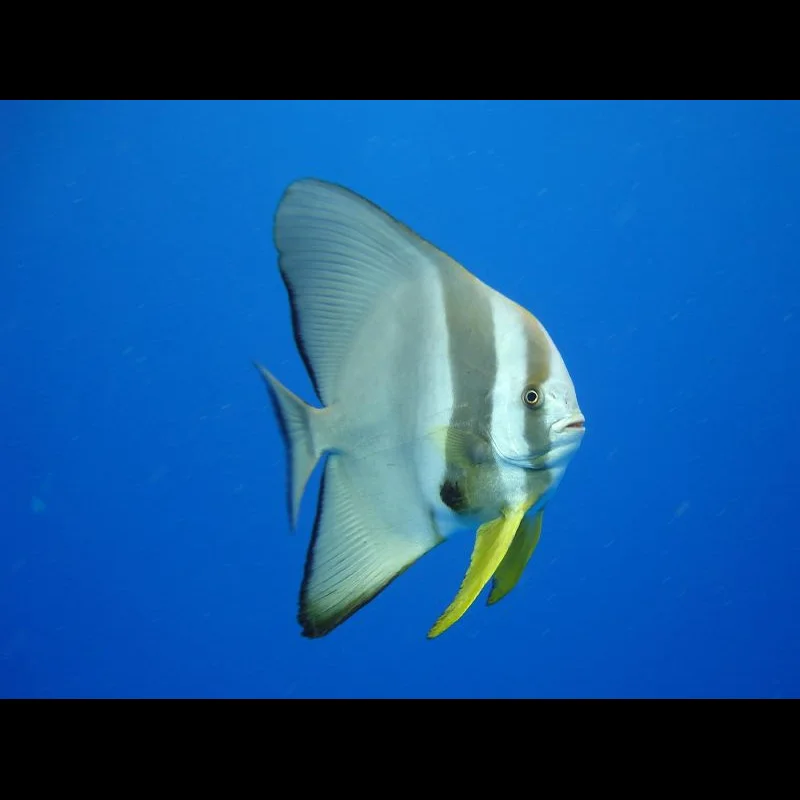
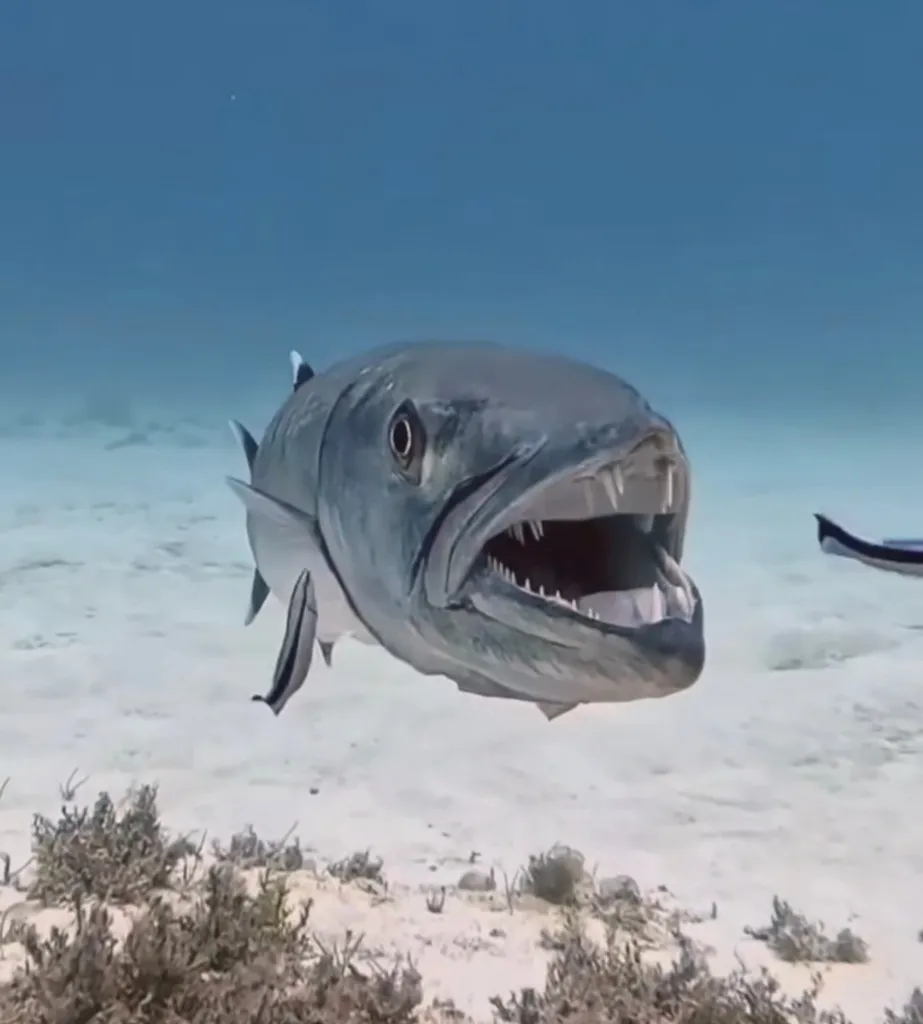
The USAT Liberty has transformed into a vibrant artificial reef, supporting diverse marine species. During a dive, you might encounter barracudas, batfish, and trevally schooling around the wreck's larger structures.
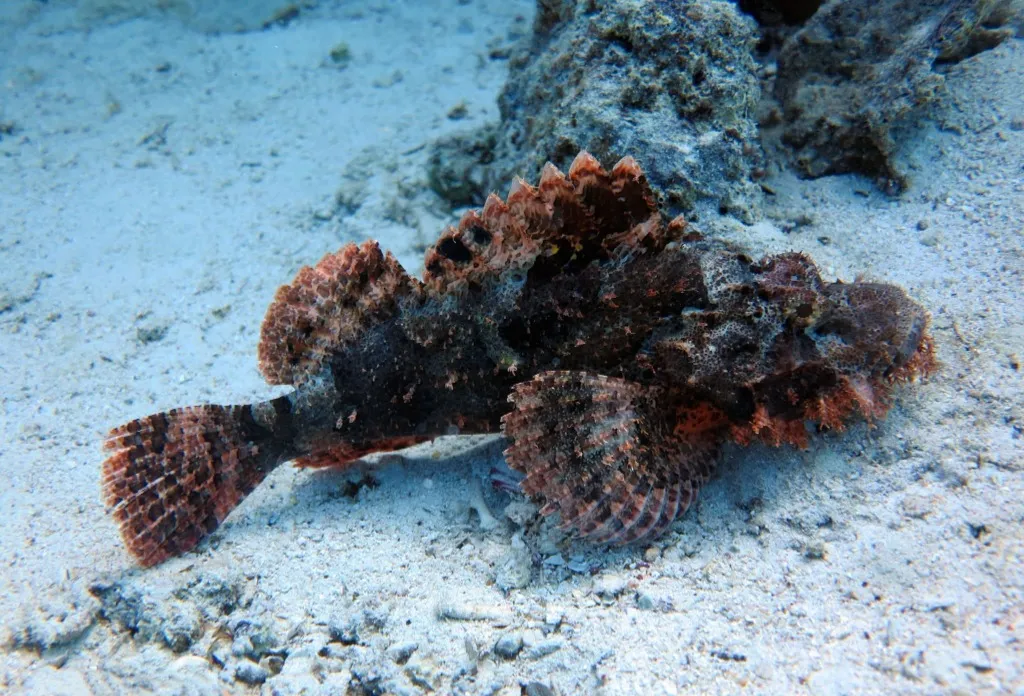
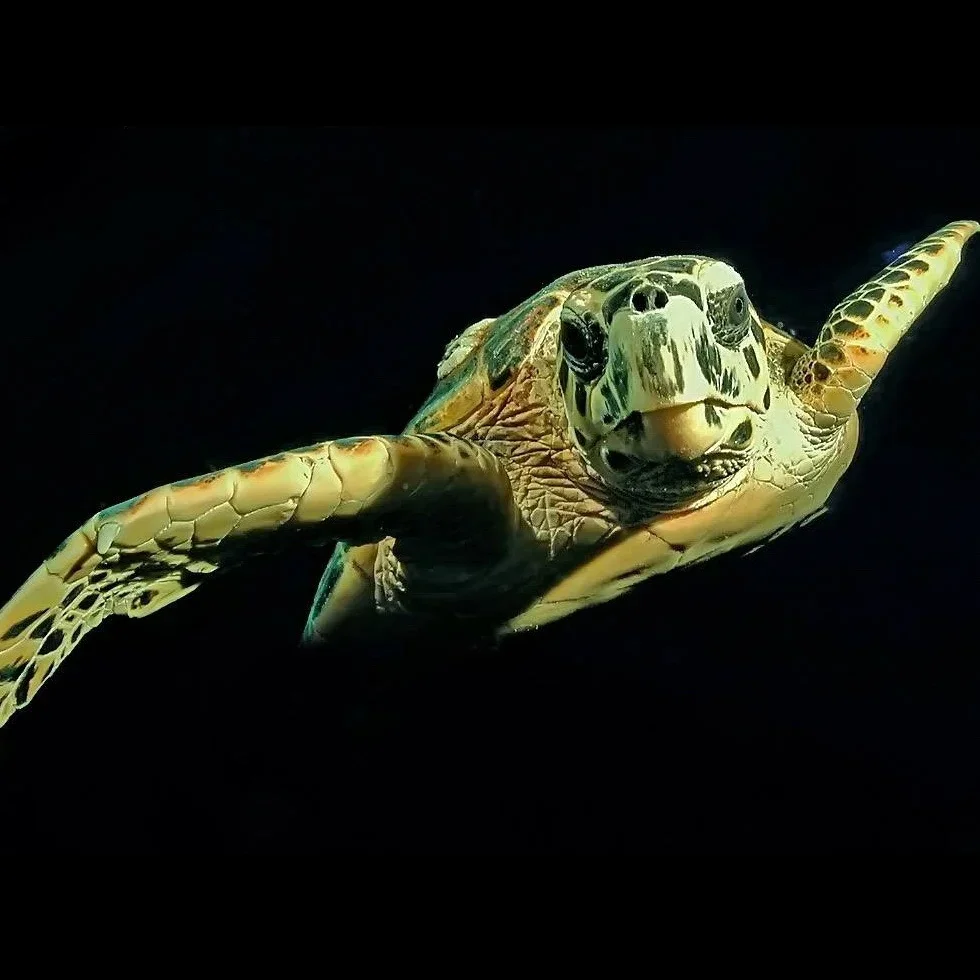
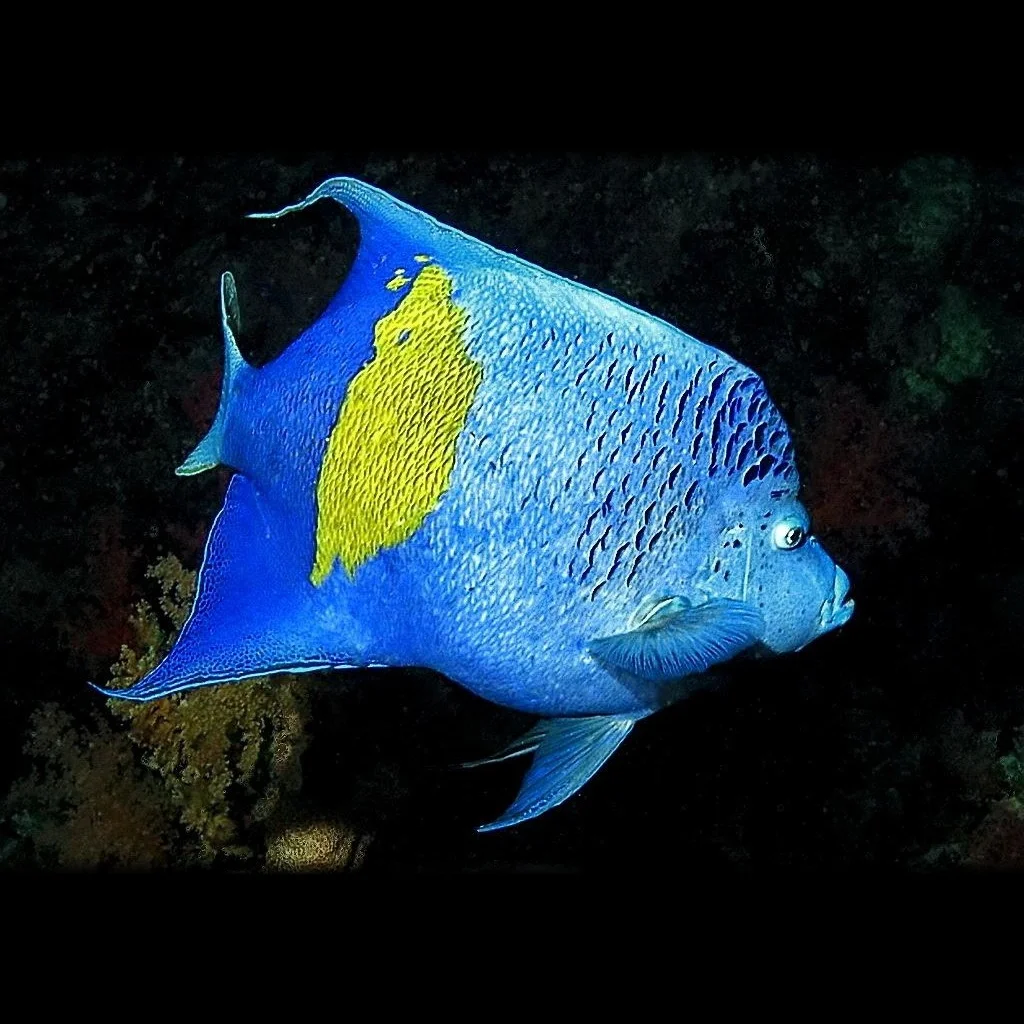
Smaller inhabitants include a variety of nudibranchs, often seen navigating the ship's surfaces, along with emperor and koran angelfish. Hawksbill turtles are observed, along with clownfish, leaf scorpionfish, and ornate ghost pipefish, adding to the site's appeal.
However, large aggregations of bumphead parrotfish and jackfish 'tornados,' once regular sights, are not consistently reported anymore.
Dive Sites Near American Tanker
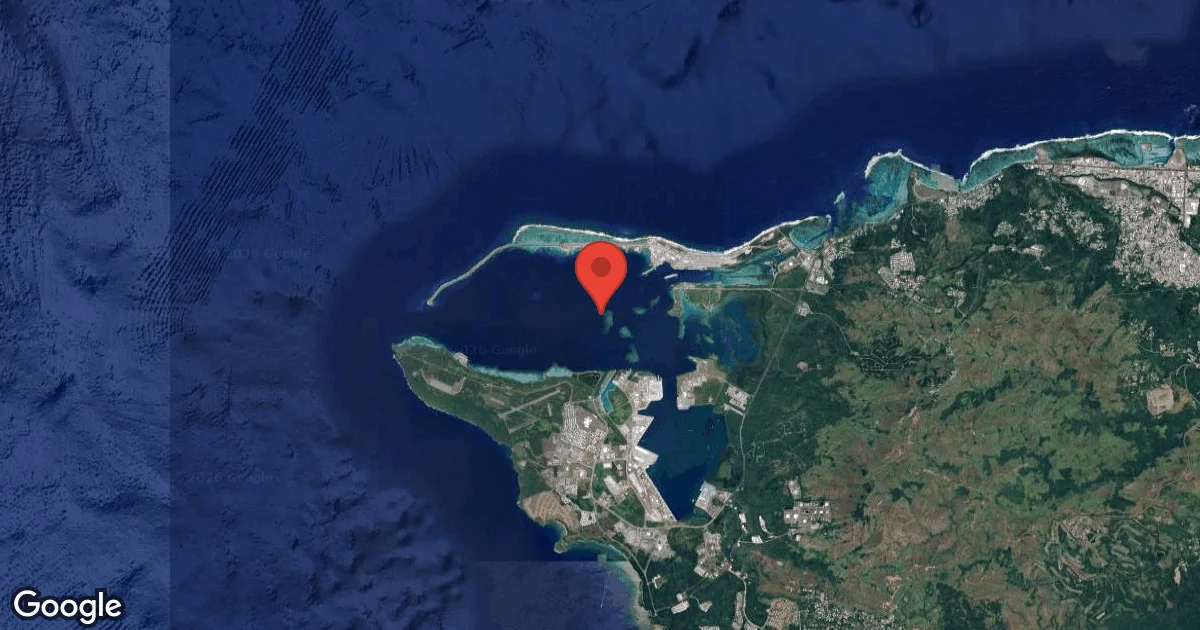
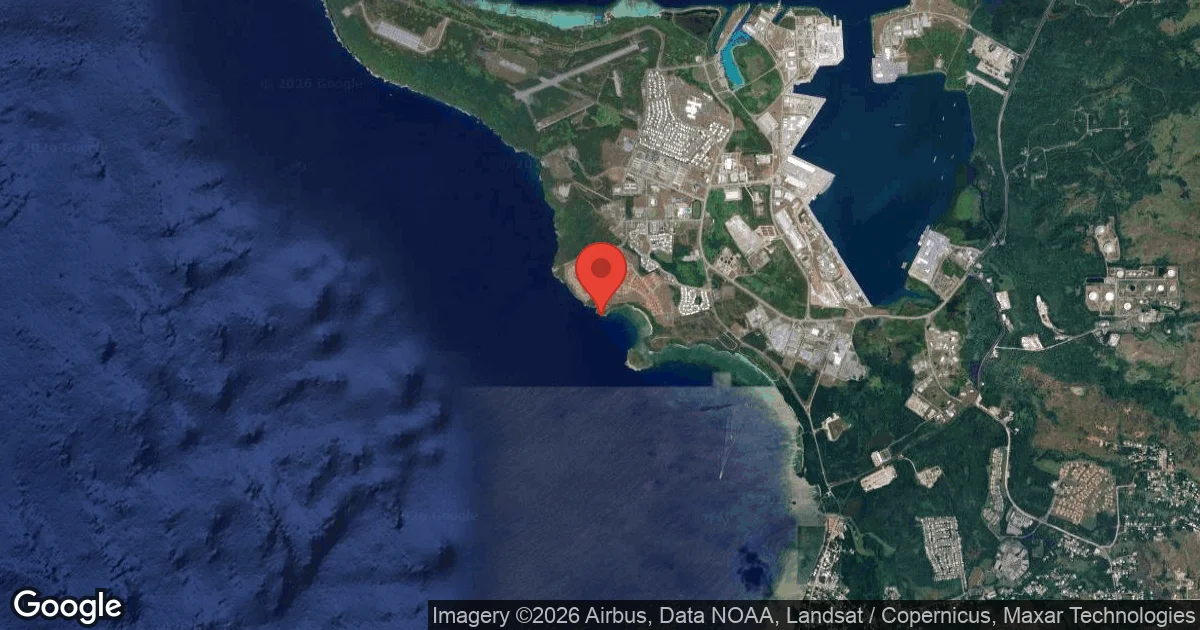
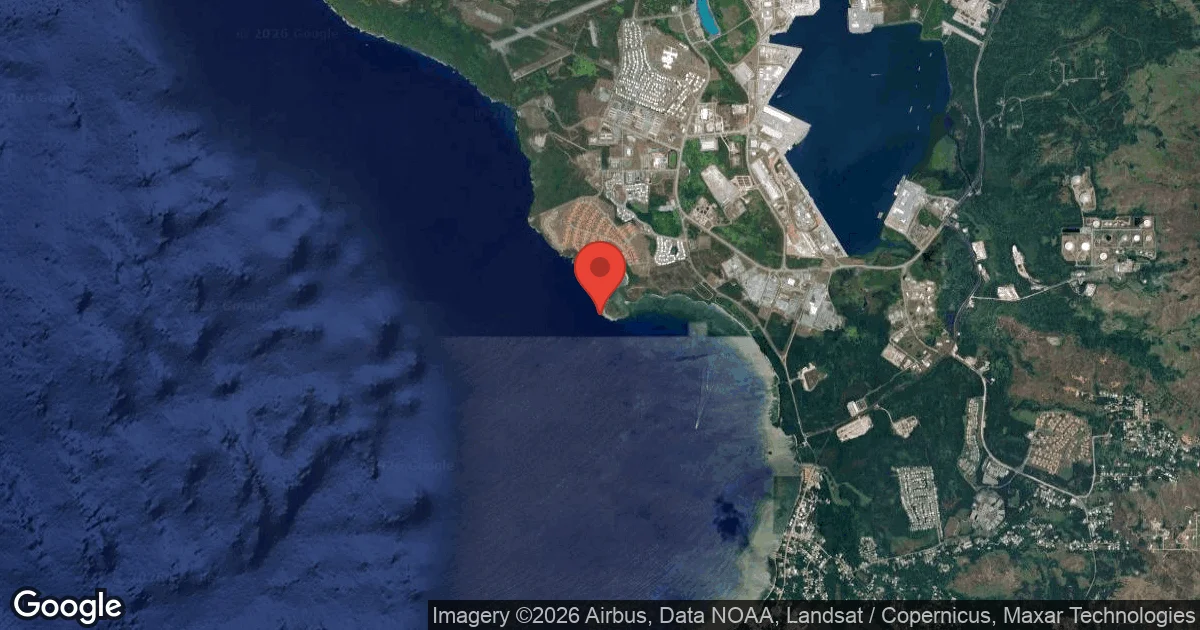
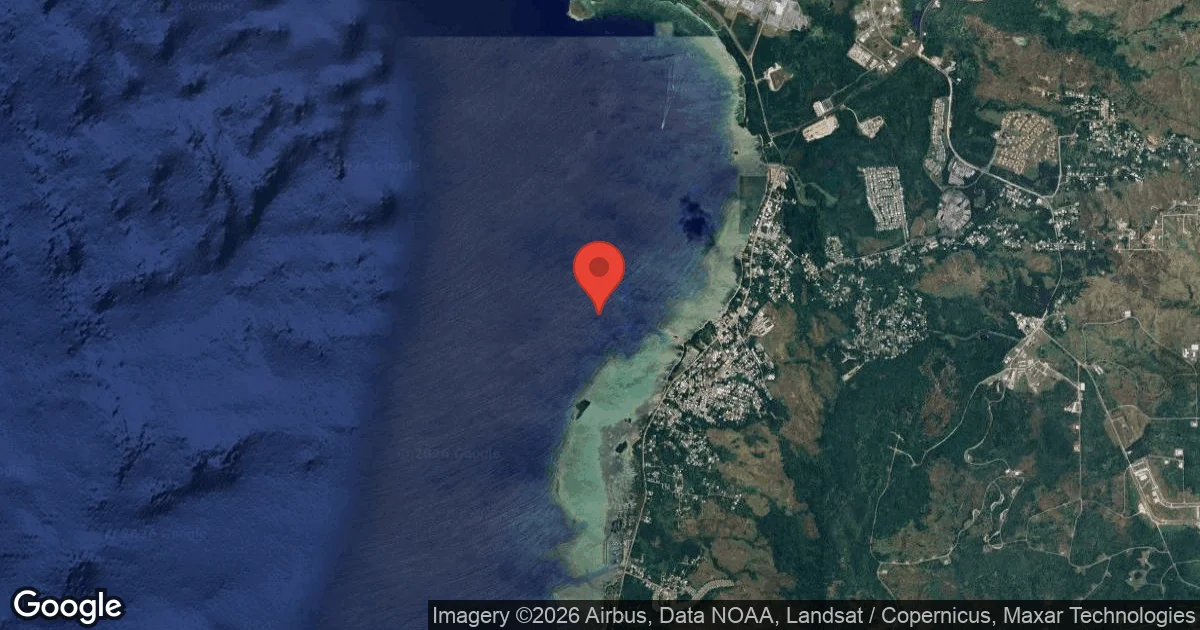
View all dive sites in IndonesiaDiscover more underwater gems in this area.
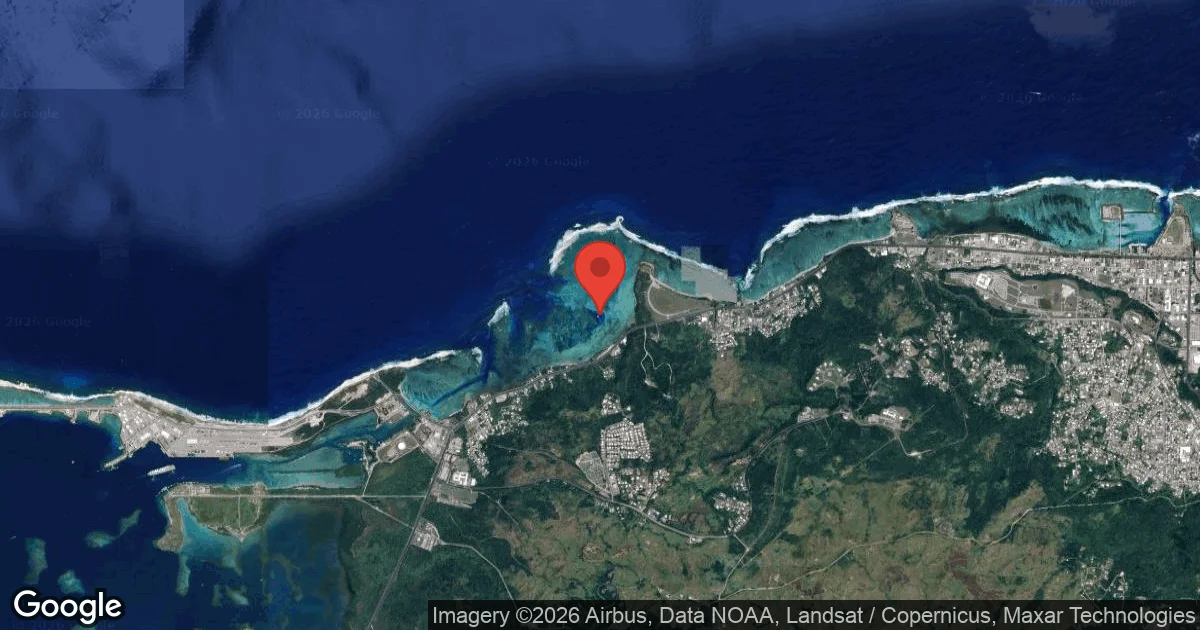
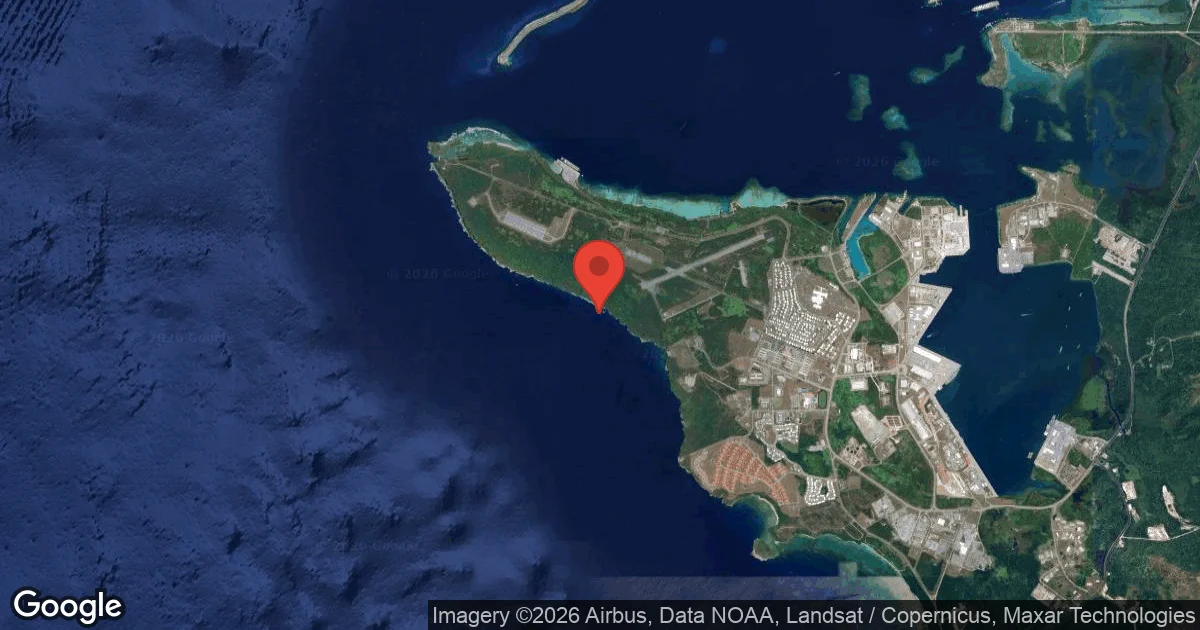
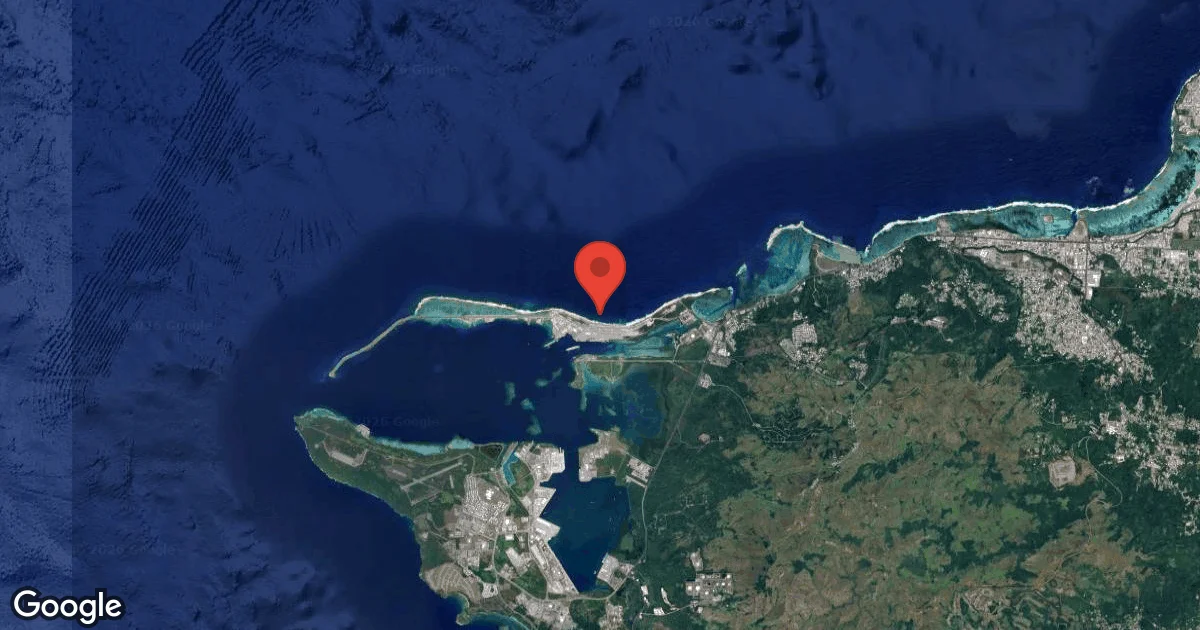
Dive Centers Near American Tanker
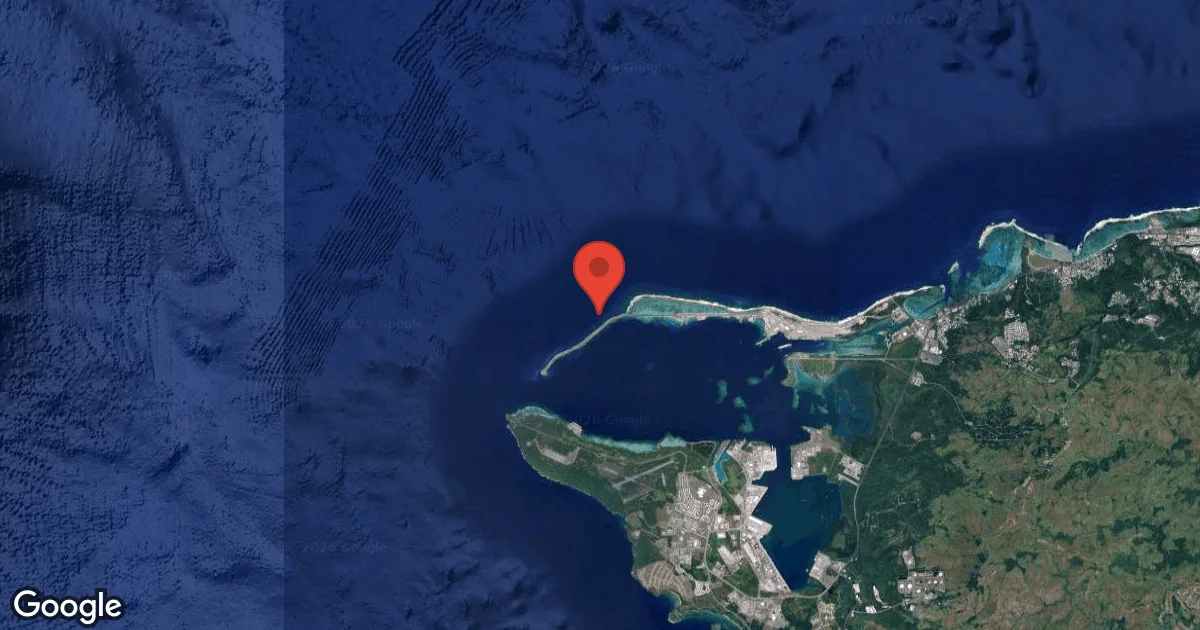
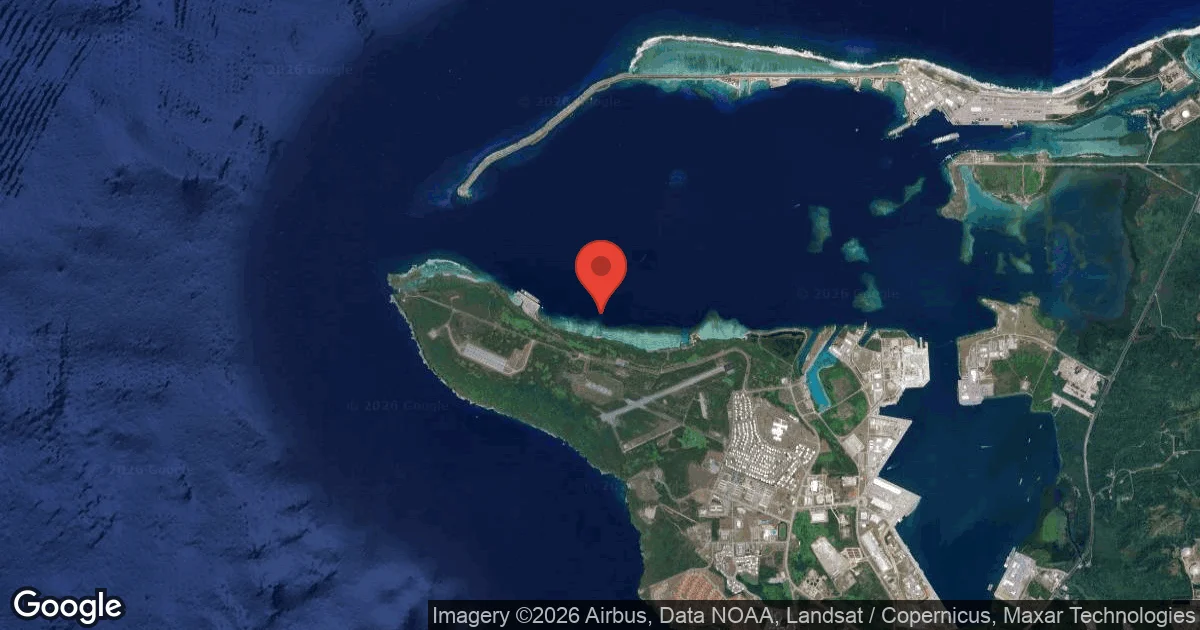
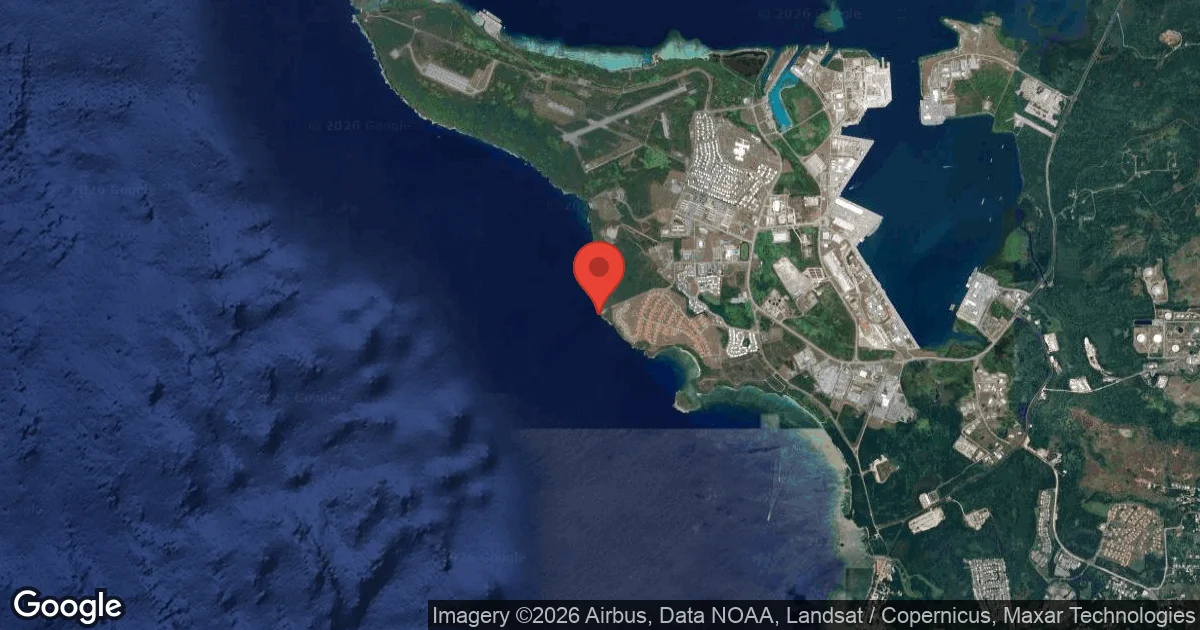
No Dive Centers Local To American Tanker
Are you a dive center visiting this location? Get listed to reach divers.
Nearest Airports
Nearest airports to help plan travel to this dive area.
Frequently Asked Questions
What is the maximum depth of the USAT Liberty wreck?
The deepest point of the USAT Liberty wreck is found at its bow, resting on a sandy slope at approximately 28 m (92 ft). However, some sources indicate recreational diving limits extend to 30 m (100 ft) at certain points, making it accessible for advanced divers.
Is the American Tanker suitable for beginner divers?
Yes, parts of the wreck are quite shallow, starting around 5 m (16 ft), making it suitable for beginner divers to explore. Its accessibility from the shore further enhances its appeal for those newer to diving.
What kind of marine life can I expect to see at the wreck?
Divers often encounter a variety of marine life, including barracudas, batfish, trevally, and hawksbill turtles. Look closer for unique species like leaf scorpionfish, ornate ghost pipefish, and numerous nudibranchs amongst the corals covering the wreck.
What are the best months to dive the American Tanker?
April and June are generally considered 'Good' months for diving, offering comfortable air temperatures, lower wave heights, and moderate rainfall. Diving is possible year-round, but conditions may vary, with other months typically rated 'Moderate'.
Is this a shore dive or a boat dive?
The American Tanker is primarily a shore dive. Its close proximity to the beach allows divers to enter the water directly from the coastline, making access relatively easy and convenient.
Can I penetrate the USAT Liberty wreck?
While parts of the wreck are broken and open, allowing for some swim-throughs, dedicated wreck penetration requires specialized training. Always evaluate the structural integrity and your skill level before entering any overhead environment, and consider diving with a guide who knows the safest routes.
What is the water temperature like at the USAT Liberty?
Specific water temperature data for this site is not consistently reported. However, as is typical for Bali, water temperatures generally remain warm throughout the year, usually ranging between 26-29°C (79-84°F) for comfortable diving.
Planning to dive American Tanker?
Send one inquiry and receive offers directly from the best verified local dive operators.
Conditions are Moderate
Optimal conditions expected
Current conditions near American Tanker show 28° air, 30° sea temperature, 1.7 m waves, and 22 km/h wind. Forecast data is refreshed regularly to ensure accuracy.