
Diving at Castle Rock (Indonesia)
Diving Castle Rock delivers a thrilling experience for seasoned divers, celebrated for its challenging currents and the incredible biodiversity they attract. This site frequently garners exceptional reviews, largely due to the sheer volume of marine life it supports. Expect a dynamic underwater adventure, where adapting to variable conditions reveals a profoundly rewarding spectacle of pelagic and reef activity.
As evening covers Castle Rock, the local air temperature is measured at 26.5°C. The current wave height at the surface is recorded at 0.4 m. These late-day readings characterize the surface conditions for the night.
Dive Site Location & Key Facts
Dive Site Overview
This iconic site is defined by a massive underwater seamount, or pinnacle, rising from the seabed. Its geological formation creates a dramatic vertical landscape that attracts significant pelagic activity.
The pinnacle's shallowest point begins around 5 m (16 ft) from the surface, offering a vibrant plateau before plunging into deeper waters, with diveable depths extending to approximately 35 m (115 ft). This structure acts as a natural magnet for marine life, particularly where the strong currents interact with its contours. A stunning coral garden thrives across the pinnacle's summit and its steep edges, presenting a colorful panorama of hard and soft corals.
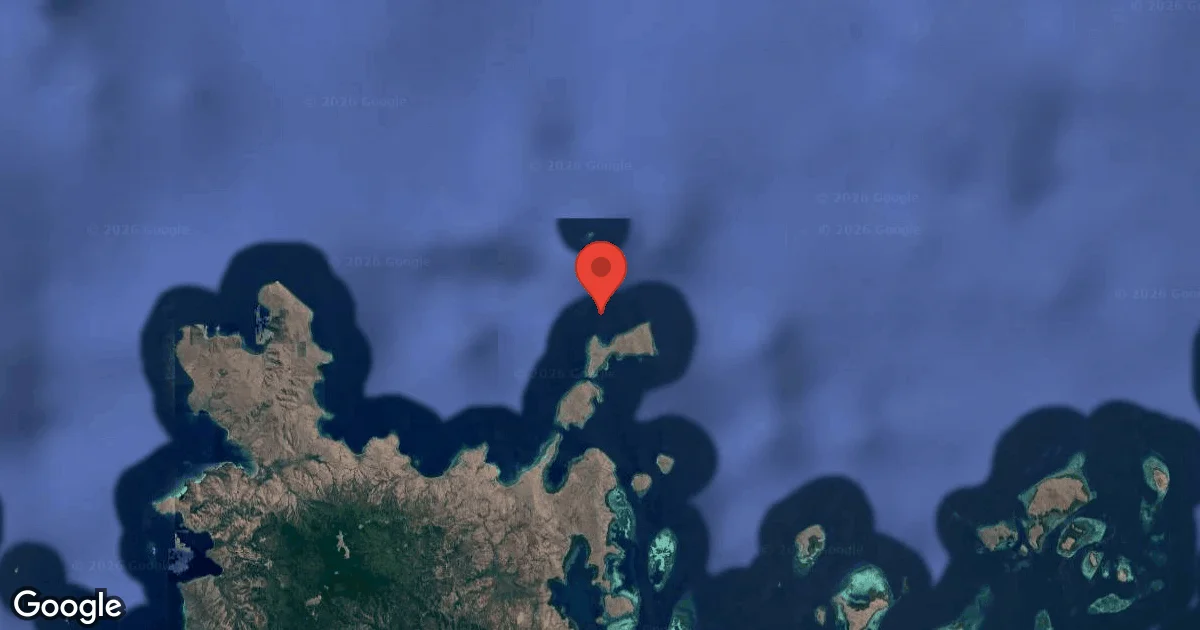
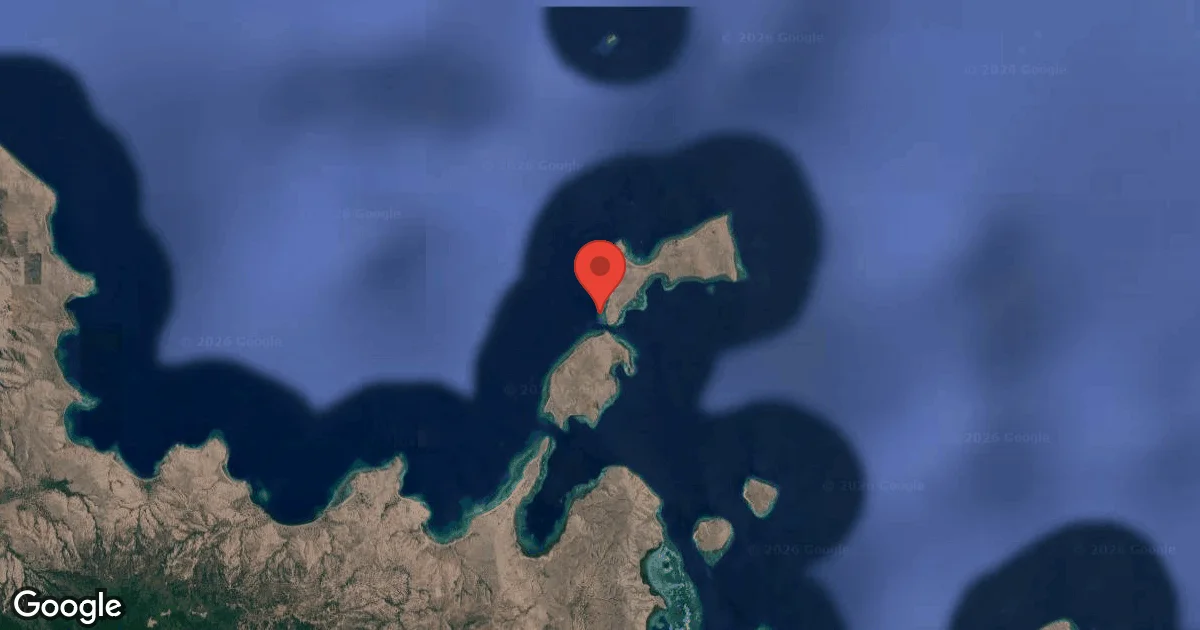
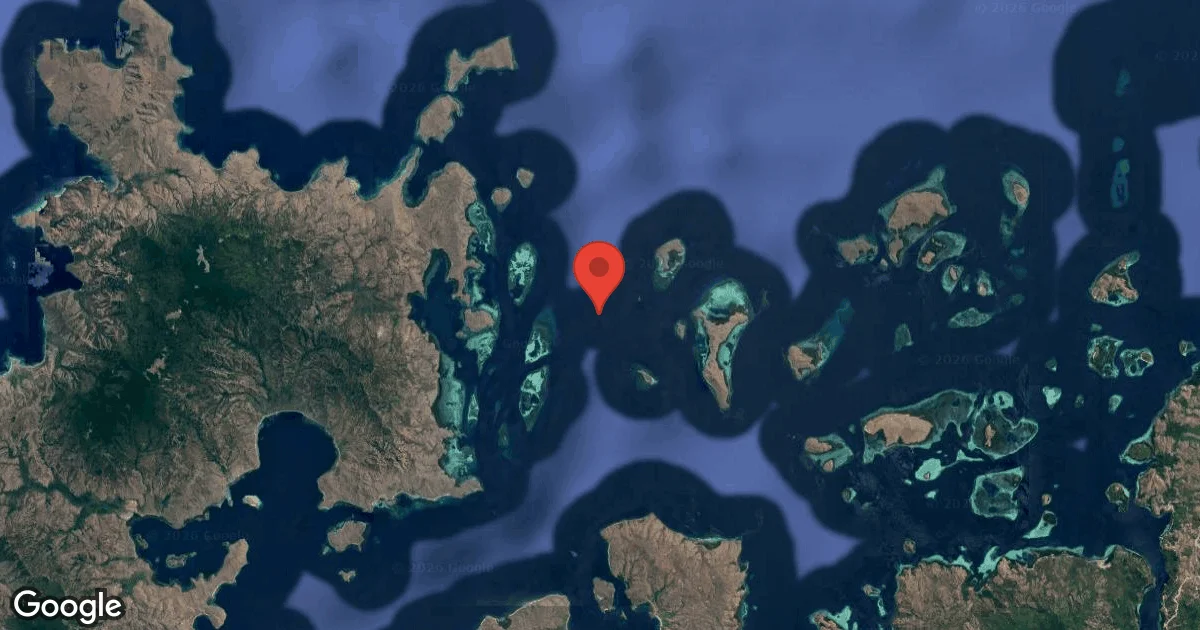
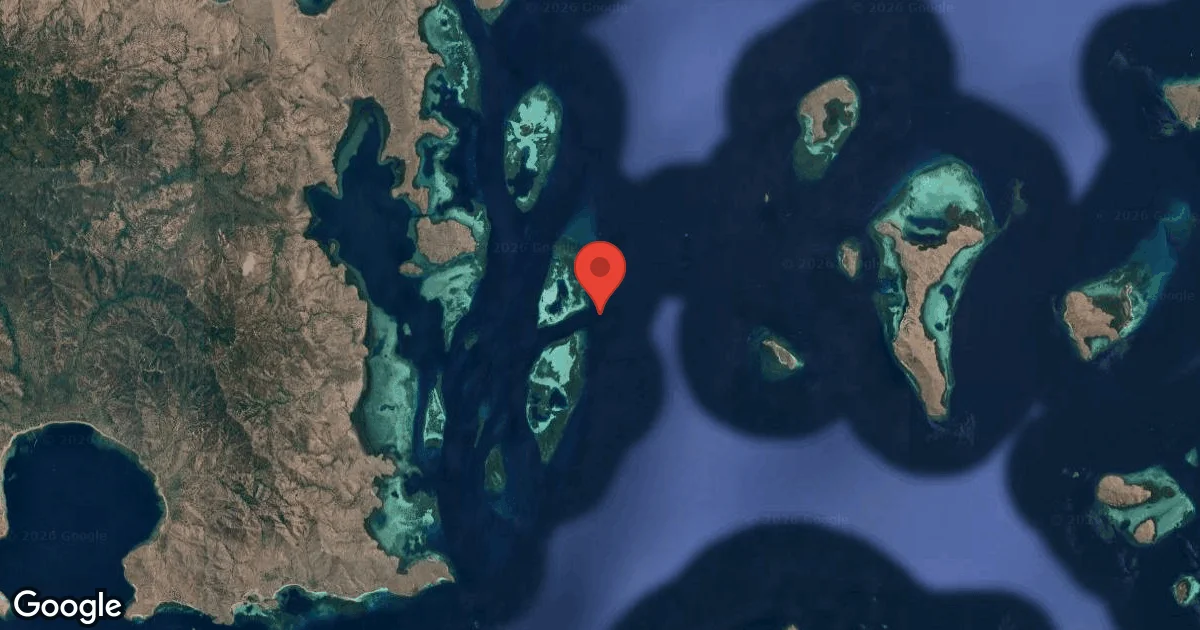
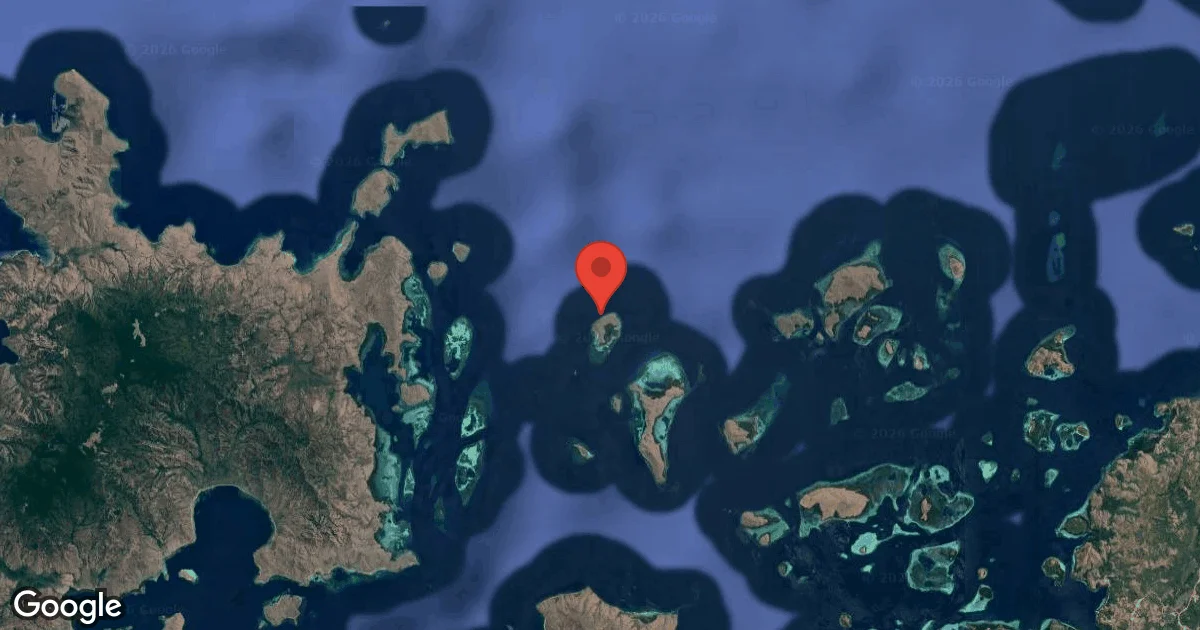
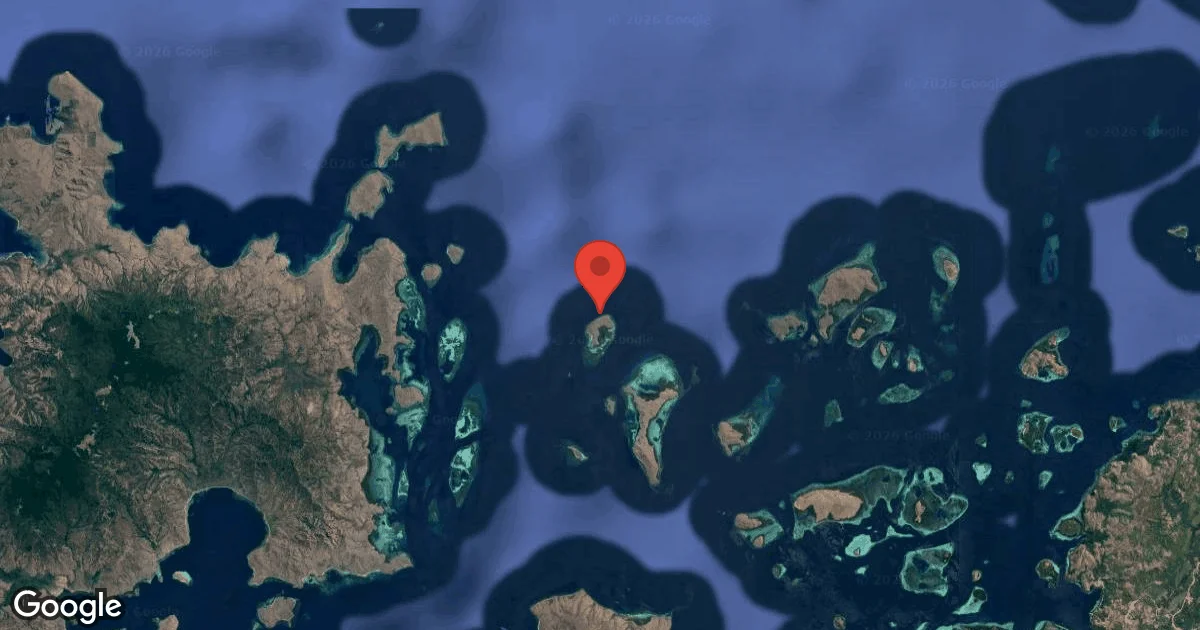
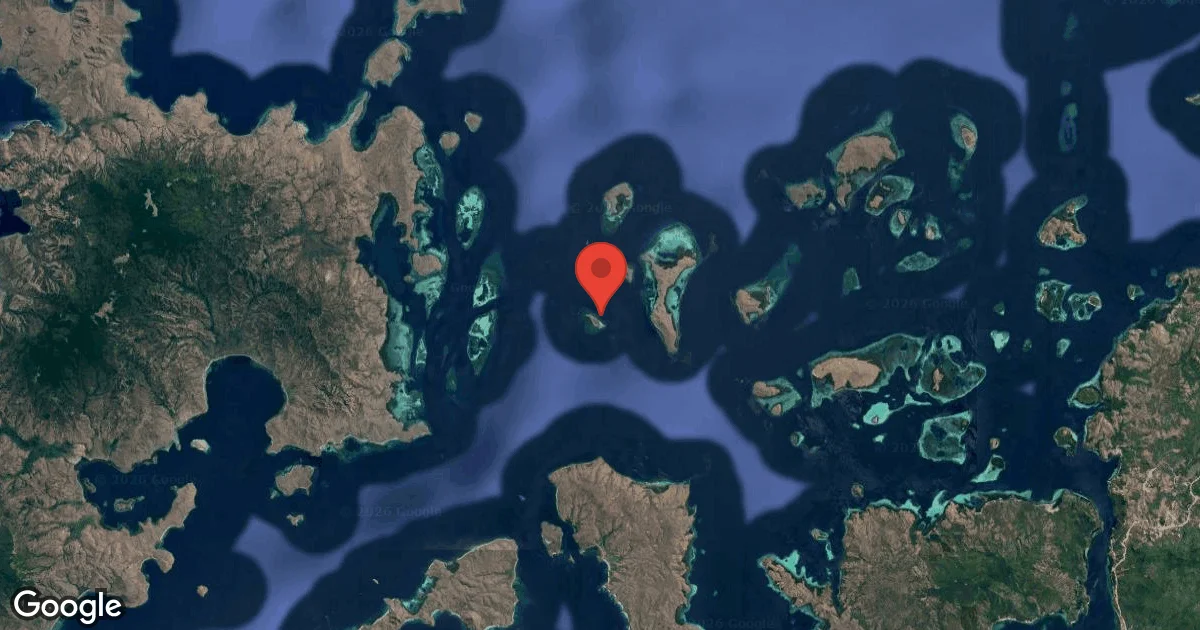
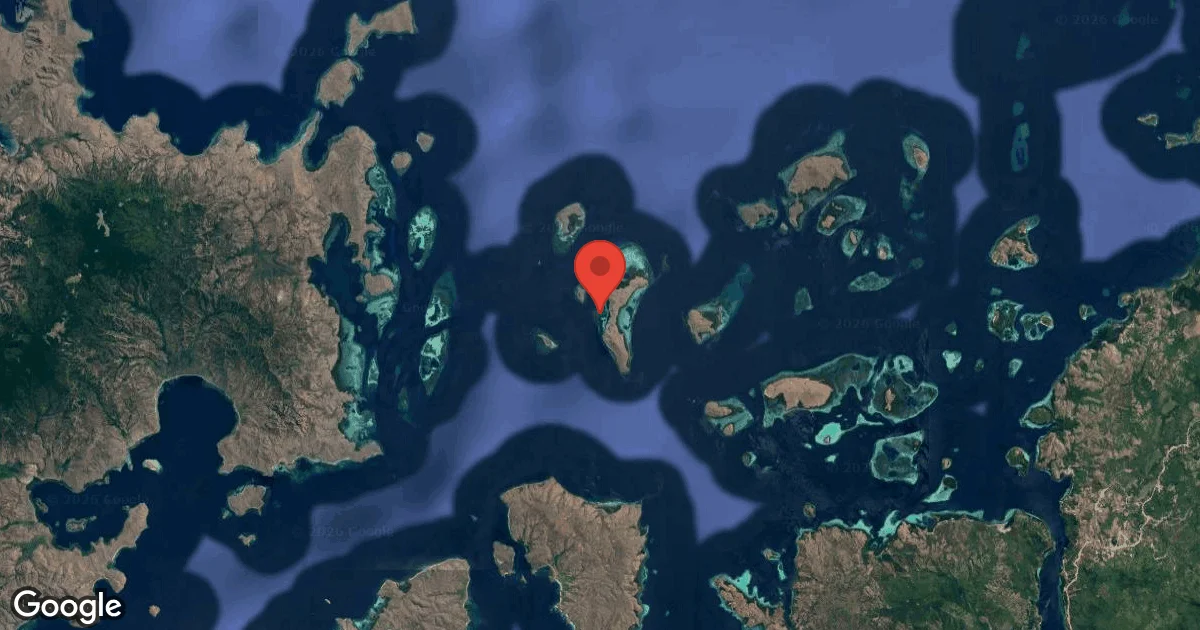
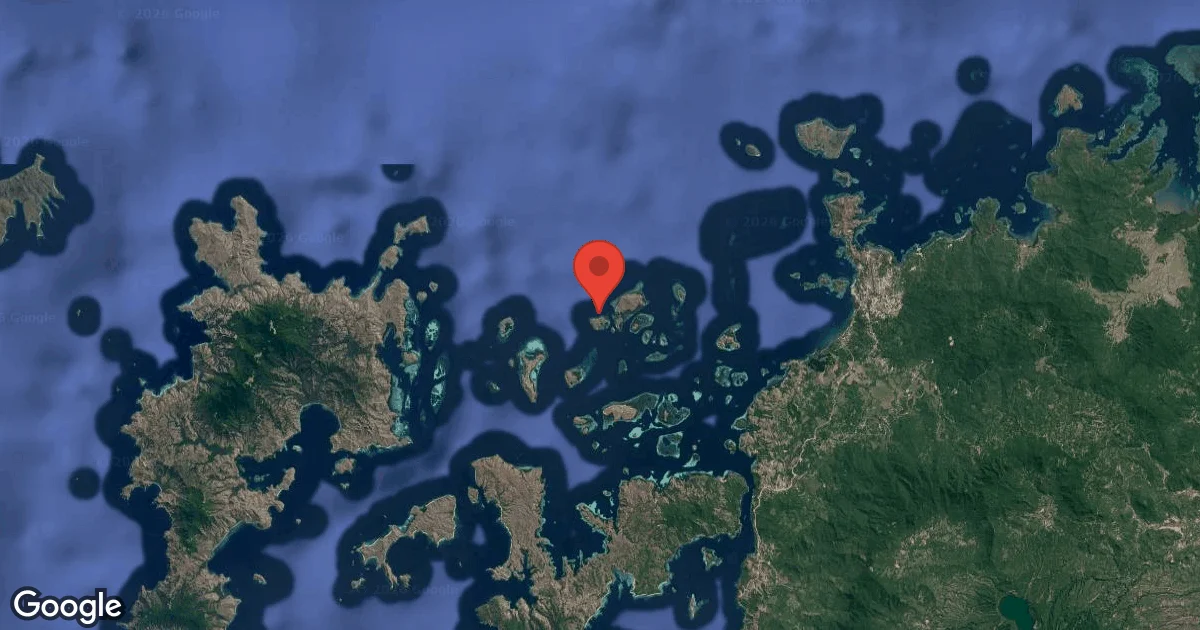
This thriving ecosystem is fueled by the nutrient-rich upwellings that characterize the location. Positioned north of Komodo's main island, just off Gili Lawa Laut, its exposed volcanic underwater topography is a key factor in the site's challenging yet rewarding conditions.
Visibility here is generally excellent, frequently ranging between 15-30 m (49-98 ft), often allowing divers to observe the entire structure and its abundant inhabitants from a distance. Such clear water, combined with constant nutrient delivery, fosters an incredibly diverse and active aquatic environment, making every descent an entry into a dynamic marine spectacle. Divers often employ a negative entry to quickly reach the protection of the reef.
Conditions are Good
Optimal conditions expected
Current conditions near Castle Rock show 27° air, 28° sea temperature, 0.6 m waves, and 33 km/h wind. Forecast data is refreshed regularly to ensure accuracy.
Best Time to Dive
Optimizing for visibility, the period from April to October consistently offers the best surface and sea conditions for diving Castle Rock. The months of July and August are particularly pristine, often providing the calmest seas. During this peak season, air temperatures typically range between 27-28°C (81-82°F), accompanied by minimal rainfall, sometimes less than 1 mm, creating ideal diving conditions. While diving is possible year-round within the Komodo National Park, outside of these months, surface conditions may be less favorable. Although manta ray sightings are more frequent from December to February, these months often bring less predictable weather patterns that can impact sea conditions.
PEAK SEASON SCORE
Scores combine air & water temps, waves, wind & rainfall for overall conditions.
BEST MONTHS TO DIVE
Monthly records compiled from satellite and marine observation nodes over the last 3 years. Data provided by Open-Meteo and MET Norway.
Dive Experience & Conditions
Current dynamics are the defining characteristic of a Castle Rock dive. Divers should expect medium to very strong currents, sometimes reaching several knots, which funnel plankton-rich waters to the site. This nutrient influx is precisely what draws the incredible volume of marine life to the pinnacle. A quick descent is often necessary to reach the reef, and knowing how to navigate current splits and identify sheltered areas, including for safety stops, is crucial. Despite the strong currents, visibility is frequently excellent, often exceeding 30 m (98 ft). The site mandates a PADI Advanced Open Water, SSI Advanced Adventurer, CMAS 2, NAUI Experienced equivalent certification or higher, along with a minimum of 50 logged dives.
Dive Difficulty & Safety Guidelines
The predominant hazard at Castle Rock is its often-intense currents, which demand respect and advanced diving proficiency. Divers are advised to make a swift descent immediately upon entry, typically jumping in 50 m (164 ft) or more up-current from the pinnacle. Throughout the dive, be prepared to utilize natural shelters offered by the rock formations to escape the stronger flows, even during safety stops.
It's imperative to listen carefully to your dive brief and adhere strictly to your guide’s instructions, matching expectations to actual ocean conditions. A PADI Advanced Open Water certification, or its equivalent, and a minimum of 50 logged dives are prerequisites for good reason.
Recommended Equipment
- Dive Computer
This gear list is based on verified equipment signals for Castle Rock, Indonesia. Always confirm final gear choices with your dive operator, guide, or liveaboard.
Recommended Dive Suit
Forecast conditions over the next few days suggest temperatures will remain relatively stable.
Two divers in the same water temperature may experience very different comfort levels.
Many divers find that 2-3mm shorty or light wetsuit offers the right level of insulation for conditions like these. A hood or vest is suggested for sensitive divers due to surface winds. The surrounding waters at Castle Rock are currently registering temperatures of roughly 28°C (83°F). Surface air temperatures are resting at 27°C (80°F).
Emergency & Medical Support
Essential information to help you plan your dive trip to Castle Rock.

Hyperbaric chambers are a critical part of dive safety infrastructure. Availability varies significantly by region, and not all dive areas have immediate access.
Before diving, it's recommended to:
- confirm nearest medical facilities
- check emergency procedures with local dive operators
- ensure dive insurance covers evacuation if required
Divers Alert Network
Diving emergency assistance available through DAN World.
+1-919-684-9111- 24/7 emergency hotline
- Diving medical assistance
- Evacuation coordination
Emergency contacts are provided for reference. Always verify local emergency services before diving.
Marine Life at Castle Rock
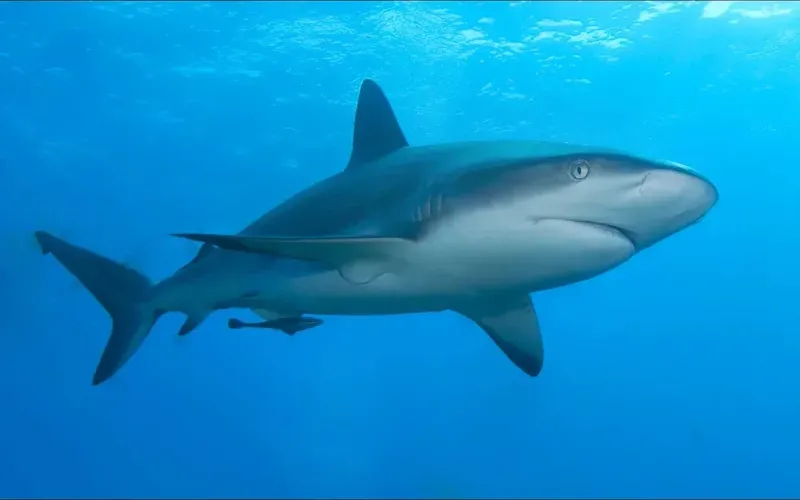
The vigorous currents sweeping across Castle Rock create a nutrient-rich environment that attracts a spectacular array of marine life. Here, divers can frequently spot white-tip and grey reef sharks patrolling the depths.
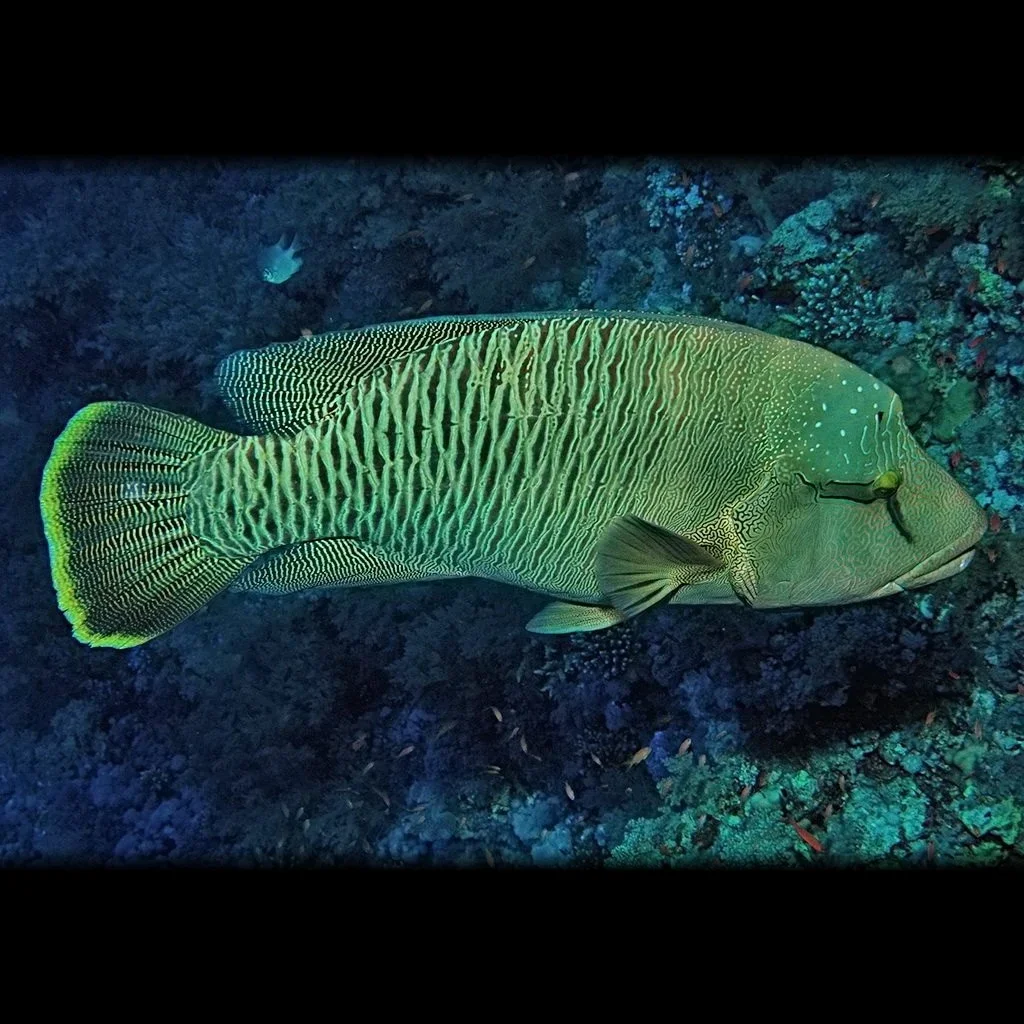
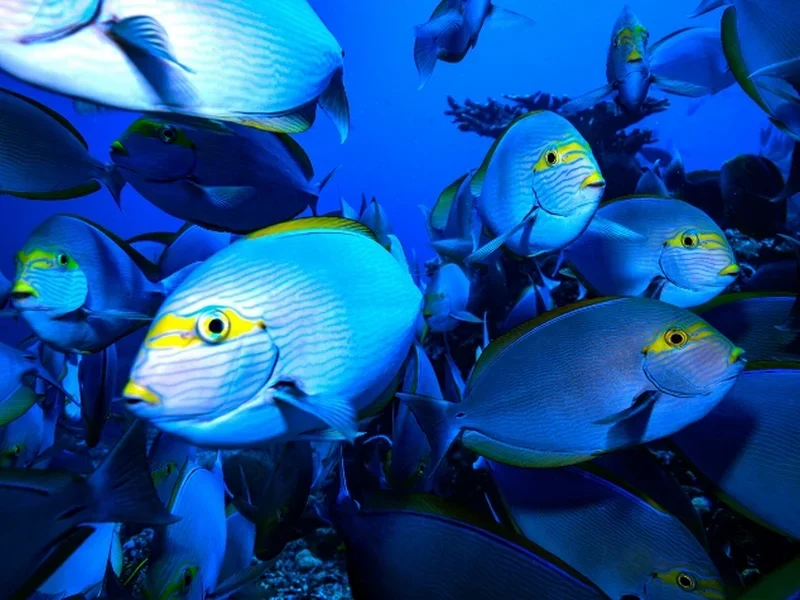
Large schools of trevallies and surgeonfish swirl around the pinnacle, while Napoleon wrasse navigate the reef. Lucky divers might even encounter dolphins passing through.
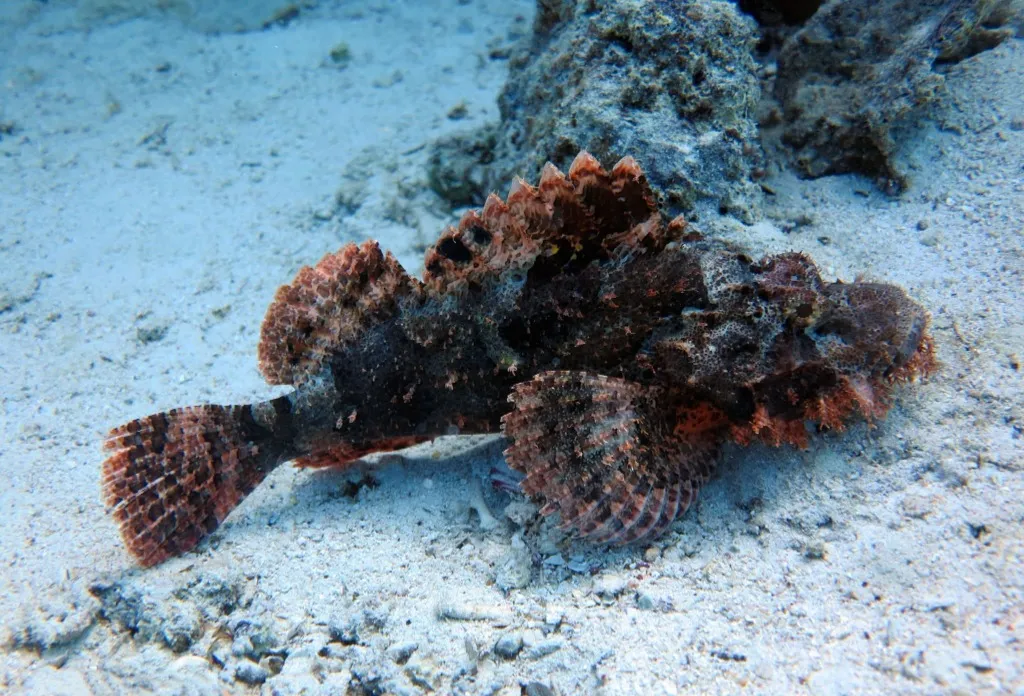
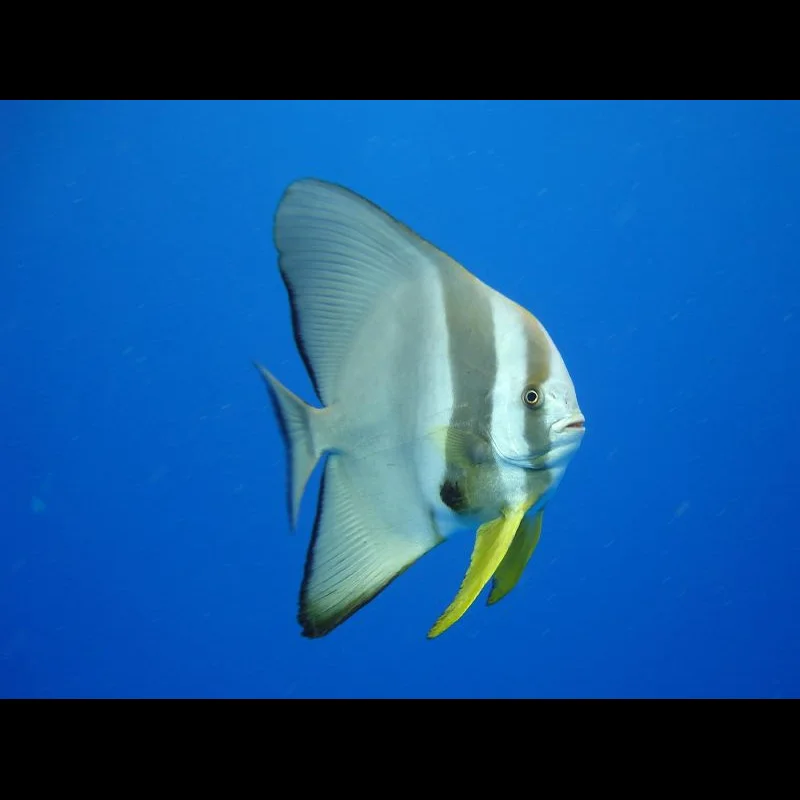
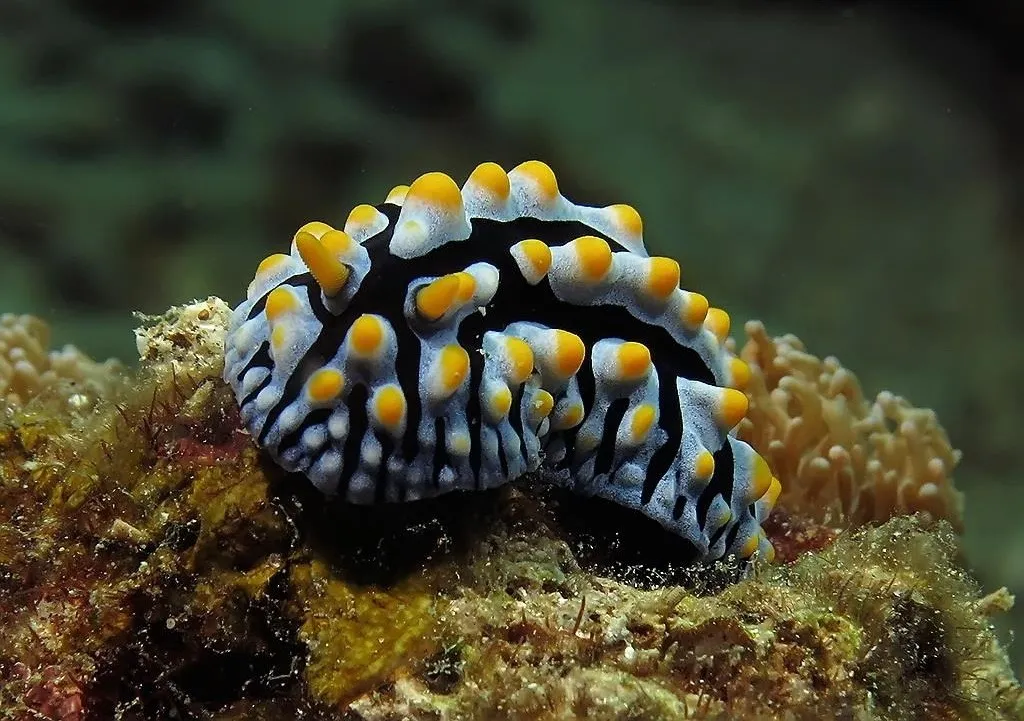
Closer inspection of the reef reveals a world of smaller wonders, including octopus, various nudibranchs, and scorpionfish, alongside numerous butterfly fish and schools of batfish, ensuring a vibrant display throughout the dive.
Dive Sites Near Castle Rock
View all dive sites in IndonesiaDiscover more underwater gems in this area.
Dive Centers Near Castle Rock
Today: 10:00 - 19:00
Nearest Airports
Nearest airports to help plan travel to this dive area.
Search Flights
Check available flights and routes on Expedia, using the nearby airports listed in this section.
Search Flights on ExpediaFrequently Asked Questions
What certification level is required for Castle Rock?
A PADI Advanced Open Water, SSI Advanced Adventurer, CMAS 2, or NAUI Experienced equivalent certification is required. Additionally, divers need a minimum of 50 logged dives to manage the challenging conditions safely.
How strong are the currents at Castle Rock?
Currents at Castle Rock are notoriously strong, frequently ranging from medium to very strong, sometimes reaching several knots. Divers must be prepared for swift descents and proficient in drift diving techniques.
What kind of marine life can I expect to see?
The site is celebrated for its pelagic action, with frequent sightings of white-tip and grey reef sharks. Large schools of trevallies, surgeonfish, and even occasional dolphins are often observed in the currents.
When is the best time of year to dive Castle Rock?
The optimal period is from April to October, with July and August offering particularly calm surface conditions and excellent visibility. While manta rays are more common from December to February, weather can be less predictable then.
Is good visibility common at Castle Rock?
Yes, visibility is generally excellent, often between 15-30 m (49-98 ft), sometimes exceeding 30 m (98 ft). The clear waters enhance the experience of diving this expansive pinnacle.
What special safety precautions should divers take?
Divers should plan for a quick, often negative, entry and be prepared to utilize the reef's natural shelters from the strong currents. Adhering strictly to the dive guide's brief and instructions is paramount for a safe dive.
Planning to dive Castle Rock?
Send one inquiry and receive offers directly from the best verified local dive operators.
Conditions are Good
Optimal conditions expected
Current conditions near Castle Rock show 27° air, 28° sea temperature, 0.6 m waves, and 33 km/h wind. Forecast data is refreshed regularly to ensure accuracy.