
Diving at Bramassa (Italy)
Bramassa presents a dynamic underwater landscape, transitioning from sunlit shallows to intricate rock formations. Divers explore a sequence of arches, windows, and short tunnels, culminating in a spacious cave at about 8 meters (26 feet). This site is known for its accessibility and offers a rewarding experience suitable for varying skill levels.
Tonight's objective overview for Bramassa shows an air temperature of 23.5°C. The measured surface conditions include wave heights around 1.2 m. This environmental data is logged for the close of the day.
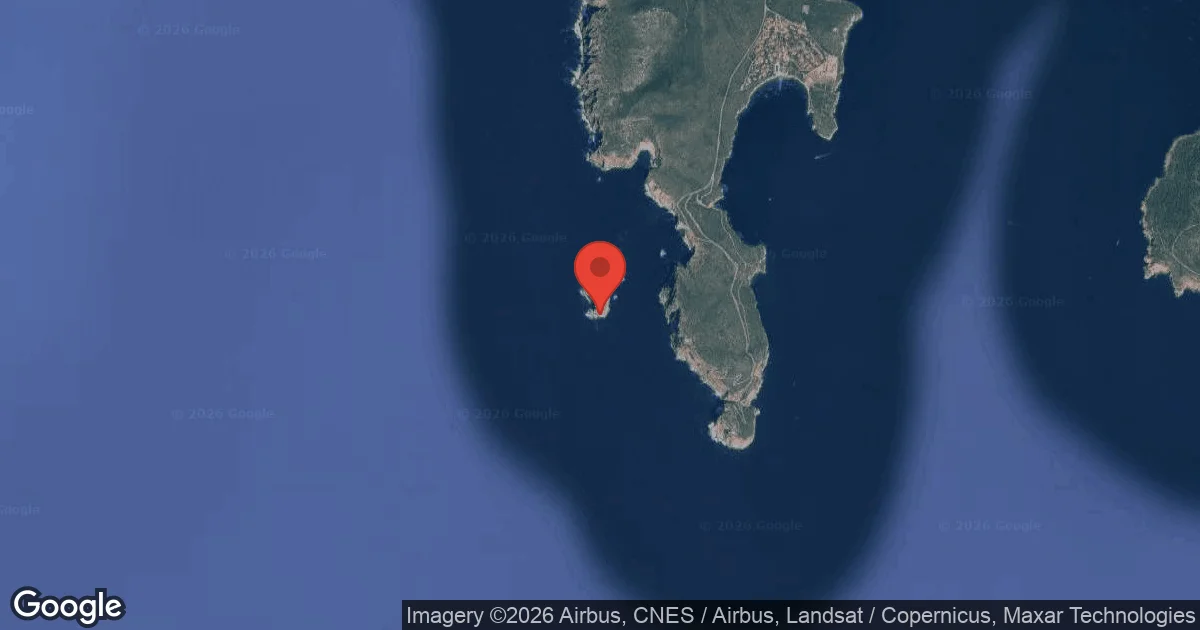
Dive Site Location & Key Facts
Dive Site Overview
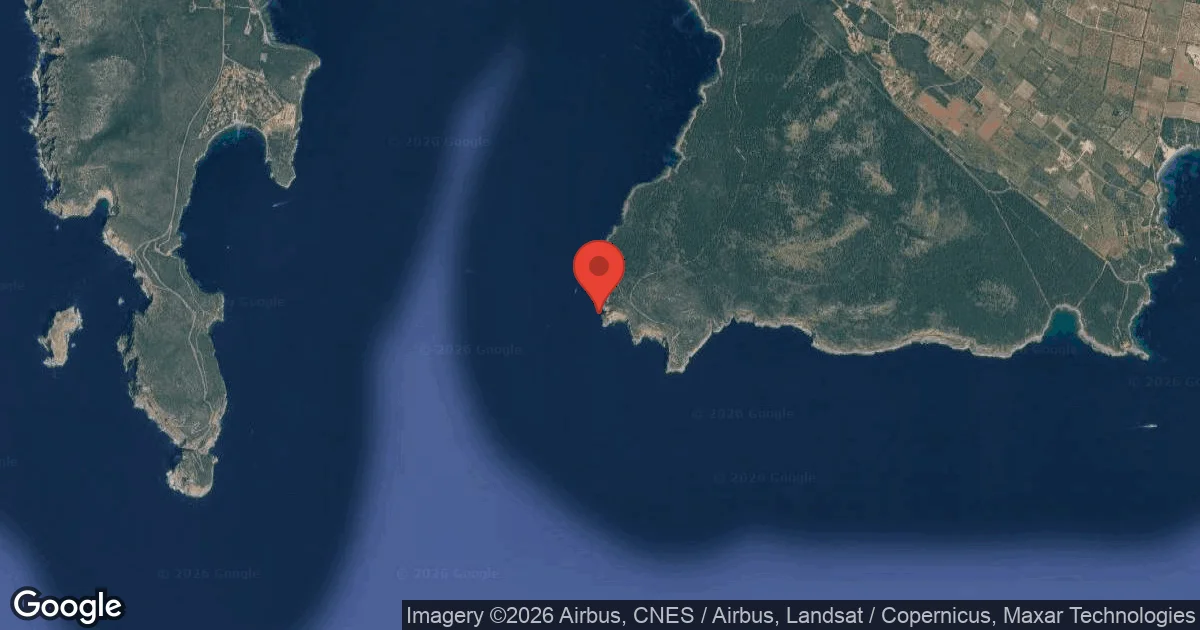
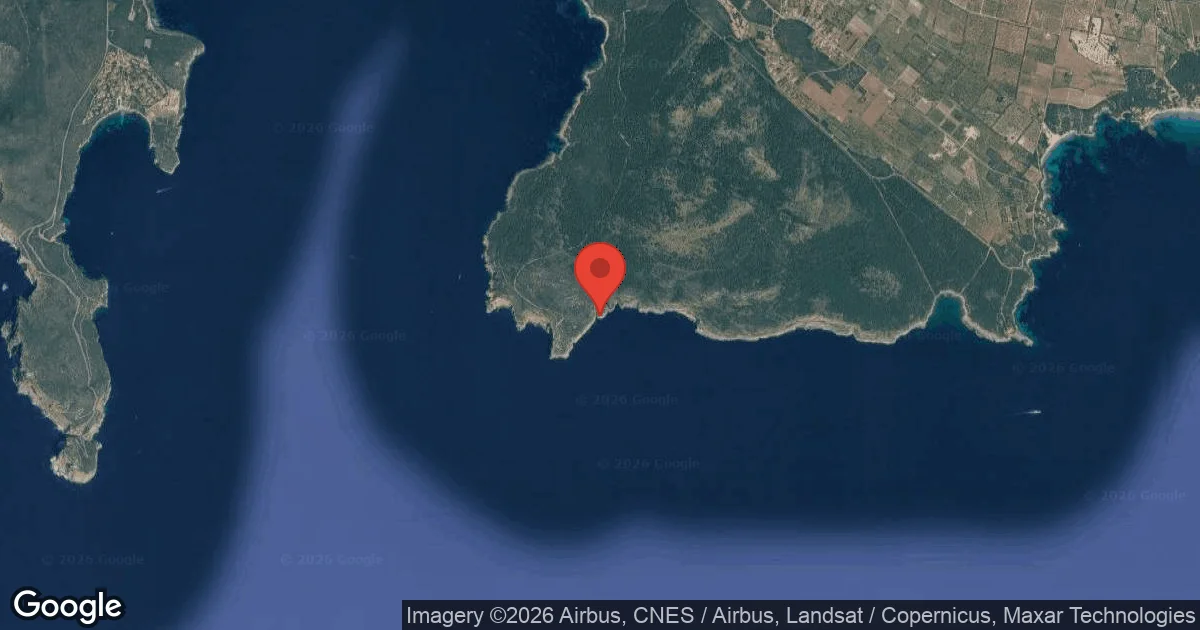
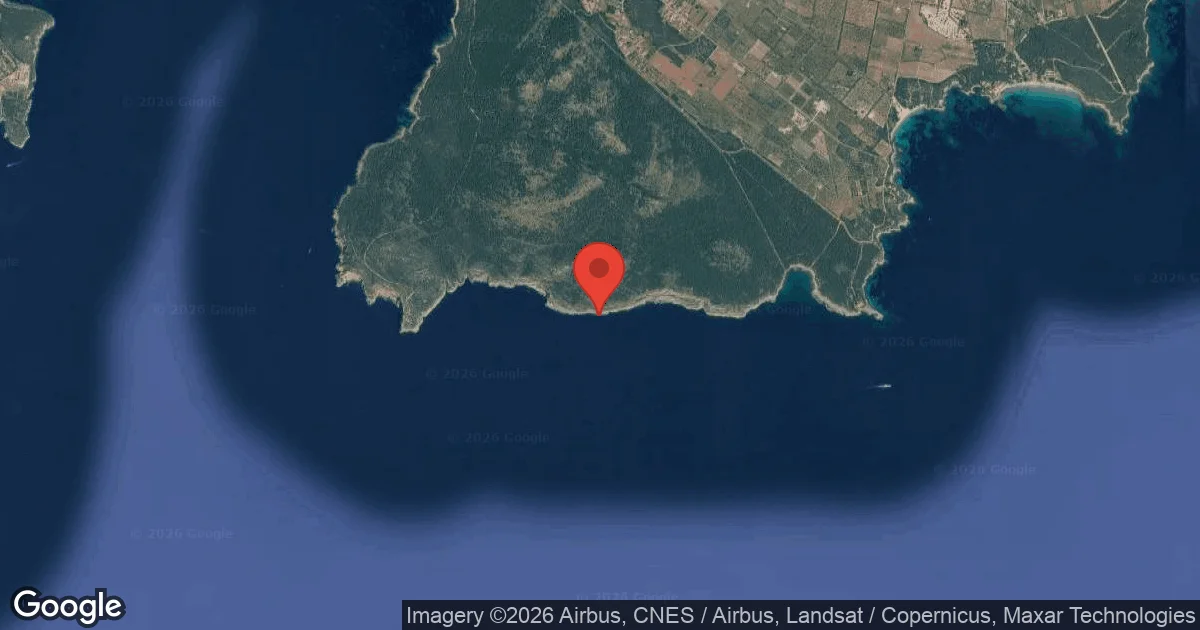
Exploring Bramassa offers a captivating journey through diverse underwater topography in the Alghero region. Beginning in relatively flat, sandy bottom areas like Cala della Bramassa, divers often find ideal conditions for beginner training, with depths gradually increasing offshore to about 18 meters (59 feet).
Moving towards the primary dive area, a compelling network of walls and natural rock arches emerges, where depths typically range from 5 to 12 meters. Navigating through various windows, canyons, and tunnels provides dramatic light effects, especially during afternoon dives when sunlight pierces the rock.
Many divers consider a spacious cave a highlight, accessible at a recreational depth of around 8 meters. This overhead environment is engaging, offering a unique perspective without requiring advanced cave certifications.
Beyond the cave, exploring intricate rock formations and shallower walls provides ample opportunity for observation. The varied structure of the site supports both introductory training and more experienced exploratory dives.
Conditions are Excellent
07:00 - 14:00
Optimal conditions expected
Current conditions near Bramassa show 24° air, 26° sea temperature, 0.9 m waves, and 15 km/h wind. Forecast data is refreshed regularly to ensure accuracy.
Best Time to Dive
Optimizing a Bramassa dive experience suggests visiting during the warmer, drier months, primarily June through September. Air temperatures in this period average from 24°C (75°F) in June up to 26.5°C (80°F) in July, creating comfortable surface conditions. In contrast, winter air temperatures can plummet to 12°C (54°F) in January. Diving conditions are generally favorable with lower average wave heights, often staying below a meter, and reduced wind speeds. Minimal summer rain ensures clearer skies and stable sea states. Conversely, between November and March, wave heights typically increase, averaging 1.5 to 1.9 meters (5-6 feet), alongside higher rainfall, potentially affecting visibility and surface comfort.
PEAK SEASON SCORE
Scores combine air & water temps, waves, wind & rainfall for overall conditions.
BEST MONTHS TO DIVE
Monthly records compiled from satellite and marine observation nodes over the last 3 years. Data provided by Open-Meteo and MET Norway.
Dive Experience & Conditions
Current dynamics at Bramassa tend to be mild, cementing its reputation as a calm and accessible dive location. Cala della Bramassa, a related section, consistently offers flat sea conditions, making it an ideal spot for entry-level training. Visibility is generally excellent, enhancing the described 'amazing light effects' as sunlight penetrates the numerous windows and tunnels. Water temperatures, while not consistently reported, usually follow seasonal air temperature trends, peaking in late summer. Such conditions make the site well-suited for a broad range of divers, from those completing their Open Water Diver certification to more experienced individuals exploring intricate rock formations and marine life along its shallow walls.
Dive Difficulty & Safety Guidelines
Approaching Bramassa with an understanding of standard safety protocols is key, despite its reputation for simplicity and accessibility, especially for beginner open water courses. An average depth between 5 and 12 meters creates a forgiving environment; however, maintaining proper buoyancy control is vital to protect the delicate marine structures. Navigating the numerous arches and the large cave, found at approximately 8 meters, requires awareness.
Its open nature generally ensures an exit is always visible. Divers should utilize safe boat entry methods and ensure they possess appropriate training for any overhead environments. Always dive within personal certification limits and with a buddy.
Recommended Equipment
Overhead environment. Do not enter beyond training and gas planning limits.
- Dive Computer
- DSMB
- Primary & Backup Lights
- Reel / Spool
- Cutting Tool
This gear list is based on verified equipment signals for Bramassa, Italy. Always confirm final gear choices with your dive operator, guide, or liveaboard.
Recommended Dive Suit
Thermal protection such as 2-3mm shorty or light wetsuit is commonly used for water temperatures in this range.
Current readings at Bramassa show water temperatures near 26°C (79°F). Surface air temperatures are resting at 24°C (74°F).
Environmental models indicate a modest warming trend ahead. A warming trend is expected over the next few days.
Due to technical issues with our weather providers, live updates are temporarily delayed. The data above reflects the conditions at the time of the last successful fetch.
Emergency & Medical Support
Essential information to help you plan your dive trip to Bramassa.

Hyperbaric chambers are a critical part of dive safety infrastructure. Availability varies significantly by region, and not all dive areas have immediate access.
Before diving, it's recommended to:
- confirm nearest medical facilities
- check emergency procedures with local dive operators
- ensure dive insurance covers evacuation if required
Divers Alert Network
Diving emergency assistance available through DAN Europe.
+39 0642115685- 24/7 emergency hotline
- Diving medical assistance
- Evacuation coordination
Emergency contacts are provided for reference. Always verify local emergency services before diving.
Closest Listed Hyperbaric Chambers
Showing listed hyperbaric chamber facilities within 200 km of this dive site.
Distances are approximate straight-line distances and may not reflect emergency travel time.
CENTRO IPERBARICO SASSARESE SRL
Sassari, Italy•Approx. 35 km straight-line
CENTRO IPERBARICO SASSARESE SRL
Information is provided for reference and planning purposes only. Dive Navigator does not verify operational status, staffing, availability, or quality of care at listed facilities. In an emergency, contact local emergency services, DAN, your dive operator, or the chamber directly. Do not travel to a facility without calling ahead.
Ospedale Paolo Merlo - Centro Iperbarico La Maddalena
ICU CapableLa Maddalena, Italy•Approx. 125 km straight-line
Ospedale Paolo Merlo - Centro Iperbarico La Maddalena
ICU CapableInformation is provided for reference and planning purposes only. Dive Navigator does not verify operational status, staffing, availability, or quality of care at listed facilities. In an emergency, contact local emergency services, DAN, your dive operator, or the chamber directly. Do not travel to a facility without calling ahead.
Servizio di Medicina Iperbarica "Giancarlo Boero”
24/7 ListedICU CapableCagliari, Italy•Approx. 173 km straight-line
Servizio di Medicina Iperbarica "Giancarlo Boero”
24/7 ListedICU CapableInformation is provided for reference and planning purposes only. Dive Navigator does not verify operational status, staffing, availability, or quality of care at listed facilities. In an emergency, contact local emergency services, DAN, your dive operator, or the chamber directly. Do not travel to a facility without calling ahead.
Marine Life at Bramassa
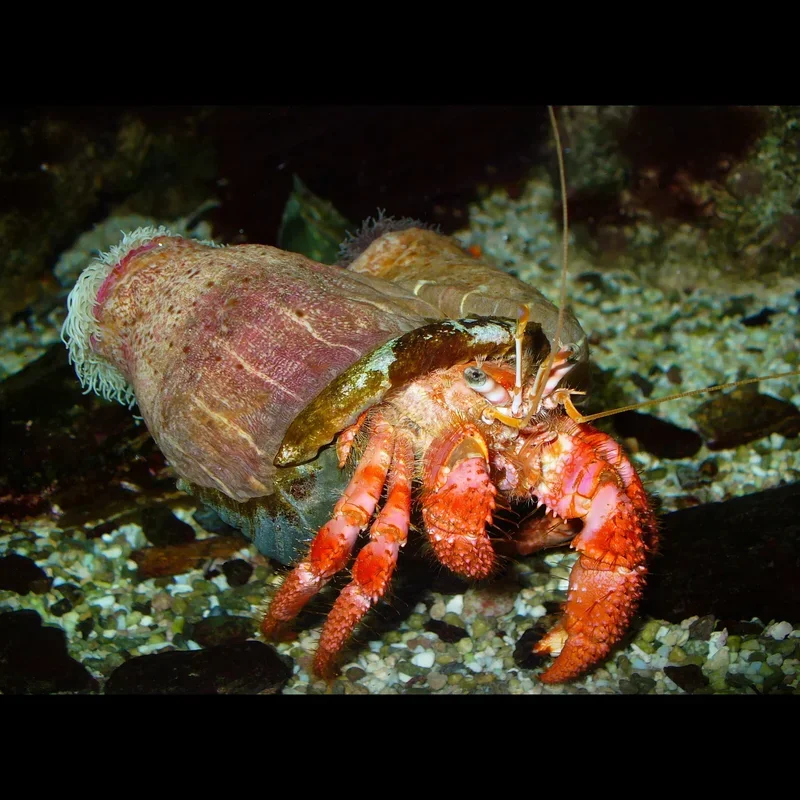
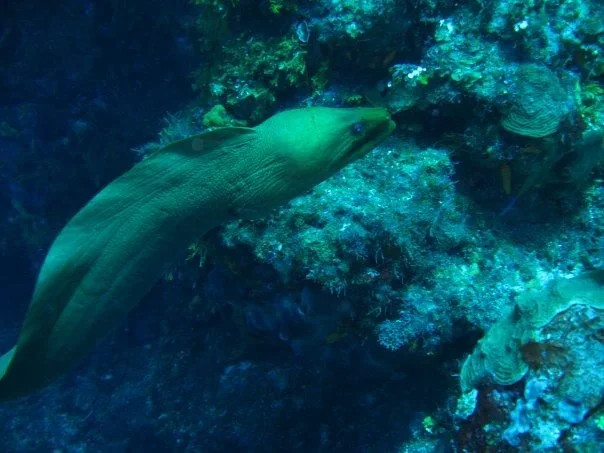
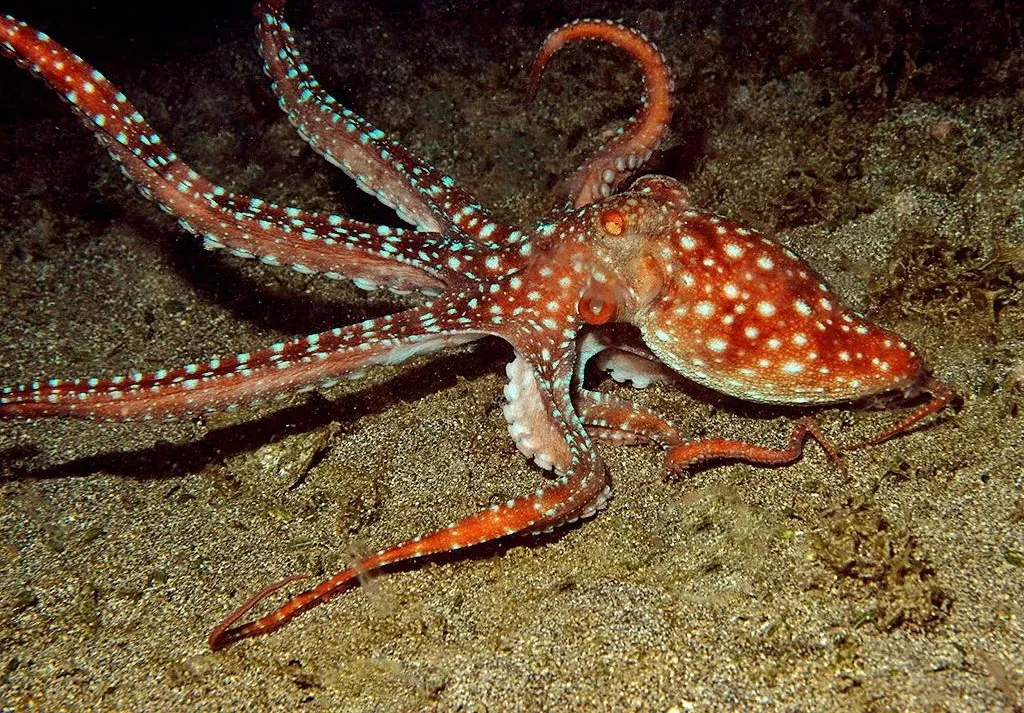
Bramassa's vibrant walls support a diverse array of marine life. Divers frequently observe curious octopuses, secretive moray eels, and various colorful nudibranchs clinging to the rocks.
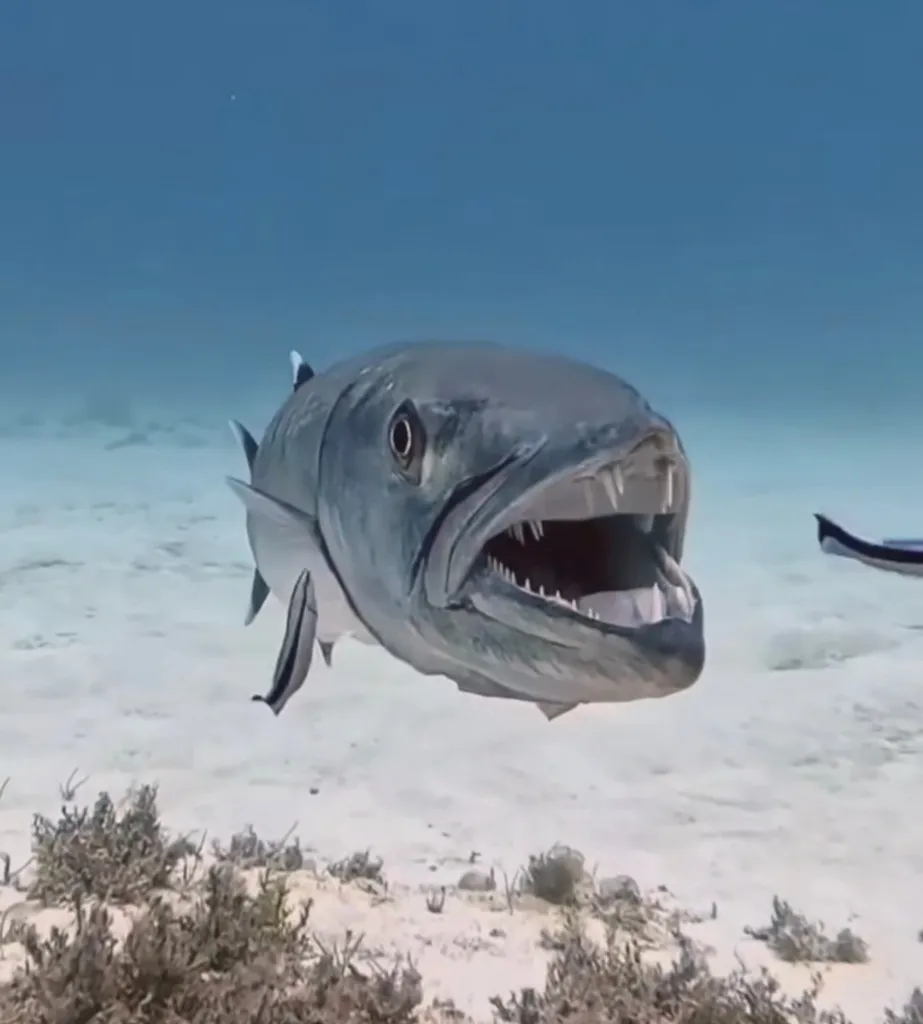
Keep an eye out for groupers sheltering in crevices. Schools of barracuda, bream, and corvina often move offshore.
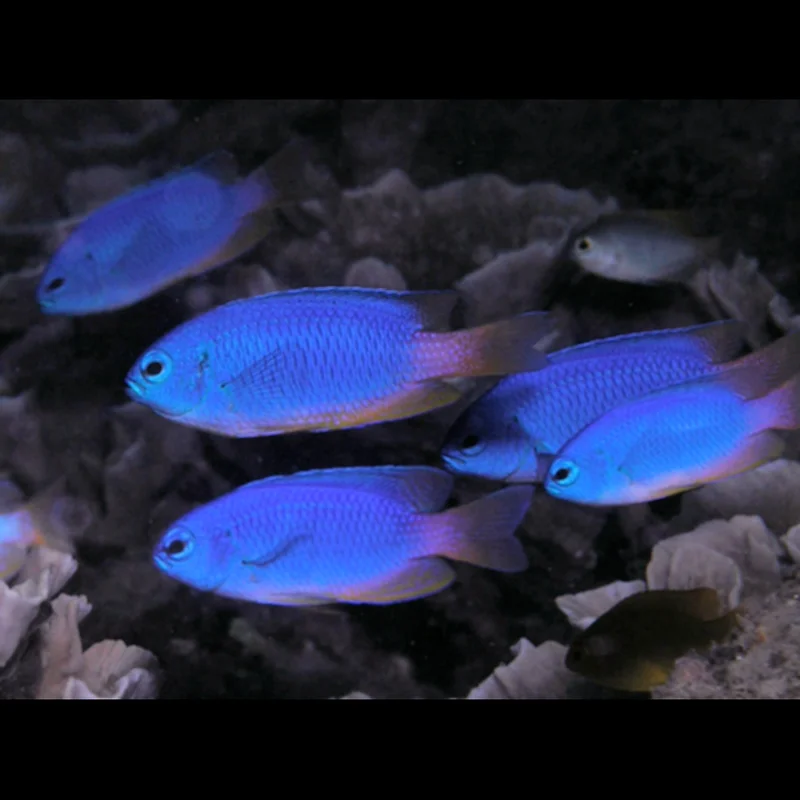
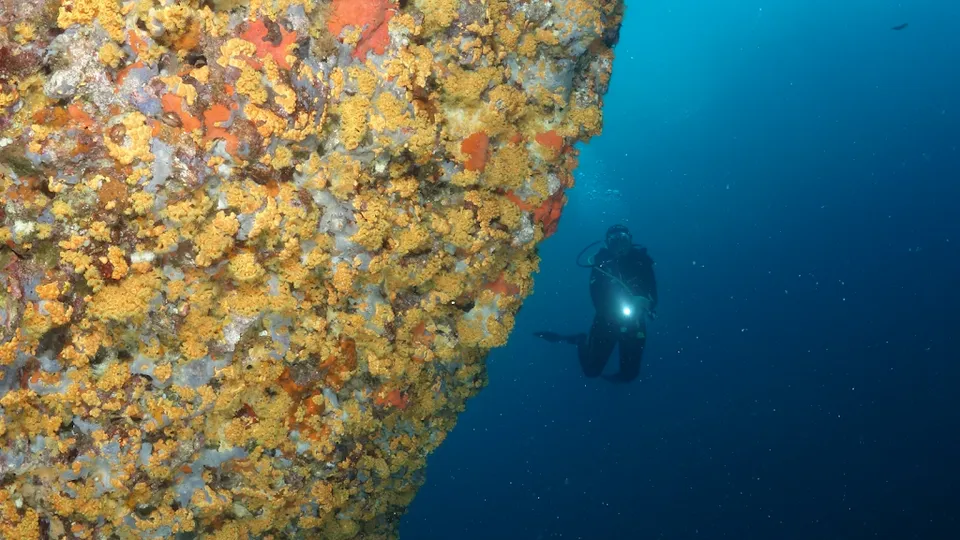
Shallower sections routinely bustle with shoals of salps and damselfish, adding dynamic activity to the underwater scenery. Walls adorned with sponges and corals provide an engaging backdrop for marine observation.
Dive Sites Near Bramassa
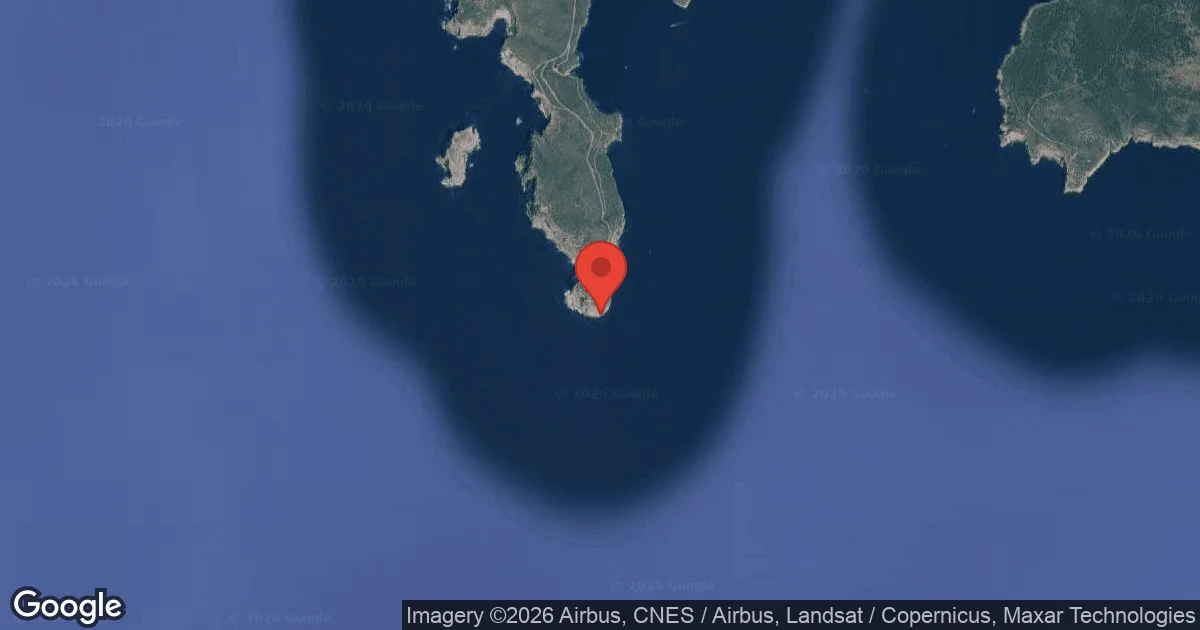
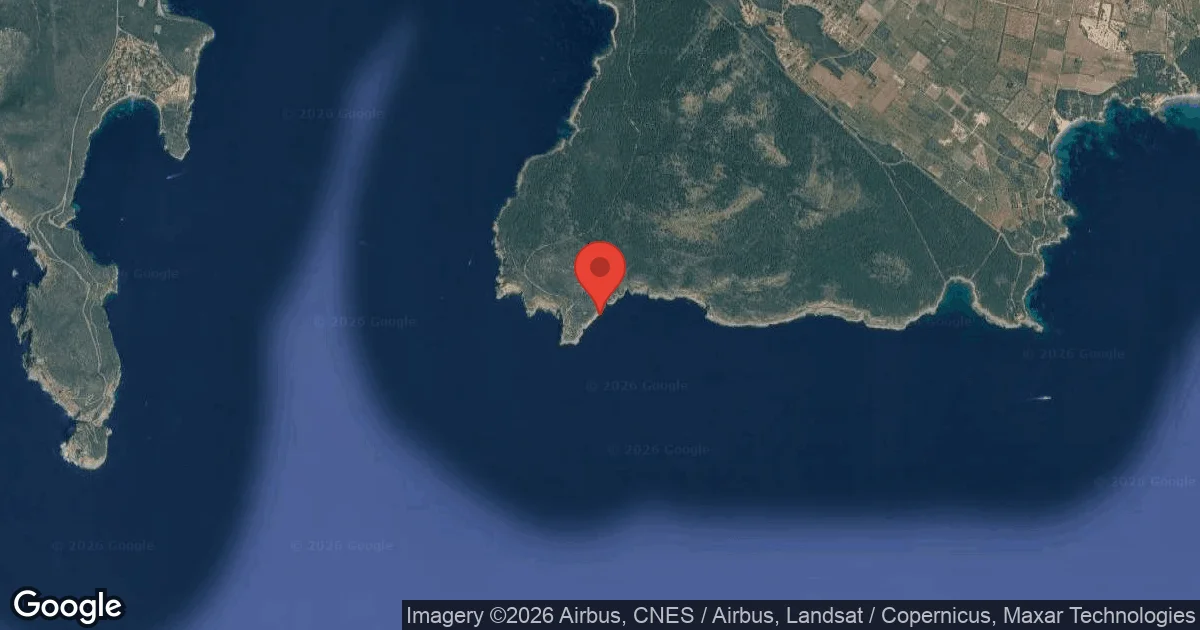
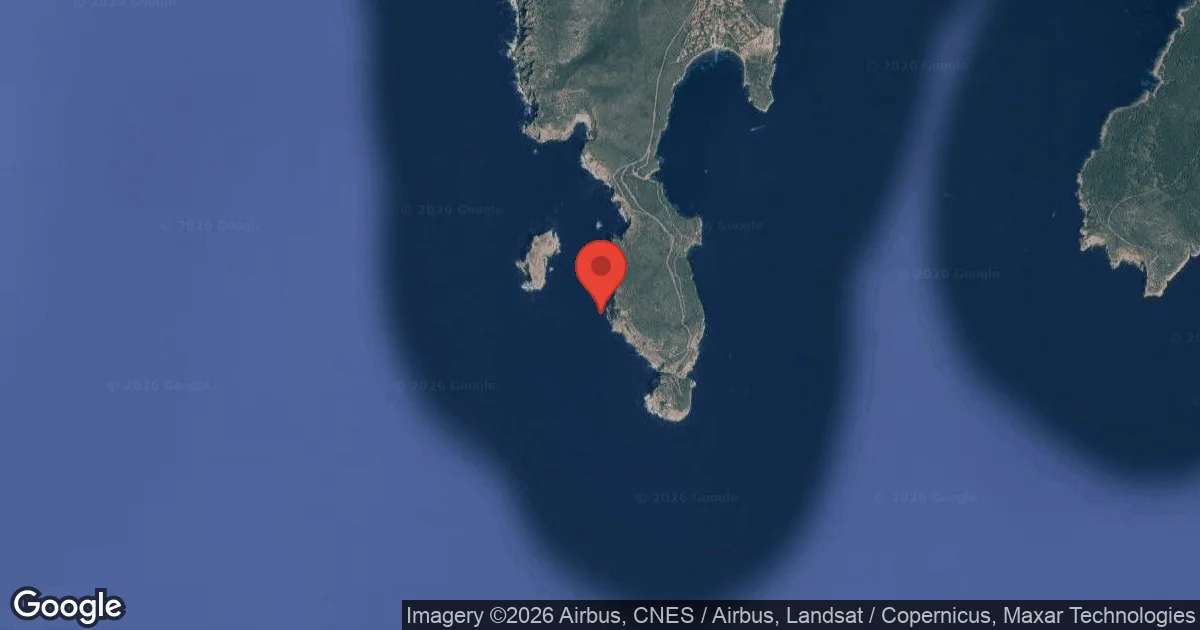
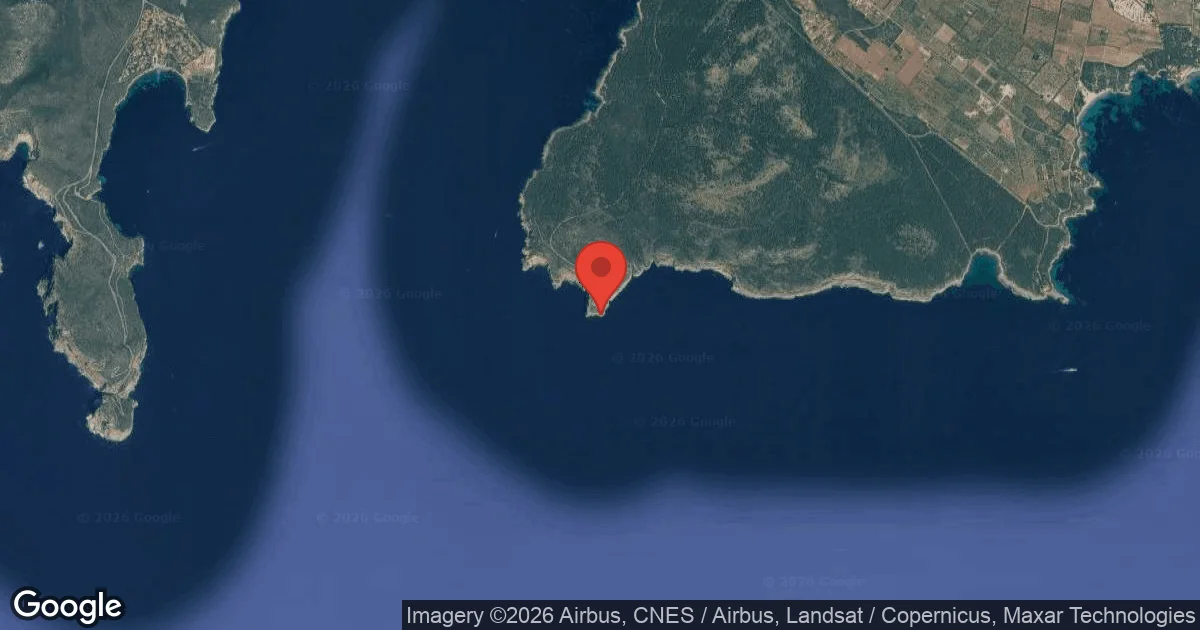
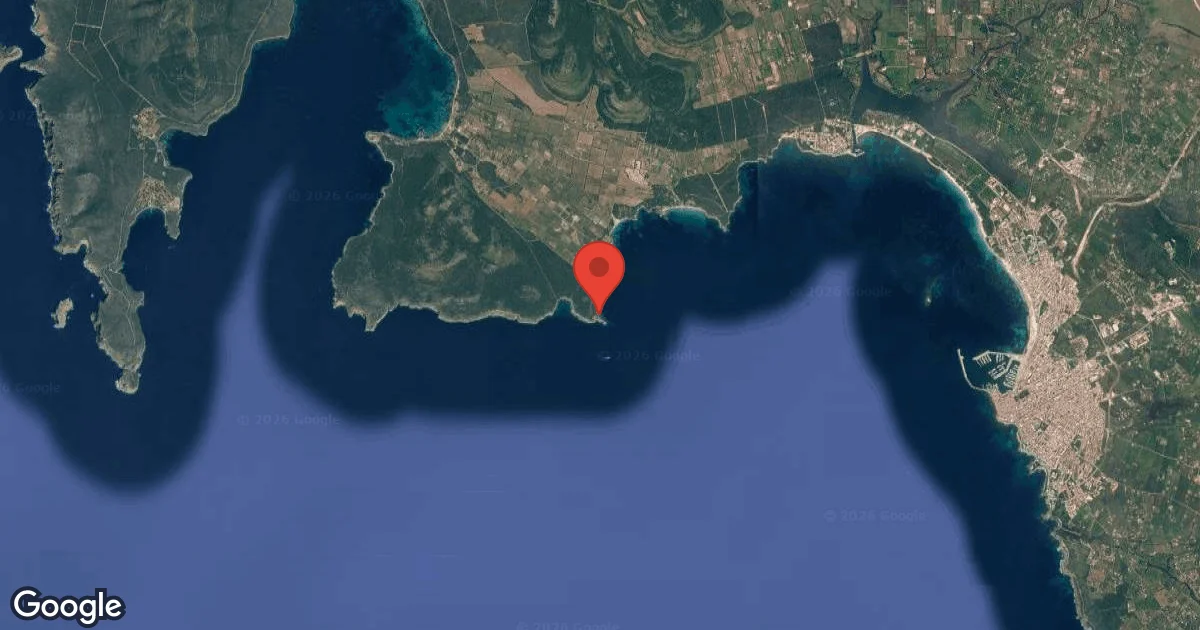
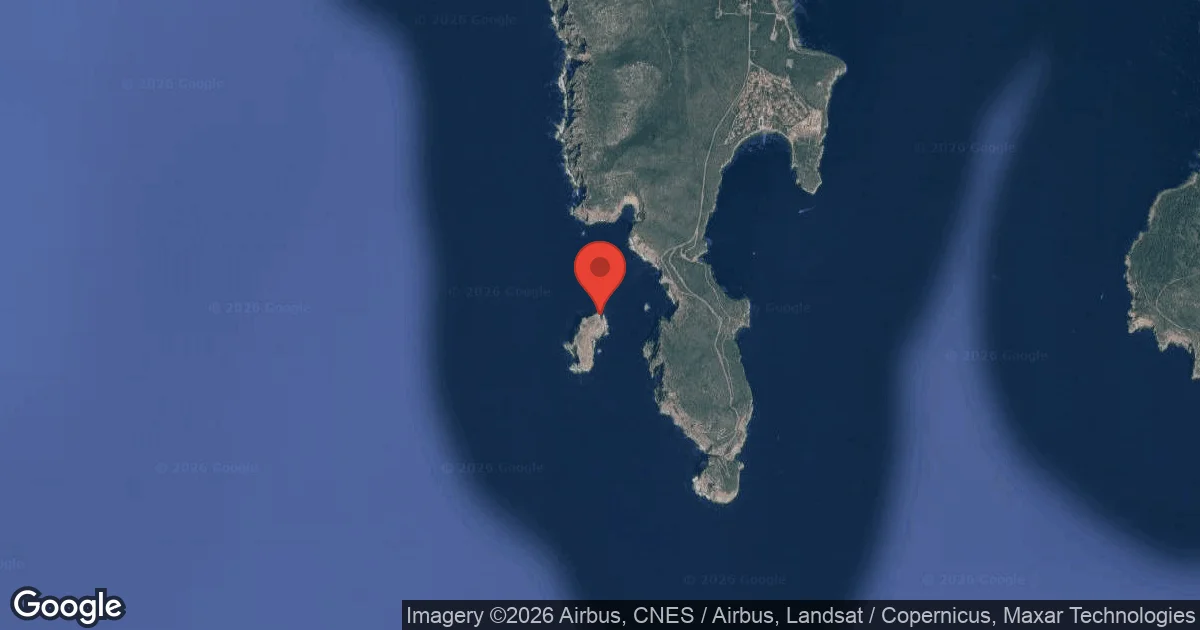
View all dive sites in ItalyDiscover more underwater gems in this area.
Dive Centers Near Bramassa
Today: 09:00 - 18:00
Nearest Airports
Nearest airports to help plan travel to this dive area.
Search Flights
Check available flights and routes on Expedia, using the nearby airports listed in this section.
Search Flights on ExpediaFrequently Asked Questions
What is the typical depth range for diving at Bramassa?
Bramassa offers a versatile depth range suitable for various diver levels. Average depths generally fall between 5-12 m (16-39 ft). The main cave entrance is at about 8 meters, with some offshore sections, particularly around Cala della Bramassa, reaching up to 18 meters.
Is Bramassa appropriate for new divers?
Absolutely. It's well-regarded for accessibility and simplicity, making it ideal for beginners and open water certification dives. Shallow depths, minimal currents, and flat bottom areas provide a comfortable learning environment.
What kind of marine life can be seen at Bramassa?
Divers can expect to observe a variety of marine creatures, including moray eels, octopuses, nudibranchs, and groupers. Schools of barracuda, bream, and corvina are also common sightings, alongside numerous salps and damselfish.
Does Bramassa feature any overhead environments?
Yes, Bramassa is known for natural arches, windows, and short tunnels. Diving culminates with an entry into a large, accessible cave at approximately 8 meters, offering unique light effects without requiring specialized cave diving certification.
When is the best time of year to dive Bramassa?
Most favorable diving conditions at Bramassa typically occur from June through September. During these months, the weather is warmer, wave heights are lower, and there's significantly less rain, contributing to better overall dive experiences.
What certifications are recommended for diving Bramassa?
An Open Water Diver certification is sufficient for basic exploration, given the site's shallow nature. For those wishing to explore deeper sections or practice navigation through complex topography, an Advanced Open Water Diver certification would be beneficial.
How is the dive site accessed?
Bramassa is primarily accessed by boat. Local dive centers in Alghero offer guided trips to this popular site, ensuring convenient and safe entry for divers.
Planning to dive Bramassa?
Send one inquiry and receive offers directly from the best verified local dive operators.
Conditions are Excellent
07:00 - 14:00
Optimal conditions expected
Current conditions near Bramassa show 24° air, 26° sea temperature, 0.9 m waves, and 15 km/h wind. Forecast data is refreshed regularly to ensure accuracy.