
Diving at Cervi Cave (Italy)
To truly appreciate Cervi Cave, divers should recognize its significance as a dual naturalistic and scientific site, not just another dive. This multi-level cave system, featuring a rich fossil deposit of Sardinian deer, offers an accessible yet profound experience. Understanding its historical context, from ancient sea levels to prehistoric fauna, enhances the exploration of its various chambers and the unique underwater landscape.
Evening condition tracking at Cervi Cave features an air temperature of 22°C. We have recorded wave heights measuring 0.8 m during this period. These figures outline the environmental parameters currently present.
Dive Site Location & Key Facts
Dive Site Overview
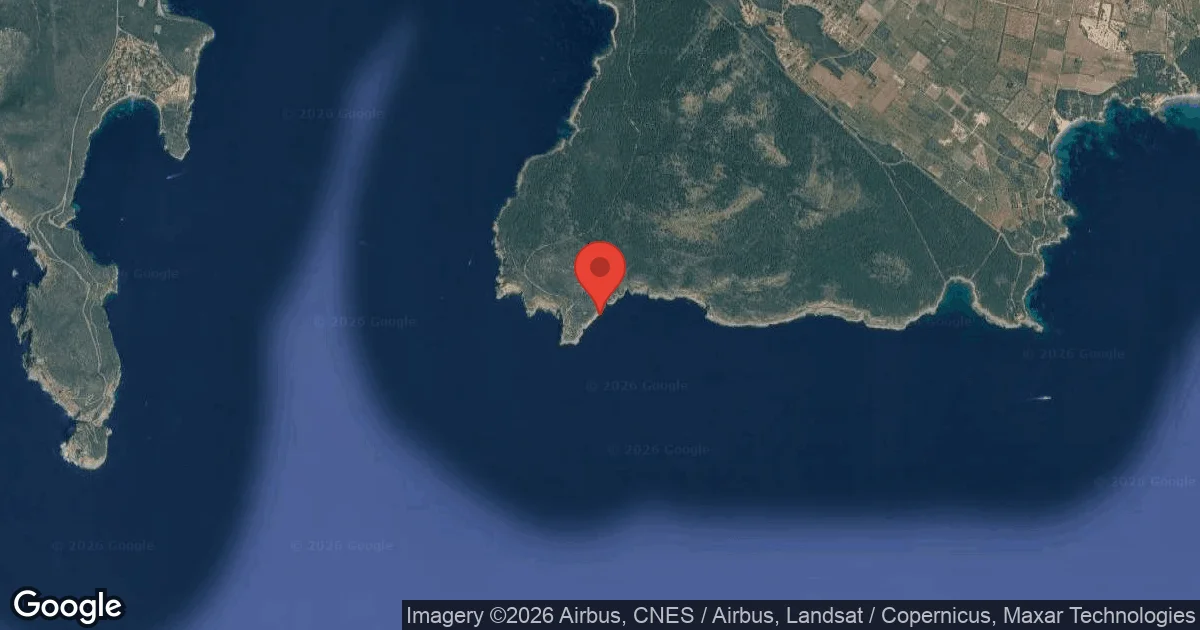
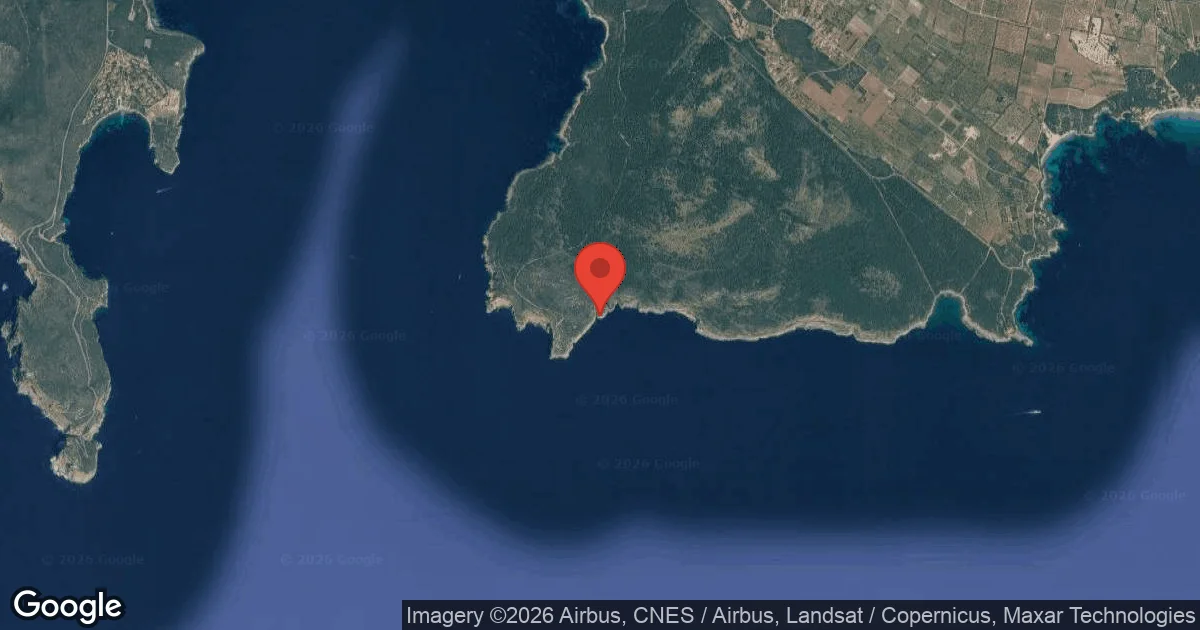
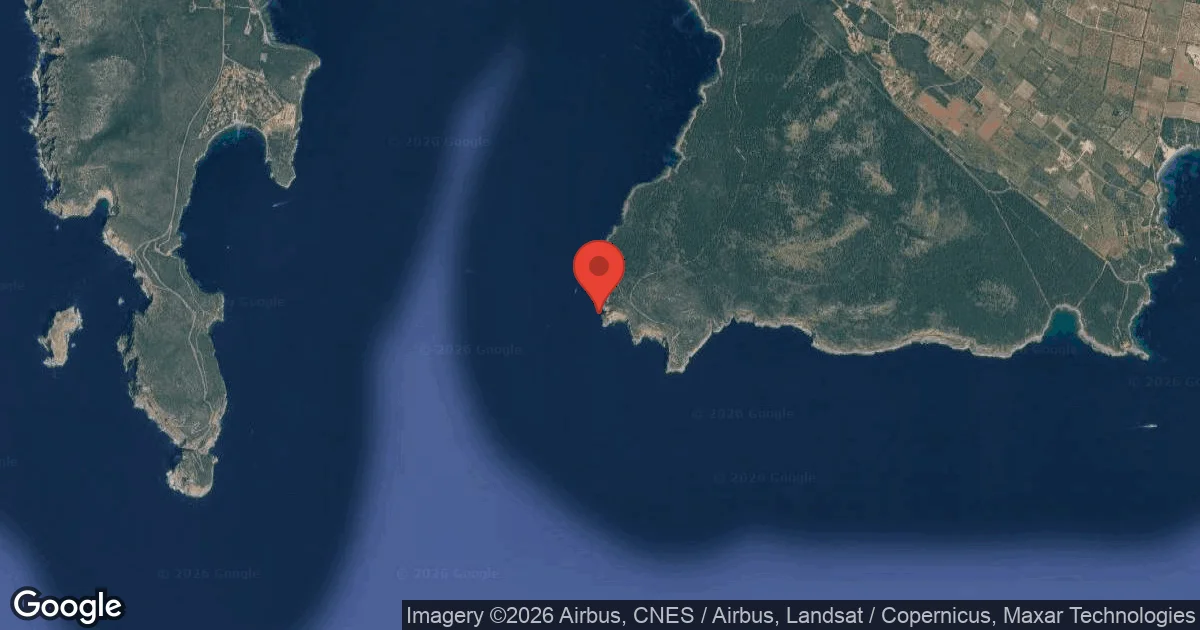
Entering Cervi Cave invites divers into a narrative woven between ancient geology and modern marine life. Access to the underwater route begins inside the cliff of Punta Giglio at the eastern entrance of the Porto Conte bay.
Divers typically board a rubber boat for a short five-minute ride from the ArchiMete tourist centre before descending. Participants swim along a natural wall, then penetrate the cave to slowly ascend towards an underground lake. Once at the surface within this lake, explorers can navigate into a small niche to observe fossilized bones of prehistoric reindeer.
Visible here is a striking testament to a time when these lands were above sea level, between 120,000 and 75,000 years ago. Stalactites, some still submerged and others marking an old sea level at approximately 7 meters, adorn the vaults.
Structured on three distinct levels, the cave makes its exploration quite manageable for many divers, reaching a maximum depth around 22 meters, with the main entrance situated at about 8 meters.
Conditions are Excellent
07:00 - 14:00
Optimal conditions expected
Current conditions near Cervi Cave show 22° air, 26° sea temperature, 0.9 m waves, and 19 km/h wind. Forecast data is refreshed regularly to ensure accuracy.
Best Time to Dive
Planning a dive at Cervi Cave benefits greatly from aligning with the region's milder weather, which often contrasts with less favorable conditions during the cooler months. While the climate averages don't consistently report water temperature, air temperatures range from a pleasant 23-26.5°C (73-80°F) between July and September, indicating comfortable surface conditions. Conversely, winter months, particularly December through February, see air temperatures drop to 12-12.5°C (54°F). Rainfall is minimal from June to August, typically below 1 mm, but increases during the late autumn and winter, peaking in November and January with over 2.6 mm monthly. Wave heights are generally calmer during late spring and summer, averaging around 0.8-1.1 m (2.6-3.6 ft) from May to September, compared to 1.8-1.9 m (5.9-6.2 ft) in winter. Consequently, the period from May to October, with higher dive scores, less rain, and calmer seas, presents the most opportune window for exploration.
PEAK SEASON SCORE
Scores combine air & water temps, waves, wind & rainfall for overall conditions.
BEST MONTHS TO DIVE
Monthly records compiled from satellite and marine observation nodes over the last 3 years. Data provided by Open-Meteo and MET Norway.
Dive Experience & Conditions
Accessing Cervi Cave primarily involves a boat entry, allowing divers to smoothly transition from the vessel directly into the water near Punta Giglio. The initial part of the dive typically involves swimming along the exterior wall before entering the cave itself. Once inside, the exploration is described as straightforward and generally suitable for most divers, navigating through its three distinct levels. The dive usually culminates in an ascent to an underground lake, where the most unique aspects of the cave's fossil history can be observed. Average depths hover around 12 m (39 ft), though specific sections can reach a maximum depth of 18 m (59 ft). Water conditions are generally saltwater, with visibility varying depending on local factors and recent weather. Given the internal nature of the site, surge is less a concern than entry and exit conditions.
Dive Difficulty & Safety Guidelines
Approaching an overhead environment like Cervi Cave requires a mindful respect for its distinct challenges and specific training. While the exploration within is noted as relatively easy and accessible to most recreational divers, possessing an Advanced Open Water certification, or ideally a Cavern Diver specialty, is highly recommended.
These qualifications ensure divers are proficient in buoyancy control, navigation within confined spaces, and the proper use of torches, which are essential in the low-light conditions of the cave's interior. No specific hazards like strong currents or marine life threats are consistently reported for this site; however, divers must always manage their air consumption carefully and maintain constant awareness of their dive profile within an overhead environment. Proper planning with a local dive center is crucial for a safe and enjoyable experience.
Recommended Equipment
Overhead environment. Do not enter beyond training and gas planning limits.
- Dive Computer
- DSMB
- Primary & Backup Lights
- Reel / Spool
- Cutting Tool
This gear list is based on verified equipment signals for Cervi Cave, Italy. Always confirm final gear choices with your dive operator, guide, or liveaboard.
Recommended Dive Suit
Experienced divers often bring flexible gear options.
Environmental readings suggest that the waters surrounding Cervi Cave are about 26°C (79°F) at the moment. Surface air temperatures are resting at 22°C (71°F). Divers who spend longer periods underwater often choose 2-3mm shorty or light wetsuit. Surface intervals may feel cooler.
A warming trend is expected over the next few days. A warming trend is expected over the next few days.
Emergency & Medical Support
Essential information to help you plan your dive trip to Cervi Cave.

Hyperbaric chambers are a critical part of dive safety infrastructure. Availability varies significantly by region, and not all dive areas have immediate access.
Before diving, it's recommended to:
- confirm nearest medical facilities
- check emergency procedures with local dive operators
- ensure dive insurance covers evacuation if required
Divers Alert Network
Diving emergency assistance available through DAN Europe.
+39 0642115685- 24/7 emergency hotline
- Diving medical assistance
- Evacuation coordination
Emergency contacts are provided for reference. Always verify local emergency services before diving.
Closest Listed Hyperbaric Chambers
Showing listed hyperbaric chamber facilities within 200 km of this dive site.
Distances are approximate straight-line distances and may not reflect emergency travel time.
CENTRO IPERBARICO SASSARESE SRL
Sassari, Italy•Approx. 35 km straight-line
CENTRO IPERBARICO SASSARESE SRL
Information is provided for reference and planning purposes only. Dive Navigator does not verify operational status, staffing, availability, or quality of care at listed facilities. In an emergency, contact local emergency services, DAN, your dive operator, or the chamber directly. Do not travel to a facility without calling ahead.
Ospedale Paolo Merlo - Centro Iperbarico La Maddalena
ICU CapableLa Maddalena, Italy•Approx. 124 km straight-line
Ospedale Paolo Merlo - Centro Iperbarico La Maddalena
ICU CapableInformation is provided for reference and planning purposes only. Dive Navigator does not verify operational status, staffing, availability, or quality of care at listed facilities. In an emergency, contact local emergency services, DAN, your dive operator, or the chamber directly. Do not travel to a facility without calling ahead.
Servizio di Medicina Iperbarica "Giancarlo Boero”
24/7 ListedICU CapableCagliari, Italy•Approx. 172 km straight-line
Servizio di Medicina Iperbarica "Giancarlo Boero”
24/7 ListedICU CapableInformation is provided for reference and planning purposes only. Dive Navigator does not verify operational status, staffing, availability, or quality of care at listed facilities. In an emergency, contact local emergency services, DAN, your dive operator, or the chamber directly. Do not travel to a facility without calling ahead.
Marine Life at Cervi Cave
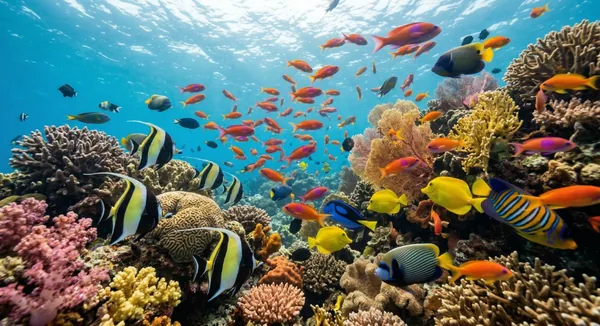
Entering Cervi Cave, divers are often greeted by the impressive presence of giant groupers, which are frequently sighted near the entrance and along the initial wall sections. Beyond these larger fish, the cave system and surrounding areas are home to a variety of other species.
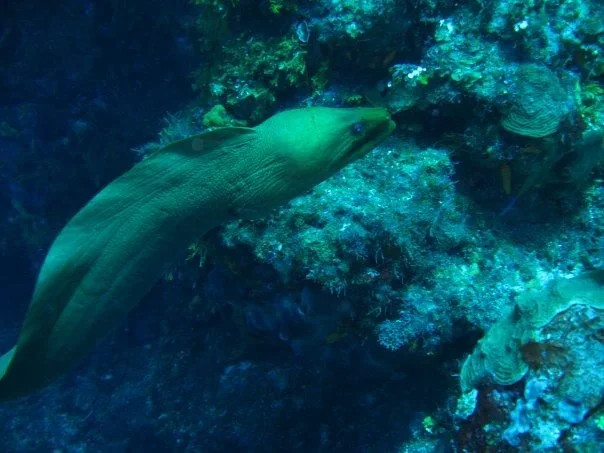
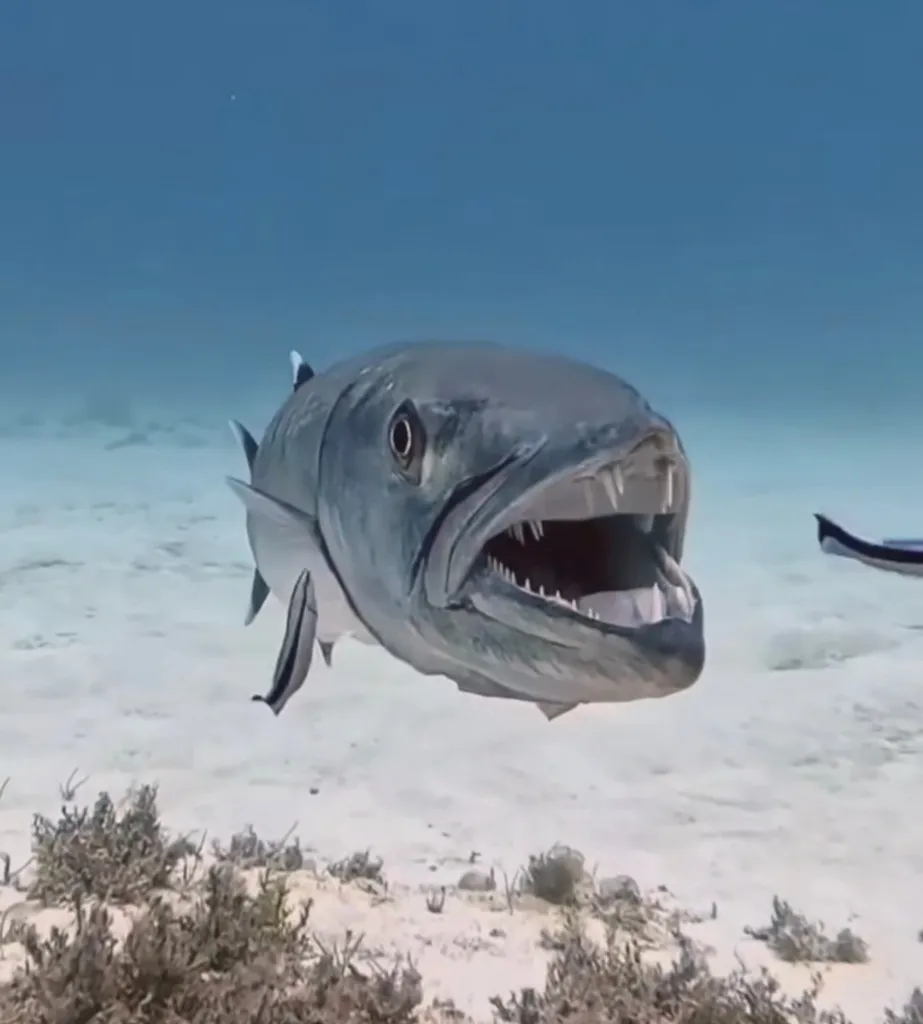
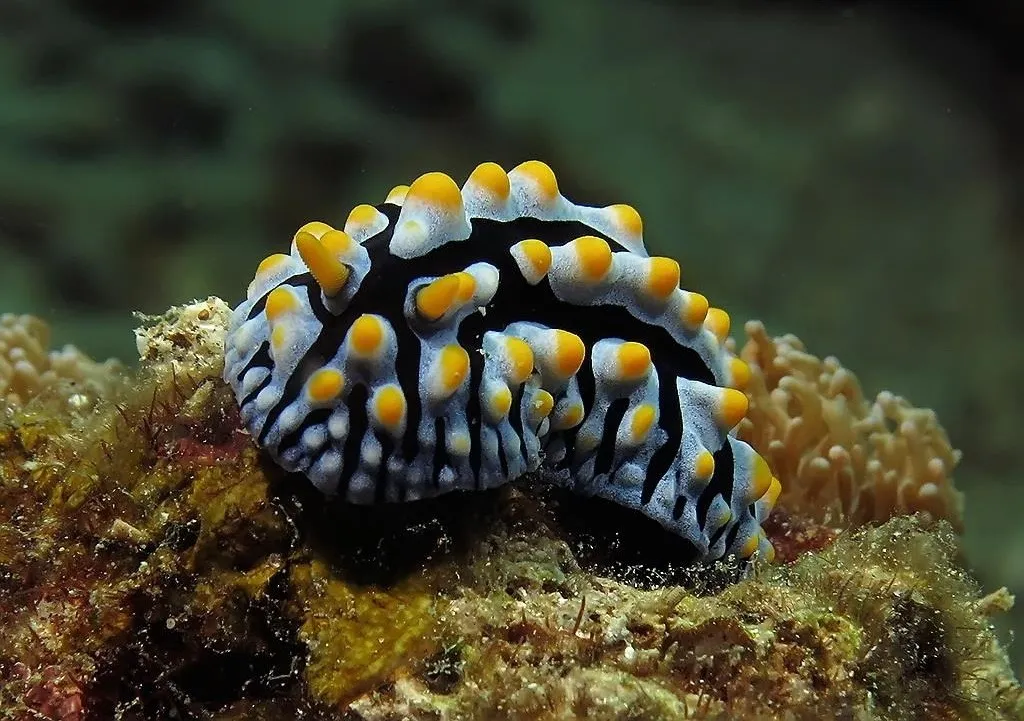
Keen observers may spot barracuda schooling in the blue, nudibranchs slowly traversing the rock formations, and octopus cleverly camouflaged within the crevices. Moray eels also inhabit the cave, often peeking out from their rocky hideaways.
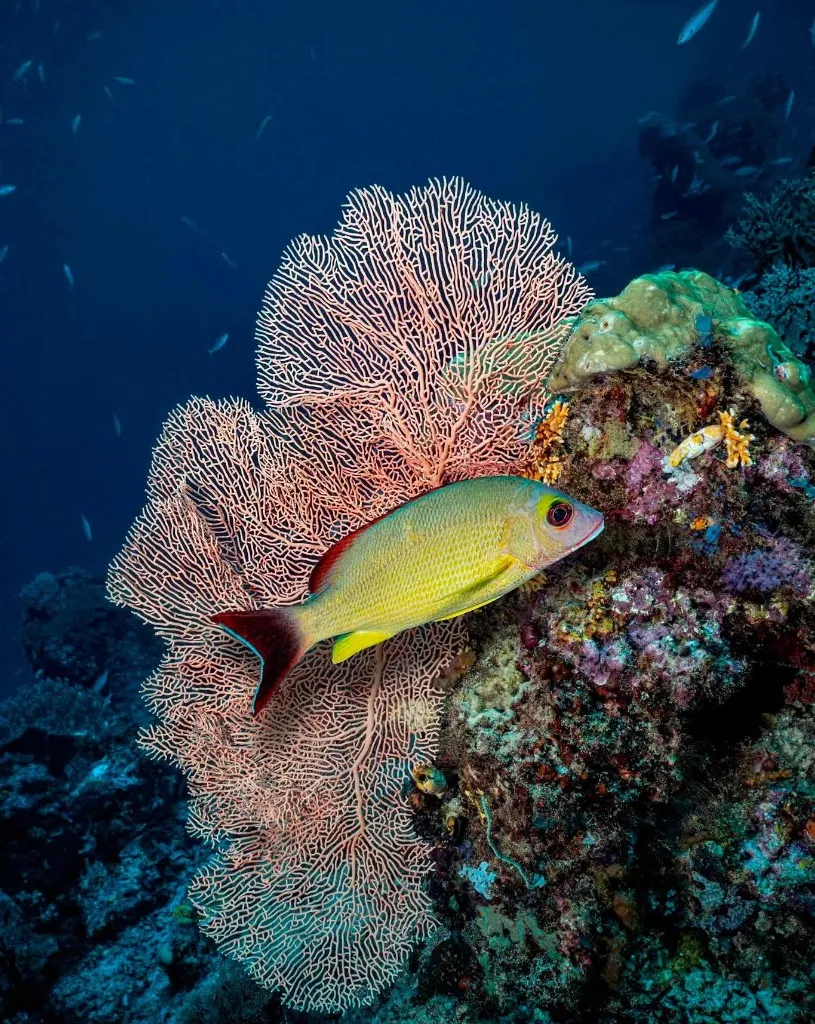
Snappers are another common sighting, adding to the rich biodiversity encountered within this unique underwater environment.
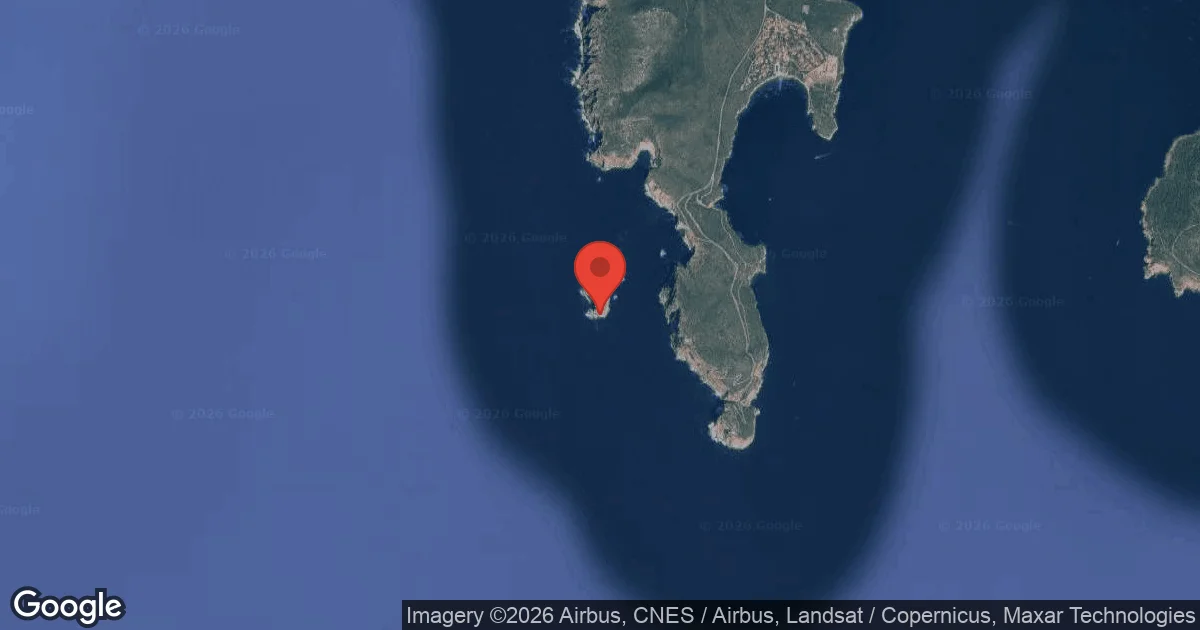
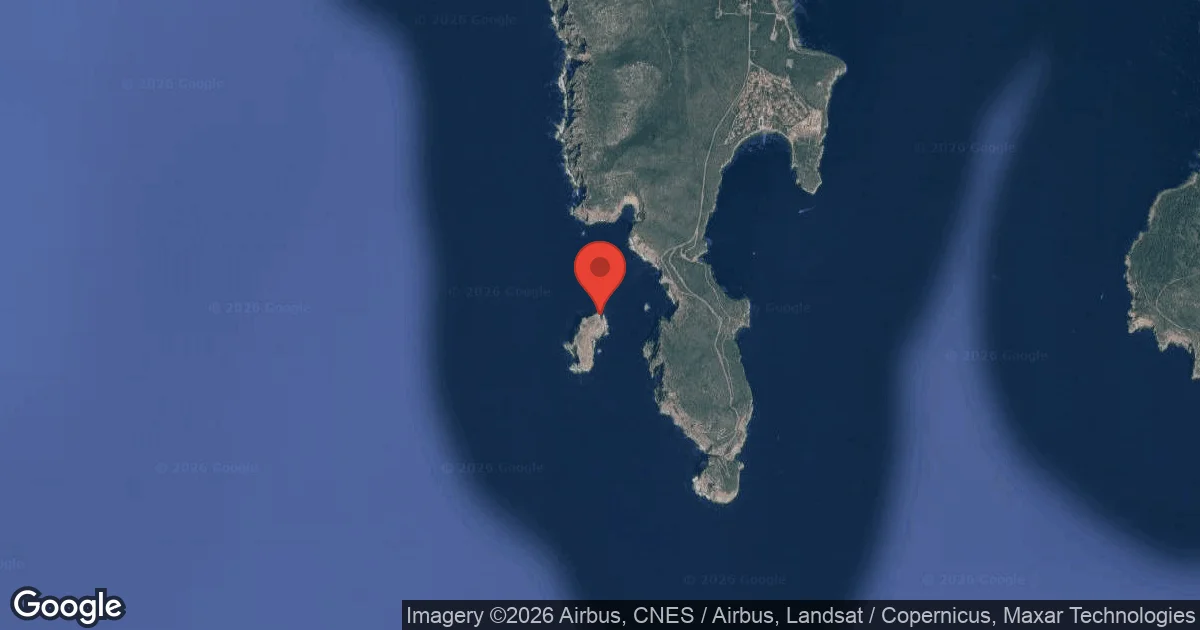
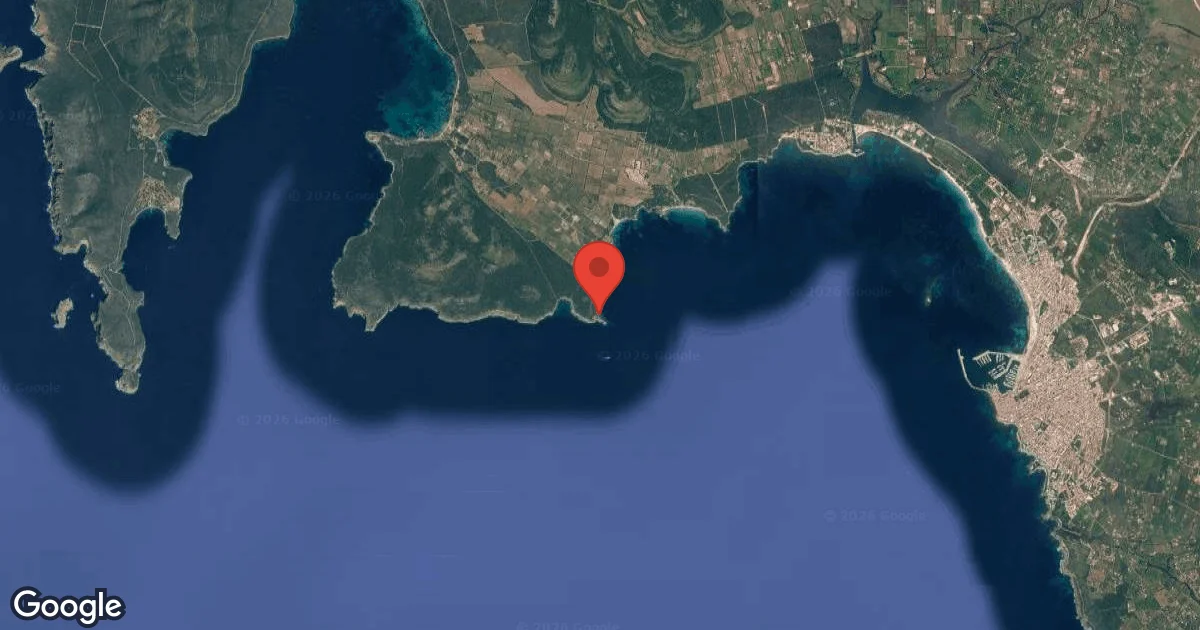
Dive Sites Near Cervi Cave
View all dive sites in ItalyDiscover more underwater gems in this area.
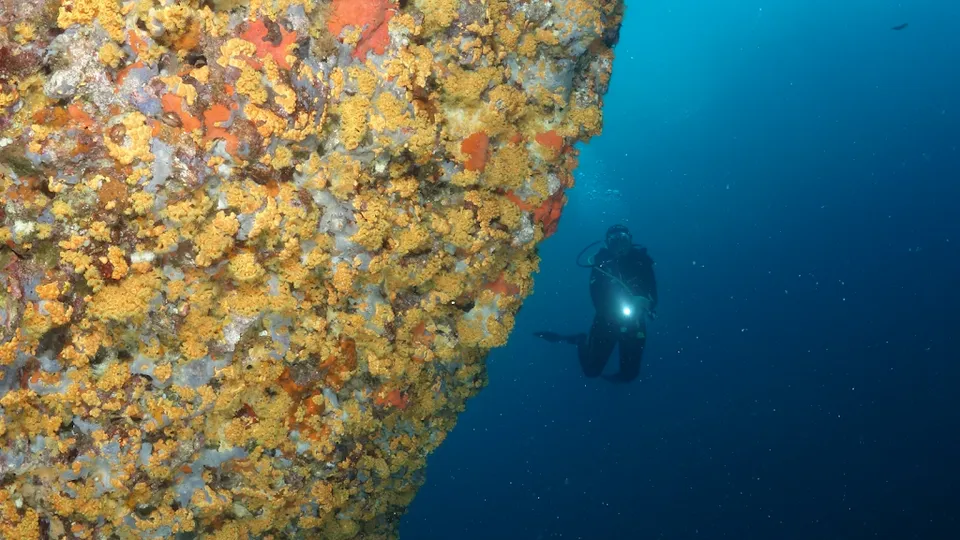
Dive Centers Near Cervi Cave
Today: 09:00 - 18:00
Nearest Airports
Nearest airports to help plan travel to this dive area.
Search Flights
Check available flights and routes on Expedia, using the nearby airports listed in this section.
Search Flights on ExpediaFrequently Asked Questions
What makes Cervi Cave a significant dive site?
Cervi Cave is highly regarded for its unique combination of naturalistic and scientific value. It houses a significant fossil deposit of ancient Sardinian deer, alongside impressive underwater geological formations like submerged stalactites and a clearly visible old sea level.
What is the maximum depth for diving in Cervi Cave?
Divers can reach a maximum depth of around 22 m (72 ft) within Cervi Cave. Its entrance is shallower, typically found at 8 m (26 ft), making the site accessible to various certification levels.
Is Cervi Cave suitable for beginner divers?
Exploration within Cervi Cave is described as quite easy and suitable for most divers. However, due to its overhead environment, an Advanced Open Water Diver certification or a Cavern Diver specialty is recommended for optimal safety and enjoyment.
Can I see fossils during the dive?
Yes, a unique aspect of diving at Cervi Cave is the opportunity to observe fossilized bones of prehistoric reindeer. They are visible in a small niche once you ascend to an underground lake within the cave system.
What kind of marine life might I encounter?
Divers frequently encounter giant groupers. Other common sightings include barracuda, various types of nudibranchs, octopus, snappers, and moray eels, which often hide within the cave's rocky features.
When is the best time to dive Cervi Cave?
A favorable period for diving Cervi Cave is generally from May to October. During these months, the region experiences warmer air temperatures, significantly less rainfall, and calmer sea conditions, enhancing the overall dive experience.
How do I access Cervi Cave?
Cervi Cave is typically accessed by a rubber boat from local dive centers, such as the ArchiMete tourist centre. A boat journey to the cave, located within the cliff of Punta Giglio, is short, usually lasting about five minutes.
Planning to dive Cervi Cave?
Send one inquiry and receive offers directly from the best verified local dive operators.
Conditions are Excellent
07:00 - 14:00
Optimal conditions expected
Current conditions near Cervi Cave show 22° air, 26° sea temperature, 0.9 m waves, and 19 km/h wind. Forecast data is refreshed regularly to ensure accuracy.