
Diving at Falco Cave (Italy)
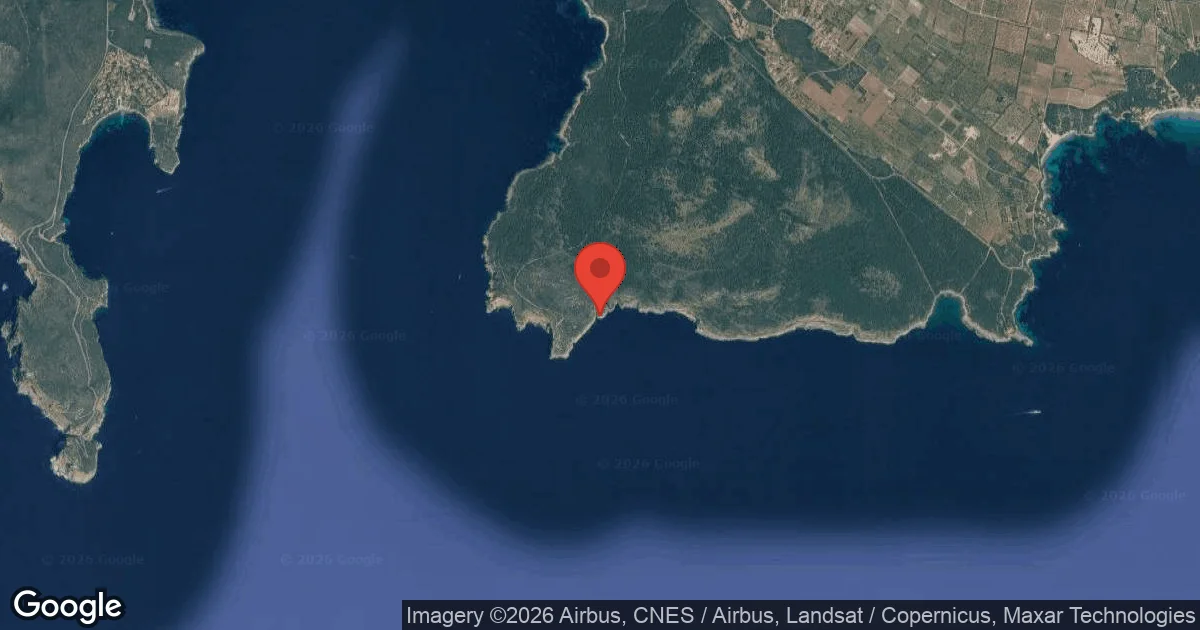
Falco Cave is a notable feature within the extensive karst system of Punta Giglio on Sardinia's west coast, near Alghero. This spacious cave, also known as Grotta di Anfitrite, allows for easy navigation for most divers. It gained its name in honor of freediver Ennio Falco, a record-holder from the 1960s, marking its significance among local diving history.
As evening covers Falco Cave, the local air temperature is measured at 22.5°C. The current wave height at the surface is recorded at 0.8 m. These late-day readings characterize the surface conditions for the night.
Dive Site Location & Key Facts
Dive Site Overview
Imagine descending into a world where ancient geology meets vibrant marine life; Falco Cave delivers such an experience. A sprawling underwater landscape, sometimes known as Grotta di Anfitrite, forms part of a karst complex on Sardinia's west coast.
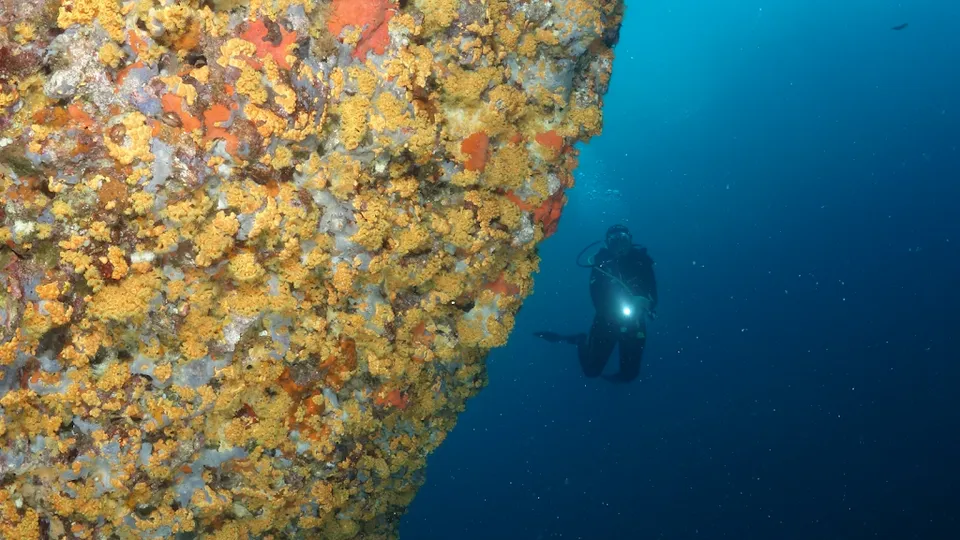
Divers can navigate the expansive inner vault, admiring stalactites and calcite arabesques that adorn its ceiling. Within, an opportunity exists to temporarily leave equipment and explore a gallery rich with stalagmite formations and lace-like rock structures, illuminated solely by personal lights. Cave walls and arches reveal a diverse array of sponges and cave-dwelling sea life, including striking red coral and yellow leptopsammia cup coral.
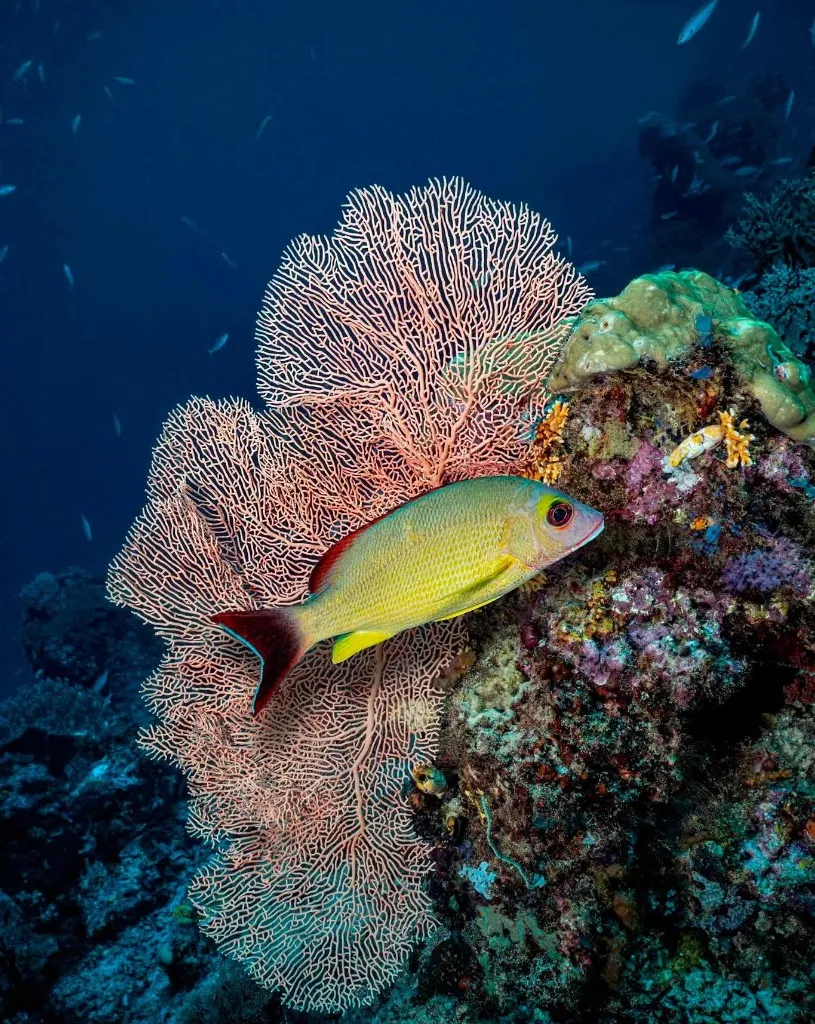
Near the entrance, a welcoming "pre-show" of snapper and grouper often swims close to the opening. Connected tunnels allow sea currents to cycle nutrients, sustaining life deeper within the system.
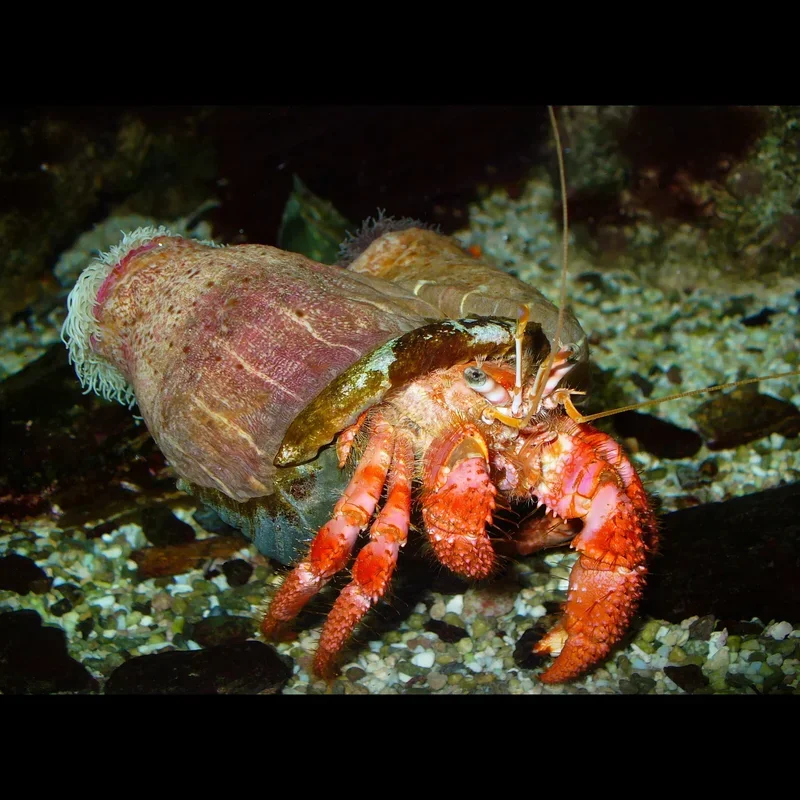
Common sightings inside include congers, slipper lobsters, Pagurus hermit crabs, and golden coral shrimp. While specific maximum depths for Falco Cave itself are not consistently reported, the area provides diving opportunities across various recreational depths, making it accessible to a wide range of certified divers.
This particular dive combines geological exploration with an intimate encounter into Mediterranean cave ecosystems.
Conditions are Excellent
07:00 - 14:00
Optimal conditions expected
Current conditions near Falco Cave show 23° air, 26° sea temperature, 0.8 m waves, and 20 km/h wind. Forecast data is refreshed regularly to ensure accuracy.
Best Time to Dive
Optimal diving conditions for Falco Cave typically span from June through October, with these months consistently showing good dive scores. Air temperatures during this period range comfortably from 20°C (68°F) in October to 26°C (79°F) in July, coupled with minimal rainfall averaging between 0.15 mm and 2.42 mm. July and August, the peak summer months, often bring the highest air temperatures and lowest rainfall, though this can also mean increased visitor traffic. For divers preferring milder conditions and fewer crowds, the shoulder months of April, May, and November still offer moderate to good dive scores. During April and May, air temperatures hover between 15°C (59°F) and 18.5°C (65°F), with decreasing wave heights and less wind than the winter months. Conversely, cooler air temperatures, from 12°C (54°F) to 13.5°C (56°F), define the winter period from December to March, accompanied by higher wave activity and stronger winds, which can affect boat access. Late spring or early autumn visits can provide a balance between pleasant weather and a more serene dive experience.
PEAK SEASON SCORE
Scores combine air & water temps, waves, wind & rainfall for overall conditions.
BEST MONTHS TO DIVE
Monthly records compiled from satellite and marine observation nodes over the last 3 years. Data provided by Open-Meteo and MET Norway.
Dive Experience & Conditions
A straightforward experience awaits divers entering Falco Cave, as the main entrance is wide and accommodating. Visibility within the cave generally mirrors the exceptional clarity of the surrounding Mediterranean waters, particularly in the La Maddalena Archipelago region. Sea currents, a natural element of this environment, flow through tunnels connected to open water, bringing nutrients to the interior. Divers will observe the cave's surfaces adorned with various sponges and calcified formations, with areas displaying red coral and yellow leptopsammia cup coral. While precise water temperature data for the cave isn't consistently reported, it typically aligns with seasonal Mediterranean averages. The unique opportunity to transition from an underwater dive into a dry cave section, exploring stalactites and stalagmites with personal lights, adds a distinct dimension to this dive.
Dive Difficulty & Safety Guidelines
Adherence to standard cave diving protocols is essential for Falco Cave, underscoring the necessity of appropriate training and equipment. Though described as accessible, navigating any overhead environment mandates carrying reliable primary and backup lights for proper illumination in the cave’s darker sections. Divers must maintain excellent buoyancy control to preserve delicate geological formations like stalactites and stalagmites, alongside the diverse marine life on the walls.
Planning dives through authorized local dive centers proves crucial; they offer site-specific knowledge and guidance on current conditions and safe navigation within the intricate Capo Caccia cave system. Always dive within your certification limits and with a buddy.
The inviting dry cave section also requires careful movement when leaving equipment and exploring its formations.
Recommended Equipment
Overhead environment. Do not enter beyond training and gas planning limits.
- Dive Computer
- DSMB
- Primary & Backup Lights
- Reel / Spool
- Cutting Tool
This gear list is based on verified equipment signals for Falco Cave, Italy. Always confirm final gear choices with your dive operator, guide, or liveaboard.
Recommended Dive Suit
Divers visiting Falco Cave today can expect water conditions around 26°C (79°F). Surface air temperatures are resting at 23°C (73°F).
For the majority of recreational dives here, 2-3mm shorty or light wetsuit should provide suitable protection. Surface intervals may feel cooler.
Surface conditions are expected to warm up slightly in the coming days. A warming trend is expected over the next few days.
Emergency & Medical Support
Essential information to help you plan your dive trip to Falco Cave.

Hyperbaric chambers are a critical part of dive safety infrastructure. Availability varies significantly by region, and not all dive areas have immediate access.
Before diving, it's recommended to:
- confirm nearest medical facilities
- check emergency procedures with local dive operators
- ensure dive insurance covers evacuation if required
Divers Alert Network
Diving emergency assistance available through DAN Europe.
+39 0642115685- 24/7 emergency hotline
- Diving medical assistance
- Evacuation coordination
Emergency contacts are provided for reference. Always verify local emergency services before diving.
Closest Listed Hyperbaric Chambers
Showing listed hyperbaric chamber facilities within 200 km of this dive site.
Distances are approximate straight-line distances and may not reflect emergency travel time.
CENTRO IPERBARICO SASSARESE SRL
Sassari, Italy•Approx. 34 km straight-line
CENTRO IPERBARICO SASSARESE SRL
Information is provided for reference and planning purposes only. Dive Navigator does not verify operational status, staffing, availability, or quality of care at listed facilities. In an emergency, contact local emergency services, DAN, your dive operator, or the chamber directly. Do not travel to a facility without calling ahead.
Ospedale Paolo Merlo - Centro Iperbarico La Maddalena
ICU CapableLa Maddalena, Italy•Approx. 123 km straight-line
Ospedale Paolo Merlo - Centro Iperbarico La Maddalena
ICU CapableInformation is provided for reference and planning purposes only. Dive Navigator does not verify operational status, staffing, availability, or quality of care at listed facilities. In an emergency, contact local emergency services, DAN, your dive operator, or the chamber directly. Do not travel to a facility without calling ahead.
Servizio di Medicina Iperbarica "Giancarlo Boero”
24/7 ListedICU CapableCagliari, Italy•Approx. 171 km straight-line
Servizio di Medicina Iperbarica "Giancarlo Boero”
24/7 ListedICU CapableInformation is provided for reference and planning purposes only. Dive Navigator does not verify operational status, staffing, availability, or quality of care at listed facilities. In an emergency, contact local emergency services, DAN, your dive operator, or the chamber directly. Do not travel to a facility without calling ahead.
Marine Life at Falco Cave
Falco Cave's underwater landscape supports a vibrant array of marine life, thriving within its protective confines and connecting tunnels. Red coral and yellow leptopsammia cup coral visibly encrust the cave walls and arches, creating striking natural art.
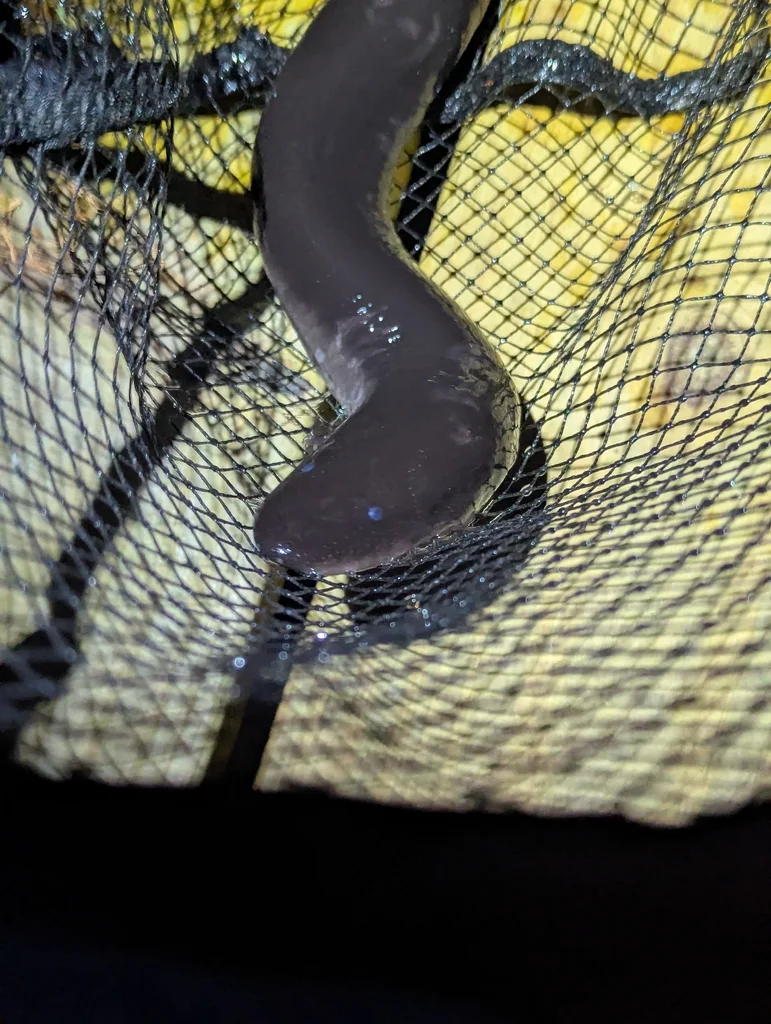
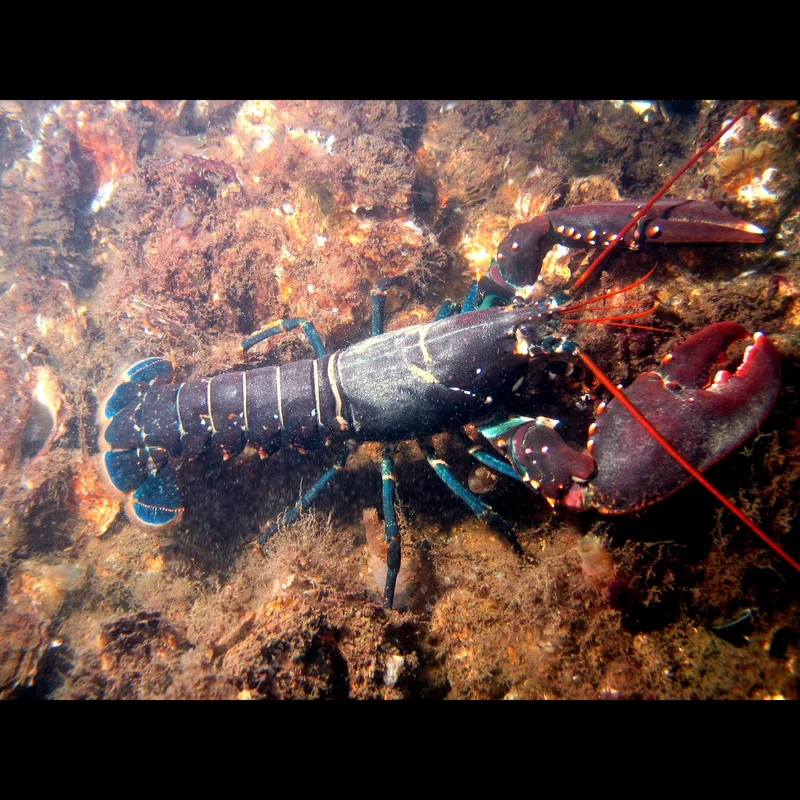
Divers commonly encounter congers and slipper lobsters, often nestled among the rocks, while Pagurus hermit crabs and golden coral shrimp frequently appear in crevices. Near the cave entrance, snapper and grouper provide a lively welcome.
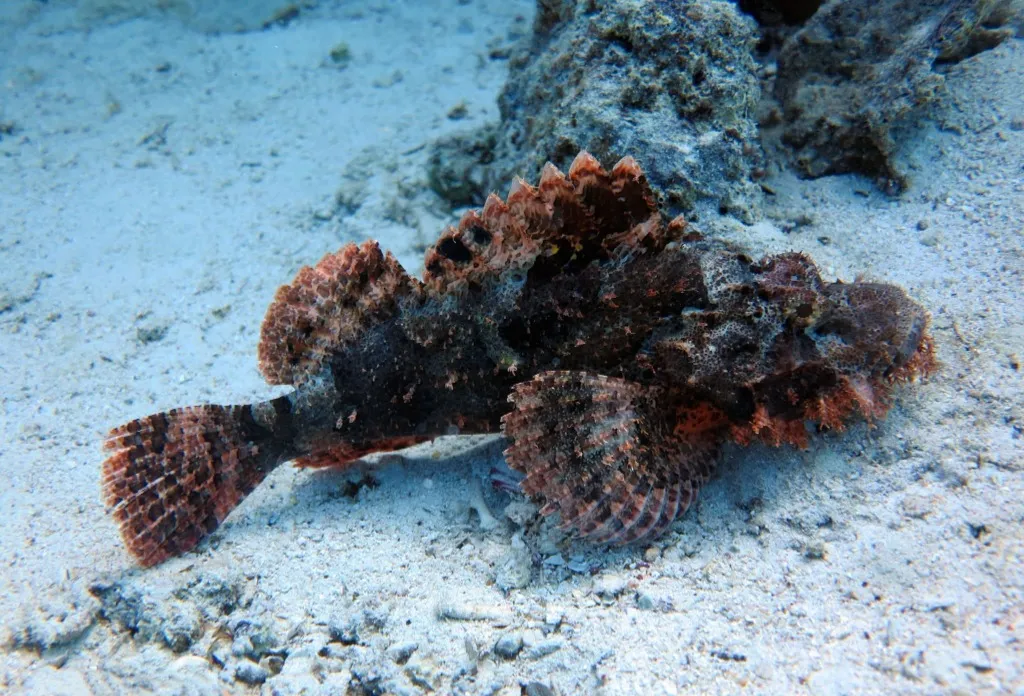
The broader Capo Caccia area also hosts scorpionfish, further enriching the regional ecosystem, though not consistently reported within the cave itself.
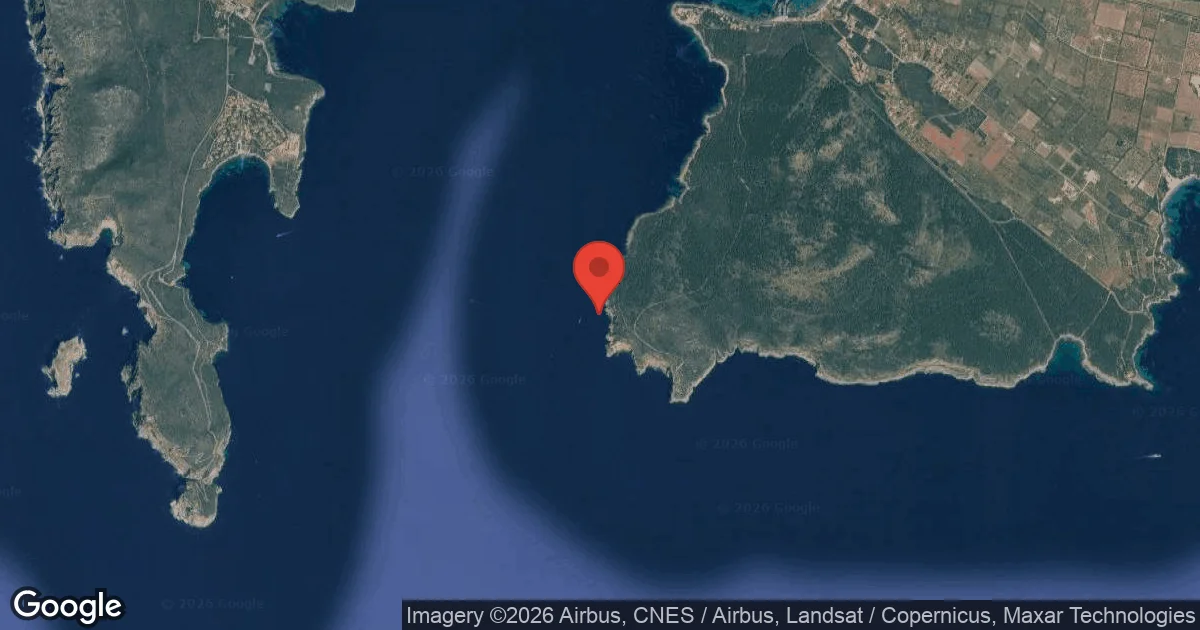
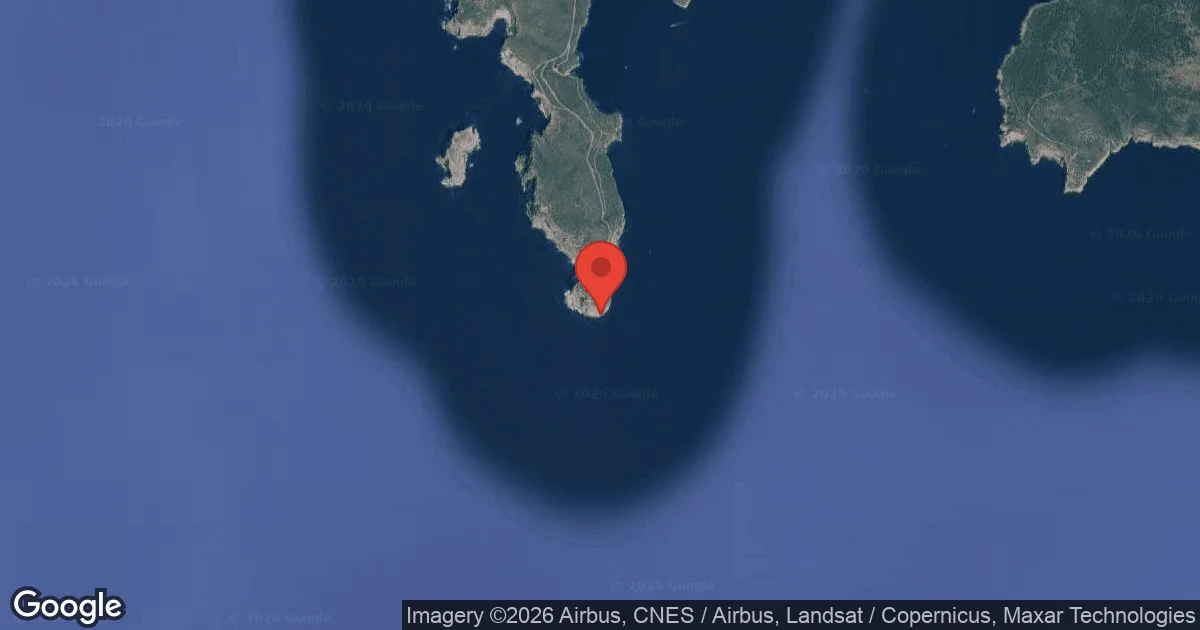
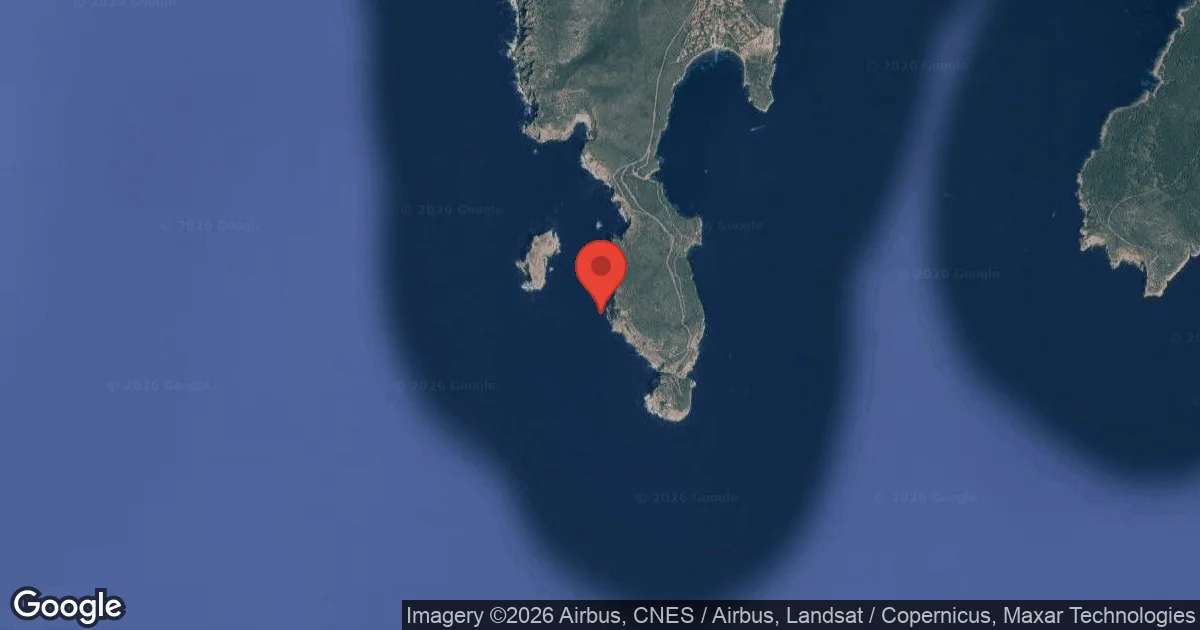
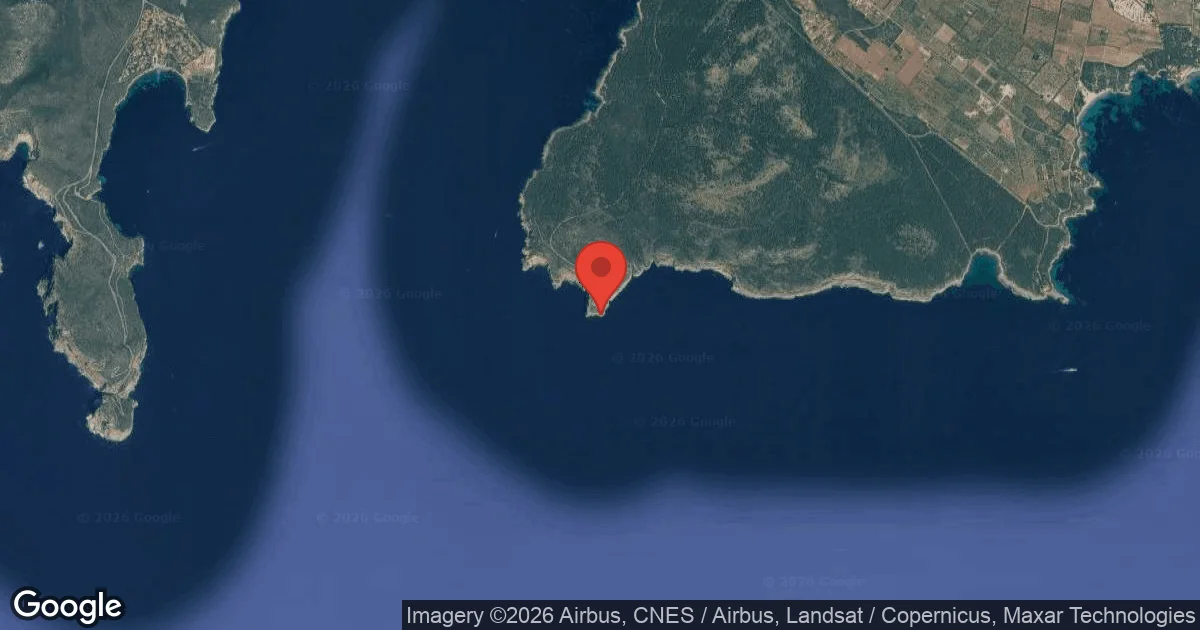
Dive Sites Near Falco Cave
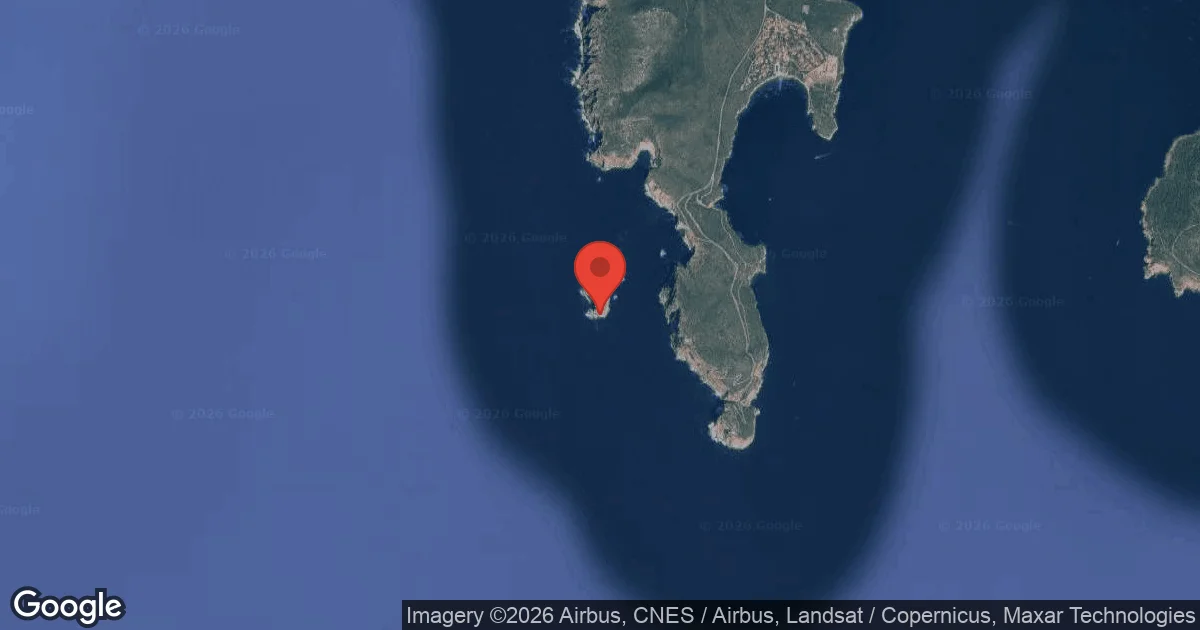
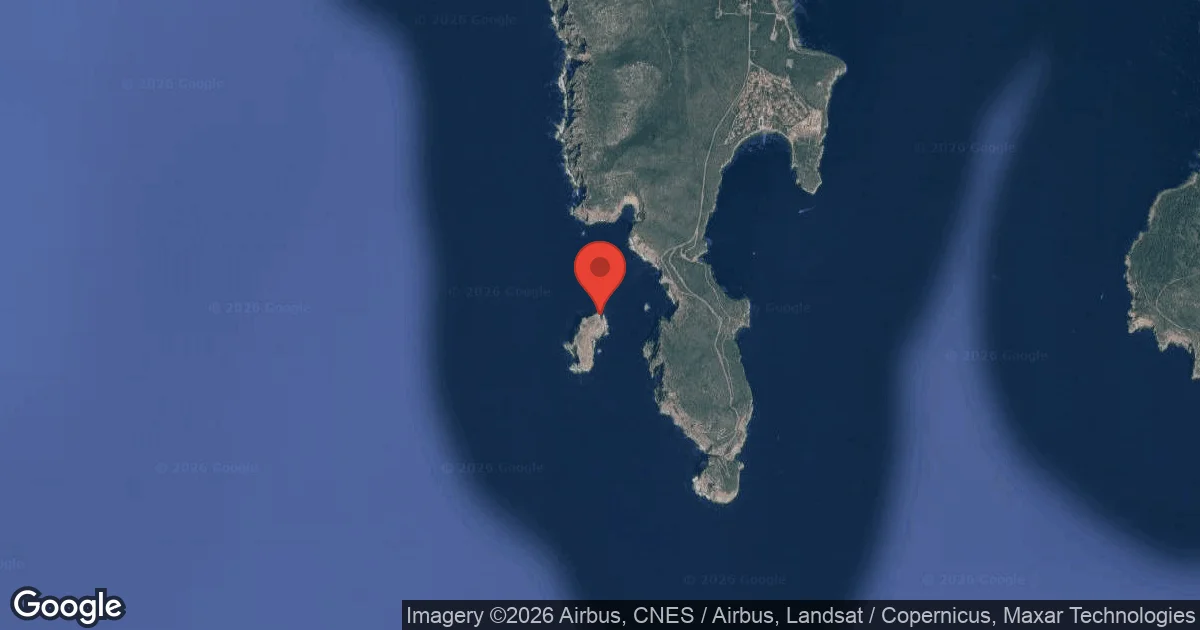
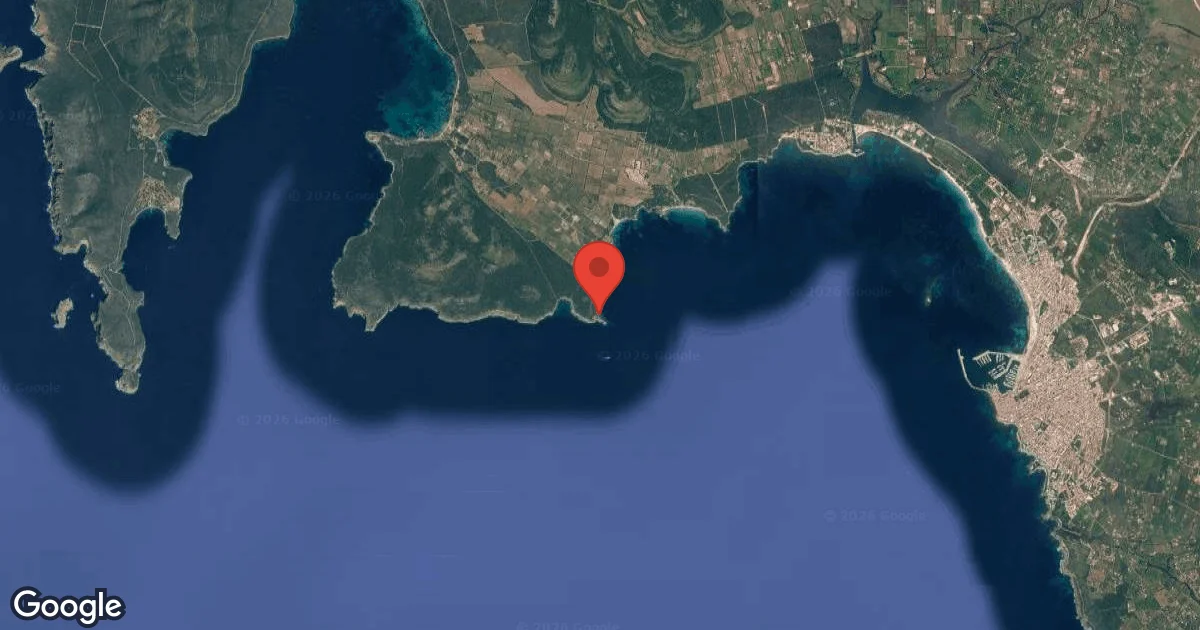
View all dive sites in ItalyDiscover more underwater gems in this area.
Dive Centers Near Falco Cave
Today: 09:00 - 18:00
Nearest Airports
Nearest airports to help plan travel to this dive area.
Search Flights
Check available flights and routes on Expedia, using the nearby airports listed in this section.
Search Flights on ExpediaFrequently Asked Questions
What kind of dive is Falco Cave?
Falco Cave presents a blend of cavern and cave diving experiences, recognized for its extensive underwater and dry sections. It's part of the Capo Caccia karst system, featuring impressive geological formations.
Is Falco Cave suitable for all divers?
Falco Cave is generally accessible due to its large entrance and wide interior. However, as an overhead environment, it requires appropriate training in cave or cavern diving and experience in buoyancy control for safe exploration.
What marine life can be seen in Falco Cave?
Within the cave, divers can observe red coral, yellow leptopsammia cup coral, congers, slipper lobsters, hermit crabs, and golden coral shrimp. Snapper and grouper are often present near the entrance.
What unique geological features does Falco Cave offer?
Inside the cave, divers will find numerous stalactites, calcite arabesques, and lace-like rock formations. A unique aspect is the accessible dry cave section, where stalagmites and other formations can be explored on foot.
What is the best time of year to dive Falco Cave?
The period from June through October typically provides the most favorable dive conditions, with comfortable air temperatures and minimal rainfall. Shoulder seasons like April, May, and November also offer good diving with fewer crowds.
Why is the cave named Falco Cave?
The cave was named in honor of Ennio Falco, a prominent Italian freediver and record-holder during the 1960s, recognizing his contributions to the sport.
What specialized equipment is recommended for this dive?
Divers should carry reliable primary and backup dive lights due to the cave's overhead environment and darker sections. Excellent buoyancy control is also vital to protect the delicate formations.
What are the typical depths encountered at Falco Cave?
Falco Cave itself is described as being easily accessible and wide, suitable for recreational divers. While the broader Capo Caccia system features dives at various depths, Falco Cave generally falls within typical recreational limits, allowing for extensive exploration without specific deep-diving requirements.
Planning to dive Falco Cave?
Send one inquiry and receive offers directly from the best verified local dive operators.
Conditions are Excellent
07:00 - 14:00
Optimal conditions expected
Current conditions near Falco Cave show 23° air, 26° sea temperature, 0.8 m waves, and 20 km/h wind. Forecast data is refreshed regularly to ensure accuracy.