
Diving at Stalattiti Cave (Italy)
Venturing into Stalattiti Cave demands a clear understanding of its varying levels of complexity. While welcoming to open water divers in its initial, expansive caverns, the site’s true challenge lies deeper. Its full cave sections, characterized by the potential loss of a visible exit and intricate passages, are strictly for highly experienced technical cave divers. An underwater landscape, carved during ancient ice ages, requires disciplined buoyancy and environmental awareness to navigate safely.
Tonight's objective overview for Stalattiti Cave shows an air temperature of 20.5°C. The measured surface conditions include wave heights around 0.8 m. This environmental data is logged for the close of the day.
Dive Site Location & Key Facts
Dive Site Overview
Geological time unfolds at Stalattiti Cave, also known as "Cave of Dripstones," revealing a deep dive into ancient processes. Visitors embark on a remarkable journey through vast limestone environments sculpted by eons of water erosion.
Divers here are immersed in a world of impressive speleothems; large stalactites hang from cavern ceilings, while a prominent stalagmite, affectionately called "The Palm Tree," commands attention with its imposing structure. Ancient formations offer tangible evidence of past sea levels and the powerful geological forces that shaped this underwater landscape. Routes within the cave system accommodate a wide spectrum of diver abilities.
Open water explorers can comfortably navigate brightly lit, expansive caverns near the entrance, where daylight still penetrates.
However, those with advanced technical cave training can venture much deeper into more intricate, darker tunnels, unlocking the full extent of this complex system. White limestone rock ensures consistently excellent visibility, often allowing light to create dramatic, ethereal effects within enormous chambers.
Plays of light and shadow, combined with the sheer scale of formations, frequently draw comparisons to the iconic cenotes found in Mexico's Yucatán Peninsula, providing a similarly awe-inspiring experience for those prepared to explore its depths.
Conditions are Excellent
07:00 - 14:00
Optimal conditions expected
Current conditions near Stalattiti Cave show 21° air, 26° sea temperature, 0.9 m waves, and 19 km/h wind. Forecast data is refreshed regularly to ensure accuracy.
Best Time to Dive
Optimal diving conditions at Stalattiti Cave primarily occur during the summer and early autumn, from June through September. During this period, surface conditions are typically the most inviting, with average air temperatures comfortably ranging between 22.5°C / 72°F and 26°C / 79°F. This timeframe experiences minimal rainfall, often below 1.5 mm, which significantly contributes to consistently calm sea states and clearer water columns. Calm seas simplify entry and exit procedures, making the overall experience more accessible and enjoyable. Reduced swell also generally enhances visibility within the caverns. Shoulder seasons, specifically April, May, and October, also present favorable opportunities for exploration. Air temperatures during these months are cooler but pleasant, typically ranging from 15-20°C / 59-68°F. While weather generally remains settled, divers should be aware that wave heights might exhibit more variability compared to the peak summer months. Planning for potential shifts in surface conditions is advisable, even though the inherent stability of the cave environment itself remains consistent year-round once submerged.
PEAK SEASON SCORE
Scores combine air & water temps, waves, wind & rainfall for overall conditions.
BEST MONTHS TO DIVE
Monthly records compiled from satellite and marine observation nodes over the last 3 years. Data provided by Open-Meteo and MET Norway.
Dive Experience & Conditions
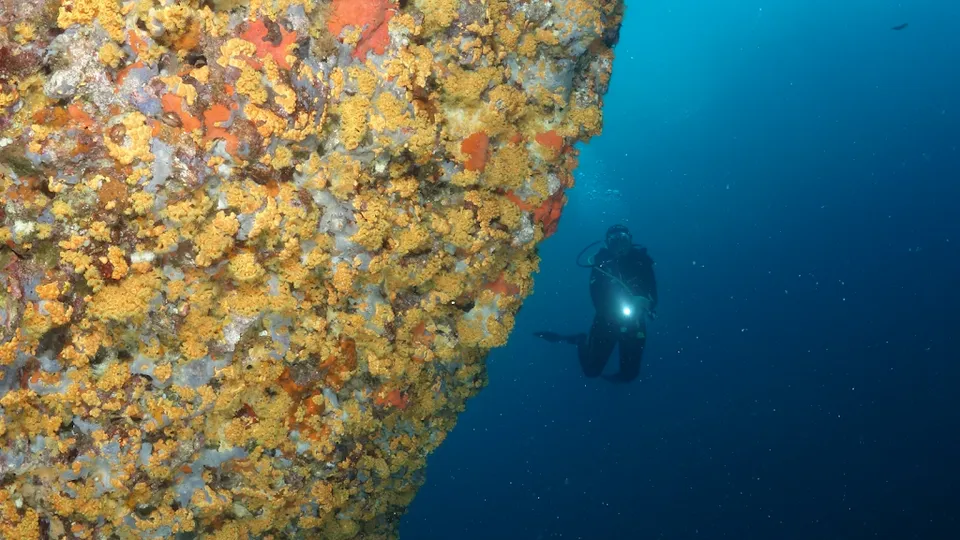
Stalattiti Cave's depth profile caters to various skill levels, allowing Open Water Divers to explore initial cavern entrances typically around 12 meters / 39 feet deep. These areas feature colorful walls, rich with sponges and concretions. For those with advanced certifications, maximum reported depths extend to 18 meters / 59 feet, with some variations reaching a few meters deeper in specific cave types. While specific water temperature data is not consistently available, Mediterranean averages suggest warmer conditions during peak summer months. White limestone structures often provide excellent visibility, enhancing the experience of huge environments and the dramatic plays of light entering from the outside.
Dive Difficulty & Safety Guidelines
Rigorous adherence to training and safety protocols is essential at Stalattiti Cave. Open Water Divers are limited to specific, accessible cavern sections where the entrance remains visible and vertical access to the surface is readily available. Penetrating deeper, more complex sections, especially those where the exit can be lost from sight or involving narrower tunnels, demands specialized certifications like Tec Cave Diver.
Always dive with a qualified local guide who possesses intimate knowledge of the cave system's specific layouts and potential challenges. Maintaining excellent buoyancy control is crucial in this delicate environment to prevent disturbing sediments or damaging formations.
Recommended Equipment
Overhead environment. Do not enter beyond training and gas planning limits.
- Dive Computer
- DSMB
- Primary & Backup Lights
- Reel / Spool
- Cutting Tool
This gear list is based on verified equipment signals for Stalattiti Cave, Italy. Always confirm final gear choices with your dive operator, guide, or liveaboard.
Recommended Dive Suit
For divers planning standard recreational dives, 3mm wetsuit is usually a suitable option. Surface intervals may feel cooler. Divers vary widely in how quickly they feel cold underwater.
Conditions at Stalattiti Cave currently place the water temperature near 26°C (79°F). Surface air temperatures are resting at 21°C (69°F).
Temperatures look set to gradually increase over the next several days. A warming trend is expected over the next few days.
Emergency & Medical Support
Essential information to help you plan your dive trip to Stalattiti Cave.

Hyperbaric chambers are a critical part of dive safety infrastructure. Availability varies significantly by region, and not all dive areas have immediate access.
Before diving, it's recommended to:
- confirm nearest medical facilities
- check emergency procedures with local dive operators
- ensure dive insurance covers evacuation if required
Divers Alert Network
Diving emergency assistance available through DAN Europe.
+39 0642115685- 24/7 emergency hotline
- Diving medical assistance
- Evacuation coordination
Emergency contacts are provided for reference. Always verify local emergency services before diving.
Closest Listed Hyperbaric Chambers
Showing listed hyperbaric chamber facilities within 200 km of this dive site.
Distances are approximate straight-line distances and may not reflect emergency travel time.
CENTRO IPERBARICO SASSARESE SRL
Sassari, Italy•Approx. 35 km straight-line
CENTRO IPERBARICO SASSARESE SRL
Information is provided for reference and planning purposes only. Dive Navigator does not verify operational status, staffing, availability, or quality of care at listed facilities. In an emergency, contact local emergency services, DAN, your dive operator, or the chamber directly. Do not travel to a facility without calling ahead.
Ospedale Paolo Merlo - Centro Iperbarico La Maddalena
ICU CapableLa Maddalena, Italy•Approx. 124 km straight-line
Ospedale Paolo Merlo - Centro Iperbarico La Maddalena
ICU CapableInformation is provided for reference and planning purposes only. Dive Navigator does not verify operational status, staffing, availability, or quality of care at listed facilities. In an emergency, contact local emergency services, DAN, your dive operator, or the chamber directly. Do not travel to a facility without calling ahead.
Servizio di Medicina Iperbarica "Giancarlo Boero”
24/7 ListedICU CapableCagliari, Italy•Approx. 172 km straight-line
Servizio di Medicina Iperbarica "Giancarlo Boero”
24/7 ListedICU CapableInformation is provided for reference and planning purposes only. Dive Navigator does not verify operational status, staffing, availability, or quality of care at listed facilities. In an emergency, contact local emergency services, DAN, your dive operator, or the chamber directly. Do not travel to a facility without calling ahead.
Marine Life at Stalattiti Cave
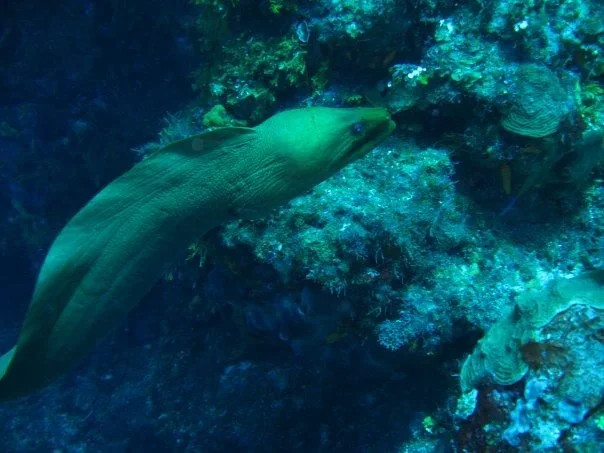
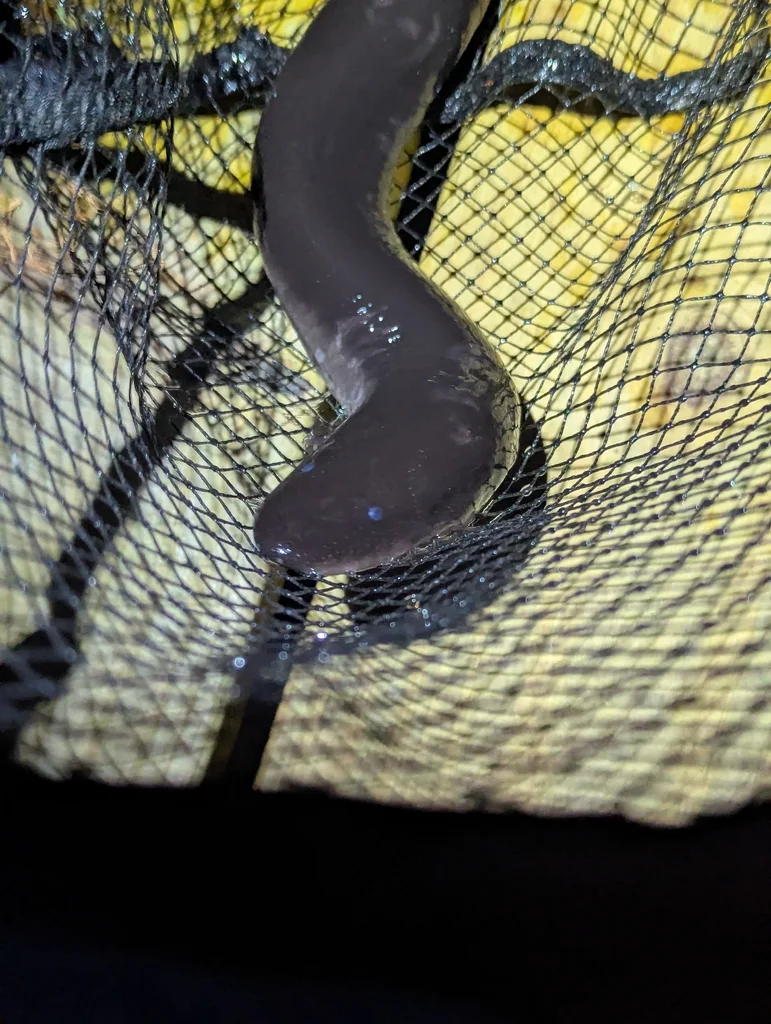
A diverse array of marine life inhabits the cave's entrance and surrounding reef structures. Divers commonly encounter moray eels, groupers, cuttlefish, and various octopus species.
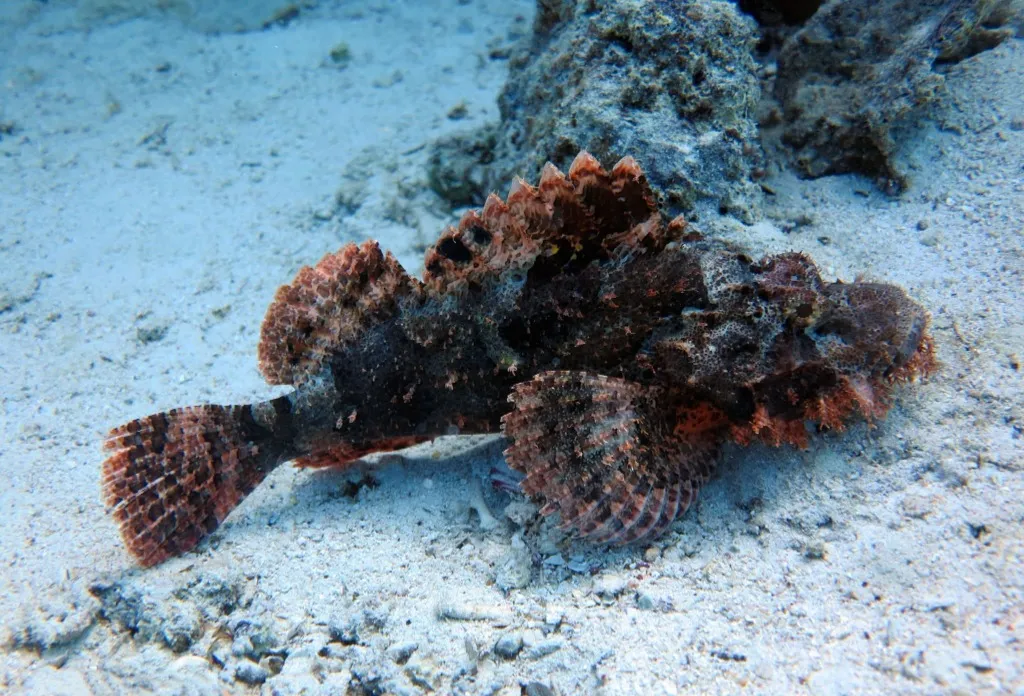
Blue lobsters are occasionally spotted within the cave's crevices and hidden ledges. Exploring the coralligenous sediment can reveal red scorpionfish of notable size and musdea.
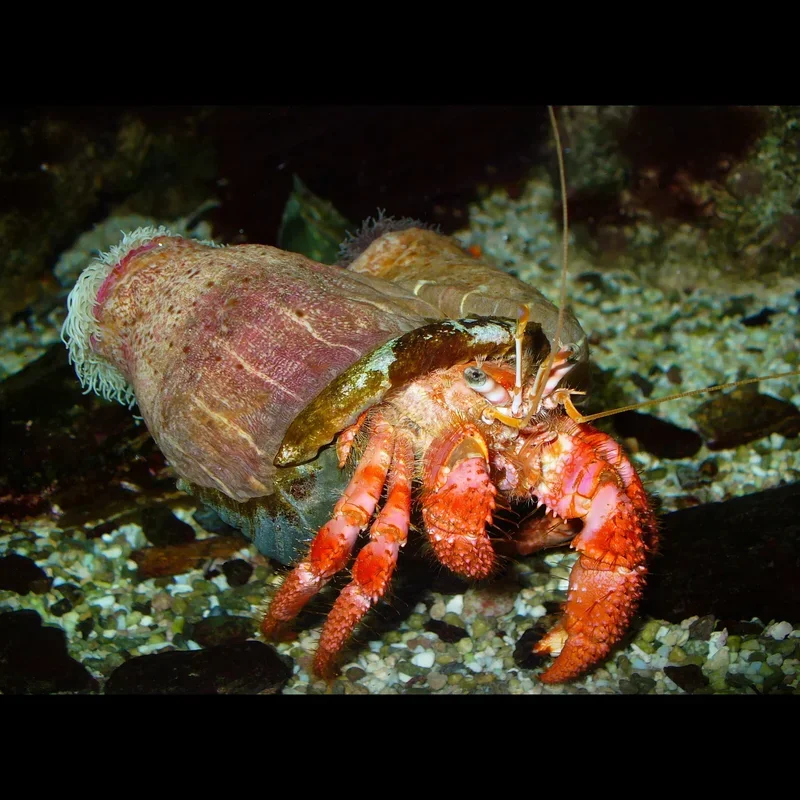
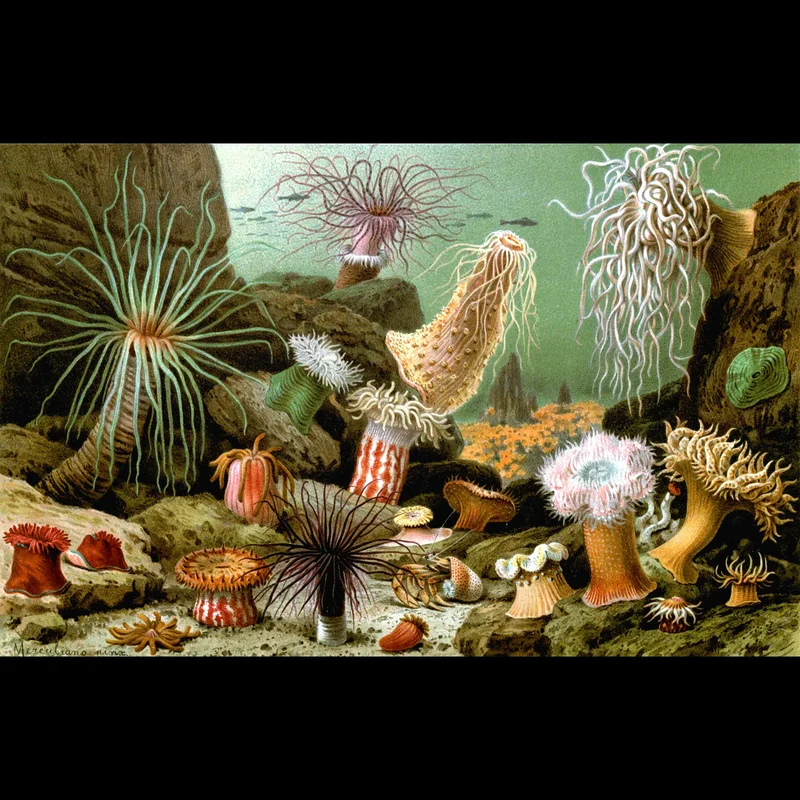
Cave walls also provide refuge for apogon imberbis, known for the males carrying eggs in their mouths, and specimens of bernard hermit crabs living in symbiosis with anemones.
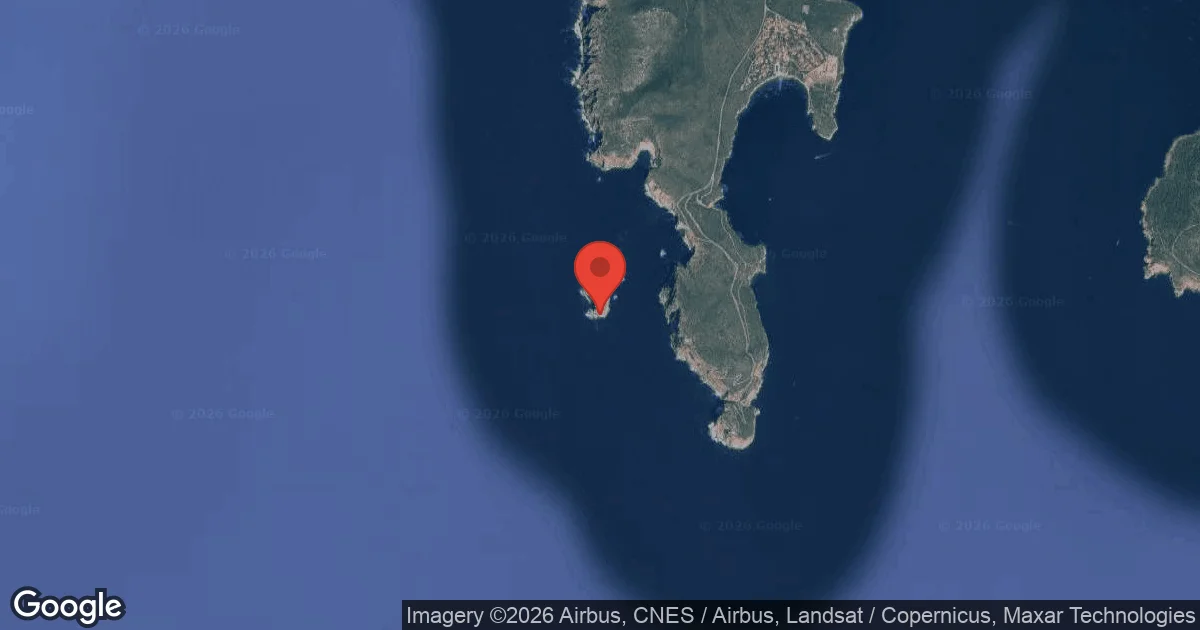
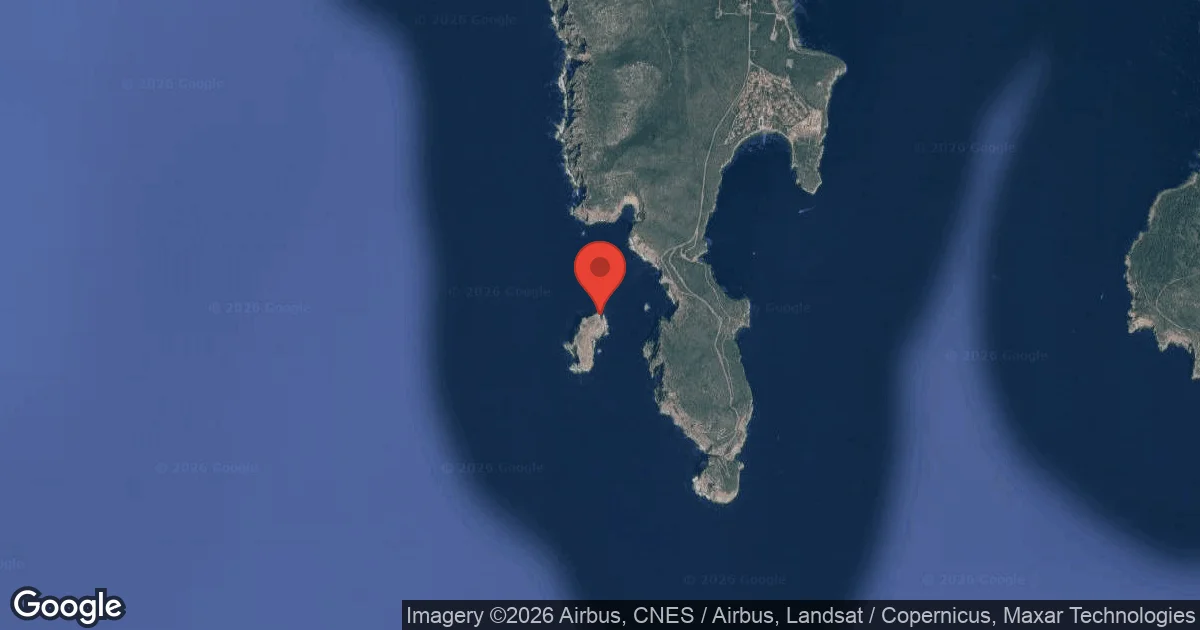
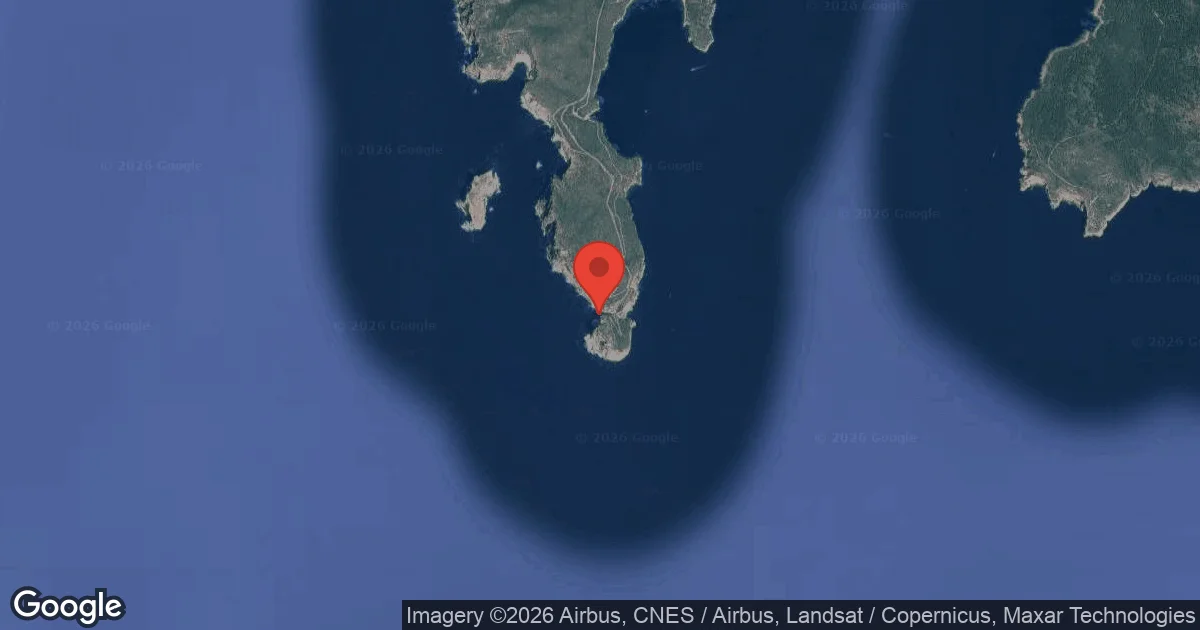
Dive Sites Near Stalattiti Cave
View all dive sites in ItalyDiscover more underwater gems in this area.
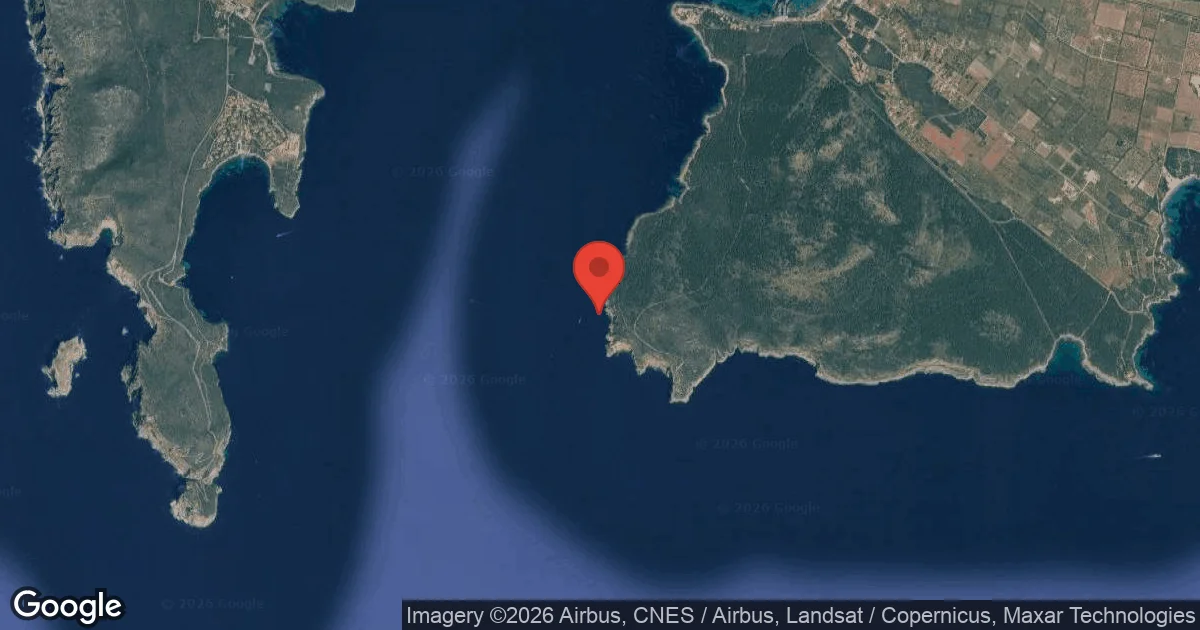
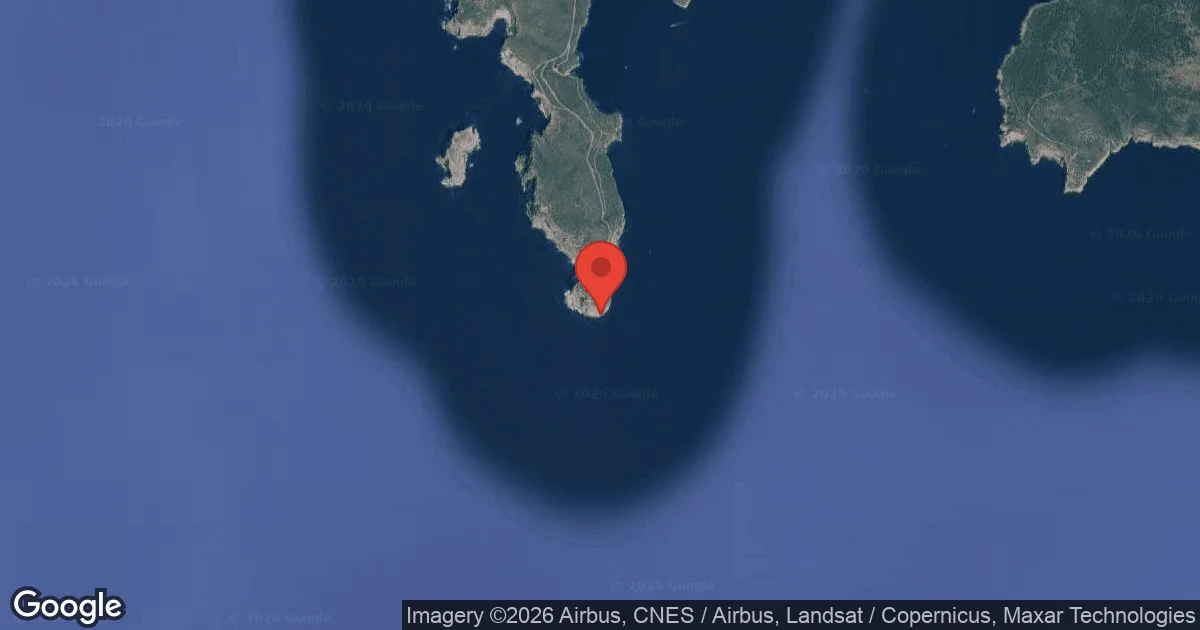
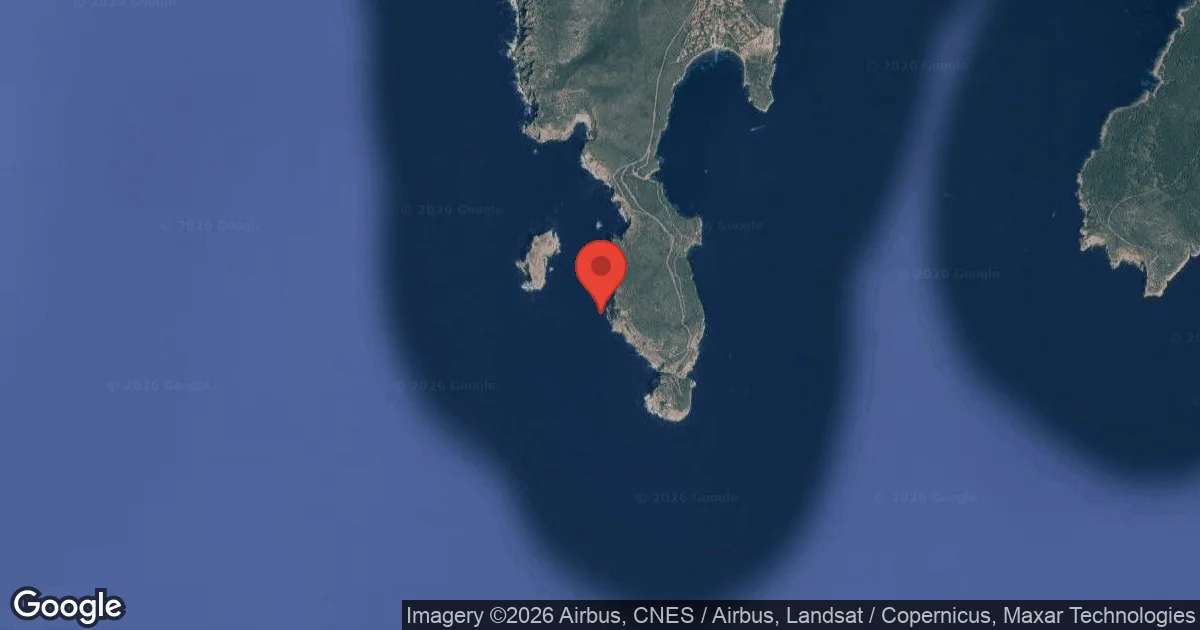
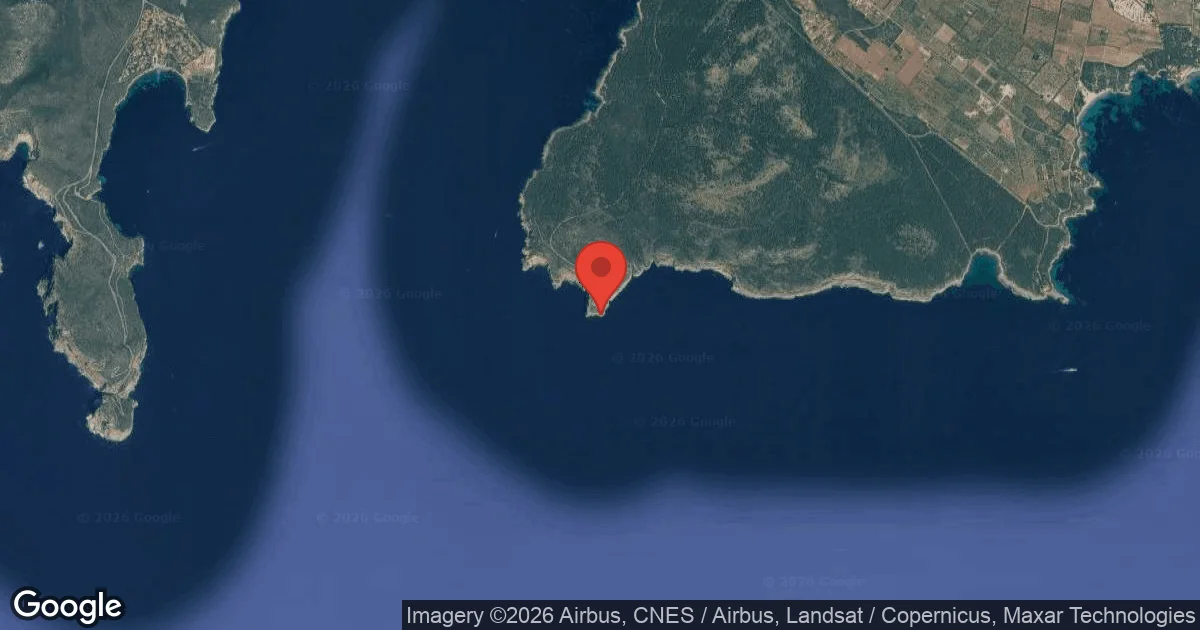
Dive Centers Near Stalattiti Cave
Today: 09:00 - 18:00
Nearest Airports
Nearest airports to help plan travel to this dive area.
Search Flights
Check available flights and routes on Expedia, using the nearby airports listed in this section.
Search Flights on ExpediaFrequently Asked Questions
What is the certification requirement for Stalattiti Cave?
Open Water Divers can explore initial, well-lit cavern sections. Full cave penetration, particularly where the exit may become out of sight, requires specialized technical cave diving certifications.
What is the typical depth range for dives at Stalattiti Cave?
Accessible cavern areas are at depths appropriate for Open Water Divers. More advanced sections extend deeper, with some routes reaching approximately 20 meters.
What kind of formations can be seen in Stalattiti Cave?
Impressive geological formations define the cave, including large stalactites on ceilings. A notable stalagmite, referred to as 'The Palm Tree', commands attention. These features highlight the cave's ancient formation during lower sea levels.
Is visibility generally good in Stalattiti Cave?
Yes, white limestone rock composition often contributes to excellent visibility. Such clarity allows divers to fully appreciate huge environments and dramatic light effects.
What marine life is commonly encountered?
Divers often spot moray eels, groupers, cuttlefish, and octopus. Other sightings include blue lobsters, red scorpionfish, musdea, and apogon imberbis.
Are there narrow sections in the cave?
Cave system features both very large chambers and, for advanced cave divers, specific narrower tunnels. Route variation depends on diver ability and certification levels.
Planning to dive Stalattiti Cave?
Send one inquiry and receive offers directly from the best verified local dive operators.
Conditions are Excellent
07:00 - 14:00
Optimal conditions expected
Current conditions near Stalattiti Cave show 21° air, 26° sea temperature, 0.9 m waves, and 19 km/h wind. Forecast data is refreshed regularly to ensure accuracy.