
Diving at Campanari (Italy)
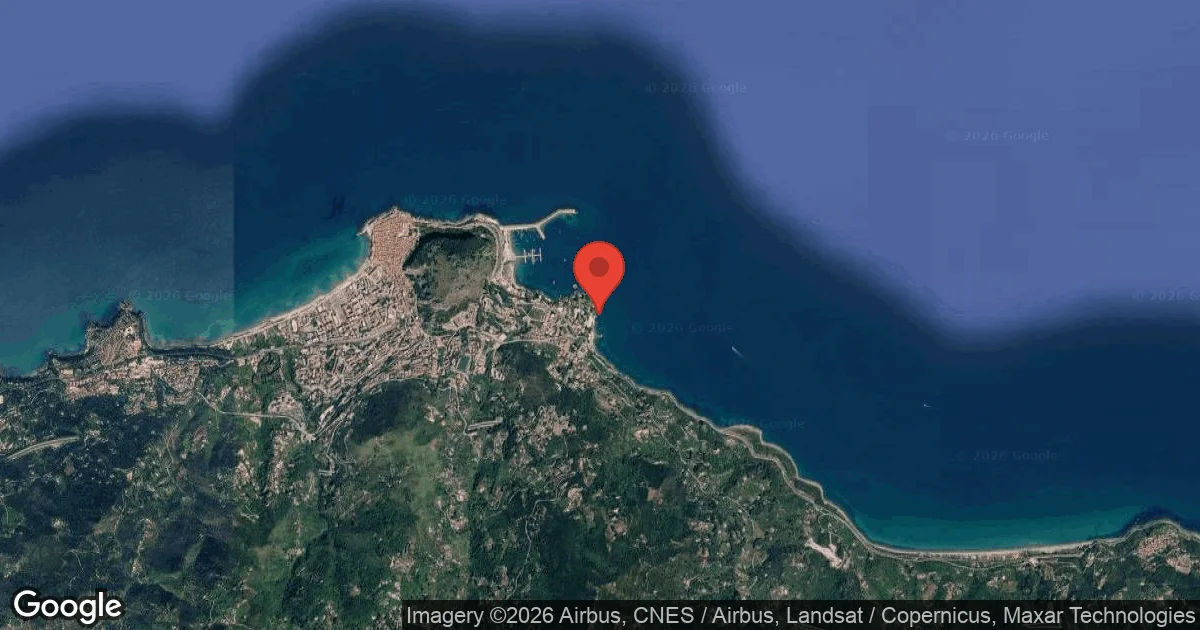
Descending into the waters around Campanari reveals a landscape marked by dramatic underwater features. This site caters to a range of experience levels, from initial discovery dives to more advanced explorations along its walls and pinnacles. Depths can vary significantly, starting in shallower areas and extending beyond 30 m (100 ft) in certain sections. Part of the Punta Campanella Marine Protected Area, it promises diverse underwater encounters within the rich Mediterranean Sea environment.
Evening condition tracking at Campanari features an air temperature of 23°C. We have recorded wave heights measuring 0.3 m during this period. These figures outline the environmental parameters currently present.
Dive Site Location & Key Facts
Dive Site Overview
Campanari's dive site presents a fascinating topographical mix characteristic of the protected waters near the Sorrento Coast. Divers here will navigate a complex underwater environment featuring prominent pinnacles rising from a sandy bottom, alongside impressive walls that drop into deeper stretches.
This varied geology creates numerous ledges, crevices, and overhangs, forming natural shelters for marine life. Initial discovery dives often begin in shallower, sheltered coves, allowing new divers to become accustomed to the underwater world and its gentle slopes. More experienced divers can explore deeper contours, where walls might extend beyond 30 m (100 ft), revealing a different ecosystem influenced by varied light penetration.
Sandy areas provide contrasts to rocky structures, serving as foraging grounds and offering diverse types of flora and fauna. Surrounding regions, including the Gulf of Naples, are known for volcanic activity shaping unique formations; while Campanari is primarily a natural rock formation area, its rugged underwater landscape reflects this geological history.
Visibility varies depending on local currents and seasonal conditions but typically supports enjoyable exploration.
Conditions are Moderate
Optimal conditions expected
Current conditions near Campanari show 23° air, 28° sea temperature, 0.3 m waves, and 37 km/h wind. Forecast data is refreshed regularly to ensure accuracy.
Best Time to Dive
While diving is possible year-round in the Campanari area, the experience shifts considerably with the seasons. Peak conditions are generally found from June through August, when air temperatures consistently average between 25°C (77°F) and 27.5°C (82°F), reaching as high as 29°C (84°F) in July. During these months, wave heights are typically at their lowest, averaging around 0.4 to 0.5 meters (1.3 to 1.6 feet), and rainfall is minimal, often less than 2 mm (0.08 inches) per month. These calm, warm conditions contribute to excellent dive scores, indicating ideal underwater visibility and comfort. Conversely, the winter months, from November to February, see air temperatures drop to 13-17°C (55-63°F) and higher wave activity, averaging over 1 meter (3.3 feet). Rainfall also increases, potentially impacting clarity. Water temperatures are not consistently reported in the system data but generally reflect air temperature trends, remaining cooler in winter and warming significantly during the summer, usually reaching 22-27°C (72-81°F) during the warmest period. Planning a trip in the shoulder seasons of May, September, and October can also provide good conditions with fewer crowds.
PEAK SEASON SCORE
Scores combine air & water temps, waves, wind & rainfall for overall conditions.
BEST MONTHS TO DIVE
Monthly records compiled from satellite and marine observation nodes over the last 3 years. Data provided by Open-Meteo and MET Norway.
Dive Experience & Conditions
A dive here immerses you in the dynamic marine environment of the Mediterranean Sea. Cool currents can be present, particularly around deeper walls and pinnacles, although overall water movement is often mild, especially during summer. Visibility at Campanari varies depending on recent weather patterns and plankton blooms, but clear conditions frequently allow for good sightlines along rocky formations. Descending through the water column, divers experience a gradual drop in ambient light, highlighting vibrant colors closer to the surface fading into deeper blues. Varied substrates—from rough rock walls to soft sandy patches—create distinct micro-environments, each with its own textures and resident species. Surface conditions are generally calmest in the summer months, contributing to comfortable boat rides to the site, though occasional chop can occur. Entries and exits are typically straightforward for most skill levels.
Dive Difficulty & Safety Guidelines
Understanding the local environment and its characteristics is key to a safe dive at Campanari. While specific hazards are not consistently reported for this site in available data, general safe diving practices apply. Divers should remain aware of potential boat traffic, especially in busy coastal areas, and always deploy a surface marker buoy when ascending.
Currents, though often mild, can sometimes intensify, particularly around prominent pinnacles or along deeper walls; maintaining good buoyancy control and staying aware of your position relative to the boat is important. Given the 'Marine Protected Area' status, adhering to local regulations regarding marine life interaction and conservation is mandatory.
Don't touch or disturb underwater structures or organisms. Always dive within your certification limits and consider diving with experienced local guides who are familiar with specific site conditions and entry/exit points.
Recommended Equipment
- Dive Computer
- DSMB
This gear list is based on verified equipment signals for Campanari, Italy. Always confirm final gear choices with your dive operator, guide, or liveaboard.
Recommended Dive Suit
For dives of average duration, 2-3mm shorty or light wetsuit usually provides sufficient protection from heat loss. Surface intervals may feel cooler.
Divers planning a dive at Campanari today will likely encounter water temperatures close to 28°C (82°F). Surface air temperatures are resting at 23°C (73°F).
Environmental models indicate a modest warming trend ahead. A warming trend is expected over the next few days.
Emergency & Medical Support
Essential information to help you plan your dive trip to Campanari.

Hyperbaric chambers are a critical part of dive safety infrastructure. Availability varies significantly by region, and not all dive areas have immediate access.
Before diving, it's recommended to:
- confirm nearest medical facilities
- check emergency procedures with local dive operators
- ensure dive insurance covers evacuation if required
Divers Alert Network
Diving emergency assistance available through DAN Europe.
+39 0642115685- 24/7 emergency hotline
- Diving medical assistance
- Evacuation coordination
Emergency contacts are provided for reference. Always verify local emergency services before diving.
Closest Listed Hyperbaric Chambers
Showing listed hyperbaric chamber facilities within 200 km of this dive site.
Distances are approximate straight-line distances and may not reflect emergency travel time.
Centro Iperbarico di Lipari
24/7 ListedICU CapableLipari (ME), Italy•Approx. 91 km straight-line
Centro Iperbarico di Lipari
24/7 ListedICU CapableInformation is provided for reference and planning purposes only. Dive Navigator does not verify operational status, staffing, availability, or quality of care at listed facilities. In an emergency, contact local emergency services, DAN, your dive operator, or the chamber directly. Do not travel to a facility without calling ahead.
OSPEDALE GIOVANNI PAOLO II
24/7 ListedICU CapableSCIACCA (AG), Italy•Approx. 105 km straight-line
OSPEDALE GIOVANNI PAOLO II
24/7 ListedICU CapableInformation is provided for reference and planning purposes only. Dive Navigator does not verify operational status, staffing, availability, or quality of care at listed facilities. In an emergency, contact local emergency services, DAN, your dive operator, or the chamber directly. Do not travel to a facility without calling ahead.
Azienda Ospedaliera per l' Emergenza Cannizzaro
24/7 ListedICU CapableCatania, Italy•Approx. 105 km straight-line
Azienda Ospedaliera per l' Emergenza Cannizzaro
24/7 ListedICU CapableInformation is provided for reference and planning purposes only. Dive Navigator does not verify operational status, staffing, availability, or quality of care at listed facilities. In an emergency, contact local emergency services, DAN, your dive operator, or the chamber directly. Do not travel to a facility without calling ahead.
Marine Life at Campanari
Campanari's varied underwater topography, featuring pinnacles, walls, and sandy bottom, provides habitat for a spectrum of Mediterranean marine life. While specific species are not extensively detailed, a healthy ecosystem is indicated by the protected area status.
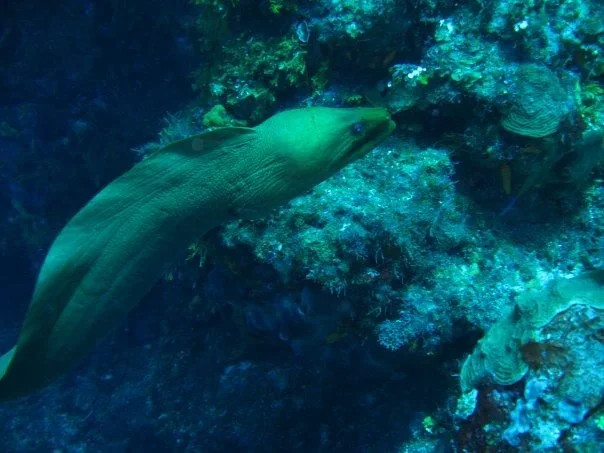
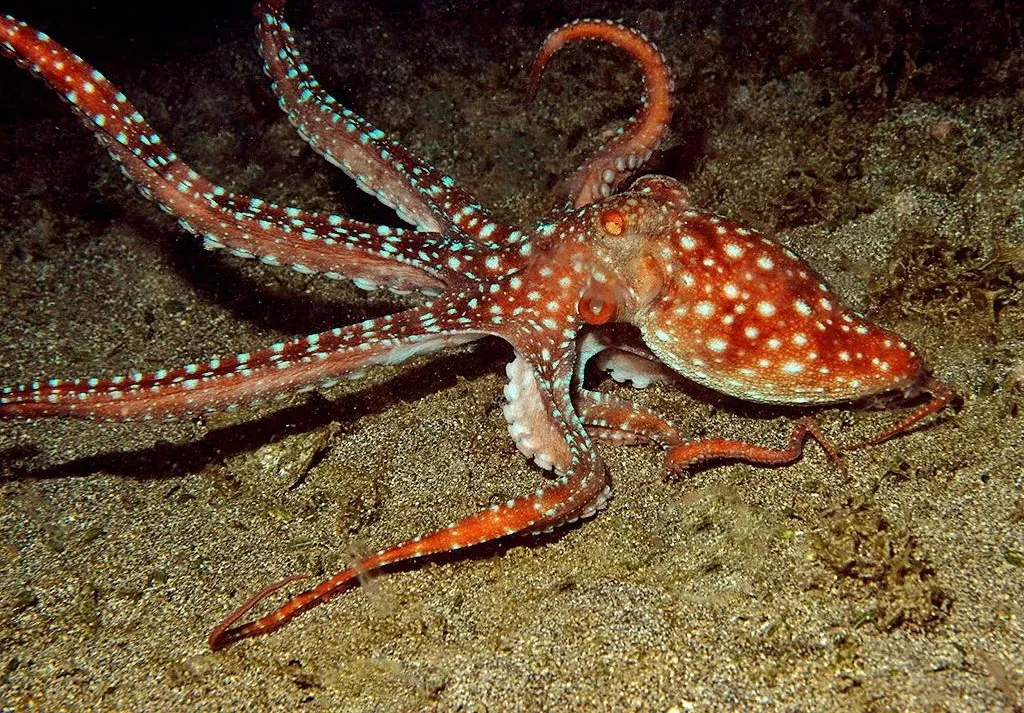
Divers exploring rocky crevices and overhangs might spot moray eels, octopuses, and various blennies. Along walls, schooling fish are often present, with occasional encounters with larger pelagic species in the blue.
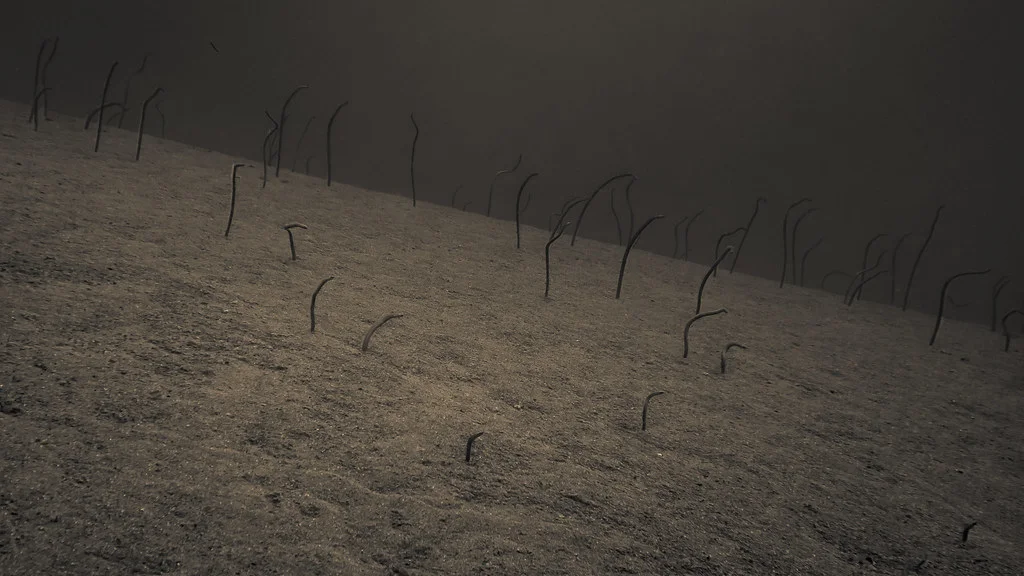
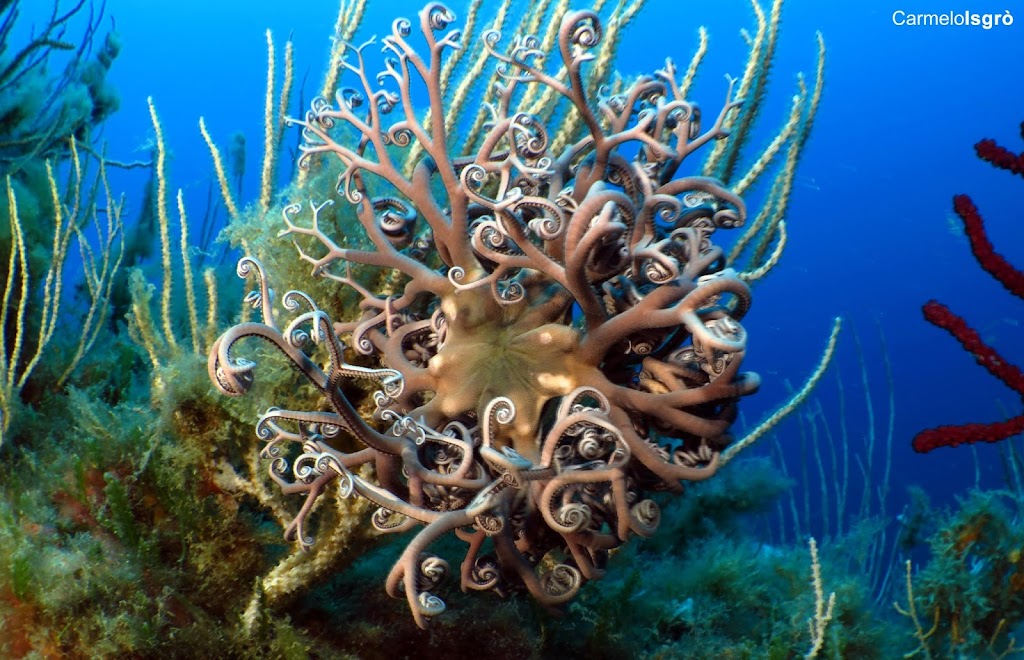
Sandy patches between rock formations can reveal flatfish, garden eels, or buried rays, offering a contrast to life found on hard substrates. Sea fans and colorful sponges commonly adorn deeper sections, contributing to the vibrant underwater scenery.

Dive Sites Near Campanari
View all dive sites in ItalyDiscover more underwater gems in this area.
Dive Centers Near Campanari
Today: 08:00 - 21:00

Nearest Airports
Nearest airports to help plan travel to this dive area.
Search Flights
Check available flights and routes on Expedia, using the nearby airports listed in this section.
Search Flights on ExpediaFrequently Asked Questions
What certification level is required to dive Campanari?
Campanari offers dives suitable for various certification levels, including discovery dives for beginners in shallower areas. More advanced dives along walls and pinnacles may require Open Water Diver or Advanced Open Water Diver certifications, depending on the depth and complexity.
What are the typical water temperatures?
Water temperatures are not consistently reported in available data. However, they generally mirror air temperatures, being cooler in winter and warming to a comfortable 22-27°C (72-81°F) during the peak summer months.
Is Campanari suitable for new divers?
Yes, introductory and discovery dives are available in the Punta Campanella Marine Protected Area, which includes sites like Campanari. These are conducted in shallower, sheltered conditions under professional supervision, making it suitable for those without prior experience.
How is the visibility at this dive site?
Visibility at Campanari can vary. It's influenced by seasonal factors, local currents, and occasional plankton blooms. Generally, conditions are good, particularly during the calmer summer months, allowing for clear views of the underwater topography.
Are there strong currents at Campanari?
Currents are often mild, especially in sheltered areas. However, divers should be prepared for potential stronger currents around pinnacles and deeper walls. Local dive operators will provide current assessments for specific dive plans.
What kind of underwater structures can be found at Campanari?
Campanari features diverse underwater structures, including dramatic pinnacles rising from sandy bottoms and impressive walls that descend into deeper waters. These formations create numerous ledges and crevices for exploration.
Planning to dive Campanari?
Send one inquiry and receive offers directly from the best verified local dive operators.
Conditions are Moderate
Optimal conditions expected
Current conditions near Campanari show 23° air, 28° sea temperature, 0.3 m waves, and 37 km/h wind. Forecast data is refreshed regularly to ensure accuracy.