
Diving at Capua Wreck (Italy)
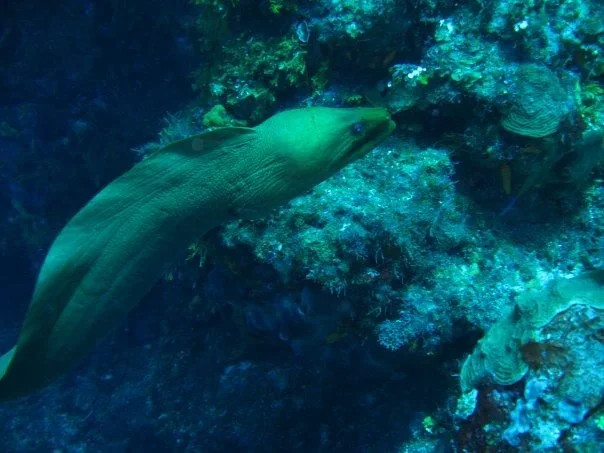
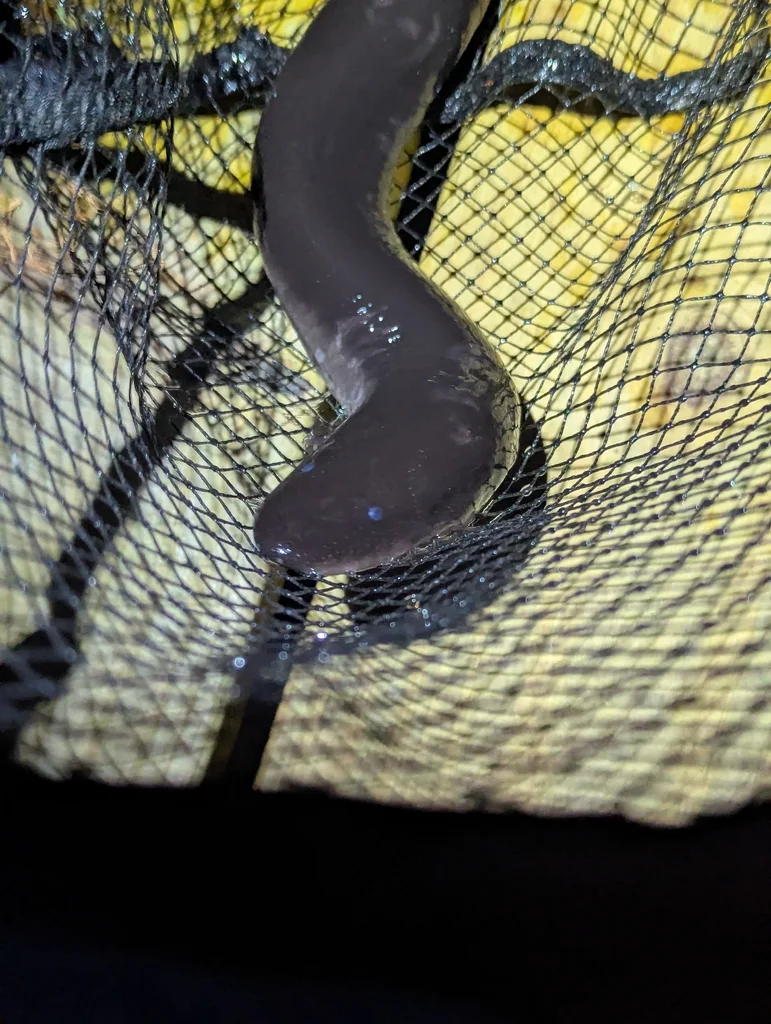
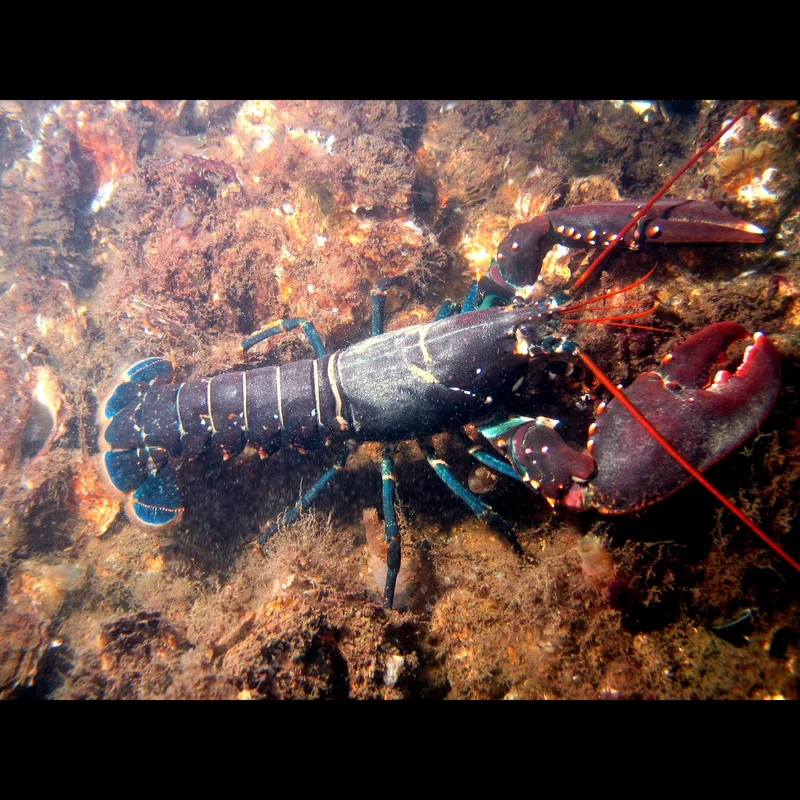
The Capua Wreck, a World War II cargo ship resting upright on a sandy seabed near Sicily's Zingaro Nature Reserve, serves as a thriving artificial reef. Its collapsed deck and twisted superstructure create a labyrinth of shelter for diverse marine life. Divers can expect to find lobsters, conger eels, and moray eels seeking refuge within the holds and beneath the keel. Anthias often school above the main deck, adding vibrant color to the historical structure.
Tonight's objective overview for Capua Wreck shows an air temperature of 27°C. The measured surface conditions include wave heights around 0.2 m. This environmental data is logged for the close of the day.
Dive Site Location & Key Facts
Dive Site Overview
A compelling glimpse into a wartime past awaits divers at the Capua Wreck, settled at approximately 40 m (130 ft) on a sandy seabed off Sicily. Originally a 45-meter (148 ft) UK-built cargo ship, it was repurposed to transport weapons during World War II.
On April 27, 1943, a fire erupted onboard, leading to a violent explosion; thankfully, the entire crew was safely rescued. What ignited the blaze remains debated, adding a layer of mystery to its descent. Ultimately, the vessel sank near Cala Mazzo di Sciacca, nestled within the protected Zingaro Nature Reserve.
From the start of the descent via the shot line, typically leading to the prow, its form is often discernible. Divers will observe a largely intact structure, standing upright on its keel, despite sections of the deck having collapsed significantly.
Exploring the stern, the cargo compartment, and the intricate, mangled sheet metal and pipes of the superstructure is possible. Within the hold, piles of ammunition boxes—some now open—provide intriguing passages and hidden spots, blending history with vibrant underwater habitat.
Conditions are Good
Optimal conditions expected
Current conditions near Capua Wreck show 27° air, 27° sea temperature, 0.4 m waves, and 26 km/h wind. Forecast data is refreshed regularly to ensure accuracy.
Best Time to Dive
For diving the Capua Wreck, aim for the warmer, drier months, typically June through August, when conditions are most favorable. During peak season, air temperatures reach their highest, averaging 23-27°C (73-81°F), with minimal rain, often less than 1.5 mm per month. These conditions often align with "Excellent" dive scores reported, indicating calmer seas and more comfortable surface conditions. Conversely, winter months, particularly December and January, offer a contrasting experience. Air temperatures drop significantly to around 13-14°C (55-57°F), accompanied by increased rainfall, averaging over 3.5 mm. Wave heights tend to be higher, often exceeding 1 meter (3.3 ft), leading to more challenging boat transfers and potentially reduced visibility. While diving is still possible during cooler periods, comfort and overall enjoyment are generally better from late spring to early autumn. Late spring (May) and early autumn (September-October) also offer "Good" dive scores with moderate conditions, providing a comfortable balance.
PEAK SEASON SCORE
Scores combine air & water temps, waves, wind & rainfall for overall conditions.
BEST MONTHS TO DIVE
Monthly records compiled from satellite and marine observation nodes over the last 3 years. Data provided by Open-Meteo and MET Norway.
Dive Experience & Conditions
Divers typically enter the water above the Capua Wreck, following a shot line directly to the prow. Maximum depth for the ship approaches 40 m (130 ft), making it a site suited for confirmed or advanced divers. Resting upright on a sandy seabed, the wreck presents a distinct silhouette during descent. Visibility varies, yet divers often spot the wreck from the dive's early stages. At depth, the structure reveals itself as largely intact, though the deck shows considerable collapse. This situation creates accessible, dark interior spaces within the hold, where old ammunition boxes are visible. A fascinating, intricate tangle of metal and pipes characterizes the superstructure. Currents are not consistently reported as strong, but local conditions can always influence dive profiles.
Dive Difficulty & Safety Guidelines
Diving the Capua Wreck presents specific challenges inherent to deep wreck exploration, requiring careful planning and adherence to safety protocols. With a depth around 40 m (130 ft), this site is best suited for experienced, appropriately certified divers. Proper buoyancy control is crucial, avoiding disturbance to the wreck or stirring up sediment, which could impact visibility.
Penetration into the wreck's interior, especially cargo holds with their collapsed deck and twisted metal, should only be attempted by divers with specialized wreck training and appropriate equipment, including redundant air sources and illumination. Always dive within training and comfort limits.
Ensure a reliable dive computer, adequate gas supply, and a surface marker buoy for ascent and pickup. Adhere to no-decompression limits, or plan decompression stops meticulously for technical dives.
Recommended Equipment
Overhead / entanglement risk. Wreck penetration requires proper training.
- Dive Computer
- Primary & Backup Lights
- Wreck Reel
- Cutting Tool
This gear list is based on verified equipment signals for Capua Wreck, Italy. Always confirm final gear choices with your dive operator, guide, or liveaboard.
Recommended Dive Suit
Divers who spend more time observing marine life often prefer slightly warmer gear.
The water around Capua Wreck is currently holding at approximately 27°C (81°F), setting the tone for today's dives. Surface air temperatures are resting at 27°C (81°F). Water temperatures in this range are often well suited to diving with 2-3mm shorty or light wetsuit. A hood or vest is suggested for sensitive divers due to surface winds.
Forecast models indicate that diving conditions should remain largely unchanged.
Emergency & Medical Support
Essential information to help you plan your dive trip to Capua Wreck.

Hyperbaric chambers are a critical part of dive safety infrastructure. Availability varies significantly by region, and not all dive areas have immediate access.
Before diving, it's recommended to:
- confirm nearest medical facilities
- check emergency procedures with local dive operators
- ensure dive insurance covers evacuation if required
Divers Alert Network
Diving emergency assistance available through DAN Europe.
+39 0642115685- 24/7 emergency hotline
- Diving medical assistance
- Evacuation coordination
Emergency contacts are provided for reference. Always verify local emergency services before diving.
Closest Listed Hyperbaric Chambers
Showing listed hyperbaric chamber facilities within 200 km of this dive site.
Distances are approximate straight-line distances and may not reflect emergency travel time.
OSPEDALE GIOVANNI PAOLO II
24/7 ListedICU CapableSCIACCA (AG), Italy•Approx. 66 km straight-line
OSPEDALE GIOVANNI PAOLO II
24/7 ListedICU CapableInformation is provided for reference and planning purposes only. Dive Navigator does not verify operational status, staffing, availability, or quality of care at listed facilities. In an emergency, contact local emergency services, DAN, your dive operator, or the chamber directly. Do not travel to a facility without calling ahead.
Centro Iperbarico di Lipari
24/7 ListedICU CapableLipari (ME), Italy•Approx. 192 km straight-line
Centro Iperbarico di Lipari
24/7 ListedICU CapableInformation is provided for reference and planning purposes only. Dive Navigator does not verify operational status, staffing, availability, or quality of care at listed facilities. In an emergency, contact local emergency services, DAN, your dive operator, or the chamber directly. Do not travel to a facility without calling ahead.
Marine Life at Capua Wreck
What you'll likely notice first upon approaching the Capua Wreck are the schools of anthias flickering above the main deck, adding a dynamic splash of color. Delving closer, the wreck's nooks and crannies become apparent, teeming with a variety of fascinating inhabitants.
Lobsters are commonly observed waving their antennae from crevices within the hold and other sheltered spots. Inside the darker reaches and among the scattered ammunition boxes, divers often encounter moray eels and the larger conger eels, which also find refuge under the keel and within the ship's belly of rusty metal.
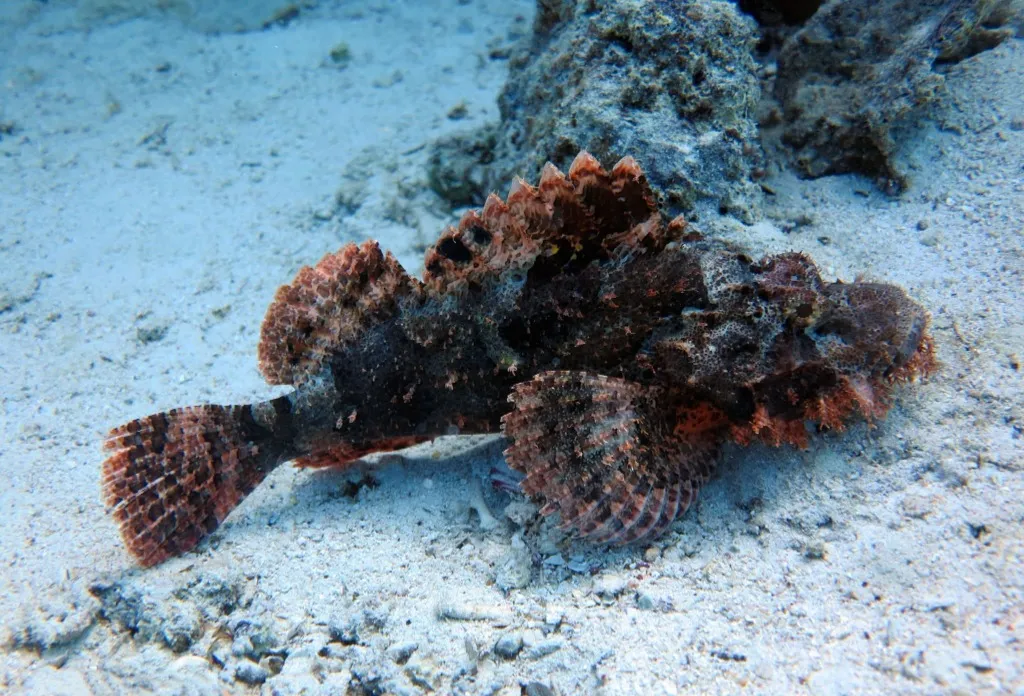
Keep an eye out for elegant corvine fish navigating the shadows and scorpion fish nestled on the sandy bottom nearby.
Dive Sites Near Capua Wreck
View all dive sites in ItalyDiscover more underwater gems in this area.
Dive Centers Near Capua Wreck
Today: 08:00 - 21:00
Nearest Airports
Nearest airports to help plan travel to this dive area.
Search Flights
Check available flights and routes on Expedia, using the nearby airports listed in this section.
Search Flights on ExpediaFrequently Asked Questions
What type of ship was the Capua?
Capua began as a UK-built cargo ship in the early 20th century. During World War II, it served as an armed support vessel, transporting weapons for Italian troops.
How deep is the Capua Wreck?
A depth of approximately 38-40 meters (125-130 feet) holds the wreck on a sandy seabed. It stands upright, resting on its keel.
What caused the Capua to sink?
On April 27, 1943, a fire broke out onboard, leading to a violent explosion. Historians still debate the exact cause of the fire, but the crew was rescued before it went down.
Is the Capua Wreck suitable for beginner divers?
No, its depth of around 40 meters makes Capua Wreck suitable only for experienced, confirmed, or advanced certified divers. Proper training and deep diving experience are strongly recommended.
What marine life can be seen at the wreck?
Various species call the wreck home. Expect shoals of anthias above the deck, lobsters, moray eels, and conger eels within holds and under the keel. Scorpion fish and corvine fish are also commonly observed.
Where is the Capua Wreck?
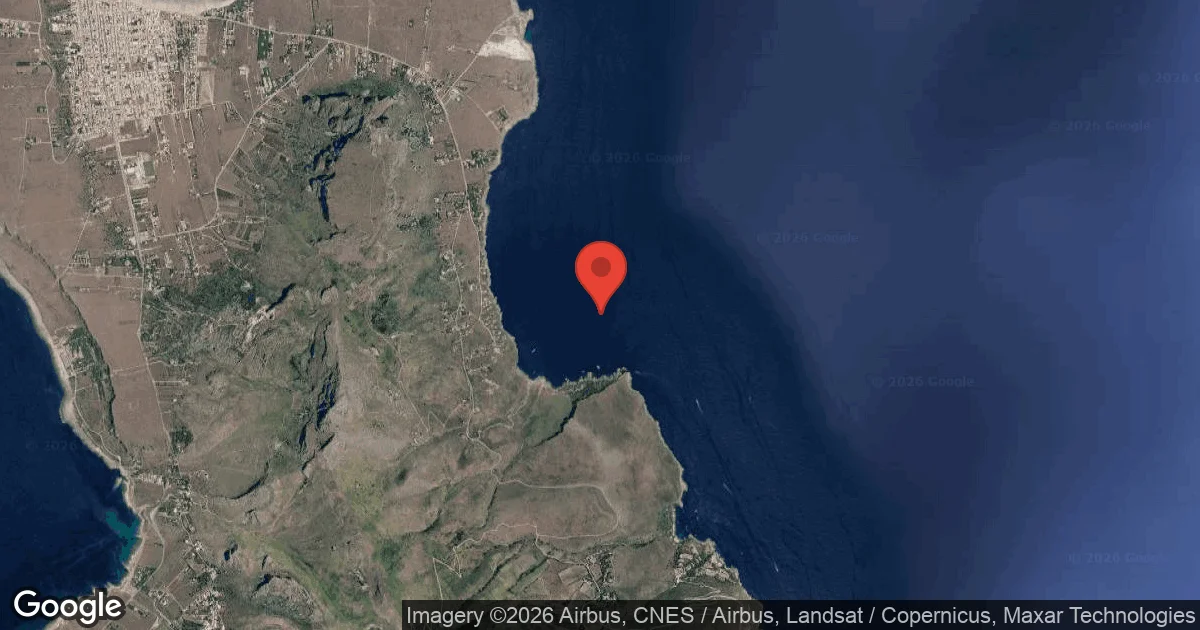
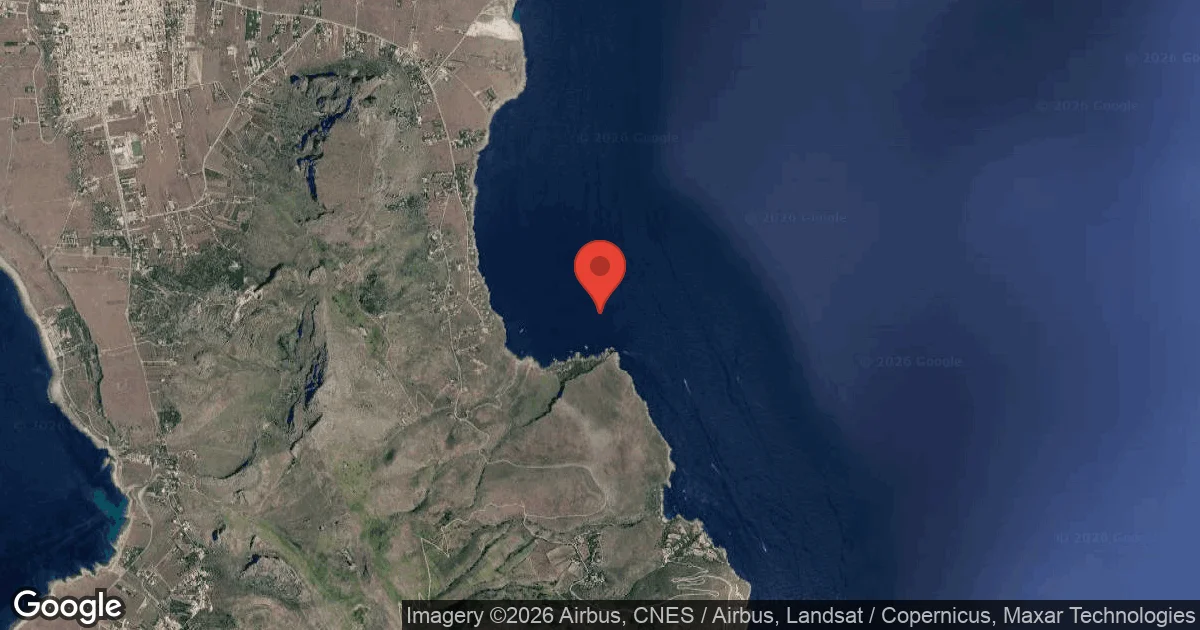
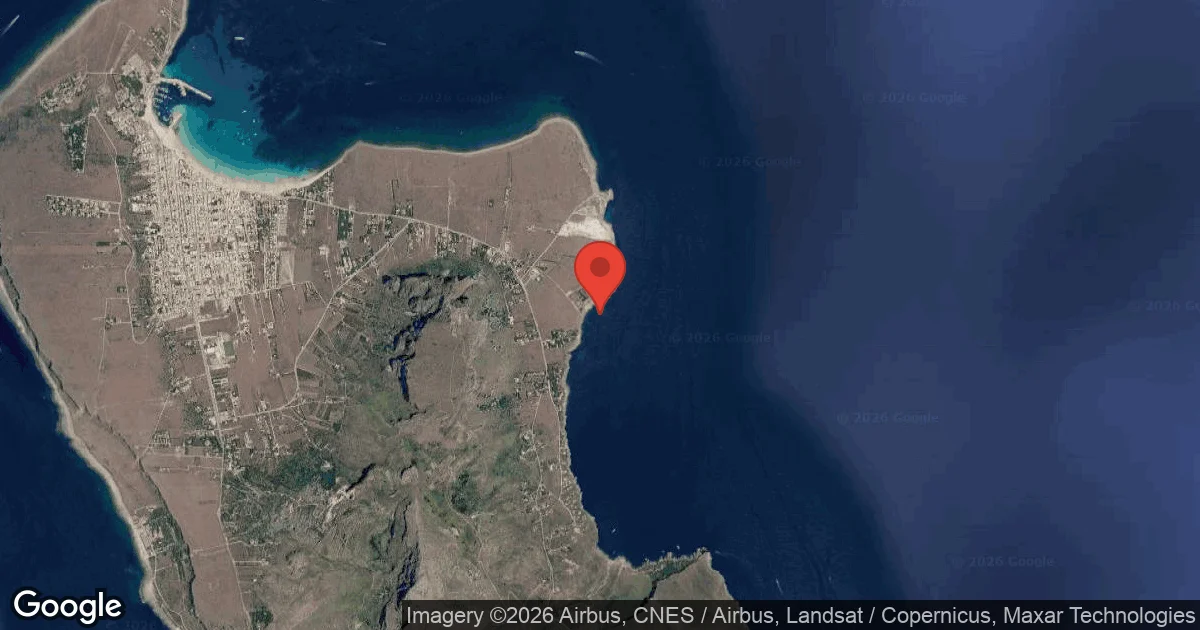
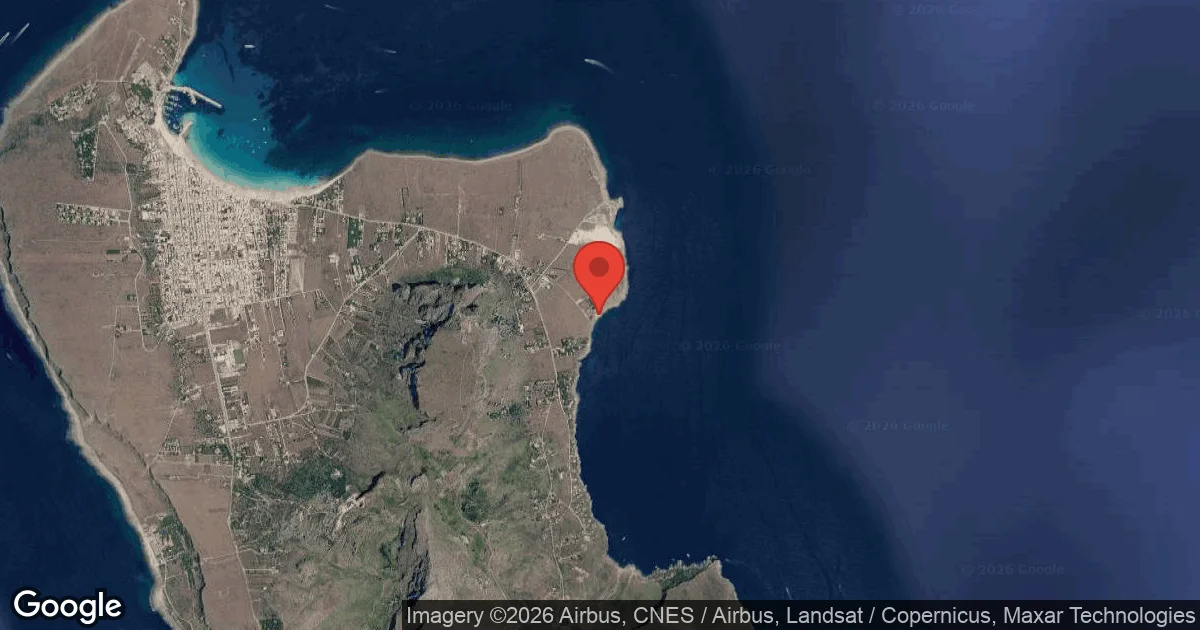
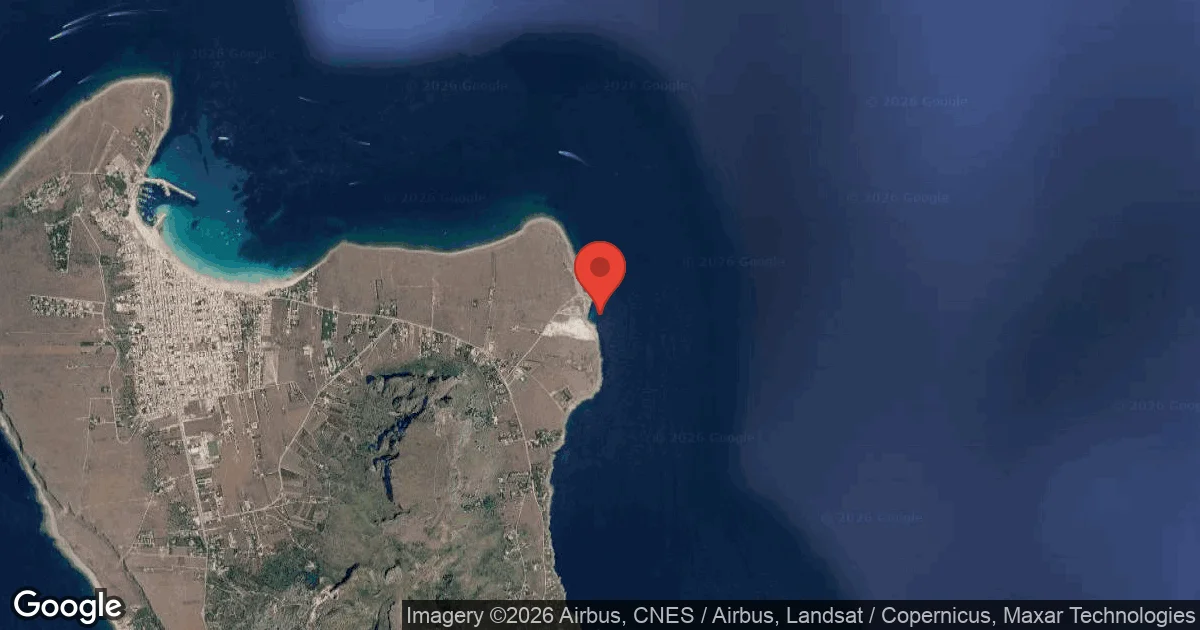
Off Sicily's coast, near Cala Mazzo di Sciacca, the Capua Wreck rests. This site is part of the Zingaro Nature Reserve.
Can I penetrate the Capua Wreck?
Penetration of Capua Wreck, particularly its collapsed deck and cargo holds, requires specific wreck diving training and specialized equipment. Also have a thorough understanding of associated risks.
Planning to dive Capua Wreck?
Send one inquiry and receive offers directly from the best verified local dive operators.
Conditions are Good
Optimal conditions expected
Current conditions near Capua Wreck show 27° air, 27° sea temperature, 0.4 m waves, and 26 km/h wind. Forecast data is refreshed regularly to ensure accuracy.