
Diving at Nave (Italy)
Descend into the Mediterranean's rich history and geology at Nave, a compelling dive destination in Italy. This site beckons with a blend of dramatic underwater landscapes, from intricate caves to striking walls and channels. Divers here can explore formations shaped by volcanic activity, encountering diverse marine habitats. Nave promises an engaging journey beneath the surface, revealing layers of natural beauty and ancient seafloor stories.
Tonight's objective overview for Nave shows an air temperature of 28.5°C. The measured surface conditions include wave heights around 0 m. This environmental data is logged for the close of the day.
Dive Site Location & Key Facts
Dive Site Overview
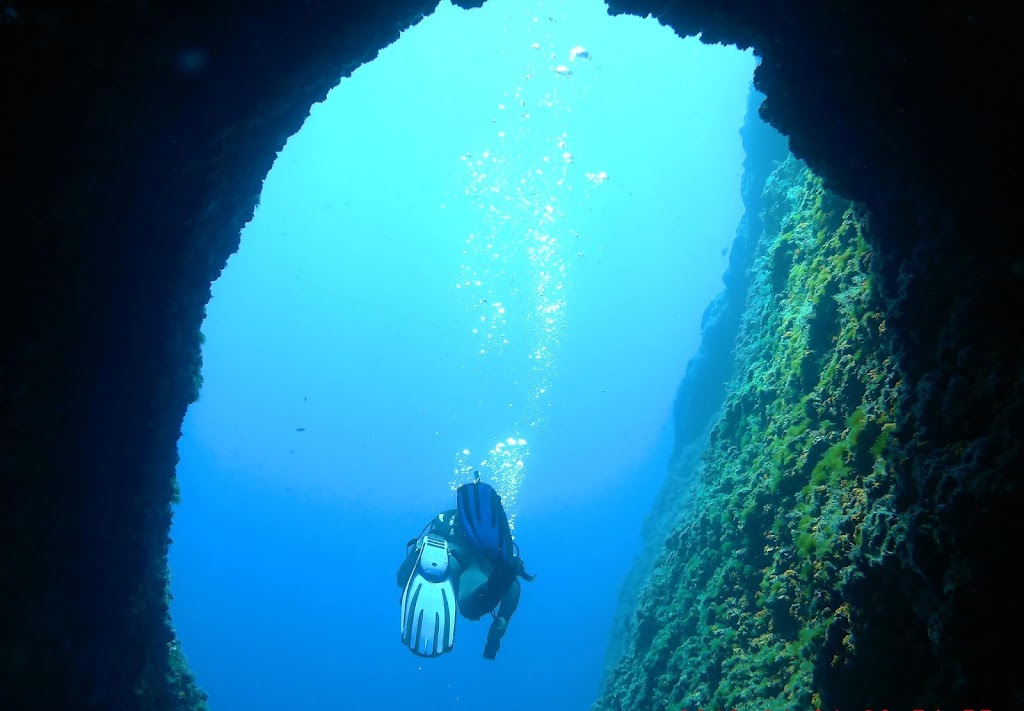
Nave's topography presents a varied underwater experience, defined by its cave, wall, and channel dive types. Explorations often begin along rocky structures, gently descending before encountering more dramatic features.
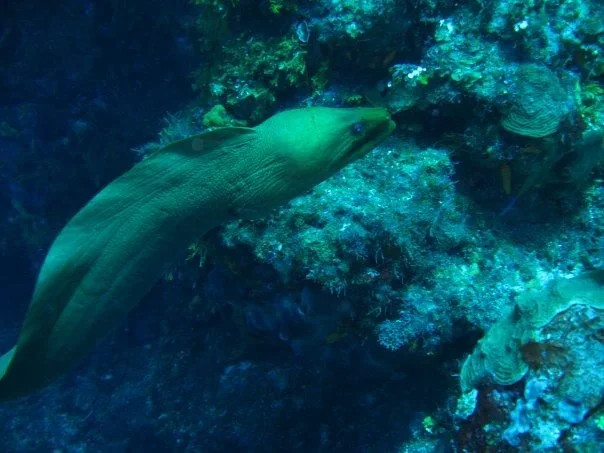
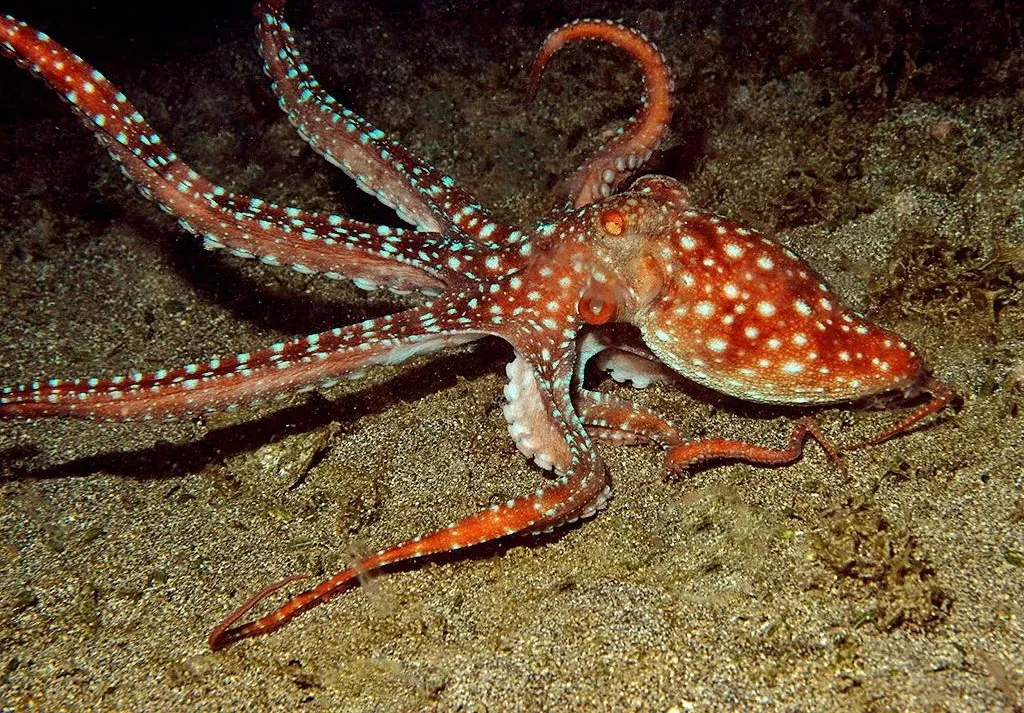
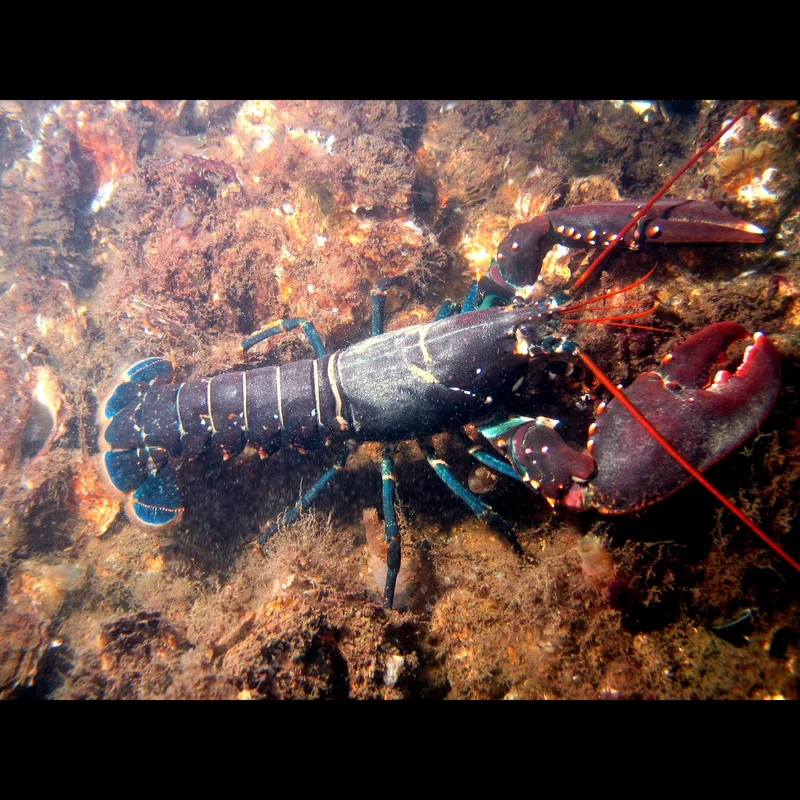
Some areas, for instance, transition from a gradual slope to a steep wall that can drop to 47 meters (154 ft). These walls are characterized by numerous breaches and splits, providing shelter for various species. Within these crevices, divers might observe hidden lobsters, moray eels, and octopuses.
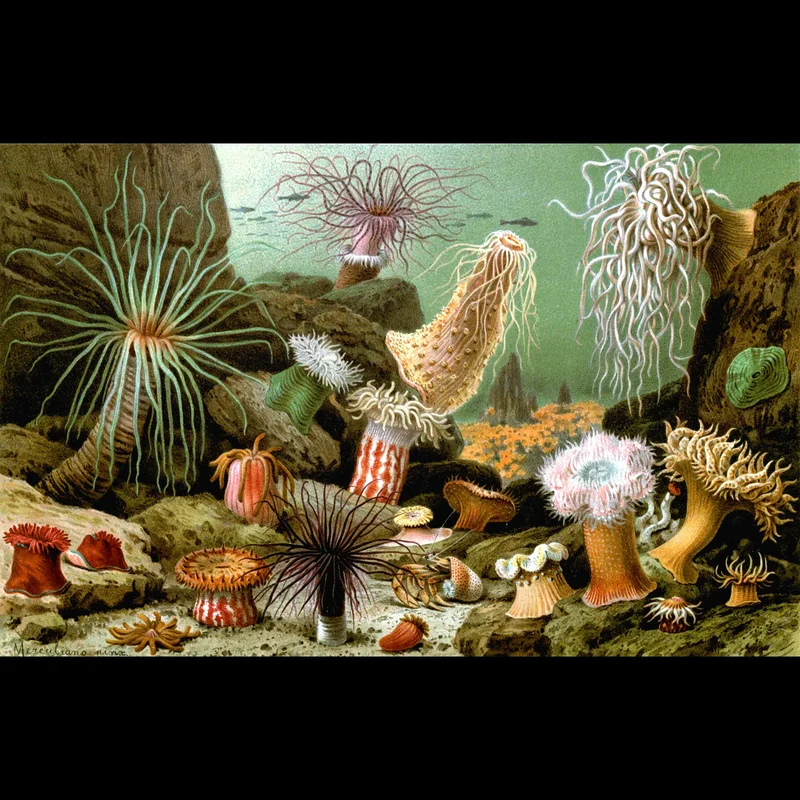
Further down, particularly beautiful Cerianthus anemones often grow in more detrital seabed areas, extending long, colored tentacles into the blue. At the base of certain cliffs, large breaches may reveal walls and vaults densely covered by sciophilous organisms such as Sertella septentrionalis and Myriapora truncata, which create complex calcareous structures that thrive away from direct light.
Pronounced geological features, including underwater geysers and volcanic smokes in some nearby locations like Secca delle Fumose, hint at the region's active past and ongoing geological processes. Adding a unique dimension to the dive, this creates an otherworldly environment.
Distinct seabed morphology across different "Nave" locations within Italy allows for multiple dive itineraries, ensuring repeated visits offer new discoveries and cater to varying skill levels. The active geological processes here lend a dynamic quality to the underwater environment, influencing both habitats and dive profiles.
Conditions are Excellent
07:00 - 14:00
Optimal conditions expected
Current conditions near Nave show 28° air, 30° sea temperature, 0.3 m waves, and 14 km/h wind. Forecast data is refreshed regularly to ensure accuracy.
Best Time to Dive
While diving is possible year-round, the experience at Nave varies significantly with the seasons. The best conditions typically occur from March through October, when dive scores are consistently rated "Good" or "Excellent." During these months, air temperatures are much warmer, ranging from around 14°C (57°F) in March to a peak of 27°C (81°F) in July and August. Rainfall is also notably lower, with averages often less than 3 mm (0.12 in) from June to September. Conversely, the winter months, from November to February, see air temperatures drop to 12-16°C (54-61°F) and higher rainfall, averaging 3-4 mm (0.12-0.16 in). Dive scores during this period are generally "Moderate." Wave heights are also typically lower in the summer, contributing to calmer surface conditions. Planning for a visit during the warmer, drier months optimizes visibility and comfort for surface intervals, making spring and summer the most favorable times.
PEAK SEASON SCORE
Scores combine air & water temps, waves, wind & rainfall for overall conditions.
BEST MONTHS TO DIVE
Monthly records compiled from satellite and marine observation nodes over the last 3 years. Data provided by Open-Meteo and MET Norway.
Dive Experience & Conditions
Entering the water at Nave, divers typically encounter conditions reflecting the Mediterranean's character. While specific water temperature data isn't consistently reported, prepare for varying thermal profiles depending on the season and depth. Site structures, including walls and channels, often create localized current patterns. Wave heights generally remain under 1 meter (3.3 ft) during favorable periods but can increase, especially in winter. Visibility varies depending on local weather and sea state, but is generally quite good, particularly in calmer conditions. Divers exploring deeper wall sections or cavernous breaches might experience changes in light penetration, requiring appropriate lighting. Due to varied topography, including deeper sections and confined spaces, a comfortable level of experience with buoyancy control is beneficial; this allows for safer navigation through the site's intricate features.
Dive Difficulty & Safety Guidelines
Navigating the diverse underwater terrain at Nave requires careful consideration of its natural features. While no specific hazards are listed, the presence of caves, walls, and channels inherently implies certain risks.
Proper training in cavern or cave diving is essential before attempting penetration into overhead environments, which can present disorientation or entrapment risks. Similarly, wall dives require diligent depth and nitrogen narcosis management, particularly when exploring sections that descend to 47 meters (154 ft).
Variable currents, though not consistently strong, may be encountered within channels or around prominent rock formations. Divers should always plan their dive profile and gas consumption meticulously.
Always dive with a buddy and carry appropriate safety equipment, such as a dive computer, redundant air source for technical profiles, and signaling devices. It's prudent to consult with local dive operators for the most up-to-date conditions and site-specific briefings before any dive.
Recommended Equipment
Overhead environment. Do not enter beyond training and gas planning limits.
- Dive Computer
- Primary & Backup Lights
- Reel / Spool
- Cutting Tool
This gear list is based on verified equipment signals for Nave, Italy. Always confirm final gear choices with your dive operator, guide, or liveaboard.
Recommended Dive Suit
Dive skin or rash guard is widely used for recreational dives in waters of this temperature. Water conditions at Nave are currently measured at approximately 30°C (86°F). Surface air temperatures are resting at 28°C (83°F).
Short-term weather patterns suggest stable conditions for divers visiting the area.
Water temperatures can occasionally shift throughout the day depending on currents and depth layers.
Emergency & Medical Support
Essential information to help you plan your dive trip to Nave.

Hyperbaric chambers are a critical part of dive safety infrastructure. Availability varies significantly by region, and not all dive areas have immediate access.
Before diving, it's recommended to:
- confirm nearest medical facilities
- check emergency procedures with local dive operators
- ensure dive insurance covers evacuation if required
Divers Alert Network
Diving emergency assistance available through DAN Europe.
+39 0642115685- 24/7 emergency hotline
- Diving medical assistance
- Evacuation coordination
Emergency contacts are provided for reference. Always verify local emergency services before diving.
Closest Listed Hyperbaric Chambers
Showing listed hyperbaric chamber facilities within 200 km of this dive site.
Distances are approximate straight-line distances and may not reflect emergency travel time.
IPER SRL
POZZUOLI (NA), Italy•Approx. 26 km straight-line
IPER SRL
Information is provided for reference and planning purposes only. Dive Navigator does not verify operational status, staffing, availability, or quality of care at listed facilities. In an emergency, contact local emergency services, DAN, your dive operator, or the chamber directly. Do not travel to a facility without calling ahead.
ISTITUTO PARTENOPEO DI RIABILITAZIONE - IPAR
Napoli, Italy•Approx. 33 km straight-line
ISTITUTO PARTENOPEO DI RIABILITAZIONE - IPAR
Information is provided for reference and planning purposes only. Dive Navigator does not verify operational status, staffing, availability, or quality of care at listed facilities. In an emergency, contact local emergency services, DAN, your dive operator, or the chamber directly. Do not travel to a facility without calling ahead.
Centro Iperbarico Policlinico Federico II Napoli
ICU CapableNapoli, Italy•Approx. 36 km straight-line
Centro Iperbarico Policlinico Federico II Napoli
ICU CapableInformation is provided for reference and planning purposes only. Dive Navigator does not verify operational status, staffing, availability, or quality of care at listed facilities. In an emergency, contact local emergency services, DAN, your dive operator, or the chamber directly. Do not travel to a facility without calling ahead.
Marine Life at Nave
Varied habitats at Nave, from rocky walls to detrital seabeds, support a spectrum of marine organisms. Within numerous breaches and splits along deeper walls, divers often spot crustaceans like lobsters and a variety of moray eels.
Octopuses are frequently observed camouflaged among rocks. Detrital areas are home to particularly colorful Cerianthus anemones, unfurling long tentacles and adding vibrant displays to the seabed.
Sciophilous organisms, thriving in low-light conditions, encrust walls and vaults within larger breaches, including species such as Sertella septentrionalis and Myriapora truncata, forming intricate living tapestries.
Dive Sites Near Nave
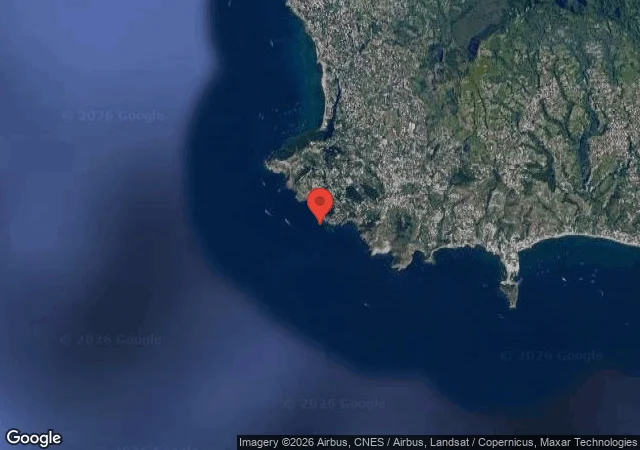
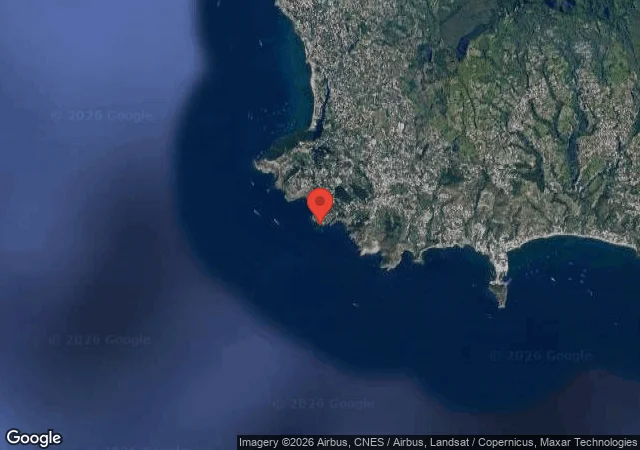
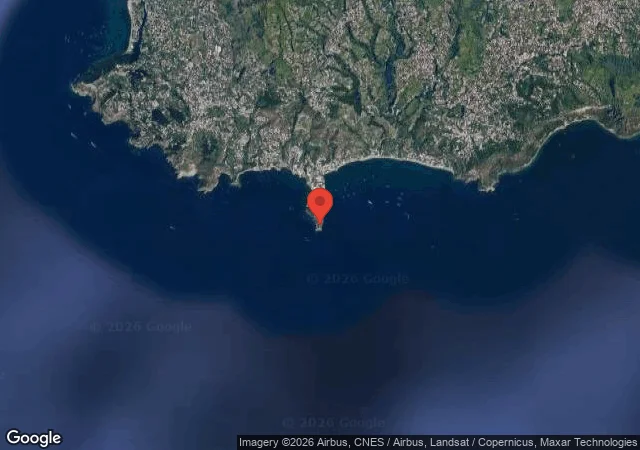
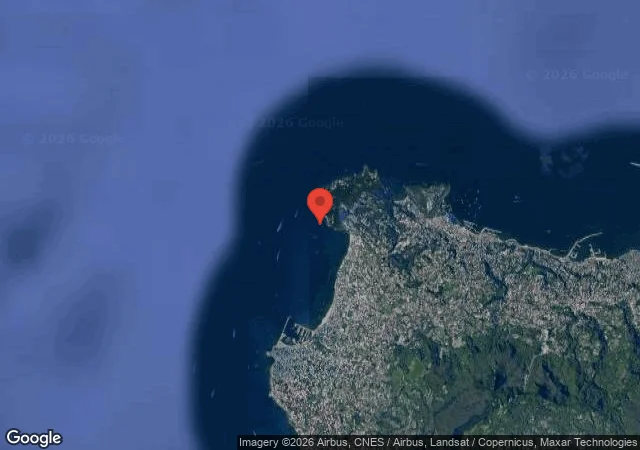
View all dive sites in ItalyDiscover more underwater gems in this area.
Dive Centers Near Nave
Today: 08:00 - 20:00

Nearest Airports
Nearest airports to help plan travel to this dive area.
Search Flights
Check available flights and routes on Expedia, using the nearby airports listed in this section.
Search Flights on ExpediaFrequently Asked Questions
What types of diving are available at Nave?
Nave primarily offers cave, wall, and channel diving experiences. Its diverse underwater topography provides multiple exploration routes suitable for different interests.
What is the maximum depth typically encountered?
While depths vary across the site, some wall sections can descend as deep as 47 meters (154 ft). Divers should plan according to their certification and experience.
What marine life can I expect to see?
Common sightings include lobsters, moray eels, and octopuses hiding in crevices. You might also encounter colorful Cerianthus anemones and various encrusting organisms on walls.
When is the best time to dive Nave?
Optimal conditions typically occur from March to October, with consistently good dive scores, warmer air temperatures, and lower rainfall. These factors contribute to better surface conditions and overall comfort.
Are there any historical elements at Nave?
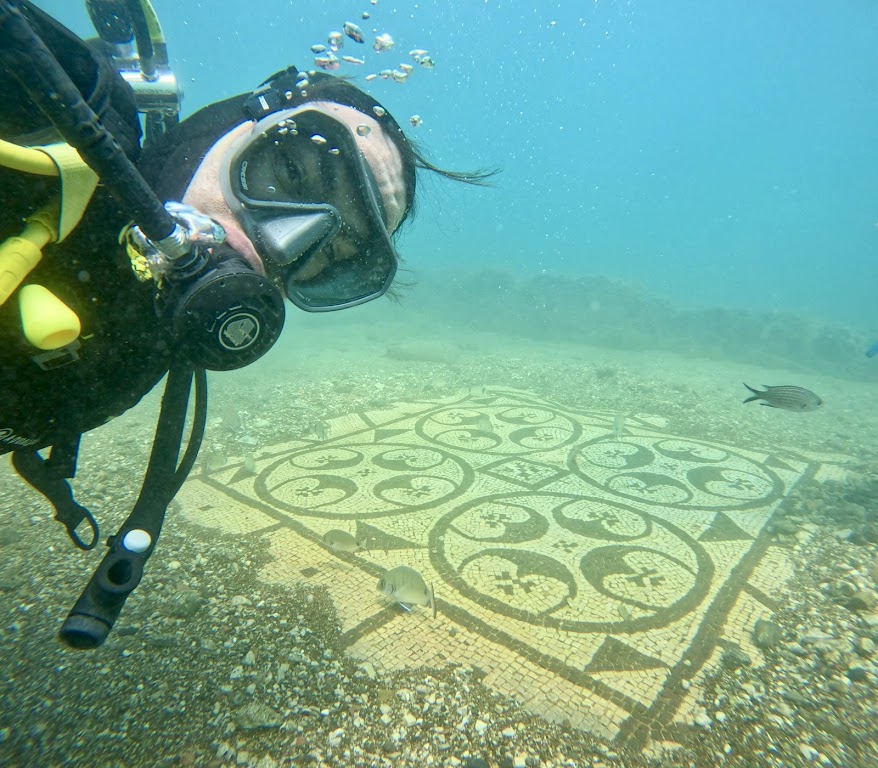
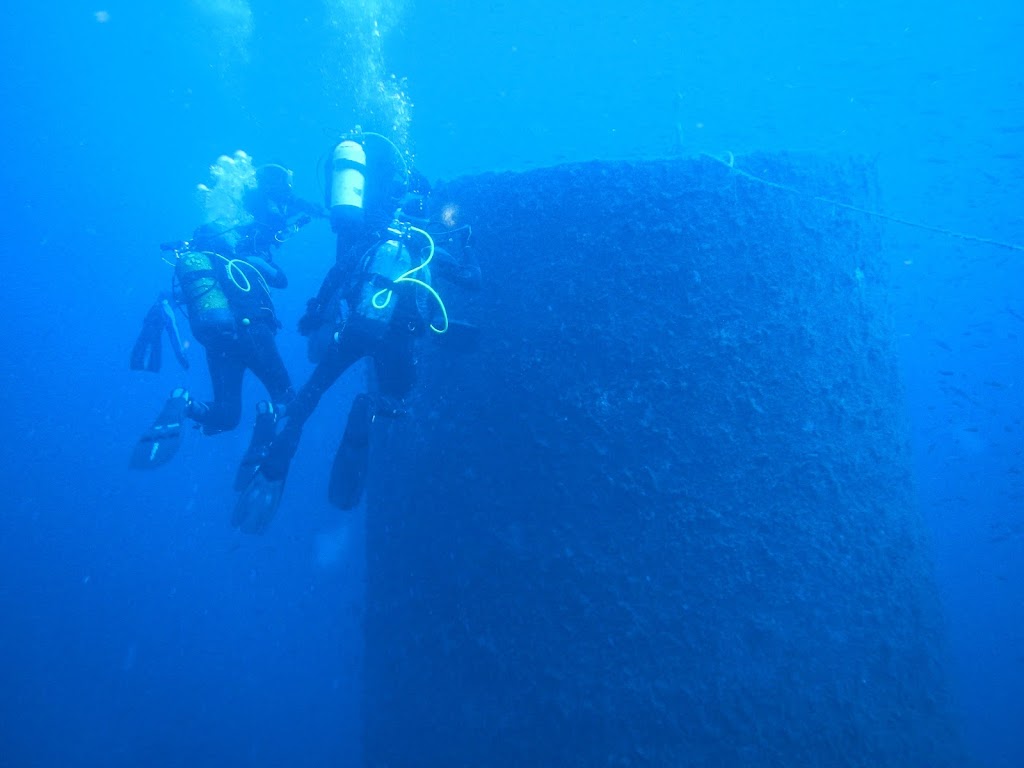
While the primary site focuses on natural formations, the broader region of Italy has multiple Roman shipwrecks, with some accessible to technical divers at greater depths. Nave itself offers geological history rather than archeological ruins.
Do I need special certification for the caves?
Yes, attempting penetration into overhead environments like caves requires appropriate cavern or cave diving certification. Recreational divers should stick to light-zone cave entrances or open water sections.
Planning to dive Nave?
Send one inquiry and receive offers directly from the best verified local dive operators.
Conditions are Excellent
07:00 - 14:00
Optimal conditions expected
Current conditions near Nave show 28° air, 30° sea temperature, 0.3 m waves, and 14 km/h wind. Forecast data is refreshed regularly to ensure accuracy.