
Diving at Siphone (Italy)
Exploring the depths of Isola Bella Marine Park, Siphone offers divers a memorable journey into a distinctive underwater landscape. This site is celebrated for its natural siphon formation and the remarkable shrimp cave nestled within its rocky passages. It provides an engaging experience for those eager to navigate unique topography and discover abundant micro-fauna in a confined environment. Expect intriguing light effects and a truly immersive dive.
Evening condition tracking at Siphone features an air temperature of 25.5°C. We have recorded wave heights measuring 0.3 m during this period. These figures outline the environmental parameters currently present.
Dive Site Location & Key Facts
Dive Site Overview
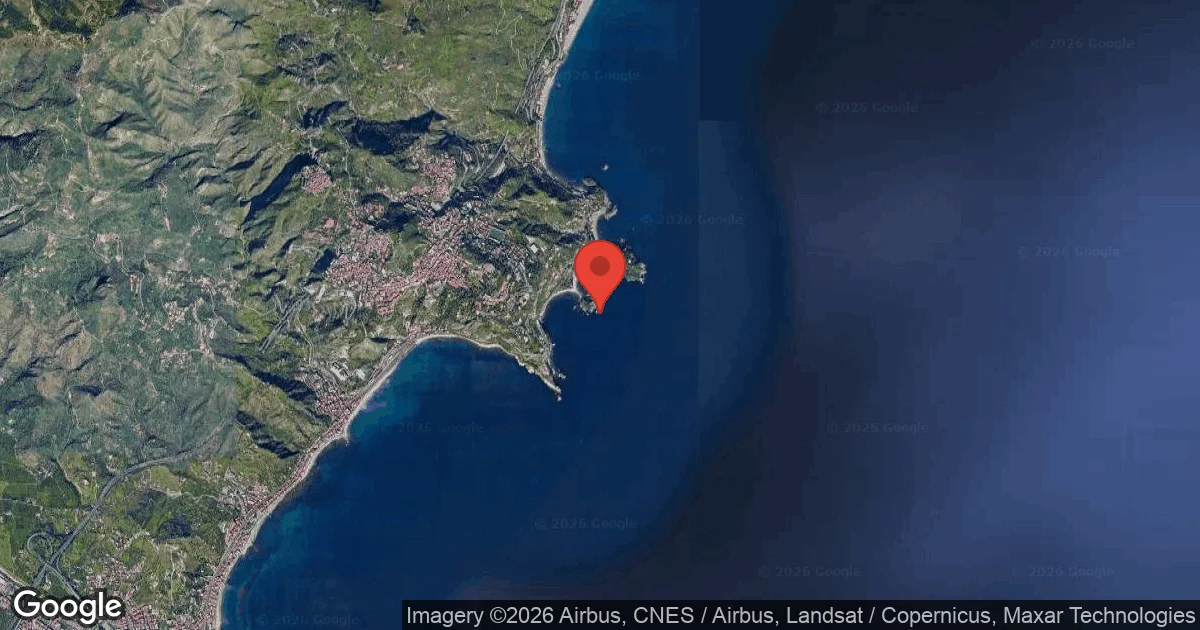
Siphone presents a compelling dive adventure found on the east side of the Blue Cave, within Taormina's Isola Bella Marine Park. Divers begin exploration from an initial depth of 10 m, heading eastward adjacent to the Blue Cave.
A striking wall descent soon follows, revealing intricate rock formations and colorful sponges as depth increases to around 20 m. Close observation of the Mediterranean seabed's topography is possible along this section. The primary highlight, the entrance to the natural siphon, appears at a maximum depth of 30 m (98 ft).
Entering this remarkable passage, often called a 'swim through', requires torches. Inside, divers follow the natural channel upwards and through, eventually emerging at a shallower depth of approximately 22 m.
A unique sense of discovery comes from the siphon's confined nature. Beyond the siphon, the dive profile gradually ascends, guiding participants along shallower sections around 14 m.
During the return, divers explore the wall, often encountering diverse marine life before concluding with a tranquil safety stop at 5 m beneath the boat, often amid seagrass beds. This journey consistently blends wall diving with exhilarating structural exploration.
Conditions are Excellent
07:00 - 14:00
Optimal conditions expected
Current conditions near Siphone show 25° air, 28° sea temperature, 0.2 m waves, and 9 km/h wind. Forecast data is refreshed regularly to ensure accuracy.
Best Time to Dive
Optimal visibility typically aligns with periods of settled weather, making the summer months the most favorable for diving Siphone. June through September consistently receive 'Excellent' dive scores, driven by minimal rain and very calm sea conditions, with wave heights often below 0.5 meters. During this peak season, average air temperatures range from 25.5°C (78°F) in June to 28°C (82°F) in August, ensuring comfortable surface intervals. Though water temperature isn't consistently reported, the warm air temperatures suggest pleasant conditions. Outside these months, from January to May and October to December, 'Good' dive scores are still common. However, rainfall and wave action tend to increase slightly during these periods, which could intermittently affect underwater clarity. Planning for the calmer, warmer months will generally provide the best chance for expansive underwater views within the marine park.
PEAK SEASON SCORE
Scores combine air & water temps, waves, wind & rainfall for overall conditions.
BEST MONTHS TO DIVE
Monthly records compiled from satellite and marine observation nodes over the last 3 years. Data provided by Open-Meteo and MET Norway.
Dive Experience & Conditions
Siphone's dive profile guides participants through a varied vertical landscape, starting around 10 m and reaching its deepest point at 30 m at the siphon entrance. Divers navigate along a wall on the descent, encountering various rock formations and abundant sponges. The experience shifts dramatically upon entering the siphon, a confined and thrilling swim-through that necessitates good buoyancy control and the use of a torch. Exiting at a shallower depth of approximately 22 m, the dive transitions to a gradual ascent, exploring reefs around 14 m. Water temperatures can vary, with reports indicating cooler conditions at depth, especially earlier and later in the season. Categorized as Medium/Advanced, the site typically recommends an Advanced Open Water Diver or Deep Diver certification due to maximum depth and confined space navigation.
Dive Difficulty & Safety Guidelines
Navigating the confined spaces within Siphone requires specific considerations for diver safety. The primary challenge involves the siphon's interior, which functions as an exciting swim-through. Divers must carry a reliable torch for adequate illumination inside this passage and maintain excellent buoyancy control to prevent disturbing the delicate environment or getting disoriented.
The site's maximum depth of 30 m (98 ft) means careful dive planning, including gas management and decompression limits, is essential. Due to its Medium/Advanced classification and depth, an Advanced Open Water Diver or Deep Diver certification is recommended to safely manage the dive profile and potential low-light conditions. Always dive with a qualified guide familiar with the site.
Recommended Equipment
- Dive Computer
- DSMB
This gear list is based on verified equipment signals for Siphone, Italy. Always confirm final gear choices with your dive operator, guide, or liveaboard.
Recommended Dive Suit
Conditions in the coming days are expected to stay within a similar temperature range.
Factors such as dive duration, depth, and activity level can influence how warm a diver feels underwater.
2-3mm shorty or light wetsuit typically balances flexibility and thermal protection in these temperatures. The latest environmental readings for Siphone suggest water temperatures around 28°C (83°F). Surface air temperatures are resting at 25°C (78°F).
Due to technical issues with our weather providers, data hasn't been fetched for over 48 hours. The data above reflects the conditions at the time of the last successful fetch.
Emergency & Medical Support
Essential information to help you plan your dive trip to Siphone.

Hyperbaric chambers are a critical part of dive safety infrastructure. Availability varies significantly by region, and not all dive areas have immediate access.
Before diving, it's recommended to:
- confirm nearest medical facilities
- check emergency procedures with local dive operators
- ensure dive insurance covers evacuation if required
Divers Alert Network
Diving emergency assistance available through DAN Europe.
+39 0642115685- 24/7 emergency hotline
- Diving medical assistance
- Evacuation coordination
Emergency contacts are provided for reference. Always verify local emergency services before diving.
Closest Listed Hyperbaric Chambers
Showing listed hyperbaric chamber facilities within 200 km of this dive site.
Distances are approximate straight-line distances and may not reflect emergency travel time.
Policlinico di Messina
Messina, Italy•Approx. 38 km straight-line
Policlinico di Messina
Information is provided for reference and planning purposes only. Dive Navigator does not verify operational status, staffing, availability, or quality of care at listed facilities. In an emergency, contact local emergency services, DAN, your dive operator, or the chamber directly. Do not travel to a facility without calling ahead.
Azienda Ospedaliera per l' Emergenza Cannizzaro
24/7 ListedICU CapableCatania, Italy•Approx. 40 km straight-line
Azienda Ospedaliera per l' Emergenza Cannizzaro
24/7 ListedICU CapableInformation is provided for reference and planning purposes only. Dive Navigator does not verify operational status, staffing, availability, or quality of care at listed facilities. In an emergency, contact local emergency services, DAN, your dive operator, or the chamber directly. Do not travel to a facility without calling ahead.
Centro Iperbarico di Lipari
24/7 ListedICU CapableLipari (ME), Italy•Approx. 74 km straight-line
Centro Iperbarico di Lipari
24/7 ListedICU CapableInformation is provided for reference and planning purposes only. Dive Navigator does not verify operational status, staffing, availability, or quality of care at listed facilities. In an emergency, contact local emergency services, DAN, your dive operator, or the chamber directly. Do not travel to a facility without calling ahead.
Marine Life at Siphone
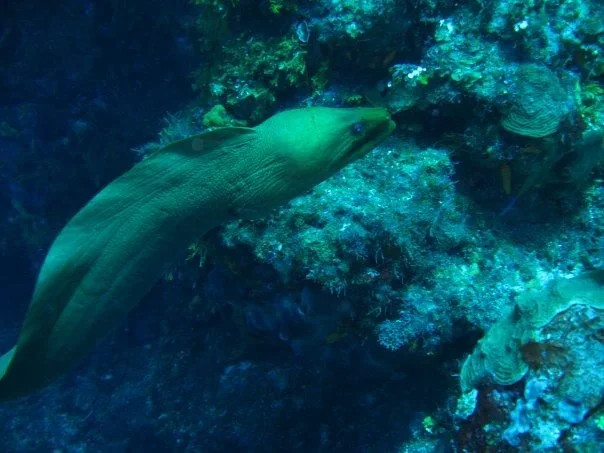
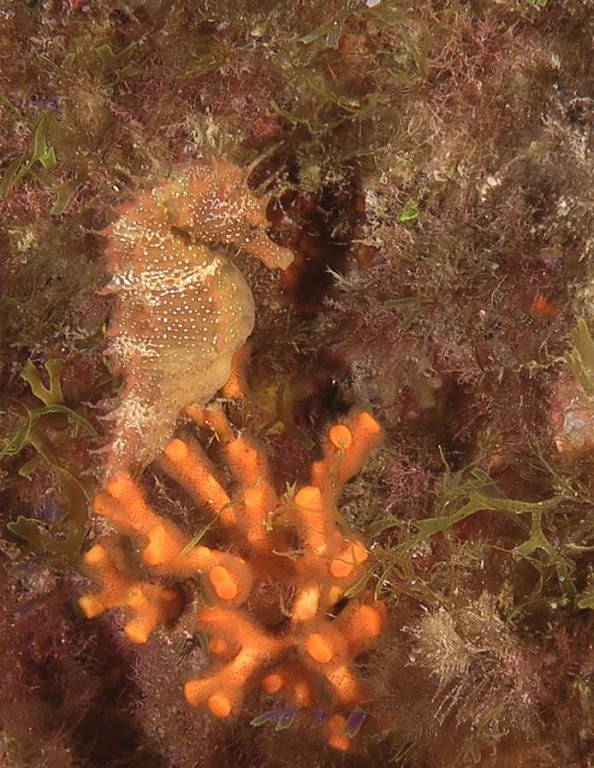
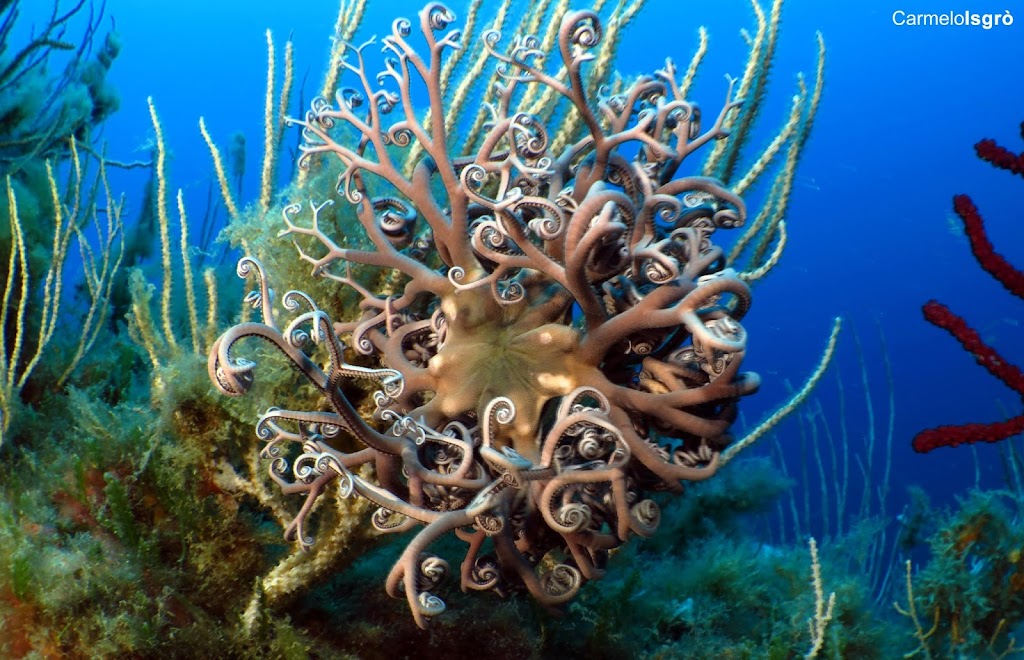
Life within Siphone centers around smaller, often hidden creatures, particularly thousands of red shrimps thriving inside the eponymous siphon and its surrounding caves. Divers often spot forkbeard fish and even large moray eels, sometimes observed pursuing the shrimps.
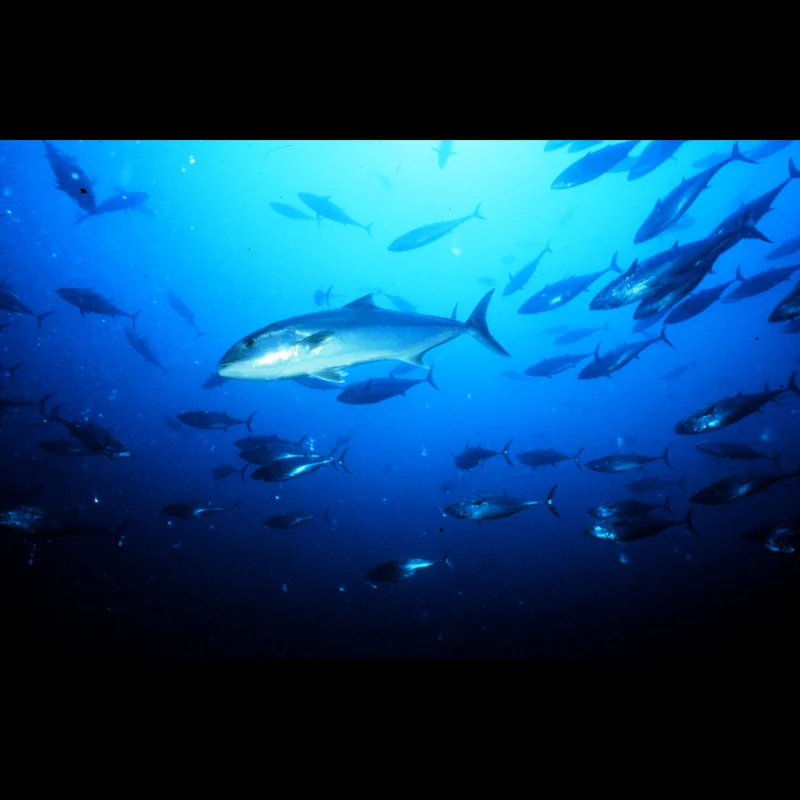
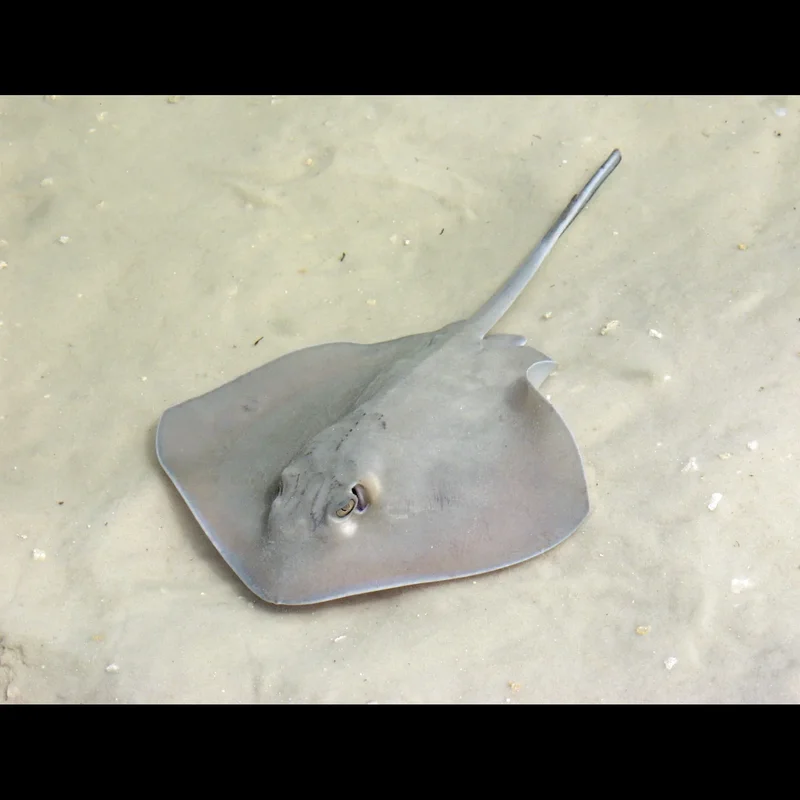
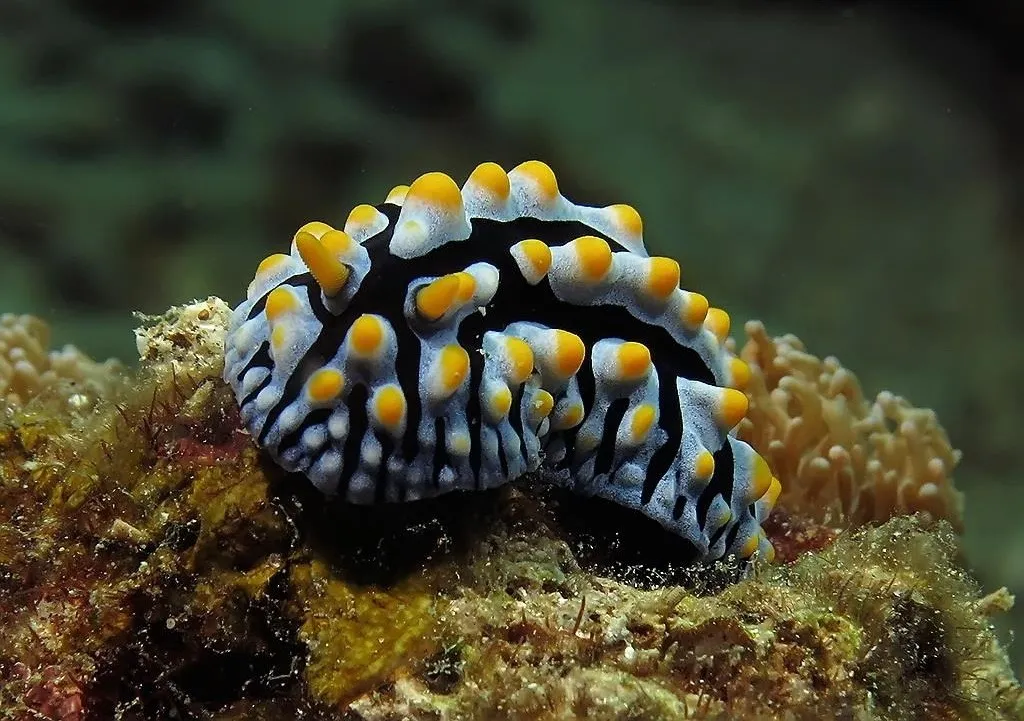
Outside the immediate siphon area, along the walls and shallower sections, observations include diverse nudibranchs like the pink flabellina and hervia. Keep an eye towards the blue water for larger pelagic species such as common stingrays or groups of amberjack.
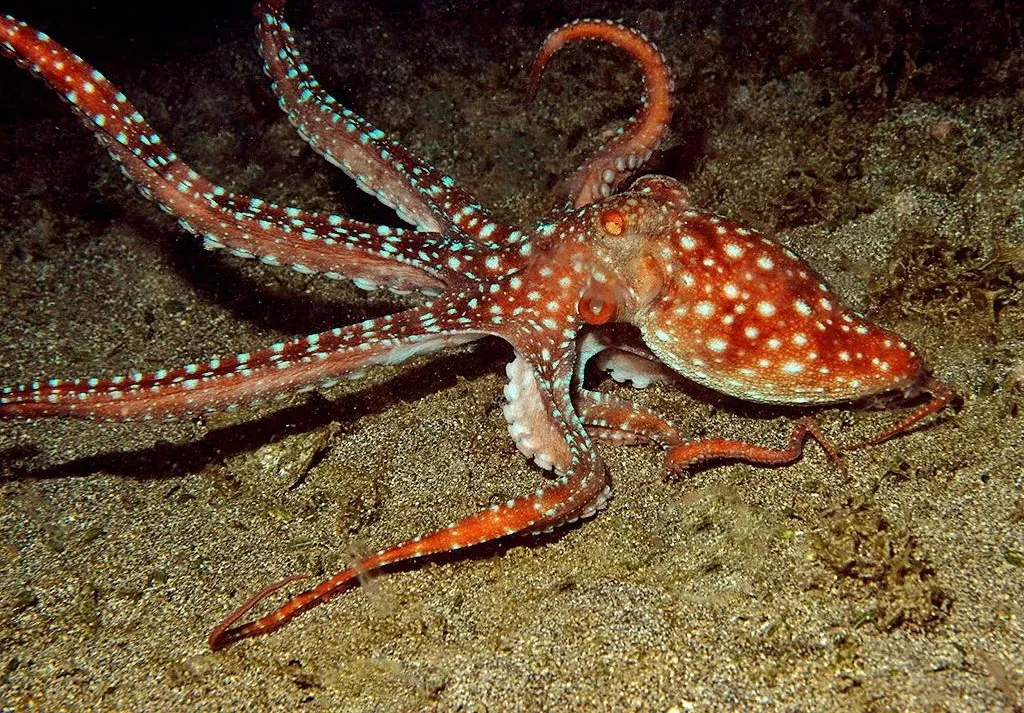
Dusky groupers and octopuses frequent the reef, while various sponges, fan mussels, and peacock worms contribute to the vibrant Mediterranean ecosystem.
Dive Sites Near Siphone
View all dive sites in ItalyDiscover more underwater gems in this area.
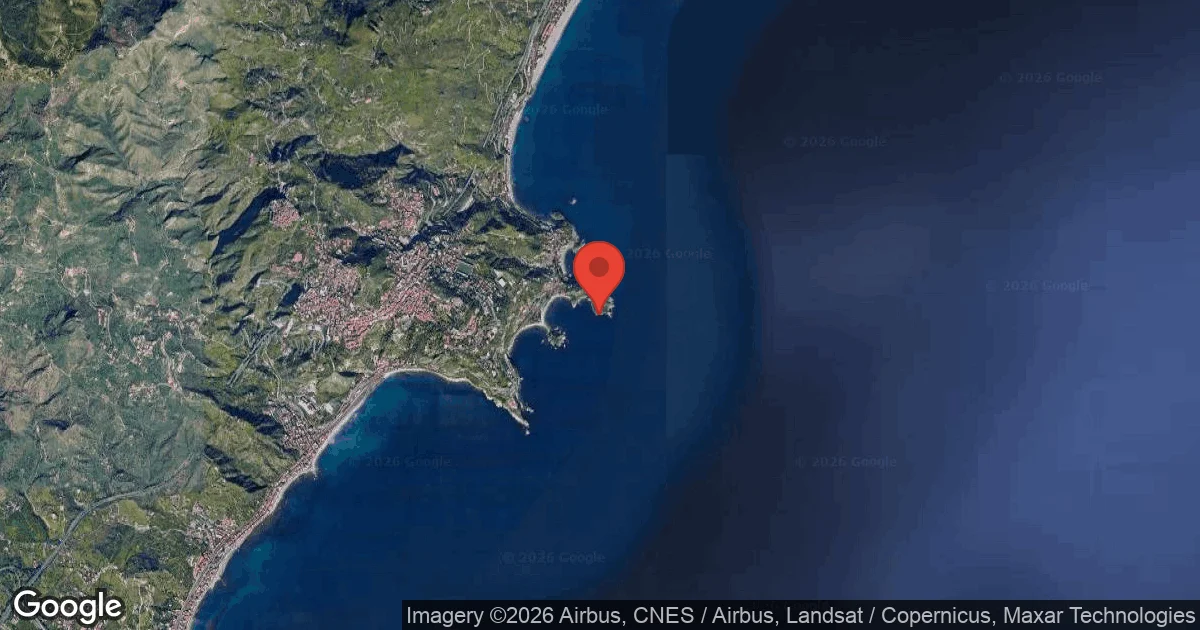
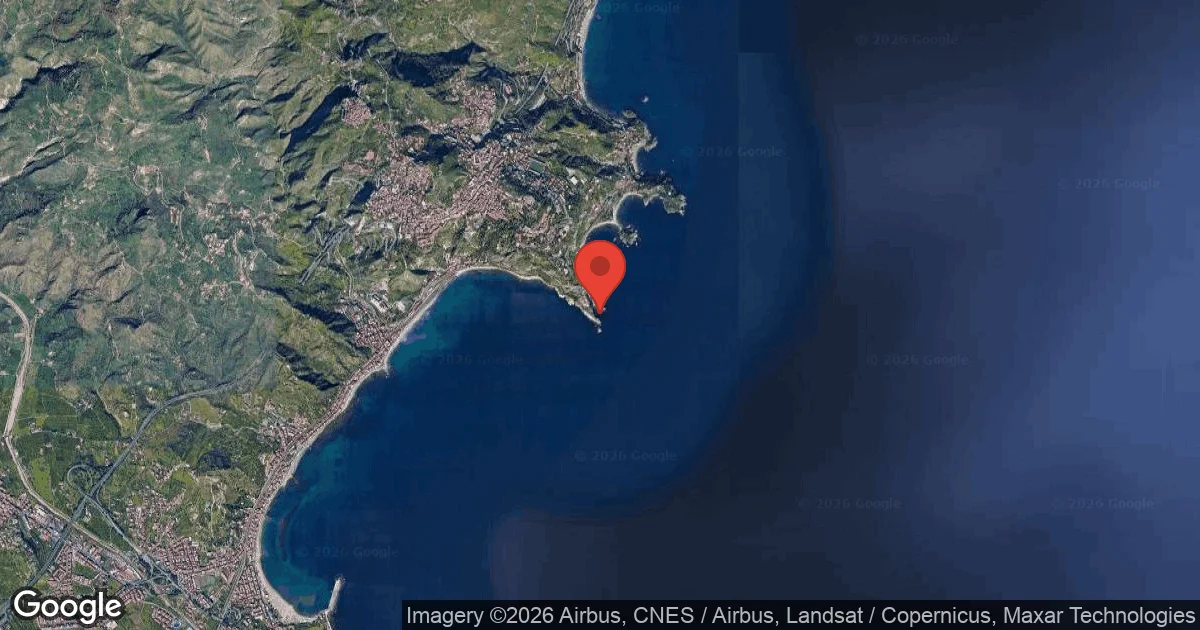
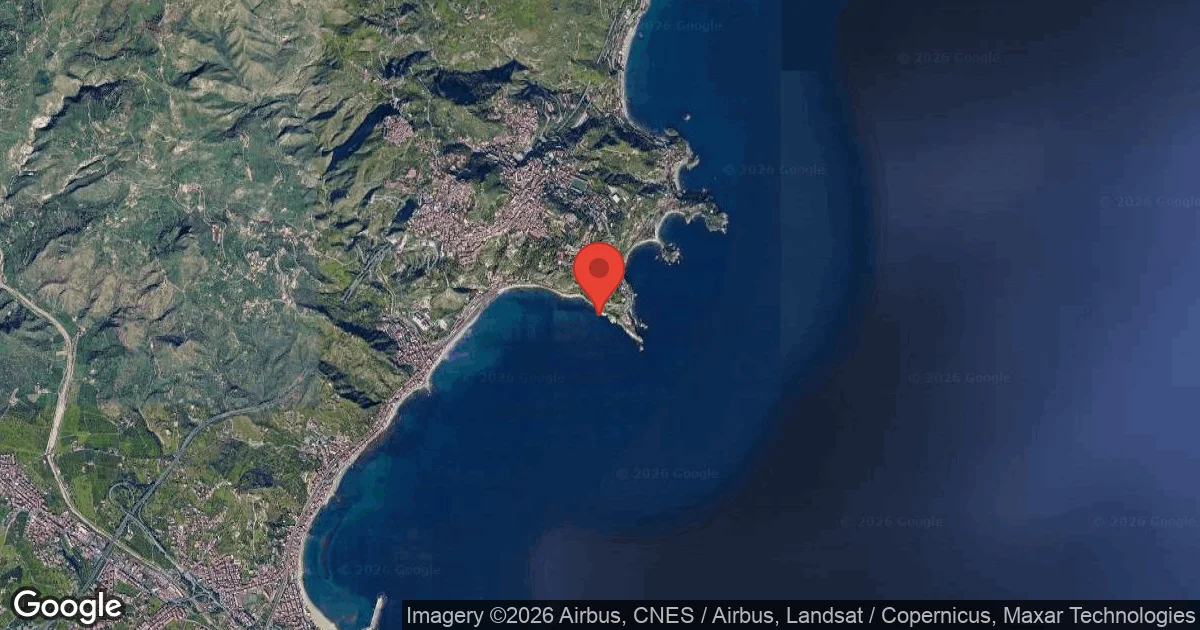
Dive Centers Near Siphone

Today: 09:00 - 17:00
Nearest Airports
Nearest airports to help plan travel to this dive area.
Search Flights
Check available flights and routes on Expedia, using the nearby airports listed in this section.
Search Flights on ExpediaFrequently Asked Questions
What makes Siphone a unique dive site?
Siphone stands out for its natural underwater siphon, a distinctive swim-through leading divers into an exciting confined space. The site is particularly known for the "shrimp cave" inside, teeming with thousands of red shrimps.
What is the maximum depth at Siphone?
At Siphone, diving reaches a maximum depth of 30 m (98 ft) at the entrance to the siphon itself. The dive profile involves shallower sections on entry and exit, with the deepest part found within the main structure.
Is a torch necessary for diving Siphone?
Yes, a torch is absolutely necessary for diving Siphone. The interior of the siphon is a confined passage where natural light is limited, requiring artificial illumination to appreciate the environment and marine life.
What kind of marine life is commonly seen inside the siphon?
Inside the siphon, the main highlight is the presence of thousands of red shrimps covering the walls. Divers may also spot forkbeard fish and large moray eels, which sometimes feed on the abundant shrimp population.
What certification level is recommended for Siphone?
Siphone is rated as a Medium/Advanced dive site. An Advanced Open Water Diver or Deep Diver certification is recommended due to the depth profile, confined space navigation, and the need for proficient buoyancy control.
When is the best time of year to dive Siphone for optimal conditions?
The best time to dive Siphone for optimal conditions is generally from June through September. During these months, the area experiences minimal rain and very calm sea conditions, leading to excellent visibility.
What are the main topographical features encountered during the dive?
The dive at Siphone features a compelling wall descent, revealing rock formations and sponges, before entering the main siphon structure. After navigating the siphon's swim-through, divers explore shallower reef sections on the return.
Planning to dive Siphone?
Send one inquiry and receive offers directly from the best verified local dive operators.
Conditions are Excellent
07:00 - 14:00
Optimal conditions expected
Current conditions near Siphone show 25° air, 28° sea temperature, 0.2 m waves, and 9 km/h wind. Forecast data is refreshed regularly to ensure accuracy.