
Diving at The Canyon (Italy)
Descending into The Canyon in Italy offers an immersive sensation, as sunlight filters down through a dramatic rock split, illuminating a natural passage. Divers navigate through these towering formations, feeling the embrace of the deep blue. The play of light on the rock walls creates a dynamic, ever-changing environment. It's a journey into the geological heart of the Mediterranean.
Evening condition tracking at The Canyon features an air temperature of 25°C. We have recorded wave heights measuring 0.7 m during this period. These figures outline the environmental parameters currently present.
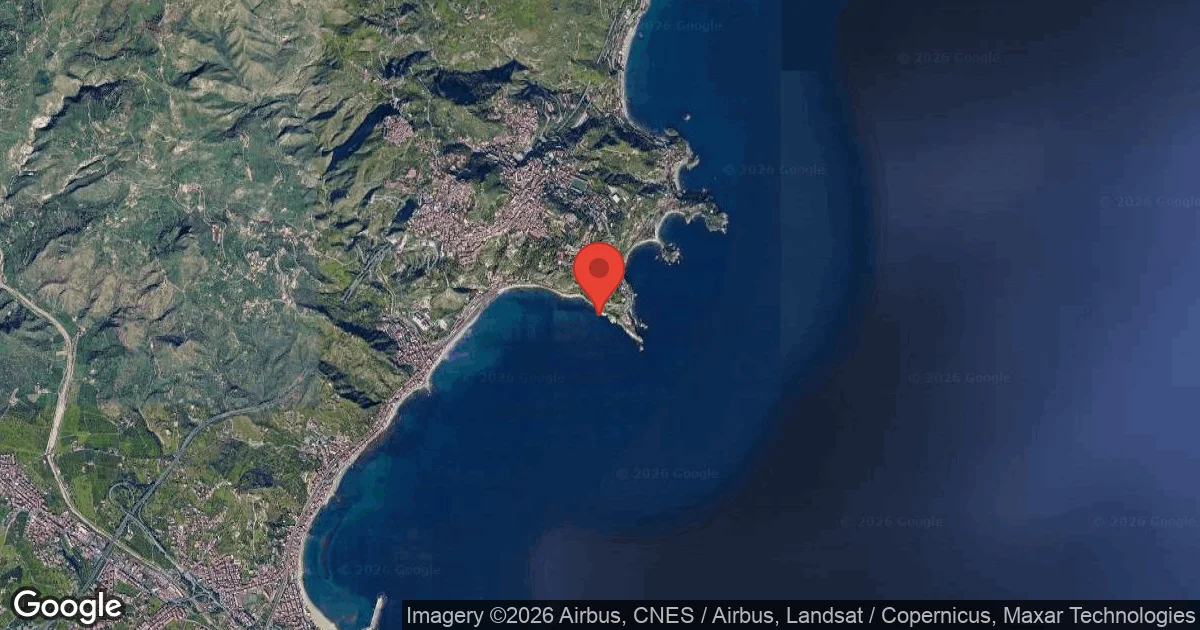
Dive Site Location & Key Facts
Dive Site Overview
A geological spectacle guides divers through a maze of underwater tunnels and passages carved into the seabed. Dive trips typically begin on Isola Bella's East side, with an initial descent alongside the island to a shallower depth.
Divers follow reef walls, slowly exploring northward. An impressive passage awaits at a significant depth; a massive rock split, roughly 20 meters high, forms The Canyon's compelling entrance. Inside this unique structure, divers experience ancient rock formations and the mesmerizing light penetrating from above.
Canyon formations extend to a shallower end. Beyond this point, exploration continues into a network of tunnels and smaller passages, showcasing intricate underwater topography.
While usually boat-accessed, the site's varied depths accommodate Open Water Divers for shallower sections and Advanced Open Water Divers for deeper canyon exploration, with maximum depths suitable for their certification.
Conditions are Excellent
07:00 - 14:00
Optimal conditions expected
Current conditions near The Canyon show 25° air, 28° sea temperature, 0.2 m waves, and 9 km/h wind. Forecast data is refreshed regularly to ensure accuracy.
Best Time to Dive
For the most comfortable and rewarding experience, planning your dive at The Canyon during the summer months from June through September is advisable. This period consistently receives 'Excellent' dive scores, benefiting from the highest air temperatures, which typically range from 24.5°C to 29°C (76-84°F). Wave heights are at their lowest, averaging between 0.3 m and 0.5 m (less than 2 feet), contributing to calmer surface conditions and clearer underwater visibility. Rainfall is also minimal, ensuring more consistent diving weather. While water temperature data isn't consistently reported in specific figures, it generally reflects the warmer air conditions, offering comfortable diving without requiring heavy thermal protection. The remaining months from October to May still offer 'Good' diving, though air temperatures are cooler, fluctuating from 12°C to 21°C (54-70°F), with slightly increased wave activity and rainfall.
PEAK SEASON SCORE
Scores combine air & water temps, waves, wind & rainfall for overall conditions.
BEST MONTHS TO DIVE
Monthly records compiled from satellite and marine observation nodes over the last 3 years. Data provided by Open-Meteo and MET Norway.
Dive Experience & Conditions
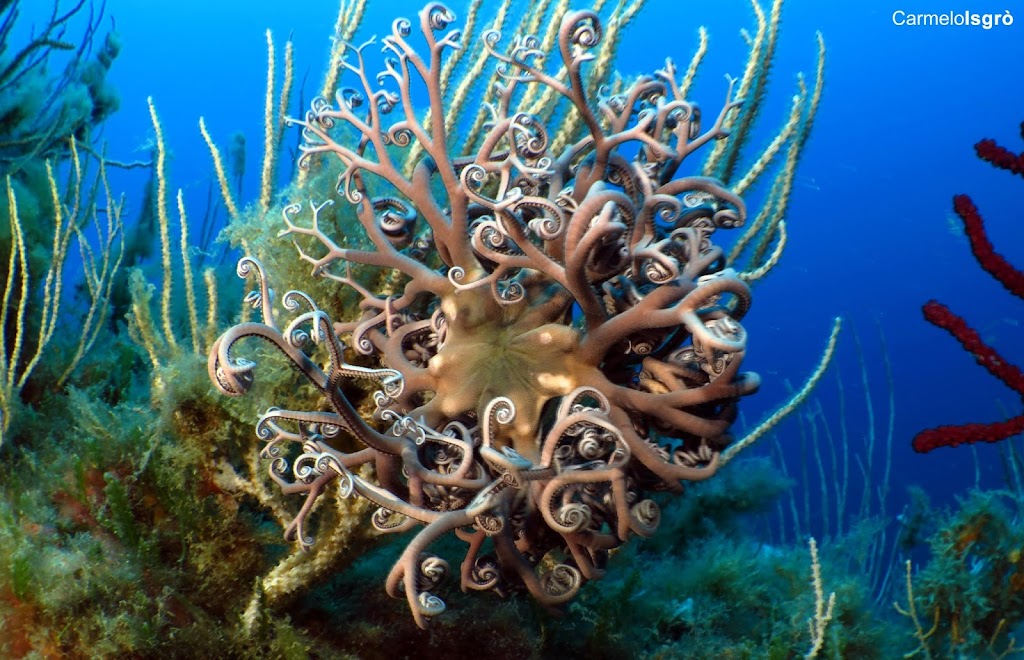
Diving at Canyon involves a varied depth profile, often beginning near Isola Bella island. An initial descent along reef walls leads to shallower sections. As divers follow natural structures, they gradually go deeper, encountering the main Canyon entrance at its maximum depth. A dramatic geological feature, defined by a significant rock split, forms a towering passage inviting exploration. Inside the canyon, rich with fissures and formations, remarkable light effects appear as sunlight filters from above. After navigating deeper sections, divers typically ascend to a shallower depth before transitioning into a series of tunnels and lava walls. Visibility varies depending on local currents and recent weather, but generally allows clear views of intricate rock work. Bottom topography shifts between rocky walls, sandy expanses, and occasional mushroom-shaped coral formations at recreational depths.
Dive Difficulty & Safety Guidelines
Diving The Canyon requires adherence to specific certification levels, with PADI Advanced Open Water Diver training recommended for exploring depths of 30 m (98 ft) or greater. Shallower sections, particularly those around 18 m (59 ft), may be accessible to Open Water Divers. It's important to have strong buoyancy control due to the varying depths and narrow passages within the canyon and tunnel systems.
Always dive with an experienced guide, as they can help navigate the complex topography and point out specific features and marine life. Given the environment, maintaining awareness of your dive profile and air consumption is crucial.
While no specific site hazards are reported, general safe diving practices, including never diving alone and conducting thorough buddy checks, remain paramount.
Recommended Equipment
- Dive Computer
This gear list is based on verified equipment signals for The Canyon, Italy. Always confirm final gear choices with your dive operator, guide, or liveaboard.
Recommended Dive Suit
Short-term weather patterns suggest stable conditions for divers visiting the area.
Some divers prefer slightly warmer exposure protection simply for additional comfort.
2-3mm shorty or light wetsuit usually works well for maintaining comfort during standard dive profiles in these conditions. The latest environmental readings for The Canyon suggest water temperatures around 28°C (83°F). Surface air temperatures are resting at 25°C (77°F).
Due to technical issues with our weather providers, data hasn't been fetched for over 48 hours. The data above reflects the conditions at the time of the last successful fetch.
Emergency & Medical Support
Essential information to help you plan your dive trip to The Canyon.

Hyperbaric chambers are a critical part of dive safety infrastructure. Availability varies significantly by region, and not all dive areas have immediate access.
Before diving, it's recommended to:
- confirm nearest medical facilities
- check emergency procedures with local dive operators
- ensure dive insurance covers evacuation if required
Divers Alert Network
Diving emergency assistance available through DAN Europe.
+39 0642115685- 24/7 emergency hotline
- Diving medical assistance
- Evacuation coordination
Emergency contacts are provided for reference. Always verify local emergency services before diving.
Closest Listed Hyperbaric Chambers
Showing listed hyperbaric chamber facilities within 200 km of this dive site.
Distances are approximate straight-line distances and may not reflect emergency travel time.
Policlinico di Messina
Messina, Italy•Approx. 38 km straight-line
Policlinico di Messina
Information is provided for reference and planning purposes only. Dive Navigator does not verify operational status, staffing, availability, or quality of care at listed facilities. In an emergency, contact local emergency services, DAN, your dive operator, or the chamber directly. Do not travel to a facility without calling ahead.
Azienda Ospedaliera per l' Emergenza Cannizzaro
24/7 ListedICU CapableCatania, Italy•Approx. 39 km straight-line
Azienda Ospedaliera per l' Emergenza Cannizzaro
24/7 ListedICU CapableInformation is provided for reference and planning purposes only. Dive Navigator does not verify operational status, staffing, availability, or quality of care at listed facilities. In an emergency, contact local emergency services, DAN, your dive operator, or the chamber directly. Do not travel to a facility without calling ahead.
Centro Iperbarico di Lipari
24/7 ListedICU CapableLipari (ME), Italy•Approx. 75 km straight-line
Centro Iperbarico di Lipari
24/7 ListedICU CapableInformation is provided for reference and planning purposes only. Dive Navigator does not verify operational status, staffing, availability, or quality of care at listed facilities. In an emergency, contact local emergency services, DAN, your dive operator, or the chamber directly. Do not travel to a facility without calling ahead.
Marine Life at The Canyon
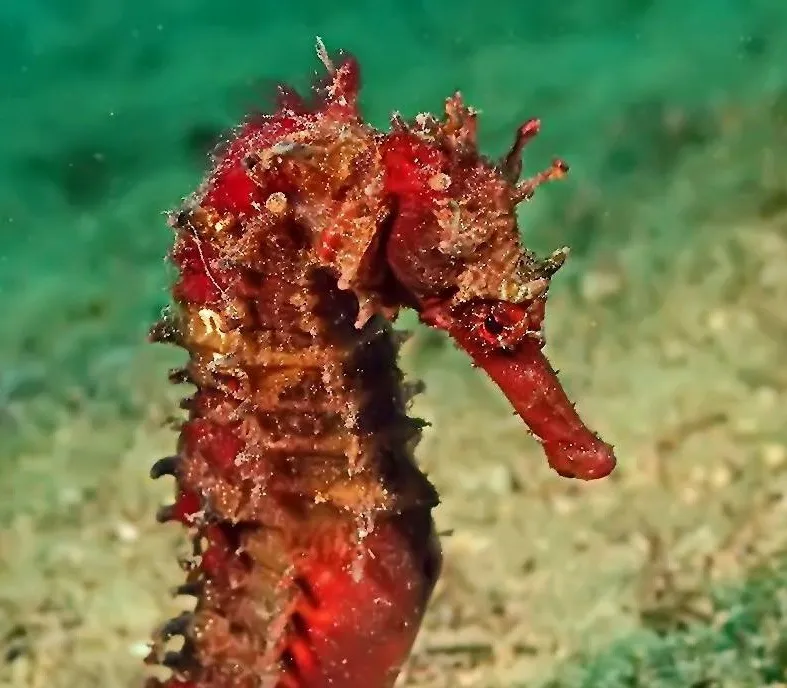
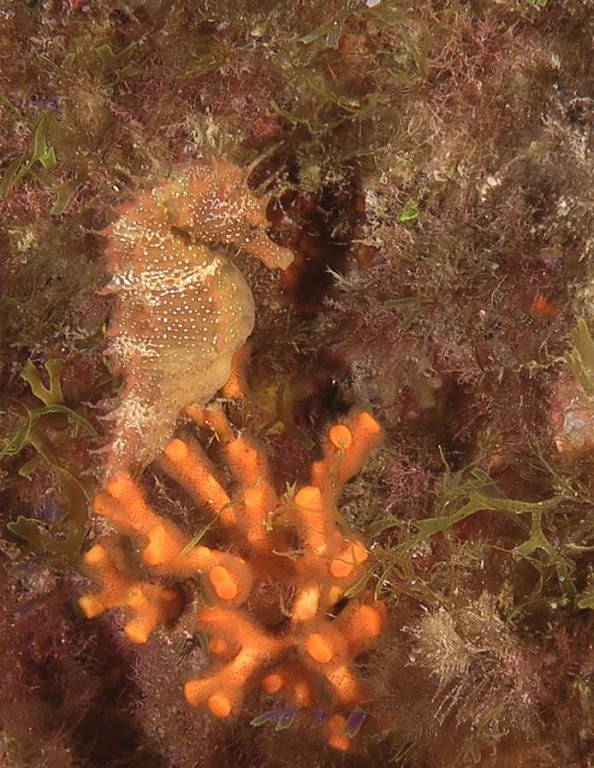
Entering The Canyon, divers often notice the unique combination of rock structures and the life that clings to them. A keen eye towards the sandy bottom can reveal a Seahorse, subtly attached to marine grass and algae.
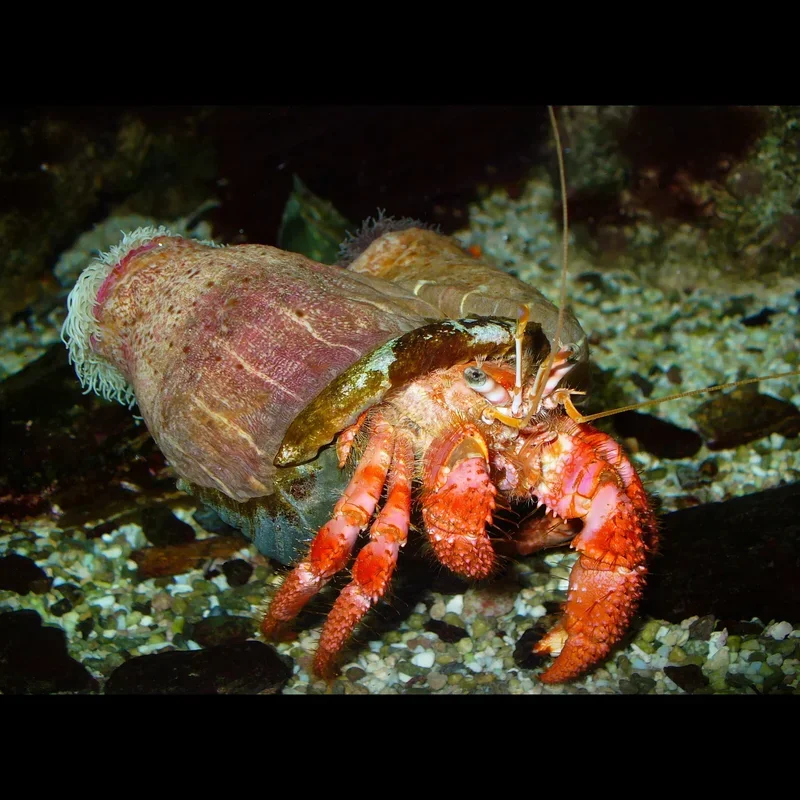
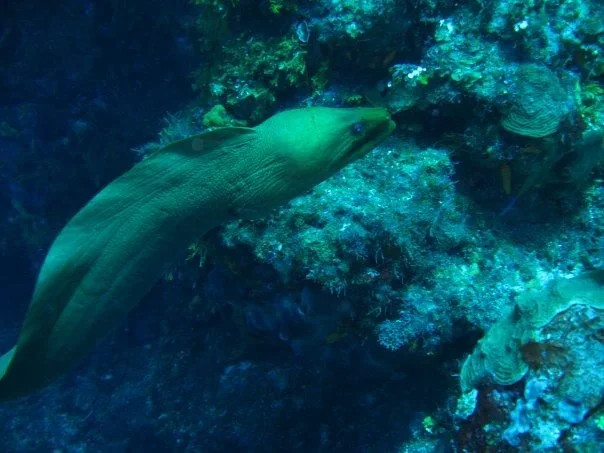
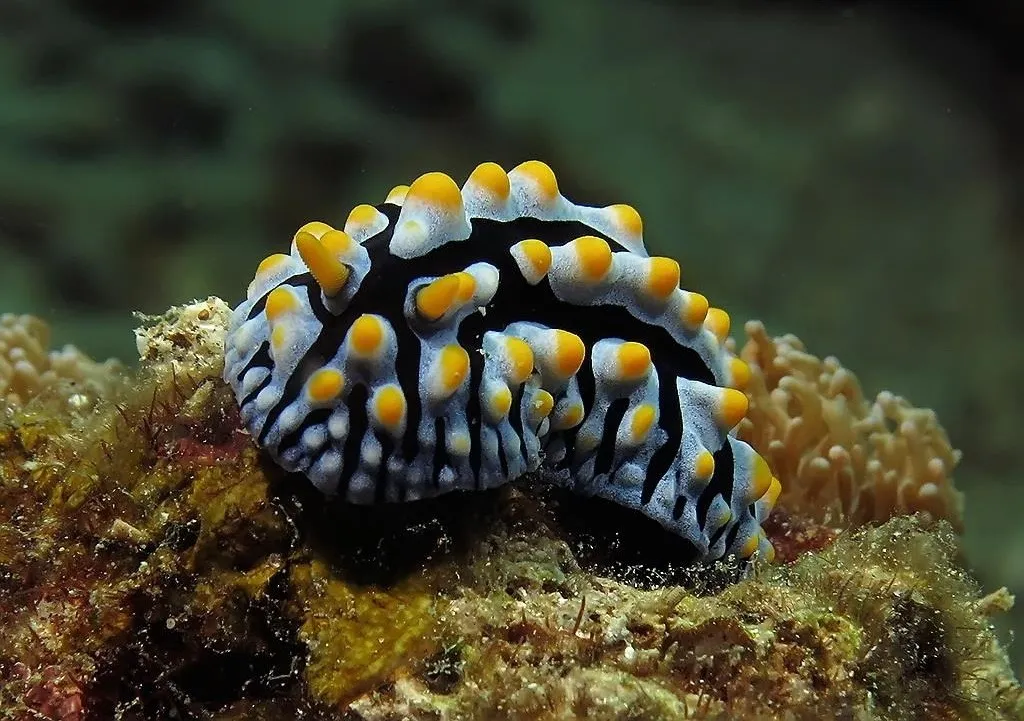
Among the fissures and rocky walls, you'll encounter Hermit crabs meticulously foraging, and the occasional Moray Eel peering from its rocky lair. Numerous Nudibranchs and flatworms dot the surfaces, adding splashes of color.
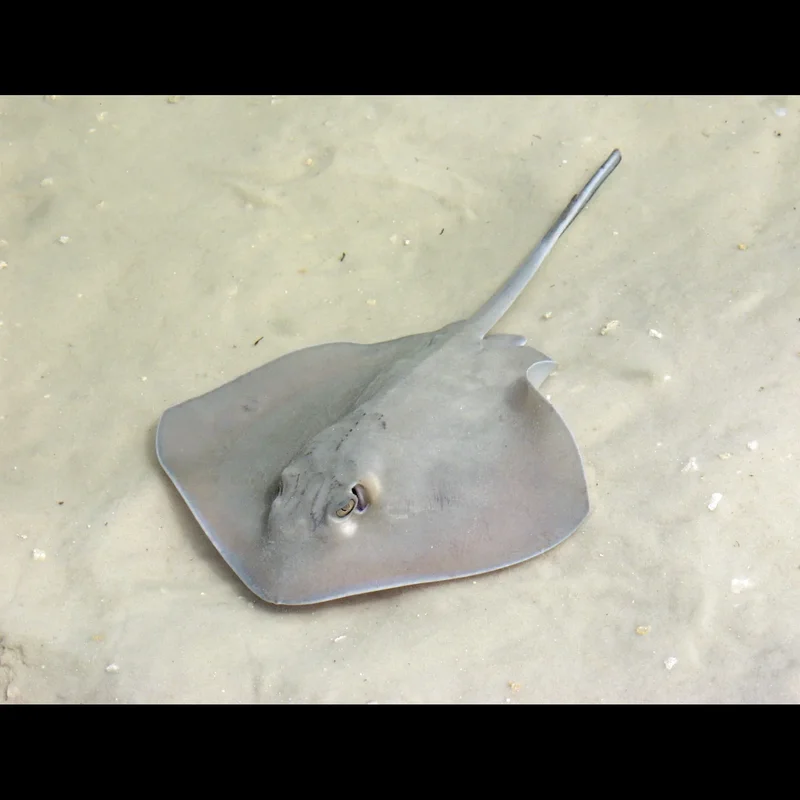
Looking out into the deeper blue, Common Stingrays might gracefully glide by in the distance. Deeper exploration, particularly within small caves or overhangs, can reveal Mostelle fish, along with vibrant sponges and faux corals.
Dive Sites Near The Canyon
View all dive sites in ItalyDiscover more underwater gems in this area.
Dive Centers Near The Canyon

Today: 09:00 - 17:00
Nearest Airports
Nearest airports to help plan travel to this dive area.
Search Flights
Check available flights and routes on Expedia, using the nearby airports listed in this section.
Search Flights on ExpediaFrequently Asked Questions
What dive certification is required for The Canyon?
For full exploration of The Canyon, including its deeper sections around 30 m (98 ft), a PADI Advanced Open Water Diver certification is recommended. Shallower parts of the dive site, typically up to 18 m (59 ft), can often be accessed by certified Open Water Divers under guided conditions.
What kind of underwater formations will I see?
The site is characterized by an impressive underwater canyon formed by a large rock split, creating a dramatic passage. You'll also explore a network of tunnels, gorges, and reef walls, some of which are ancient lava formations. Spectacular light plays are common as sunlight penetrates these structures.
What marine life is commonly sighted at The Canyon?
Common sightings include Seahorses, Hermit crabs, various Moray Eels, Nudibranchs, and flatworms. Divers also frequently spot Common Stingrays in the open water and Mostelle fish, lobsters, and colorful sponges within the caves and deeper fissures.
What is the maximum depth for recreational diving at this site?
The primary maximum depth for recreational divers exploring The Canyon is around 30 m (98 ft). However, specific advanced dives in other canyon-like areas in Italy can reach up to 40 m (130 ft) depending on certification and local operator permissions.
How do divers access The Canyon dive site?
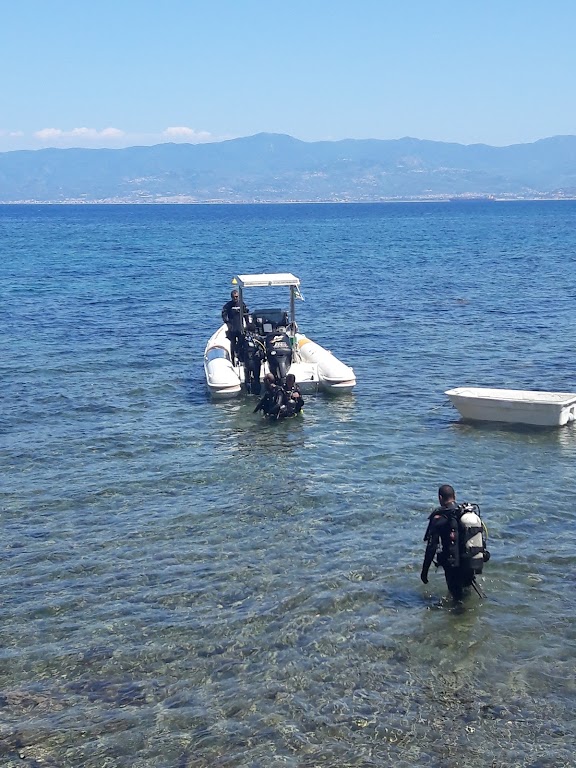
Access to The Canyon is typically by boat. Dive operators transport divers from nearby ports to the site, allowing for convenient entry directly over the dive area.
When is the best time of year to dive The Canyon?
The best time to dive The Canyon is during the summer months, from June to September. These months offer the warmest air temperatures, calmest seas, and minimal rainfall, resulting in the most comfortable and enjoyable dive conditions.
Planning to dive The Canyon?
Send one inquiry and receive offers directly from the best verified local dive operators.
Conditions are Excellent
07:00 - 14:00
Optimal conditions expected
Current conditions near The Canyon show 25° air, 28° sea temperature, 0.2 m waves, and 9 km/h wind. Forecast data is refreshed regularly to ensure accuracy.