
Diving at Greek Columns (Italy)
Imagine drifting over remnants of a forgotten era, where ancient Greek or Roman columns lie scattered across the seabed. White marble, smoothed by centuries of currents, now forms a striking part of the vibrant underwater landscape in Italy's Isola Bella Marine Park. It's a dive that invites contemplation, blending natural beauty with profound historical mystery as you navigate among these submerged cylindrical shapes.
As evening covers Greek Columns, the local air temperature is measured at 22°C. The current wave height at the surface is recorded at 0.4 m. These late-day readings characterize the surface conditions for the night.
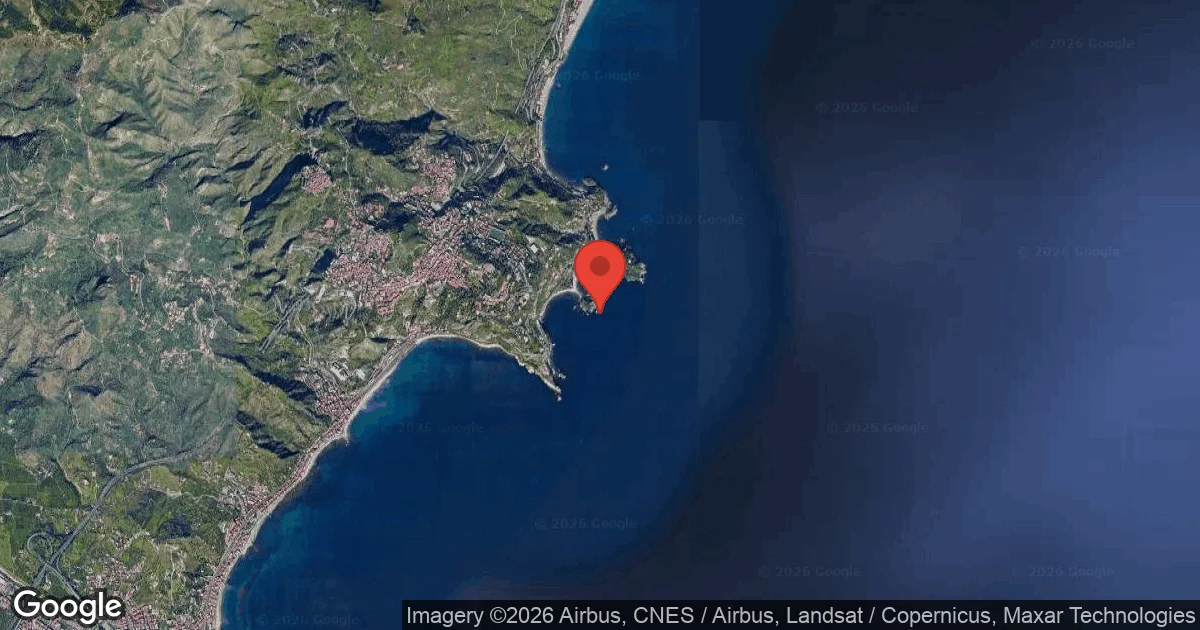
Dive Site Location & Key Facts
Dive Site Overview
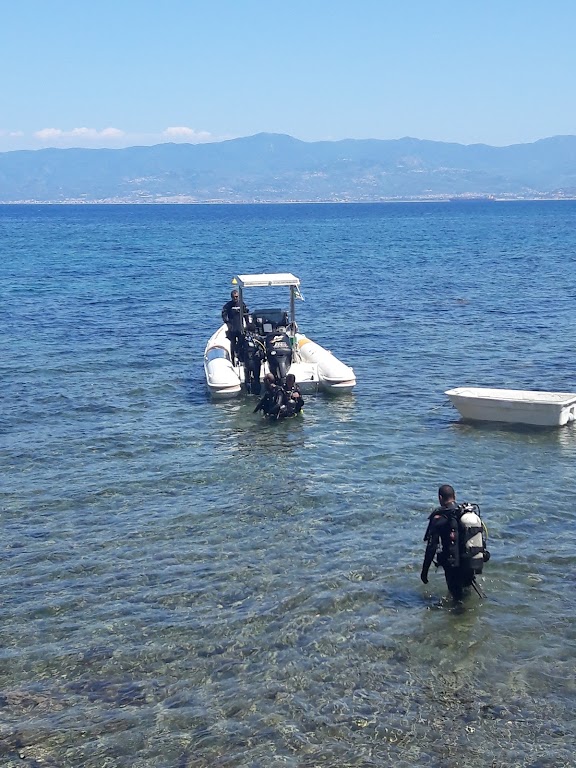
Often referred to as the 'Wreck of the Columns,' this site in Isola Bella Marine Park presents a unique blend of archaeological intrigue and natural reef exploration. Diving commences in a tranquil bay, with divers descending into shallow Mediterranean waters surrounded by rocky formations.
Following a reef wall, the exploration gradually leads to deeper sections where the ancient columns become visible. These substantial marble structures, likely remnants from a cargo ship named Navis Lapidaris that sank around the third century BC, are now beautifully integrated into the marine environment. Evidence suggests they were en route from Greece or North Africa, destined for a temple in Taormina, though some theories propose a Roman origin due to theatre renovations.
Divers can observe specific columns marked with tags indicating their historical significance. Beyond the columns, the site features rocky passages, captivating swim-throughs, and a notable shrimp cave, enhancing the overall exploration experience across depths ranging from 12 to 30 m / 40 to 100 ft.
Conditions are Excellent
07:00 - 14:00
Optimal conditions expected
Current conditions near Greek Columns show 22° air, 28° sea temperature, 0.2 m waves, and 18 km/h wind. Forecast data is refreshed regularly to ensure accuracy.
Best Time to Dive
Optimal conditions for diving at Greek Columns typically occur from June through September, when dive scores are consistently rated as 'Excellent.' During these months, air temperatures are comfortably warm, ranging from 25-29°C / 77-84°F, and rainfall is minimal, often less than 1.4 mm / 0.05 inches per month. Wave heights are generally at their lowest, typically below 0.5 meters / 1.6 feet, contributing to calmer seas and better visibility. While the site maintains a 'Good' dive score year-round, conditions outside of this peak period may feature increased wind speeds and higher waves, particularly during winter months with averages closer to 1.0 meter / 3.3 feet.
PEAK SEASON SCORE
Scores combine air & water temps, waves, wind & rainfall for overall conditions.
BEST MONTHS TO DIVE
Monthly records compiled from satellite and marine observation nodes over the last 3 years. Data provided by Open-Meteo and MET Norway.
Dive Experience & Conditions
Beginning your dive in the bay enclosed by Cape Taormina and the Prickly Pear rock, you'll first explore shallow waters, rich with typical Mediterranean rocky landscapes. Progression involves a gradual descent to the reef wall, reaching approximately 12 meters, where the true exploration begins. Following the wall, divers will find the prominent Greek/Roman columns at depths extending to 24 meters, with the site's maximum depth reaching 30 m / 100 ft. This dive is best suited for those with a Medium to Advanced certification, specifically recommending an Advanced Open Water certification, due to the depths involved and the need for proficient buoyancy control in archaeological areas. Water temperatures in this region are not consistently reported but vary depending on the season, usually reflecting typical Mediterranean averages.
Dive Difficulty & Safety Guidelines
Diving the Greek Columns requires careful attention to safety, particularly given the site's archaeological nature and depth profile. An Advanced Open Water certification is recommended to safely navigate the deeper sections and manage gas effectively. Maintaining excellent buoyancy control is paramount to protect the ancient columns and prevent disturbing the delicate marine ecosystem.
As part of the Isola Bella Marine Park, divers should adhere strictly to local regulations regarding interaction with both marine life and archaeological artifacts. Touching or removing any part of the columns or other historical remains is prohibited.
Always dive with a buddy and ensure proper dive planning, especially when exploring swim-throughs or the shrimp cave.
Recommended Equipment
Deep dive hazard. Increased narcosis and gas consumption risk.
- Dive Computer
- DSMB
- Primary & Backup Lights
This gear list is based on verified equipment signals for Greek Columns, Italy. Always confirm final gear choices with your dive operator, guide, or liveaboard.
Recommended Dive Suit
Subtle variations in currents or depth can sometimes influence perceived water temperature.
2-3mm shorty or light wetsuit tends to perform well in water temperatures like those currently observed here. Surface intervals may feel cooler. Environmental models indicate a modest warming trend ahead. A warming trend is expected over the next few days.
Divers heading to Greek Columns today should expect water temperatures around 28°C (82°F). Surface air temperatures are resting at 22°C (72°F).
Due to technical issues with our weather providers, live updates are temporarily delayed. The data above reflects the conditions at the time of the last successful fetch.
Emergency & Medical Support
Essential information to help you plan your dive trip to Greek Columns.

Hyperbaric chambers are a critical part of dive safety infrastructure. Availability varies significantly by region, and not all dive areas have immediate access.
Before diving, it's recommended to:
- confirm nearest medical facilities
- check emergency procedures with local dive operators
- ensure dive insurance covers evacuation if required
Divers Alert Network
Diving emergency assistance available through DAN Europe.
+39 0642115685- 24/7 emergency hotline
- Diving medical assistance
- Evacuation coordination
Emergency contacts are provided for reference. Always verify local emergency services before diving.
Closest Listed Hyperbaric Chambers
Showing listed hyperbaric chamber facilities within 200 km of this dive site.
Distances are approximate straight-line distances and may not reflect emergency travel time.
Azienda Ospedaliera per l' Emergenza Cannizzaro
24/7 ListedICU CapableCatania, Italy•Approx. 39 km straight-line
Azienda Ospedaliera per l' Emergenza Cannizzaro
24/7 ListedICU CapableInformation is provided for reference and planning purposes only. Dive Navigator does not verify operational status, staffing, availability, or quality of care at listed facilities. In an emergency, contact local emergency services, DAN, your dive operator, or the chamber directly. Do not travel to a facility without calling ahead.
Policlinico di Messina
Messina, Italy•Approx. 39 km straight-line
Policlinico di Messina
Information is provided for reference and planning purposes only. Dive Navigator does not verify operational status, staffing, availability, or quality of care at listed facilities. In an emergency, contact local emergency services, DAN, your dive operator, or the chamber directly. Do not travel to a facility without calling ahead.
Centro Iperbarico di Lipari
24/7 ListedICU CapableLipari (ME), Italy•Approx. 75 km straight-line
Centro Iperbarico di Lipari
24/7 ListedICU CapableInformation is provided for reference and planning purposes only. Dive Navigator does not verify operational status, staffing, availability, or quality of care at listed facilities. In an emergency, contact local emergency services, DAN, your dive operator, or the chamber directly. Do not travel to a facility without calling ahead.
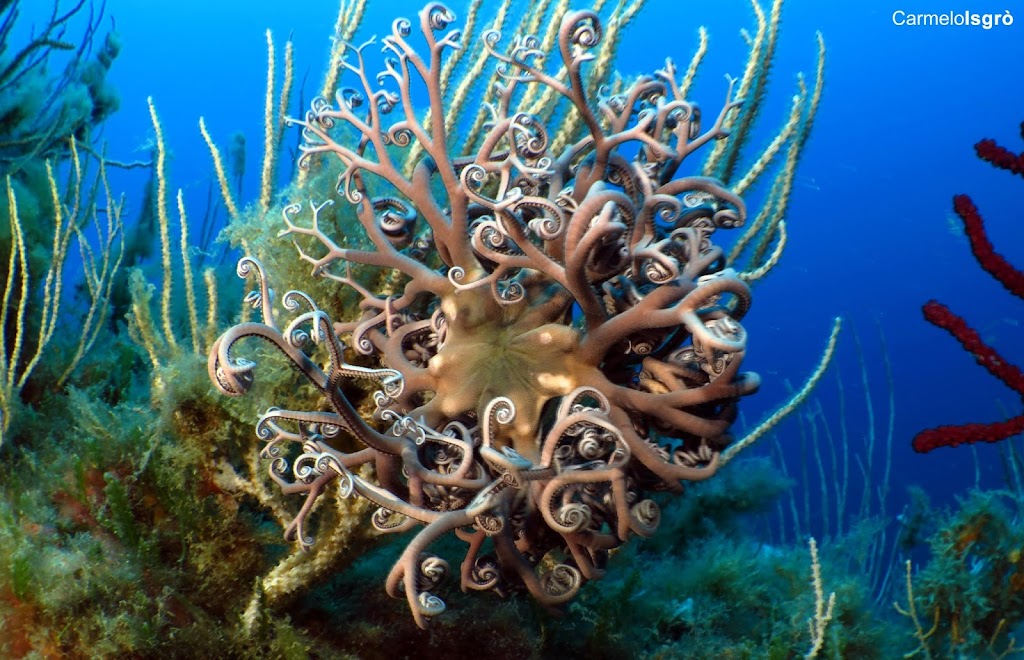
Marine Life at Greek Columns
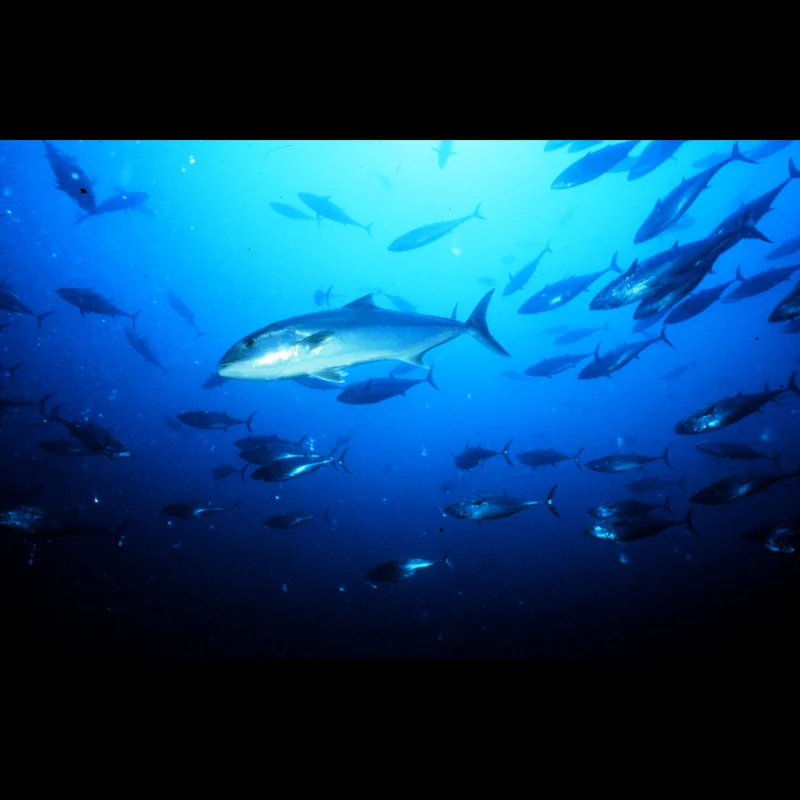
A vibrant habitat supports diverse Mediterranean marine life. Divers often encounter schools of Amberjack or Yellowmouth Barracuda congregating in the blue water along the reef wall.
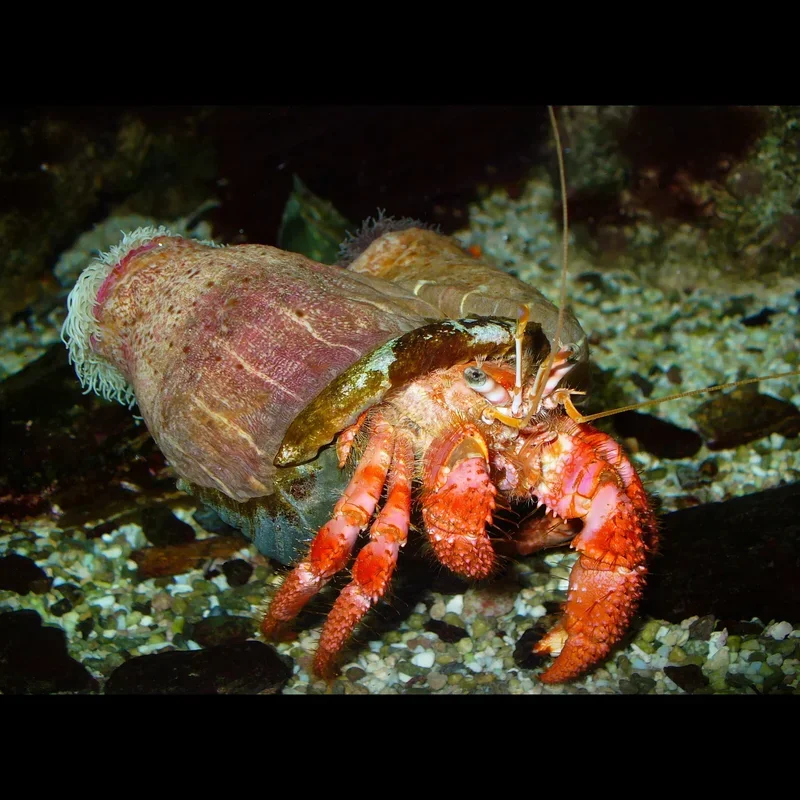
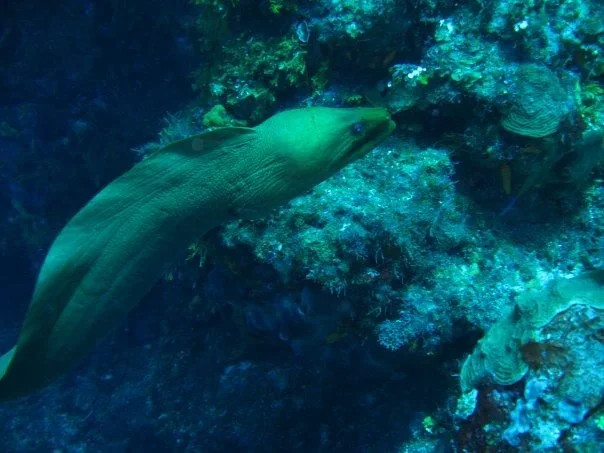
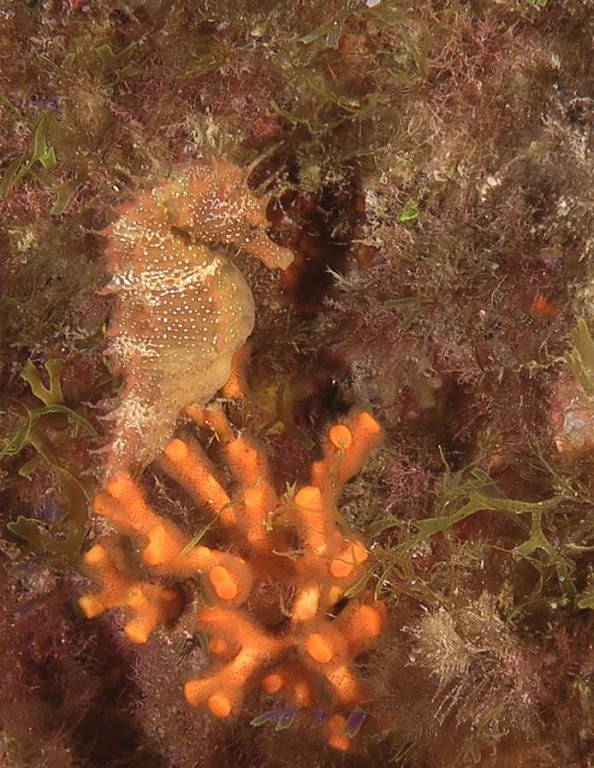
Rocky crevices and formations are home to Dusky Groupers, Painted Combers, and various Cardinal Fish. Keep an eye out for Mediterranean Moray Eels hiding within the rocks, and watch for Hermit Crabs scuttling across the seabed.
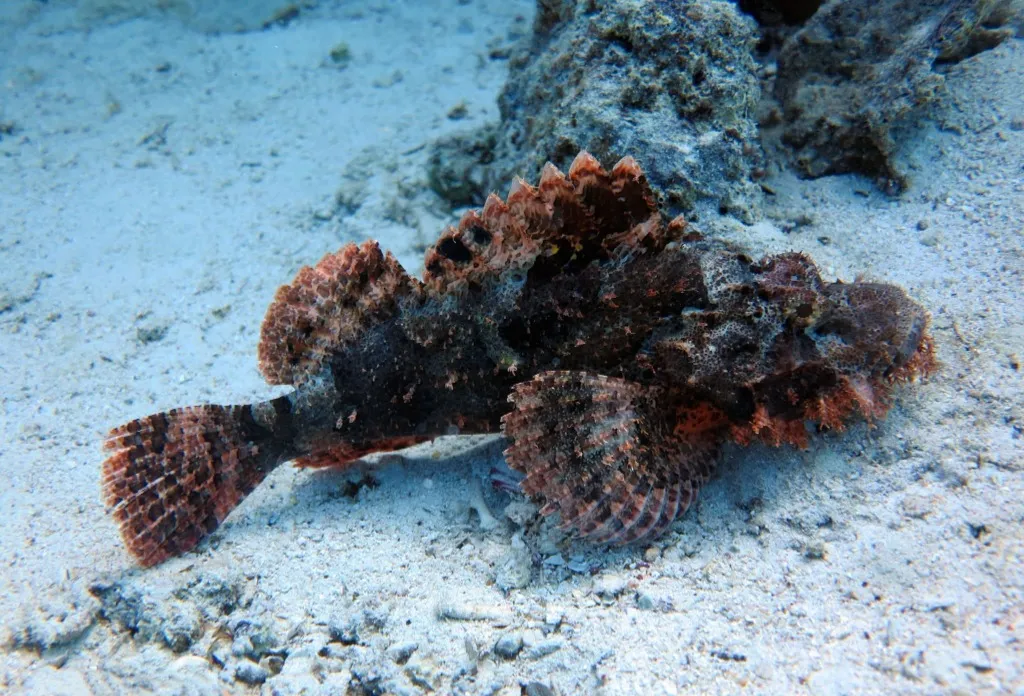
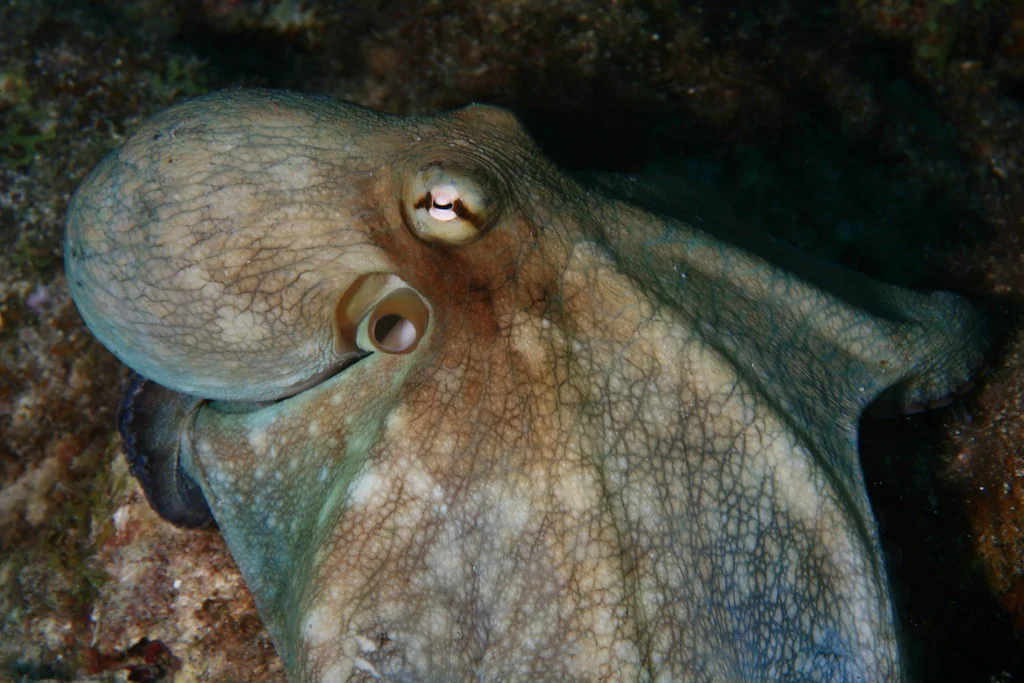
Glimpses of Red Shrimps can be found in the famed shrimp cave, while Common Octopuses and Scorpionfish are also frequently observed camouflaged in their surroundings.
Dive Sites Near Greek Columns
View all dive sites in ItalyDiscover more underwater gems in this area.
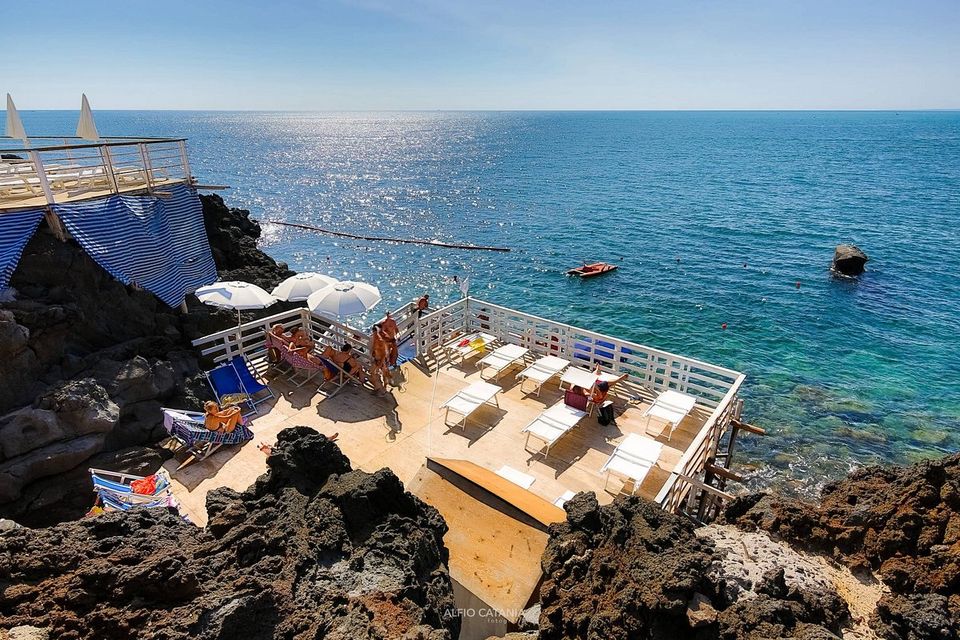
Dive Centers Near Greek Columns

Today: 09:00 - 17:00
Nearest Airports
Nearest airports to help plan travel to this dive area.
Search Flights
Check available flights and routes on Expedia, using the nearby airports listed in this section.
Search Flights on ExpediaFrequently Asked Questions
What is the primary attraction at Greek Columns?
A collection of ancient Greek or Roman marble columns lying on the seabed serves as the main draw. These historical artifacts are believed to be the cargo from a sunken ship, now forming an integral part of the underwater landscape.
What is the typical depth range for this dive?
Divers explore a range of depths, from shallow waters to a reef wall and then to the columns. The site reaches a maximum depth of 30 meters or 100 feet.
What certification level is required?
Rated Medium to Advanced, the dive is recommended for those with an Advanced Open Water certification. This helps safely navigate the site's varying depths and geological features, including deeper sections where the columns are found.
What kind of marine life can I expect to see?
Expect to encounter an array of Mediterranean species. These include schools of Amberjack and Yellowmouth Barracuda, Dusky Groupers, and Moray Eels. Red Shrimps are also a highlight within the designated shrimp cave.
What is the historical background of the columns?
These columns are thought to be from a Roman or Greek cargo ship, a 'Navis Lapidaris,' that sank around the third century BC. They were likely transporting white marble from Greece or North Africa to Taormina for construction purposes.
Are there other features besides the columns?
Yes, beyond the ancient columns, the site offers rocky passages, swim-throughs, and a notable shrimp cave. Divers also explore an extensive reef wall, adding to the varied underwater experience.
Planning to dive Greek Columns?
Send one inquiry and receive offers directly from the best verified local dive operators.
Conditions are Excellent
07:00 - 14:00
Optimal conditions expected
Current conditions near Greek Columns show 22° air, 28° sea temperature, 0.2 m waves, and 18 km/h wind. Forecast data is refreshed regularly to ensure accuracy.