
Diving at Viking Wreck (Italy)
Precision diving is essential when approaching the Viking wreck; its excellent preservation on a muddy seabed demands careful buoyancy control to maintain visibility. Resting at a maximum depth of 48 m / 157 ft in fresh water, this wooden Venetian-style cargo gondola is accessible only by boat. Its condition offers a rare glimpse into historical lake transport, necessitating advanced dive planning.
The latest environmental reading at Viking Wreck indicates an air temperature of 19.5°C. The regional climate in Italy is aligning with expected historical averages. Prepare your gear according to these specific local conditions.
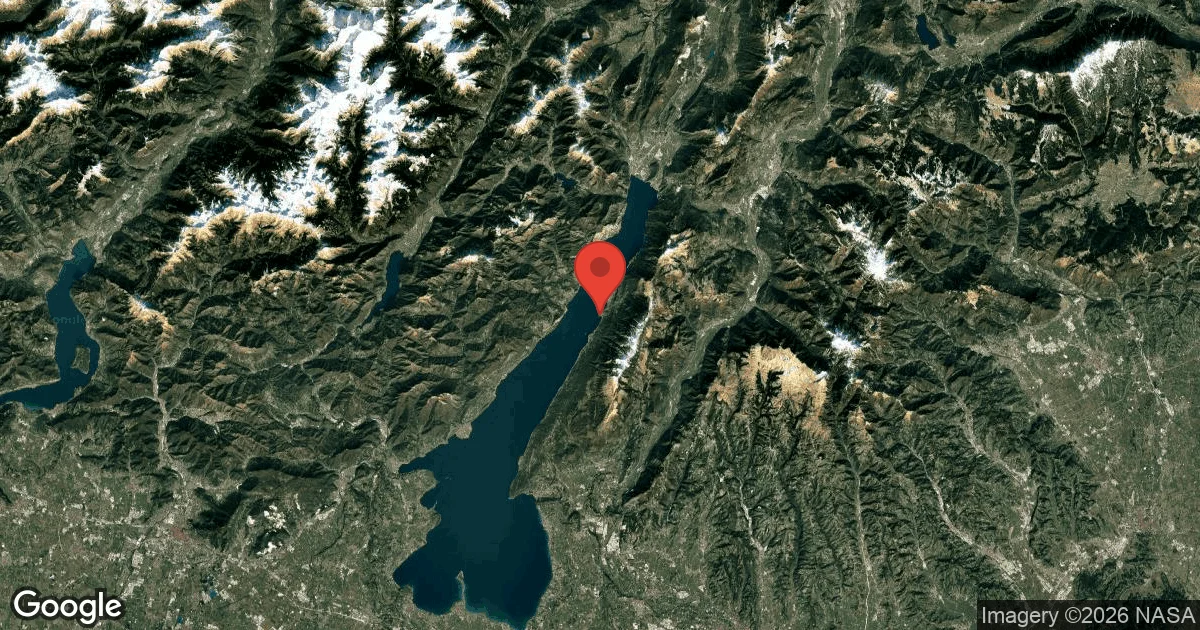
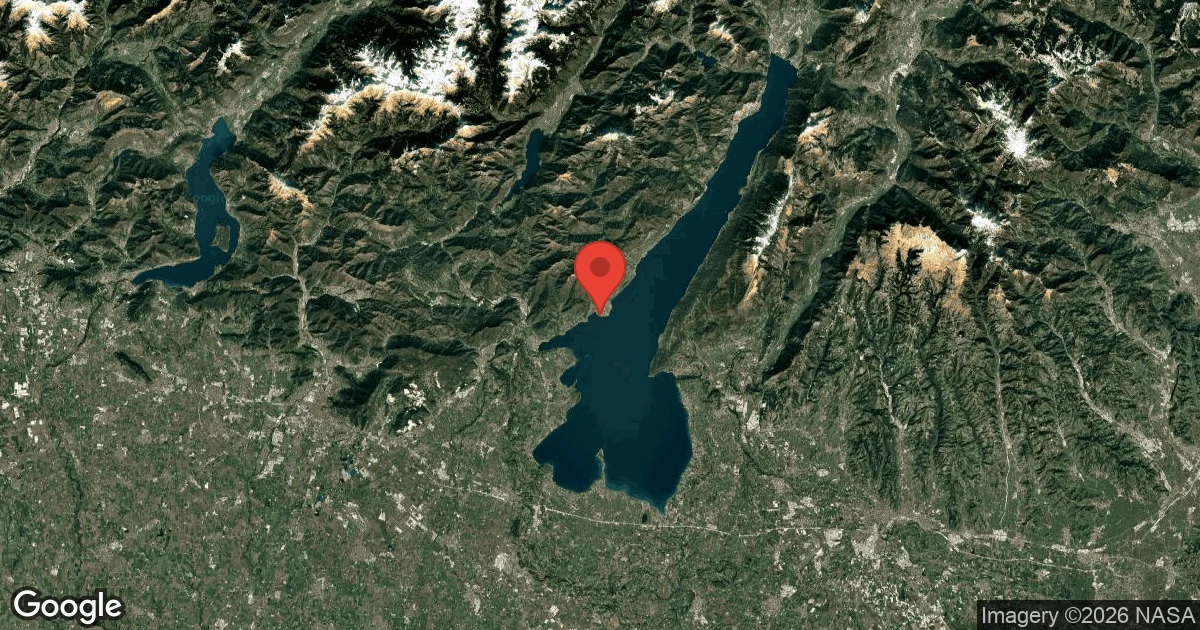
Dive Site Location & Key Facts
Dive Site Overview
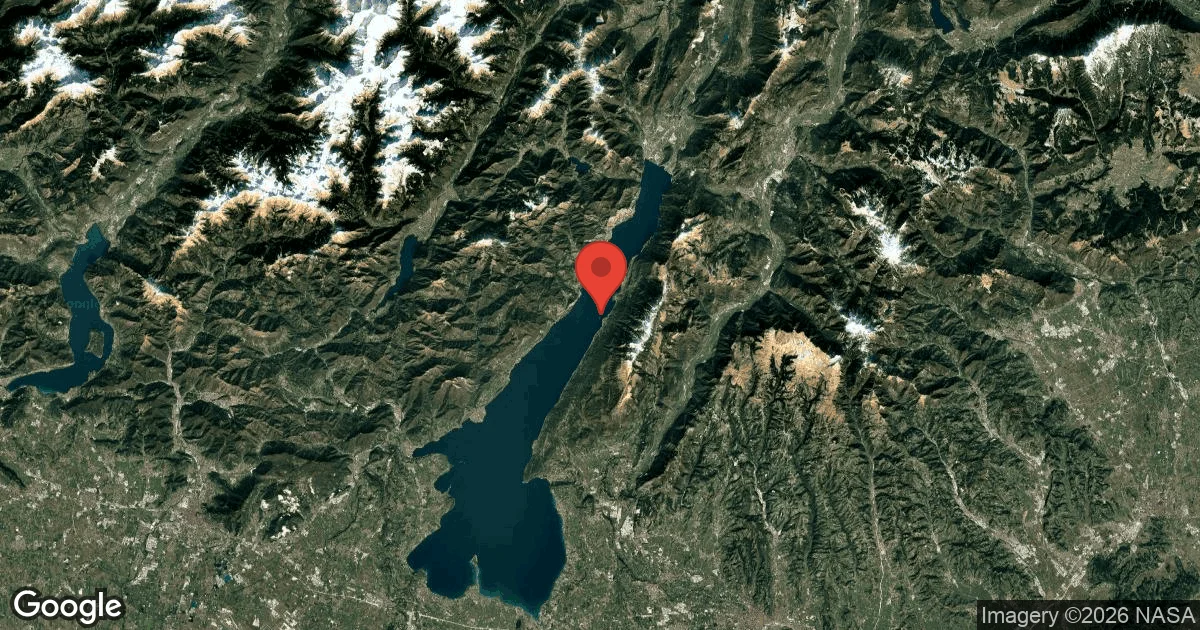
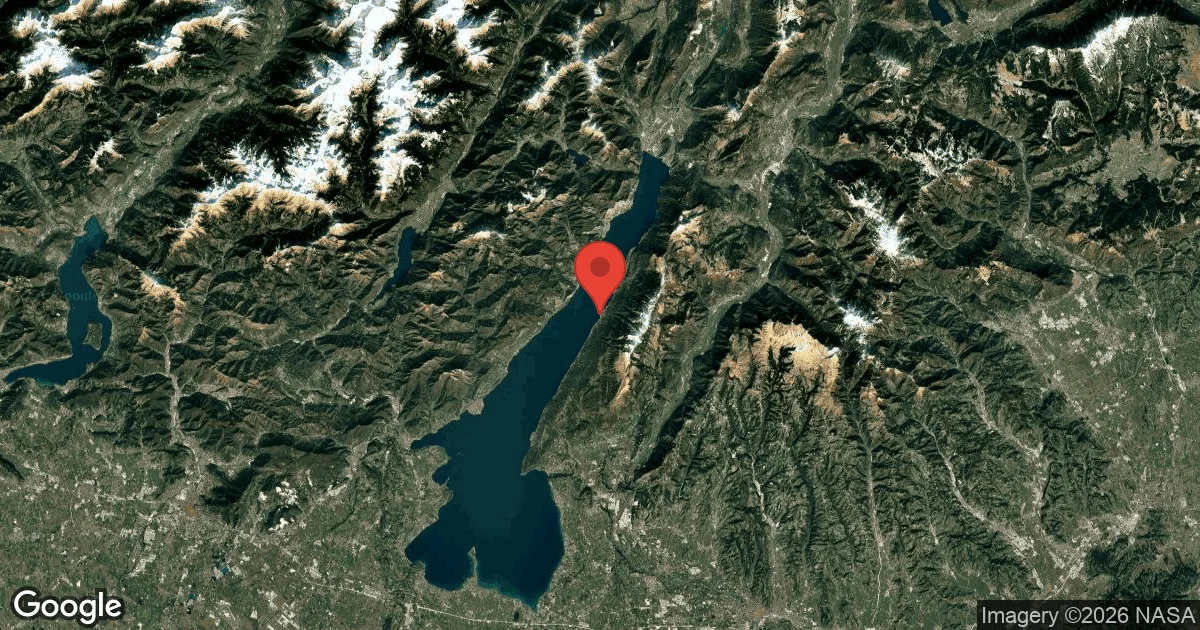
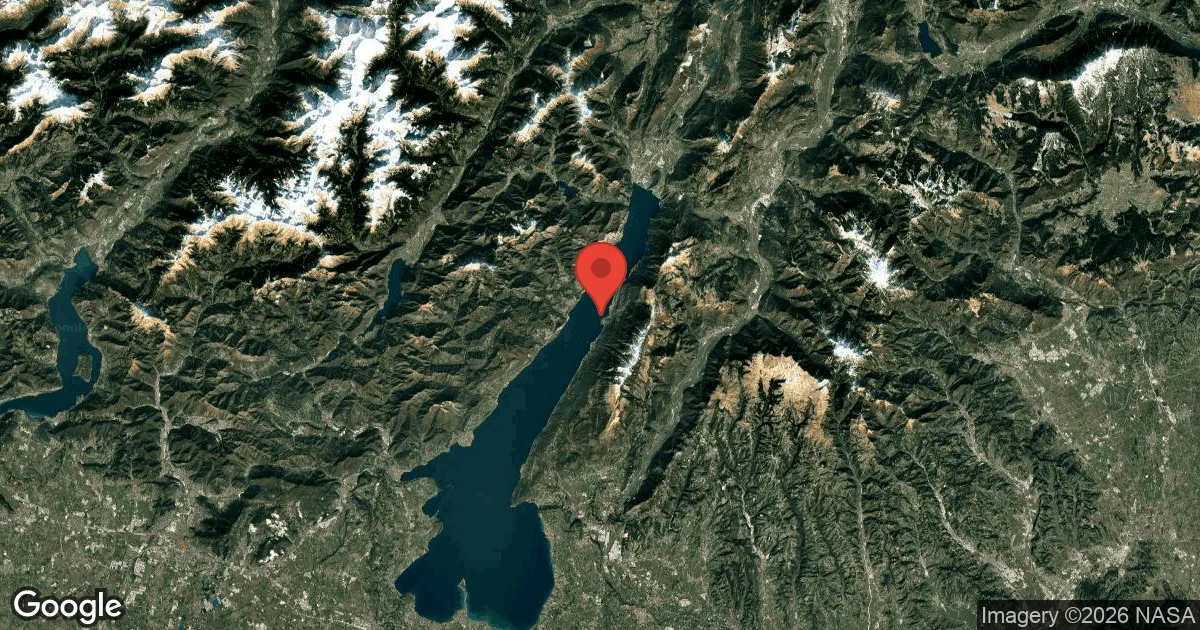
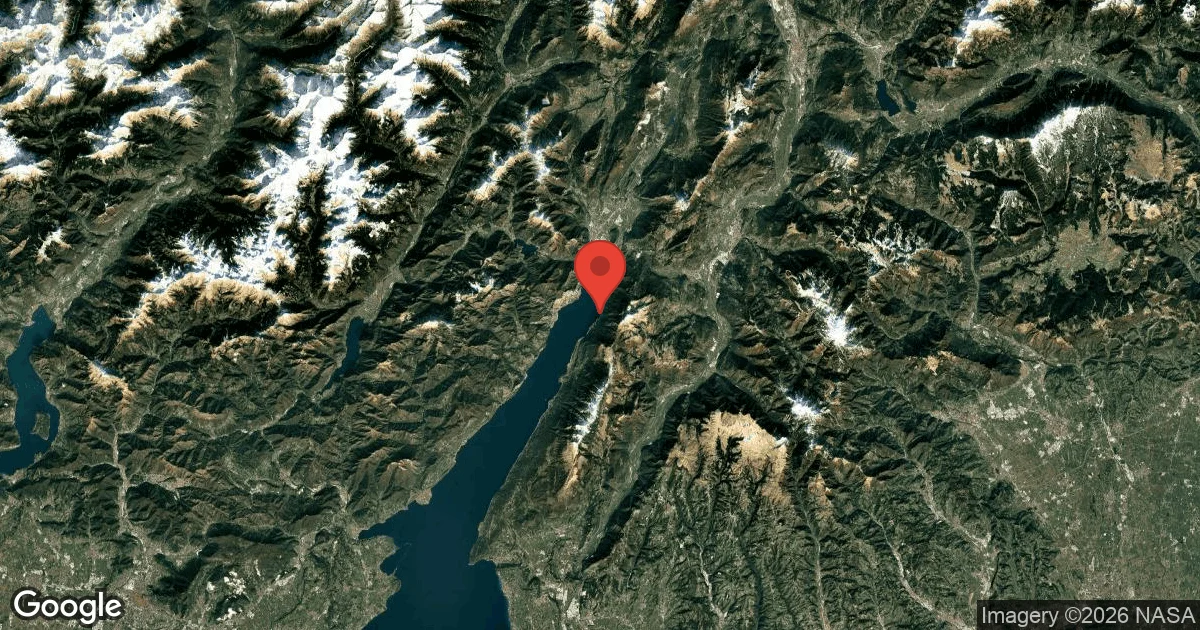
Plunging into Garda Lake's freshwater depths reveals the Viking wreck, a remarkably preserved wooden Venetian-style cargo gondola. More than a sunken vessel, it represents a tangible link to historical lake transport, inviting divers to unravel its submerged story.
Resting in an upright navigation attitude on a soft, muddy seabed, the wreck retains much structural integrity, allowing for an immersive experience observing its original design and construction. Site access is exclusively by boat, leading divers to depths approaching 48 m / 157 ft. Exceptional preservation of the gondola provides an extensive canvas for detailed exploration, making it a compelling target for underwater photographers and history enthusiasts.
Engaging with the freshwater wreck contrasts distinctly with coastal dives, characterized by different environmental conditions and often calmer currents. Divers appreciate the craftsmanship of a bygone era, observing the wooden hull's integrity.
A serene underwater setting contributes to a reflective dive, emphasizing the site's historical significance.
Conditions are Excellent
07:00 - 14:00
Optimal conditions expected
Current conditions near Viking Wreck show 20° air, --° sea temperature, N/A waves, and 6 km/h wind. Forecast data is refreshed regularly to ensure accuracy.
Best Time to Dive
Optimizing for dive conditions at the Viking wreck means considering visibility, which can fluctuate in lake environments. Dive scores suggest consistent excellent diving throughout much of the year, with top ratings from January through April, June, August, September, November, and December. Good conditions typically apply to May, July, and October. Air temperatures range significantly, from a cooler 6.5°C / 44°F in January to a warmer 25°C / 77°F in August, influencing topside comfort. Rain levels are generally low, varying from 1.8 mm in December to a higher 6.9 mm in May. Stable weather patterns usually favor clear lake waters, though specific visibility data isn't consistently reported.
PEAK SEASON SCORE
Scores combine air & water temps, waves, wind & rainfall for overall conditions.
BEST MONTHS TO DIVE
Monthly records compiled from satellite and marine observation nodes over the last 3 years. Data provided by Open-Meteo and MET Norway.
Dive Experience & Conditions
Descending toward the Viking wreck, a gradual darkening sensation often envelops divers as Garda Lake's fresh water surrounds them. A calm water column typically lacks the strong currents sometimes associated with ocean diving, allowing for a controlled descent. Upon approaching the muddy seabed, the wooden gondola's outline emerges, standing upright and remarkably intact at its significant depth. A cool, quiet environment allows for focused observation of the vessel's structure. Consistently reported marine thermoclines aren't specific to this lake, so water temperatures might be fairly uniform across depths, though this varies seasonally. A deep, still setting emphasizes the wreck's isolation and historical significance.
Dive Difficulty & Safety Guidelines
Diving the Viking wreck presents distinct challenges, primarily due to its deep freshwater environment. Advanced certification and deep diving experience are essential for a site of this nature. Freshwater buoyancy differs from saltwater, requiring precise weighting adjustments to avoid disturbing the muddy seabed and impairing visibility.
Penetration isn't advisable due to the wreck's wooden construction, structural fragility, and potential for entanglement. Proper dive planning, including gas management and contingency procedures for cold water if applicable, remains paramount.
Always dive with a reliable buddy and carry appropriate safety equipment for a deep freshwater wreck.
Recommended Equipment
Technical depth range. Advanced planning, gas management, and appropriate certification required.
Overhead / entanglement risk. Wreck penetration requires proper training.
- Dive Computer
- DSMB
- Primary & Backup Lights
- Wreck Reel
- Cutting Tool
This gear list is based on verified equipment signals for Viking Wreck, Italy. Always confirm final gear choices with your dive operator, guide, or liveaboard.
Recommended Dive Suit
Based on regional estimates and current weather, the likely required exposure protection is a 5mm or thicker wetsuit. Note that local currents and upwellings can alter this. Surface intervals may feel cooler. Divers vary widely in how quickly they feel cold underwater.
Because recent water temperature readings are not available for Viking Wreck, the guidance below is based mainly on current air conditions and seasonal expectations. Current surface air temperatures are roughly 20°C (67°F).
Forecast confidence is somewhat lower, with potential for varied conditions ahead. A warming trend is expected over the next few days.
Due to technical issues with our weather providers, data hasn't been fetched for over 48 hours. The data above reflects the conditions at the time of the last successful fetch.
Emergency & Medical Support
Essential information to help you plan your dive trip to Viking wreck.

Hyperbaric chambers are a critical part of dive safety infrastructure. Availability varies significantly by region, and not all dive areas have immediate access.
Before diving, it's recommended to:
- confirm nearest medical facilities
- check emergency procedures with local dive operators
- ensure dive insurance covers evacuation if required
Divers Alert Network
Diving emergency assistance available through DAN Europe.
+39 0642115685- 24/7 emergency hotline
- Diving medical assistance
- Evacuation coordination
Emergency contacts are provided for reference. Always verify local emergency services before diving.
Closest Listed Hyperbaric Chambers
Showing listed hyperbaric chamber facilities within 200 km of this dive site.
Distances are approximate straight-line distances and may not reflect emergency travel time.
Servizio di Ossigeno Terapia Iperbarica "Renato Moroni"
24/7 ListedICU CapableBrescia, Italy•Approx. 49 km straight-line
Servizio di Ossigeno Terapia Iperbarica "Renato Moroni"
24/7 ListedICU CapableInformation is provided for reference and planning purposes only. Dive Navigator does not verify operational status, staffing, availability, or quality of care at listed facilities. In an emergency, contact local emergency services, DAN, your dive operator, or the chamber directly. Do not travel to a facility without calling ahead.
OTI Medicale Vicenza
24/7 ListedICU CapableTORRI DI QUARTESOLO (VI), Italy•Approx. 68 km straight-line
OTI Medicale Vicenza
24/7 ListedICU CapableInformation is provided for reference and planning purposes only. Dive Navigator does not verify operational status, staffing, availability, or quality of care at listed facilities. In an emergency, contact local emergency services, DAN, your dive operator, or the chamber directly. Do not travel to a facility without calling ahead.
Casa di Cura Habilita s.p.a.
24/7 ListedICU CapableZingonia di Ciserano (BG), Italy•Approx. 94 km straight-line
Casa di Cura Habilita s.p.a.
24/7 ListedICU CapableInformation is provided for reference and planning purposes only. Dive Navigator does not verify operational status, staffing, availability, or quality of care at listed facilities. In an emergency, contact local emergency services, DAN, your dive operator, or the chamber directly. Do not travel to a facility without calling ahead.
Marine Life at Viking Wreck
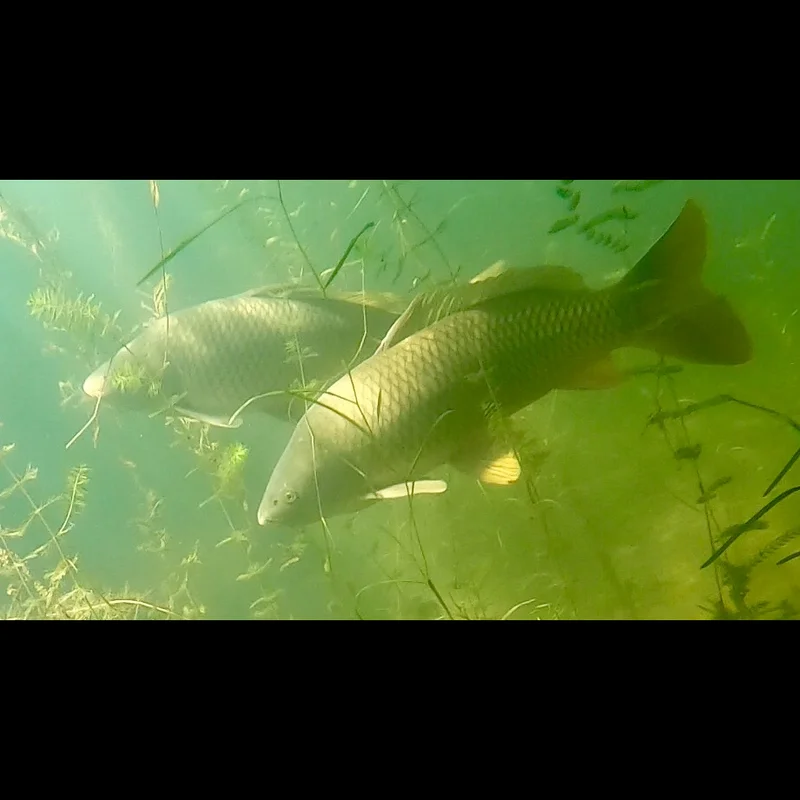
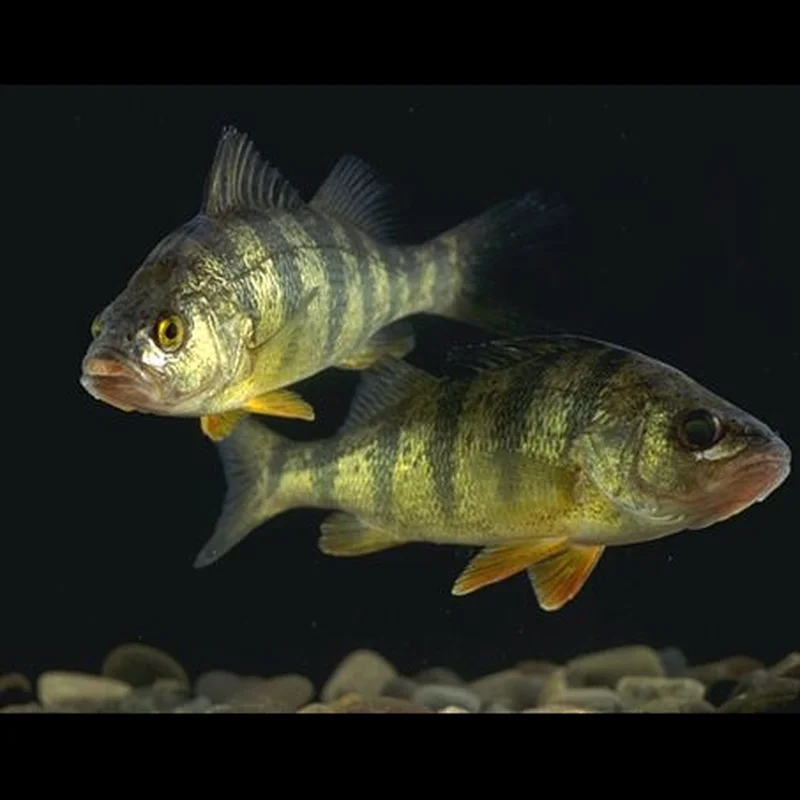
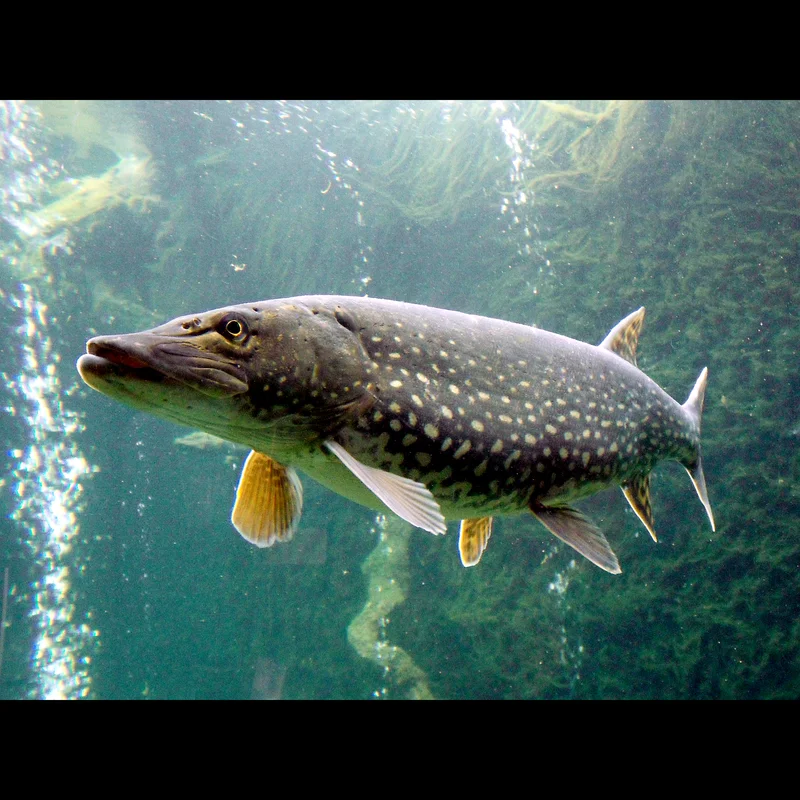
While the Viking wreck serves primarily as a historical dive, Garda Lake's freshwater environment hosts aquatic life adapted to these conditions. Divers might observe various freshwater fish species, such as perch, pike, or carp, navigating among the gondola's timbers.
Invertebrates and freshwater crustaceans could also be present, colonizing wreck surfaces, offering smaller points of interest. Without vibrant coral formations typical of ocean dives, focus remains more on the sunken artifact itself rather than diverse marine ecosystems.
Dive Sites Near Viking Wreck
View all dive sites in ItalyDiscover more underwater gems in this area.
Dive Centers Near Viking Wreck
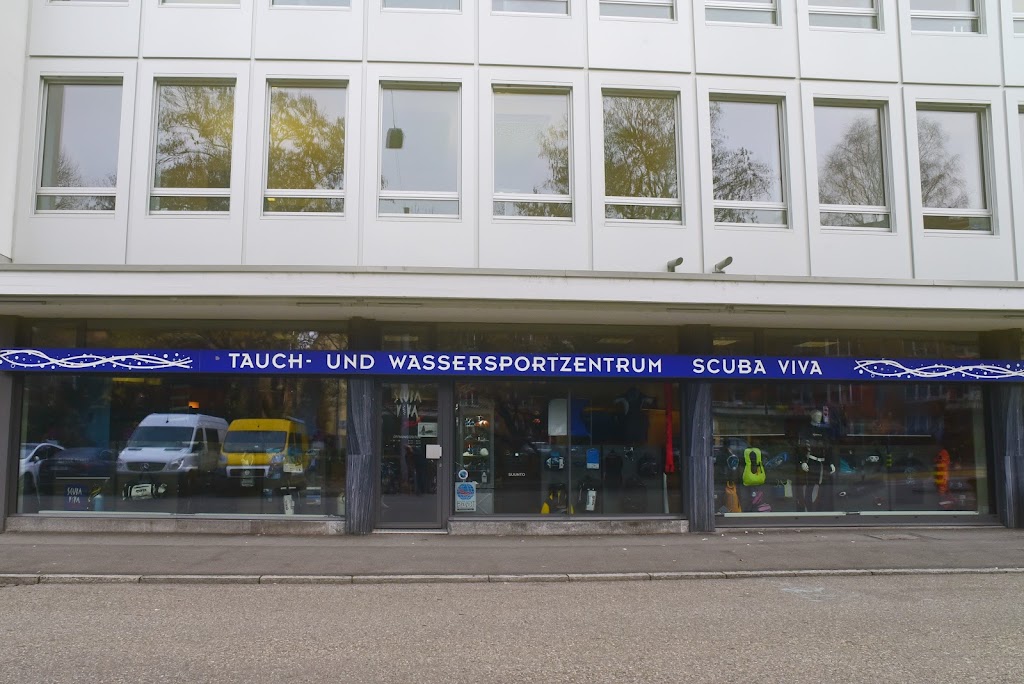
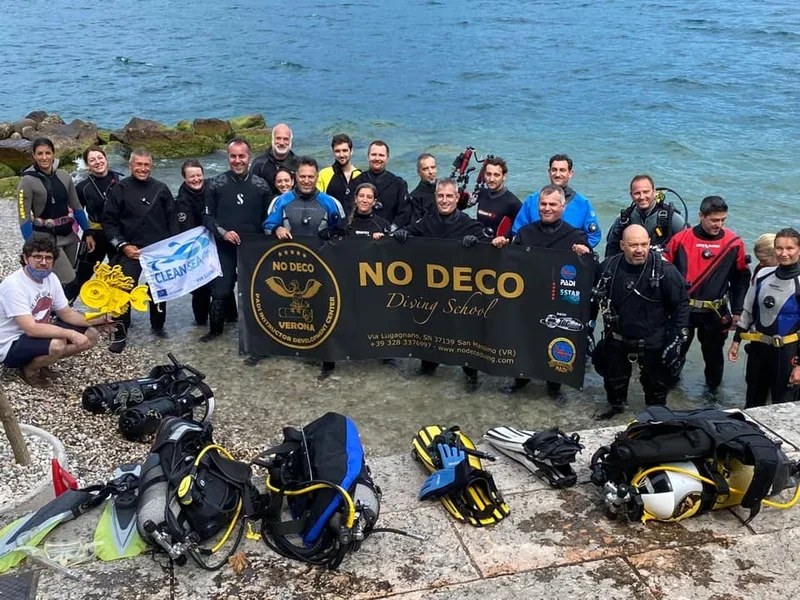
Nearest Airports
Nearest airports to help plan travel to this dive area.
Search Flights
Check available flights and routes on Expedia, using the nearby airports listed in this section.
Search Flights on ExpediaFrequently Asked Questions
What type of wreck is the Viking wreck?
It's a wooden Venetian-style cargo gondola, well-preserved and lying upright on the muddy seabed of Garda Lake. This unique vessel offers a glimpse into historical lake transport.
What is the maximum depth of the dive?
The wreck rests at its deepest point, requiring divers to possess appropriate advanced certifications and experience. It's a significant deep dive in Garda Lake.
Is the Viking wreck a saltwater or freshwater dive?
It is a freshwater dive, located in Garda Lake, Italy. This influences buoyancy requirements and the type of aquatic life observed.
What certifications are needed to dive this site?
Given its depth, advanced open water certification is generally required, along with experience in deep or wreck diving. Familiarity with freshwater diving conditions is also beneficial.
How do divers access the Viking wreck?
Access to the site is exclusively by boat. Divers typically depart from nearby dive centers around Garda Lake.
Can divers penetrate the wreck?
Penetration is generally not recommended due to the wreck's wooden construction and potential fragility. It's best to appreciate the exterior structure and its preserved state.
What kind of marine life can be seen?
As a freshwater lake dive, you might encounter local fish species such as perch or pike, along with various freshwater invertebrates. The primary attraction, however, is the historical wreck itself.
What are the best months for diving the wreck?
Dive scores suggest most months offer good to excellent conditions. June to September typically provide warmer air temperatures, but good visibility is reported throughout cooler months as well.
Planning to dive Viking Wreck?
Send one inquiry and receive offers directly from the best verified local dive operators.
Conditions are Excellent
07:00 - 14:00
Optimal conditions expected
Current conditions near Viking Wreck show 20° air, --° sea temperature, N/A waves, and 6 km/h wind. Forecast data is refreshed regularly to ensure accuracy.