
Diving at Cape Maeda, Blue Cave (Japan)
The Blue Cave at Cape Maeda presents a striking visual experience. Sunlight penetrates an underwater opening, reflecting off the white limestone walls and illuminating the cavern with an ethereal blue glow. Immersing oneself here feels like entering a luminous, liquid world, where schools of fish drift through the vibrant azure light, creating a truly memorable spectacle.
As evening covers Cape Maeda, Blue Cave, the local air temperature is measured at 26°C. The current wave height at the surface is recorded at 0.5 m. These late-day readings characterize the surface conditions for the night.
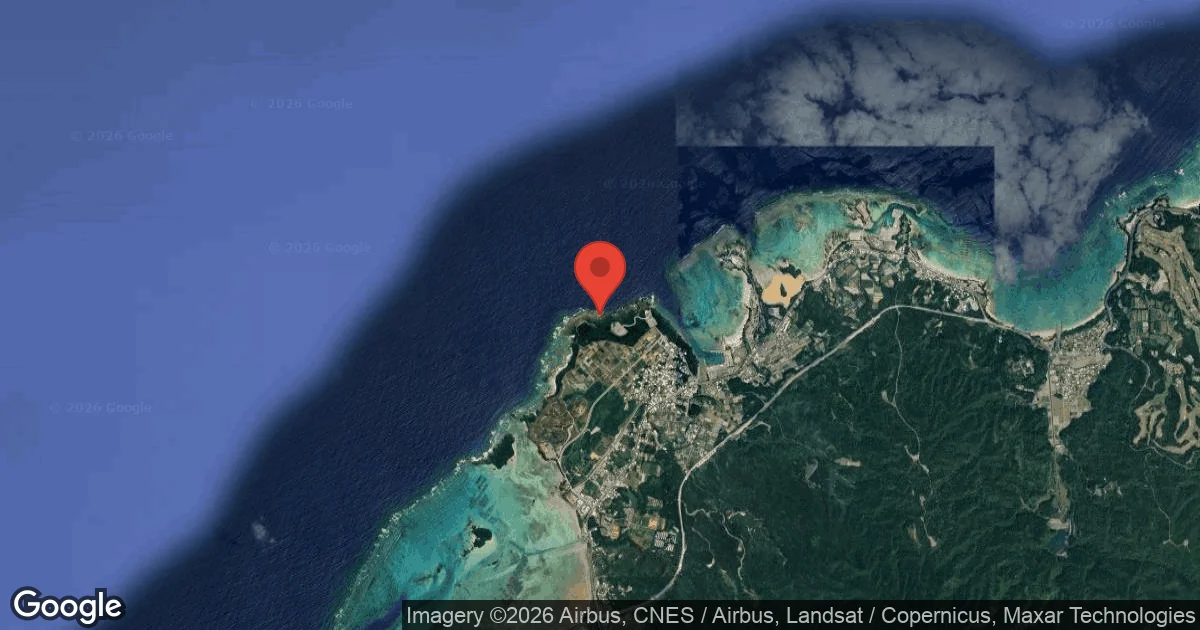
Dive Site Location & Key Facts
Dive Site Overview
Cape Maeda offers a multifaceted dive experience, extending far beyond the captivating Blue Cave. Its primary appeal for many divers stems from the mesmerizing natural light effects within the cavern, where sunlight transforms the water into an ethereal blue spectacle.
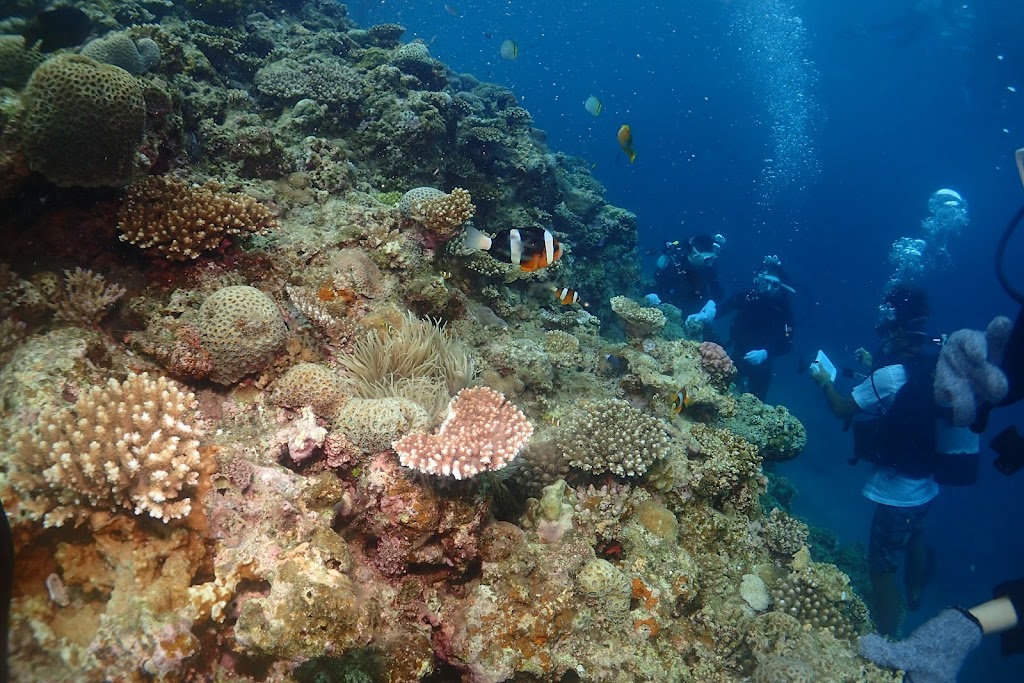
While the cave itself is a significant draw, readily accessible to divers of all certification levels, the entire site unfolds to reveal vibrant outer reefs teeming with activity and intricate crevasses etched into the cliff face. Beyond the direct path to the Blue Cave, more experienced divers will discover opportunities to explore deeper sections of the reef, encountering different marine ecosystems. For those new to diving, or completing initial certifications, the conditions are notably suitable for Discover Scuba Diving and Open Water Diver courses, often facilitated by easy boat access that simplifies entry and exit.
This location stands out for its versatility, presenting a comprehensive underwater tableau of Okinawa's coastal topography, transitioning from the shallow, light-bathed caverns to more complex and diverse reef structures that promise varied encounters on every descent. It accommodates a wide spectrum of interests and skill sets, making it a cornerstone for dive planning in the region.
Conditions are Good
Optimal conditions expected
Current conditions near Cape Maeda, Blue Cave show 26° air, 29° sea temperature, 0.9 m waves, and 29 km/h wind. Forecast data is refreshed regularly to ensure accuracy.
Best Time to Dive
Conditions at Cape Maeda largely dictate the best times for diving, with consistent 'Good' dive scores for most of the year. September often presents favorable conditions with the lowest average wave height at 0.7 meters and minimal rain at 4.32 mm, along with air temperatures averaging 28.5°C. The warmer months from May through October offer air temperatures consistently above 23°C. While January and February still register 'Good' dive scores, air temperatures average 17-18°C, and wave heights can be higher, around 1.4-1.5 meters. Dive tours operate throughout the day, with early departures possible from 07:30 and later options extending until 17:00.
PEAK SEASON SCORE
Scores combine air & water temps, waves, wind & rainfall for overall conditions.
BEST MONTHS TO DIVE
Monthly records compiled from satellite and marine observation nodes over the last 3 years. Data provided by Open-Meteo and MET Norway.
Dive Experience & Conditions
Entering the waters around Cape Maeda reveals a rich environment tailored for various skill levels. Visibility here can frequently extend to 30 meters / 100 feet, creating an aquarium-like experience for divers. Within this site, the distinctive Blue Cave presents itself as a primary attraction; it's open to the surface, classifying it as a safe cavern dive with ample ambient light. Beyond the cave, the dive area transitions into a mix of reef and wall diving, featuring a maximum depth of approximately 12 meters / 39 feet. Water temperatures, while not consistently reported in our system, typically range from 22-27°C / 72-81°F through much of the year, reflecting Okinawa's subtropical climate. Currents are generally manageable, though conditions can vary, especially during periods of increased wave action, requiring divers to remain attentive.
Dive Difficulty & Safety Guidelines
Ensuring a safe and enjoyable dive at Cape Maeda requires attention to basic dive planning and site-specific considerations. For shore entries, divers must navigate over 90 stairs, which can be physically demanding. It's important to monitor depth carefully, especially for new divers, as the site offers varied topography.
While generally suitable for beginners, awareness of other divers and snorkelers is crucial due to the site's popularity. If prone to seasickness, it's advisable to take over-the-counter medication before boat trips.
Always dive within your certification limits and consider booking with local operators who often provide English correspondence and comprehensive safety briefings.
Recommended Equipment
Overhead environment. Do not enter beyond training and gas planning limits.
Current and surface separation risk. Local briefing strongly recommended.
- Dive Computer
- DSMB
- Primary & Backup Lights
- Reel / Spool
- Cutting Tool
This gear list is based on verified equipment signals for Cape Maeda, Blue Cave, Japan. Always confirm final gear choices with your dive operator, guide, or liveaboard.
Recommended Dive Suit
Dive skin or rash guard usually provides adequate warmth in water around this temperature. Those diving at Cape Maeda, Blue Cave today will likely encounter water temperatures in the region of 29°C (84°F). Surface air temperatures are resting at 26°C (79°F).
Environmental conditions are expected to remain consistent in the short-term outlook.
Conditions can vary slightly across different parts of the same dive site.
Emergency & Medical Support
Essential information to help you plan your dive trip to Cape Maeda, Blue Cave.

Hyperbaric chambers are a critical part of dive safety infrastructure. Availability varies significantly by region, and not all dive areas have immediate access.
Before diving, it's recommended to:
- confirm nearest medical facilities
- check emergency procedures with local dive operators
- ensure dive insurance covers evacuation if required
Divers Alert Network
Diving emergency assistance available through DAN Japan.
+81338124999- 24/7 emergency hotline
- Diving medical assistance
- Evacuation coordination
Emergency contacts are provided for reference. Always verify local emergency services before diving.
Marine Life at Cape Maeda, Blue Cave
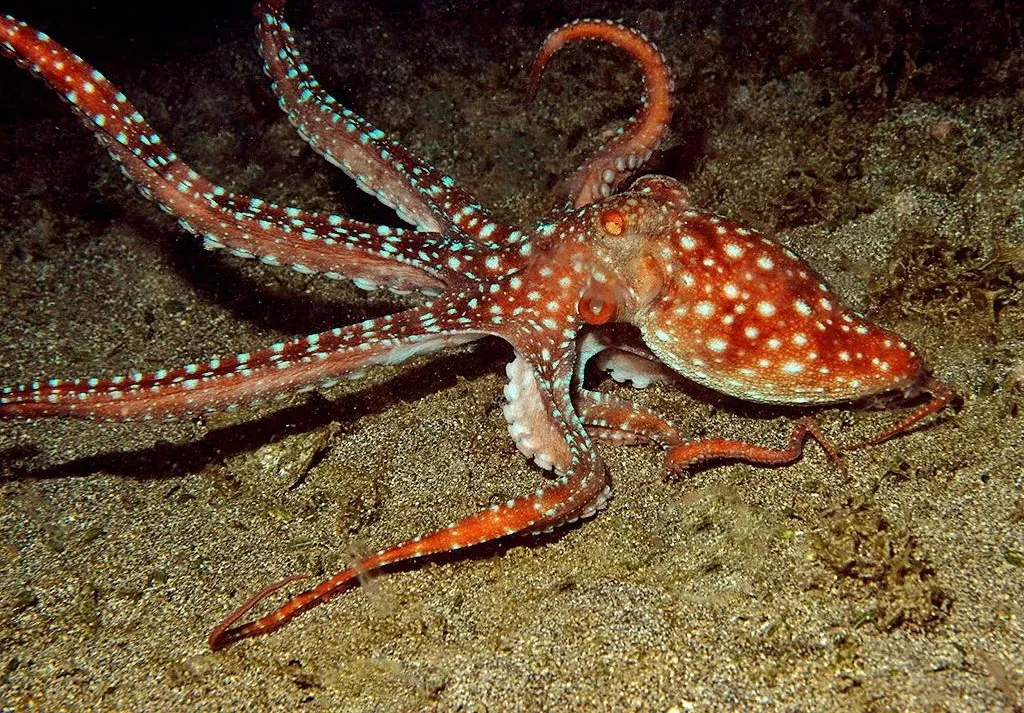
The first thing divers often notice around Cape Maeda is the sheer abundance of fish, often described as diving in an aquarium. Schools of tropical fish populate the reefs, while octopuses can be spotted camouflaged within cracks and crevices.
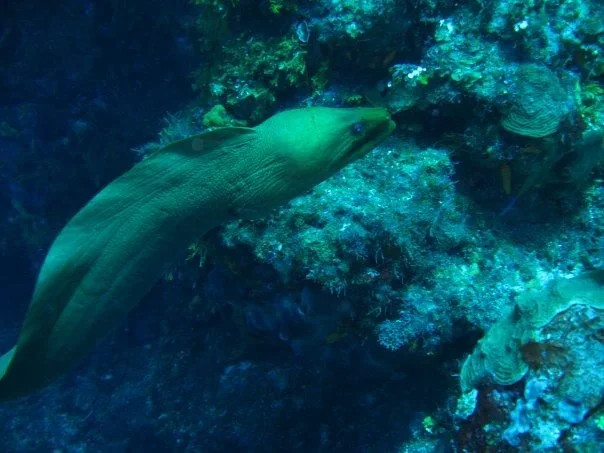
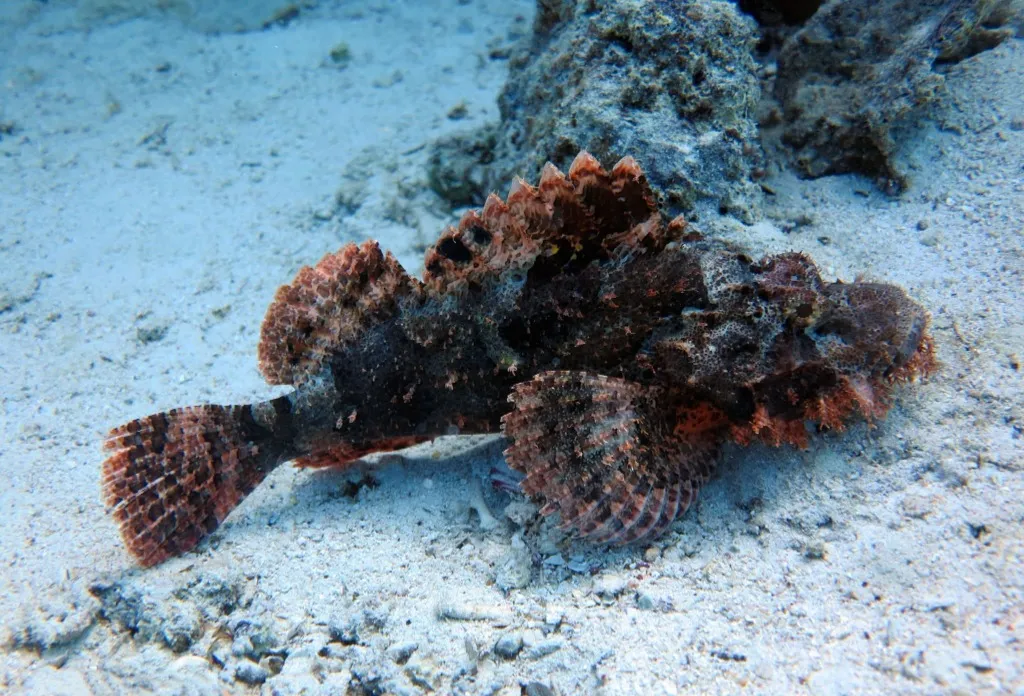
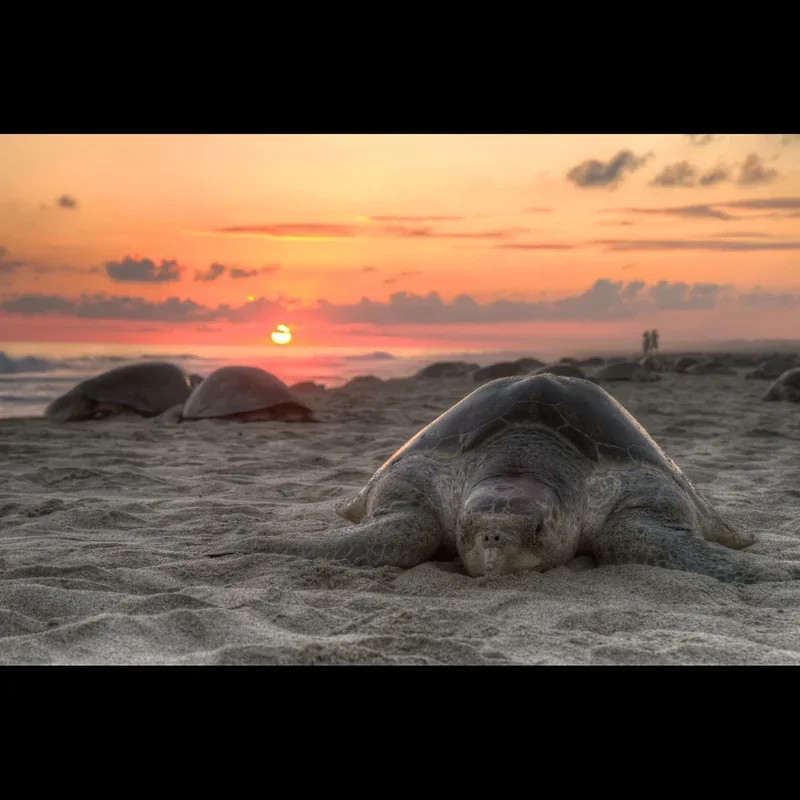
Larger marine encounters sometimes include sea turtles swimming in the deeper parts of the reef. Additionally, divers may observe moray eels peering from their rocky hideouts and scorpionfish blending into the reef structure.
Dive Sites Near Cape Maeda, Blue Cave
View all dive sites in JapanDiscover more underwater gems in this area.
Dive Centers Near Cape Maeda, Blue Cave
Today: 08:00 - 20:00

Nearest Airports
Nearest airports to help plan travel to this dive area.
Search Flights
Check available flights and routes on Expedia, using the nearby airports listed in this section.
Search Flights on ExpediaFrequently Asked Questions
What is the main attraction at Cape Maeda?
The primary draw is the Blue Cave, known for its stunning natural blue light illumination. The cave itself is open on top, ensuring surface access, which makes it suitable for divers of all levels, including beginners.
Is Cape Maeda suitable for beginner divers?
Yes, Cape Maeda is considered excellent for beginners. Its conditions are ideal for PADI Discover Scuba Diving and Open Water Diver courses. Divers can explore the Blue Cave and shallower reef areas.
How can I access the dive site?
The site can be accessed either by boat or by shore. Shore entry involves descending over 90 stairs to the water, while boat tours are a popular and convenient option, often offering two dives within the Maeda Point area.
What is the maximum depth for diving?
The maximum depth typically explored at Cape Maeda is around 12 meters / 39 feet. This depth range allows for exploration of both the Blue Cave and the surrounding reef and wall structures.
What facilities are available at Cape Maeda?
On-site facilities include restrooms, shower rooms, and pay parking. These services are often available during seasonal hours, and payment is typically in Yen (cash only).
What marine life can I expect to see?
Divers often encounter schools of tropical fish, octopuses, and sea turtles. Moray eels, scorpionfish, and garden eels are also commonly sighted in the reef and sandy areas.
What should I bring for a dive trip to Cape Maeda?
It's recommended to bring swimwear, a towel, and sandals. If you're susceptible to motion sickness, consider bringing an over-the-counter seasickness medication.
Planning to dive Cape Maeda, Blue Cave?
Send one inquiry and receive offers directly from the best verified local dive operators.
Conditions are Good
Optimal conditions expected
Current conditions near Cape Maeda, Blue Cave show 26° air, 29° sea temperature, 0.9 m waves, and 29 km/h wind. Forecast data is refreshed regularly to ensure accuracy.