
Diving at C-130 Hercules Plane Wreck (Jordan)
For divers targeting purpose-sunk wrecks that double as developing artificial reefs, the C-130 Hercules Plane Wreck in Aqaba offers an accessible and evolving experience. This military transport aircraft, deliberately scuttled, rests in recreational depths ranging from 12 m (39 ft) to 17 m (56 ft). Its proximity to shore and other wrecks like the M42 Tank allows for versatile dive planning, suitable for various certification levels from beginner to technical divers.
As evening covers C-130 Hercules Plane Wreck, the local air temperature is measured at 27°C. The current wave height at the surface is recorded at 0.3 m. These late-day readings characterize the surface conditions for the night.
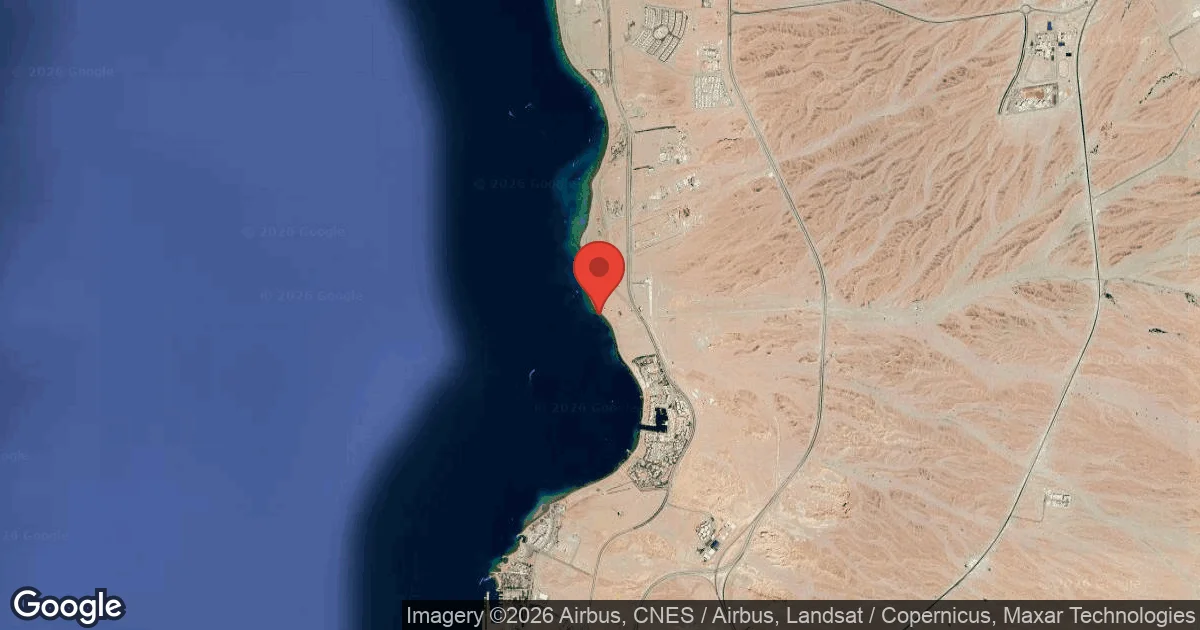
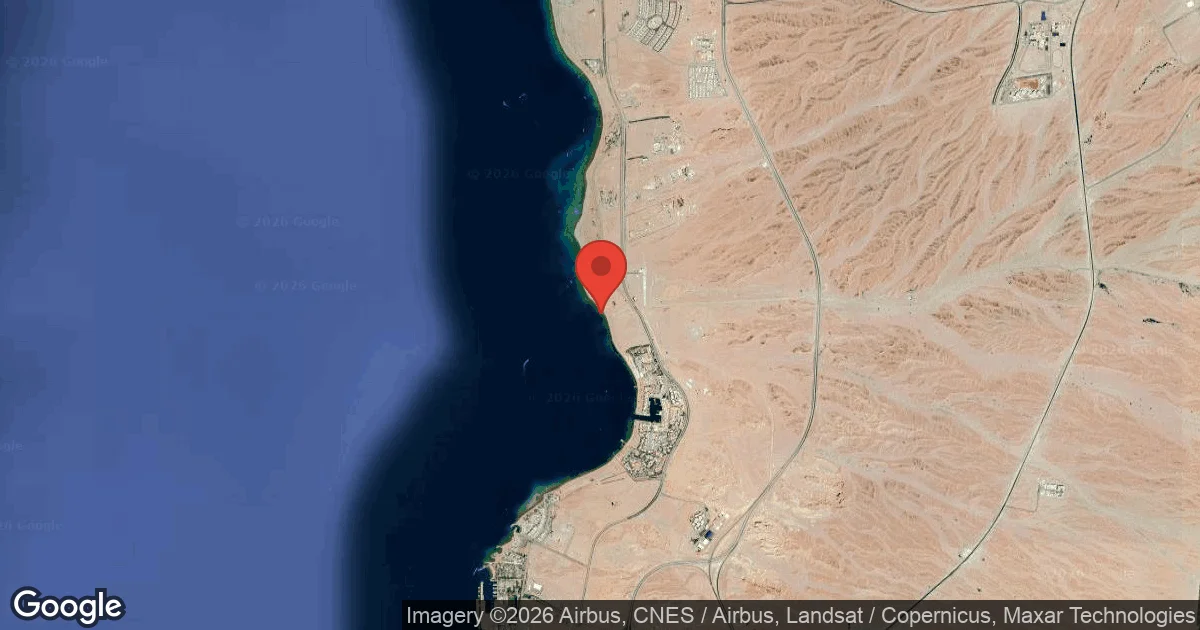
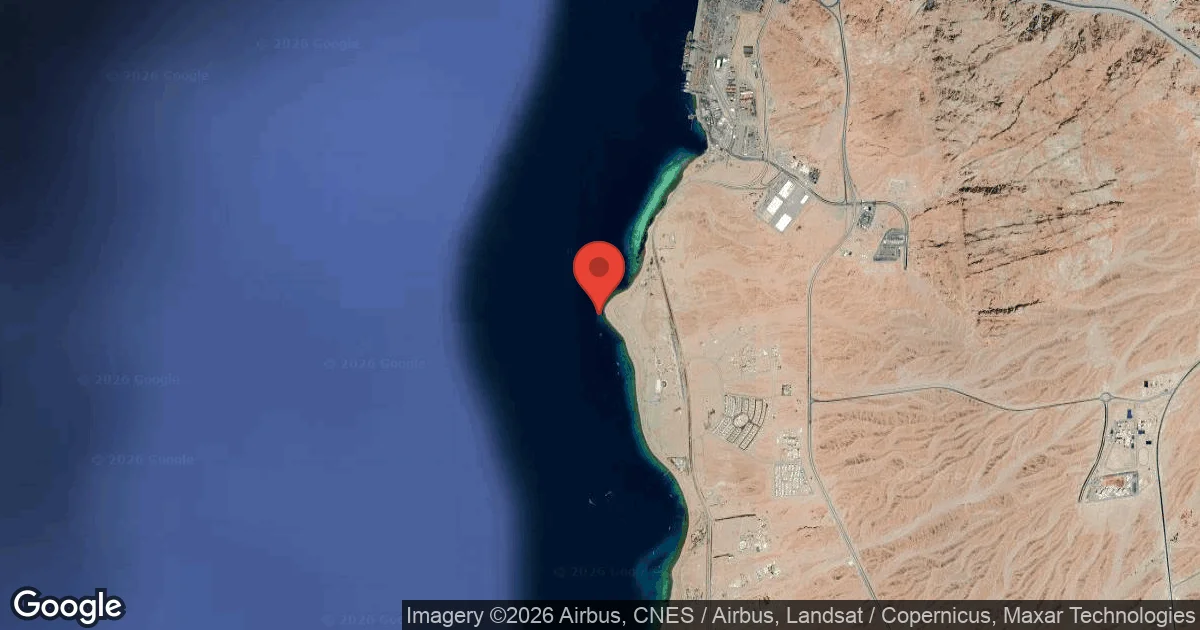
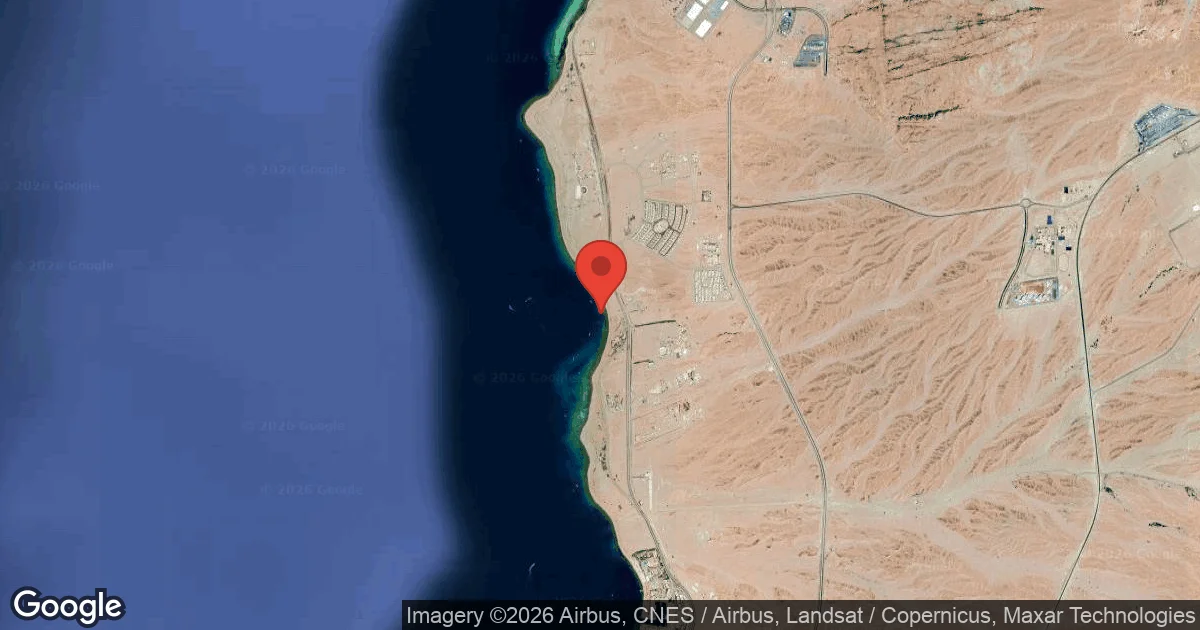
Dive Site Location & Key Facts
Dive Site Overview
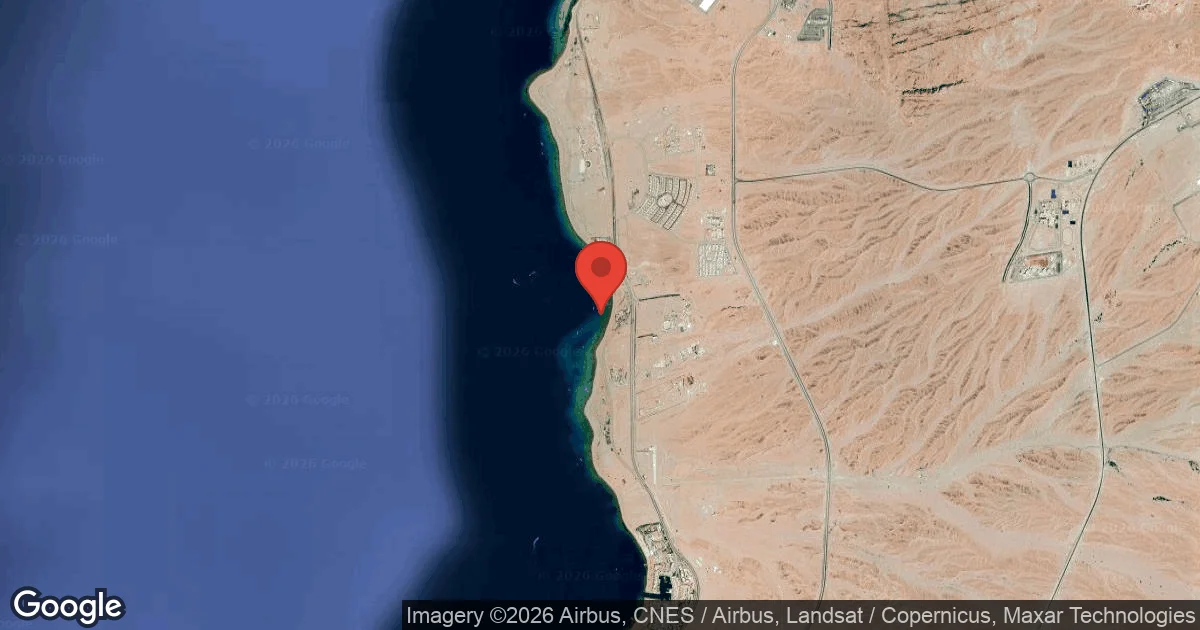
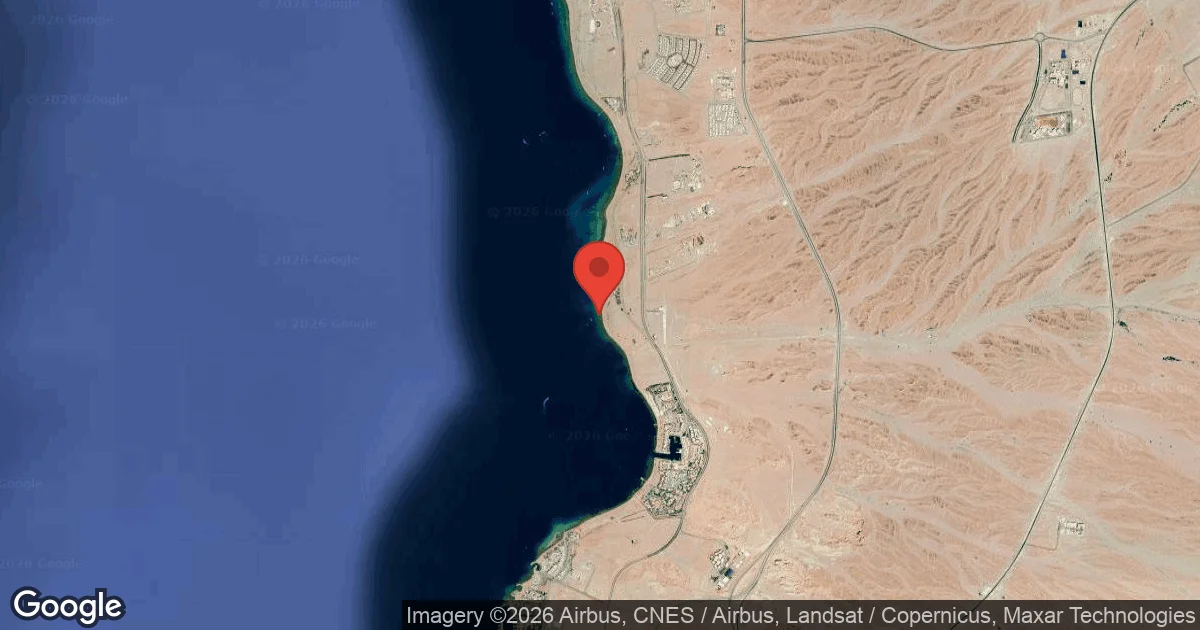
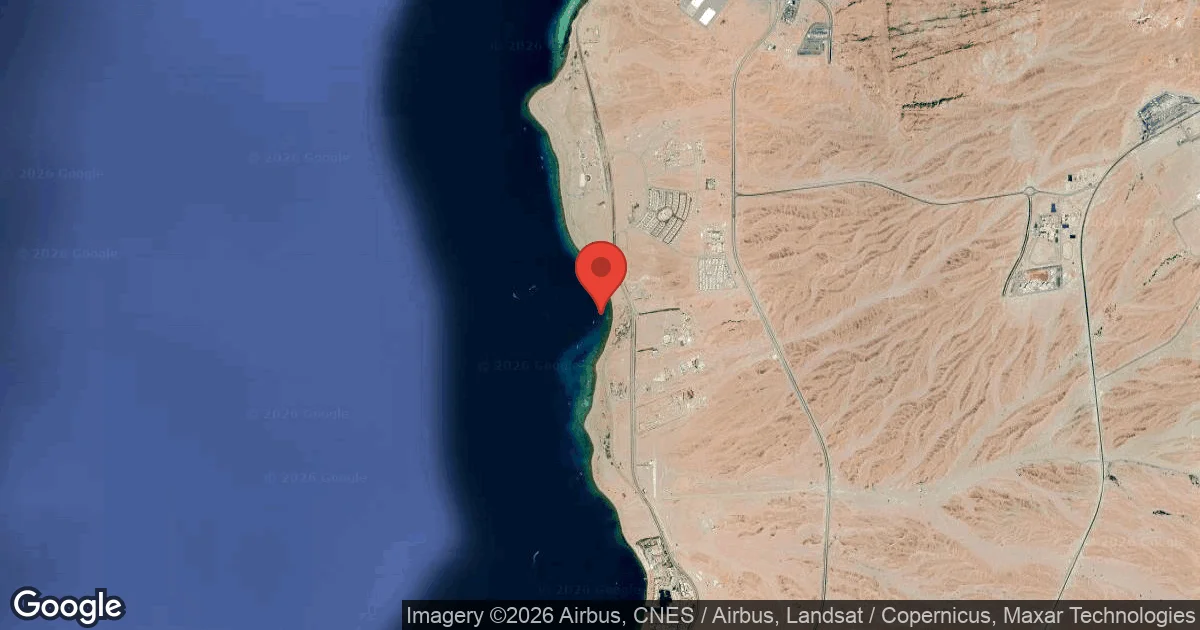
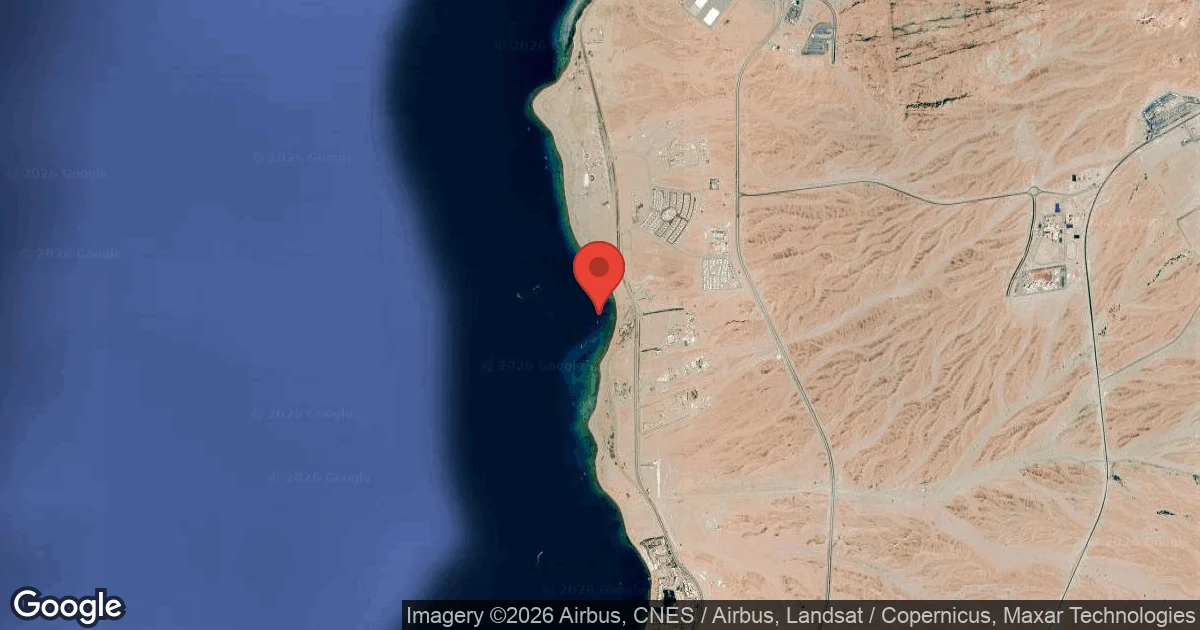
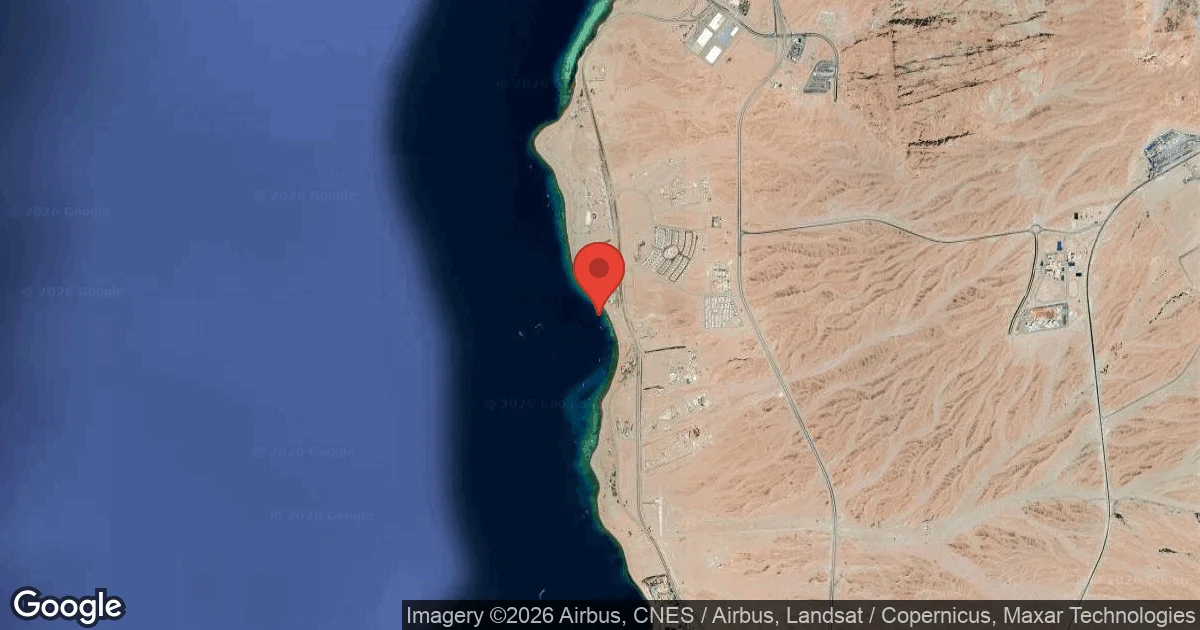
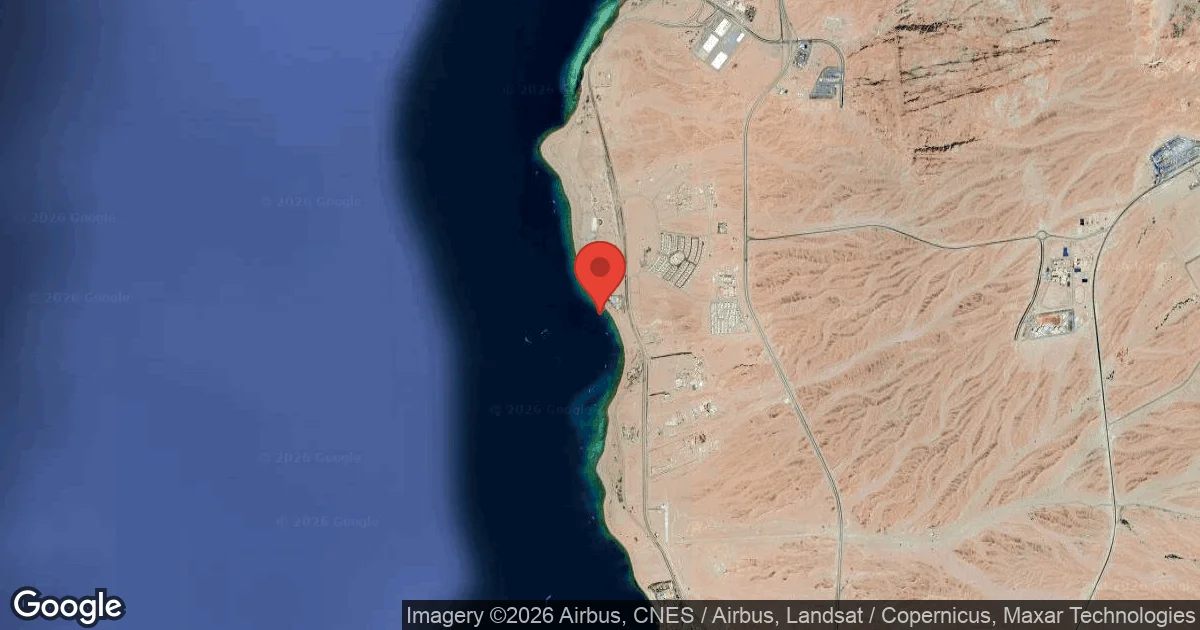
Descending onto the C-130 Hercules Plane Wreck reveals the imposing structure of a four-engine turboprop aircraft deliberately sunk on November 16, 2017, to foster marine habitat. Positioned roughly 300 meters from the shoreline, it rests at a maximum depth of 17 m (56 ft), making it a significant attraction within Aqaba's South Beach dive sites.
The plane’s original dimensions, with a length of 30 meters and a wingspan of 40 meters, still impress despite structural changes. In March 2020, a severe storm significantly altered the wreck, severing the fuselage and separating the tail section from the cockpit. Hazardous materials like fuel, oil, and paint were meticulously removed before its sinking, ensuring a clean foundation for its role as an artificial reef.
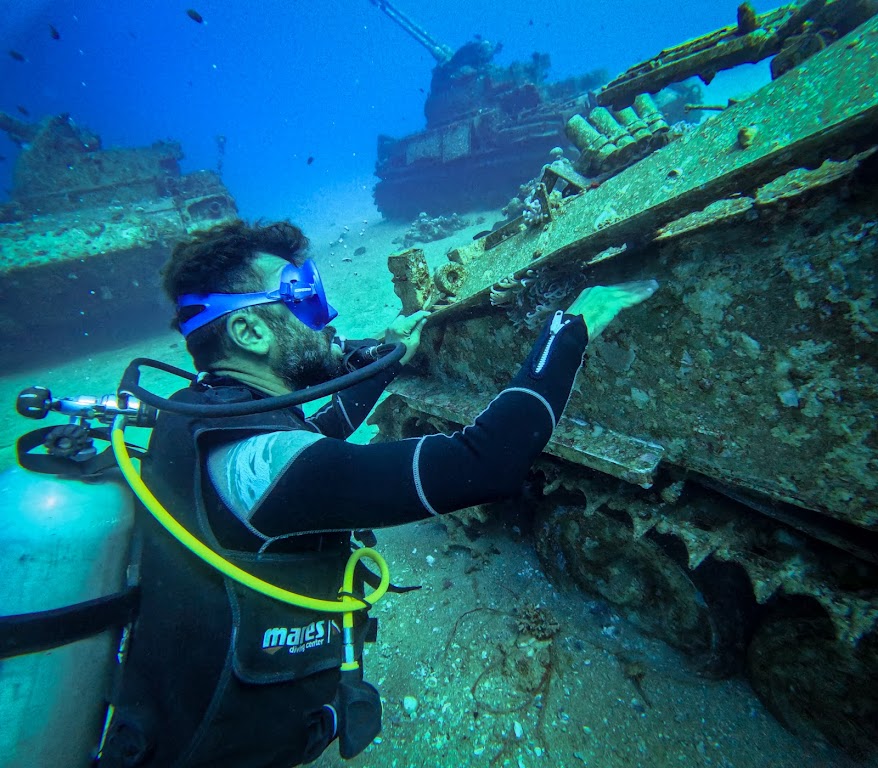
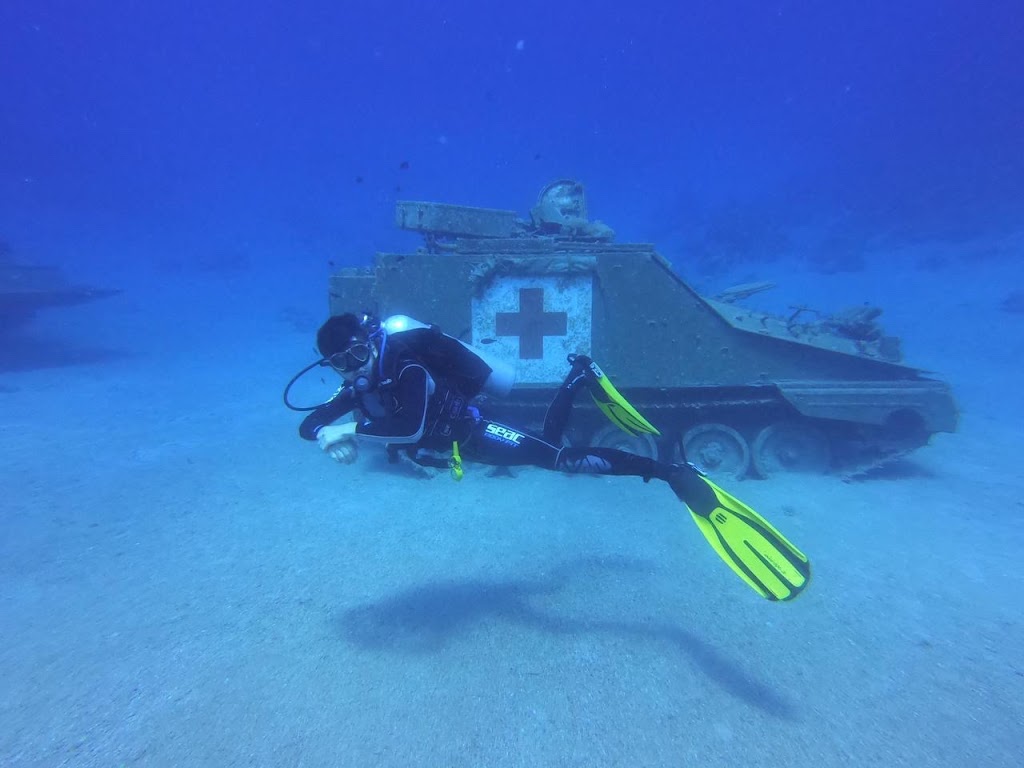
This site provides an additional wreck exploration opportunity, often combined with the nearby M42 'Duster' tank for a multi-wreck dive experience.
Conditions are Excellent
07:00 - 14:00
Optimal conditions expected
Current conditions near C-130 Hercules Plane Wreck show 27° air, 28° sea temperature, 0.4 m waves, and 28 km/h wind. Forecast data is refreshed regularly to ensure accuracy.
Best Time to Dive
Unlike some dive destinations with distinct off-seasons, Aqaba generally offers excellent conditions for visiting the C-130 Hercules Plane Wreck year-round. Air temperatures consistently range from a pleasant 18.5°C (65°F) in January to a hot 34.5°C (94°F) in July, ensuring comfortable surface intervals regardless of the month. Rainfall is minimal across all seasons, with many months recording no precipitation at all, and the highest monthly average at just 0.33 mm (0.01 in) in December. While water temperatures are not consistently reported, the Red Sea typically maintains warmth. Therefore, divers can expect stable conditions with light currents and exceptional visibility, allowing for reliable dive planning throughout the entire calendar year.
PEAK SEASON SCORE
Scores combine air & water temps, waves, wind & rainfall for overall conditions.
BEST MONTHS TO DIVE
Monthly records compiled from satellite and marine observation nodes over the last 3 years. Data provided by Open-Meteo and MET Norway.
Dive Experience & Conditions
Hovering above a large military transport aircraft, now a developing artificial reef, presents a compelling experience at the C-130 Hercules dive. Visibility often exceeds 20 m (66 ft), which allows for clear views of the entire wreck from a distance as you descend towards its resting place. Conditions are generally moderate, with light currents typically present, contributing to a calm and relaxed exploration. The aircraft lies upright and mostly level on a sandy bottom, with its deepest points around 16 m (52 ft). Divers holding appropriate qualifications can easily access the open cockpit for penetration, inviting detailed exploration of the pilot's area. This accessible layout caters to a wide range of divers, from those completing their first wreck dive to technical divers refining specialized penetration skills within a controlled environment.
Dive Difficulty & Safety Guidelines
Navigating this wreck requires an understanding of its unique history and current state. While initial sinking ensured removal of all hazardous materials, a 2020 storm split the C-130, separating the tail from the cockpit. Divers should be aware of these structural changes and plan their buoyancy and movement accordingly.
Penetrating the wreck, particularly the cargo hold or engine room, demands appropriate wreck specialty training and equipment. The cockpit entrance, positioned at approximately 13 m (43 ft), is generally considered accessible for qualified divers.
Currents here are typically light; however, maintaining situational awareness is always prudent. Ensure ample gas for recreational depth ranges, especially when combining this dive with the nearby M42 Tank for an extended bottom time.
Recommended Equipment
Overhead / entanglement risk. Wreck penetration requires proper training.
- Dive Computer
- Primary & Backup Lights
- Wreck Reel
- Cutting Tool
This gear list is based on verified equipment signals for C-130 Hercules Plane Wreck, Jordan. Always confirm final gear choices with your dive operator, guide, or liveaboard.
Recommended Dive Suit
For many recreational divers, 2-3mm shorty or light wetsuit provides a practical level of insulation in these conditions. A hood or vest is suggested for sensitive divers due to surface winds. Divers who tend to get cold easily may prefer slightly thicker exposure protection.
The waters surrounding C-130 Hercules Plane Wreck are currently maintaining temperatures close to 28°C (83°F). Surface air temperatures are resting at 27°C (80°F).
Temperatures look set to gradually increase over the next several days. A warming trend is expected over the next few days.
Emergency & Medical Support
Essential information to help you plan your dive trip to C-130 Hercules Plane Wreck.

Hyperbaric chambers are a critical part of dive safety infrastructure. Availability varies significantly by region, and not all dive areas have immediate access.
Before diving, it's recommended to:
- confirm nearest medical facilities
- check emergency procedures with local dive operators
- ensure dive insurance covers evacuation if required
Divers Alert Network
Diving emergency assistance available through DAN Europe.
+39 0642115685- 24/7 emergency hotline
- Diving medical assistance
- Evacuation coordination
Emergency contacts are provided for reference. Always verify local emergency services before diving.
Marine Life at C-130 Hercules Plane Wreck
Immediately apparent upon approach to the C-130 Hercules is its success as an artificial reef. Schooling reef fish actively populate the wreck, creating dynamic photographic opportunities.
You'll often find many fish inhabiting the cockpit, sometimes accompanied by a skeleton playfully placed in the pilot's seat, surrounded by a school of glassfish. Beautiful soft corals have begun to colonize and hang from under the wings, adding bursts of color.
Away from the main wreck, in slightly deeper water, a small pinnacle attracts anemonefish, providing another interesting focal point with the aircraft wreck in the background.
Dive Sites Near C-130 Hercules Plane Wreck
View all dive sites in JordanDiscover more underwater gems in this area.
Dive Centers Near C-130 Hercules Plane Wreck
Today: 08:00 - 19:00
Nearest Airports
Nearest airports to help plan travel to this dive area.
Search Flights
Check available flights and routes on Expedia, using the nearby airports listed in this section.
Search Flights on ExpediaFrequently Asked Questions
What is the maximum depth of the C-130 Hercules Plane Wreck?
Resting on a sandy bottom, its deepest section, typically the tail, reaches approximately 17 m (56 ft). Shallower sections, like the cockpit, can be found around 12-13 m (39-43 ft).
When was the C-130 Hercules sunk?
The C-130 Hercules military transport aircraft was deliberately scuttled on November 16, 2017, as part of Aqaba's efforts to create artificial reefs and new dive attractions. It has since become a popular site for divers.
Is wreck penetration possible at this site?
Yes, wreck penetration is possible, particularly into the open cockpit and cargo hold sections. Appropriate wreck specialty training and proper equipment are required to ensure diver safety.
How did the storm affect the wreck in 2020?
A severe storm in March 2020 caused significant damage, tearing the aluminum body and separating the C-130 into two main pieces: the tail section and the cockpit/main fuselage. Both parts remain accessible for diving.
What kind of marine life can be seen on the wreck?
As a growing artificial reef, the wreck attracts schooling reef fish, glassfish inside the cockpit, and anemonefish on nearby pinnacles. Soft corals are also beginning to colonize the aircraft's structure.
Is the C-130 Hercules Plane Wreck suitable for beginner divers?
Given its relatively shallow depth and generally light currents, the C-130 Hercules Wreck is suitable for beginner divers. Its upright position and excellent visibility make for a straightforward and enjoyable introduction to wreck diving.
Planning to dive C-130 Hercules Plane Wreck?
Send one inquiry and receive offers directly from the best verified local dive operators.
Conditions are Excellent
07:00 - 14:00
Optimal conditions expected
Current conditions near C-130 Hercules Plane Wreck show 27° air, 28° sea temperature, 0.4 m waves, and 28 km/h wind. Forecast data is refreshed regularly to ensure accuracy.