
Diving at Galu (Kenya)
Descending into Galu reveals a pinnacle rising from the seabed, presenting a vibrant coral plateau at shallower depths before gently sloping towards deeper sandy patches. Divers typically begin their exploration in calm, clear waters, navigating alongside the reef structure. This site provides a relaxed entry for divers seeking both vibrant reef life and a gentle introduction to Kenya's underwater topography.
Evening condition tracking at Galu features an air temperature of 23.5°C. We have recorded wave heights measuring 1.1 m during this period. These figures outline the environmental parameters currently present.
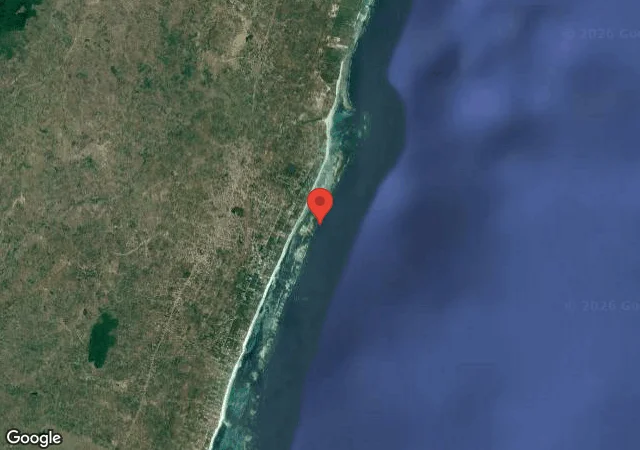
Dive Site Location & Key Facts
Dive Site Overview
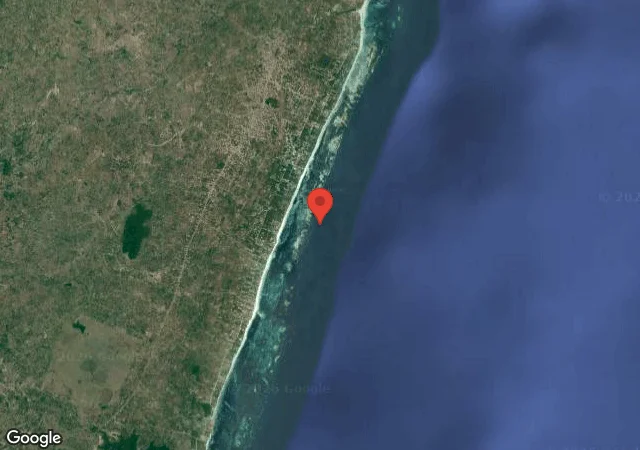
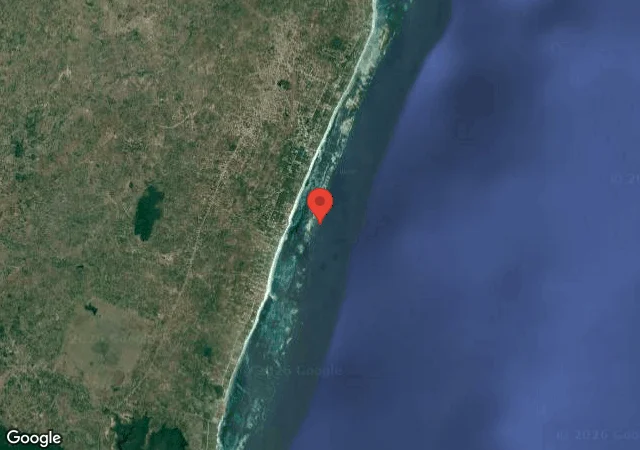
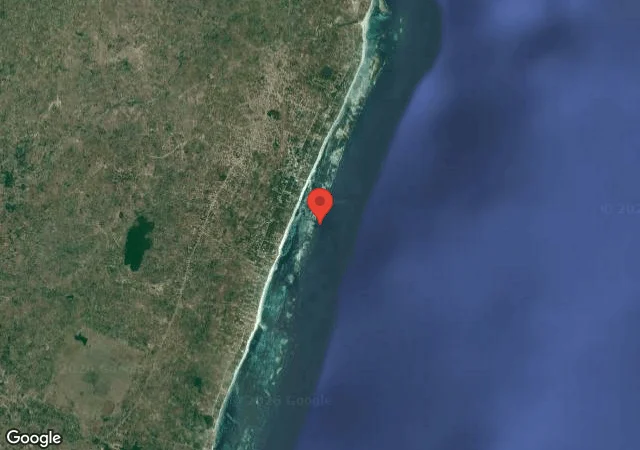
Galu, a prominent pinnacle dive site just south of Diani Beach, Kenya, offers a diverse underwater experience suitable for all certification levels. Its structure begins with a lively coral reef around 6 meters (20 ft) and gradually transitions to deeper areas of scattered coral bommies and sand patches.
Maximum depth available for exploration at this site extends to approximately 25 meters (82 ft). Typical recreational dives here often remain within the mid-depth ranges, providing generous bottom times to observe marine activity. Proximity to a land-based nesting area often results in frequent turtle encounters, adding a special element to many dives.
With generally mild currents and calm conditions, Galu serves as a favored location for underwater photography, Open Water courses, and leisurely reef exploration. Multiple mooring buoys are available, offering convenient and eco-friendly access points for descent and ascent, minimizing impact on the delicate reef. Varied routes allow for repeat visits, ensuring new perspectives on the local marine population.
Conditions are Good
Optimal conditions expected
Current conditions near Galu show 24° air, 26° sea temperature, N/A waves, and 32 km/h wind. Forecast data is refreshed regularly to ensure accuracy.
Best Time to Dive
Diving conditions at Galu are generally favorable throughout much of the year, with optimal periods often reported from January through April and again from July to December, scoring 'Good' on our dive metrics. During these months, average air temperatures remain consistently warm, typically ranging from 24.5°C (76°F) in cooler months like July and August to a warmer 28°C (82°F) in February. Rainfall is minimal during these preferred windows, usually below 5 mm (0.2 inches) per month. Wave heights tend to be lower in March and from November to December, which can contribute to improved surface conditions and visibility. While May and June typically see moderate dive scores, characterized by slightly higher wave heights and wind speeds, Galu still offers viable diving options depending on daily conditions.
PEAK SEASON SCORE
Scores combine air & water temps, waves, wind & rainfall for overall conditions.
BEST MONTHS TO DIVE
Monthly records compiled from satellite and marine observation nodes over the last 3 years. Data provided by Open-Meteo and MET Norway.
Dive Experience & Conditions
Approaching Galu, divers find a pinnacle structure that begins in its shallower parts and extends down towards its deepest point. The maximum depth encountered at this site is around 25 m (82 ft), making it fully accessible for recreational divers across various certification levels, including those pursuing Open Water certifications. Typically, mild currents characterize the area, contributing to a relaxed reef dive profile that avoids significant challenges. Visibility is generally good throughout much of the year, greatly enhancing the overall underwater experience. Divers can anticipate a calm and comfortable environment, perfectly suited for extended bottom times dedicated to marine observation or focused underwater photography. This consistent environment supports a wide array of activities, from advanced training to relaxed exploration.
Dive Difficulty & Safety Guidelines
No specific persistent hazards are consistently reported for Galu, indicating a generally safe dive environment for certified divers. Given the mild currents and its suitability for all diver levels, adherence to standard recreational diving practices is essential. Divers should always plan dives within their certification limits, perform thorough buddy checks, and manage their air supply conservatively throughout the dive.
Maintaining proper buoyancy control is crucial for protecting the delicate coral structures and preventing any accidental contact. The presence of a mooring buoy also assists with safe and controlled ascents and descents, minimizing impact on the reef.
Recommended Equipment
- Dive Computer
- DSMB
This gear list is based on verified equipment signals for Galu, Kenya. Always confirm final gear choices with your dive operator, guide, or liveaboard.
Recommended Dive Suit
Divers planning deeper dives may feel cooler than those staying in shallower areas.
Many divers find that 2-3mm shorty or light wetsuit offers a comfortable balance between warmth and mobility. Consider warmer surface protection (like a boat coat) due to brisk winds. Environmental models indicate a modest warming trend ahead. A warming trend is expected over the next few days.
Water temperatures across the dive area at Galu are presently estimated to be around 26°C (79°F). Surface air temperatures are resting at 24°C (75°F).
Emergency & Medical Support
Essential information to help you plan your dive trip to Galu.

Hyperbaric chambers are a critical part of dive safety infrastructure. Availability varies significantly by region, and not all dive areas have immediate access.
Before diving, it's recommended to:
- confirm nearest medical facilities
- check emergency procedures with local dive operators
- ensure dive insurance covers evacuation if required
Divers Alert Network
Diving emergency assistance available through DAN Southern Africa.
+27828106010- 24/7 emergency hotline
- Diving medical assistance
- Evacuation coordination
Emergency contacts are provided for reference. Always verify local emergency services before diving.
Marine Life at Galu
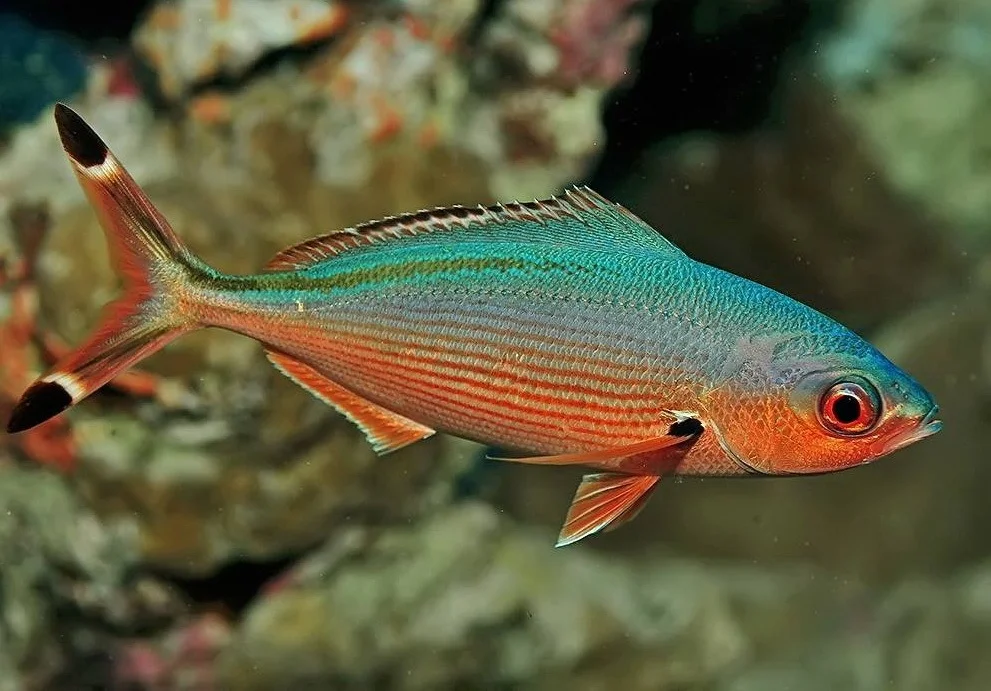
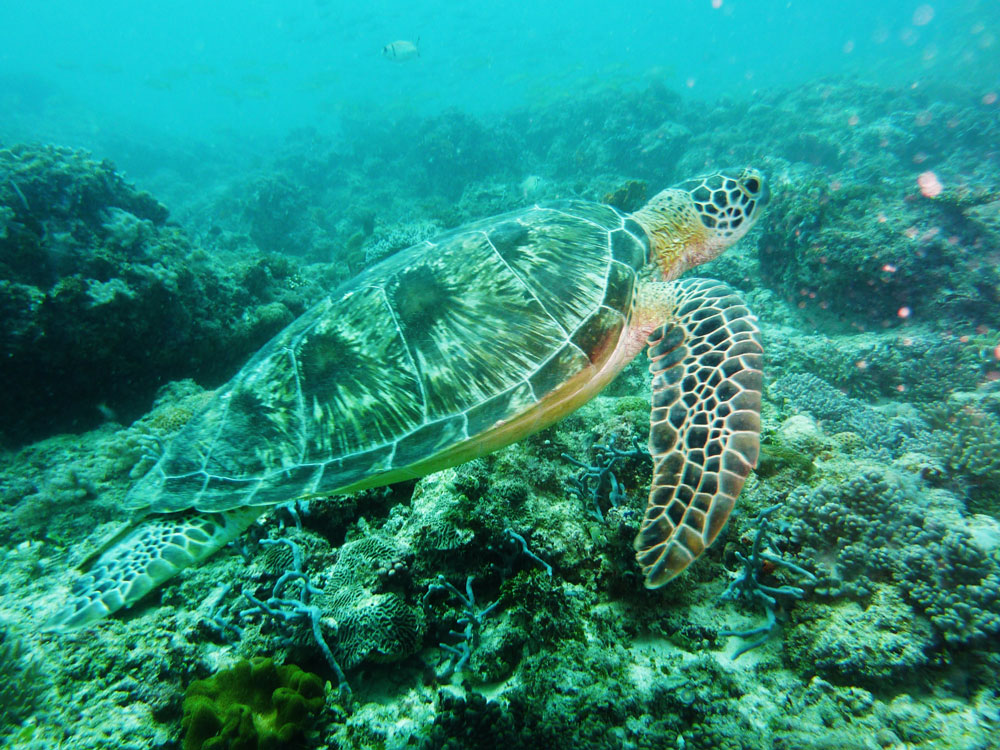
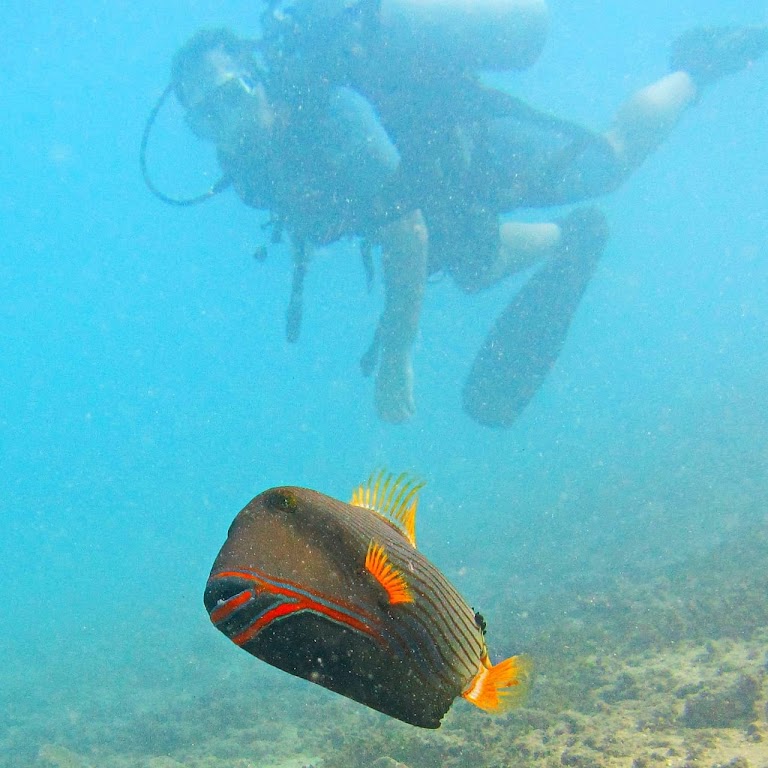
The vibrant coral landscape at Galu provides a dynamic habitat for a diverse array of marine species. Turtles are a frequent sight, often encountered resting under ledges or gracefully gliding past divers due to the site's proximity to a land-based nesting area.
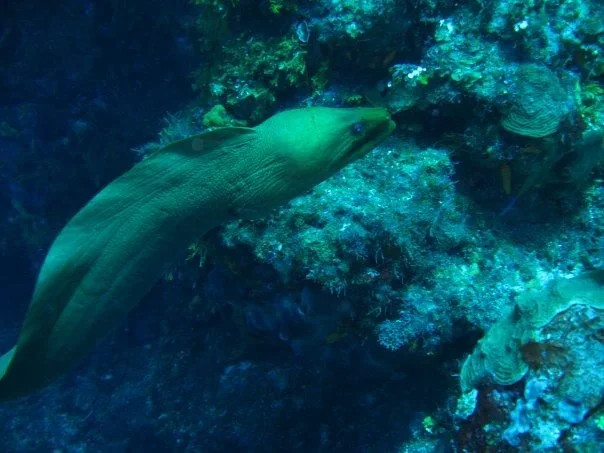
Exploring the mix of hard and soft corals, divers can spot cryptic creatures like ghost pipefish, frogfish, crocodile fish, leaf fish, and various nudibranchs. Moray eels and ribbon eels often emerge from crevices within the reef structure.
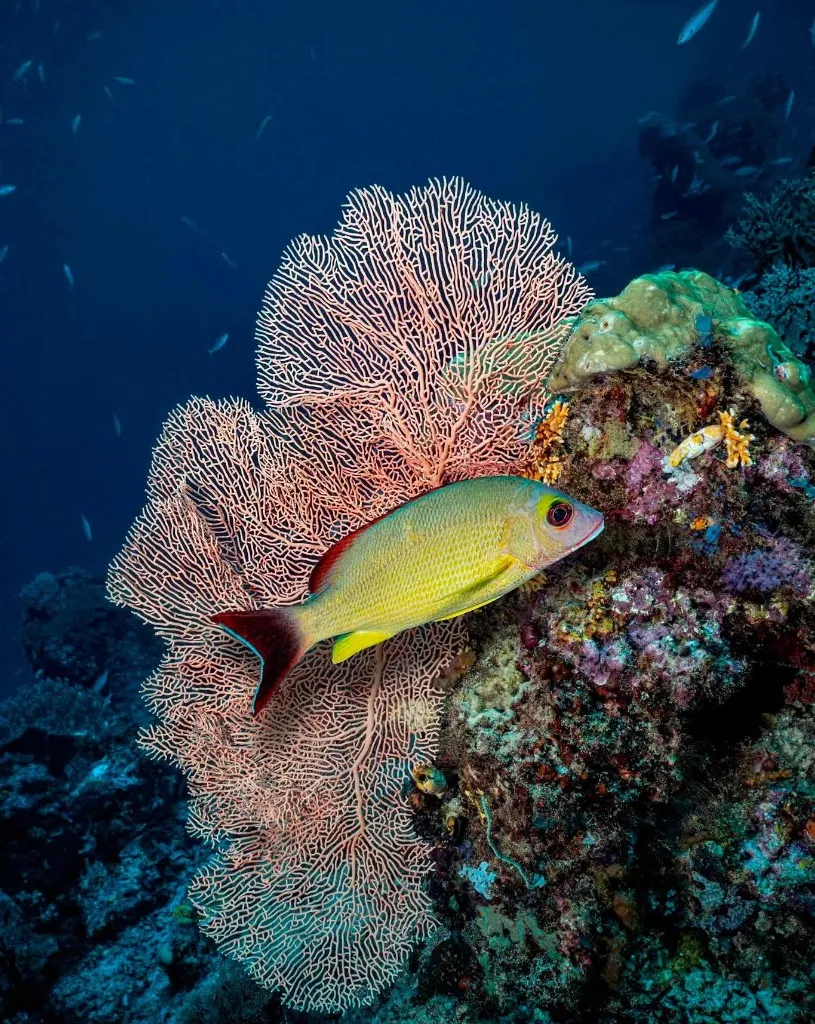
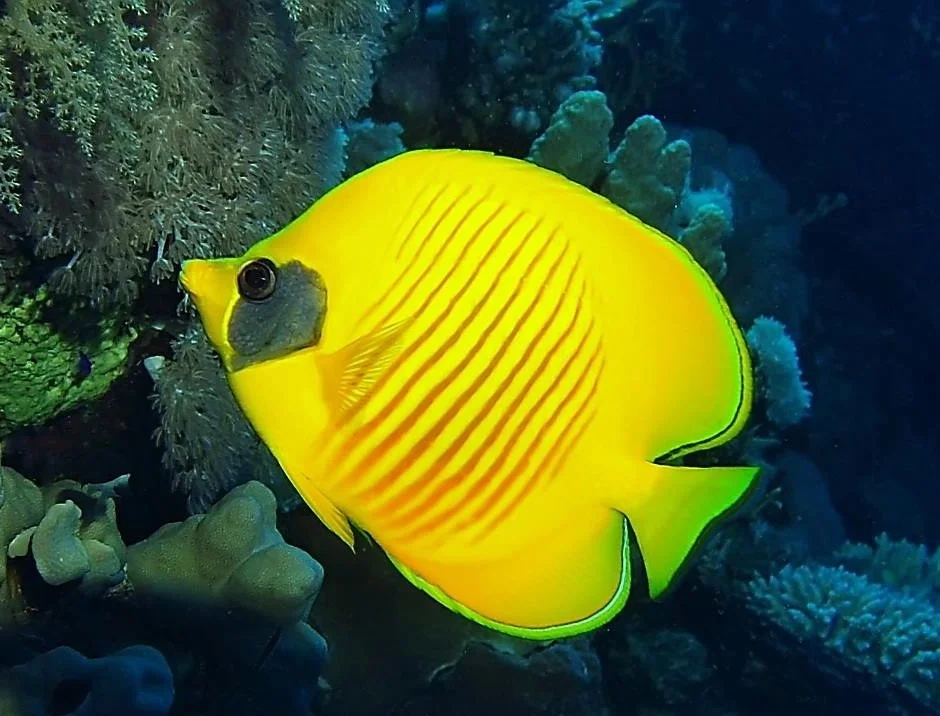
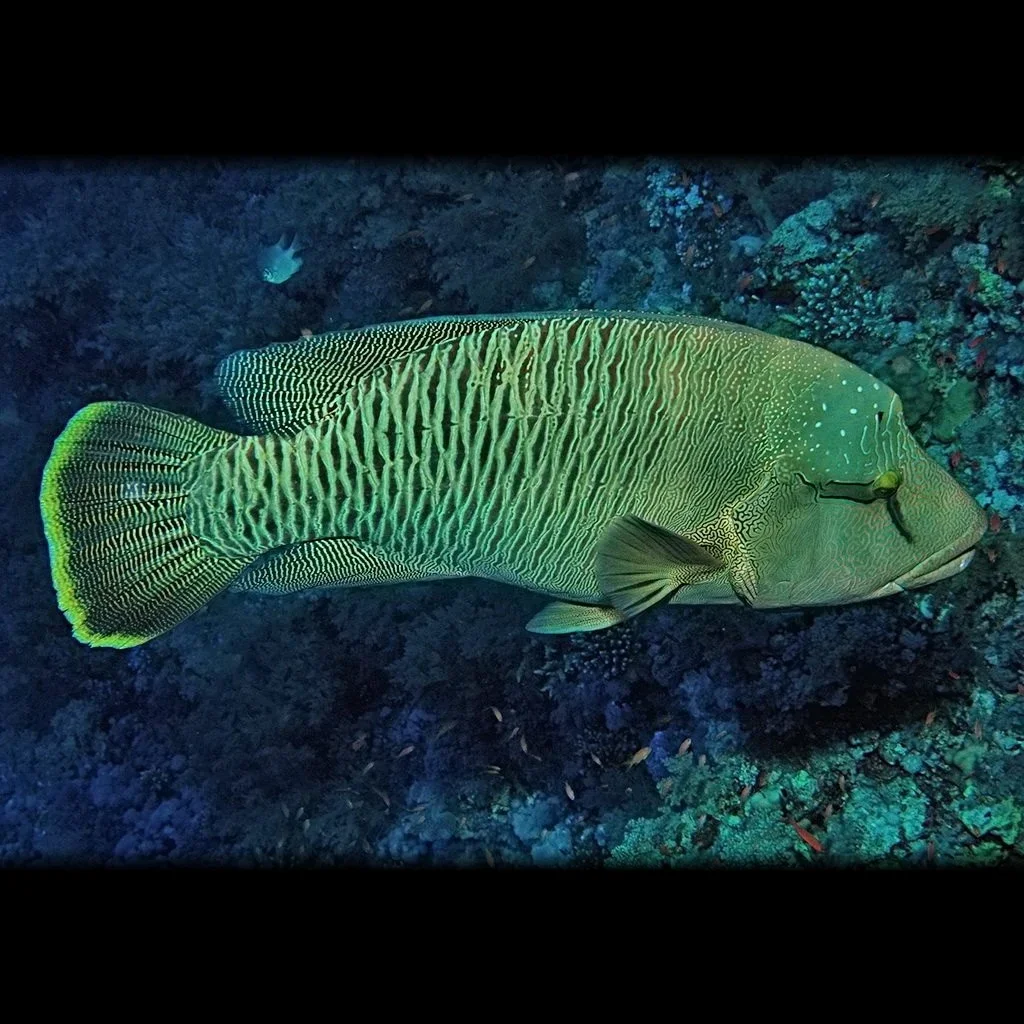
Larger pelagic species such as Napoleon wrasse, guitar rays, blue-spotted rays, and occasionally whale sharks may traverse the sandy areas and open water. Schools of yellow snapper, fusiliers, and sergeant majors commonly hover above the reef, while parrotfish and butterflyfish feed on the corals.
Dive Sites Near Galu
View all dive sites in KenyaDiscover more underwater gems in this area.
Dive Centers Near Galu
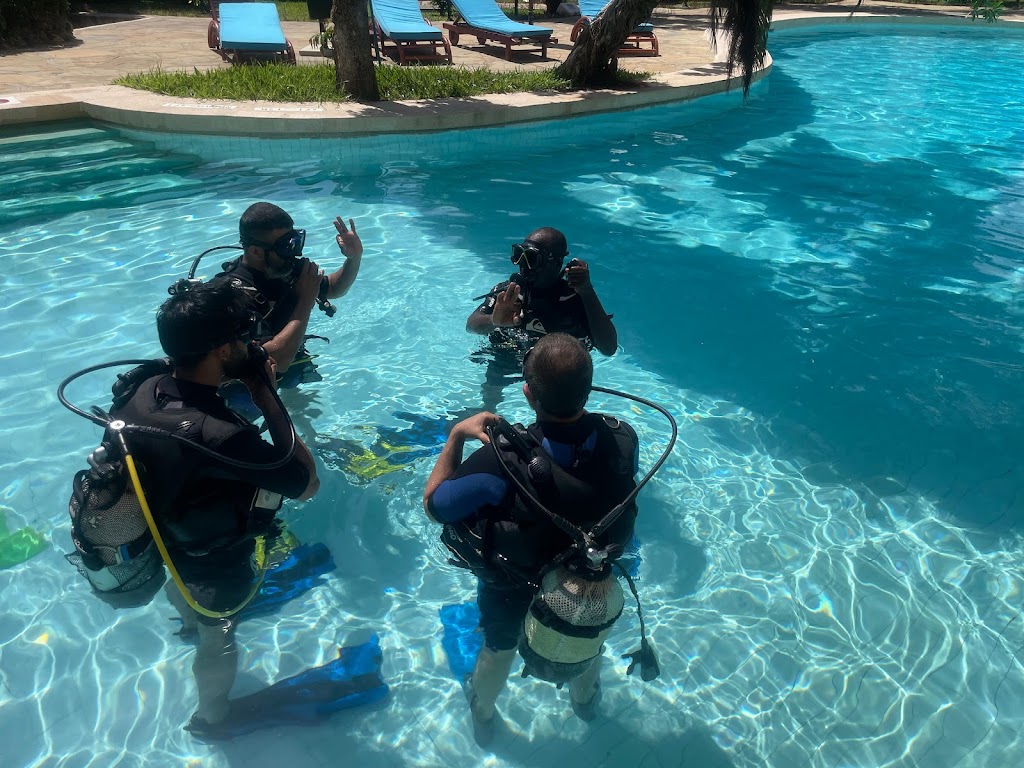
Today: 08:00 - 17:00
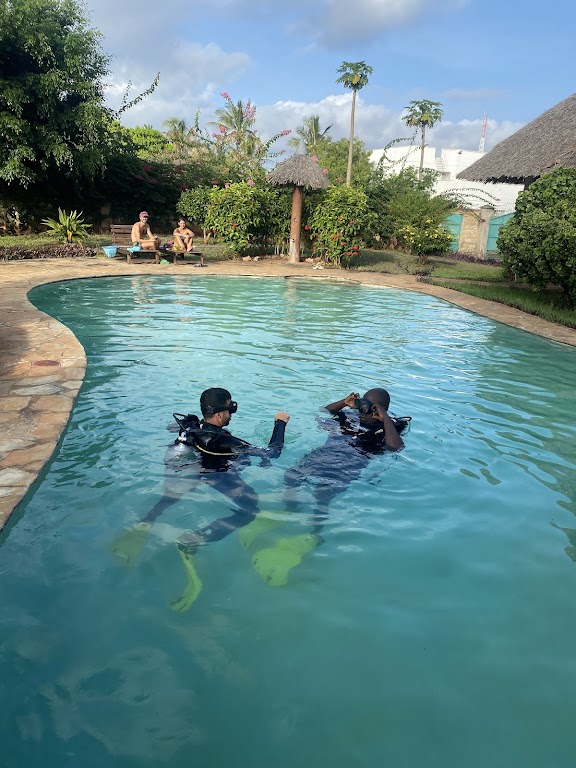
Nearest Airports
Nearest airports to help plan travel to this dive area.
Search Flights
Check available flights and routes on Expedia, using the nearby airports listed in this section.
Search Flights on ExpediaFrequently Asked Questions
What is the maximum depth at Galu?
Galu's maximum depth is approximately 25 meters (82 ft). The primary reef structure typically slopes from its shallower sections down to around 18 meters, with typical recreational dives often taking place in the mid-depth range.
Is Galu suitable for beginner divers?
Yes, Galu is considered suitable for all levels of diver, including beginners. The site features generally calm conditions and mild currents, making it an excellent location for Open Water courses and those new to diving.
What kind of marine life can I expect to see at Galu?
Divers often encounter turtles, ghost pipefish, frogfish, crocodile fish, and various eels like moray and ribbon eels. You might also spot Napoleon wrasse, guitar rays, lionfish, and schools of snapper and fusiliers. Occasionally, larger species like whale sharks have been sighted.
Are there strong currents at Galu?
Galu is generally known for its mild currents. This contributes to a relaxed reef dive profile, which makes it enjoyable for a wide range of experience levels and activities like underwater photography.
What are the typical water temperatures at Galu?
Specific water temperatures are not consistently reported in our system data. However, given the consistently warm air temperatures in the region, typically ranging from 24.5°C to 28°C (76-82°F) year-round, divers can anticipate warm water conditions suitable for lighter wetsuits or rash guards.
Does Galu have mooring buoys?
Yes, mooring buoys are available at Galu. These are typically provided for both shallow and deeper sections, assisting divers with safe and environmentally friendly descents and ascents.
Planning to dive Galu?
Send one inquiry and receive offers directly from the best verified local dive operators.
Conditions are Good
Optimal conditions expected
Current conditions near Galu show 24° air, 26° sea temperature, N/A waves, and 32 km/h wind. Forecast data is refreshed regularly to ensure accuracy.