
Diving at Swahili Nurseries (Kenya)
Visibility and prevailing conditions at Swahili nurseries make it a key site for coral restoration in Kenya's Diani National Marine Reserve. This active restoration project thrives in waters typically around 26°C / 79°F, providing a stable environment. Air temperatures fluctuate between 25-28°C / 77-82°F, with average wave heights ranging from 0.7-1.5 m / 2.3-4.9 ft. It's an accessible site primarily by boat, welcoming divers to observe ongoing conservation efforts.
As evening covers Swahili Nurseries, the local air temperature is measured at 26°C. The current wave height at the surface is recorded at 1.9 m. These late-day readings characterize the surface conditions for the night.
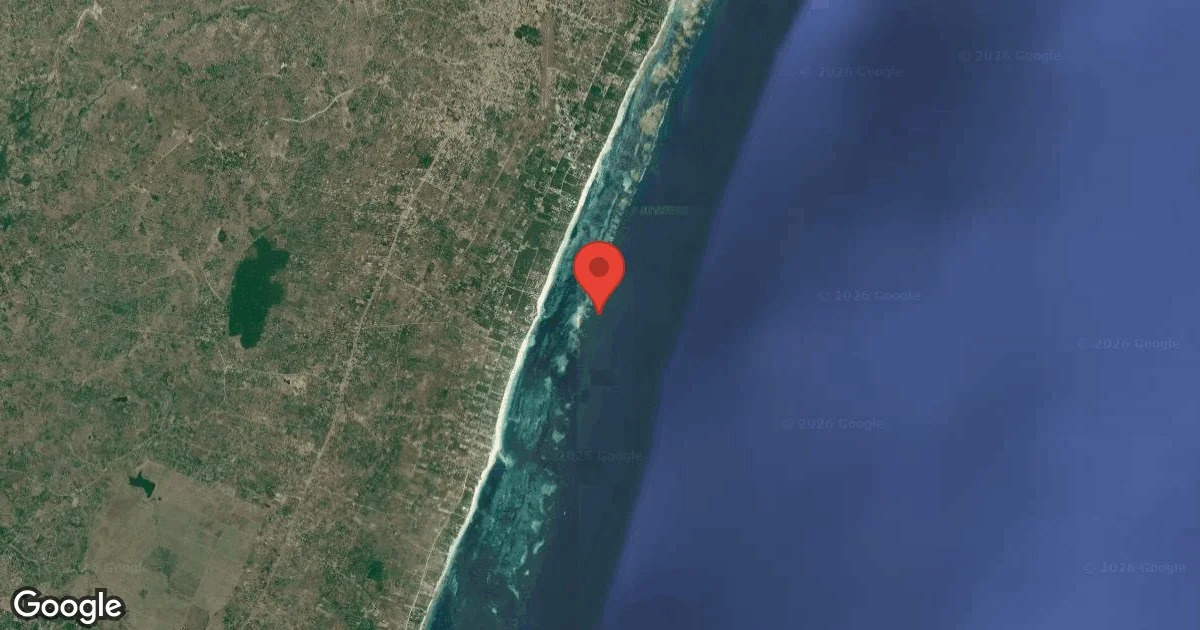
Dive Site Location & Key Facts
Dive Site Overview
Established as a crucial coral reef restoration project, Swahili nurseries contributes to the recovery of the Diani National Marine Reserve, much of which has faced degradation. The site encompasses a 30 x 30 m / 100 x 100 ft sandy expanse, interspersed with small coral patches and stretches of macro-algae.
At its core, you'll find approximately 14 floating coral tree nurseries and seven distinct depth gradients cultivating various coral species. Toward the western side, at around 8 meters deep, one hundred cages are deployed with attached corals, representing a tangible effort in reef rebuilding.
This designated nursery area is clearly marked with buoys, and all fishing activities are strictly prohibited to protect the developing marine ecosystem. Divers here witness a sanctuary where marine life gradually re-establishes itself around these artificial structures, with the maximum dive depth typically reaching 12 m / 39 ft.
Conditions are Moderate
Optimal conditions expected
Current conditions near Swahili Nurseries show 26° air, 27° sea temperature, 1.8 m waves, and 35 km/h wind. Forecast data is refreshed regularly to ensure accuracy.
Best Time to Dive
Planning a visit to Swahili nurseries is best done during the many months offering 'Good' dive conditions. From January to April, and then again from July through December, average air temperatures generally range between 25-28°C / 77-82°F. During these periods, rainfall is minimal, typically between 1.9-8.8 mm, and wind speeds are more favorable, averaging 15.7-25.4 km/h / 9.8-15.8 mph. May and June present 'Moderate' dive scores; these months tend to see slightly higher wave activity, making conditions potentially less comfortable for some divers. Consult local dive operators for the most current forecast to optimize your experience, especially if you prefer calmer waters.
PEAK SEASON SCORE
Scores combine air & water temps, waves, wind & rainfall for overall conditions.
BEST MONTHS TO DIVE
Monthly records compiled from satellite and marine observation nodes over the last 3 years. Data provided by Open-Meteo and MET Norway.
Dive Experience & Conditions
Descending into the water here, divers encounter a well-structured underwater landscape designed for conservation. The expansive sandy bottom serves as a canvas for the numerous coral nurseries, both floating and fixed, offering a unique perspective on reef growth. Diving among the intricate coral trees and cages provides an immediate connection to the restoration work. While consistent water temperature averages are not reported, log entries indicate temperatures around 26°C / 79°F at about 7 meters depth. The site accommodates all diving levels during favorable weather; however, advanced certification is recommended if conditions turn harsher, given the dynamic nature of marine environments. Navigating the diverse coral structures requires mindful buoyancy control to avoid disturbing the delicate new growth.
Dive Difficulty & Safety Guidelines
To ensure a safe and impactful dive at Swahili nurseries, participation must be arranged exclusively through local dive schools. Adherence to their specific 'house rules' is mandatory, particularly regarding the no-fishing policy within the marked nursery zone. Divers should prioritize excellent buoyancy control, especially when navigating around the delicate coral structures and nurseries.
Maintaining a respectful distance from the fragile coral fragments and the active restoration sites helps safeguard the ongoing efforts. While accessible to all levels in good conditions, divers with advanced skills may find themselves more comfortable handling potential currents or slightly choppier surface conditions, should they arise. Always follow the guidance of your dive professional.
Recommended Equipment
- Dive Computer
- DSMB
This gear list is based on verified equipment signals for Swahili Nurseries, Kenya. Always confirm final gear choices with your dive operator, guide, or liveaboard.
Recommended Dive Suit
Exposure protection is partly a personal preference.
2-3mm shorty or light wetsuit typically provides a reliable level of thermal protection for dives here. Consider warmer surface protection (like a boat coat) due to brisk winds. Environmental conditions are expected to remain consistent in the short-term outlook.
Divers heading to Swahili Nurseries today should expect water temperatures around 27°C (81°F). Surface air temperatures are resting at 26°C (78°F).
Emergency & Medical Support
Essential information to help you plan your dive trip to Swahili nurseries.

Hyperbaric chambers are a critical part of dive safety infrastructure. Availability varies significantly by region, and not all dive areas have immediate access.
Before diving, it's recommended to:
- confirm nearest medical facilities
- check emergency procedures with local dive operators
- ensure dive insurance covers evacuation if required
Divers Alert Network
Diving emergency assistance available through DAN Southern Africa.
+27828106010- 24/7 emergency hotline
- Diving medical assistance
- Evacuation coordination
Emergency contacts are provided for reference. Always verify local emergency services before diving.
Marine Life at Swahili Nurseries
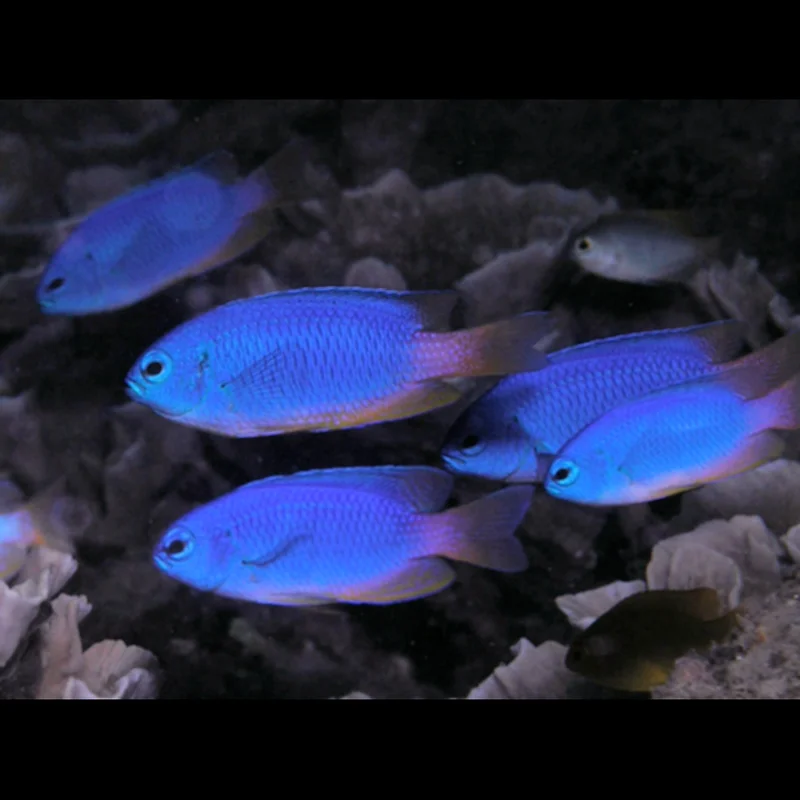
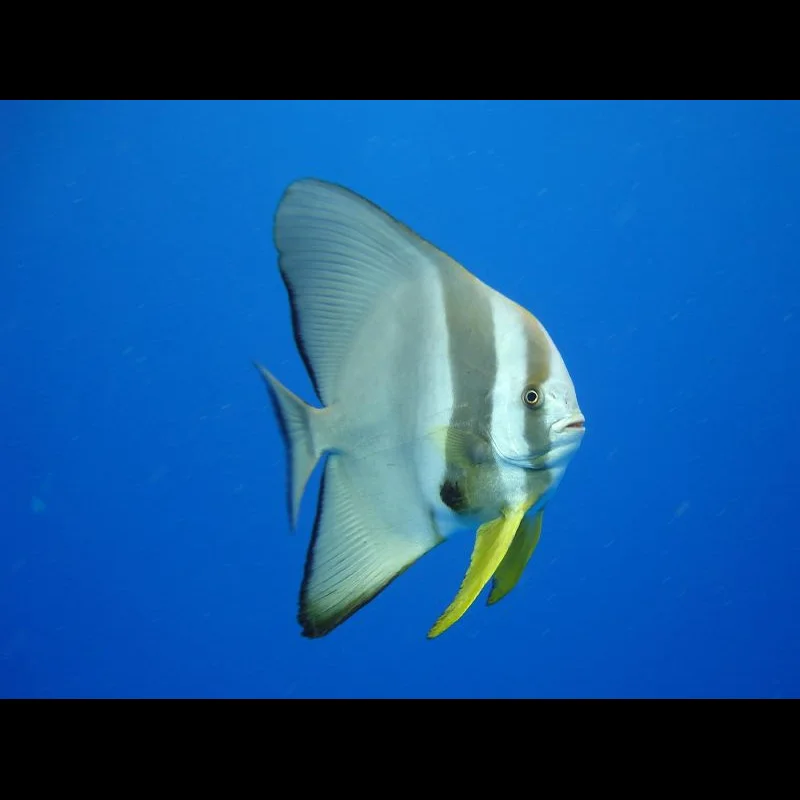
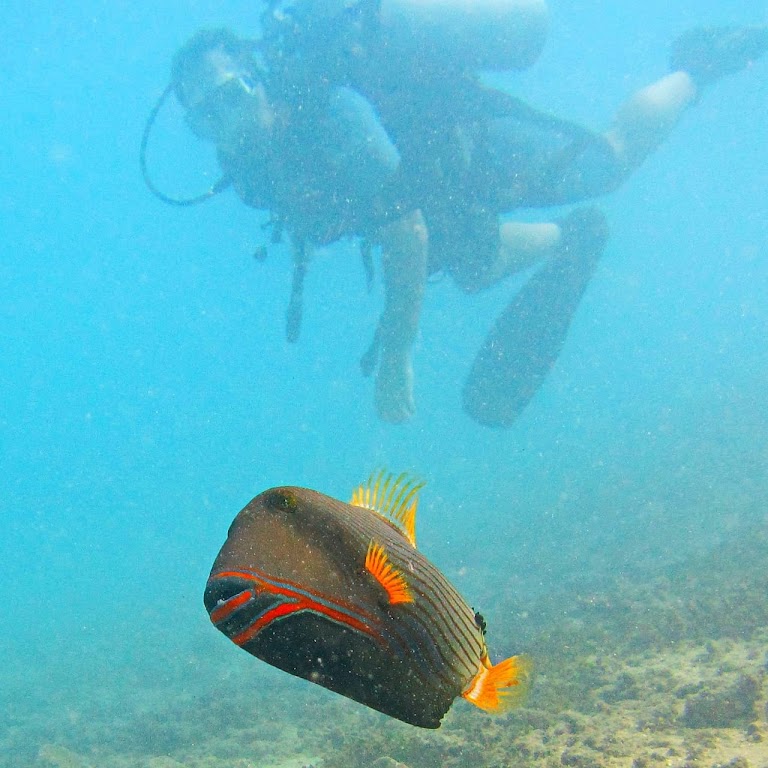
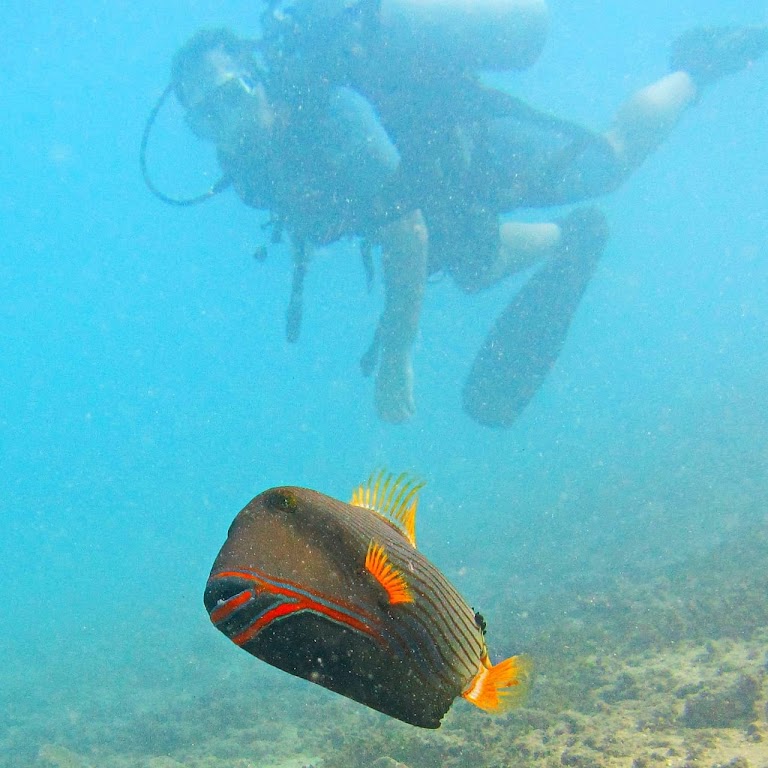
The restored underwater landscape at Swahili nurseries acts as a refuge, drawing in a notable variety of marine inhabitants. Large schools of batfish, damselfish, and surgeonfish are frequently observed moving through the site, taking advantage of the developing reef structures for shelter and foraging.
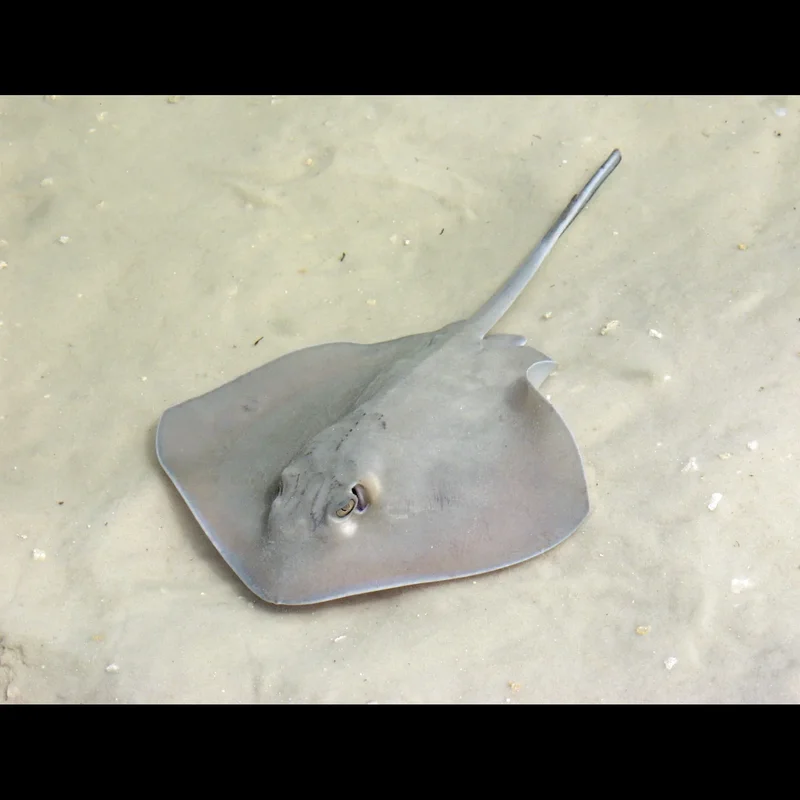
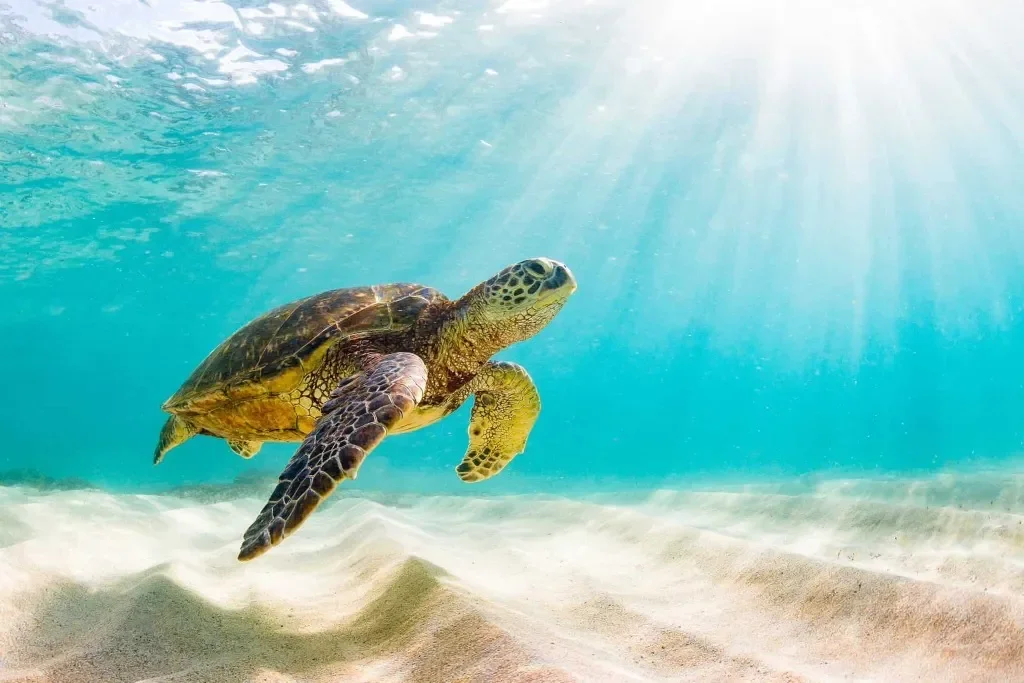
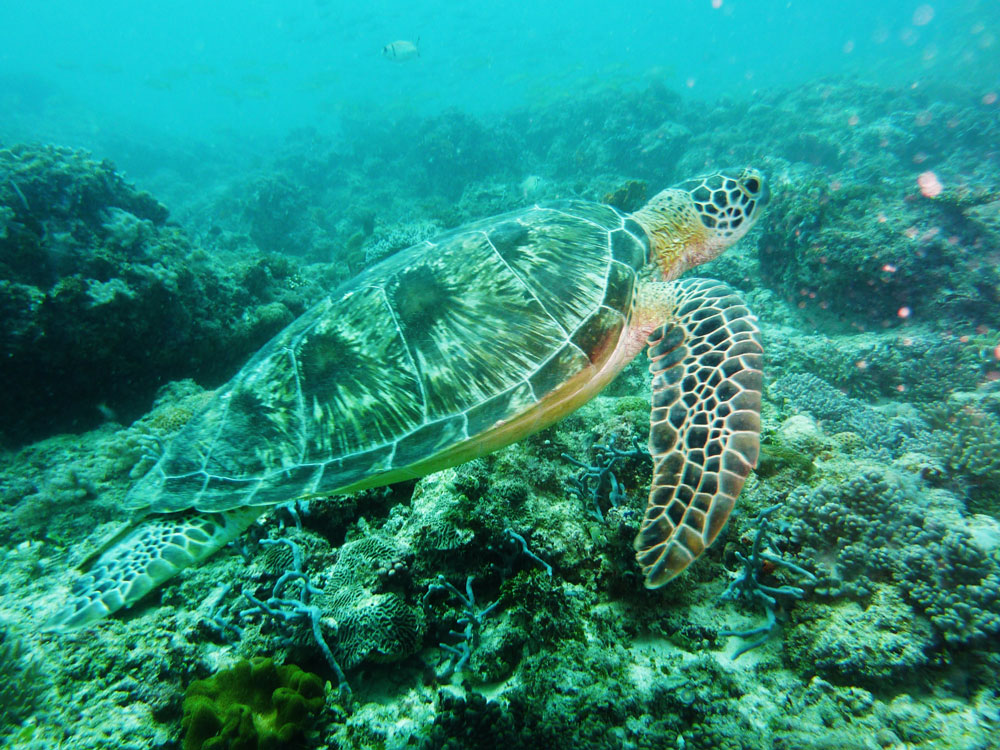
Exploring the coral nurseries and cages might reveal stingrays resting on the sandy bottom or a green turtle gracefully gliding by. While less common, fortunate divers have reported sightings of squid, or even the occasional dolphin or whale shark.
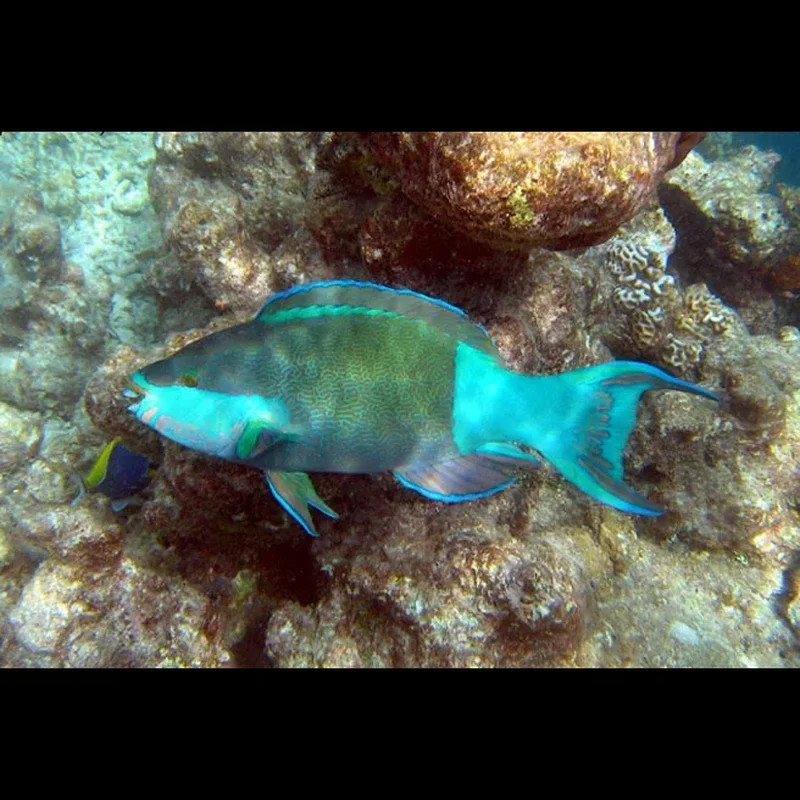
Juvenile parrotfish are also becoming a more regular sight, indicating the success of the restoration project in supporting new life.
Dive Sites Near Swahili Nurseries
View all dive sites in KenyaDiscover more underwater gems in this area.
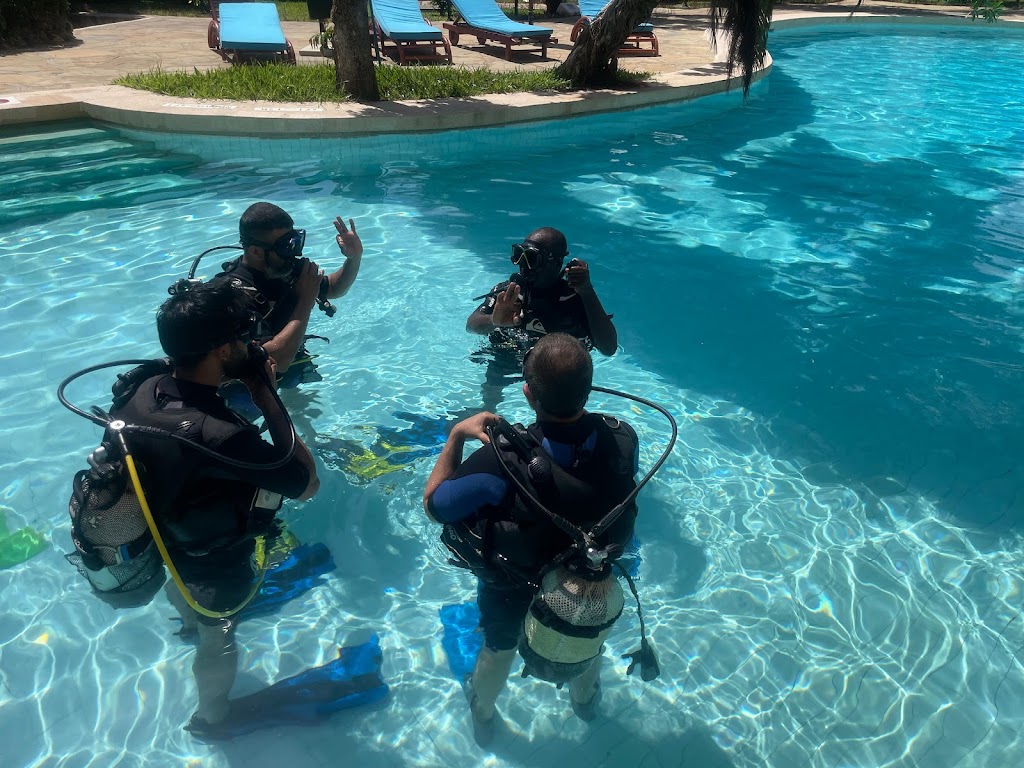
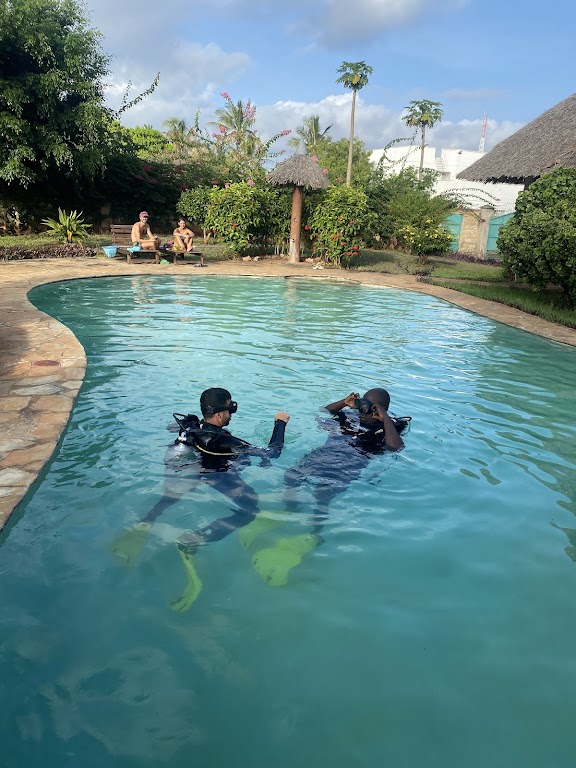
Dive Centers Near Swahili Nurseries
Today: 08:00 - 17:00
Nearest Airports
Nearest airports to help plan travel to this dive area.
Search Flights
Check available flights and routes on Expedia, using the nearby airports listed in this section.
Search Flights on ExpediaFrequently Asked Questions
What is the primary purpose of Swahili nurseries?
Swahili nurseries functions as a vital coral reef restoration project within Kenya's Diani National Marine Reserve. Its goal is to rehabilitate damaged reef areas by growing and outplanting coral colonies, serving as a sanctuary for marine life.
What kind of structures will I see underwater?
The site features a 30x30m sandy area with small coral patches and macro-algae. You'll observe about 14 floating coral tree nurseries, 7 depth gradients with various coral species, and 100 coral cages at approximately 8 meters depth on the west side.
Is Swahili nurseries suitable for beginner divers?
Yes, Swahili nurseries is suitable for all diving levels in good weather conditions. However, advanced certification is recommended during periods of harsher weather due to potentially more dynamic surface or underwater conditions.
How do I access the dive site?
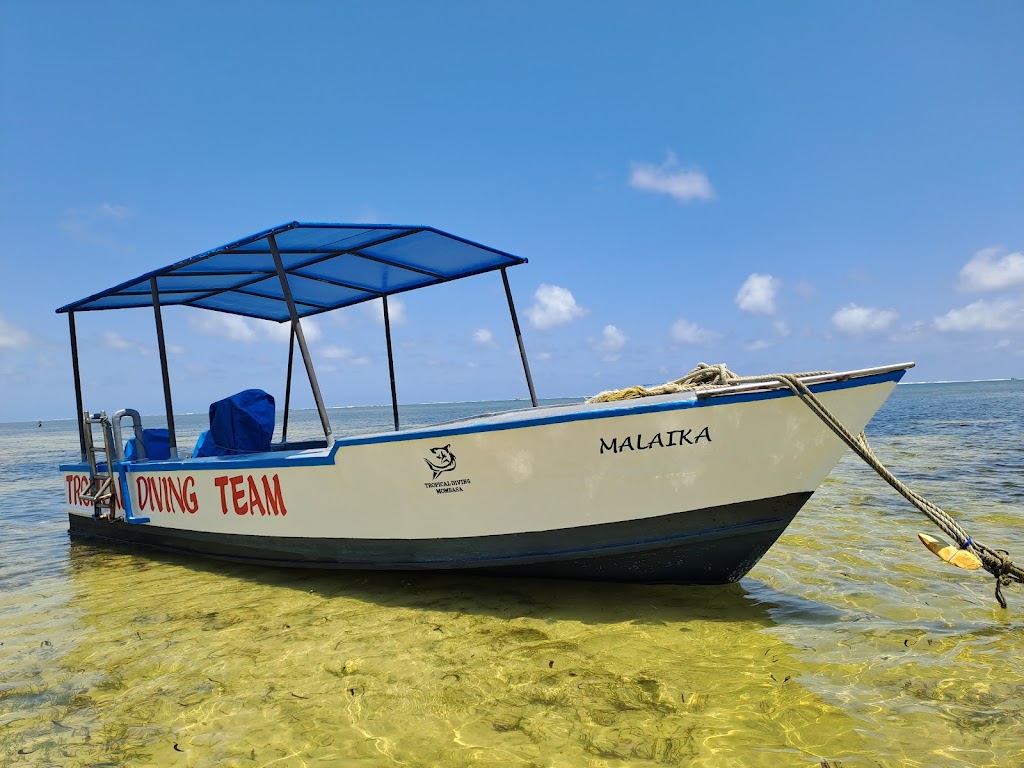
The dive site is exclusively accessible by boat, typically a 15-minute ride. You must book your dive through one of the local dive schools in Diani, as they facilitate access and guide dives within the restoration area.
What marine life can I expect to see?
Divers often encounter large schools of batfish, damselfish, and surgeonfish. Other common sightings include stingrays, green turtles, and squid. On occasion, lucky divers might spot dolphins or even whale sharks.
Are there any specific rules to follow while diving here?
Yes, strict house rules apply. The nursery area is marked with buoys, and fishing is strictly prohibited. Divers must also practice excellent buoyancy control to avoid damaging the delicate coral nurseries and growing coral colonies.
Planning to dive Swahili Nurseries?
Send one inquiry and receive offers directly from the best verified local dive operators.
Conditions are Moderate
Optimal conditions expected
Current conditions near Swahili Nurseries show 26° air, 27° sea temperature, 1.8 m waves, and 35 km/h wind. Forecast data is refreshed regularly to ensure accuracy.